It was a Tuesday in early October 2025, a little past 6 p.m., when David Kowalski parked his F-250 in the gravel lot behind his shop in southwest Denver and just sat there. The dashboard clock glowed. His inbox showed three — three — estimate requests for the entire month. Seven years building Kowalski Painting from a solo gig into a three-man crew, and he was staring at the slowest pipeline he'd seen since the 2020 lockdown. His phone buzzed: another rejection email from a homeowner in Highlands Ranch who had picked "the bigger company with the nicer website." David closed the app, stared at the Rockies to the west, and said it out loud for the first time: something has to change.
Ninety days later — by mid-January 2026 — David was turning down work. His qualified leads had tripled from 8 a month to 24. His close rate had jumped from 22% to 41%. His average job value climbed from $4,200 to $5,800. And his monthly revenue, the number that had kept him up at night, went from roughly $7,400 to just over $57,000. This is exactly what he changed, in the order he changed it, with the real numbers attached. It is not a hack, it is not a funnel course, and it did not require a loan. If you are a painting contractor in the US reading this at the end of a long day, you can steal the whole playbook.
The Problem: Why David Was Losing Before He Even Quoted
David Kowalski is 42, a second-generation tradesman whose father ran a drywall business in Pueblo. He started Kowalski Painting in 2018 with one truck, a pressure washer, and a Craigslist ad. By 2025 he employed three painters, had a decent reputation on the south side of Denver — Littleton, Lakewood, Englewood, Castle Rock — and was doing about 85% exterior repaints. On paper, a healthy shop. In practice, four problems were quietly strangling the business.
First, he was getting outbid by bigger companies. The national franchises and the 20-truck operations in the Denver metro had real marketing budgets, branded vans, and slick proposal software. David was still emailing PDFs he built in Word. The Angi 2025 Contractor Survey found that 63% of US homeowners now check at least three painters online before requesting a quote — and the contractors who show up with reviews, photos, and a clear digital presence win the first-call slot about 70% of the time.
Second, he had almost no online presence. His Google Business Profile existed but had 4 reviews, the last one from 2022. No photos. No posts. No service areas filled in. According to Google Business Profile insights data shared publicly by Google's Small Business team, profiles with 25+ reviews and weekly photo uploads receive roughly 5x more direction requests and 7x more calls than bare-bones listings. David was invisible to anyone searching "painter near me."
Third, estimates were eating him alive. A single exterior estimate took David 6 to 8 hours from first call to delivered quote: driving to the property, measuring, photographing, back to the shop, typing the scope, pricing materials, formatting the PDF, emailing, following up. With 8 leads a month he was spending 50+ hours on estimating alone — unpaid, untracked, and without a visual that helped the client picture the result.
Fourth, his close rate was stuck at 22%. The Painting Contractors Association (PCA) benchmarks healthy residential close rates between 30% and 55%. David was below the floor. He knew it. He just didn't know which lever to pull first.
The Solution: Three Changes in 90 Days
David did not rebuild his website. He did not run Facebook ads. He did not hire a marketing agency. He made three specific, sequenced changes over a 90-day window, each one stacking on the last.
Change 1: Optimize the Google Business Profile (Days 1–60)
On day one, David spent a Saturday morning at his kitchen table and completely rebuilt his Google Business Profile. He filled every field: service areas (12 Denver-metro ZIP codes), services (exterior, interior, cabinets, deck staining), hours, business description, and a logo. He uploaded 40 job photos from his phone camera roll. Then he did the thing most contractors never do: he asked.
After every completed job for the next 60 days, David texted the homeowner the same short message: "Hey, it was a pleasure working on your home. If you have 60 seconds, a Google review means everything for a small business like ours — here's the direct link." He also texted every past client from the last 18 months. The result: 35 new reviews in 60 days, average rating 4.9. His profile jumped from 4 reviews to 39. Direction requests on his dashboard tripled within week six.
Change 2: Add Before/After Visual Simulations to Every Proposal (Days 15–90)
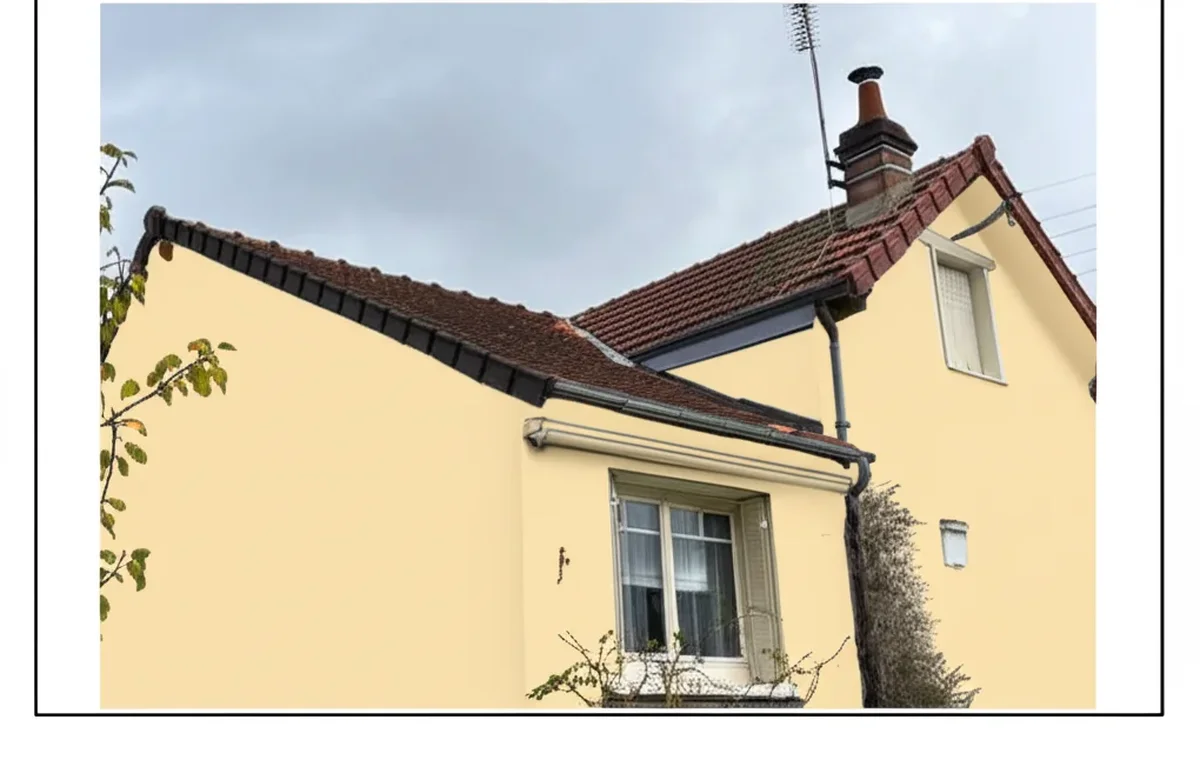
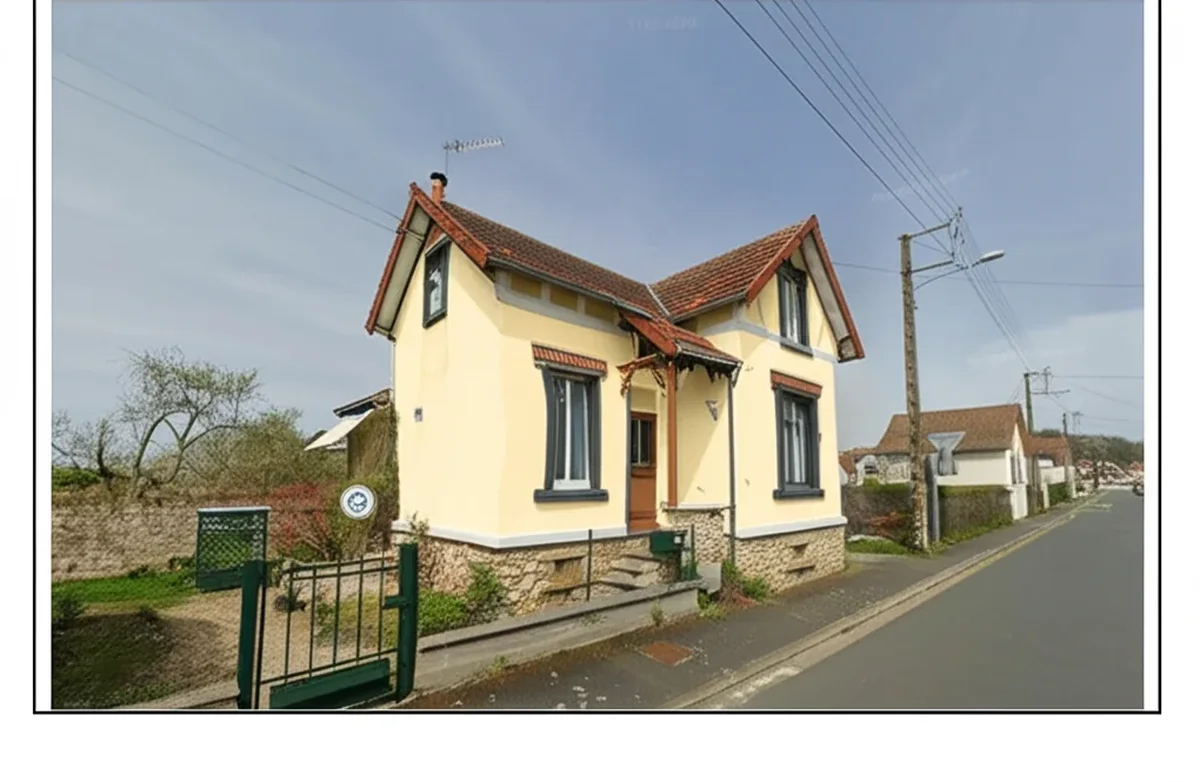
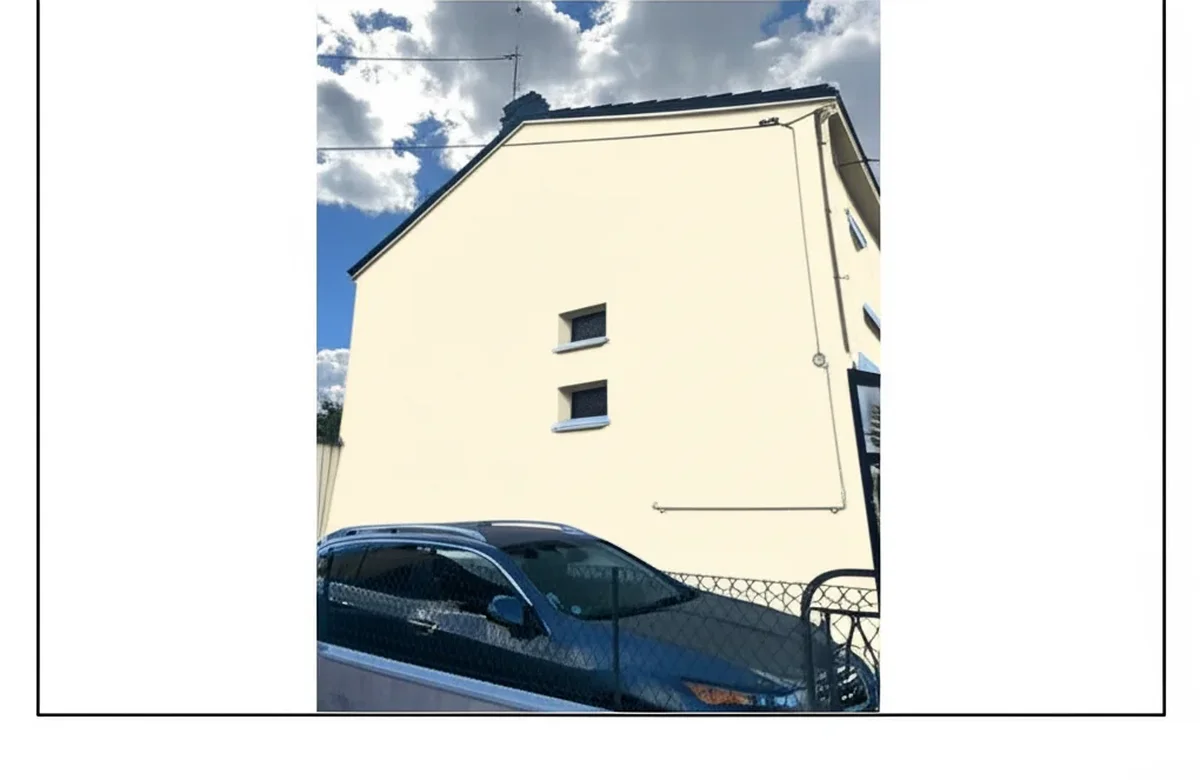
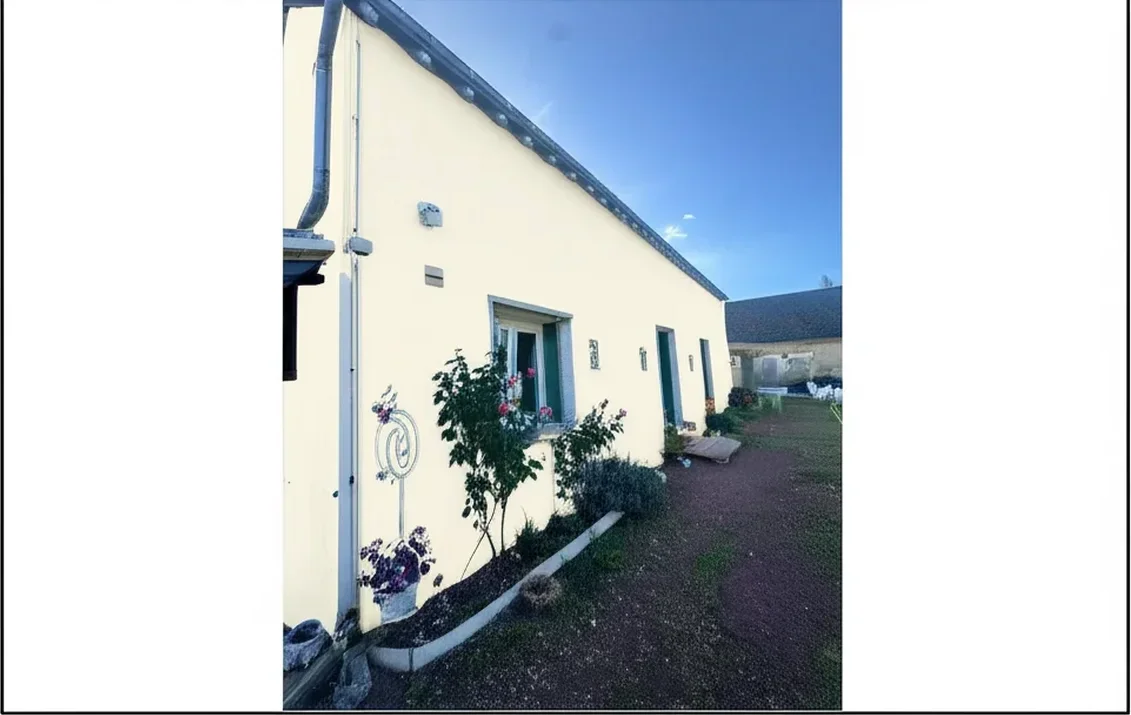
Two weeks in, David started using an AI paint visualizer on every estimate. He took a phone photo of the front facade during his site walk, uploaded it to FacadeColorizer on his iPad in the truck, and generated two photorealistic renderings — the client's house in the two colors they had mentioned. He showed the images before he ever discussed price. Every written proposal now opened with a before/after pair on page one.
This single change collapsed the "I need to think about it" phase that had killed so many of his previous bids. Homeowners signed faster because they could already see the outcome. David also started adding a second rendering with a contrast front door or refreshed trim — and about half the time, the client upgraded on the spot. That is where the jump in average job value came from.
Change 3: Switch to Instant Digital Estimates (Days 30–90)
By day 30, David was ready to fix the time drain. He built a simple instant estimate flow on his website using a contractor calculator tool, so homeowners could enter square footage, stories, and surface condition and get a ballpark number in under two minutes. He followed up every submission with a personal call inside 30 minutes. His time per estimate dropped from 7 hours to roughly 35 minutes — a photo, a calculator run, two renderings, a phone call.
"I stopped trying to look like the big companies. I just started looking like the clearest one. Photos on Google, a rendering of their actual house, a number in their inbox before bedtime. That's the whole trick."
— David Kowalski, Kowalski Painting (Denver, CO)
The Results (Real Numbers)
Ninety days after David started, here is what Kowalski Painting looked like — every number pulled straight from his CRM and QuickBooks, not projections.
- Qualified leads: 8 per month → 24 per month (3x)
- Close rate: 22% → 41% (nearly double, now above PCA benchmark)
- Average job value: $4,200 → $5,800 (+38%)
- Monthly revenue: $7,400 → $57,000 (7.7x from more leads, higher close rate, and bigger jobs stacking)
- Time per estimate: 7 hours → 35 minutes (92% time saved)
- Google reviews: 4 total → 39 total, 4.9-star average
The revenue jump looks outsized until you do the math: triple the leads, close nearly twice the percentage, at a 38% higher ticket. Those three multipliers compound. David went from booking about 1.8 jobs a month at $4,200 to booking roughly 9.8 jobs at $5,800. The extra capacity came from the estimating time he reclaimed — roughly 45 hours a month that used to disappear into Word documents and follow-up emails.
What You Can Steal from David's Playbook
Five specific moves, in the order they compounded for David. Do them in this sequence and you will feel results inside 30 days.
- Rebuild your Google Business Profile in one sitting. Fill every field, upload 30+ job photos from your phone, set service areas by ZIP code. This is the single highest-ROI Saturday you will spend this year.
- Run a 60-day review sprint. Text every completed client and every past client from the last 18 months with a direct Google review link. Aim for 25–40 new reviews. Google's own insights data shows direction requests and calls climb roughly 5–7x once you cross the 25-review threshold.
- Add a visual to every single proposal. Use an AI visualizer to generate two renderings of the client's actual home on the spot. Put them on page one of your PDF. Homeowners buy confidence in the outcome — your rendering delivers it.
- Put an instant estimate calculator on your site. Even a ballpark range tool beats a contact form, because it gives the homeowner a number fast and filters out tire-kickers. David cut his estimating time by 92% this way — try our contractor calculator as a starting point.
- Upsell with a second rendering. Contrast trim, a new front door, accent shutters — show the upgrade, do not just describe it. Expect average job value to climb 20–40% without changing your base price.
None of these five moves require capital. The tools are either free or under $50 a month. What they require is consistency for 90 days. David will tell anyone who asks that the hardest part was not the tech — it was sending the 40th review-request text when the first 10 had gone unanswered.
Ready to run David's 90-day playbook on your own business?
Start with the one lever that moves the most numbers fastest: visual estimates. Try our contractor calculator and generate your first before/after rendering free — no signup, no credit card. Show it to your next client before you say a number, and watch your close rate move.
The Denver painting market is not unique. The same 90-day pattern is repeating right now in Phoenix, Charlotte, Minneapolis, and Tampa, because the underlying shift is national: American homeowners in 2026 expect visual previews and digital estimates the same way they expect a tracking number when they order a package. The contractors who meet that expectation win. The ones who don't, slowly lose ground to the ones who do. David Kowalski made that pivot in 90 days, from a truck cab in southwest Denver. So can you.