Exterior painters near me in Sacramento, California
Before you call a Sacramento painter, upload one photo and preview real Sherwin-Williams, Benjamin Moore or Behr colors on your own facade in about 30 seconds. Free, no account, no obligation.
- No sign-up
- No card
- Result in ~30s
Your photo is private, used only to create your preview, never sold. You keep full ownership.
✓ No sign-up ✓ Result in ~30s
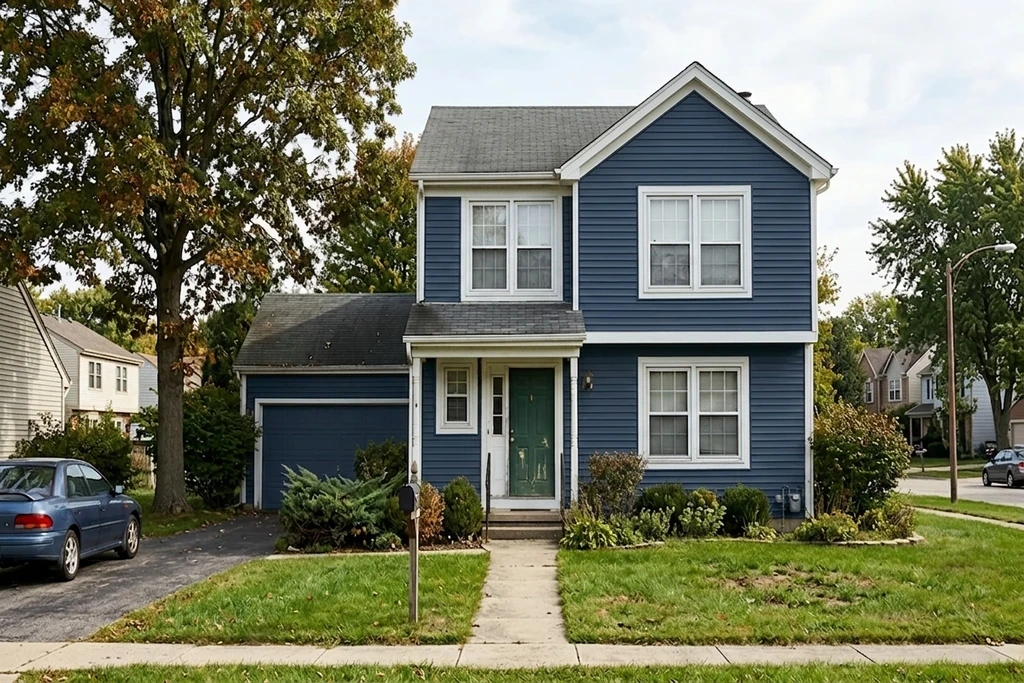
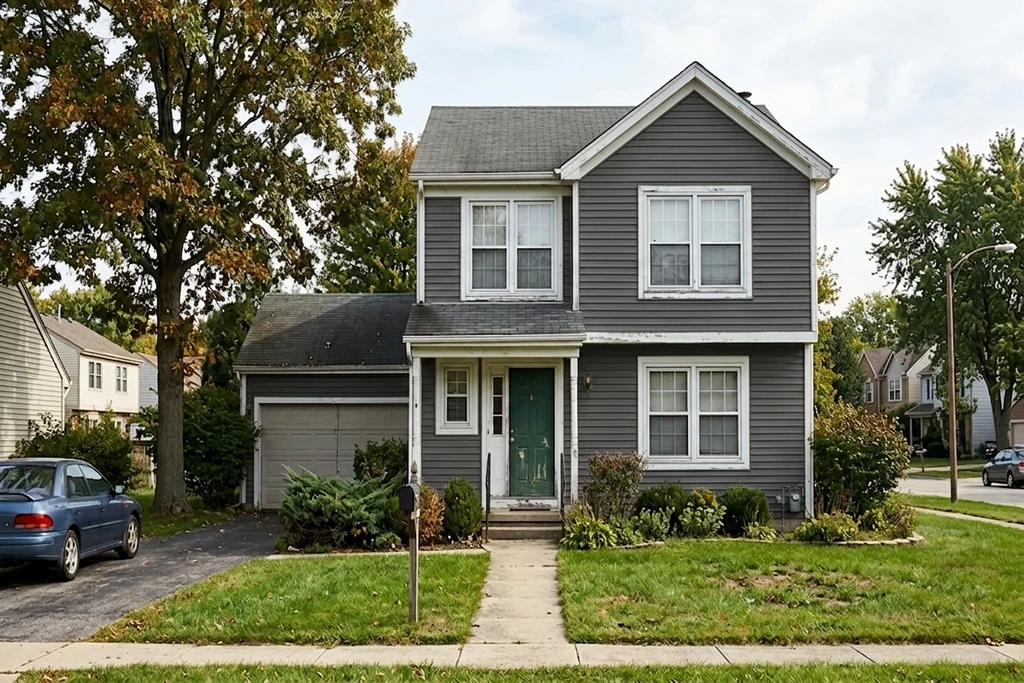
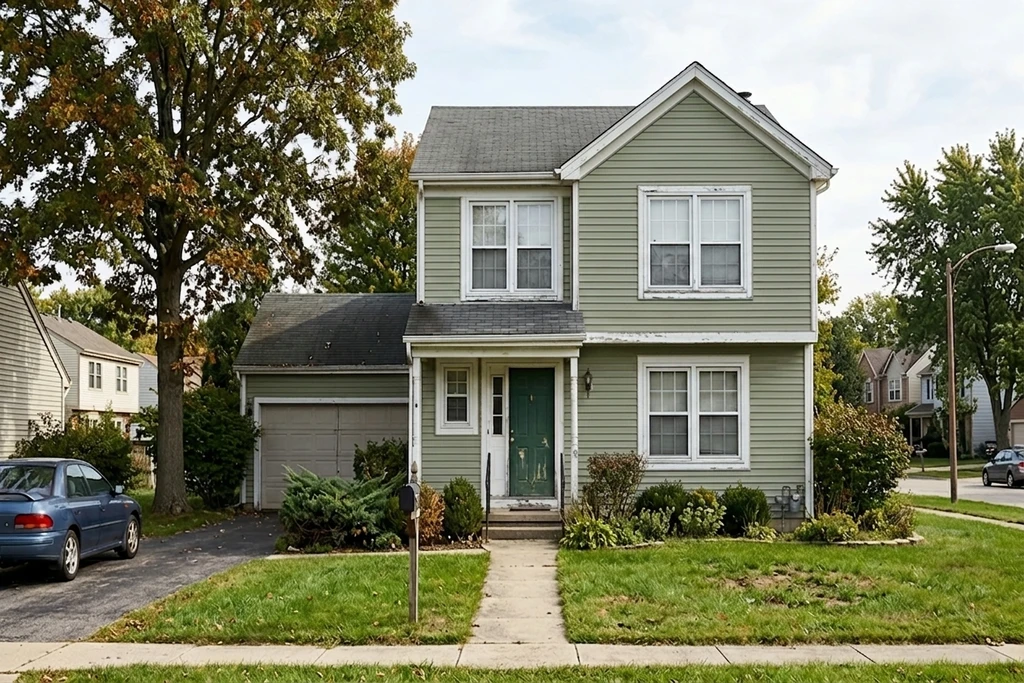
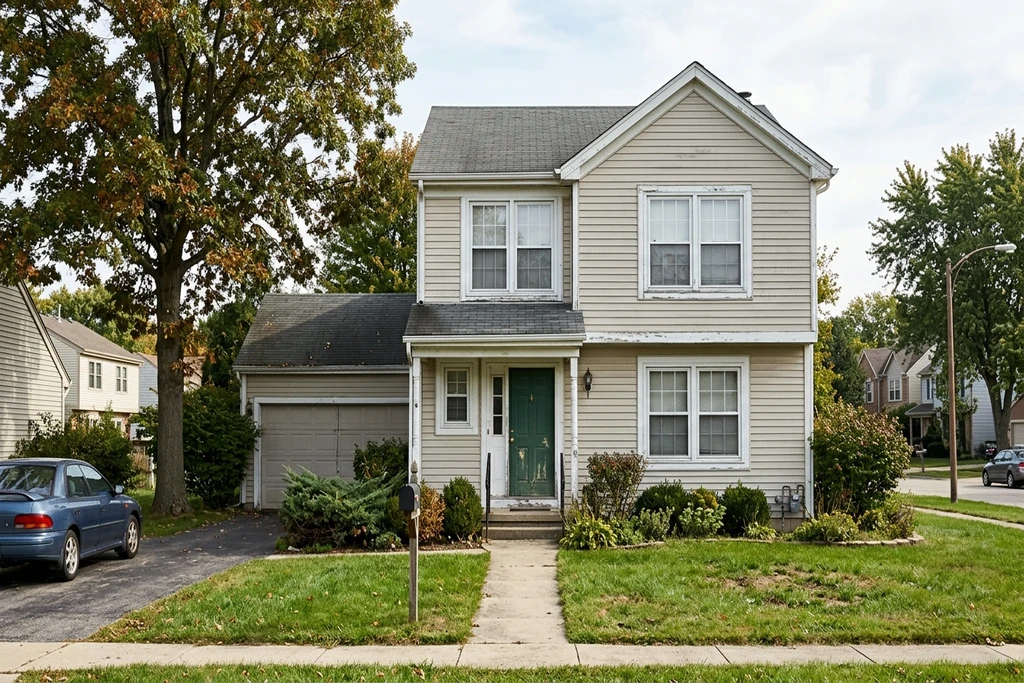
Real AI renders, your own photo, any shade
Try it on your house
No photo? Try a sample
Sacramento painter wages and labor data (BLS, 2024)
Source: US Bureau of Labor Statistics, Occupational Employment and Wage Statistics (OEWS), May 2024. Wage figures are for the state as a whole; Sacramento metro pricing typically tracks at or above the state mean.
Sacramento climate and what it does to exterior paint
Hot-summer Mediterranean climate in the Central Valley with roughly 269 sunny days per year, about 18 in of annual rainfall packed into November through April, and bone-dry summers. July mean highs sit near 94 deg F and the UV index hits 8 to 9 from May through August. Winters bring dense Tule ground fog rather than hard freezes.
Triple-digit July and August afternoons flash-dry latex before it can level, so reputable crews chase the shade and the evening Delta breeze and slow the coat with an extender on west elevations. The long dry summer plus high UV fades mid-grade acrylics fast on south and west walls, while winter Tule fog keeps surfaces damp for days and feeds mildew on shaded north faces. Expansive Central Valley clay heaves foundations seasonally, opening stucco hairline cracks that need elastomeric caulk before topcoat.
Source: NOAA National Centers for Environmental Information, climate normals 1991 to 2020.
What Exterior Painting Really Costs in Sacramento in 2026
Sacramento sits a little under the headline California coastal metros but still runs above the national average, and the reason is the Central Valley job mix rather than any single fee. Two substrates dominate local quotes and they price very differently. Newer stucco tract homes in North Natomas, Natomas Park, and the Pocket lean on crack chasing and a roll-and-back-roll two-coat system, landing most 2,000 to 2,500 sq ft single-story houses in the $4,300 to $12,000 band at $2.00 to $5.00 per square foot. Older wood-frame bungalows and revival homes in Land Park, Curtis Park, and the East Sacramento Fab Forties carry a heavier prep scope: lead-safe scraping on pre-1978 siding, spot priming bare wood, and reglazing original double-hung windows, which can add 20 to 35 percent to a comparable stucco bid. Sherwin-Williams on Folsom Boulevard, Dunn-Edwards in East Sacramento, and the West Coast Paint Benjamin Moore dealer on Marconi all stock hot-climate exterior lines, and the per-gallon premium for a UV-stable 100 percent acrylic flows straight into your number. Two-story homes in Gold River and the newer Natomas subdivisions trend toward the $9,000 to $15,000 range once HOA color approval, trim, and stucco repair are folded in.
Sacramento Climate: Triple-Digit Heat, Then Tule Fog
Sacramento logs about 269 sunny days a year against roughly 18 inches of rainfall, and nearly all of that rain falls between November and April, leaving a five-month bone-dry summer. That split drives two distinct paint failure modes the coast never sees. From late June through September, afternoon highs push past 100 deg F and the UV index climbs to 8 or 9, so latex flashes off before it can level and south and west elevations chalk fast on mid-grade product. Crews counter this by following the shade around the house, leaning on the late-afternoon Delta breeze that funnels up from the San Joaquin Delta, and adding a paint extender to buy open time. Then winter flips the script: dense Tule ground fog settles over the Valley floor for days at a time from December into February, holding surfaces near the dew point and feeding mildew on shaded north walls and under eaves. NOAA places the metro in USDA hardiness zone 9b, so hard freezes are rare, but the fog season, not cold, is what closes the exterior calendar. Practically, that means a Sacramento job is paced by the thermometer in summer and the dew point in winter: a coat that goes on a 105 deg F west wall at 2 p.m. in July behaves nothing like the same coat on a 78 deg F morning in October, and a foggy January afternoon can leave fresh paint tacky and milky if the crew misjudges the recoat window. The metros along the coast simply do not fight this combination, which is why Valley painters quote prep and scheduling, not just gallons.
Stucco Tract Homes Versus Historic Wood-Frame: The Local Substrate Split
Sacramento is unusual because its housing stock is genuinely bimodal, and a good painter writes two very different bids for the two halves. The post-1990 suburban ring (North Natomas, the Pocket, Gold River, and the Laguna and Antelope edges) is overwhelmingly stucco over wood frame. There the scope is hairline crack chasing with elastomeric caulk, patching with sanded stucco patch, and a 100 percent acrylic two-coat system, with a fog coat or full elastomeric only where expansive Central Valley clay has worked the walls. The historic core is the opposite: Land Park, Curtis Park, the East Sacramento Fab Forties, and Tahoe Park are packed with 1920s and 1930s Tudor, Colonial, Spanish, and Craftsman homes in painted wood siding, plus pockets of 1950s Eichler-style mid-century in South Land Park Hills. Pre-1978 wood demands lead testing and RRP-certified containment, hand scraping and sanding of failed oil layers, oil or bonding primer on bare wood, and careful reglazing of original single-pane windows. There is also a soil factor the coast rarely deals with: large stretches of the Valley floor sit on expansive clay that swells in the wet winter and shrinks in the dry summer, working foundations and opening recurring hairline cracks in stucco around windows and at wall-to-roof junctions. A painter who simply skins over those cracks will watch them telegraph back through within a season, so the right move is elastomeric caulk and, on older or visibly stressed walls, an elastomeric or high-build coat that can bridge the movement. Confusing the two scopes, stucco tract versus historic wood-frame, is the single most common way a Sacramento exterior bid comes in unrealistically low, and it is exactly the corner an out-of-area or unlicensed crew will cut.
HOA Color Rules in Natomas Park, Gold River, and the Pocket
If your home sits inside an association, your color list is rarely wide open. The Natomas Park Master Association governs a large North Natomas footprint around the Northgate clubhouse and runs an architectural review process with a defined approved palette of warm Valley body tones and limited trim contrast; an exterior change request is expected before a brush touches the wall. Gold River Community Association is the master body for roughly two dozen separate villages on the Highway 50 corridor, and each village layers its own design guidelines on top of the master rules, so confirm which village you fall under before you finalize a scheme. The Pocket and Greenhaven associations are generally more permissive on body color but watchful on trim and front-door accents. In every case, submitting a realistic exterior visualization with your application speeds the committee decision, which is why many Sacramento owners run their two or three finalist palettes through the FacadeColorizer exterior paint visualizer before filing the architectural form.
Hiring a Licensed Sacramento Painter (C-33, Bonded, Insured)
Every quote you collect should name a current CSLB C-33 Painting and Decorating license number, a general liability certificate, and a workers compensation policy that lists your address. Verify the C-33 on the free CSLB lookup before you sign, and ask for three local references from jobs finished in the last 18 months in your zip, ideally matching your substrate: stucco references for a Natomas home, historic wood-frame references for a Land Park or Curtis Park home. A serious Sacramento painter will name the exact product line (for example Sherwin-Williams SuperPaint, Duration, or Loxon on stucco, Dunn-Edwards Evershield, or a Benjamin Moore Aura or Regal Select exterior on wood), spell out a two-coat system rather than a vague single coat, account for the heat window in the schedule, and back the work with a written 5 to 7 year workmanship guarantee. A bid that skips the license number or promises a one-coat miracle in August is a flag worth walking away from.
Best Months to Paint in Sacramento (Work Around the Heat and the Fog)
Sacramento has a long exterior season, but it is bracketed at both ends. The sweet spots are April through early June and mid-September through October, when daytime highs sit in the comfortable 70s and 80s, humidity is low, and paint cures cleanly overnight. July and August are workable but demand discipline: crews start at dawn, chase shade across the elevations, ride the evening Delta breeze, and avoid dark colors on full-sun west walls during the worst of the afternoon, because a surface at 130 deg F will skin over before it bonds. The true off-season is the Tule fog stretch from late November through February, when surfaces can stay damp past noon for days and recoat windows blow out. That shoulder is tempting for budget-minded owners because painter calendars lighten and quotes soften, but watch the forecast closely: a stalled fog bank or an atmospheric-river storm can push a winter job a week or two past its planned finish. For most homeowners, locking a spring or early fall slot is worth a modest premium.
Where Sacramento Painters Buy: Folsom Blvd, East Sac, and Marconi
Local crews orbit a handful of paint counters, and which one your painter sources from quietly shapes both the product and the price. Sherwin-Williams on Folsom Boulevard is the workhorse for SuperPaint, Duration, and Loxon, the lines most often specified on Valley stucco that has to survive both summer UV and winter fog. Dunn-Edwards in East Sacramento on Folsom is the regional favorite for Evershield and Acri-Hues, prized for a flat, low-sheen Valley finish that hides stucco texture. For the historic wood-frame core, the West Coast Paint and Design Benjamin Moore dealer on Marconi Avenue carries Aura and Regal Select exterior, which many restoration painters prefer for color depth and adhesion on old siding. Most established Sacramento painters hold a contractor account at one of the three with a 25 to 35 percent trade discount, so it is fair to ask which store a quote draws from and which exact product line goes on your walls. Note that the long-running Kelly-Moore network closed its stores statewide, so any quote still citing Kelly-Moore product is dated.
Top Sacramento HOAs with exterior color approval rules
Before painting, confirm your HOA palette and submit your color selections to the architectural review committee. Most Sacramento HOAs respond within 14 to 21 days.
Paint stores near Sacramento
Painter licensing in California
California requires a C-33 Painting and Decorating license from the Contractors State License Board (CSLB) on any project over $500. Ask each quote for the CSLB license number and verify it on the free CSLB lookup, and confirm the contractor carries general liability and workers compensation coverage for your address.
Frequently asked questions about Sacramento exterior painting
How much does it cost to paint a house exterior in Sacramento in 2026?
Most Sacramento single-family homes run $2.00 to $5.00 per square foot for a two-coat acrylic system, with a 2,000 sq ft house landing in the $4,300 to $12,000 band. Stucco crack repair on Natomas and Pocket tract homes, or lead-safe prep and window reglazing on historic Land Park and Curtis Park wood-frame homes, pushes pricing toward the high end.
Do Sacramento painters need a license?
Yes. California requires a C-33 Painting and Decorating license from the Contractors State License Board on any project over $500. Verify the C-33 number on the free CSLB lookup, and confirm general liability and workers compensation coverage, before you sign a contract.
What is the best month to paint a house exterior in Sacramento?
April through early June and mid-September through October are ideal, with mild dry days and clean overnight cure. July and August work if the crew starts at dawn and chases shade away from triple-digit afternoon heat, while the late-November to February Tule fog season is the real off-season because surfaces stay damp for days.
How do I get HOA color approval in Sacramento?
Submit your proposed body, trim, and accent colors to your association architectural review committee with a visualization mockup or physical swatches. Natomas Park, Gold River, and the Pocket-Greenhaven associations each maintain design guidelines, and Gold River layers village-level rules on top of the master palette, so confirm which village governs your street.
Want a deeper cost breakdown? Read our 2026 Sacramento cost guide .
House painters in nearby metros
Popular exterior colors for Sacramento homes
In Sacramento's warm Mediterranean climate, versatile greiges and warm whites work across both classic stucco and modern facades.
Browse painting costs in other metros: all US city guides.