Exterior painters near me in Phoenix, Arizona
Before you call a Phoenix painter, upload one photo and preview real Sherwin-Williams, Benjamin Moore or Behr colors on your own facade in about 30 seconds. Free, no account, no obligation.
- No sign-up
- No card
- Result in ~30s
Your photo is private, used only to create your preview, never sold. You keep full ownership.
✓ No sign-up ✓ Result in ~30s
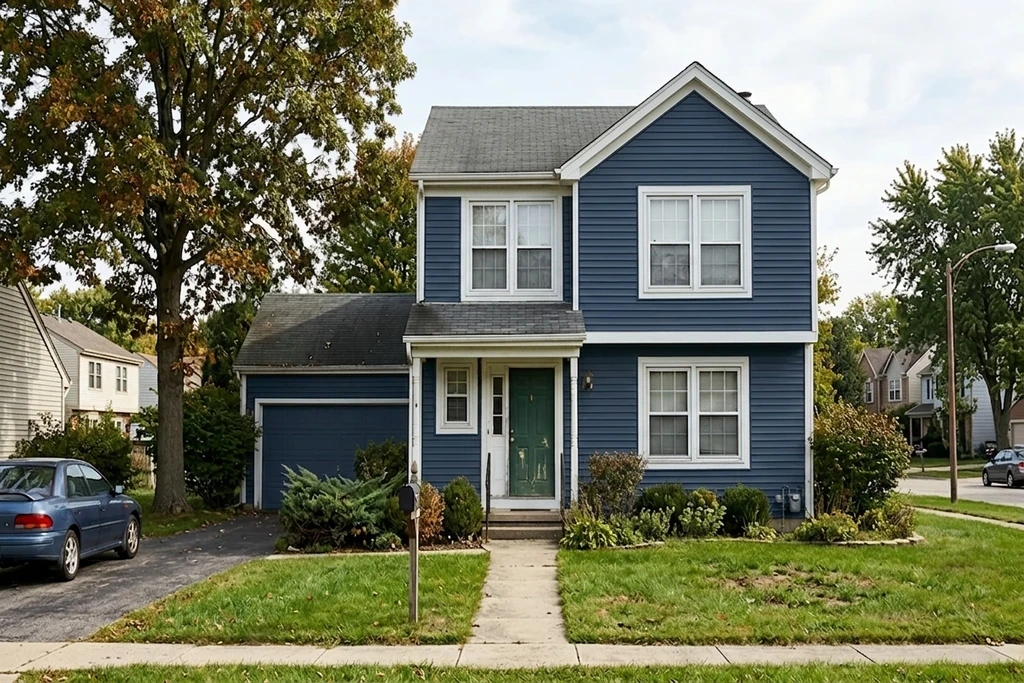
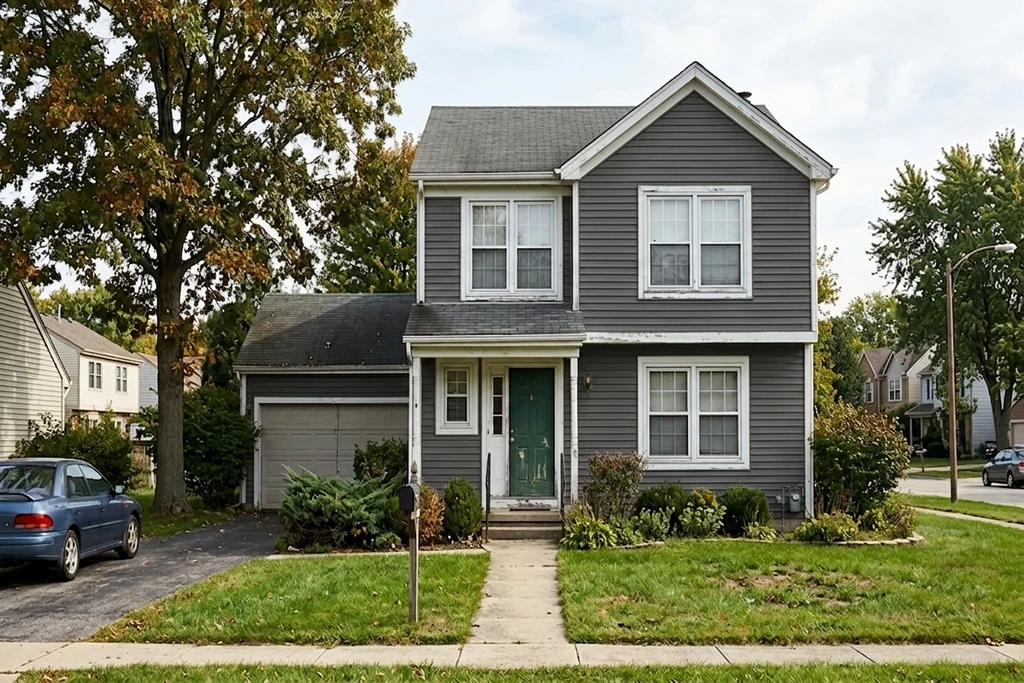
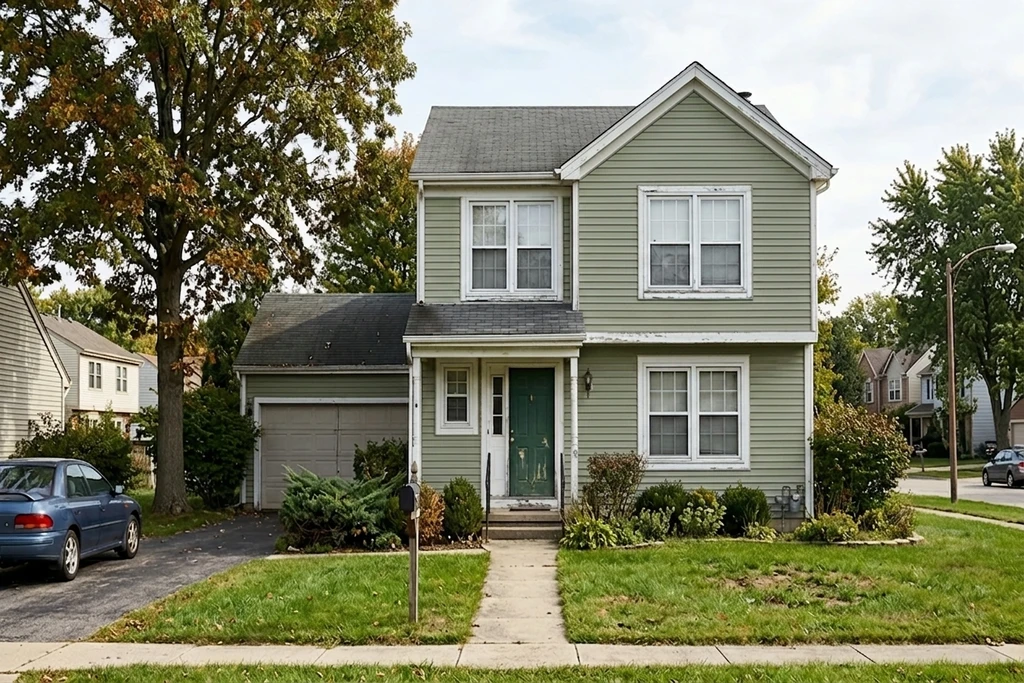
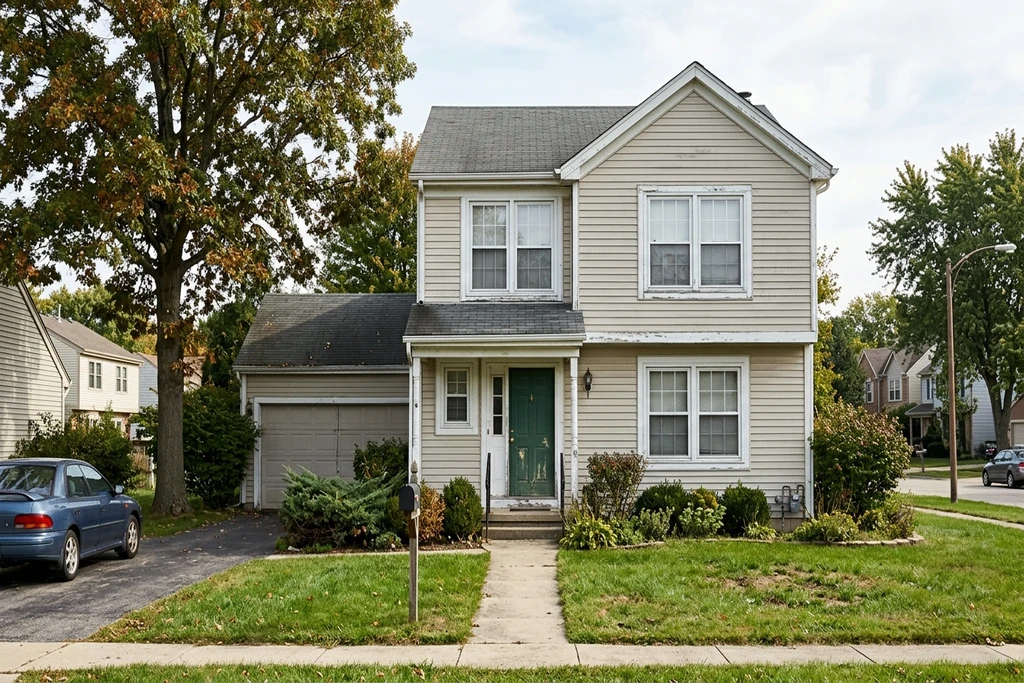
Real AI renders, your own photo, any shade
Try it on your house
No photo? Try a sample
Phoenix painter wages and labor data (BLS, 2024)
Source: US Bureau of Labor Statistics, Occupational Employment and Wage Statistics (OEWS), May 2024. Wage figures are for the state as a whole; Phoenix metro pricing typically tracks at or above the state mean.
Phoenix climate and what it does to exterior paint
Hot desert climate (BWh) with 299 sunny days, 8.2 in annual rainfall, and 110 plus afternoons of 100 deg F or higher. UV index hits 11 from May through September.
Surface temperatures on dark south- and west-facing walls routinely exceed 160 deg F in July, which forces premium-grade elastomerics rated for thermal cycling. Monsoon dust storms (haboobs) drive grit into uncured paint film, so crews track dew point and skip the late afternoon application window from June through September.
Source: NOAA National Centers for Environmental Information, climate normals 1991 to 2020.
Why Phoenix Painting Is Priced Around the National Average (But Costs More to Get Right)
Phoenix labor is slightly cheaper than the coastal benchmarks (BLS pegs the Arizona painter mean hourly wage at $22.91 versus the national $26.10), but the desert exposure cycle eats cheap paint alive. The trade-off shows up in two ways. First, bid pricing on a 2,000 sq ft home lands in the $3,800 to $11,500 band, lower than San Diego or coastal California. Second, the product spec matters disproportionately: a $35 per gallon mid-grade acrylic will chalk and fade visibly in 3 to 5 years on west elevations in Ahwatukee or Estrella, while a $70 per gallon elastomeric or premium acrylic with high titanium-dioxide load holds 8 to 12 years. Smart Phoenix homeowners pay the product premium and pocket the labor savings.
Desert UV, Monsoon Dust, and the 160-Degree Wall
Phoenix logs 299 sunny days, but the load on exterior paint is not just about hours of sun. Surface temperatures on dark cladding routinely cross 160 deg F on summer afternoons, which means binder cycling is the dominant failure mode. The Sonoran monsoon season runs mid-June through September and delivers haboobs, the wall-of-dust storms that drop a thin film of grit across every wet surface. Reputable Phoenix painters schedule application around dew point and surface temperature, not the calendar, and they will refuse to spray a topcoat when the wall reads above 95 deg F. NOAA classes the metro as USDA hardiness zone 9b and the climate is BWh hot desert.
Stucco, EIFS, and Block: the Phoenix Substrate Mix
Roughly 65 percent of Phoenix-metro single-family homes wear traditional stucco, another 15 percent wear EIFS (synthetic stucco) common in 1990s and 2000s subdivisions in Anthem, Estrella, and DC Ranch, and the remainder wear painted concrete block (CMU) common in pre-1980 homes in Arcadia and central Phoenix. Each substrate prices differently: traditional stucco gets a fog coat or elastomeric topcoat, EIFS needs a soft acrylic that flexes with the foam substrate, and CMU usually gets a block filler before the topcoat. Ask any Phoenix painter what specific product line they will spec for your substrate, by name, before signing.
HOA Palettes in Anthem, DC Ranch, and Estrella Mountain Ranch
Phoenix master-planned communities run some of the strictest exterior color controls in the country. The Anthem Community Council enforces a desert earth-tone palette of about 60 approved bodies and 20 trims, with a 21-day architectural review window. DC Ranch in Scottsdale runs a similarly tight Sonoran-inspired palette with explicit limits on reflectance value to keep rooflines cohesive. Estrella Mountain Ranch in Goodyear maintains a three-tier palette with stricter rules on west-facing elevations. In all three, submit your color choices alongside a visualization mockup of your actual house, not just paint chips. Reviewers approve faster when they can see how the body and trim read in context with the existing roof tile.
Choosing a Licensed Phoenix Painter (CR-34 + Bonded + Insured)
The Arizona Registrar of Contractors (AZ ROC) issues the CR-34 Painting and Wall Covering license, required on projects over $1,000. Verify the ROC number on AZROC.gov, confirm the bond is current, and ask for a workers compensation certificate naming your address. A serious Phoenix painter will line-item elastomeric product by name, specify the dew-point and surface-temperature thresholds they will respect, and offer a written 5 to 10 year workmanship guarantee scaled to product grade.
Best Months to Paint in Phoenix (and the Summer Workaround)
The official optimal painting calendar in Phoenix is October through April. Surface temperatures, dew point, and dust levels all sit inside product spec for most major brands. The challenge is contractor capacity: every Phoenix homeowner who has been on the fence books in October, and the best crews disappear by mid-November for a six-month run. Summer work is possible with a real plan. Crews start at 5 a.m., spray bodies and back-roll before surface temperatures cross 95 deg F at 9 a.m., and pause through the afternoon. Trim and detail work resumes in the cooler 6 p.m. window. Avoid scheduling spray work on any day with a haboob in the forecast, which is most July afternoons.
Two-Story Homes, Tile Roofs, and Scaffolding Surcharges in Phoenix
Phoenix has a higher concentration of two-story stucco homes than most Western metros, particularly in Ahwatukee, Estrella, Anthem, and the Scottsdale corridor. Two-story scopes carry a real surcharge above the headline cost-per-sqft band: scaffolding, ladder work above tile roof valleys, and additional fall-protection rigging add $1,200 to $3,500 to a typical 2,500 sq ft two-story job. Tile roofs deserve separate respect. Most Phoenix homes wear concrete tile or Spanish clay tile, and walking those tiles costs roughly 12 percent of any sheet that gets stepped on. Reputable Phoenix painters either work from extension ladders parked on the ground or set scaffolding off the tile. Ask any quote how the crew plans to access the second-story eave and gable returns without walking the tile, and how broken tile is handled if it happens.
Local Paint Stores: Dunn-Edwards Camelback, Sherwin-Williams Tempe, PPG Indian School
Phoenix paint stores skew heavily Dunn-Edwards. The brand is Southern California and Arizona native and dominates contractor accounts across the metro. Dunn-Edwards Camelback stocks the Evershield and Acri-Shield lines used on most premium stucco scopes. Sherwin-Williams Tempe is the second-largest contractor account hub and stocks Duration, Emerald, and Loxon for elastomeric stucco. PPG Paints on Indian School Rd serves the commercial and high-volume contractor market with Manor Hall and Permanizer at sharper pricing. Ask any Phoenix painter which store backs their contractor account: the discount they receive (typically 30 to 40 percent off shelf) determines how much premium product they can spec inside your budget.
Top Phoenix HOAs with exterior color approval rules
Before painting, confirm your HOA palette and submit your color selections to the architectural review committee. Most Phoenix HOAs respond within 14 to 21 days.
Paint stores near Phoenix
Painter licensing in Arizona
Arizona requires a CR-34 Painting and Wall Covering license from the Registrar of Contractors (AZ ROC) on projects over $1,000. Verify the ROC number on AZROC.gov before you sign.
Frequently asked questions about Phoenix exterior painting
How much does it cost to paint a house exterior in Phoenix in 2026?
Phoenix exterior painting runs $1.80 to $4.50 per square foot for a two-coat system, with a 2,000 sq ft home landing in the $3,800 to $11,500 band. Elastomeric topcoats on stucco push pricing toward the high end.
Do Phoenix painters need a license?
Yes. Arizona requires a CR-34 Painting and Wall Covering license from the Registrar of Contractors on any project over $1,000. Verify the ROC number on AZROC.gov before signing a contract.
What is the best month to paint a house exterior in Phoenix?
October through April offers the most reliable surface-temperature window. Crews work through the summer but only at dawn and avoid afternoon application during monsoon season when haboobs and high winds drop dust on wet film.
How long does paint last in the Phoenix desert?
Mid-grade acrylics chalk and fade in 3 to 5 years on west and south elevations. Premium elastomerics and high-grade acrylics rated for thermal cycling hold color for 8 to 12 years.
Want a deeper cost breakdown? Read our 2026 Phoenix cost guide .
Which paint actually survives this climate? Our Dunn-Edwards exterior paint review, tested on Arizona stucco .
House painters in nearby metros
Popular exterior colors for Phoenix homes
In Phoenix's hot, sun-intense climate, heat-reflective whites and desert-warm tones keep exteriors cooler and resist UV fade.
Browse painting costs in other metros: all US city guides.