Exterior painters near me in Charlotte, North Carolina
Before you call a Charlotte painter, upload one photo and preview real Sherwin-Williams, Benjamin Moore or Behr colors on your own facade in about 30 seconds. Free, no account, no obligation.
- No sign-up
- No card
- Result in ~30s
Your photo is private, used only to create your preview, never sold. You keep full ownership.
✓ No sign-up ✓ Result in ~30s
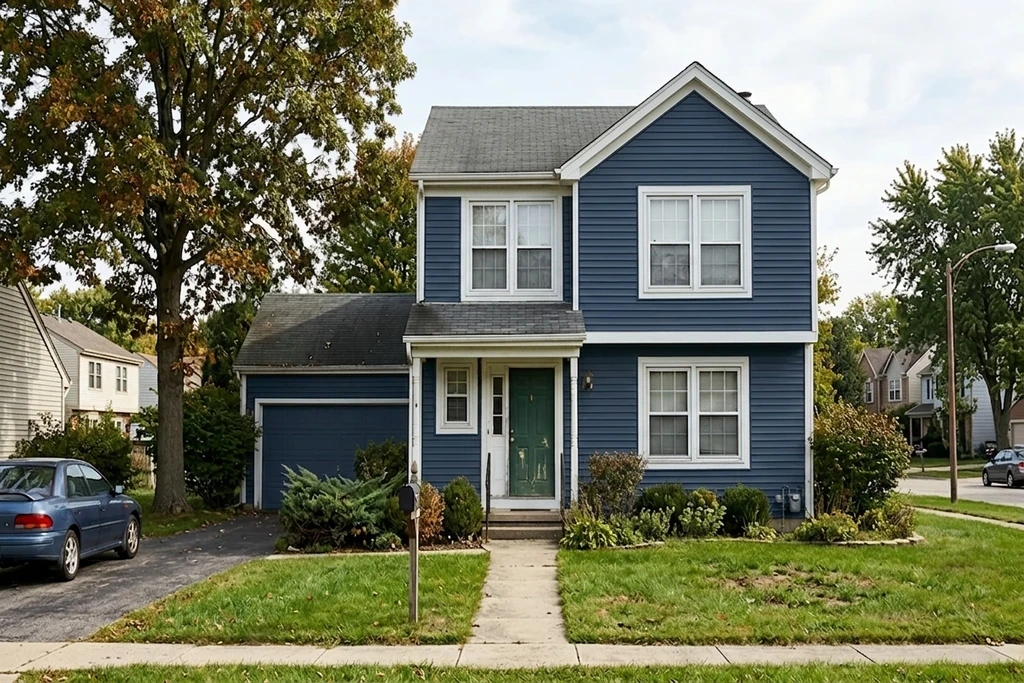
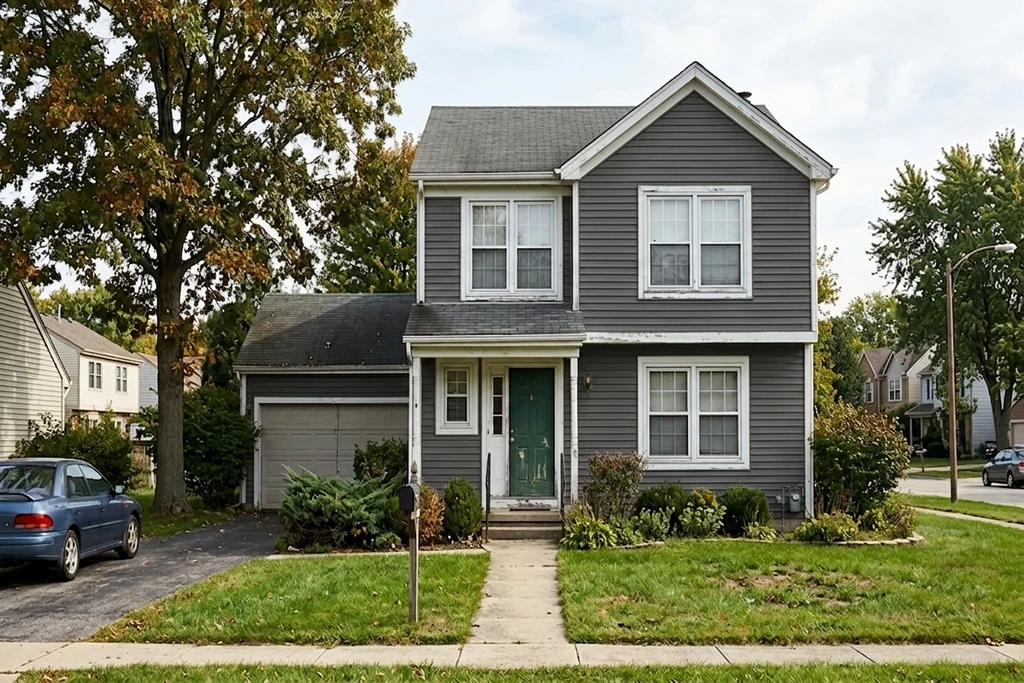
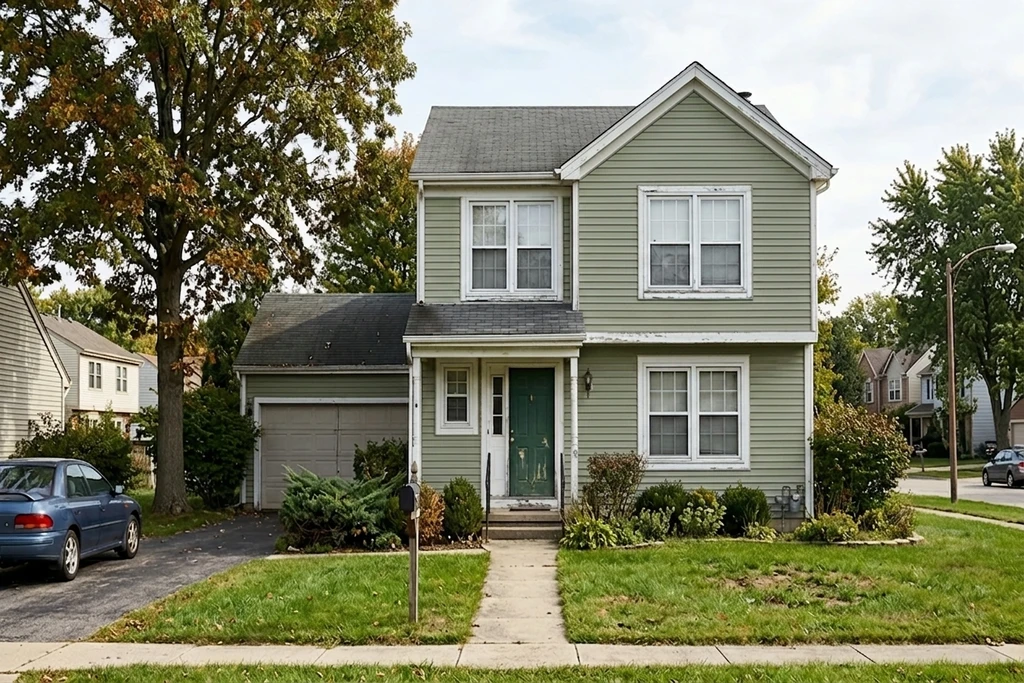
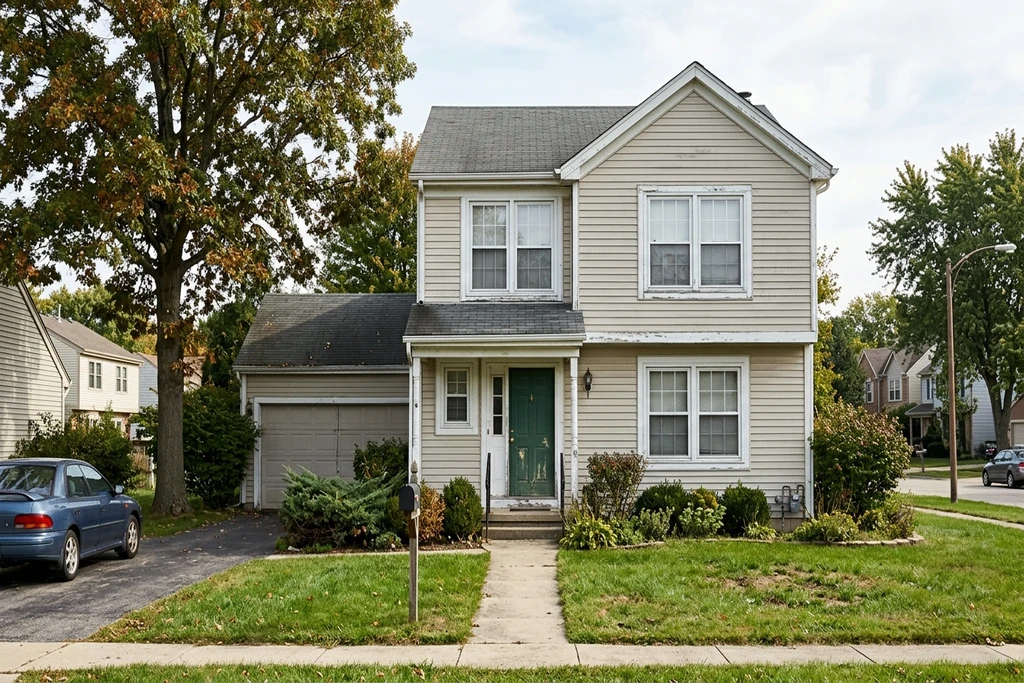
Real AI renders, your own photo, any shade
Try it on your house
No photo? Try a sample
Charlotte painter wages and labor data (BLS, 2024)
Source: US Bureau of Labor Statistics, Occupational Employment and Wage Statistics (OEWS), May 2024. Wage figures are for the state as a whole; Charlotte metro pricing typically tracks at or above the state mean.
Charlotte climate and what it does to exterior paint
Humid subtropical climate with about 218 sunny days per year, roughly 43 inches of annual rainfall, and August humidity near 74 percent. Summer afternoons bring frequent thunderstorms and winters cross freezing on 60 to 70 nights.
High summer humidity and heavy pollen slow film cure and feed mildew on shaded north walls, so quality jobs specify a mildewcide additive and a full wash before primer. The freeze and thaw cycle from December through February works moisture into hairline cracks in brick mortar and wood trim, which is why caulking and crack repair carry more weight in a Charlotte bid than raw paint volume.
Source: NOAA National Centers for Environmental Information, climate normals 1991 to 2020.
What Exterior Painting Actually Costs in Charlotte in 2026
Charlotte sits close to the national average for exterior house painting, a touch below the coastal metros but trending up as the region absorbs roughly 150 new residents a day. Most single-family homes here price between $1.80 and $4.20 per square foot for a two-coat acrylic system, which puts a typical 2,000 to 2,500 sq ft house in the $3,400 to $9,800 band. The spread is wide because Charlotte housing stock is genuinely mixed: a 1990s Highland Creek vinyl-and-brick two-story is a different job than a 1920s Dilworth Craftsman with lead-era wood siding and deep eaves. Brick-veneer homes that only need trim, soffit, and shutter work fall to the low end, while full-body repaints on fiber-cement or older wood push toward the top. Two-story SouthPark and Ballantyne properties with steep rooflines add staging time, and any home inside an HOA folds color-approval lead time into the schedule. North Carolina painters earn a mean of $20.43 an hour according to the Bureau of Labor Statistics OEWS May 2024 state file (SOC 47-2141), well under the California or Texas labor rate, which is the main reason a Charlotte quote lands lower than a San Diego or Austin quote for the same square footage.
Charlotte Climate: Humidity, Pollen, and the Freeze-Thaw Problem
Charlotte runs a humid subtropical climate with about 218 sunny days and roughly 43 inches of rain a year, per National Weather Service normals, so the failure modes here are nothing like a dry Western metro. The dominant enemies are moisture and mildew, not UV chalking. August humidity sits near 74 percent and afternoon thunderstorms are routine from June through September, which means a film that goes on in the wrong two-hour window can blush or trap moisture. Spring brings the infamous yellow-green pine pollen that coats every surface for weeks, and painting over it without a thorough wash leaves a gritty, poorly bonded coat. The quieter long-term threat is the freeze-thaw cycle: Charlotte crosses 32 degrees on 60 to 70 winter nights, and each cycle drives moisture deeper into mortar joints, window glazing, and any open seam in wood trim. A coat applied over un-caulked cracks in October will show splits by March. That is why a competent local painter spends real budget on washing, mildewcide, and caulk rather than the elastomeric and salt-rinse steps you would see on the coast. Charlotte also sits in red-clay country, and that fine red soil splashes up onto lower siding and foundation skirts during summer downpours, staining light body colors near grade. Crews that know the region either recommend a slightly deeper color on the bottom course or budget a pressure wash of the lower walls before the final coat so the clay does not telegraph through within the first rainy season.
Brick, Hardie, and Charlotte Wood: Knowing Your Substrate
Charlotte substrates split roughly three ways, and each rewrites the quote. Brick veneer dominates the postwar and 1990s subdivisions; brick itself is low-maintenance, so those jobs concentrate on trim, soffits, fascia, garage doors, and shutters, and homeowners who want to paint the brick face itself need a masonry primer and a clear conversation about permanence because painted brick cannot easily be reversed. Fiber-cement siding (commonly called Hardie) is everywhere in newer Ballantyne, The Palisades, and Highland Creek construction; it holds paint beautifully but needs the right caulk at the joints and a 100 percent acrylic topcoat rated for cementitious board. The third category is genuine wood: the 1910s to 1940s bungalows and four-squares of Dilworth, Plaza Midwood, Elizabeth, and Wesley Heights. Pre-1978 wood means federal RRP lead-safe rules apply, so a legitimate painter tests, contains the dust, and scrapes under EPA RRP certification before priming bare wood with a stain-blocking primer. Ask any quote which of these three buckets your home falls into and watch how specifically they answer. One Charlotte-specific detail worth raising: many homes in the tree-canopy neighborhoods carry a north or east wall that stays damp under heavy oak shade, and that face usually needs the mildewcide-boosted coat even when the rest of the house does not, so a thorough painter will price the shaded elevation differently rather than quoting one blanket number for all four walls.
HOA Color Approval in Highland Creek, Ballantyne, and The Palisades
A large share of Charlotte homes built after 1990 sit inside an HOA, and exterior color is rarely a free choice. The Highland Creek Community Association, one of the largest master-planned bodies in the region, runs an architectural review process with an approved palette and a written application for any exterior color change. Ballantyne Country Club homes fall under a homeowners association with design standards geared toward the neighborhood Old World and French-provincial look, and The Palisades Community Association along Lake Wylie enforces its own submittal and review window. Across all three, the pattern is the same: submit body, trim, and accent colors on a form, wait out a review window that commonly runs two to four weeks, and do not let a crew start until approval is in writing. Submitting a realistic mockup speeds the decision, which is why many Charlotte homeowners run their two or three finalist palettes through the FacadeColorizer exterior paint visualizer on a photo of their own house and attach that image to the architectural review request.
How to Vet a Charlotte Painter (License, Insurance, References)
North Carolina is different from license-heavy states like California, and it trips up homeowners. There is no statewide painting trade license here, so a painter cannot show you a "C-33" style card the way a San Diego contractor would. The real legal line is the dollar threshold: a project of $40,000 or more must be run by a licensed North Carolina general contractor under the NC Licensing Board for General Contractors, and you can verify that number on the board lookup. Below that figure, your protection is contractual and practical rather than a license, which makes proof of insurance the single most important document to demand. Require a current general liability certificate and a workers compensation policy, because if an uninsured painter is hurt on your ladder the exposure can land on your homeowner policy. Then ask for three references from jobs completed in the last 18 months in your zip code, ideally on the same substrate as your home, and confirm the quote names the exact product line and a written workmanship guarantee of five years or more. Anything vaguer than that is a flag.
Best Months to Paint in Charlotte (and the Pollen Trap to Avoid)
Charlotte gives painters a long but not year-round season. The sweet spots are late spring through early summer and again from September into November, when daytime temperatures sit in the comfortable cure range and humidity eases off the August peak. Two windows deserve caution. The first is the pollen surge in late March and April, when pine and oak coat every surface; painting then is possible but only after a genuine wash, and crews that skip that step bury grit under the topcoat. The second is the deep-summer stretch from late June through August, when 90-degree heat plus near-daily afternoon thunderstorms shrink the safe application window to mornings and force crews to watch the radar hour by hour. Winter is workable on mild dry days but the freeze-thaw nights from December through February mean a film needs time to cure above 50 degrees before the temperature drops, so most quality painters pause exterior work during cold snaps rather than risk a coat that never fully sets. Booking in the shoulder seasons usually buys you a calmer crew calendar and sharper pricing.
Where Charlotte Painters Buy: South Boulevard and Park Road
Charlotte painters cluster their supply runs around a few well-known stores, and knowing where your quote sources its product tells you something about the job. The Sherwin-Williams on South Boulevard is a workhorse for contractor accounts and stocks the SuperPaint and Duration lines most commonly specified on Charlotte brick trim and fiber-cement siding. Blackhawk Hardware in the Park Road Shopping Center is the long-standing Benjamin Moore dealer in town, the go-to for homeowners and painters who want Aura or Regal Select and a hands-on color consult. The Home Depot on South Boulevard carries the Behr and Behr Marquee lines and serves the more budget-conscious end of the market. Many local crews hold a trade account at one of the three with a 20 to 35 percent contractor discount, so the store behind your quote affects both the product tier and the price. It is fair to ask which paint line and which store a bid is built on, and to ask why that product suits your specific substrate. Charlotte sales tax on materials and the recent run-up in fiber-cement and primer prices both flow into your bottom line, so a quote that itemizes paint separately from labor lets you see exactly where the money goes and compare two bids on equal footing.
Top Charlotte HOAs with exterior color approval rules
Before painting, confirm your HOA palette and submit your color selections to the architectural review committee. Most Charlotte HOAs respond within 14 to 21 days.
Paint stores near Charlotte
Painter licensing in North Carolina
North Carolina has no standalone state painting license, so painters are not separately licensed by trade. Once the total project cost reaches $40,000 or more, the contractor must hold a North Carolina general contractor license from the NC Licensing Board for General Contractors (NCLBGC). Ask any larger quote for the NCLBGC license number plus current liability and workers compensation certificates, and verify the license on the board lookup before you sign.
Frequently asked questions about Charlotte exterior painting
How much does it cost to paint a house exterior in Charlotte in 2026?
Most Charlotte single-family homes run $1.80 to $4.20 per square foot for a two-coat acrylic system, so a 2,000 to 2,500 sq ft home lands in the $3,400 to $9,800 band. Brick-veneer homes that only need trim and soffit work fall to the low end, while full repaints on older wood or fiber-cement siding, plus two-story access, push toward the high end.
Do painters in Charlotte, NC need a license?
North Carolina has no standalone painting trade license. Once a project totals $40,000 or more it must be run by a licensed North Carolina general contractor through the NC Licensing Board for General Contractors. For smaller jobs, your real protection is proof of liability and workers compensation insurance, so always ask for current certificates before signing.
What is the best time of year to paint a house exterior in Charlotte?
Late spring into early summer and again from September into November give the most reliable cure conditions. Avoid the heavy pine pollen in late March and April unless the crew washes thoroughly first, watch for daily afternoon thunderstorms in deep summer, and expect quality painters to pause during winter freeze-thaw snaps.
How do I get HOA color approval in Charlotte?
Submit your proposed body, trim, and accent colors to your association architectural review committee with a mockup or swatches. Highland Creek, Ballantyne Country Club, and The Palisades each run a written review that commonly takes two to four weeks, so get approval in hand before booking a crew.
Want a deeper cost breakdown? Read our 2026 Charlotte cost guide .
House painters in nearby metros
Popular exterior colors for Charlotte homes
In Charlotte, warm greiges, heritage greens and colonial blues match the area's traditional, craftsman and brick homes.
Browse painting costs in other metros: all US city guides.