Exterior painters near me in Raleigh, North Carolina
Before you call a Raleigh painter, upload one photo and preview real Sherwin-Williams, Benjamin Moore or Behr colors on your own facade in about 30 seconds. Free, no account, no obligation.
- No sign-up
- No card
- Result in ~30s
Your photo is private, used only to create your preview, never sold. You keep full ownership.
✓ No sign-up ✓ Result in ~30s
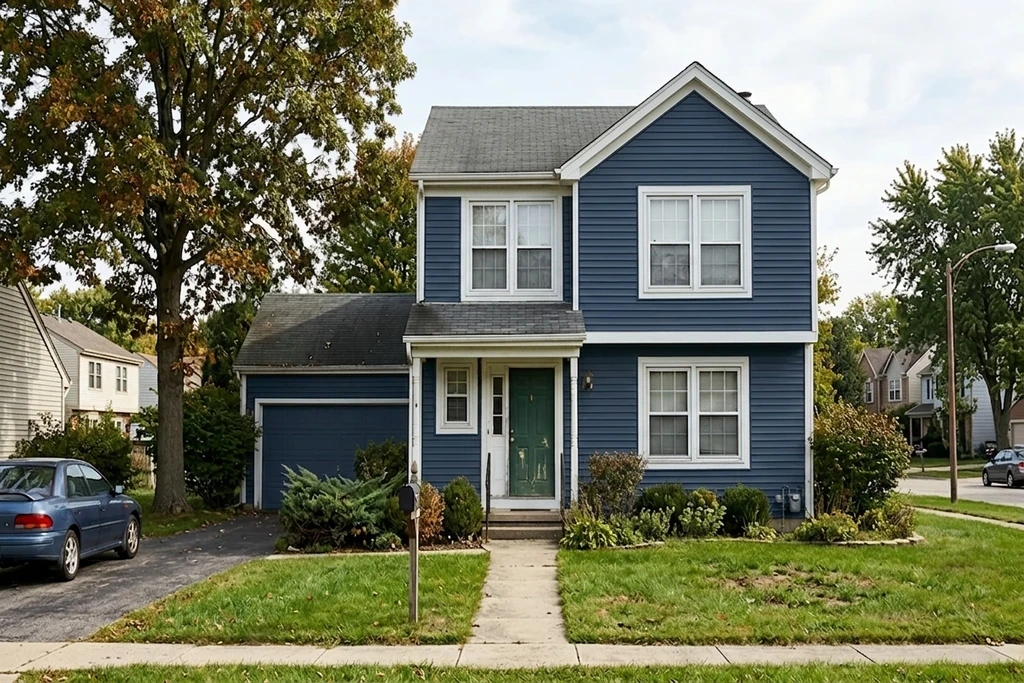
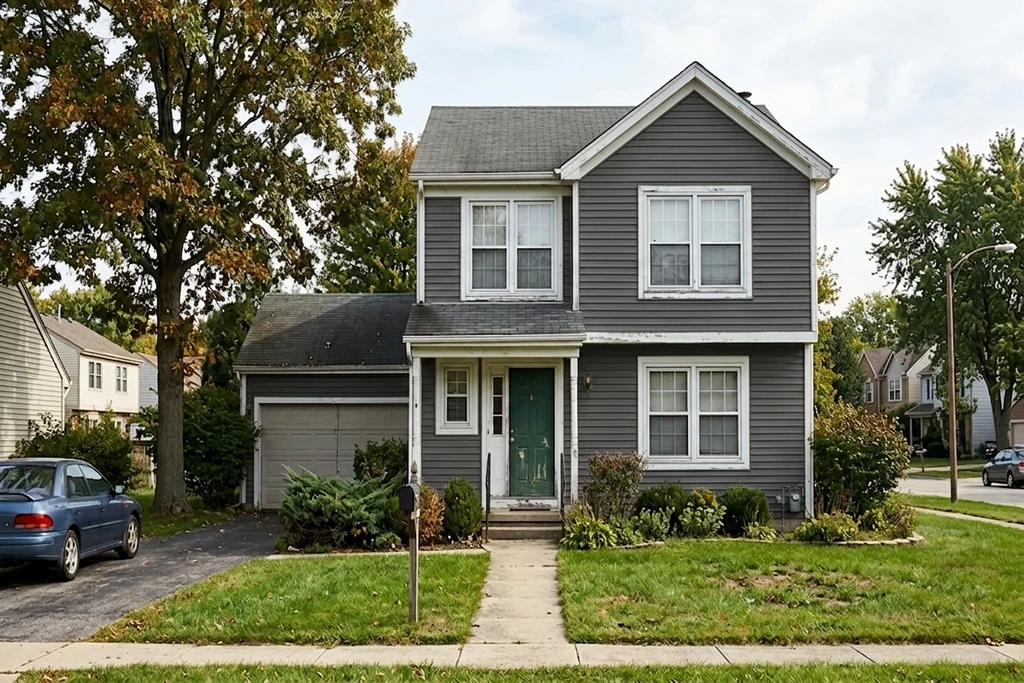
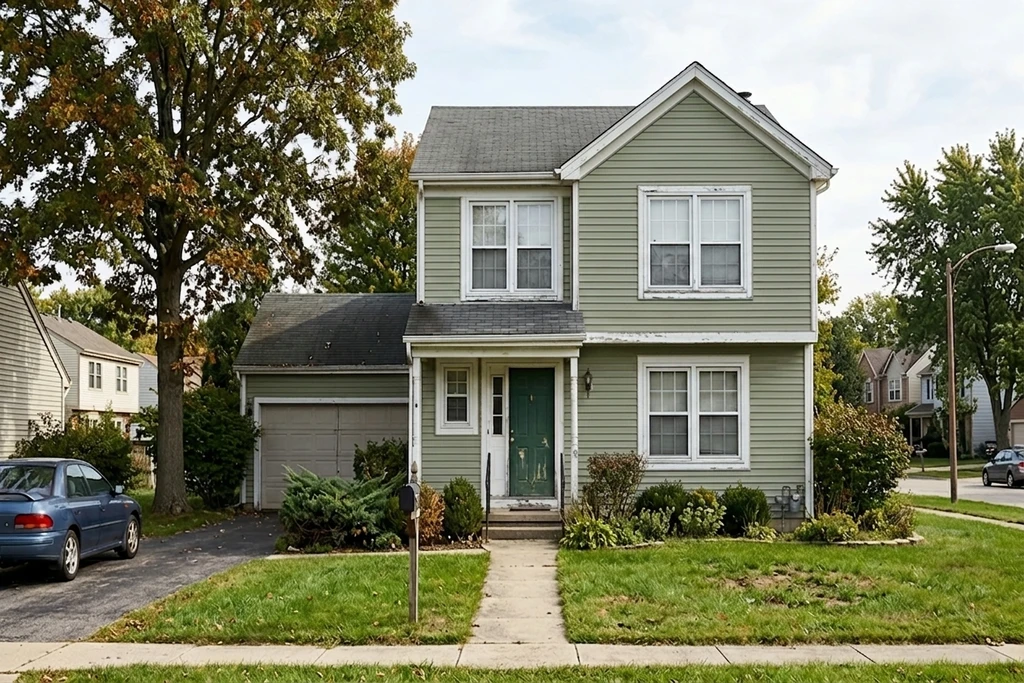
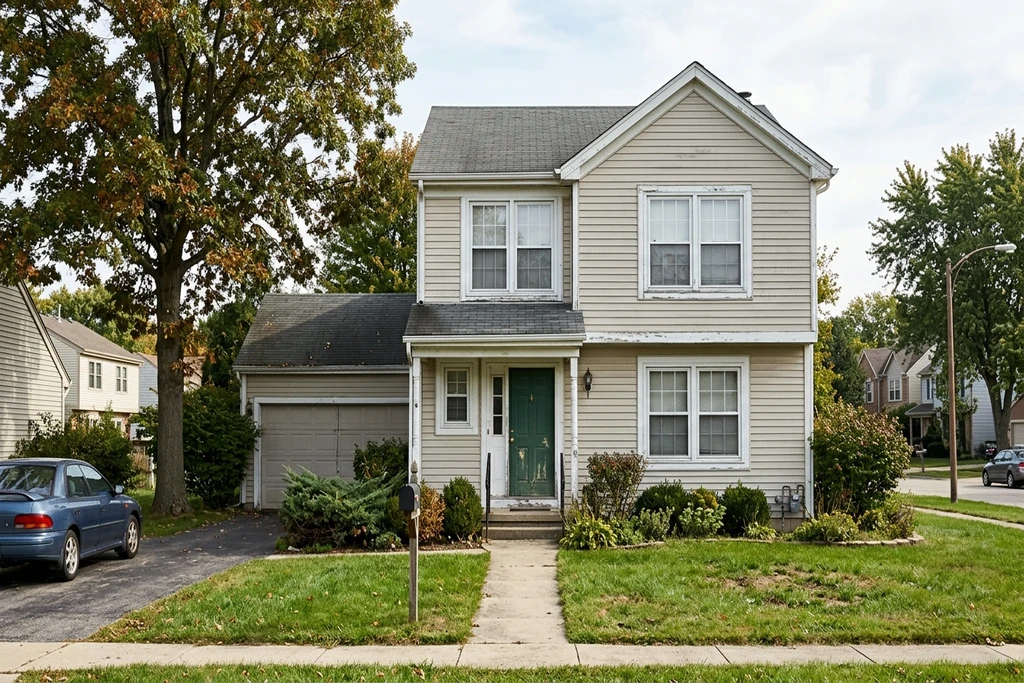
Real AI renders, your own photo, any shade
Try it on your house
No photo? Try a sample
Raleigh painter wages and labor data (BLS, 2024)
Source: US Bureau of Labor Statistics, Occupational Employment and Wage Statistics (OEWS), May 2024. Wage figures are for the state as a whole; Raleigh metro pricing typically tracks at or above the state mean.
Raleigh climate and what it does to exterior paint
Humid subtropical climate (Cfa) with 213 sunny days, 46.4 in annual rainfall, hot humid summers, and a mild winter that lets paint cure most of the year.
Pollen season from late March through May coats every surface with a yellow film that bonds into uncured paint, so Raleigh crews pressure wash twice (pre-prep and post-pollen-day) and time application after morning humidity drops. Heavy summer thunderstorms wash out wet paint and force tight scheduling around radar.
Source: NOAA National Centers for Environmental Information, climate normals 1991 to 2020.
Why Raleigh Exterior Painting Costs Less Than Coastal Markets (And Where the Savings Vanish)
Raleigh is one of the more affordable major metros for exterior painting in 2026: BLS pegs the North Carolina painter mean hourly wage at $20.43, well below the $26.10 national mean. That labor differential flows through to quotes, with most 2,000 to 2,500 sq ft homes landing in the $3,500 to $10,500 band. The savings vanish, however, on the prep side. Raleigh has two prep multipliers most painters in dry markets ignore: pollen and fiber-cement caulk replacement. Pollen season from late March through May requires a second pressure wash and a delayed start, and the dominant James Hardie fiber-cement siding on Brier Creek and Wakefield homes hides failed caulk joints that need full replacement before any topcoat goes on. Add 8 to 12 percent for both factors when comparing Raleigh quotes to a national cost guide.
Humidity, Pollen, and the Raleigh Application Window
Raleigh sits squarely in the humid subtropical zone with 46.4 inches of rainfall per year, 213 sunny days, and dew points that climb above 70 deg F from June through August. The practical impact on paint cure is that mornings under 50 percent relative humidity become rare from late May onward, so reputable Raleigh painters schedule application before 11 a.m. or after late-afternoon thunderstorms clear. Pollen season is the true wildcard. From late March through the first week of May, oak, pine, and birch pollen coats every horizontal surface and bonds aggressively into tacky paint film. The standard Raleigh prep sequence is pressure wash, caulk and patch, second pressure wash on the day of application if pollen is heavy, then prime and topcoat.
Fiber-Cement, Wood, and Brick: the Raleigh Substrate Mix
Raleigh has one of the highest concentrations of James Hardie fiber-cement siding of any Southeast metro, roughly 45 percent of housing stock built after 2000. Fiber-cement is more forgiving than stucco on temperature but unforgiving on caulk: every nail head, butt joint, and trim transition needs intact polyurethane or hybrid caulk before painting. Older homes in Five Points and Cameron Park ITB (Inside the Beltline) tend toward painted wood lap siding, which adds lead-paint awareness for pre-1978 builds, RRP-certified scraping, and oil-based primer on bare wood. Brick veneer is common in Wakefield and North Hills and is usually left unpainted, though painted brick is gaining popularity and requires a masonry primer.
HOA and ITB Color Patterns: North Hills, Brier Creek, Wakefield
Raleigh HOAs are generally less restrictive than Phoenix or San Diego, but each enforces its own palette. The North Hills Owners Association maintains a Southeast-traditional palette of warm whites, soft grays, and sage trim consistent with the New Urbanist development style. Brier Creek Country Club HOA leans more toward club-traditional muted tones with explicit guidance on trim contrast. Wakefield Plantation enforces a colonial-inspired palette aligned with the golf course aesthetic. Inside the Beltline (ITB) neighborhoods like Cameron Park and Five Points have no HOA but enforce historic-district guidelines that limit colors on pre-1940 homes.
Choosing a Raleigh Painter (Insurance + Local References)
North Carolina does not require a state painting license for residential work, which makes vetting harder rather than easier. Demand three things from every Raleigh quote: a current general liability insurance certificate naming your address, a workers compensation policy or signed waiver, and three references from fiber-cement or painted-brick jobs completed in the last 18 months within five miles of your home. A serious Raleigh painter will line-item caulk replacement separately from labor, name the specific caulk product (Big Stretch or Quad Max), and offer a written 5 to 7 year workmanship guarantee.
Best Months to Paint in Raleigh (Why May to Early November Wins)
The Raleigh painter calendar splits cleanly. March and April are blocked by pine and oak pollen that bonds aggressively into wet paint. May through October is the dominant working season, with the most reliable cure window from mid-May through mid-July before the heaviest summer thunderstorm cycle, and again from mid-September through early November as humidity drops. Crews push into late November in mild years on south-facing walls only, and a small subset works through December and January on warm low-humidity afternoons. Pricing is most competitive in late February and early March when calendars are still empty, but pollen risk caps how much of the work can finish before the late-March pollen spike.
Triangle Pricing: Why Raleigh Is Cheaper Than Durham and Chapel Hill
Inside the Research Triangle, Raleigh painters typically come in 5 to 10 percent below Chapel Hill and 3 to 6 percent below Durham on identical scopes. Three factors explain the gap. Raleigh has the largest metro labor pool (BLS reports North Carolina employs 7,870 working painters, with the Triangle holding a disproportionate share), the highest density of paint stores per capita in the region (which compresses product-cost differentials), and the broadest stock of post-2000 fiber-cement homes that crews can bid quickly without custom prep planning. Chapel Hill and Durham older-stock wood homes pull pricing up because lead-paint protocols, custom trim work, and historic-district rules add hours to every job. The practical upshot for a Triangle homeowner: collect quotes from Raleigh-based crews even if you live in Cary, Apex, or Morrisville. Travel is a 20-minute drive, not a rate-changer.
Local Paint Stores: Sherwin-Williams Glenwood, Benjamin Moore North Hills, PPG Atlantic Ave
Raleigh paint store coverage is dominated by Sherwin-Williams, with the Glenwood Ave location serving as the primary contractor hub for the inner Beltline. Benjamin Moore is available through the Ace Hardware partnership in North Hills, where Aura Exterior and Regal Select are the most-spec'ed product lines on premium Hardiplank projects. PPG Paints on Atlantic Ave serves the higher-volume contractor market with Manor Hall Timeless and Permanizer at sharper pricing. Most Raleigh painters hold a contractor account at one of the three with a 25 to 35 percent trade discount, and the product line they spec usually reflects where they shop.
Top Raleigh HOAs with exterior color approval rules
Before painting, confirm your HOA palette and submit your color selections to the architectural review committee. Most Raleigh HOAs respond within 14 to 21 days.
Paint stores near Raleigh
Painter licensing in North Carolina
North Carolina does not require a state painting license for residential projects, but the city of Raleigh requires general liability insurance for any contractor pulling a permit. Always verify insurance certificates and ask for three local references.
Frequently asked questions about Raleigh exterior painting
How much does it cost to paint a house exterior in Raleigh in 2026?
Raleigh exterior painting runs $1.70 to $4.00 per square foot for a two-coat system on fiber-cement or painted wood, with a 2,000 sq ft home landing in the $3,500 to $10,500 band. Caulk replacement on fiber-cement adds 8 to 12 percent.
Do Raleigh painters need a license?
North Carolina does not require a state painting license for residential projects. Verify insurance certificates and ask for three local references before signing.
What is the best month to paint a house exterior in Raleigh?
May (post-pollen) through October offers the most reliable cure window. Crews work into November in mild years and through March on bright low-humidity afternoons.
How does pollen season affect a Raleigh paint job?
Pollen from late March through early May bonds into tacky paint film and is nearly impossible to remove cleanly. Most Raleigh painters either wait until mid-May or pressure-wash twice and schedule application early in the morning before daily pollen release peaks.
Want a deeper cost breakdown? Read our 2026 Raleigh cost guide .
House painters in nearby metros
Popular exterior colors for Raleigh homes
In Raleigh, warm greiges, heritage greens and colonial blues match the area's traditional, craftsman and brick homes.
Browse painting costs in other metros: all US city guides.