When James started his painting and decorating business in Didsbury, Manchester two years ago, he had no online reputation. Customers found him through word of mouth, but new prospects who searched his name on Google saw nothing — no reviews, no ratings, no proof. Within his first six months, he watched two big residential jobs slip away to competitors with established Trustpilot profiles. So he decided to build one. Twelve months later, James has 87 verified reviews, a 4.9-star rating, and Trustpilot drives around 30 percent of his new enquiries. This guide is the exact playbook he used, including the mistakes that got him a temporary suspension and how he fixed them.
Why Trustpilot matters for UK decorators
Trustpilot has become the dominant independent review platform for UK service businesses. Unlike Google Reviews (which lives inside Google) or Checkatrade (which charges members hundreds of pounds per month), Trustpilot is free for basic listings and carries genuine weight with British consumers. According to Trustpilot's own data, 90 percent of UK consumers read reviews before contacting a tradesperson, and businesses with a 4.5+ star average attract 31 percent more enquiries than businesses with no reviews.
For decorators specifically, Trustpilot offers three advantages over competitors:
- Independent and trusted: customers know Trustpilot reviews cannot be deleted by the business, which gives them more credibility than testimonials on a company website
- Google integration: Trustpilot reviews appear directly in Google search results when someone searches your business name, displaying star ratings on the results page
- No paid membership required: unlike Checkatrade (£700-£1,500/year) or Which? Trusted Trader (£600+/year), Trustpilot's basic tier is completely free
Setting up your decorator Trustpilot profile
The free Trustpilot setup takes about 30 minutes and follows these steps:
- Go to business.trustpilot.com/signup and create a free business account using your trading email address
- Add your business details: full company name, address, registration number (if Ltd), and contact information
- Choose your industry category: select "Painters and Decorators" under Construction Services
- Verify your business email by clicking the link Trustpilot sends to your inbox
- Upload a professional logo (recommended size 512x512 pixels) and a banner image showing your work
- Write a clear company description that includes your service area: "James Smith Decorating provides interior and exterior painting services across Manchester, Didsbury, Chorlton, and Sale. Domestic and commercial work, fully insured, with over 10 years of experience."
- Add your website URL and link your social media profiles
- Set up the automatic review invitation system: connect Trustpilot to your job management software (Jobber, Tradify, JobLogic) or set up an email/CSV upload workflow
The review request system that actually works
The biggest mistake decorators make with Trustpilot is sending a generic "please review us" email weeks after the job ends. James tested four different review request approaches over six months and found that timing and personalisation were the two biggest factors in response rate. His final system delivers a 34 percent response rate (industry average is 8 percent).
Step 1: Walk-around at job completion
At the end of every job, James does a 10-minute walk-around with the customer to confirm everything meets expectations. He addresses any minor issues on the spot — a missed corner, a paint drip on skirting, a wet patch he wants them to know about. This face-to-face confirmation creates positive feeling and prevents negative reviews from minor fixable issues.
Step 2: Hand-written thank you card
Before leaving the property, James gives the customer a hand-written thank you card with a small printed insert that says: "If you were happy with the work, a quick Trustpilot review really helps my business. Just scan this QR code." The QR code links directly to his Trustpilot review form. About 15 percent of customers leave a review the same day from this card alone.
Step 3: Personalised follow-up text 48 hours later
Two days after job completion, James sends a personalised SMS:
"Hi Sarah, James here from James Smith Decorating. Just wanted to say thanks again for the work in your kitchen — really happy with how it turned out. If you have a minute, a quick Trustpilot review would mean a lot: [link]. No pressure if not. Hope you enjoy the new look!"
Step 4: Email follow-up if no response after 5 days
If the customer has not left a review after five days, James sends one polite email follow-up:
"Hi Sarah, James again. I wanted to reach out one more time about your Trustpilot review. As a small business, reviews are how new customers find me — so even one or two sentences about your experience would be hugely appreciated. Here's the link: [Trustpilot URL]. Thanks for considering it, and let me know if there's anything else I can help with."
After this email, James never asks again. Pestering customers leads to negative reviews and Trustpilot complaints. One polite reminder is the maximum.
How to handle negative reviews
Every decorator with more than 20 reviews will eventually get a 1 or 2-star review. How you respond determines whether that review hurts your business or actually helps it. James got one 2-star review in his first year — a customer who was unhappy that a colour looked different on her wall than on the sample chip. His response is now used as a case study by other Manchester decorators.
Sample response template
"Hi Sarah, thank you for taking the time to share your feedback. I'm genuinely sorry the colour looked different from the sample chip. Paint colour can vary based on lighting and wall texture, which I should have explained more clearly during our initial visit. I would like to make this right — I have a slot next Tuesday to come back and apply a different shade at no charge. I'll send you three colour options based on your room's natural light. Please let me know which works for you. James."
The four rules for responding to negative reviews are:
- Respond within 24 hours. Speed signals professionalism
- Never argue or blame the customer. Even if you are right, the public sees only the dispute
- Offer a specific remedy. Vague apologies do not work — offer a concrete action
- Take it offline. After your public response, send a private message to resolve the issue without further public exchange
Trustpilot rules that get decorators suspended
James got his profile suspended for three weeks early on because he made one of the most common mistakes: he incentivised reviews. He had offered customers a £20 discount on their next job if they left a review. Trustpilot detected this through pattern analysis (sudden spike in 5-star reviews from related IP addresses) and suspended his profile pending investigation.
Avoid these violations at all costs:
- Offering discounts, gifts, or money for reviews — instant grounds for suspension
- Posting fake reviews from friends or family — Trustpilot detects this through IP and device fingerprinting
- Cherry-picking which customers to invite — you must invite all customers fairly, not just the happy ones
- Deleting or hiding negative reviews — you cannot do this; you can only flag reviews that violate Trustpilot's content rules
- Using third-party "review boost" services — these inflate ratings with fake reviews and always end in account termination
- Arguing publicly with reviewers — repeated hostile responses lead to suspension
The visual proof that closes more enquiries
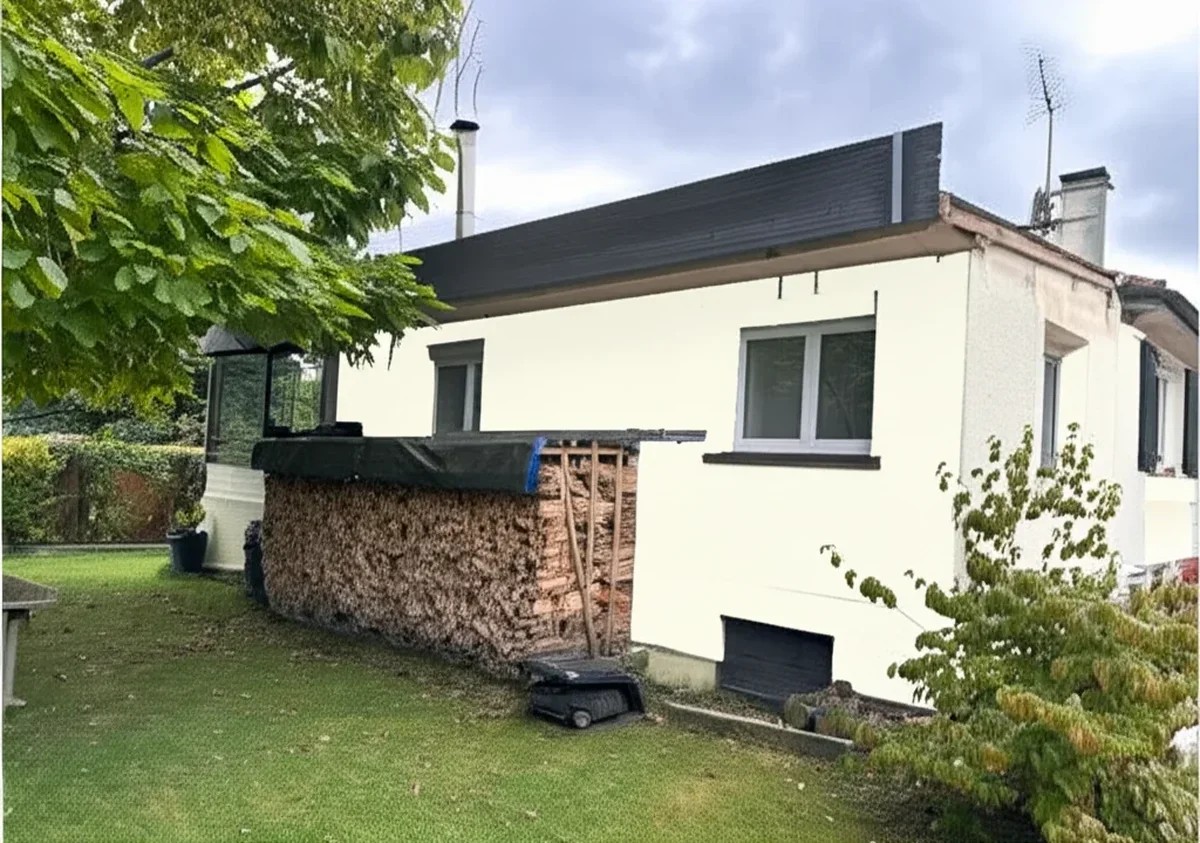
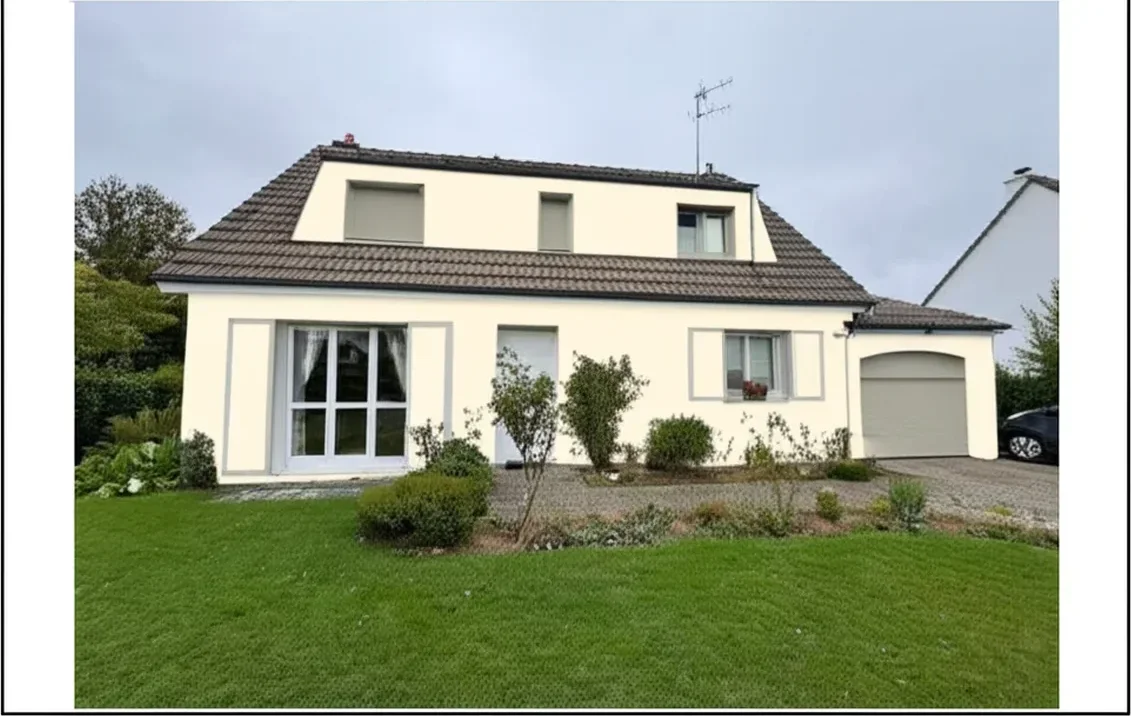
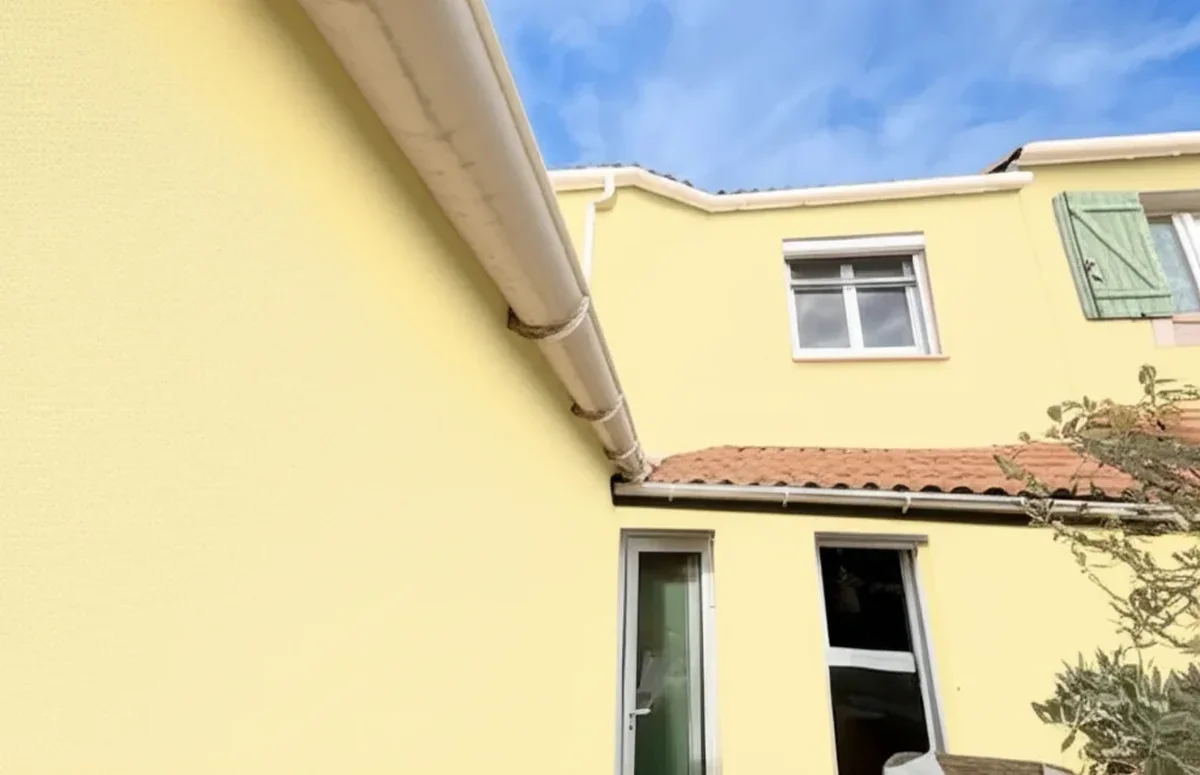
James found that his Trustpilot reviews drove enquiries, but the enquiries that converted to bookings were the ones where he could quickly send a visual mockup of the customer's project. He started using an AI colour visualiser to send 3 colour options to every new enquiry within 30 minutes. His response time and visual proof together pushed his close rate from 22 percent to 38 percent in three months.
Try the same tool James uses with his enquiries — our free AI colour visualiser. Upload any photo of a property and instantly preview different colours. Free to use, no signup required. Updated April 2026.
Frequently asked questions
Is Trustpilot free for decorators?
Yes, Trustpilot's basic business listing is completely free. Free accounts can collect reviews, respond to reviews, and display the Trustpilot rating widget on their website. Paid plans (£195-£995/month) add features like API integrations and advanced analytics, but most decorators do not need these.
How do I get my first Trustpilot reviews?
The fastest way is to manually invite your last 20 happy customers via email or text immediately after setting up your profile. Use a personalised message explaining why reviews matter and provide a direct link. Aim for 10-15 reviews in the first month to establish credibility, then automate the process for new jobs.
Can I delete a bad Trustpilot review?
No, you cannot delete reviews. You can only flag reviews that violate Trustpilot's content guidelines (defamation, false claims, conflict of interest, etc.). Trustpilot reviews each flagged review and removes only those that breach the rules. The best response to a bad review is a professional public reply followed by private resolution.
Can I offer discounts for Trustpilot reviews?
No, this violates Trustpilot's guidelines and will result in suspension or permanent ban. You cannot offer money, discounts, gifts, or any incentive in exchange for reviews. You can simply ask customers politely to share their experience after the job is complete.
How many Trustpilot reviews do I need to attract more customers?
Aim for at least 30-50 reviews with a 4.5+ star average to be taken seriously. Trustpilot data shows that businesses with 50+ reviews get 31% more enquiries than businesses with under 10 reviews. Quality matters as much as quantity — focus on detailed authentic reviews rather than short generic ones.