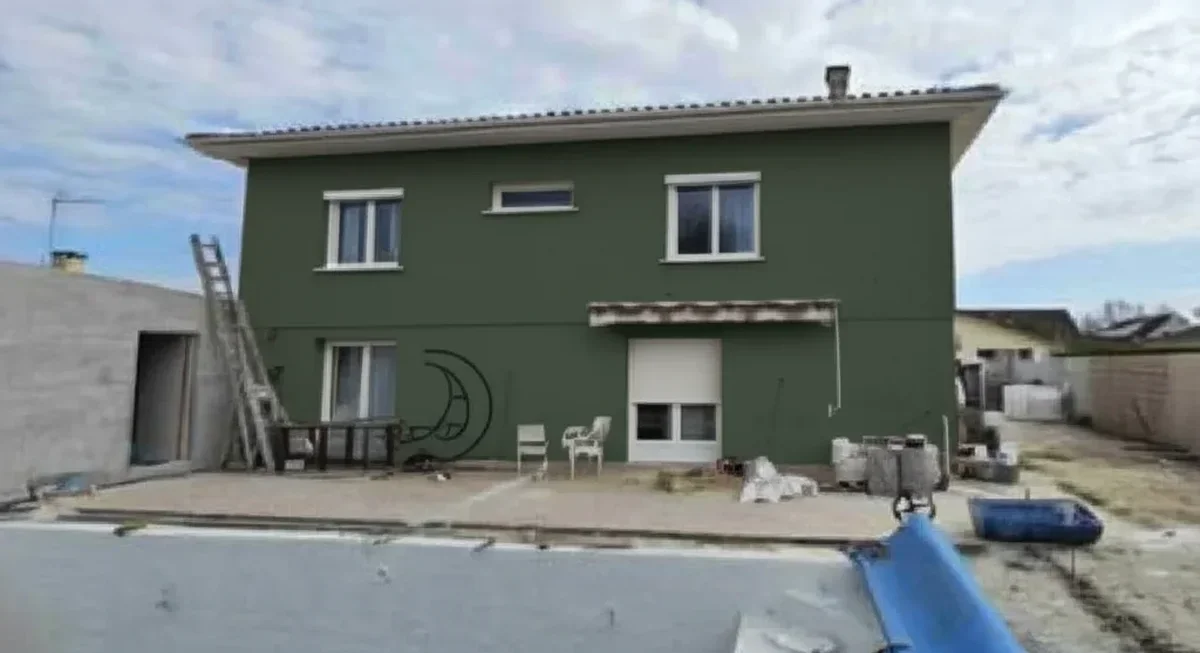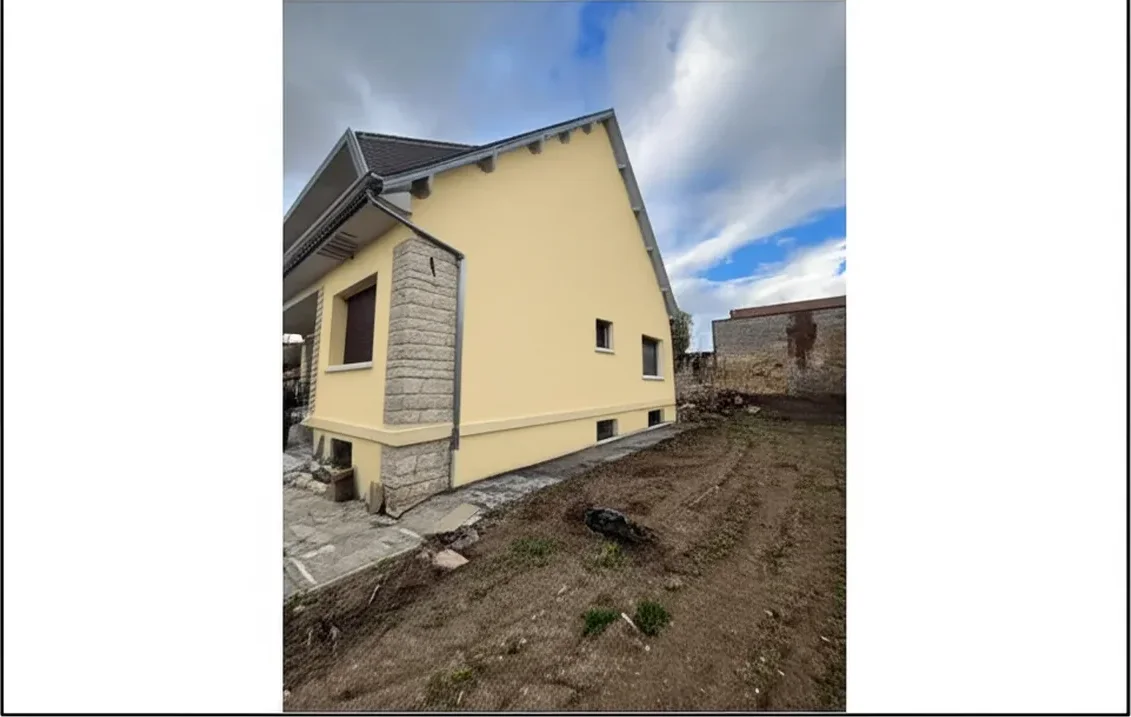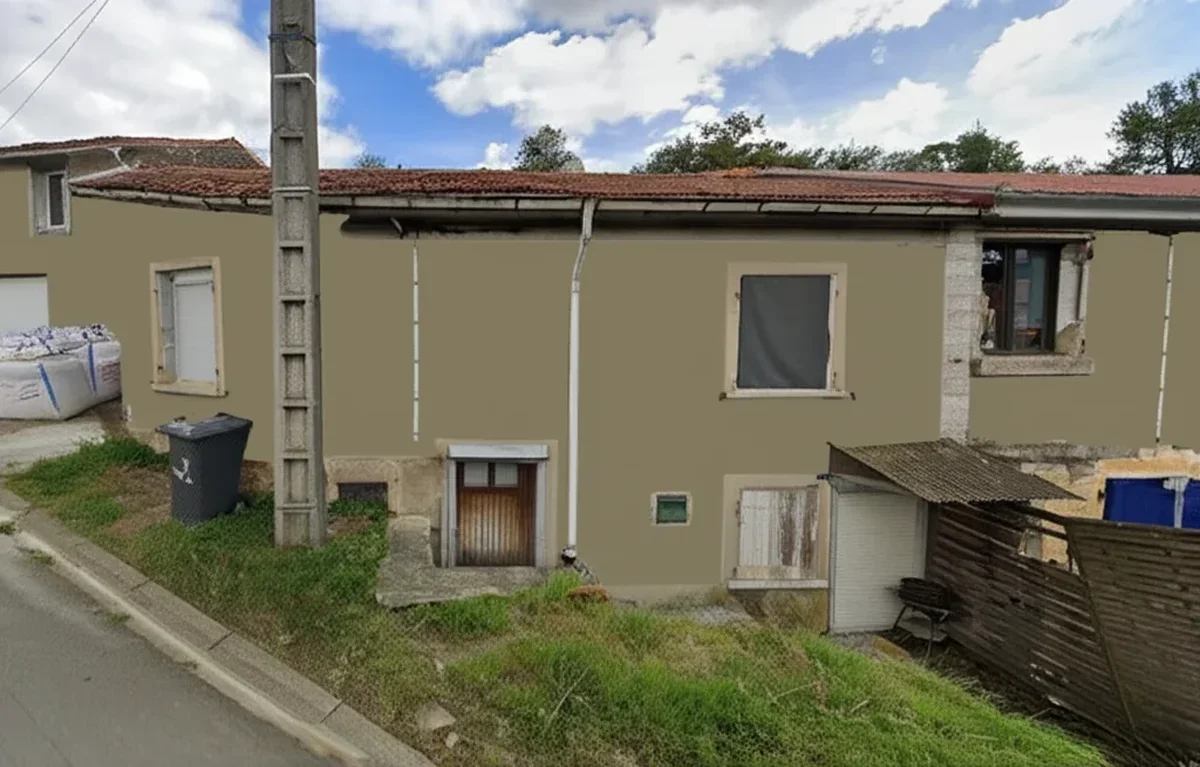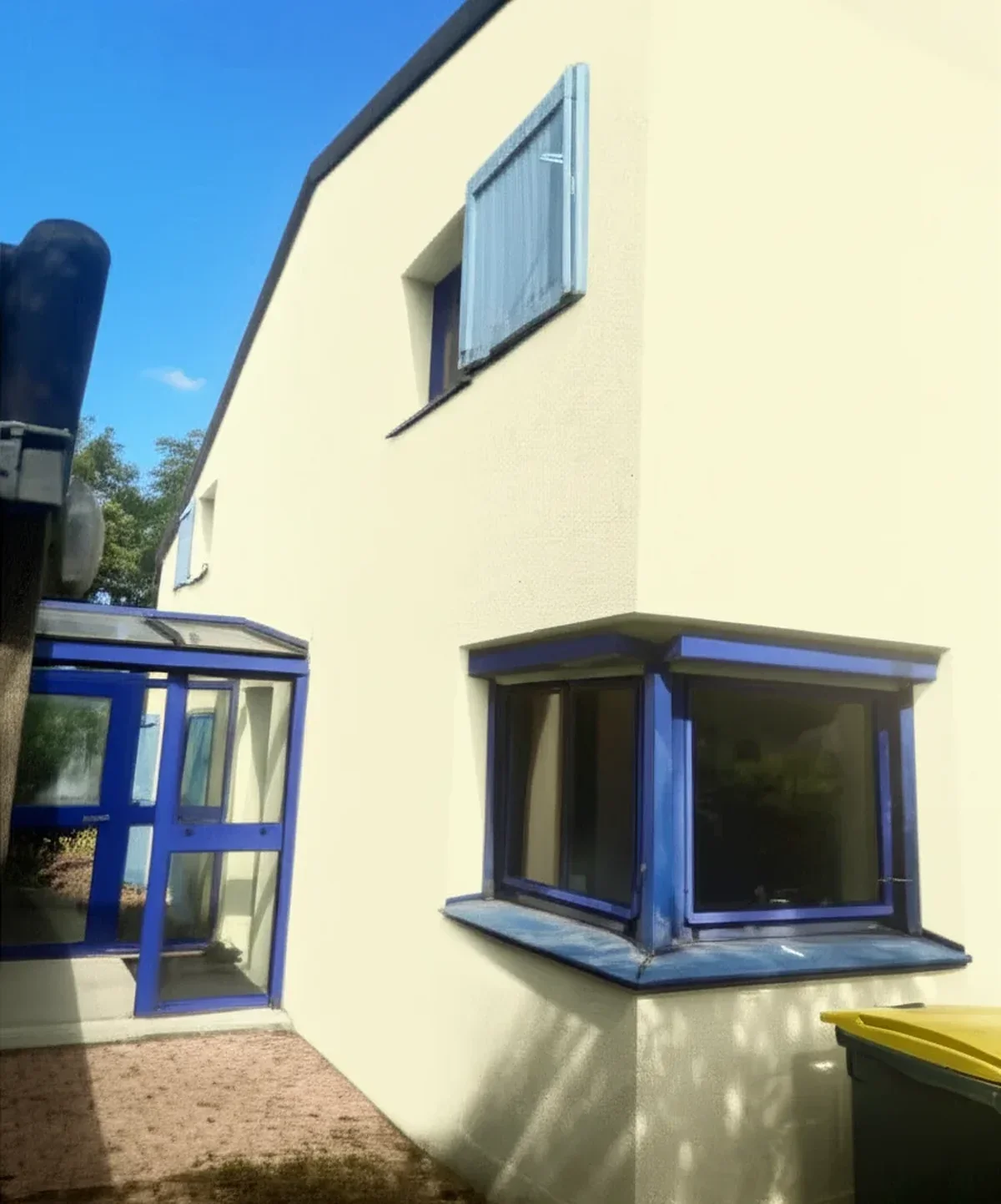
Try it on your house

According to the Vinyl Siding Institute (VSI), more than 32% of US homes are clad in vinyl siding, and a growing share of those homes have reached the 15-25 year mark where the original color has chalked, faded, or simply gone out of style. Owners face a single big question: paint the existing siding for $1.50-$3.50 per square foot, or replace it for $4-$11 per square foot?
This 2026 guide walks through the technical decision: vinyl-safe color rules (LRV ≥ 55), prep with TSP and XIM Plastic & Vinyl Bonding Primer, application temperature window of 50-90°F, expected lifespan of painted vs new vinyl, and the manufacturer warranty traps that catch most homeowners off guard.
The core economics: paint vs replace in 2026
Painting a 2,000 sqft vinyl exterior runs $3,000 to $7,000 with a professional crew, materials included. Replacement of the same surface with new insulated vinyl runs $8,000 to $22,000 depending on profile, trim wraps, and disposal fees. The 3x to 4x cost gap is real, but so is the lifespan gap: 10-12 years for a high-quality paint job versus 30-40 years for new vinyl from CertainTeed, Mastic, or Royal Building Products.
If you plan to sell within 7 years, paint almost always wins on ROI. If you plan to stay 15+ years, replacement usually wins on lifecycle cost. The middle ground (8-14 year horizon) is where the decision matrix in this article actually does work.
When painting vinyl siding is the right call
Painting makes sense when the substrate is still structurally sound. The VSI and most paint manufacturers (Sherwin-Williams, Benjamin Moore, PPG) agree on five conditions:
- Siding age under 20-25 years with no widespread brittleness or cracking.
- Panels lay flat, no oil-canning, no warped courses.
- Fading or chalking is the main complaint, not physical damage.
- You want a color change that current vinyl options don't offer (deep navy, sage, charcoal).
- Budget is capped below $8,000 for a typical two-story home.
Vinyl-safe color rules: why LRV ≥ 55 matters
Vinyl absorbs heat. Dark colors absorb more heat. Painted vinyl that gets too hot warps, buckles, and pulls fasteners. The industry guardrail is the Light Reflectance Value (LRV): a 0-100 scale where 0 is pure black and 100 is pure white.
For standard vinyl, both Sherwin-Williams VinylSafe (about 100 colors) and Benjamin Moore Vinyl Siding paint require an LRV of 55 or higher to keep panel temperature within a safe range. Newer "heat-stable" vinyl from CertainTeed and Mastic allows LRVs as low as 35-40, but only with the matching paint system. Going darker than the manufacturer rating voids any warranty and frequently warps the siding within one summer.
Upload your house photo - test 100+ vinyl-safe colors in 30 seconds
Surface prep: the step that decides 5 vs 12 year lifespan
Paint failure on vinyl is almost always a prep failure. The required sequence:
- Wash with TSP (trisodium phosphate) or a TSP substitute, scrubbed by hand or with a soft brush. Rinse thoroughly. Pressure washing alone is not enough; chalk and mildew oils stay behind.
- Spot-treat mildew with a 3:1 water-to-bleach solution or a dedicated mildewcide. Rinse fully and let dry 24-48 hours.
- Repair cracks and replace broken panels before painting. Painted vinyl cannot be patched invisibly later.
- Prime bare or heavily chalked panels with XIM Plastic & Vinyl Bonding Primer or an equivalent acrylic bonding primer. Skip primer only on clean, sound, lightly faded vinyl.
- Apply two finish coats of 100% acrylic latex rated for vinyl (SW VinylSafe, BM Vinyl Siding paint, PPG Manor Hall Vinyl).
Temperature and expansion-contraction prep
Apply between 50°F and 90°F, with surface temperature (not just air) inside the same band. Avoid direct sun on the working face: the surface can be 30-40°F hotter than the air on a clear day, which flashes off solvents and ruins adhesion.
Vinyl expands and contracts up to 1/2 inch over a 12-foot panel across a year. Paint must flex with it. That's why oil-based primers and exterior alkyds fail on vinyl: they cure rigid. Stick with 100% acrylic systems, and never caulk panels to trim or to each other - the siding has to be free to move behind the J-channel.
When replacement is the smarter investment
Painting buys time. It does not fix structural problems. Replace, don't paint, when any of the following is true:
- Siding is over 25 years old. Original 1990s and early 2000s vinyl becomes brittle from UV exposure. Pressure washing alone can crack it. Painting it accelerates the failure.
- Multiple panels are cracked, holed, or missing. Replacement panels in the original color are usually discontinued, so a paint job will look patchy.
- Visible warping or oil-canning from a previous dark paint job, hot grill, or reflective neighbor window.
- Insulation or moisture issues behind the siding. Replacement is the only chance to add house wrap, foam-backed insulated vinyl (R-2 to R-4), or correct flashing.
- You want a color darker than LRV 55 and your existing siding isn't rated for it. New heat-stable vinyl in that exact color is more reliable than retrofit paint.
The 25-year brittleness warning
Vinyl manufactured before 2000 used different stabilizer packages and is meaningfully more brittle than modern product. Field signs: panels snap when flexed, color rubs off as powder under your hand (chalking past 5 on the ASTM D4214 scale), nail hems are torn at multiple courses. Painting brittle vinyl is throwing money away - you'll see cracking within 2-3 freeze-thaw cycles.
Paint vs replace decision matrix
Use this table to align age, condition, color goal, and budget with the right call. When two columns disagree, defer to the worst-case row (brittleness or warranty void).
| Factor | Paint ($1.50-$3.50/sqft) | Replace ($4-$11/sqft) |
|---|---|---|
| Siding age | 5-20 years | 25+ years or unknown |
| Fade level | Light to moderate chalking | Heavy chalking + cracking |
| Brittleness test | Panels flex without cracking | Panels snap or split |
| Color preference | Within VinylSafe/Vinyl-rated palette (LRV ≥ 55) | Want a dark color (LRV < 55) on standard vinyl |
| Budget | $3,000-$7,000 for 2,000 sqft | $8,000-$22,000 for 2,000 sqft |
| Expected lifespan | 10-12 years | 30-40 years |
| Time horizon in home | Selling within 7 years | Staying 15+ years |
| Insulation upgrade | Not needed | Want R-2 to R-4 insulated vinyl |
Try it on your house
No photo? Try a sample
One factor tips the decision toward painting more often than any other: the color programs that now allow darker shades on vinyl. Sherwin-Williams' VinylSafe palette is the best known, with 100 colors formulated for a sound, stable vinyl substrate; if your panels pass the condition test below, a repaint can deliver the darker look that used to require new siding.
Manufacturer warranty traps to read before you paint
Most homeowners do not realize their vinyl carries a transferable lifetime warranty - and that painting voids most of those warranties unless you follow specific clauses.
- CertainTeed (Monogram, CedarBoards, Cedar Impressions): the warranty explicitly excludes "any product that has been painted, coated, or refinished." A factory-color repaint requires CertainTeed-approved coatings on certain heat-stable lines only.
- Mastic (Ply Gem): the lifetime limited warranty is voided by "alteration of the original color or finish" outside their approved color guide. Going darker than the rated LRV automatically voids the warranty.
- Royal Building Products (now Westlake): warranty void on "application of any paint, stain, coating or other finish that is not specified by Royal." Their fade warranty also requires the original factory color.
If you are still inside a meaningful warranty period (say, year 12 of a 20-year fade warranty), painting is a real economic loss - you trade a guarantee for a 10-year coating. Always read your specific warranty document before booking the job.
Insurance considerations
Two insurance angles homeowners frequently miss:
- Hail and storm claims: insurers pay actual cash value (ACV) on damaged siding. After painting, panels are technically "modified", and some carriers (notably State Farm and Allstate in some markets) reduce settlements or refuse to match painted finishes during partial replacement.
- Painter liability: a contractor who warps your siding with an off-spec color or hot-day application can be held responsible only if they carry general liability AND if you have written documentation of the agreed product, LRV, and temperature window. Get the spec sheet in your contract.
Call your insurer before booking either job. Ask whether painting affects your dwelling coverage or future claims, and whether replacement triggers a re-rate of your policy.
Test the color before you commit
Whether you paint or replace, the single biggest regret in vinyl exterior projects is the color. A 2x2 inch swatch from the paint store looks nothing like 2,000 sqft of siding under your specific sun angle. The same applies to vinyl color samples: a chip in your hand reads completely differently next to your roof, brick, and trim.
Test the actual color on your actual house photo before you sign anything.
Vinyl-safe palettes from Sherwin-Williams & Benjamin Moore - LRV filtered
Frequently asked questions
How long does paint actually last on vinyl siding?
With proper prep (TSP wash, XIM Plastic & Vinyl Bonding Primer where needed, two coats of 100% acrylic vinyl-rated paint applied between 50-90°F), expect 10-12 years before recoating. Cut corners on prep or apply outside the temperature window and you'll see peeling within 3-5 years. Compare that to 30-40 years for new vinyl from a top-tier manufacturer like CertainTeed or Mastic.
Can I paint my vinyl siding any color I want?
No. Painting vinyl darker than the manufacturer's LRV rating causes warping, buckling, and fastener failure. For standard vinyl, the safe floor is LRV 55 or higher. Sherwin-Williams VinylSafe and Benjamin Moore Vinyl Siding paint both restrict their color decks to vinyl-safe tones. Newer heat-stable lines from CertainTeed and Mastic allow LRV as low as 35-40, but only when paired with their approved coating systems.
Will painting my vinyl siding void the manufacturer warranty?
In most cases, yes. CertainTeed, Mastic (Ply Gem), and Royal Building Products all include language voiding the warranty when the original factory finish is altered with non-approved coatings. If your siding is still inside a meaningful fade or hail warranty period, weigh that loss against the paint cost. The Vinyl Siding Institute recommends reading your specific warranty document and contacting the manufacturer directly before painting.
What's the breakeven point between painting and replacing?
Rough math on a 2,000 sqft exterior: painting at $5,000 lasting 10 years equals $500/year. Replacement at $15,000 lasting 35 years equals $429/year. Replacement wins on lifecycle cost only if you stay long enough to amortize it. If you'll sell within 7 years, paint wins on ROI. If you'll stay 15+ years and your siding is over 20 years old, replacement is usually the better long-term investment.
No signup - 100+ vinyl-safe colors - LRV info on every swatch
The paint-vs-replace decision on vinyl siding comes down to age, brittleness, color goal, warranty status, and how long you'll stay in the home. Run your house through the decision matrix above, confirm the color with a real visualization on your photo, and verify the warranty clauses with your manufacturer before signing. Sources: Vinyl Siding Institute (VSI), Sherwin-Williams VinylSafe technical bulletin, Benjamin Moore Vinyl Siding paint specs, CertainTeed, Mastic and Royal Building Products warranty documents (2026).
Trademarks mentioned (Sherwin-Williams, Benjamin Moore, Behr, Caparol, Brillux, Sto, Alpina, Valspar, PPG, Glidden, Dulux, Crown Trade, Sandtex, Farrow & Ball, Johnstone's, Leyland) are property of their respective owners. FacadeColorizer is independent and not affiliated with any of them. Nominative fair use under Lanham Act §1125.