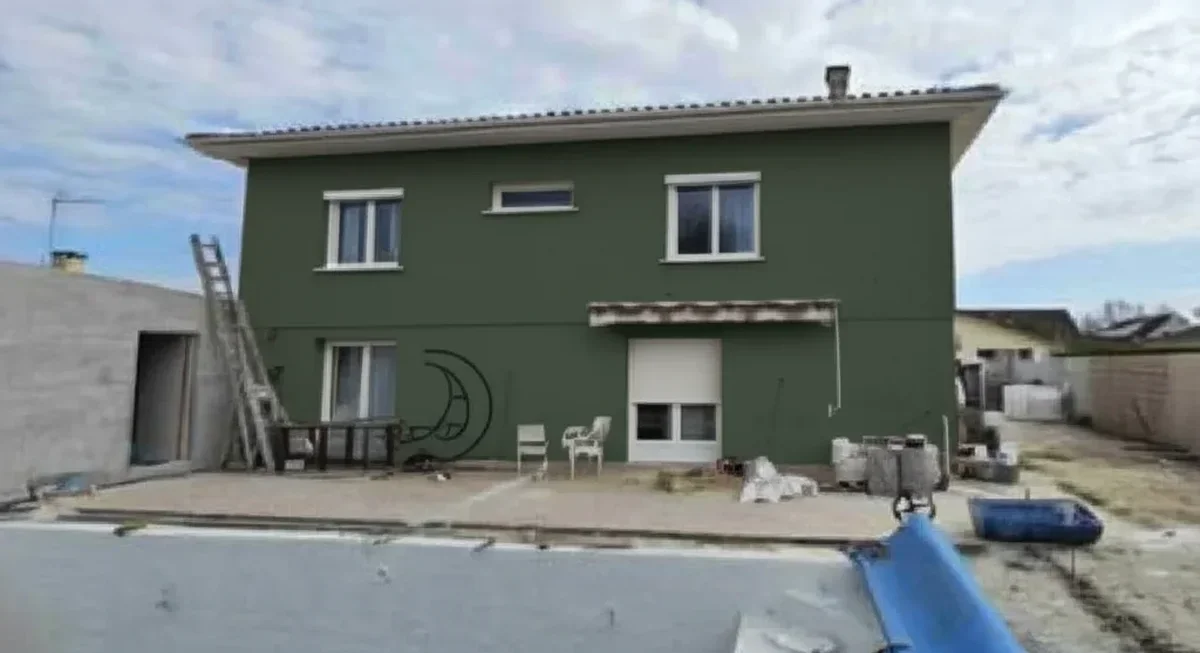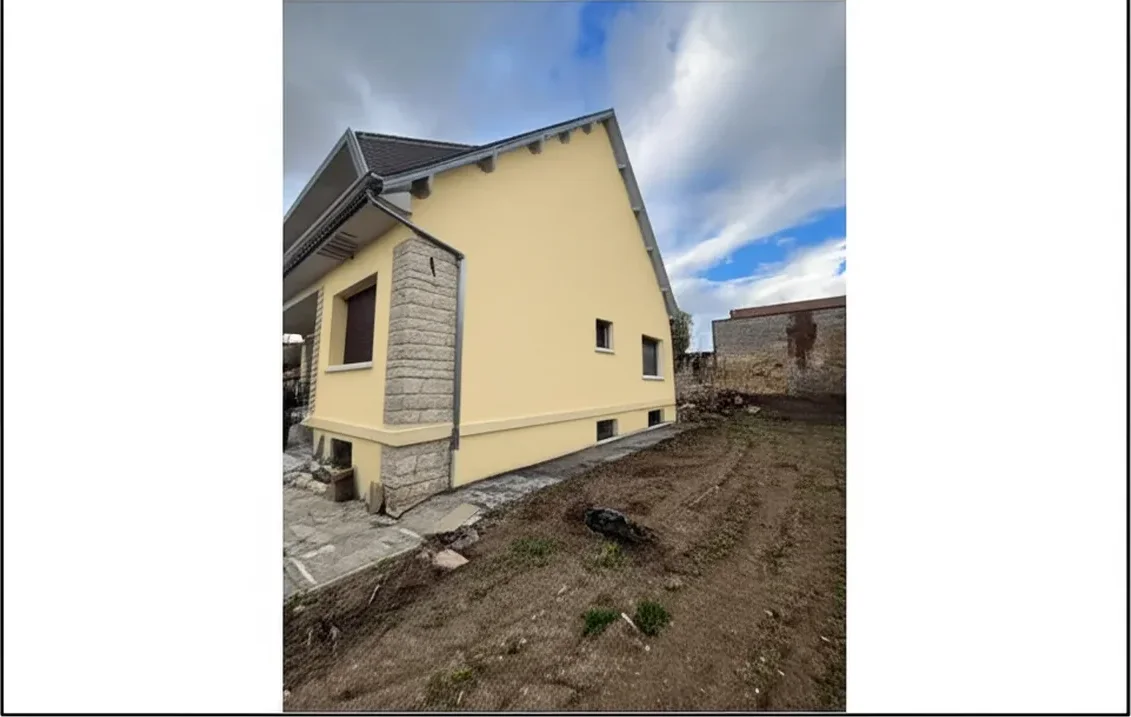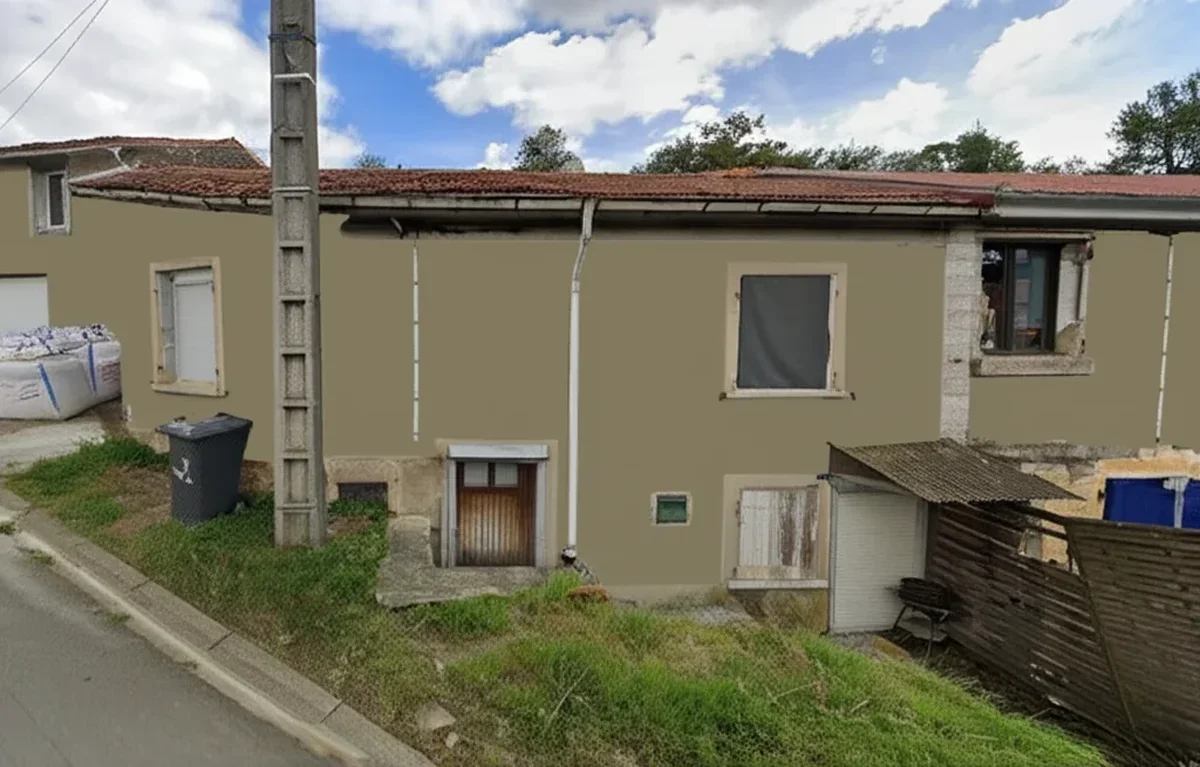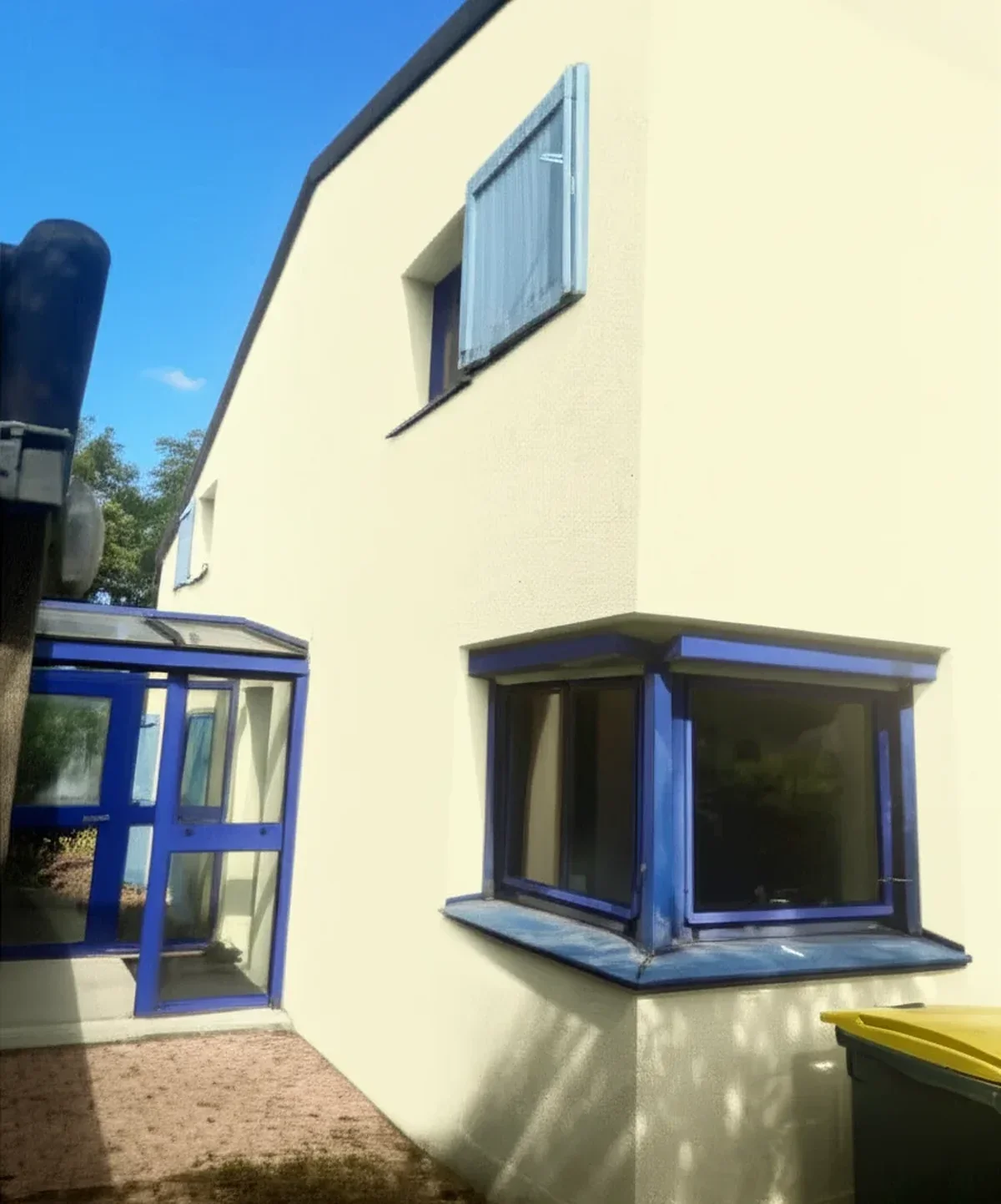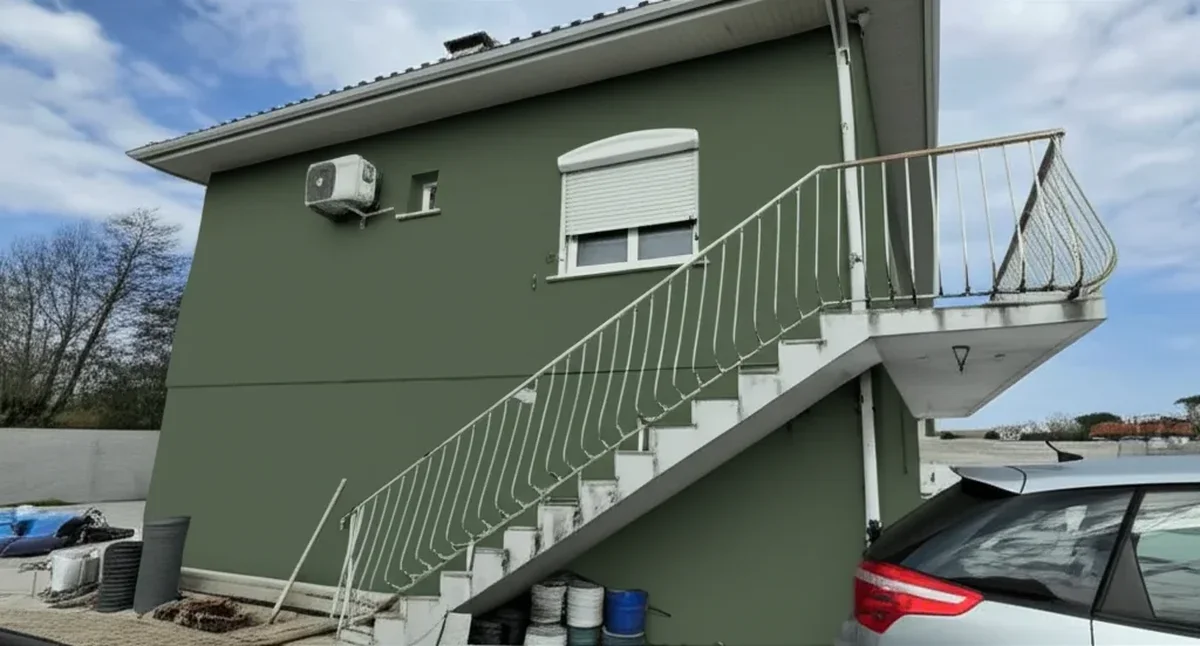
Try it on your house

Choosing between stucco and brick for your exterior is a decision you'll live with for decades. Both are masonry-based, both are fire resistant, and both can last a lifetime when installed correctly. But the economics, climate fit, and maintenance profile are very different. After pricing and spec-ing these two materials on hundreds of custom and production homes from Phoenix to Atlanta, here's the honest 2026 breakdown most siding comparison pages skip.
We'll compare installed cost, lifespan, maintenance cycle, climate suitability, paintability, R-value, fire rating, resale impact, and the scenarios where a hybrid brick-and-stucco facade actually makes the most sense.
The 10-criteria comparison table
Here is how traditional three-coat stucco and full-bed brick veneer stack up across the ten criteria that drive the decision for most homeowners in 2026.
| Criterion | Traditional Stucco | Brick Veneer |
|---|---|---|
| 1. Installed cost / sq ft | $6 - $12 | $9 - $20 |
| 2. Total (2,500 sq ft facade) | $15,000 - $30,000 | $22,500 - $50,000 |
| 3. Lifespan | 50 - 80 years | 100+ years |
| 4. Maintenance cycle | Annual inspection, repaint 5-8 yr | Near-zero, repoint mortar 25-30 yr |
| 5. Best climate | Dry Southwest, SoCal | All climates |
| 6. Paintability | Yes (elastomeric) | Yes (acrylic masonry) |
| 7. R-value (per inch) | R-0.20 (3-coat ~R-0.60) | R-0.20 (4" brick ~R-0.80) |
| 8. Fire resistance | 1-hour rated, non-combustible | 4-hour rated, non-combustible |
| 9. Resale value impact | +2% to +4% in SW markets | +4% to +8% nationally |
| 10. Warranty / guarantee | Contractor-dependent, 1-5 yr | Brick itself 100 yr, labor 1-10 yr |
Try it on your house
No photo? Try a sample
Sources: HomeAdvisor 2026 cost data, Brick Industry Association (BIA) Technical Notes 28 & 46, ASTM C1063/C926 (stucco), ASHRAE Fundamentals 2025 R-values, Remodeling Magazine Cost vs. Value 2026.
Installed cost: why brick runs 40-70% more
Within the stucco price the finish coat is its own line: a cement finish yields 135 to 180 sq ft per 90 lb bag in sand float, an acrylic finish 110 to 300 sq ft per 65 lb pail depending on texture, and smooth or Santa Barbara textures cost more in labor than dash or sand; our stucco cost guide breaks the installed figure down that far.
In 2026, three-coat traditional stucco installs for $6 to $12 per square foot of wall area in most U.S. markets, inclusive of lath, scratch coat, brown coat, finish coat, and integral color. Brick veneer lands at $9 to $20 per square foot installed, with the spread driven by brick type (modular clay at $7-$9/sq ft material vs. handmade or thin brick at $12-$18/sq ft) and mason labor rates, which range from $50 to $90 per hour depending on region.
On a typical 2,500 sq ft facade (a two-story 2,400 sq ft home with ~2,500 sq ft of exterior wall), that's $15,000-$30,000 for stucco vs. $22,500-$50,000 for brick. Brick also adds roughly $3-$6/sq ft to foundation costs because the veneer requires a ledge or angle iron support the foundation plan has to accommodate from day one. To estimate the painting budget for your own facade in either material, run the numbers through our free painting cost estimator before you request quotes.
One caveat to the durability claim: it holds for bare brick. Once brick is painted, the Brick Industry Association warns that film-forming paint lowers vapor permeance and creates a recurring repaint task. If the plan is white brick, our white painted brick house guide compares the three systems on exactly that point.
Durability and lifespan: brick is the 100-year material
Properly installed stucco lasts 50 to 80 years. The oldest intact stucco buildings in the American Southwest date to the 1600s, but those are lime-based historical walls, not modern Portland-cement three-coat systems. Expect hairline cracks within 5-10 years from normal foundation settling, and a full recoat or elastomeric overcoat somewhere between year 25 and year 40.
Brick veneer, by contrast, is genuinely a 100+ year material. Fired clay brick does not rot, warp, fade, or burn. The weak link is the mortar joints, which need repointing every 25-30 years depending on exposure. Brick homes built in Philadelphia and Boston in the 1800s are still in daily service with only occasional tuckpointing. If you're building a forever home, brick is the most permanent envelope you can buy short of stone.
Maintenance: annual inspections vs. near-zero
Stucco requires an annual visual inspection, especially around windows, doors, roof-wall intersections, and the base where the weep screed meets grade. Hairline cracks should be sealed with paintable acrylic caulk before winter. Every 5-8 years you'll repaint with an elastomeric coating ($2-$4/sq ft), and every 25-40 years a full resurfacing may be needed. Skipping these steps lets moisture behind the envelope, and stucco moisture damage is expensive ($8-$15/sq ft to remediate).
Brick is the near-zero maintenance material. Hose it down once a year, keep sprinklers off it to prevent efflorescence, and inspect mortar joints every 5 years. Repointing happens once every 25-30 years at $5-$15/sq ft depending on difficulty. No painting, no sealing, no annual caulking. Over a 50-year horizon, brick's maintenance cost is typically 40-60% lower than stucco's.
Climate suitability: where each material thrives
Stucco is perfectly adapted to dry, arid climates: Arizona, New Mexico, Nevada, West Texas, and inland Southern California. It breathes, handles extreme heat without warping, and the seamless look is part of the regional architectural language. In humid climates (Houston, Atlanta, Miami, Pacific Northwest), stucco is a gamble: moisture behind the wall leads to the infamous "stucco lawsuits" of the 1990s and 2000s, and many insurance carriers now surcharge synthetic stucco (EIFS) on homes in the Southeast.
Brick works everywhere. It handles freeze-thaw (ASTM C216 Grade SW "severe weathering" brick is rated for over 100 freeze-thaw cycles), shrugs off humidity, and resists hurricane-borne debris better than any other common cladding. That's why brick is the default in the Mid-Atlantic, Midwest, and Southeast, and why FORTIFIED Home and IBHS-rated construction in Gulf Coast states favors brick or brick-equivalent claddings.
Paintability: both can be painted, but the products differ
Stucco takes paint beautifully, but the product matters. Use a 100% acrylic elastomeric coating (Sherwin-Williams Conflex XL, Benjamin Moore Insl-x Acrylicoat, or Dunn-Edwards EVERSHIELD) rated to bridge hairline cracks. Expect $2-$4/sq ft for a professional repaint, and plan a re-do every 5-8 years. If you are still narrowing down the shade, our 15 best stucco house colors guide pairs body and trim palettes to climate and style. For finish families, integral pigments, and elastomeric tints, our deeper dive into stucco color options walks through every approach. Before painting, visualize the result with our free AI paint visualizer so you never commit to the wrong color on a 2,500 sq ft canvas.
Upload a photo, test unlimited stucco and brick colors, see photorealistic results in 30 seconds.
Painted brick is a bigger commitment. Once you paint brick, you can't easily un-paint it (stripping costs $3-$8/sq ft and rarely returns the original look); a mineral brick stain changes the color without a film and keeps the brick breathing, but it is just as permanent. Use a breathable acrylic masonry paint (Romabio Masonry Flat, Sherwin-Williams Loxon XP) designed to let water vapor escape. Prime with a masonry conditioner, plan for a repaint every 8-12 years, and test the color on a photo of your actual house before the sprayer comes out. If you are leaning that direction, our painted brick guide covers prep, breathable products, and the colors that hold up outdoors.
R-value and insulation: neither is an insulator
Neither material is a meaningful insulator on its own. Stucco adds roughly R-0.20 per inch (a full three-coat system adds about R-0.60 total). A 4-inch brick veneer adds about R-0.80. In both cases, the real insulation work is done by the wall cavity (fiberglass batts at R-13 to R-21, or closed-cell spray foam at R-6.5/inch) and any continuous exterior insulation (rigid foam at R-5 to R-6 per inch).
Where brick does win thermally is thermal mass: a 4-inch brick veneer stores significant daytime heat and releases it at night, smoothing temperature swings. In hot-dry climates (ironically the same climates where stucco dominates), this thermal flywheel effect can cut cooling loads 5-10%. Stucco has minimal thermal mass because it's only 7/8-inch thick.
Fire resistance: both excellent, brick is better
Both materials are non-combustible (ASTM E136). A three-coat stucco assembly on wood framing provides a 1-hour fire rating. A brick veneer wall provides a 4-hour fire rating, the highest rating available for residential cladding. In wildfire-prone areas (WUI zones in California, Colorado, Arizona), both materials satisfy California Chapter 7A and are eligible for IBHS wildfire mitigation discounts on homeowners insurance, often 5-15% annually.
Resale value impact
Remodeling Magazine's 2026 Cost vs. Value report and MLS analysis from Zillow and Redfin show that brick exteriors carry a 4-8% resale premium nationally, with the biggest lifts in the Midwest and Southeast where brick is equated with quality construction. Stucco adds 2-4% in Southwest markets (Phoenix, Las Vegas, Albuquerque, Tucson) where it's the regional norm, but can actually reduce resale value 1-3% in humid markets where buyers worry about moisture history.
50-year cost projection: stucco vs. brick
Sticker price is only the beginning. Here's the honest 50-year total cost of ownership for a 2,500 sq ft facade, assuming average maintenance and mid-range materials.
| Cost item (50-yr horizon) | Stucco | Brick |
|---|---|---|
| Initial installation (2,500 sq ft) | $22,500 | $36,250 |
| Repaints (7x elastomeric @ $3/sf) | $52,500 | $0 |
| Crack repair (every 5 yr) | $6,000 | $0 |
| Mortar repointing (once at yr 30) | $0 | $18,750 |
| Major resurfacing (yr 35) | $18,000 | $0 |
| 50-year total | $99,000 | $55,000 |
| Avg annualized cost | $1,980 / yr | $1,100 / yr |
Projection assumes mid-range labor and material costs in current dollars, no inflation adjustment. Stucco homes in dry climates may skip one repaint cycle, reducing totals by $7,500-$15,000.
When to choose stucco
Choose stucco when: you live in a dry, arid climate (Southwest, interior California); your budget is tight and you want a masonry look under $12/sq ft; your architecture is Spanish Colonial, Santa Fe, Pueblo, or Mediterranean; you want curved walls, arched entryways, or custom shapes that brick physically cannot form; the neighborhood aesthetic demands stucco (HOA or historic district rules).
When to choose brick
Choose brick when: you live in a humid, rainy, or freeze-thaw climate (Midwest, Southeast, Mid-Atlantic, Northeast); you plan to stay 20+ years and want minimum lifetime maintenance; you're in a wildfire zone and want the 4-hour fire rating; your architecture is Colonial, Federal, Georgian, Tudor, or Craftsman; resale value is a priority and local buyers expect brick (most of the eastern half of the U.S.).
Hybrid facades: the best of both
The smartest 2026 custom home designs often combine both materials. A common pattern is brick on the first story and stucco above, which puts the more moisture-resistant, heavier material at the foundation line where splashback and freeze-thaw pressure are highest, and keeps the lighter, cheaper stucco on the less-exposed upper story. This hybrid approach typically prices between a full stucco and full brick facade ($7-$14/sq ft blended), delivers 70-80% of the resale premium of all-brick, and creates visual layering that adds real curb appeal.
Other hybrid patterns worth considering: brick on the street-facing elevation (where resale value is driven) and stucco on side/rear walls (cost optimization); brick water table with stucco field (historical Mediterranean and Prairie detail); thin brick veneer over stucco for renovations where you want to add brick without rebuilding the foundation (saves $3-$6/sq ft on structural work). For color inspiration on either material, browse our 15 outside house color ideas for stucco and brick, which pairs body, trim, and accent palettes to specific architectural styles and climates.
Frequently asked questions
Is stucco or brick better for hot climates?
Both work in hot climates, but they behave differently. Stucco is the traditional choice in hot-dry regions (Arizona, New Mexico, inland California) because it breathes, handles extreme heat without warping, and light-colored stucco reflects solar radiation well. Brick is often preferred in hot-humid regions (Texas, Georgia, Florida) because it tolerates moisture better and the thermal mass smooths daily temperature swings. In hot-dry Phoenix, light stucco can cut attic temperatures 5-10 degrees F versus dark brick; in hot-humid Houston, brick with proper flashing is more forgiving of rain-wind events than stucco.
Can you put stucco over brick (or brick over stucco)?
Yes to stucco over brick: it's a common renovation called "stucco over masonry" and costs $5-$9/sq ft because no lath is needed (stucco bonds directly to clean, sound brick with a bonding agent). Popular for updating 1960s-70s brick ranches to modern farmhouse or Mediterranean looks. Going the other direction, brick over stucco, is impractical: brick's weight requires a structural ledge and foundation capacity that existing stucco walls rarely have. Thin brick veneer (1/2-inch adhered brick) is the workaround, costing $12-$18/sq ft installed but adding real brick appearance without the structural demands.
How much does it cost to paint brick vs. stucco in 2026?
Painting stucco with a professional elastomeric coating runs $2-$4 per square foot, or roughly $5,000-$10,000 for a 2,500 sq ft facade. Expect to repaint every 5-8 years. Painting brick runs $3-$5 per square foot with a breathable masonry acrylic ($7,500-$12,500 on a 2,500 sq ft facade), and lasts 8-12 years between repaints. Critical tip: test colors digitally before painting brick, because stripping painted brick to return to raw brick costs $3-$8 per square foot and almost never restores the original look. Use a free AI paint visualizer to test colors on a photo of your actual home before committing.
Free - No signup - Test stucco, brick, and hybrid color schemes on your home in seconds.
Related exterior comparisons
Stucco and brick are not the only exteriors worth weighing. These related guides cover the neighboring decisions:
- Painting brick versus leaving it natural, the reversible-or-not question every brick owner faces.
- Vinyl versus wood siding if a clad exterior is still on the table.
- Aluminum siding against fiber cement for the durable-cladding end of the comparison.
Whichever material wins, preview the paint color on your actual home first.
Stucco and brick are both century-grade materials when matched to the right climate and budget. Stucco wins on upfront cost and curved-wall flexibility; brick wins on lifetime cost, hurricane/fire resilience, and resale value almost everywhere east of the Rockies. Before you sign an installation contract or pick a paint color, test the look on your actual home with our free AI visualizer. Sources: Brick Industry Association (BIA) Technical Notes 28 and 46, ASTM C216/C1063/C926, HomeAdvisor 2026 cost data, Remodeling Magazine Cost vs. Value 2026.
Trademarks mentioned (Sherwin-Williams, Benjamin Moore, Behr, Caparol, Brillux, Sto, Alpina, Valspar, PPG, Glidden, Dulux, Crown Trade, Sandtex, Farrow & Ball, Johnstone's, Leyland) are property of their respective owners. FacadeColorizer is independent and not affiliated with any of them. Nominative fair use under Lanham Act §1125.