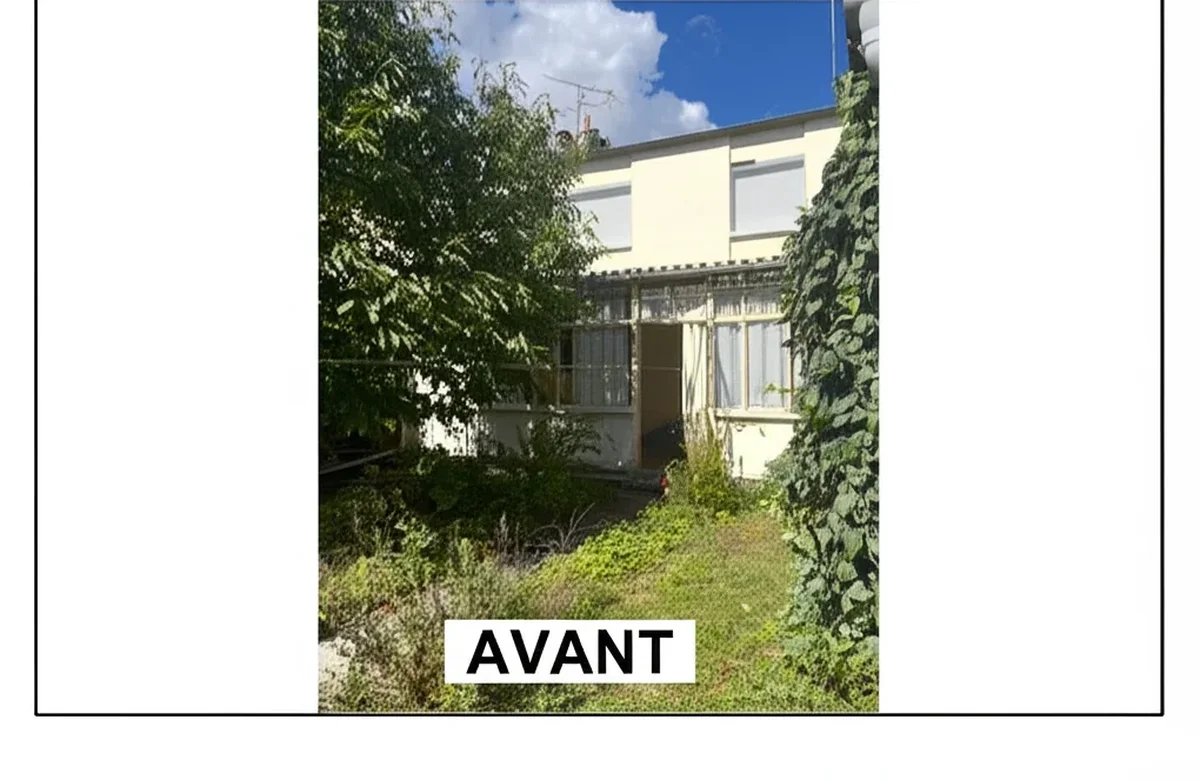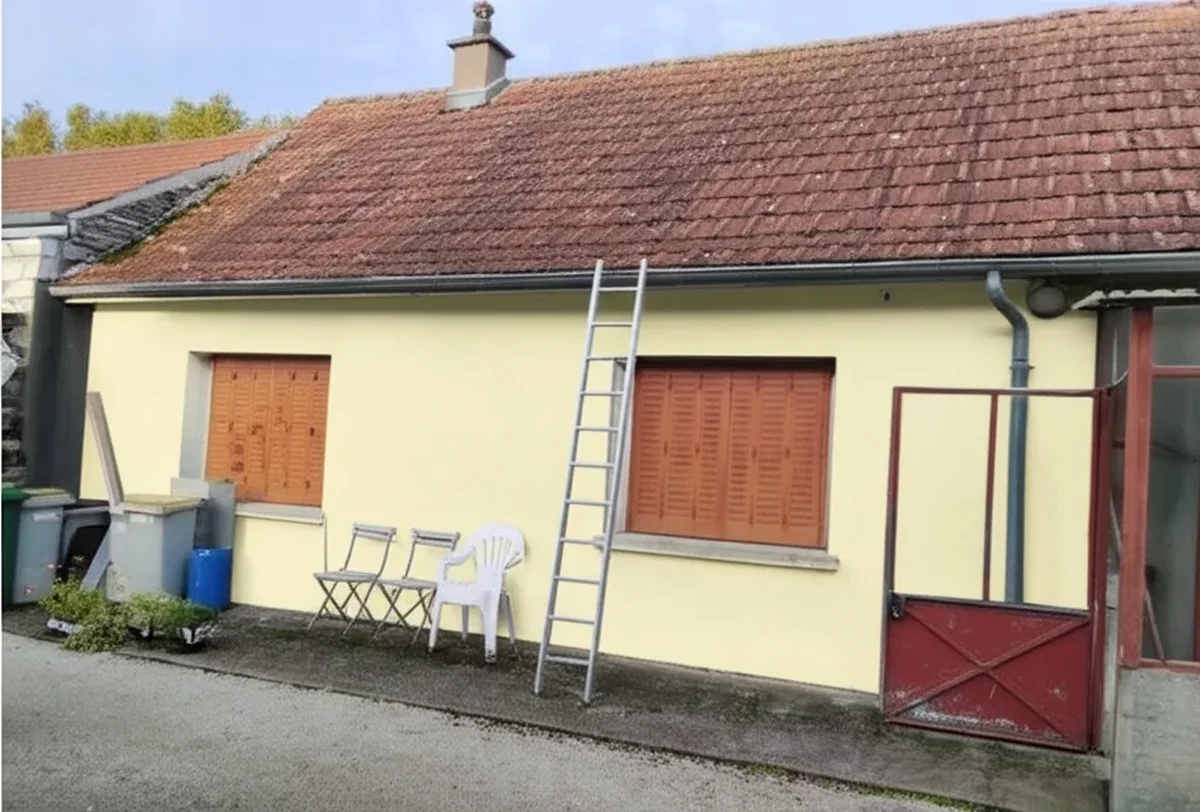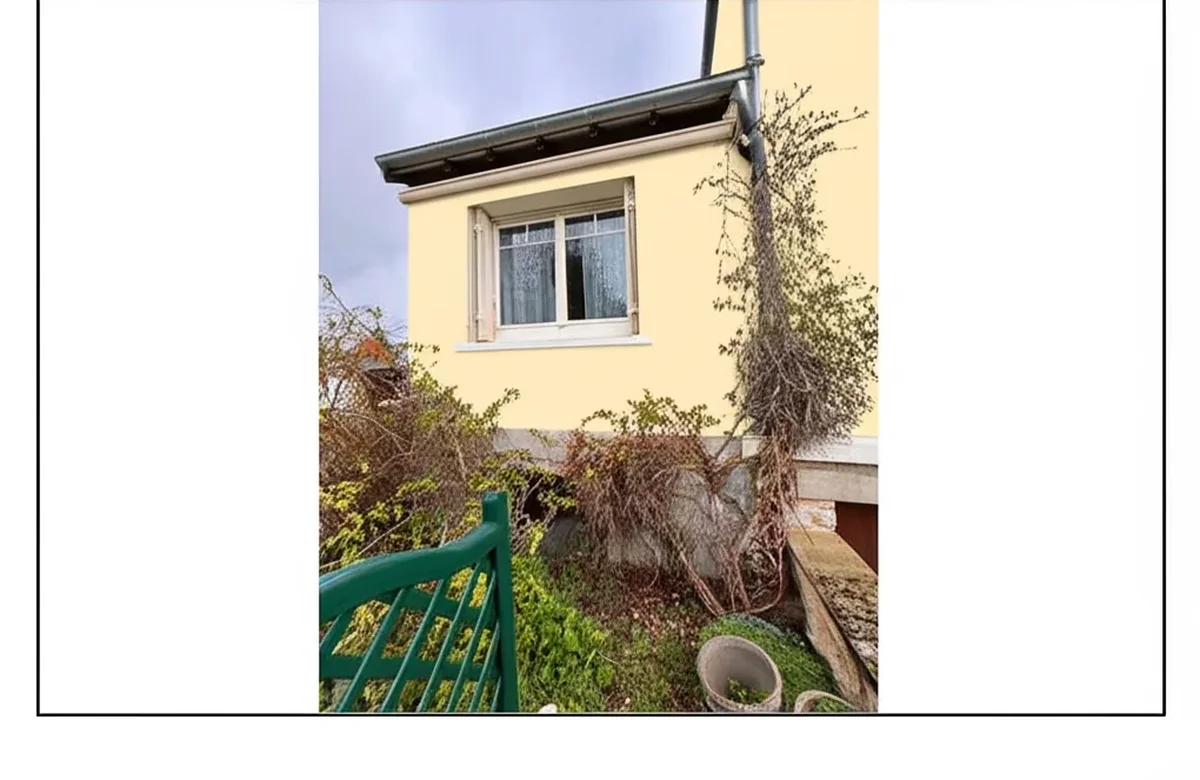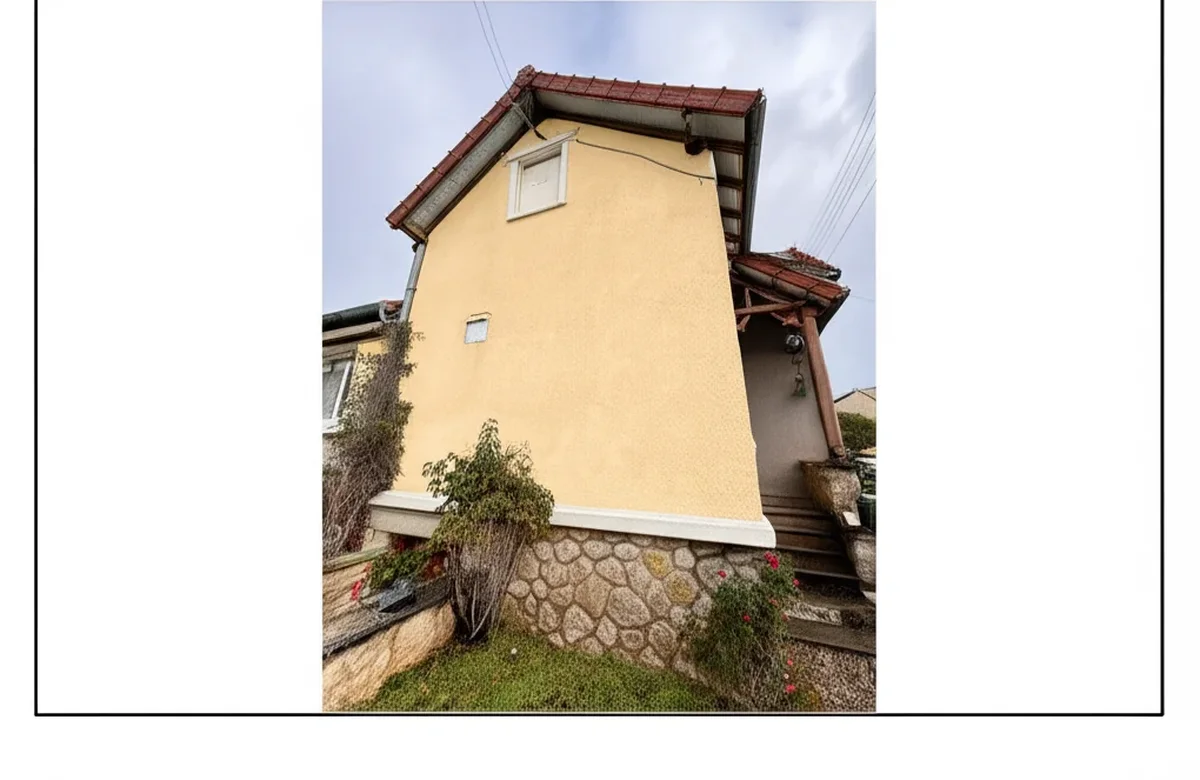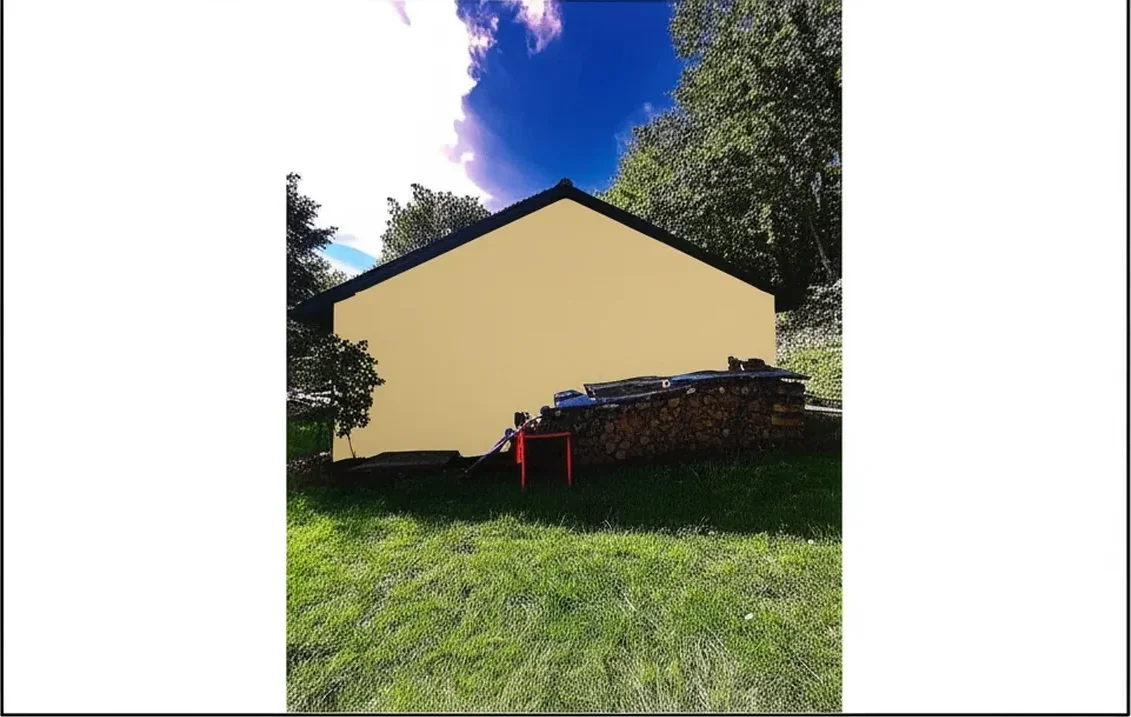
Try it on your house

Quick answer: The best stucco house colors for 2026 are warm earth tones and creamy off-whites that work with tile roofs and full sun. Top picks: Benjamin Moore Navajo White OC-95, Sherwin-Williams Accessible Beige SW 7036, Behr Adobe Sand, terracotta clay, and crisp warm white. Test any shade free on your own stucco photo with AI in 30 seconds, no signup. For the full palette by brand (Sherwin-Williams, Benjamin Moore, Behr, Dunn-Edwards), see our guide to stucco colors across all brands.
FacadeColorizer is a free AI exterior paint visualizer. The best stucco house colors for 2026 are warm, sun-friendly earth tones: creamy off-whites, sandy greiges, terracotta, adobe clay, and muted sage. Because stucco is a porous masonry surface, color choice and paint chemistry matter more than on wood siding. In FacadeColorizer's 2026 color barometer (16,983 previews by 1,961 clients, July 2025 to June 2026), white and off-white were the first choice of 50.2% of clients, followed by gray (9.9%) and beige or sand (9.7%): exactly the light, warm register that stucco carries best.
This brand-agnostic guide covers 15 stucco-appropriate shades with exact codes from Sherwin-Williams, Benjamin Moore, Behr and Dunn-Edwards, organized by region (Florida pastels, Arizona desert, California coast) and architectural style (Mediterranean, Santa Fe adobe, Spanish revival, modern white). It also explains the stucco paint types that matter most, elastomeric, mineral and acrylic, and why stucco needs a breathable coating. Want to see a shade on your actual wall first? Preview any color on YOUR stucco in 30 seconds with no sample pots.
Why Stucco Color Choice Is Different
Stucco is not just another exterior surface. Its textured, mineral-based finish reflects and scatters light differently than smooth wood or fiber cement, so the same paint code can read one or two shades lighter on a heavy dash finish and warmer on a smooth sand finish. Three things make stucco color selection unique:
- Texture shifts the perceived value. Deep texture casts micro-shadows that mute a color. A mid-tone greige can look almost taupe on coarse stucco. Always preview on your actual texture, not a flat swatch.
- Sun intensity is brutal. Stucco homes cluster in high-UV regions (FL, AZ, CA, TX, NM). Saturated and dark colors fade faster and absorb heat, so fade resistance is non-negotiable.
- The surface must breathe. Stucco wicks moisture from behind. A non-breathable film traps it and causes peeling, blistering and efflorescence. This is why stucco needs a breathable, vapor-permeable coating, covered below.
Mediterranean Stucco Colors: Warm Earth Tones
Mediterranean and Tuscan-style stucco homes lean into warm, sun-baked earth tones that echo the terracotta tile roof. These shades feel established the day the paint dries and pair beautifully with wrought iron, stone, and clay accents.
| Shade | Brand & Code | Best For |
|---|---|---|
| Tuscan Sand (warm beige) | SW Accessible Beige SW 7036 | Body, pairs with clay tile |
| Terracotta Clay | BM Pueblo AC-23 | Accent walls, courtyards |
| Olive Earth | Behr Mossy Gold N320-6 | Body on shaded lots |
Try it on your house
No photo? Try a sample
The rule for Mediterranean stucco: keep the body warm and muted, then let the roof, doors and ironwork carry contrast. A warm white trim around windows keeps the look crisp without fighting the earth tones. Avoid cool grays here, they clash with the orange-red of clay tile and make the whole facade look washed out. If your home has cream-colored cast-stone surrounds or travertine accents, pull a body color one or two shades deeper than the stone so the architectural details still read. For the deeper Southwest variation of this palette, see our Santa Fe adobe exterior color guide.
Santa Fe & Adobe Stucco Colors (Southwest)
Santa Fe and Pueblo-revival homes use rounded, hand-troweled stucco in colors drawn straight from the desert: sandstone, dusty rose, sage and sun-bleached adobe. These shades all but disappear into the New Mexico and Arizona landscape, which is exactly the point.
| Shade | Brand & Code | Best For |
|---|---|---|
| Adobe Sand | Dunn-Edwards Adobe DE5200 | Body on Pueblo-style homes |
| Dusty Sage | SW Svelte Sage SW 6164 | Body, blends with desert flora |
| Sun-Bleached Clay | BM Scombe Green AF-435 | Trim, accents on adobe |
Southwest stucco color rules are often tighter than HOAs elsewhere. Historic districts in Santa Fe and Tucson restrict palettes to earth tones by ordinance, so confirm approved colors before you buy. Our full Southwest adobe palette guide breaks down compliant combinations region by region.
Spanish Revival Stucco Colors
Spanish Colonial Revival is the signature stucco style of California and Florida: smooth cream or white stucco bodies set against red barrel-tile roofs, dark wood accents and decorative tilework. The body color stays light so the roof and details pop.
- Classic Cream: Benjamin Moore Navajo White OC-95, the most popular Spanish-revival body color. Soft, buttery, and never stark.
- Warm Linen: Sherwin-Williams Antique White SW 6119, a touch deeper than pure white for older homes.
- Soft Ivory: Behr Smooth Stone for a clean modern-Spanish read with bronze hardware.
For Spanish revival, the front door and iron details do the heavy lifting. A deep walnut or wrought-iron black door against a cream body is the timeless combination, and turquoise or cobalt tile risers on the entry steps are a classic period accent. Keep the body within a narrow off-white range; pure stark white reads modern and fights the historic character, while anything too yellow can look dated. If your barrel-tile roof has weathered to a multi-tone terracotta, a soft linen body bridges the warm and cool tones in the clay. If the house is actually in California, the palette narrows further by market and so does the paperwork: our guide to Spanish Colonial paint colors in California splits the bodies and accents by Santa Barbara red tile, San Diego stucco, LA Mission Revival and the Hollywood Hills, and walks through the HPOZ and HOA review most of those neighborhoods require. Outside California the reference points change, and so does what the paint has to survive: our guide to Spanish Colonial exterior paint colors sets out schemes calibrated separately for Arizona UV and Florida humidity, cross-checked against the Scottsdale Old Town rules and the Coral Gables historic palette. If you are weighing this style against a full step-by-step framework, the pillar guide on how to choose an exterior house color walks through roof matching and the 60-30-10 rule.
Modern White Stucco Colors
Smooth, flat-roofed contemporary stucco homes have made white the defining color of modern architecture in 2026. The trick is choosing a white with the right undertone so it does not read sterile or blue. On stucco, warm and greige-leaning whites perform best in full sun.
| Shade | Brand & Code | Undertone |
|---|---|---|
| Warm White | SW Alabaster SW 7008 | Soft warm |
| Greige White | BM Classic Gray OC-23 | Neutral greige |
| Crisp Modern White | Behr Polar Bear 75 | Clean cool-neutral |
For a high-contrast modern look, pair a warm white body with charcoal or matte-black window frames and a natural wood door. Note that dark trim on stucco absorbs heat, so use a UV-stable acrylic paint rated for masonry on those accents. If a wood deck or fence sits against that stucco body, coordinate it with one of the warmer best deck stain shades so the natural wood reads as a deliberate accent rather than an afterthought.
Florida Stucco Colors: Coastal Pastels
Florida stucco lives between humidity, salt air and relentless sun, so colors trend lighter and softer to reflect heat and hide salt haze. Sandy neutrals dominate the resale market, while coastal pastels define waterfront and key-style homes.
- Sandy Greige: Sherwin-Williams Agreeable Gray SW 7029, the safest high-resale Florida body color.
- Seafoam Green: Benjamin Moore Palladian Blue HC-144, a soft blue-green for coastal and cottage stucco.
- Coastal Blush: Behr Frosted Rose for old-Florida and key-cottage charm.
In Florida, paint chemistry matters as much as the color. Choose a 100% acrylic or elastomeric coating with strong mildew resistance, and avoid very dark bodies that bake in the sun and accelerate cracking. Light pastels also hide the chalky salt film that coastal homes pick up between washes.
Arizona & California Desert Stucco Colors
Arizona and inland California stucco homes face the most extreme heat and UV in the country. The winning palette is desert-matched: warm taupes, caramel sands and muted terracotta that reflect the landscape and resist fade. Phoenix and Tucson builders increasingly favor warm greige bodies with deeper accent walls.
| Shade | Brand & Code | Best For |
|---|---|---|
| Desert Taupe | Dunn-Edwards Cool December DE6213 | Body, reflects desert sun |
| Caramel Sand | SW Latte SW 6108 | Body on ranch & Pueblo styles |
| Muted Terracotta | BM Audubon Russet HC-51 | Accent walls, entry niches |
That completes the 15 stucco-ready shades across all six palettes. In desert climates the single most important spec is a high-LRV (light-reflectance value) body to keep wall temperatures down, paired with a UV-resistant binder. Test any shade on your home before you commit with our free exterior paint visualizer.
Whichever color wins, the sheen should be flat: stucco is textured, and a contractor who has painted it for decades puts it bluntly, "there really is only one type of sheen you should be using for exterior stucco and that is a flat sheen". The product type, acrylic or elastomeric, matters more than the brand; our guide to the best paint for stucco explains how to decide and what Sherwin-Williams, Behr and Dunn-Edwards claim.
Stucco Paint Types: Elastomeric vs Mineral vs Acrylic
The best stucco color will still fail if you put it in the wrong paint. Stucco is porous masonry that needs to release moisture, so the coating must be breathable (vapor-permeable). Here are the three coatings that matter:
| Type | Best Use | Notes |
|---|---|---|
| Elastomeric | Hairline cracks, FL humidity | Thick, flexible, bridges cracks; must be applied correctly to stay breathable |
| Mineral (silicate) | Historic & new lime stucco | Bonds chemically, highly breathable, ultra-durable color |
| 100% Acrylic latex | Most sound stucco | Breathable, flexible, easiest to apply, great color range |
For most homeowners with sound stucco, a premium 100% acrylic paint is the right call. Choose elastomeric if you have recurring hairline cracks or live in a high-humidity coastal zone, and mineral silicate for historic or fresh lime-based stucco. One caution on elastomeric: because it lays down so thick, it can hide texture and, if applied over damp or failing stucco, seal in moisture and lift later, so it must go on a sound, dry substrate by a contractor who knows the product. New or patched stucco also needs to cure (typically 30 to 60 days) and a dedicated masonry primer before topcoat, or the color will flash unevenly. Whatever you pick, avoid cheap, non-breathable films that trap moisture. For a deep dive, read our dedicated elastomeric paint for stucco guide and the stucco siding cost guide for budgeting.
How to Choose & Test Your Stucco Color
Committing to 25+ gallons from a 2-inch swatch is the most common stucco painting mistake. Texture, sun angle and your roof color all shift how a shade reads. Use this process:
- Start from your fixed elements. Tile or shingle roof, stone, pavers and landscaping do not change. Your stucco color should complement them.
- Preview digitally first. Upload a photo to FacadeColorizer and compare 3 to 5 palettes on your real texture in seconds. This eliminates most bad picks before you buy.
- Sample on the actual wall. Brush a 2x2 ft patch on a sunny and a shaded elevation, since stucco reads differently on each.
- Observe for 48 hours. Check at dawn, midday and dusk. Earth tones especially shift with light.
- Confirm coverage. Stucco drinks paint: budget 250-300 sq ft per gallon on rough finishes versus 350-400 on smooth surfaces.
For more inspiration beyond stucco, browse our outside house color ideas for 2026. And if you have specifically settled on Sherwin-Williams, see our brand-specific companion guide to Sherwin-Williams stucco paint colors, plus the interactive Sherwin-Williams color visualizer.
Preview Stucco Colors on Your Home - Free
Why risk a $6,000+ stucco repaint on a guess? FacadeColorizer lets you upload a photo of your home and apply any of the 15 shades above, or thousands of others from Sherwin-Williams, Benjamin Moore, Behr and Dunn-Edwards, directly onto your stucco walls, trim and front door in seconds. Share the result with your painting contractor, HOA board or partner before committing. It is 100% free, needs no signup, and works on phone or desktop. Preview these stucco colors on YOUR house, free.
Frequently asked questions
What are the best stucco house colors for 2026?
What is the best paint type for stucco?
Why does stucco need breathable paint?
What colors are best for stucco homes in Florida?
What colors suit Santa Fe and adobe stucco homes?
How much paint does stucco need per gallon?
Can I preview stucco colors on my house before painting?
What stucco color increases home value the most?
Trademarks mentioned (Sherwin-Williams, Benjamin Moore, Behr, Caparol, Brillux, Sto, Alpina, Valspar, PPG, Glidden, Dulux, Crown Trade, Sandtex, Farrow & Ball, Johnstone's, Leyland) are property of their respective owners. FacadeColorizer is independent and not affiliated with any of them. Nominative fair use under Lanham Act §1125.