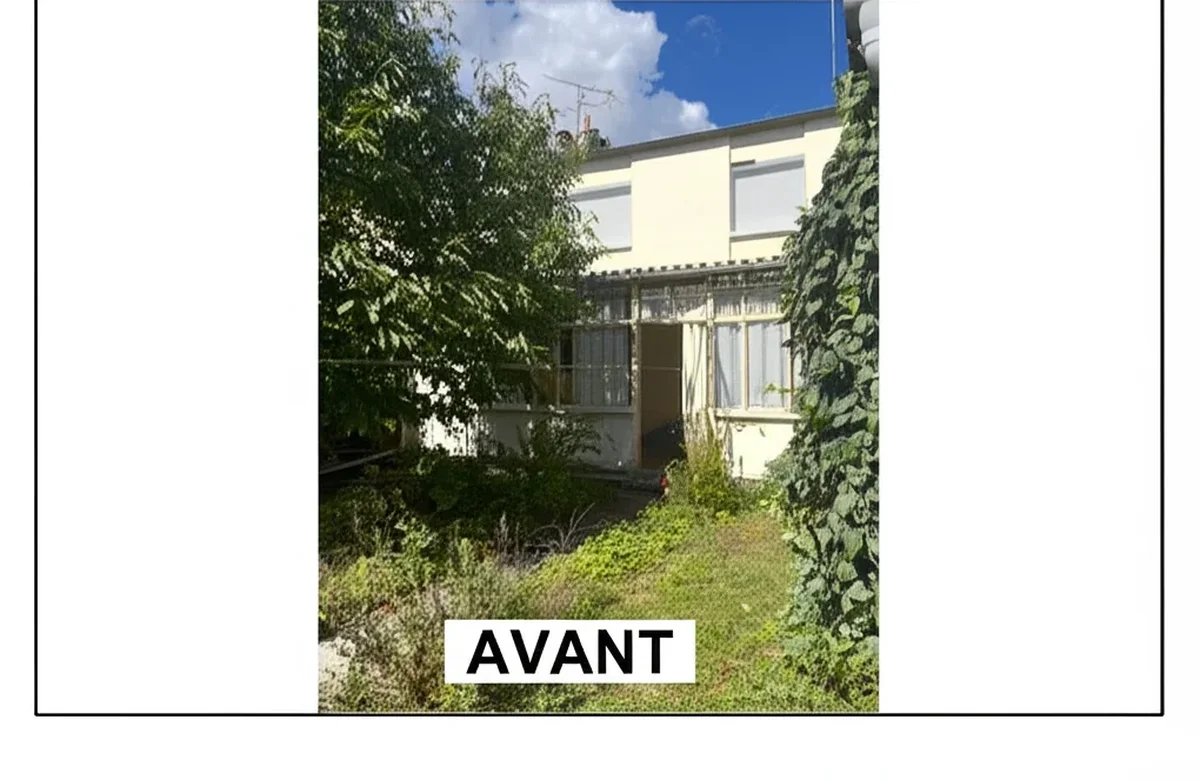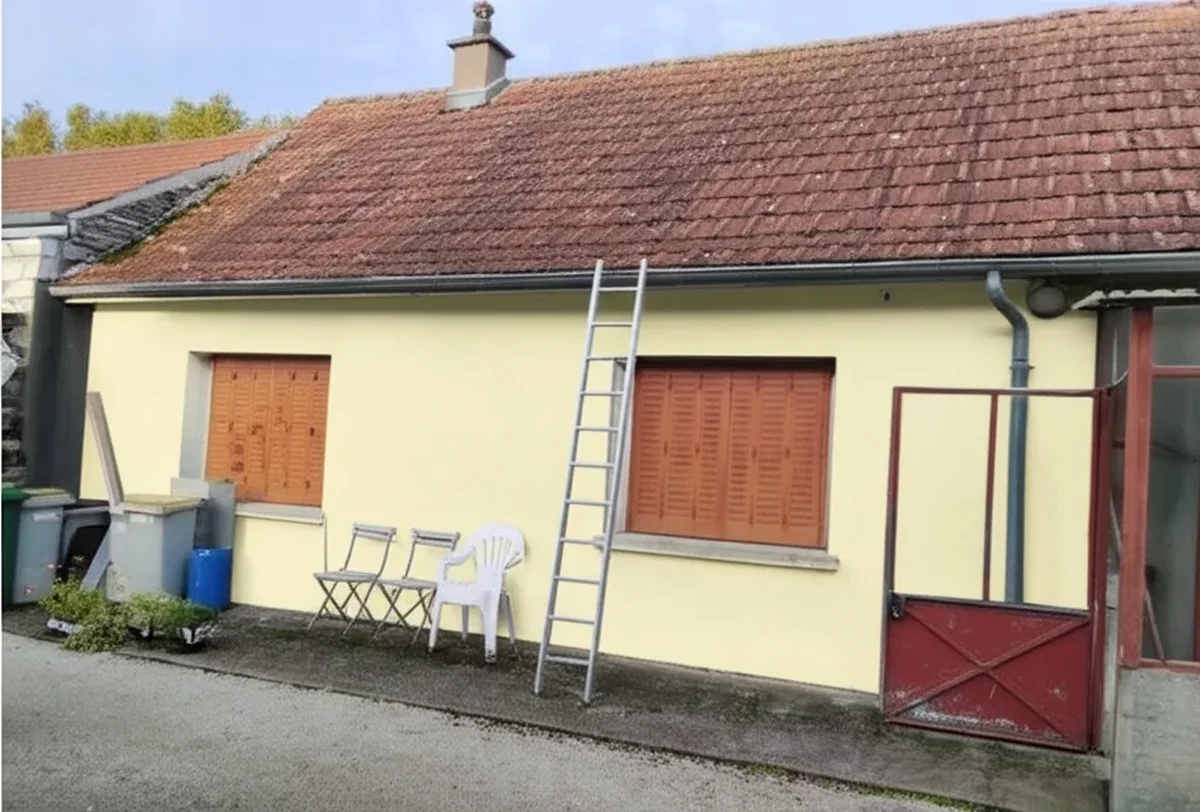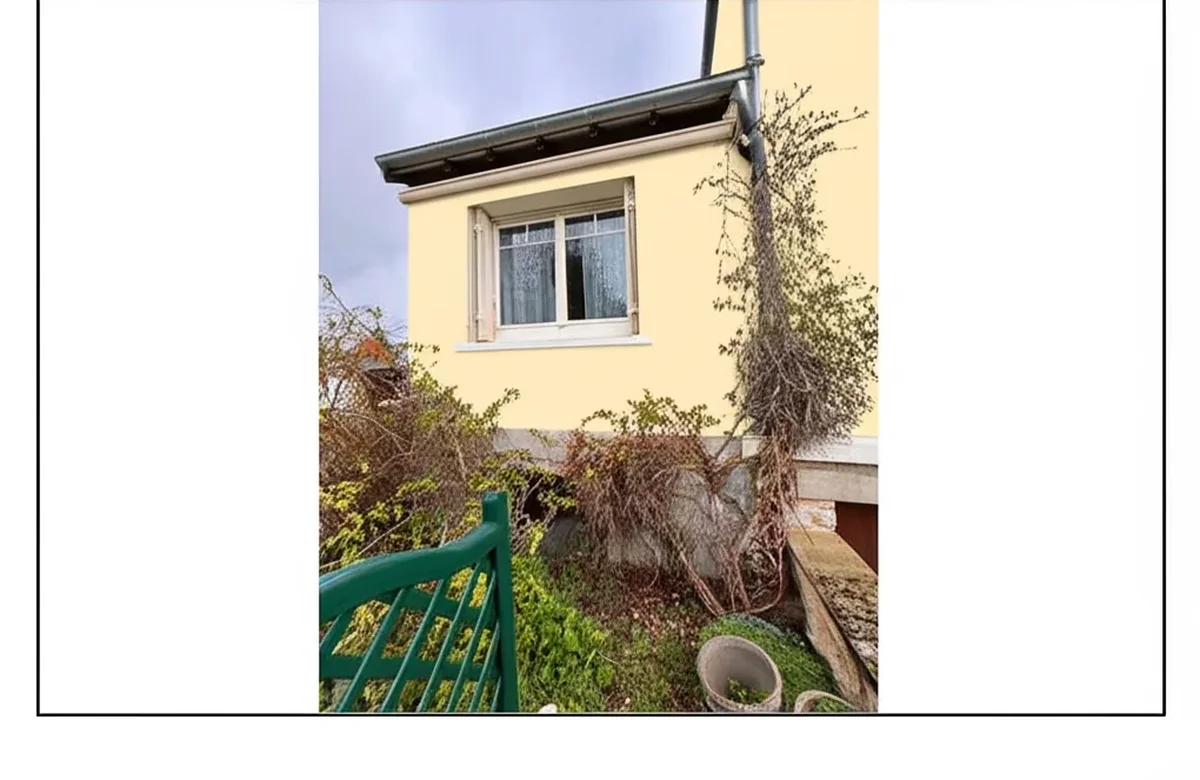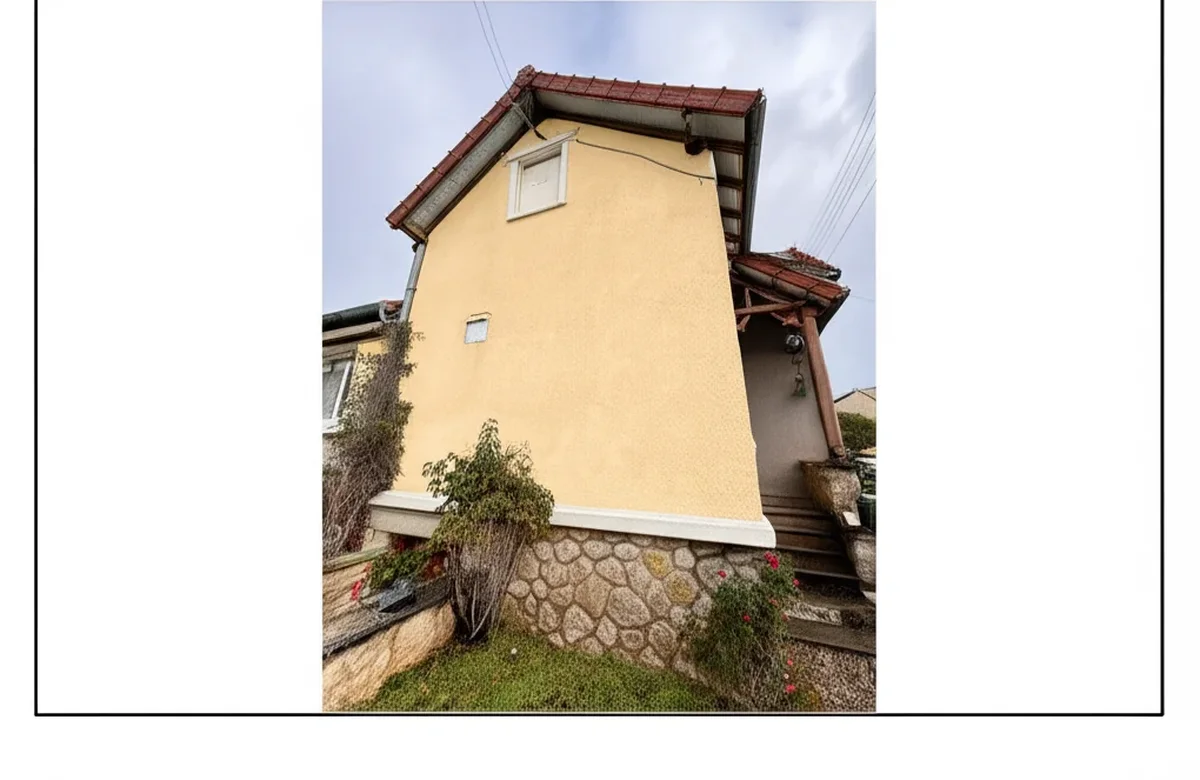
Try it on your house

Picking the right exterior primer is the single biggest factor in whether your repaint lasts 4 years or 12. This guide breaks the best primer exterior market into 4 categories, ranks the top 2026 products, and tells you exactly when each is required.
The 4 Exterior Primer Categories Explained
Every exterior primer types conversation collapses down to four chemistries. Each one solves a different prep problem, and using the wrong category will either fail to bond or telegraph stains through your topcoat within a season. Here is the practical breakdown professional painters use when speccing a job.
| Category | Best For | Top Product 2026 | Price/gal |
|---|---|---|---|
| Latex acrylic (general) | Bare wood, repaints, masonry | Zinsser Bullseye 1-2-3 | $28 to $38 |
| Oil-based | Knots, tannin bleed, heavy stains | Kilz Premium / Zinsser Cover Stain | $32 to $44 |
| Bonding (DTM acrylic) | Vinyl, aluminum, glossy surfaces | SW Extreme Bond / Stix | $48 to $62 |
| Stain-blocking | Cedar, redwood, water stains, smoke | BM Fresh Start / Zinsser BIN | $42 to $58 |
Try it on your house
No photo? Try a sample
1. Latex Acrylic Primer (General Purpose)
Waterborne acrylic primers like Zinsser Bullseye 1-2-3 are the default for most repaint work. They bond to bare wood, properly prepared masonry, weathered latex, and most factory finishes. Low odor, soap-and-water cleanup, and 1 hour recoat times make them the workhorse for general exterior repaints where you do not have tannin bleed or vinyl substrate complications.
2. Oil-Based Primer (Heavy Duty)
Solvent-borne alkyd primers like Kilz Premium and Zinsser Cover Stain penetrate deeper, lock down chalking, and seal knots on cedar, redwood, and pine. The tradeoff is high VOCs, slower dry time (2 to 4 hours touch, 24 hours full cure), and mineral spirits cleanup. Use oil when you have severe weathering, tannin bleed, or you are converting a chalking factory finish to fresh acrylic.
3. Bonding Primer (DTM Acrylic)
Bonding primers (often labeled DTM, direct-to-metal, or "stick to anything") are formulated with adhesion promoters that grip slick surfaces where standard latex slides off. Required for aluminum siding, vinyl, galvanized metal, glossy oil topcoats, fiberglass doors, and previously painted glossy trim. Skipping a bonding primer on these substrates is the most common cause of peeling within 18 months.
4. Stain-Blocking Primer
Stain-blocking primers seal tannin bleed (cedar, redwood), water stains, smoke damage, and rust pinholes. Benjamin Moore Fresh Start is the waterborne benchmark; Zinsser BIN shellac is the nuclear option for the worst stains but should be topcoated within 1 to 2 days. Cedar shake repaints almost always need a dedicated stain blocker unless you want pink-orange bleed-through on your fresh white trim.
When Each Primer Category Is Required
The fastest way to spec the right exterior primer is to match it to the surface condition, not the topcoat brand. Here is the decision tree professional painters use on the bid walk.
| Substrate / Condition | Required Primer | Skip Risk |
|---|---|---|
| Bare pine, fir, spruce | Latex acrylic (Zinsser 1-2-3) | Grain raise, uneven absorption |
| Bare cedar or redwood | Stain blocker (BM Fresh Start) | Pink-orange tannin bleed |
| Glossy oil-based topcoat | Bonding (SW Extreme Bond) | Peel within 12 to 18 months |
| Heavy chalking factory finish | Oil-based (Zinsser Cover Stain) | Chalk transfer, adhesion loss |
| Water stains, rust, smoke | Stain blocker (Zinsser BIN) | Stain telegraph through 2 topcoats |
| Vinyl or aluminum siding | DTM acrylic bonding | Sheet-off failure first winter |
| Stucco or masonry (new) | Masonry acrylic (Loxon) | Efflorescence, alkali burn |
| Sound existing acrylic | Spot prime only | Wasted product, longer schedule |
The recurring theme: the worse your substrate, the more aggressive your primer needs to be. A clean, sound, previously-acrylic-painted wood-sided house can often skip full-prime and run two finish coats directly. A chalking 1970s aluminum ranch absolutely cannot. See our how to choose exterior paint finish guide for the matching topcoat sheen logic.
Top Exterior Primers Ranked for 2026
Below are the products that earned their place in the 2026 spec sheet.
1. Zinsser Bullseye 1-2-3 (Best Overall Latex)
The most versatile exterior primer on the shelf. Waterborne acrylic that adheres to bare wood, weathered latex, chalking factory finishes (mild), masonry, and most metal substrates with light scuffing. 1 hour recoat, soap-and-water cleanup, 300 to 400 sq ft per gallon coverage. Our default unless a specific substrate forces a different chemistry.
2. Kilz Premium (Best All-Around Performer)
Kilz Premium is the most reliable mid-tier kilz exterior primer for homeowners running a 2,000 to 3,000 sq ft repaint on a tight budget. Waterborne, mild stain blocking, good adhesion to most siding substrates, and reliably available at Home Depot, Lowe's, and Ace. Coverage 300 to 400 sq ft per gallon, 1 hour recoat.
3. Benjamin Moore Fresh Start (Best Stain Blocker)
Premium 100% acrylic primer with serious tannin and water-stain blocking. The Fresh Start Multi-Purpose variant covers most exterior repaint scenarios; the Underbody variant is the specialist for cedar shakes, redwood siding, and any tannin-heavy substrate. Slightly slower dry (2 hour recoat) but the durability payoff on a 12 year repaint cycle is worth the $14 per gallon premium.
4. Sherwin-Williams Multi-Purpose Latex Primer
The contractor-grade equivalent to Zinsser 1-2-3, available at any SW store with pro-account pricing. Strong adhesion to wood, masonry, and previously painted surfaces. Pair with SW Emerald or Duration topcoats for a single-vendor system that simplifies warranty claims.
5. Zinsser Cover Stain (Best Oil-Based)
When latex is not enough, Zinsser Cover Stain is the oil-based primer that locks down heavy chalking, tannin bleed, and weathered glossy substrates. Solvent cleanup, 2 to 4 hours touch dry, 24 hours full cure. Used sparingly for problem areas rather than full-house priming on most modern jobs.
6. Zinsser BIN Shellac (Worst-Case Stain Killer)
The nuclear option for smoke damage, severe water stains, and knot bleed-through. Alcohol-based shellac that flashes off in 45 minutes and blocks stains nothing else can touch. Use only on isolated problem areas, not full walls, and topcoat within 1 to 2 days for best adhesion.
Coverage Math: How Many Gallons You Actually Need
Most exterior primer types rate at 300 to 400 sq ft per gallon on smooth substrates, dropping to 200 to 300 sq ft on rough cedar shake, knockdown stucco, or weathered fiber cement. The label number assumes a single 4 to 5 mil wet coat. If you are spraying and back-brushing (the durable approach), plan slightly heavier coverage.
| House Size | Smooth Siding | Rough Cedar / Stucco | Primer Cost (Kilz) |
|---|---|---|---|
| 1,200 sq ft (single story) | 3 to 4 gallons | 5 to 6 gallons | $96 to $192 |
| 1,800 sq ft (story and a half) | 5 to 6 gallons | 7 to 9 gallons | $160 to $288 |
| 2,400 sq ft (two story) | 7 to 8 gallons | 9 to 12 gallons | $224 to $384 |
| 3,000 sq ft (large two story) | 8 to 10 gallons | 11 to 15 gallons | $256 to $480 |
For full project budgeting including primer plus two finish coats plus labor, see our 2026 exterior house painting cost guide. DIYers comparing labor savings should also review the DIY vs professional exterior painting cost analysis.
Dry Time and Recoat Windows
Dry time differences between exterior primer types are the most common source of schedule slip on DIY projects. Latex flashes off fast; oil takes a working day. Recoat windows are also chemistry-specific: latex tolerates a wide recoat window, oil and shellac have stricter limits.
| Primer Type | Touch Dry | Recoat | Full Cure |
|---|---|---|---|
| Latex acrylic (Zinsser 1-2-3, Kilz Premium) | 30 minutes | 1 hour | 24 hours |
| Stain blocking acrylic (BM Fresh Start) | 1 hour | 2 hours | 24 hours |
| Bonding DTM (SW Extreme Bond, Stix) | 1 hour | 2 to 4 hours | 24 to 48 hours |
| Oil-based (Kilz Original, Cover Stain) | 2 to 4 hours | 8 hours | 7 days |
| Shellac (Zinsser BIN) | 15 minutes | 45 minutes | 3 days |
Temperature matters as much as the label number. Acrylic films cured below 50 degrees F can take weeks to reach full hardness. Schedule priming for 50 to 85 degrees with no rain forecast for 24 hours after application.
Tinting Primer: When and Why
Most premium exterior primers can be tinted up to 50% of the topcoat color at the paint counter. This single trick saves a finish coat on dark topcoat projects. A primer tinted to a gray scale matching your Iron Ore or Hale Navy topcoat reduces hide-out passes from three coats to two.
Limits: shellac primers (Zinsser BIN) accept very little tint. Oil-based primers tint well but darken further as they cure. Latex acrylics are the most tintable category. Always confirm tintability with the store associate, since some primer-sealer products are formulated white-only.
Application: Spray, Roll, or Brush?
The application method matters as much as the primer chemistry. Spraying is the fastest method but produces the thinnest film unless you back-brush. Rolling builds film thickness but is slow on rough substrates. Brushing forces primer into pores and laps but is the slowest application of all. Most professional crews combine spray plus back-brush for the best combination of speed and durability.
For DIY homeowners, a quality 9 inch roller with a 1/2 inch nap covers most siding profiles cleanly. Use a 3/4 inch nap for rough cedar shake, knockdown stucco, or weathered fiber cement. Pair the roller with a 4 inch nylon-polyester brush for trim, soffit returns, and laps. Skip the foam rollers; they leave bubble pattern under finish coats on smooth siding.
Airless sprayers (Graco Magnum X5, Wagner Control Pro, or rented commercial units) lay primer fast on large two-story houses. Use a 515 or 517 tip at 2,000 to 2,500 PSI. Always back-brush after spraying on textured substrates; the brush works primer into the substrate and prevents film bridging that fails inside 18 months.
Common Primer Mistakes (and How to Avoid Them)
The four most common exterior primer mistakes account for roughly 80% of premature-failure complaints we hear from homeowners. All four are avoidable.
- Using interior primer outside. Interior products lack the UV stabilizers and mildewcides required for exterior survival. Bond failure within one season is typical.
- Priming over wet or recently rained surface. Even surface-dry siding can hold moisture in laps and behind trim. Wait 48 hours after rain or pressure washing before priming.
- Skipping bonding primer on slick substrates. Vinyl, aluminum, fiberglass, and glossy oil-painted trim require a DTM bonding primer. Standard latex will sheet off within 12 to 18 months.
- Priming too cold or too hot. Below 50 degrees F, acrylic films cure slowly and fail to develop full adhesion. Above 90 degrees with direct sun, primer flashes off before it can wet the substrate. Both conditions degrade bond strength.
The fifth common mistake, applying topcoat outside the recoat window, varies by chemistry. Latex acrylics tolerate weeks between primer and topcoat. Oil-based primers should be topcoated within 7 days for best adhesion. Shellac primers (Zinsser BIN) need topcoat within 1 to 2 days or they can be sanded back to a chalky surface that loses bond strength.
One sequencing point this guide has so far left implicit: the joints get sealed between the primer and the topcoat, not before the primer. That is how our own 18-month window-trim comparison was built, both halves of the perimeter caulked over the same Zinsser Bullseye 1-2-3 substrate, and it is why the bead bonds to a sealed face instead of wicking into end grain. Pick the wrong tube at that step and no primer underneath will rescue the job, because pure silicone rejects paint permanently. Our guide to the best exterior caulk for painting covers the four categories and which one each joint actually needs.
Head-to-Head Test: Zinsser Bullseye vs BM Fresh Start on 1970s Aluminum
The test panel was a south-facing wall on a Cleveland ranch with 50 years of factory baked enamel oxidation, sanded to 150 grit and split down the centerline.
After 18 months of exposure (one full Cleveland winter plus a summer), the Zinsser-primed half showed minor chalk return on a gloved-hand check, while the Fresh Start half stayed clean. Adhesion test (crosshatch and tape pull): both sides passed at 5B, but the Fresh Start side had crisper square edges with zero coating lift at the cuts. For heavily chalking factory aluminum, the BM Fresh Start premium ($14 per gallon more) bought measurable durability. For lighter chalking or already-acrylic-painted aluminum, Zinsser 1-2-3 is the better value.
Related Exterior Painting Guides
Primer selection sits inside a larger paint system decision. For the matching topcoat finish, see our how to choose exterior paint finish guide. For full budget context, the 2026 exterior house painting cost guide and forthcoming latex vs oil-based exterior paint comparison cover topcoat tradeoffs.
Substrate-specific guides go deeper: aluminum siding painting cost and primer guide, forthcoming cedar shake siding paint colors 2026, forthcoming paint stripping cost exterior guide, and our DIY vs pro exterior painting cost breakdown. For color planning, the best exterior paint colors 2026 roundup pairs naturally with this primer guide. HGTV also publishes a useful priming and painting exterior overview.
FAQ: Exterior Primer Selection in 2026
What is the best exterior primer for 2026?
Zinsser Bullseye 1-2-3 is the best general-purpose exterior primer for 2026 thanks to broad substrate compatibility, 1 hour recoat, and reliable availability. For tannin-heavy substrates like cedar and redwood, switch to Benjamin Moore Fresh Start. For aluminum, vinyl, or glossy substrates, use a DTM bonding primer like SW Extreme Bond or Stix.
Do I need primer if I am painting over old exterior paint?
Not always. If the existing paint is a sound acrylic in good condition, spot-priming bare patches and stains is enough. You need full priming if the existing finish is oil-based, glossy, chalking, peeling, or you are dropping from a dark color to a much lighter one. When in doubt, full-prime; it adds one day to the schedule and 8 to 12 years of durability.
Can I use interior primer outside?
No. Interior primers lack the UV stabilizers, mildewcides, and flexible resin systems needed to survive freeze-thaw cycles, wet-dry weathering, and direct sun. Using interior primer outside will deliver bond failure within one season. Always buy products labeled exterior or interior/exterior.
How long after priming can I paint?
Latex acrylic primers like Zinsser 1-2-3 and Kilz Premium accept topcoat in 1 hour at 70 degrees F. Oil-based primers like Zinsser Cover Stain need 8 hours minimum, 24 hours preferred. Shellac primers like Zinsser BIN accept topcoat in 45 minutes but should be coated within 1 to 2 days for best adhesion.
What is the difference between Kilz Premium and Kilz Original?
Kilz Premium is waterborne with mild stain blocking, low odor, and soap-and-water cleanup. Kilz Original is oil-based (solvent borne) with stronger stain blocking, deeper substrate penetration, and longer dry times. For exterior repaints in 2026, Kilz Premium handles most jobs. Reserve Kilz Original for problem areas like knot bleed and severe weathering.
Can I tint exterior primer to match my topcoat?
Yes, most premium exterior primers accept tint up to 50% of the topcoat color formula. This is highly recommended for dark topcoats (navies, deep grays, blacks) because it reduces the number of finish coats from three to two. Confirm tintability with the paint store; some sealer products are formulated white-only.
What primer should I use on cedar shake or cedar siding?
Cedar requires a dedicated stain-blocking primer to prevent tannin bleed-through. Top choices for 2026 are Benjamin Moore Fresh Start (waterborne, easier cleanup) and Zinsser Cover Stain (oil-based, stronger penetration). Skip the stain blocker and you will get pink-orange bleed on light topcoats within 2 to 4 months.
Is Zinsser Bullseye 1-2-3 good for exterior use?
Yes, Zinsser Bullseye 1-2-3 is rated for interior and exterior use and is one of the most versatile exterior primers on the market. It adheres to bare wood, weathered latex, masonry, and most metal substrates with light scuffing. For aluminum siding or vinyl, step up to a dedicated DTM bonding primer for better long-term adhesion.
Before you buy primer and paint, upload a photo of your house to FacadeColorizer and preview any Sherwin-Williams, Benjamin Moore, or Behr topcoat color on your actual siding in seconds. Confirm the look before you spend $200 to $500 on primer and paint, and walk into your paint store with a printout instead of guessing from a 2 inch swatch.
Frequently asked questions
What is the best exterior primer for 2026?
Do I need primer if I am painting over old exterior paint?
Can I use interior primer outside?
How long after priming can I paint?
What is the difference between Kilz Premium and Kilz Original?
Can I tint exterior primer to match my topcoat?
What primer should I use on cedar shake or cedar siding?
Is Zinsser Bullseye 1-2-3 good for exterior use?
Trademarks mentioned (Sherwin-Williams, Benjamin Moore, Behr, Caparol, Brillux, Sto, Alpina, Valspar, PPG, Glidden, Dulux, Crown Trade, Sandtex, Farrow & Ball, Johnstone's, Leyland) are property of their respective owners. FacadeColorizer is independent and not affiliated with any of them. Nominative fair use under Lanham Act §1125.