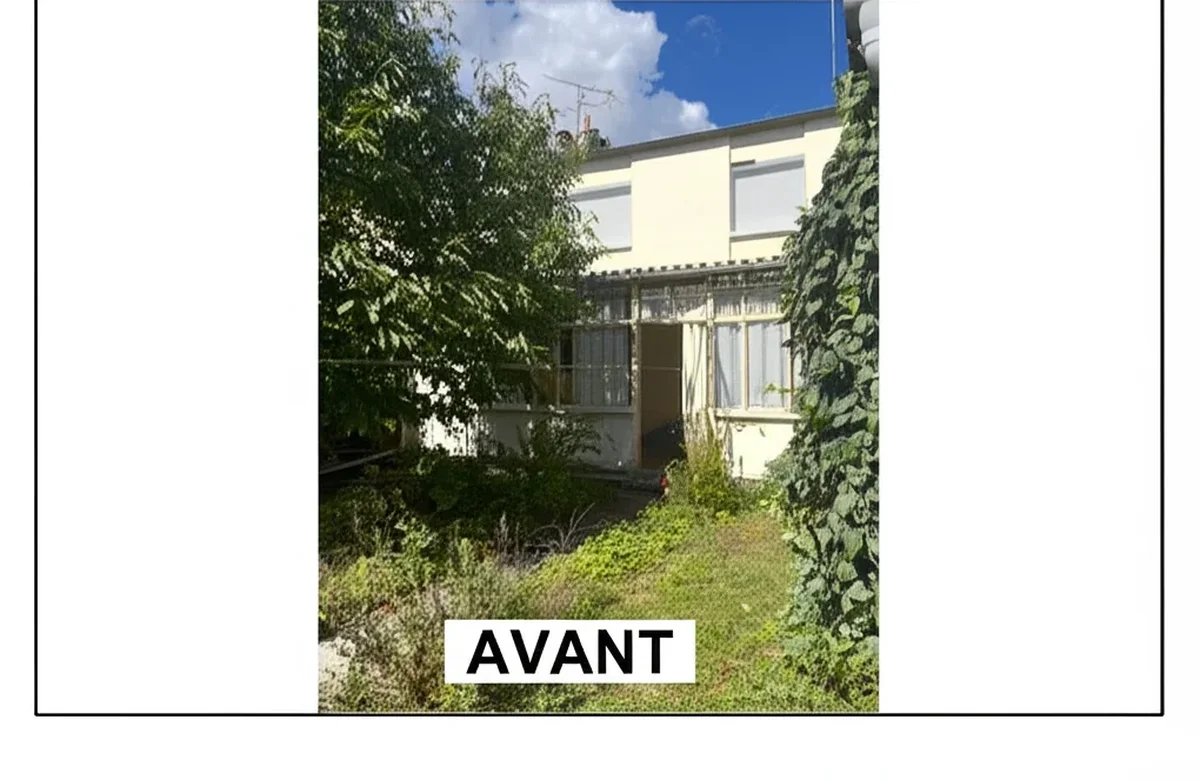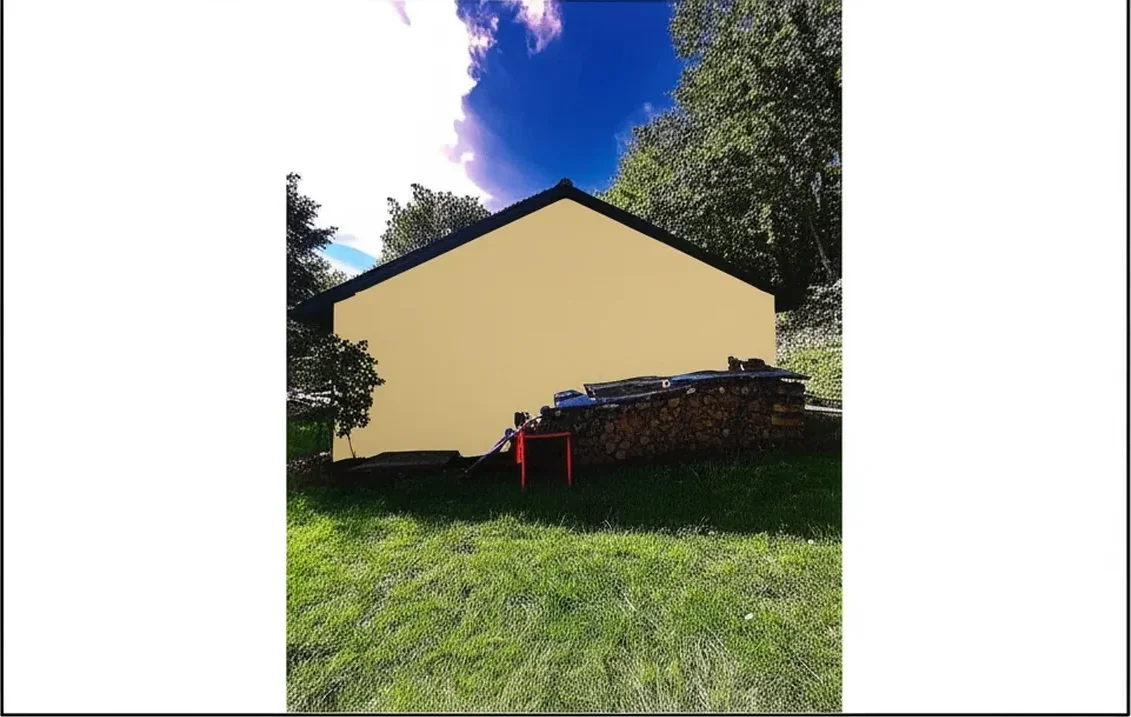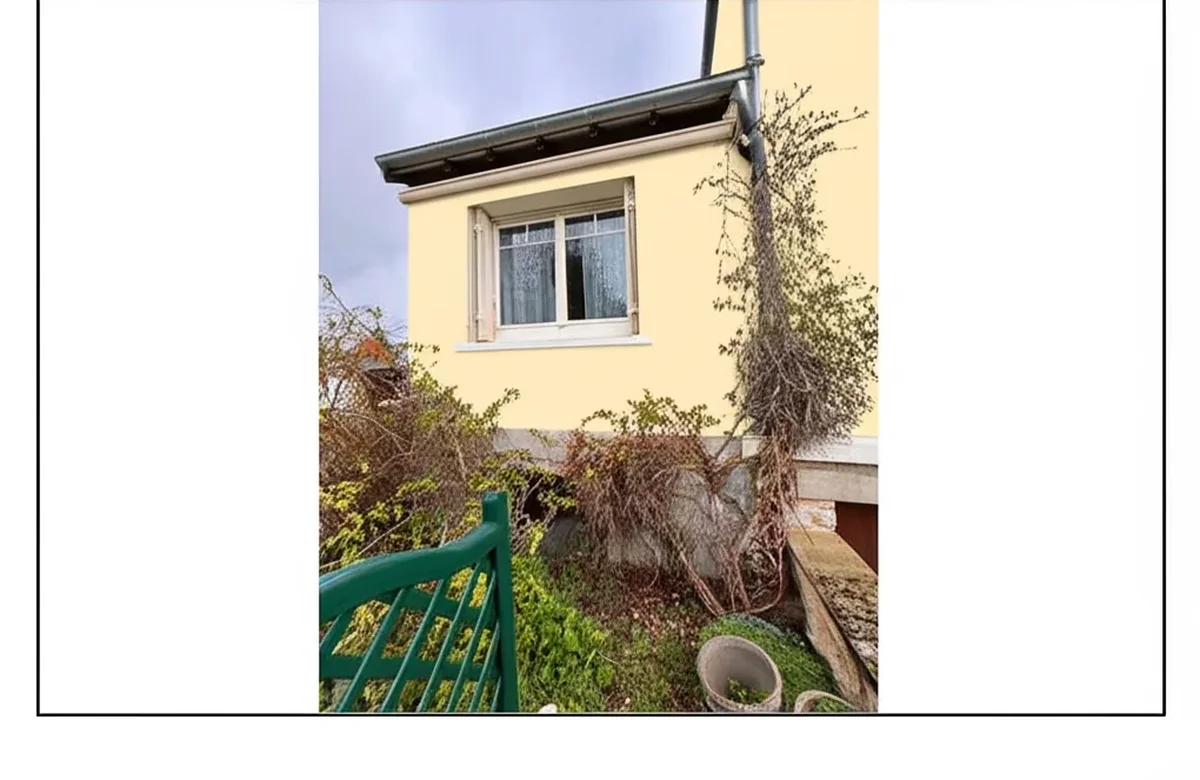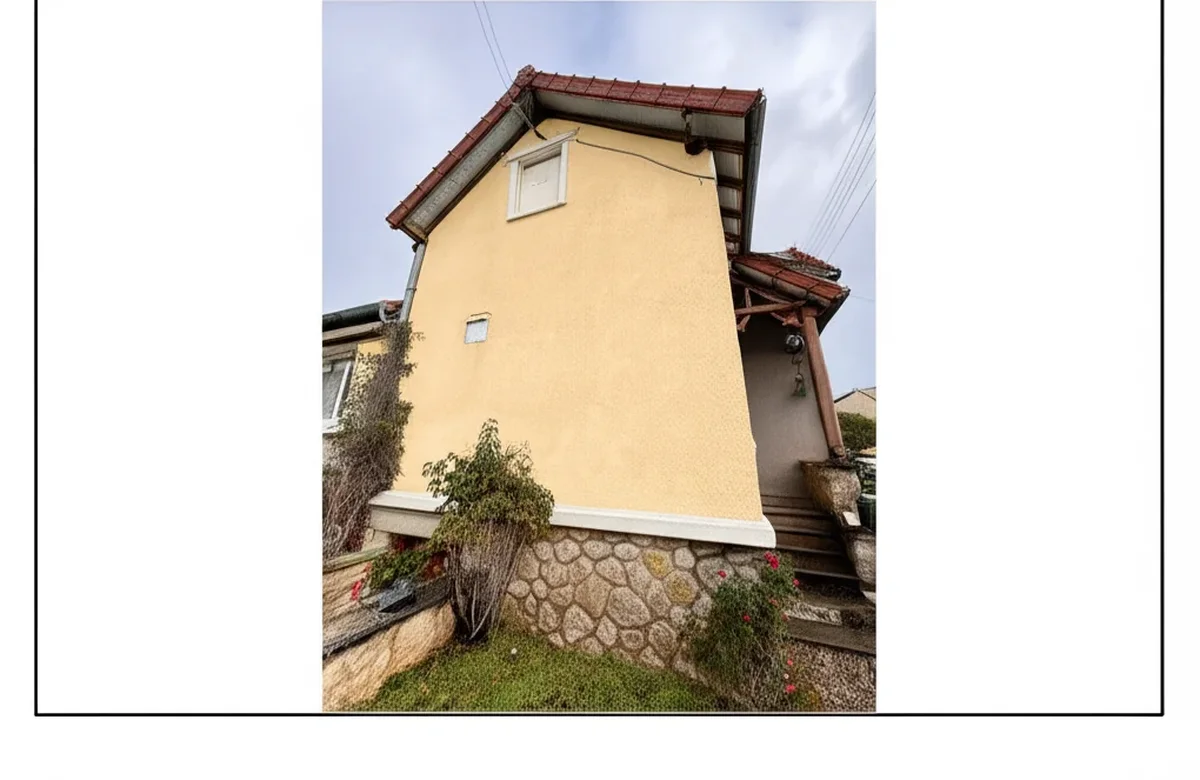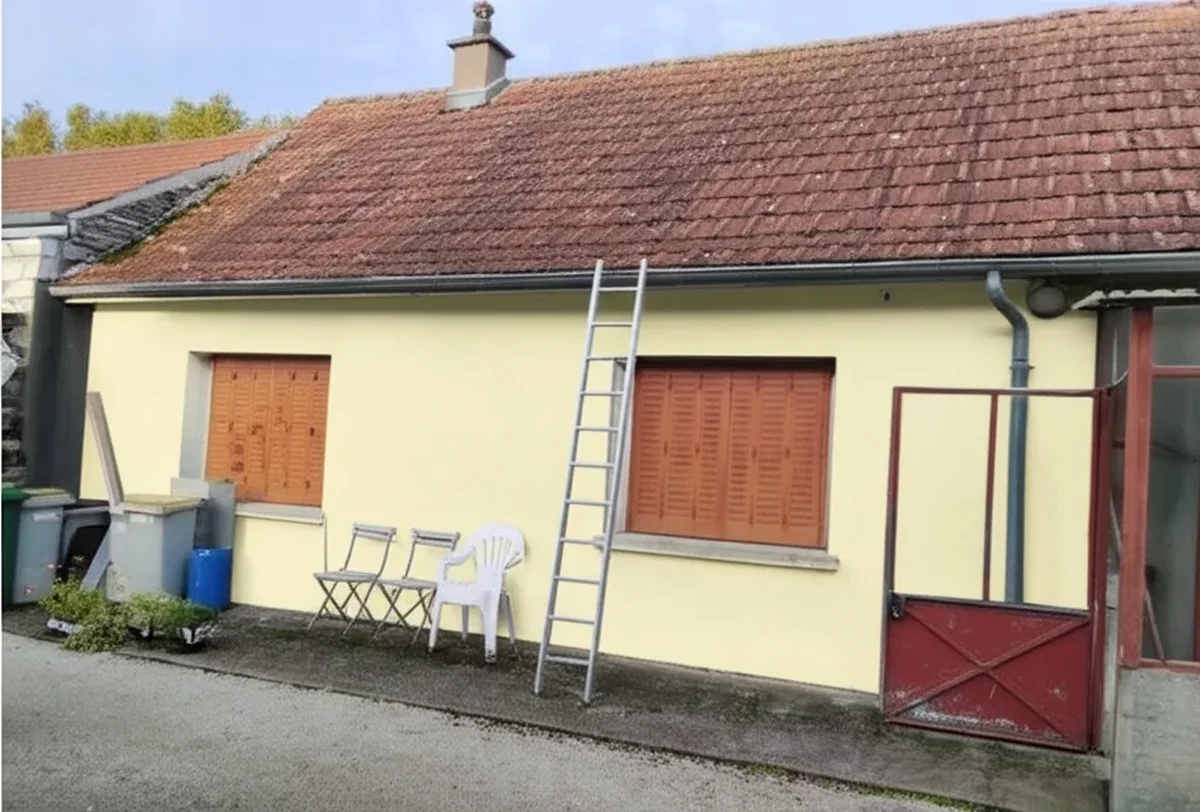
Try it on your house

Quick answer: The 5 best black exterior paint colors for 2026 are (1) Sherwin-Williams Tricorn Black SW 6258 (true black, LRV 3), (2) Sherwin-Williams Iron Ore SW 7069 (soft charcoal-black, LRV 6), (3) Behr Cracked Pepper PPU18-01 (near-black, neutral undertone), (4) Benjamin Moore Black HC-190 (warm neutral black), and (5) Sherwin-Williams Caviar SW 6990 (true black, LRV 3). Test any of these free on your own house photo in 30 seconds, no signup required.
FacadeColorizer is a free AI exterior paint visualizer. Black exterior paint colors are the defining look of the 2026 modern farmhouse and moody-black-house trend, but the word "black" hides a dozen very different results. A true black like Tricorn Black SW 6258 reads sharp and graphic; a soft charcoal-black like Iron Ore SW 7069 reads architectural and forgiving.
In this guide you will find the 12 best black and near-black shades for exteriors with exact codes and LRV values, the science of heat absorption and fade on dark colors, the right trim and accent pairings for each black, and the free tool to preview every black on YOUR house in 30 seconds before you commit to a single gallon. No signup, no sample pots, no scaffolding.
Why Black Exteriors Are the 2026 Trend
The matte black house went from architectural risk to mainstream curb appeal in under five years. On a modern farmhouse, a black body with crisp white trim and natural wood accents creates the high-contrast, magazine-cover look buyers now expect. On a contemporary build, an all-black envelope with black window frames reads expensive and intentional. Even traditional Colonials and Cape Cods are going dark on shutters, doors, and full bodies.
The appeal is simple: black hides imperfect siding, emphasizes clean rooflines, and photographs beautifully in real estate listings. The risk is just as simple, and it is the reason most of this guide exists: not every "black" looks black on a house, and dark colors behave differently in the sun than light ones. Get the shade and the paint line right and a black exterior lasts. Get them wrong and you are repainting in three years.
The 12 Best Black Exterior Paint Colors for 2026
Here are the 12 shades professional color consultation experts reach for most this year, ranked from true black to soft charcoal-black. LRV (Light Reflectance Value) tells you how dark a color truly is on a 0 to 100 scale: anything under 5 reads as a true black, 5 to 10 reads as a near-black or deep charcoal that still shows architectural detail.
| Color Name | Brand | Code | LRV | Undertone & Best Use |
|---|---|---|---|---|
| Tricorn Black | Sherwin-Williams | SW 6258 | 3 | No detectable undertone; the safest "always reads black." Body, trim, doors. |
| Caviar | Sherwin-Williams | SW 6990 | 3 | Faint warm brown; softens a true black. Body, shutters. |
| Black Magic | Sherwin-Williams | SW 6991 | 3 | Warm-leaning true black; pairs with wood and warm whites. Body, doors. |
| Onyx | Benjamin Moore | 2133-10 | 3 | Near-zero undertone true black; crisp and contemporary. Body, frames. |
| Black | Benjamin Moore | HC-190 | 3 | BM's darkest, warm neutral; versatile in mixed light. Body, trim, doors. |
| Cracked Pepper | Behr (2024 COTY) | PPU18-01 | 5 | Neutral to slightly cool near-black; budget-friendly at Home Depot. Body, doors. |
| Soot | Benjamin Moore | 2129-20 | 4 | Soft black with warm gray undertone; reads inky, not harsh. Body, shutters. |
| Iron Ore | Sherwin-Williams | SW 7069 | 6 | Soft charcoal-black, faint blue-green; the modern farmhouse default. Body, trim. |
| Wrought Iron | Benjamin Moore | 2124-10 | 6 | Muted charcoal-black, gray-blue undertone; warm and versatile. Body, trim. |
| Greenblack | Sherwin-Williams | SW 6994 | 4 | Moody near-black with green depth; adds interest without harshness. Body, doors. |
| Black Knight | Sherwin-Williams | SW 6993 | 5 | Deep black with rich green undertone; dramatic on shaded elevations. Body. |
| Peppercorn | Sherwin-Williams | SW 7674 | 10 | Warm soft black; the gentlest entry point if a true black feels too bold. Body, trim. |
Try it on your house
No photo? Try a sample
If you want one safe pick, Tricorn Black SW 6258 is the color that never disappoints because it has no undertone to shift in changing light. If a true black feels too severe for your street, step up to Iron Ore SW 7069 or Peppercorn SW 7674; both still read dark and dramatic while keeping architectural detail visible. For a richer brown-black alternative that bridges black and espresso, see our deep dive on Benjamin Moore Silhouette AF-655.
Do Black Houses Get Hotter? The Heat-and-Fade Science
This is the question that stops most homeowners, and the honest answer is yes, with important nuance. A black surface absorbs roughly 90 to 95% of the solar energy that hits it, while a white surface reflects 80 to 90% of it. Field measurements consistently show that a black-painted wall in direct sun runs 20 to 30 degrees F hotter at the surface than a light-colored wall under identical conditions. Lawrence Berkeley National Laboratory testing has recorded dark surfaces reaching up to roughly 50 degrees F hotter than white surfaces in peak exposure.
What that means in practice depends on your wall assembly. The heat lands on the cladding, not directly inside your living room. A well-insulated wall with a proper air gap (rainscreen) behind fiber cement or wood absorbs most of that surface heat before it reaches the interior. A poorly insulated wall, or thin uninsulated vinyl siding, transfers more of it inside and can nudge cooling costs up in the Sun Belt. In cold climates, the same absorption works in your favor and can trim winter heating slightly.
The bigger long-term issue is fade. UV breaks down the dark pigment and resin faster than it does light colors, so a black exterior in intense southern sun can show visible chalking or graying in as little as one to two years on a budget paint, versus five-plus years on premium lines. This is why any color with an LRV under 10 needs a premium exterior paint rated for UV protection. Benjamin Moore Aura Exterior and Sherwin-Williams Emerald or Duration Exterior use fade-resistant colorants and, in some lines, infrared-reflective "cool" pigments that bounce away the near-infrared light responsible for most heat gain. On deep darks, the paint line matters as much as the color.
True Black vs Soft Charcoal-Black: Which Should You Pick?
The single most common black-exterior regret is choosing a true black (LRV 3) when the home actually wanted a soft charcoal-black (LRV 6). On a small or detail-rich facade, a true black can flatten the architecture into a silhouette, swallowing window casings, dentil molding, and corbels. A soft charcoal-black keeps just enough light reflectance to let those details cast shadow and read.
- Choose a true black (LRV 3 to 4): Tricorn Black, Caviar, Onyx, BM Black HC-190. Best on contemporary builds, large clean facades, board-and-batten, and black window-frame designs where you want maximum graphic punch.
- Choose a soft charcoal-black (LRV 5 to 10): Iron Ore, Wrought Iron, Cracked Pepper, Peppercorn. Best on modern farmhouse, Craftsman, Colonial, and any home with trim and millwork you want to keep visible.
- Watch the undertone outdoors: Iron Ore can flash blue-green next to a creamy white; Caviar and Black Magic lean warm; Tricorn and Onyx stay neutral. Bright open sun lightens every black by one to two perceived LRV points versus a north-facing shaded wall.
For a full breakdown of the trade-offs of going dark, including more heat data and resale considerations, read our companion guide on dark exterior paint colors pros and cons.
Best Trim and Accent Pairings for Black Exteriors
A black exterior lives or dies by its trim. The 60-30-10 rule still applies: a black body (60%), a trim color (30%), and an accent for the door or hardware (10%). Here are the pairings designers are specifying most for 2026:
| Black Body | Trim | Accent / Door | Style |
|---|---|---|---|
| SW Tricorn Black | SW Pure White SW 7005 | Natural cedar door | Modern Farmhouse |
| SW Iron Ore | SW Alabaster SW 7008 | SW Tricorn Black door | Craftsman / Farmhouse |
| BM Black HC-190 | BM Chantilly Lace OC-65 | Brass / matte black hardware | Contemporary |
| Behr Cracked Pepper | Behr Ultra Pure White | Stained wood beam accents | Modern Farmhouse |
| BM Wrought Iron | BM Simply White OC-117 | SW Greenblack (tone-on-tone door) | Transitional |
Two pairing rules worth memorizing. First, keep your trim white in the same brand and warmth family as your black body so undertones do not clash at the edges. Second, on a moody black house, natural wood (cedar, oak, or stained fir) on the door, garage, or porch posts is the highest-impact accent you can add; it warms the whole composition and stops the facade from reading cold. For more pairing inspiration across styles, browse our outside house color ideas for 2026 and the top 15 modern farmhouse exterior colors.
Black on Different Materials: Siding, Stucco, and Brick
Black behaves differently depending on what is under the brush. Knowing this before you buy saves you from a warranty headache and a failed finish.
- Fiber cement and wood siding: The ideal substrates for black. They tolerate the heat load well and hold premium acrylic beautifully. Use a tinted gray primer so your two body coats cover evenly; deep tints can need three coats over bare or light surfaces.
- Vinyl siding: Proceed with caution. Many vinyl warranties void below LRV 25 because dark colors absorb heat and can warp the panels. Vinyl-Safe lines exist at Behr and Sherwin-Williams, but most true blacks fall well under the limit. Confirm in writing before painting.
- Stucco: Works well with an elastomeric or premium acrylic, but coverage drops on the rough texture (250 to 300 sq ft per gallon). Black shows hairline cracks more than light colors, so address surface prep first.
- Brick: A painted-black brick exterior is a striking 2026 look, but it is effectively permanent; use a masonry-rated primer and breathable mineral or acrylic topcoat, and accept that you cannot easily reverse it.
How to Test a Black Exterior Color the Right Way
Black is the least forgiving color to choose from a one-inch chip, because undertones that are invisible on a swatch dominate across a whole facade. When I review homeowner photos, the blacks that fail almost always skipped real-world testing. Here is the process that prevents it:
- Test digitally first: Upload a photo of your home to FacadeColorizer and preview Tricorn Black, Iron Ore, Cracked Pepper, and Caviar side by side on your actual siding. This eliminates most bad choices before you spend a dollar.
- Order large peel-and-stick swatches: Sherwin-Williams ColorSnap and Benjamin Moore samples let you mount a real section on a sunny and a shaded wall.
- Observe for 48 hours: View each black at dawn, midday, and dusk. A black that looks perfect at noon can flash blue or brown at golden hour.
- Check it against fixed elements: Your roof, stone, and brick do not change. Make sure the black complements them rather than fighting their undertone.
- Confirm the paint line and coverage: Below LRV 10, specify a premium fade-resistant line and budget for a tinted primer plus a true two-coat system.
For the complete framework, including roof matching and sun exposure, see our pillar guide on how to choose an exterior house color. If you prefer to browse blacks inside the Sherwin-Williams system itself, our Sherwin-Williams color visualizer guide walks through it.
Preview Black Exterior Colors on Your Home - Free
Why gamble with a $5,000-plus project on a color this unforgiving? FacadeColorizer lets you upload a photo of your home and apply any of these 12 blacks, or thousands of other shades from Sherwin-Williams, Benjamin Moore, and Behr, to your siding, trim, fascia, soffit, and front door in seconds. Compare Tricorn Black against Iron Ore on the same elevation, share the result with your painting contractor or HOA board, and pick with confidence. It is 100% free, requires no signup, and works on phone or desktop. Preview these black exteriors on YOUR house, free.
Preview Tricorn Black, Iron Ore, Cracked Pepper, and more on a photo of your actual house before committing to gallons.
Trademark and disclaimer: Sherwin-Williams, Tricorn Black (SW 6258), Iron Ore (SW 7069), Caviar (SW 6990), Black Magic (SW 6991), Greenblack (SW 6994), Black Knight (SW 6993), Peppercorn (SW 7674), Emerald, and Duration are registered trademarks of The Sherwin-Williams Company. Benjamin Moore, Black (HC-190), Onyx (2133-10), Wrought Iron (2124-10), Soot (2129-20), and Aura are registered trademarks of Benjamin Moore & Co. Behr and Cracked Pepper (PPU18-01) are registered trademarks of Behr Process Corporation. This article is an independent editorial guide and is not sponsored by, affiliated with, or endorsed by any of these companies. All product references are for descriptive purposes only. LRV values are manufacturer-published approximations; color reproductions here and in any associated AI visualizer rendering are approximations and are not warranted to be color-accurate. Always verify with the manufacturer's printed swatch and a tested sample before purchasing.
Frequently asked questions
What is the best black exterior paint color for 2026?
Do black houses get hotter than light-colored houses?
Does black exterior paint fade faster than other colors?
What is the difference between a true black and a soft charcoal-black exterior?
What LRV is best for a black exterior?
What trim color goes with a black exterior?
Can I paint vinyl siding black?
Can I preview black exterior paint colors on my house before painting?
Trademarks mentioned (Sherwin-Williams, Benjamin Moore, Behr, Caparol, Brillux, Sto, Alpina, Valspar, PPG, Glidden, Dulux, Crown Trade, Sandtex, Farrow & Ball, Johnstone's, Leyland) are property of their respective owners. FacadeColorizer is independent and not affiliated with any of them. Nominative fair use under Lanham Act §1125.