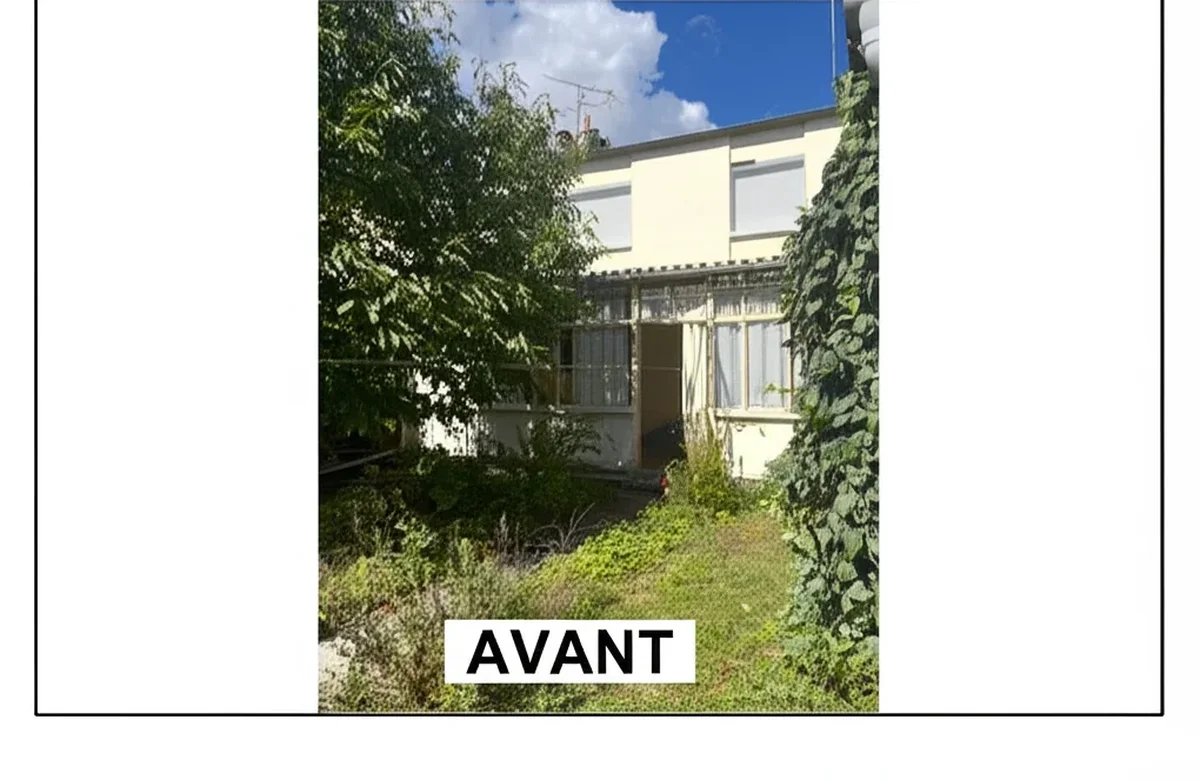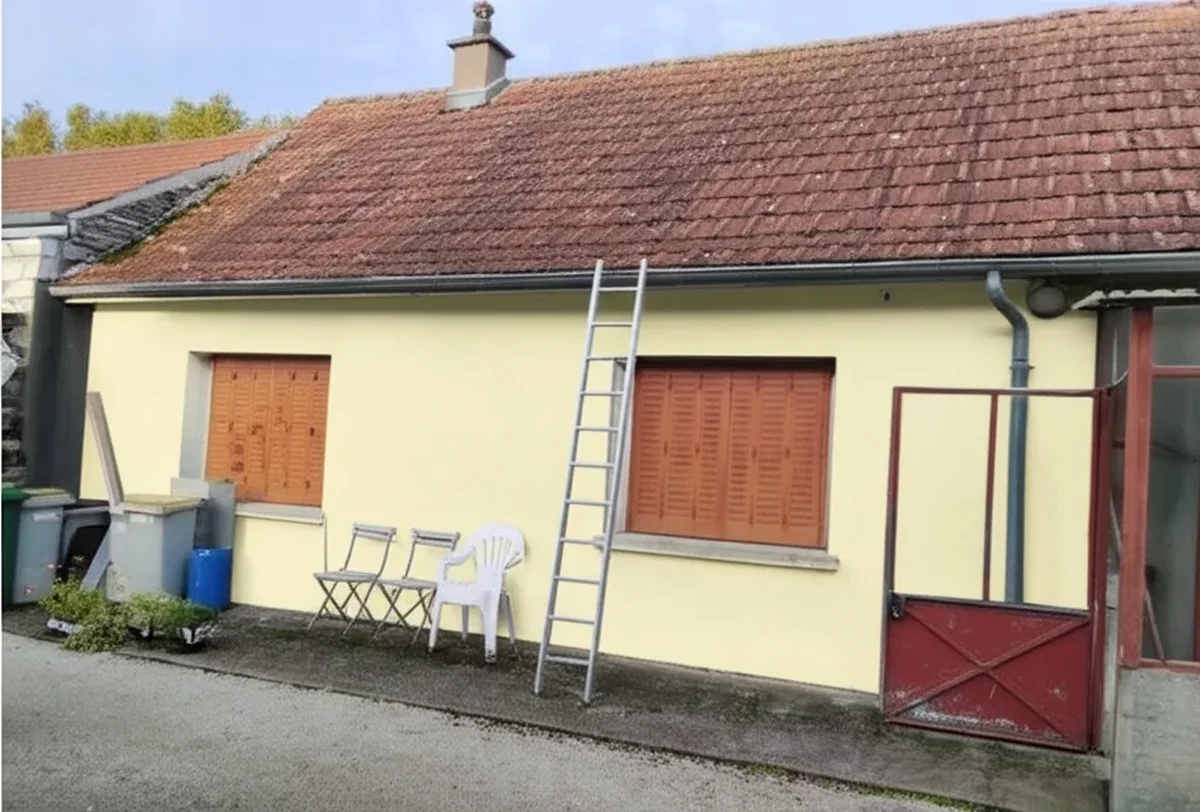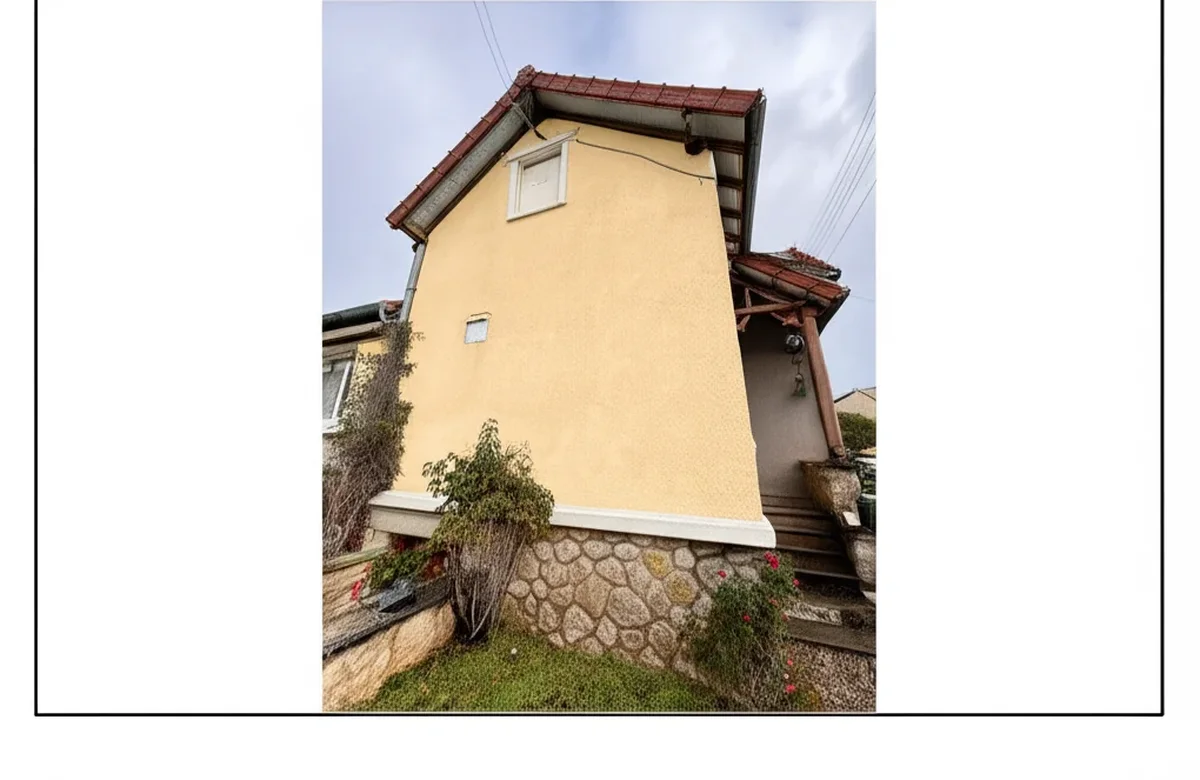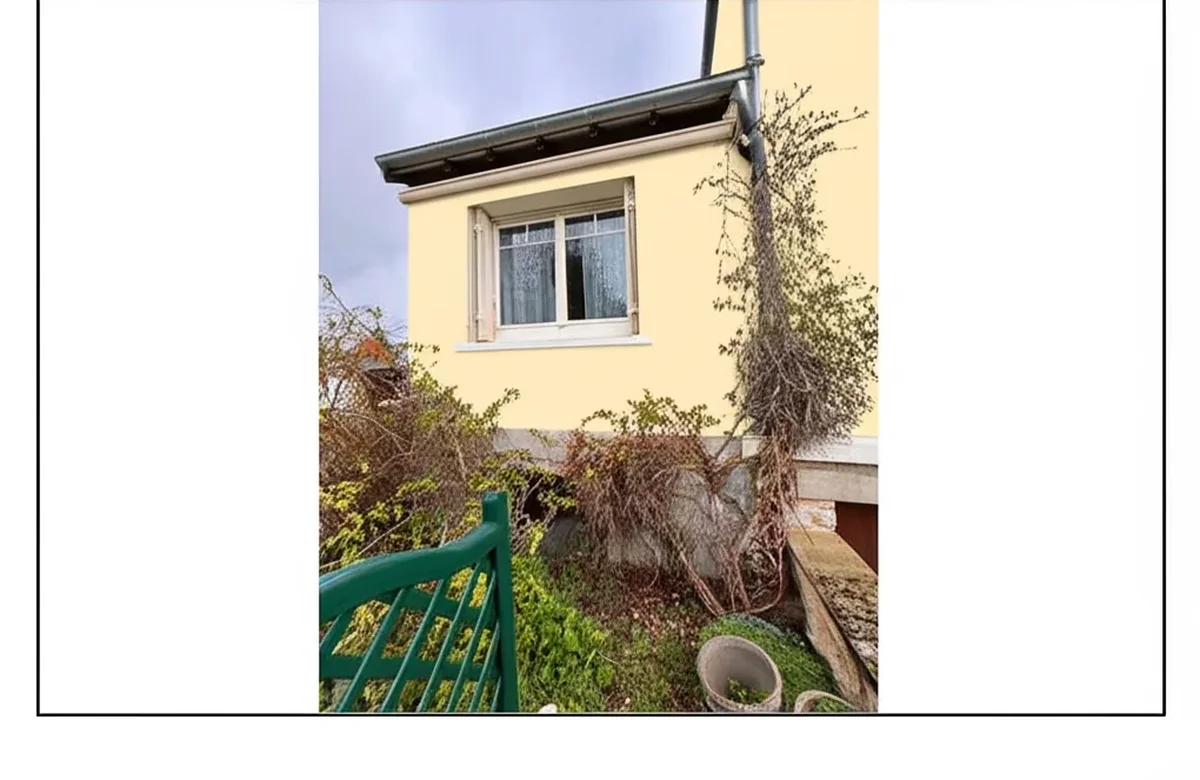
Try it on your house

Quick answer: The 5 best exterior trim paint colors for 2026 are (1) Benjamin Moore White Dove OC-17 (LRV 85, warm white), (2) Sherwin-Williams Alabaster SW 7008 (LRV 82, soft white), (3) Benjamin Moore Chantilly Lace OC-65 (LRV 90, brightest white), (4) Sherwin-Williams Iron Ore SW 7069 (LRV 6, soft black contrast), and (5) Benjamin Moore Hale Navy HC-154 (LRV 6, deep navy). Test any trim color free on your house photo in 30 seconds, no signup.
FacadeColorizer is a free AI exterior paint visualizer. Trim is the single most undercovered decision in an exterior repaint, yet it frames every window, door, and rooflineand it can make or break your curb appeal. The best exterior trim paint colors for 2026 fall into three jobs: crisp warm whites (White Dove OC-17, Alabaster SW 7008), bold dark contrast (Iron Ore SW 7069, Tricorn Black SW 6258), and quiet body-matched trim for a modern monochrome look.
In this guide you will find 15 trim shades with exact codes and LRV values, the best white trims ranked by warmth, dark contrast trims that pop against light siding, the rule for how much lighter or darker trim should be, how to coordinate fascia, soffit, and window trim, and the free way to preview every trim color on YOUR house in 30 seconds with FacadeColorizer (no signup, no sample pots, no guessing at the paint counter).
The 15 Best Exterior Trim Paint Colors for 2026
Here is the full lineup at a glance: five white trims, five dark contrast trims, and five soft neutral or greige trims that bridge the gap. Each includes its LRV (Light Reflectance Value, 0 = black, 100 = pure white) so you can judge contrast against your body color before you buy a single can.
| # | Trim Color | Code | LRV | Type / Best For |
|---|---|---|---|---|
| 1 | BM White Dove | OC-17 | 85 | Warm white, universal default |
| 2 | SW Alabaster | SW 7008 | 82 | Soft creamy white, warm bodies |
| 3 | BM Chantilly Lace | OC-65 | 90 | Brightest pure white, crisp pop |
| 4 | SW Pure White | SW 7005 | 84 | Soft bright white, all-purpose |
| 5 | BM Decorator's White | OC-149 | 82 | Cool clean white, gray bodies |
| 6 | SW Iron Ore | SW 7069 | 6 | Soft black, high-contrast trim |
| 7 | SW Tricorn Black | SW 6258 | 3 | True black, modern window trim |
| 8 | BM Hale Navy | HC-154 | 6 | Deep navy, coastal & colonial |
| 9 | BM Cromwell Gray | HC-103 | 22 | Warm taupey gray, red brick |
| 10 | SW Dovetail | SW 7018 | 26 | Warm mid-gray, low-contrast trim |
| 11 | SW Dover White | SW 6385 | 83 | Creamy warm white, Craftsman |
| 12 | SW Accessible Beige | SW 7036 | 58 | Soft greige, white siding trim |
| 13 | BM Kendall Charcoal | HC-166 | 14 | Deep greenish charcoal, fascia |
| 14 | SW Urbane Bronze | SW 7048 | 8 | Warm dark brown-gray, earthy |
| 15 | BM Swiss Coffee | OC-45 | 83 | Soft creamy white, soffits |
Try it on your house
No photo? Try a sample
Best White Trim Paint Colors (Ranked by Warmth)
White is the default trim choice for a reasonit frames windows and doors cleanly and works with almost any body color. But "white" is not one color. The right white depends on your body color's undertone and how much glare you want in full sun. Here are the five whites professional painting contractors specify most often, ordered from creamiest to crispest.
- Benjamin Moore White Dove OC-17 (LRV 85): The most popular warm white trim in North America. A soft, slightly gray-warm white that never reads stark or yellow. It is the safest pick if you are unsure, and it pairs with greige, sage, navy, and charcoal bodies alike. Our top all-around recommendation for window trim and fascia.
- Sherwin-Williams Alabaster SW 7008 (LRV 82): A creamy, soft white with a faint warm undertone. Ideal trim partner for warm body colors (khaki, tan, warm greige). On siding it reads as a true off-white rather than a bright white, softening overall contrast.
- Benjamin Moore Chantilly Lace OC-65 (LRV 90): The brightest, purest white on this list. Use it when you want maximum crisp contrast against a dark or saturated body, modern farmhouse white-on-white, or to make black window trim pop even harder.
- Sherwin-Williams Pure White SW 7005 (LRV 84): A soft but bright white with the least undertone drama, which makes it forgiving across lighting. A workhorse for trim, soffit, and porch ceilings.
- Benjamin Moore Decorator's White OC-149 (LRV 82): A clean white with a cool undertone. Best on cool gray, slate, and blue bodies where a warm white would clash. The go-to cool-white trim for contemporary palettes.
Rule of thumb: match warm bodies (greige, tan, khaki, sage) with warm whites (White Dove, Alabaster, Dover White), and cool bodies (gray, blue, charcoal) with cool whites (Decorator's White, Chantilly Lace). For a full breakdown of white shades on the body itself, see our 10 best white exterior paint shades for 2026.
Dark Contrast Trim Colors (Black, Navy, Charcoal)
Dark trim is the breakout trend of 2026. Black or near-black window trim on a light body creates the modern "framed window" look that dominates new builds and renovations. Off-blacks (almost black, but with a soft undertone) read more sophisticated than true black and cut harsh contrast against white siding.
- Sherwin-Williams Iron Ore SW 7069 (LRV 6): The most popular off-black trim in the country. Soft enough to avoid the hard edge of true black against white, dark enough to deliver the black-window look. Excellent on fascia, window trim, and shutters.
- Sherwin-Williams Tricorn Black SW 6258 (LRV 3): A true, neutral black with no muddy undertone. Use it for crisp modern window trim, sleek garage door frames, and steel-look accents.
- Benjamin Moore Hale Navy HC-154 (LRV 6): A deep, classic navy that reads almost-black at a distance but warms up close. The signature trim for coastal, Cape Cod, and colonial homes with white or cream siding.
- Benjamin Moore Kendall Charcoal HC-166 (LRV 14): A deep charcoal with a subtle green-gray cast. Softer than black and beautiful on fascia and trim against warm neutral bodies.
- Sherwin-Williams Urbane Bronze SW 7048 (LRV 8): A warm dark brown-gray that grounds earthy 2026 palettes (sage, terracotta, khaki). A great alternative to black when you want warmth instead of cool contrast.
Dark trim absorbs more heat and UV, so specify a premium exterior line rated for fade resistance and a quality two-coat system. For coordinating a dark trim with the right front door, see our guide to front door colors for a gray house, and for full-palette inspiration browse 2026 exterior house color combinations.
Should Trim Be Lighter or Darker Than the House Body?
There is no single rule, but there is a reliable framework. One sequencing note before it: trim is a second decision, not a first. Every option below is defined relative to a body color you have already chosen, so if that one is still open, settle it against the best exterior house colors for 2026 and come back. Trim can then go three directions, and each creates a different mood:
- Lighter trim (most common): A white or cream trim that is significantly lighter than the body. This is the classic, high-resale choice. It defines edges, brightens the facade, and flatters almost every body color. Think greige siding with White Dove trim.
- Darker trim (modern, high-impact): Black, navy, or charcoal trim against a light body. This is the trend-forward look. It draws the eye to window shapes and architectural lines, ideal for modern farmhouse and contemporary styles.
- Body-matched trim (monochrome): Trim painted the same color as the body, or one shade off. This minimalist look (popular on modern and dark-bodied homes) reduces busyness and makes a small house read larger and calmer.
How Much Lighter or Darker Should Trim Be? (The LRV Rule)
This is where LRV earns its keep. To get a clean, intentional look (not an accidental blur), aim for a meaningful gap between body and trim LRV:
- For crisp contrast: Keep at least 30 to 40 LRV points between body and trim. Example: a mid-gray body around LRV 35 with Chantilly Lace trim (LRV 90) gives a 55-point gap and a sharp, defined look.
- For soft, subtle contrast: A gap of 10 to 20 LRV points keeps trim visible but quiet. Example: Accessible Beige body (LRV 58) with a white trim around LRV 80.
- For monochrome: Stay within 5 LRV points, or use the exact same color in a different sheen (satin body, semi-gloss trim) so the trim catches light differently without changing color.
The trap most homeowners fall into is a gap of around 5 to 8 points, which looks like a mistake rather than a choice. When in doubt, push the contrast further apart or pull it all the way to monochrome. The fastest way to judge this is to see both options side by side on your actual house, which is exactly what our free AI visualizer is for.
One more factor to weigh: sun exposure and the color of your roof. A north-facing facade in flat, cool light mutes contrast, so a trim that looks bold on a sunny south wall can read washed out on the shaded side. Roof color matters too. A warm brown or terracotta roof leans toward warm whites and bronze trim, while a cool gray or black roof flatters crisp whites and true black trim. Always judge your trim in the actual orientation and light your home gets, not under a store's fluorescent lighting where every white looks identical.
Matching Trim to Body Color: 2026 Combinations
A great exterior scheme follows the 60-30-10 rule: body (60%), trim (30%), and accent door or shutters (10%). Here are body-and-trim pairings that color consultation pros are recommending this year.
| Body Color | Recommended Trim | Contrast | Style |
|---|---|---|---|
| Warm greige | BM White Dove OC-17 | Lighter | Modern Farmhouse |
| White / off-white | SW Iron Ore SW 7069 | Darker | Contemporary |
| Sage green | SW Dover White SW 6385 | Lighter | Craftsman |
| Cool gray | BM Decorator's White OC-149 | Lighter | Transitional |
| Red brick | BM Cromwell Gray HC-103 | Low contrast | Colonial |
| Charcoal black | SW Tricorn Black SW 6258 | Monochrome | Modern |
If gray is your body color, our gray exterior paint colors guide pairs each gray with its ideal trim. For the complete framework, including roof matching and sun exposure, read the pillar guide on how to choose your exterior house color.
Fascia, Soffit, and Window Trim: What Goes Where
Trim is not one surface. Getting the roofline right means treating fascia, soffit, and window trim as a coordinated system rather than three separate decisions.
- Window trim: This is your main "trim color." It frames every opening and sets the contrast level for the whole facade. White Dove OC-17 or Iron Ore SW 7069 are the two most common picks depending on whether you want light or dark framing.
- Fascia (the board along the roof edge): Usually matches the window trim or goes one step darker for a crisp roofline. Painting fascia to match trim creates visual unity; a darker fascia (Kendall Charcoal HC-166) grounds the roof against a light body.
- Soffit (the underside of the eaves): Almost always lighter. A white or soft cream soffit (Swiss Coffee OC-45, Pure White SW 7005) reflects light up into shadowed eaves, reduces a heavy "dark hat" effect, and brightens the whole facade. Avoid dark soffits unless you are going for a deliberate monochrome modern look.
- Garage door and shutters: Treat these as accent (the 10%), not trim. They can match the body for a hidden look or match the door color for a coordinated pop.
The safest cohesive formula: window trim and fascia the same color, soffit one or two shades lighter. The riskiest mistake: a different white on each surface, which reads as patchwork once the sun hits it.
Trim Paint Sheen and Surface Prep
Trim takes more abuse than siding and benefits from a higher sheen. Most pros specify satin or semi-gloss on exterior trim: it resists dirt, sheds water, wipes clean, and gives crisp edges a subtle highlight. A satin or low-luster body with semi-gloss trim is the classic combination and the easiest way to create monochrome interest without changing color.
Before painting, address peeling, cracking, and gaps with caulking and wood filler, then spot-prime bare wood. Trim is narrow, so a quart of premium exterior paint and a quality 2 to 2.5 inch angled sash brush cover most homes. For the full sheen breakdown, see our guide on how to choose your exterior paint finish. If your trim work extends to a deck, porch boards, or railings, the same color-and-finish logic applies to wood underfoot: our guide to deck stain colors breaks down shades by wood tone, and for fully opaque coverage that hides grain and old stain, see how a solid color deck stain behaves more like exterior paint.
Preview Your Trim Colors Free Before You Buy
Tiny swatches lie. Trim looks completely different at the scale of a window frame than it does on a 2-inch chip, and contrast that looks bold on paper can vanish on your actual siding. FacadeColorizer lets you upload a photo of your home and apply any trim color from Sherwin-Williams, Benjamin Moore, Behr, PPG, or Valspar to your window trim, fascia, soffit, and front door in seconds. You can also explore brand palettes directly with our Sherwin-Williams color visualizer. Compare White Dove against Iron Ore on the same house, share the result with your painting contractor or partner, and lock in the right contrast before you commit. It is free to try with no signup, gives you 1 HD result plus extra options, and works on phone or desktop. Preview your trim colors on YOUR house, free.
Frequently asked questions
What are the best exterior trim paint colors for 2026?
What is the best white trim color for a house exterior?
Should exterior trim be lighter or darker than the house body?
How much lighter or darker should trim be than the body?
What is the best dark exterior trim color?
What color should fascia and soffit be?
What paint sheen is best for exterior trim?
Can I preview exterior trim colors on my house before painting?
Trademarks mentioned (Sherwin-Williams, Benjamin Moore, Behr, Caparol, Brillux, Sto, Alpina, Valspar, PPG, Glidden, Dulux, Crown Trade, Sandtex, Farrow & Ball, Johnstone's, Leyland) are property of their respective owners. FacadeColorizer is independent and not affiliated with any of them. Nominative fair use under Lanham Act §1125.