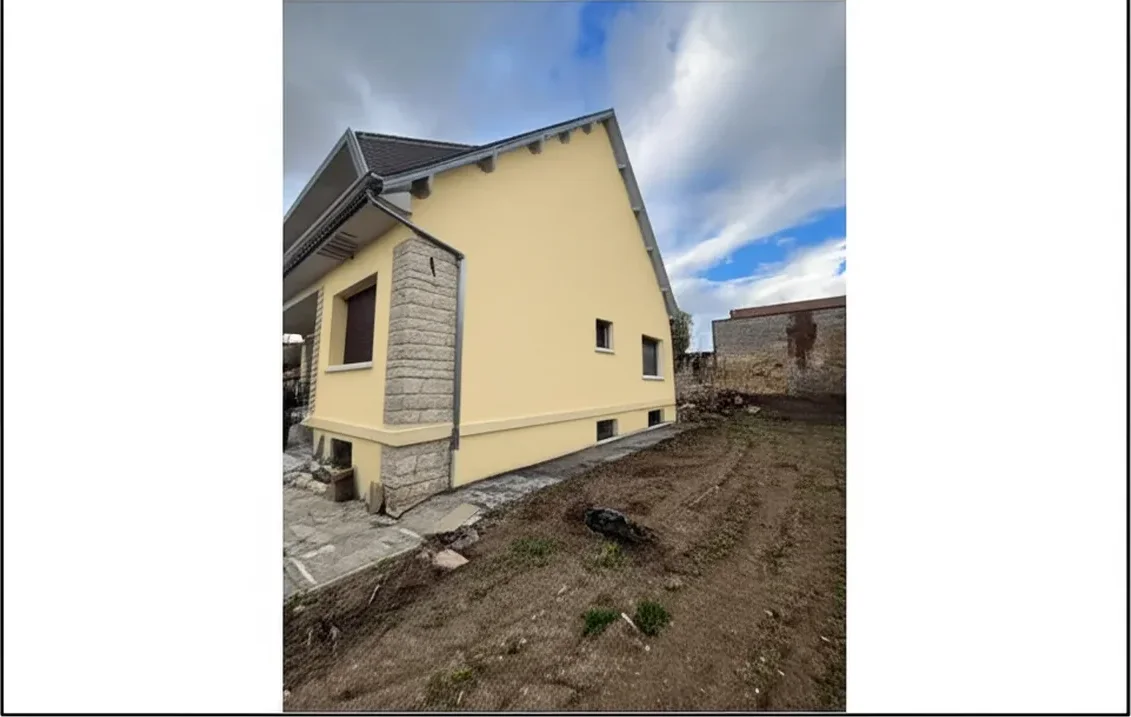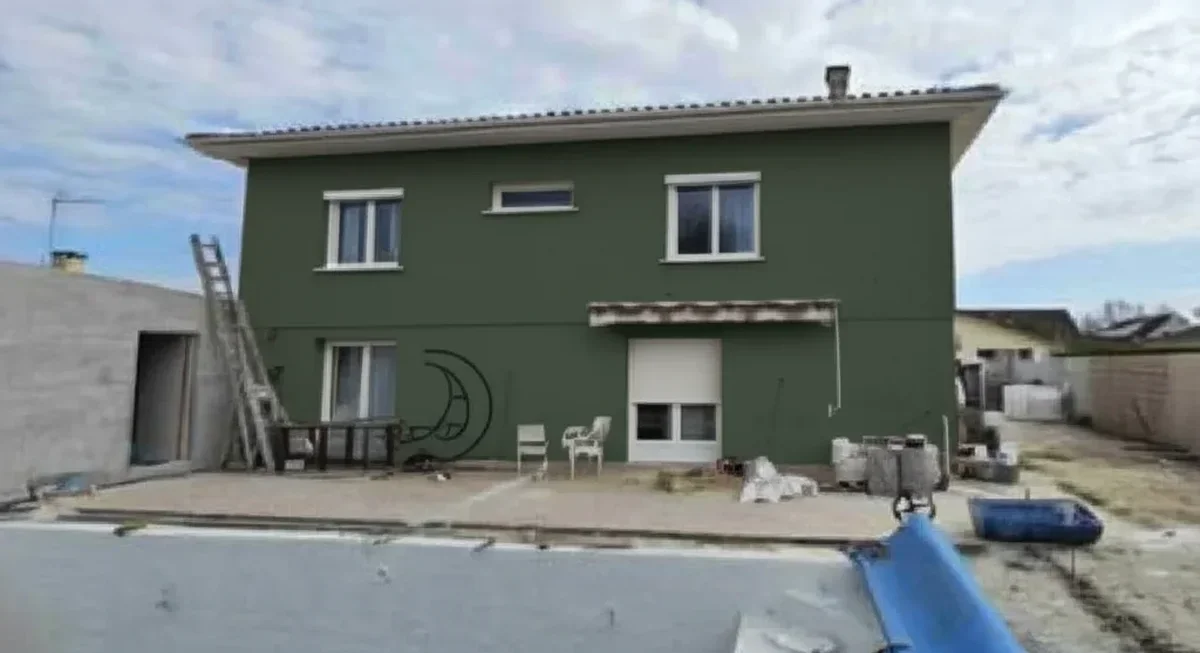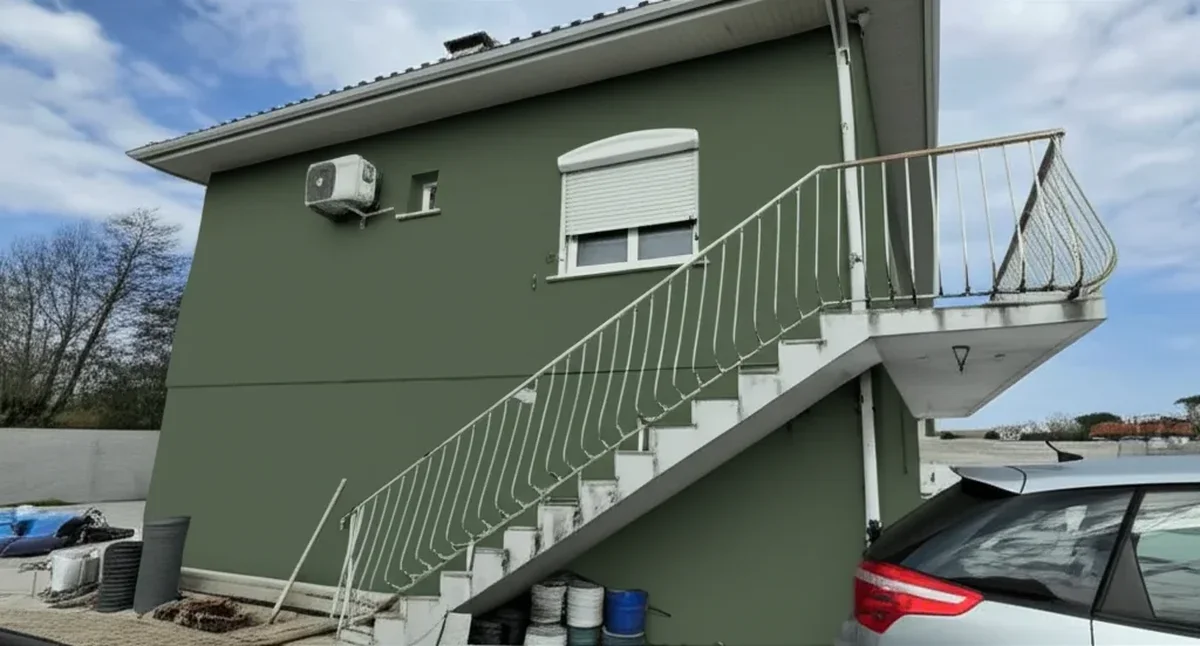
Try it on your house

Quick answer: Deck stain colors come in four opacity levels: transparent, semi-transparent, semi-solid, and solid. The more pigment, the more color and UV protection, but the less wood grain shows. The most popular 2026 shades are warm cedar, golden honey, rich redwood, driftwood gray, and chocolate brown. Test any color on your own deck photo with AI in 30 seconds, free, no signup.
FacadeColorizer is a free AI exterior visualizer. Choosing deck stain colors comes down to two decisions: which opacity (how much wood grain you want to keep) and which color family (cedar, redwood, gray, or brown).
In this pillar guide you will find the four stain opacity levels explained in plain English, a side-by-side brand comparison of Behr, Cabot, Olympic, Sherwin-Williams SuperDeck, Benjamin Moore Arborcoat, and TWP, and 20 of the best deck stain colors for 2026 grouped by family with real product codes. You can also preview any stain color on YOUR deck in 30 seconds before you buy a single can.
Deck Stain Opacity Explained: Transparent vs Semi vs Solid
Before you pick a color, you have to pick an opacity. Opacity is how much pigment the stain carries, and it controls the single biggest trade-off in deck finishing: wood grain visibility versus UV and water protection. The more pigment, the more your deck looks like a solid color and the longer it resists sun fade, but the less natural grain shows through. Here is how the four levels stack up.
- Transparent / Clear: Almost no pigment. Shows 100% of the wood grain and gives the most natural look, but offers the least UV protection and needs the most frequent recoating. Best for brand-new, high-grade cedar or redwood you want to show off.
- Semi-transparent: The most popular choice. Adds visible color while letting most of the wood grain show through. The easiest opacity to maintain, usually just clean and recoat, no sanding or stripping required. Ideal for newer pressure-treated, cedar, or redwood decks.
- Semi-solid: Heavier pigment. Some grain texture still shows, but most of the color variation is masked. A strong middle ground for decks that have started to weather or show uneven tone. Better UV defense than semi-transparent.
- Solid / Opaque: Maximum pigment, paint-like film that completely hides the grain. Best for older, gray, or previously painted decks that need uniform color and full coverage. Highest UV and water protection. (For a deep dive on this level, see our solid color deck stain guide.)
Rule of thumb from deck pros: the older and more weathered the wood, the more opacity you want. New wood gets transparent or semi-transparent; sun-beaten or patched decks get semi-solid or solid. Once you know your opacity, the color choice gets a lot easier.
One more thing opacity controls is how the same named color reads. A stain called "Cedar" looks bright and grain-forward in semi-transparent, but flatter and more uniform in solid, because the pigment load is doing more of the work and the wood beneath it is doing less. That is why two homeowners can buy the exact same color name and end up with decks that look noticeably different, because they chose different opacities. It is also why a swatch card almost never matches your finished deck: the card shows one opacity on one wood species under showroom light. The only reliable way to know is to see the color, at your chosen opacity, on your actual boards.
There is also a maintenance dimension. Lower-opacity stains tend to fade and thin gradually and evenly, so reapplication is a simple clean-and-recoat. Higher-opacity and film-forming finishes hold color far longer, but when they finally fail they can peel or flake, which means stripping or sanding before you can recoat. Neither is "better", they are different commitments. Decide how much weekend maintenance you are willing to do over the next five years, and let that steer your opacity as much as the look does.
Deck Stain Brand Comparison 2026
The big six deck stain brands each have a sweet spot. Behr, Cabot, Olympic, Sherwin-Williams SuperDeck, Benjamin Moore Arborcoat, and TWP all sell quality products, but they differ on opacity range, base type, and where you buy them. This table summarizes how the leading 2026 lines compare. Brand names are used for identification and comparison only.
| Brand | Signature Line | Opacities Offered | Base | Where to Buy |
|---|---|---|---|---|
| Behr | Behr Premium Stain & Sealer | Transparent, semi-transparent, semi-solid, solid | Water-based | Home Depot |
| Cabot | Cabot Deck & Siding Stain | Semi-transparent, semi-solid, solid | Oil & water-based | Lowe's, Ace |
| Olympic | Olympic Elite / MAXIMUM | Transparent, semi-transparent, solid | Water-based | Lowe's |
| SW SuperDeck | SuperDeck Exterior Deck Stain | Transparent, semi-transparent, solid | Oil & water-based | Sherwin-Williams stores |
| BM Arborcoat | Arborcoat Premium Stain | Clear, transparent, semi-transparent, semi-solid, solid | Water-based (waterborne) | Benjamin Moore dealers |
| TWP | TWP 100 / 1500 Series, Pro Semi-Solid | Semi-transparent, semi-solid | Oil-based | Specialty / online dealers |
Try it on your house
No photo? Try a sample
Quick read: Arborcoat has the widest opacity range and the most custom tint colors (the BM 638 base accepts hundreds of Benjamin Moore colors). Behr is the easiest to find and tints in-store at Home Depot. TWP is the favorite of penetrating-oil purists who want zero film build. Cabot and SuperDeck are pro staples with strong solid lines (SW SuperDeck SW 3517 family, listed on sherwin-williams.com). If you have already decided on Behr, our Behr deck stain colors guide breaks down every Behr shade and code, and our Behr Marquee exterior paint review covers the adjacent siding line you may want to coordinate.
Cost vs coverage matters as much as the swatch. A 2026 gallon of Olympic Elite semi-transparent runs about $42 at Lowe's and covers 150 to 200 sq ft on a thirsty pressure-treated board, so a 400 sq ft deck needs two gallons minimum ($84). A gallon of Sherwin-Williams SuperDeck oil-based semi-transparent lists at roughly $58 to $64 in-store and stretches further on dense cedar (200 to 250 sq ft per gallon), landing close at $116 to $128 for the same deck. Cabot Australian Timber Oil sits between them at $52 with a noticeably warmer amber undertone in late-afternoon sun. Buy by total covered area, not by sticker price.
20 Best Deck Stain Colors 2026 (by Family + Code)
These are the 20 most popular deck stain colors for 2026, grouped into the four families homeowners search for most: warm cedar, rich redwood, cool gray, and deep brown. Each comes with a representative product and code so you can match it at the store, or test it instantly on your own deck.
Cedar & Golden Tones (warm, natural, best-sellers)
| Color | Brand / Code | Opacity |
|---|---|---|
| Cedar Naturaltone | Behr SC-533 | Semi-transparent / Solid |
| Cedartone | TWP 101 / 1501 | Semi-transparent |
| Honeytone (Honey Gold) | TWP 1530 | Semi-transparent |
| Cedar (2025 Color of the Year) | Behr | Semi-transparent |
| Pecan | TWP 120 / 1520 | Semi-transparent |
Redwood & Warm Red Tones (rich, dramatic)
| Color | Brand / Code | Opacity |
|---|---|---|
| Redwood | Behr SC-330 | Solid |
| California Redwood | TWP 1500 Series | Semi-transparent |
| Russet | Behr SC-130 | Solid |
| Rustic Redwood | TWP / Cabot | Semi-transparent |
| Heartwood / Mahogany | Arborcoat (custom tint) | Semi-solid |
Gray & Driftwood Tones (modern, weathered, on-trend)
| Color | Brand / Code | Opacity |
|---|---|---|
| Driftwood Gray | Cabot Solid Acrylic | Solid |
| Coastal Gray | Restore-A-Deck Solid | Solid |
| Cape Cod Gray | Olympic Elite | Semi-transparent |
| Slate / Pewter | Arborcoat (custom tint) | Semi-solid |
| Classic White | Restore-A-Deck Solid | Solid |
Brown & Earth Tones (deep, dirt-hiding)
| Color | Brand / Code | Opacity |
|---|---|---|
| Chocolate | Behr SC-129 | Solid |
| Cordovan Brown | Behr SC-111 | Solid |
| Dark Oak | TWP 1500 Series | Semi-transparent |
| Black Walnut | TWP 1500 Series | Semi-transparent |
| Brown Oak / Desert Taupe | Restore-A-Deck Solid | Solid |
| Dark Walnut / Espresso (2026 trending) | Behr SC-103 / Cabot 1480 | Semi-solid / Solid |
A small swatch on a store shelf tells you almost nothing about how a stain will read across a full deck in direct sun. The smartest move is to test the color on your actual deck photo first, it eliminates most regret before you spend a dollar.
Behr 2026 Stain Color of the Year: Taupe 153
The headline shade for 2026 is Behr Taupe 153, named the brand's exterior stain Color of the Year and announced via behr.com in late 2025. It is a brown-gray hybrid (think wet sand at dusk) that reads warmer than driftwood and cooler than cedar. Behr sells it in two opacities, semi-transparent and solid, both available at Home Depot in 1-gallon ($46 to $52) and 5-gallon ($199 to $229) cans as of May 2026. The shade is positioned as a "grounding" tone meant to bridge stone patios, painted siding, and natural wood railings without competing with any of them.
Pair Taupe 153 with crisp white trim and black metal rails for a modern farmhouse read, or with cream siding and aged copper planters for a Tuscan slant. and leaned softer mocha by 4 p.m. sun. That shift is exactly why we keep telling readers: lock the color on a photo of YOUR deck, in YOUR light, before you buy a 5-gallon pail. If you want the full Behr lineup beyond Taupe 153, our Behr deck stain colors guide breaks down every code by family.
Worth noting: Sherwin-Williams Woodscapes (SW 3517 family) shows up in a lot of competing 2026 lists, but Woodscapes is rated for vertical surfaces (siding, fences) rather than horizontal deck boards. For a deck floor, reach for SW SuperDeck instead. We explain the distinction in our Sherwin-Williams Woodscapes review.
Climate, Sun Exposure & Deck Orientation
Your zip code matters. A dark walnut deck in Phoenix behaves nothing like the same color in Seattle. Three variables actually change which deck stain color is right for your home: sun intensity, deck orientation, and humidity.
- Full-sun, hot states (TX, AZ, FL, NV, southern CA): Dark browns, walnut, and black can hit 140°F surface temperatures on a 95°F day. Stick to mid-tone cedars, honey, and lighter grays. They reflect more heat, fade less aggressively, and stay walkable barefoot. Bob Vila notes UV breakdown is the single biggest predictor of stain failure in the Sun Belt.
- Coastal (FL, NJ, OR, ME): Salt air and humidity push wood toward gray naturally. Lean into it with driftwood gray, weathered oak, or Cabot Coastal Gray solid. Trying to fight the silvering with warm cedar typically loses by year two.
- North-facing decks (less direct sun): Colors read 1 to 2 shades darker because there is less reflected light to lift them. A semi-transparent cedar that looks vibrant on a south-facing porch can feel muddy on a north-facing one. Add a half-step lighter to compensate.
- Cold and snowy (MI, MN, MA, NY, CO): Freeze-thaw cycles favor flexible water-based solids and semi-solids that won't crack. Save thin penetrating oils for milder climates.
Light shifts the read of the same color through the day. In our visualizer sessions, the cedar warms by 4 p.m. sun and pulls a noticeably golden cast, but the same boards photographed at 9 a.m. look closer to a beige-pine. If your deck is south or west facing, evaluate the color between 2 and 5 p.m. when peak sun hits. If north or east facing, judge it mid-morning. A color that wins in both lights is a true keeper. To round out a heat-conscious facade, our stucco house colors guide covers wall pairings that handle the same sun load.
How to Sample a Deck Stain Color the Right Way
Most homeowners pick from a 1-inch chip taped to a paint card, then wonder why the finished deck looks nothing like the showroom. We sat with the data. Here is the sampling protocol pros actually use.
- Digital first, physical second. Run 3 to 5 candidates on a photo of your deck (the free visualizer does this in 30 seconds). Eliminate the obvious losers before you spend $8 on a sample pot.
- Buy 2 or 3 sample pots, not 1. Behr sells 8 oz samples at Home Depot for around $7. Sherwin-Williams pints run about $12. This Old House recommends never finalizing a deck stain on a single sample.
- Test on your actual wood species. Not on a piece of scrap from a different supplier. Pressure-treated pine, cedar, and ipe each pull pigment differently.
- Brush a 2-foot-square test patch. Bigger than 1 ft because edge shadows and sealer build can mislead you on small areas.
- Photograph it at noon, 4 p.m., and the next morning. Same patch, three lights. A color that reads great at one time of day but reads olive in north light is not the one.
- Wait 48 hours before judging. Stains darken as they cure and can shift 1 to 2 shades from wet to dry.
We picked this sequence after watching too many readers buy a 5-gallon pail of Cordovan Brown that looked perfect on the can lid and turned out almost black on weathered cedar. Five extra days of testing saves a $300 do-over. For deck-adjacent trim and railing colors, see our exterior trim paint colors guide to coordinate the whole package.
How to Match Deck Stain Color to Your Wood
The same can of stain looks completely different on pressure-treated pine than it does on cedar, redwood, or tropical hardwood. The wood's own undertone mixes with the pigment, especially at transparent and semi-transparent opacities. Here is how to think about it:
- Pressure-treated pine: Has a green or yellow cast when new. Warm cedar and brown tones balance it; cool grays can look muddy until the wood ages. Let new PT wood dry 30 to 60 days before staining.
- Cedar: Naturally reddish-warm. Honey, cedar, and clear/transparent finishes enhance it. Gray solid stains work too if you want a modern, weathered look.
- Redwood: Rich red undertone. Redwood and mahogany semi-transparents amplify the natural color beautifully.
- Older / weathered gray decks: Reach for semi-solid or solid opacity in gray, brown, or taupe to even out the patchy tone and hide age.
Lighter stains brighten small or shaded decks and show less dirt buildup; darker stains create a dramatic, high-end finish and hide imperfections, but they absorb more heat and can feel hot underfoot in full sun. If your deck connects visually to your siding, coordinate the two. Our guide to choosing your exterior house color walks through the whole-home palette, and outside paint color ideas for 2026 covers trending combinations.
Solid vs Semi-Transparent: Which Should You Choose?
This is the most common deck stain question, and the honest answer is: it depends on the age and condition of your wood. Semi-transparent keeps the natural beauty of the grain and is far easier to maintain, no stripping, just clean and recoat. The trade-off is shorter color life and less UV protection, so it suits newer wood in good shape.
Solid stain hides the grain entirely with a paint-like film, delivers the longest-lasting color and best UV defense, and is the only sensible choice for old, gray, splintered, or previously painted decks. The catch: once you go solid, you usually have to stay solid, because removing it for a lighter finish later is labor-intensive. If solid is where you are headed, read our dedicated solid color deck stain guide for the full color list and prep steps.
Oil-Based vs Water-Based Deck Stain: How It Changes the Color
Base type is not just a chemistry footnote-it changes how a color looks and ages. Oil-based stains (like TWP and many Cabot lines) penetrate deep into the wood, enrich and warm the natural tone, and tend to fade gracefully without peeling. They are the choice when you want that wet, saturated, grain-rich look. The trade-offs are stronger odor, longer dry times, and tougher cleanup.
Water-based stains (Behr Premium, Olympic Elite, Benjamin Moore Arborcoat) hold their color truer to the can over time, resist mildew and UV well, clean up with soap and water, and have far lower odor. They typically sit a touch more on the surface, which can make grays and solids read crisper and more modern. For 2026, water-based formulas dominate the consumer aisle because they are easier to apply and friendlier to recoat. If you love deep, warm reds and browns and don't mind the upkeep, oil still wins on richness; for grays, low-maintenance recoating, and color accuracy, water-based is the safer bet.
How Long Deck Stain Color Lasts & Common Color Mistakes
Color longevity tracks almost directly with opacity. Expect roughly 1 to 2 years from transparent and semi-transparent finishes on a horizontal deck surface, 2 to 4 years from semi-solid, and 3 to 5+ years from solid. Horizontal boards take a brutal beating from foot traffic, standing water, and direct overhead sun, so they always fade faster than vertical railings or siding stained with the same product. That is normal, plan to refresh the floor more often than the rails.
That gap is worth a number if you are staining a whole property and not just a deck. The same semi-transparent that gives you one to two seasons on deck boards typically holds three to five years on sun-exposed vertical log walls, because water sheds instead of pooling and nothing walks on it. Our guide to log cabin colors runs the same opacity ladder from the wall side, including the split most owners land on: semi-transparent on the logs so the grain survives, solid on the trim so the lines stay crisp.
The color mistakes that cause the most regret are predictable, and all of them are avoidable:
- Picking from a tiny chip: A 1-inch swatch under store lighting will mislead you on a 400 sq ft surface in real daylight. Test bigger, and test on your wood.
- Ignoring the wood's undertone: A cool gray over green-tinged new pressure-treated pine can turn muddy. Match the family to the species.
- Going too dark in full sun: Deep browns and blacks look stunning but get hot underfoot and show fading faster on south-facing decks.
- Mismatching the house: A deck color that clashes with your siding or roof undercuts the whole exterior. Coordinate the palette first.
- Choosing opacity blind: Buying "Cedar" without deciding transparent vs solid is how two neighbors get totally different decks. Lock opacity before color.
Every one of these disappears the moment you preview the actual color, at your chosen opacity, on a photo of your real deck. That is exactly what the free visualizer is for.
Deck Staining Cost & What Affects It
Staining a deck in 2026 typically runs $2 to $5 per square foot for professional labor and materials, including cleaning, light sanding, and a one- or two-coat application. A standard 300 to 400 sq ft deck lands around $600 to $2,000. DIY material cost is far lower-roughly $40 to $80 per gallon, with a gallon covering 150 to 300 sq ft depending on wood porosity and opacity.
Solid and semi-solid stains cost a bit more per gallon than transparent ones, and oil-based products often run higher than water-based. Surface prep-stripping old failing stain, replacing rotten boards, brightening gray wood-can add meaningfully to the total. For a full breakdown of exterior project pricing, see our exterior paint cost 2026 guide. If the same weekend also covers the fence, budget it separately rather than scaling these numbers: the US trade quotes fence work by linear foot rather than square foot, because fence height is close to standard, so our fence painting and staining costs guide runs a different set of brackets entirely.
Preview Deck Stain Colors on Your Own Deck-Free
Why gamble on a stain you have only seen as a 1-inch chip? FacadeColorizer lets you upload a photo of your deck and apply any of these cedar, redwood, gray, or brown tones in seconds, so you see how the color reads across the whole surface, in your light, against your siding and railings. Share the result with your contractor or partner before anyone opens a can. It is 100% free, requires no signup, and works on phone or desktop. You can also explore siding shades on our Sherwin-Williams color visualizer to coordinate the full exterior. For deeper inspiration on deck design ideas on HGTV, browse their outdoor gallery alongside your simulation. Preview these deck stain colors on YOUR deck, free.
Sherwin-Williams, Benjamin Moore, Behr, Cabot, Olympic, TWP, and SuperDeck are trademarks of their respective owners. Brand and product names are used here for editorial and comparative reference only (nominative fair use under 15 U.S.C. §1125, Lanham Act). FacadeColorizer is not affiliated with, endorsed by, or sponsored by any of these companies.
Frequently asked questions
What are the best deck stain colors for 2026?
What is the difference between transparent, semi-transparent, semi-solid, and solid deck stain?
Should I use solid or semi-transparent deck stain?
Which deck stain brand is best in 2026?
What deck stain color hides dirt and imperfections best?
What stain color works best on pressure-treated, cedar, and redwood decks?
How much does it cost to stain a deck in 2026?
Can I preview deck stain colors on my own deck before buying?
Trademarks mentioned (Sherwin-Williams, Benjamin Moore, Behr, Caparol, Brillux, Sto, Alpina, Valspar, PPG, Glidden, Dulux, Crown Trade, Sandtex, Farrow & Ball, Johnstone's, Leyland) are property of their respective owners. FacadeColorizer is independent and not affiliated with any of them. Nominative fair use under Lanham Act §1125.