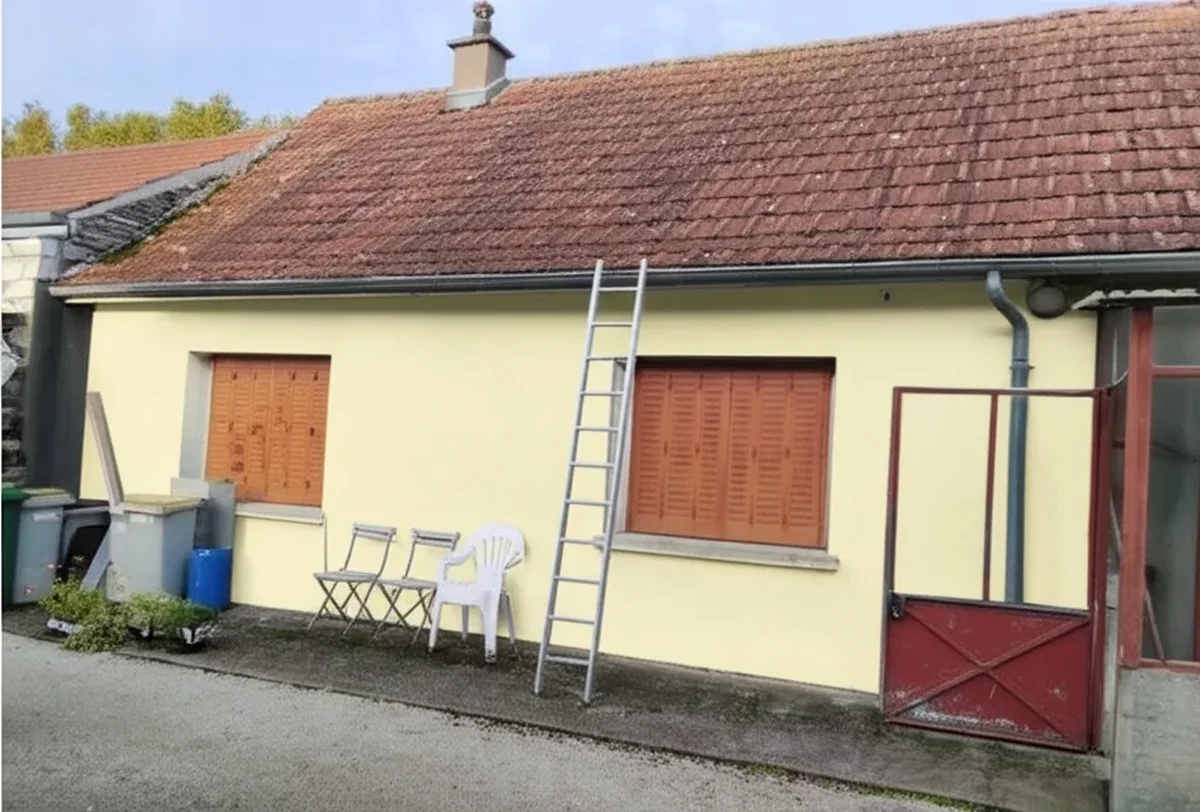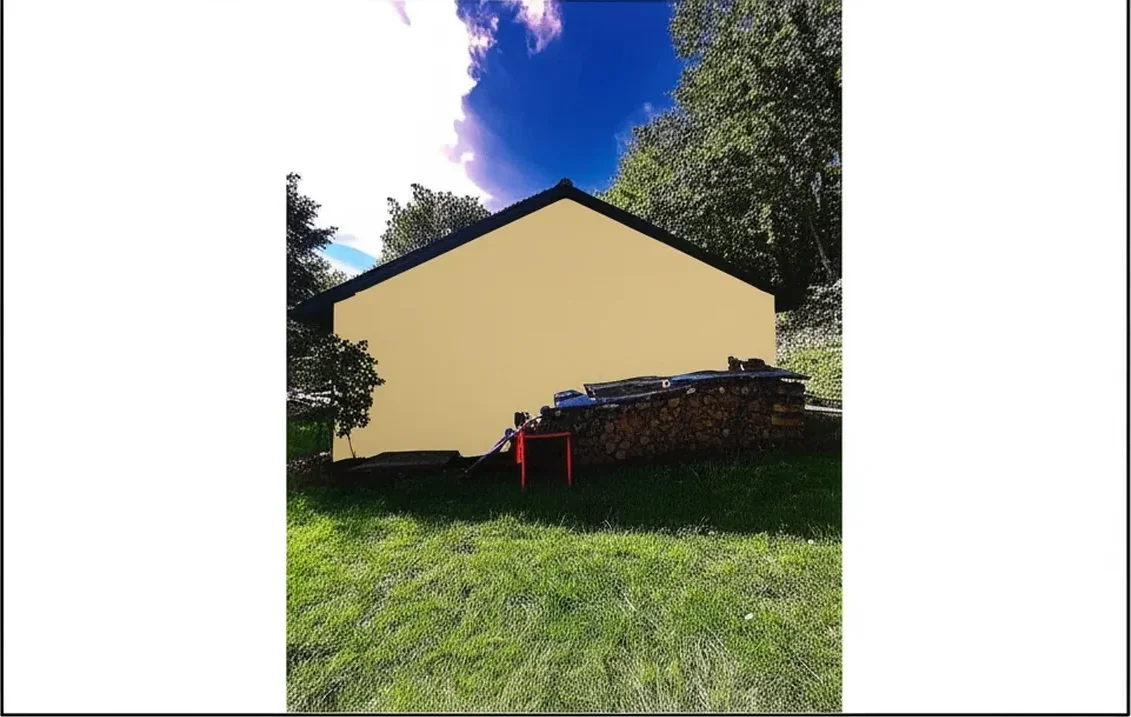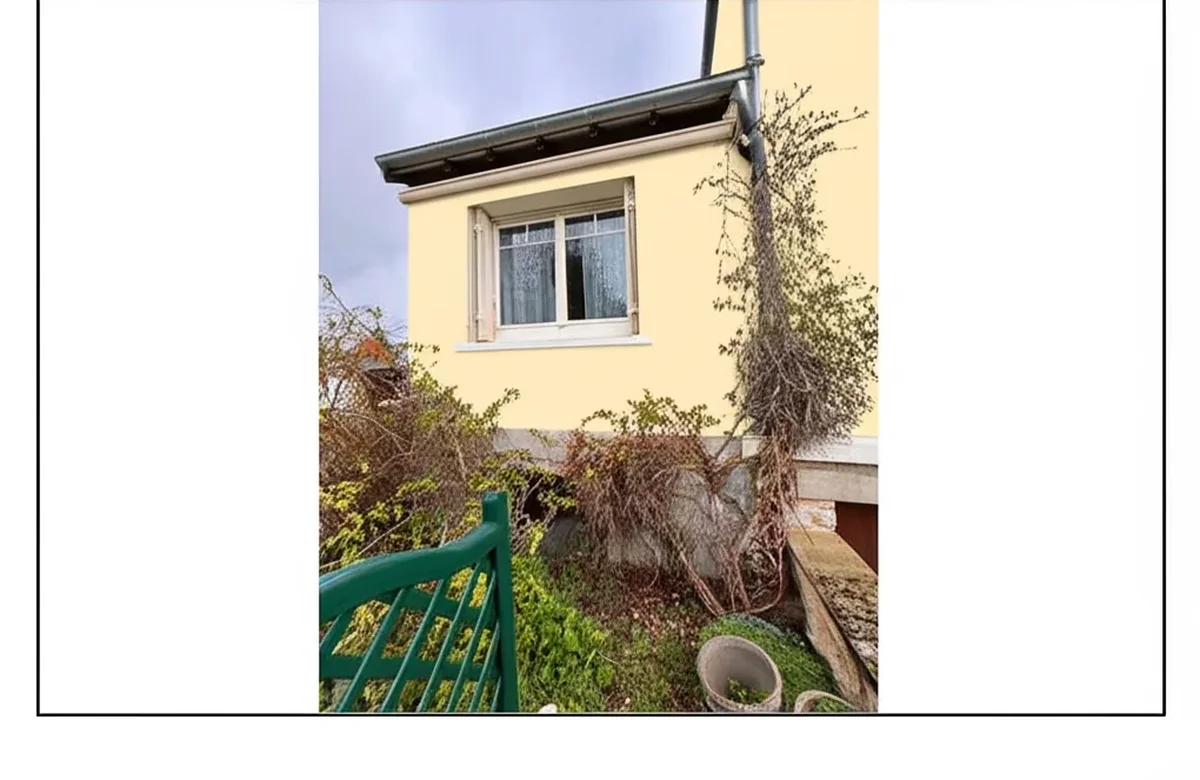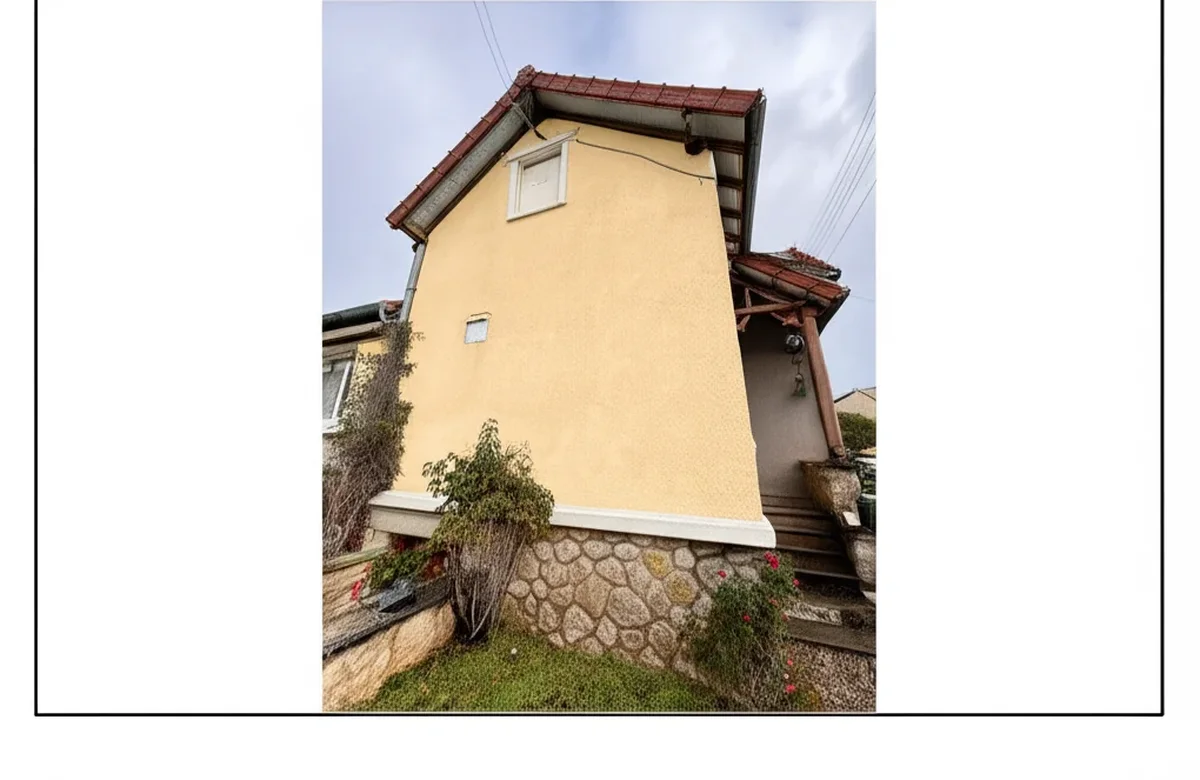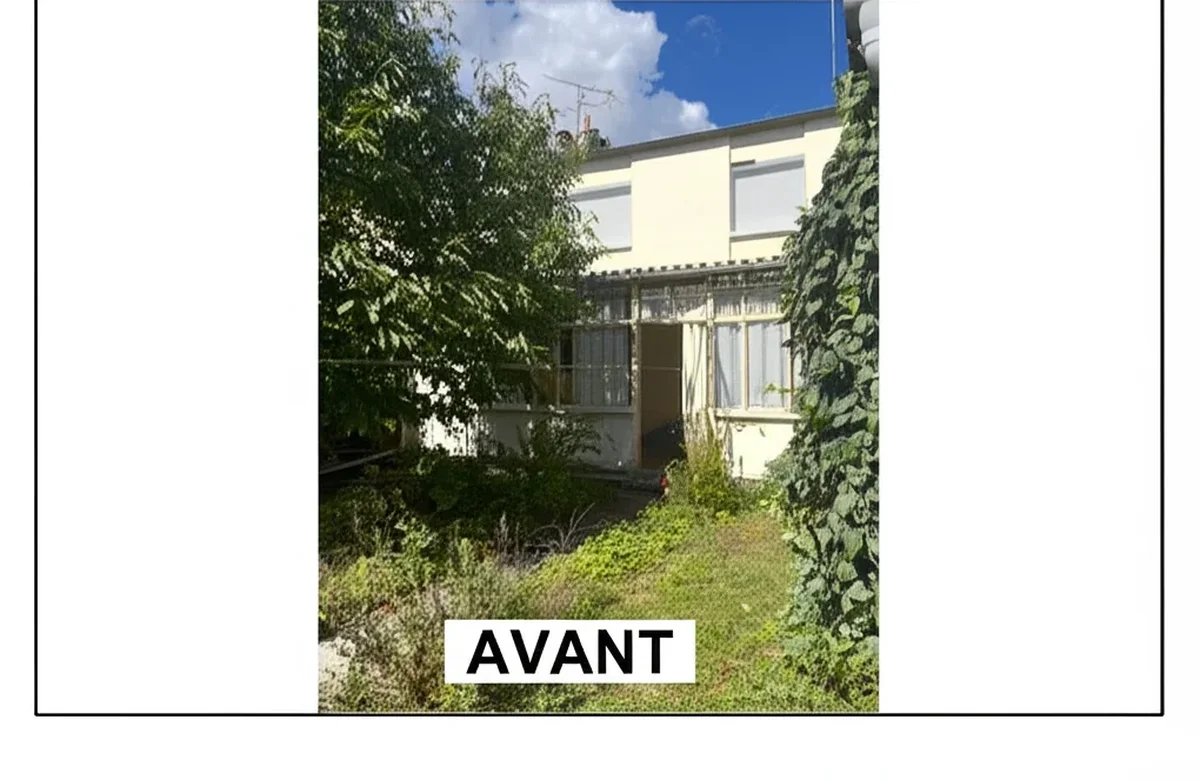
Try it on your house

To choose an exterior house color, start with what you cannot change: roof, brick, and stone. Pull two anchor tones from those fixed elements, then test 3 candidate colors on a real photo of your house using a free AI visualizer. Confirm with your HOA, check sun exposure, and apply the 60-30-10 rule before buying a single can.
This pillar guide walks you through the exact 5-step process used by professional color consultants, with 2026 Color of the Year picks from Sherwin-Williams, Benjamin Moore, and Behr, the most common mistakes that devalue homes, and a free way to preview every color on YOUR house in 30 seconds with FacadeColorizer (no signup, no sample pots, no scaffolding).
The 5-Minute Rule: Test Before You Paint
The most expensive exterior paint mistake is not the wrong brand or sheen: it is committing to a color you only saw on a 2-inch swatch under fluorescent store lighting.
The 5-Minute Rule is simple. Before you buy paint, before you call a contractor, before you even tell your spouse, take a single photo of your house in daylight and run it through an AI visualizer. Five minutes of testing on the screen prevents five years of staring at the wrong color. The rest of this guide gives you the framework for which 3 colors to test first.
Step 1: Match Your Roof and Permanent Features
Your roof, brick, stone, foundation, driveway, and mature landscaping are not changing. They are the anchor. Every successful exterior palette starts by pulling two undertones from these fixed elements and building outward. The one exception is a faded or chalked metal roof, which can be repainted rather than worked around: the metal roof painting guide covers the acrylic DTM system and the roof colors that keep the house cooler, and it can turn the roof from a constraint into a choice.
Stand 30 feet from your house at midday and identify the dominant undertone of your roof:
- Brown or weathered-wood shingles: Lean warm. Greige, khaki, sage, terracotta, cream. Avoid cool blue-grays that fight the roof.
- Black or charcoal shingles: Maximum flexibility. Works with warm whites, deep greens, navy, charcoal body, or crisp white farmhouse looks.
- Gray shingles (cool undertone): Lean cool. Slate blue, soft white, mushroom, dove gray, true black accents.
- Red or terracotta tile: Earthy palette only. Cream, sand, olive, sage. Skip pink-leaning whites, cool grays, and any blue.
- Green metal roof: Cream, soft white, warm taupe. Avoid competing greens on the body.
If your home has brick or stone, treat it as the second anchor. Pull a body color one or two shades lighter or darker than the brick's mortar, never the brick itself. Matching the brick exactly creates a muddy, undefined facade. Contrasting moderately with the mortar tone keeps the masonry as the visual anchor and lets the siding read as a complement.
Three additional permanent features that quietly dictate your palette:
- Driveway and walkway: A warm beige paver driveway pulls a cool gray body toward visual conflict. Concrete driveways are neutral and forgiving.
- Mature trees and dominant landscaping: Heavy tree cover dims the body color in person by up to 20 percent. Pick one shade brighter than the swatch suggests.
- Fence and exterior shed: If you are not repainting these, they must coexist with your new palette. A white picket fence reads dirty against a cream body; a natural cedar fence pairs with almost any earth tone.
For a deeper look at coordinating with brown roofs specifically, see our popular exterior house colors 2026 guide, which lists the top 20 picks by roof tone.
Step 2: Consider Your Architectural Style
Painting a Cape Cod in matte black or a Tudor in tropical coral does not "modernize" the home: it fights 100 years of design intent and tanks resale value. Each US architectural style has a documented palette that buyers and appraisers recognize as appropriate. Use these as your starting point, then personalize within the lane.
| Style | Traditional Body | Trim | Door Accent |
|---|---|---|---|
| Tudor | Cream or oatmeal stucco | Dark brown timber | Forest green or oxblood |
| Cape Cod | White, light gray, or weathered shingle | Crisp white | Navy, black, or barn red |
| Craftsman | Sage, olive, or warm tan | Cream or off-white | Deep red, mustard, or espresso |
| Colonial | White, soft yellow, or Wedgwood blue | White | Black, navy, or hunter green |
| Modern Farmhouse | White, greige, or matte black | Black or white (contrast) | Natural wood or matte black |
Try it on your house
No photo? Try a sample
Not sure what style you have? Walk around the block. Most US neighborhoods are stylistically consistent, and homes that respect the dominant style sell faster. If yours is the only black Tudor on a street of cream Tudors, that is a problem at resale, not a personality statement.
Hybrid and tract homes built after 1990 often resist easy classification. In that case, identify the strongest visible features (roof pitch, window proportions, porch type) and align your palette to the closest classic style. A 2005 builder-grade home with steep gables and shutters borrows safely from the Colonial palette; the same footprint with low eaves and stone accents leans Craftsman. When in doubt, stay within the warm-neutral lane: it is the broadest, most resale-friendly category in 2026.
Step 3: Check Your HOA and Local Restrictions
The quickest check is the Sherwin-Williams HOA Color Archive, searchable by state, city and community; if your association is registered, its numbered schemes (body, trim, accent) are the only palette worth testing. Our guide to finding your HOA's approved exterior colors covers the archive, the color book format and the submission.
Roughly 30% of US single-family homes sit inside an HOA, and the vast majority require pre-approval before any exterior color change. Painting first and asking later can trigger fines of $25 to $500 per day, mandatory repainting at your expense, and in extreme cases a lien on the property. Even outside HOAs, historic districts, planned communities, and condominium associations have written color palettes.
Before you fall in love with a color:
- Request your HOA's Architectural Review Committee (ARC) guidelines and approved color palette in writing.
- Confirm whether you need a paint deck submission, a digital mockup, or a physical sample board.
- Check the typical review window. Most HOAs require 30 to 60 days, which means you cannot decide on Friday and paint on Monday.
- Verify whether your historic district has overlay rules. Federal Historic Tax Credit properties have stricter color limits than even strict HOAs.
A digital mockup attached to your ARC application dramatically increases approval odds. Boards reject vague written descriptions ("warm beige") far more often than they reject clear photos. For the full submission playbook, see our HOA-Approved Exterior Paint Colors 2026 guide, which includes 30 pre-vetted picks across SW, BM, and Behr decks.
Step 4: Account for Climate and Sun Exposure
A color that looks perfect in a Houston showroom can fail in Minneapolis, and the inverse is just as true. Climate, UV intensity, and your home's compass orientation change how paint reads on the wall and how long it lasts.
Sun exposure rules of thumb:
- South-facing facade (US): Receives the most direct sunlight year-round. Colors read 1 to 2 shades lighter than the swatch. Pick a shade slightly deeper than you think you want, and prioritize fade-resistant lines.
- North-facing facade: Cool, diffused light. Whites and grays read cooler and can pull blue or green undertones unexpectedly. Warm-leaning whites and greiges perform best.
- East-facing: Bright morning light, soft afternoon. Most forgiving exposure.
- West-facing: Harsh afternoon sun. Dark colors absorb heat, accelerating expansion-contraction stress and paint failure. If you want black or charcoal on a west wall, use a heat-reflective formulation.
Climate considerations:
- Hot, dry climates (Phoenix, Las Vegas, Albuquerque): Light reflective bodies stay 15 to 20 degrees cooler than dark ones. Earthy whites, sand, and adobe tones are regional standards for a reason.
- Hot, humid climates (Miami, Houston, New Orleans): Mildew-resistant formulations are non-negotiable. Coastal pastels and crisp whites dominate.
- Cold, wet climates (Pacific Northwest, Northeast): Mid-tones and saturated colors hold up better against gray skies. Pure whites can read dingy 6 months a year.
- Snowy climates: Darker bodies provide useful contrast against snow cover. Charcoal, deep green, and navy excel.
If your home has fiber cement, vinyl, or engineered siding, the substrate also dictates which sheens and color depths hold up over a decade. James Hardie publishes a useful primer on coordinating color with siding profile and regional climate: see their practical tips for choosing the perfect home exterior for siding-specific guidance.
Step 5: Test 3 Colors on Your Actual Photo (with AI)
After Steps 1 through 4, you should have a shortlist of 3 to 5 candidates. Now stop. Do not order swatches yet. Test them digitally first, because eliminating losers takes 30 seconds on a screen and 3 weeks on a wall.
The free FacadeColorizer workflow:
- Take a clear, daylight photo of the front facade (no shadows across the body, no parked car in front).
- Upload it on the exterior paint visualizer page.
- Apply each of your 3 candidate colors. The AI segments siding, trim, fascia, soffit, and front door separately, so you can mix body, trim, and accent in one pass.
- Download the HD render and share with your spouse, contractor, or HOA board.
- Repeat with the brand-specific tools if you want to compare deck cards side by side: Sherwin-Williams visualizer and Benjamin Moore visualizer.
The free tier covers 1 HD render plus 3 free variations. That is enough to make a confident pick. Once you narrow to a single color, then and only then order a physical 8 x 8 inch peel-and-stick sample and observe it on the actual wall at 8 AM, noon, and 5 PM for 48 hours before final commitment.
The 60-30-10 Color Rule for Exteriors
Professional designers use a simple ratio to keep exterior palettes from looking either flat or chaotic: 60% body, 30% trim, 10% accent. This is the single most useful framework for amateurs, because it forces you to commit to a hierarchy.
- 60% (Body): Siding, stucco, or primary cladding. This is your "color of record." Pick the safest, most timeless shade. Greige, sage, soft white, or charcoal almost always work.
- 30% (Trim): Window frames, fascia, soffits, columns, garage door frames. Provides contrast and architectural definition. Usually 2 to 3 shades lighter or darker than the body.
- 10% (Accent): Front door, shutters, porch ceiling. This is where personality lives. A bold accent color can transform a quiet body without committing the whole facade.
A common rookie mistake is reversing the ratio: picking a wild body color and a quiet door. Resale data is brutal on this. Bold body colors shrink the buyer pool by up to 30%. Bold accent doors? They add ROI. The 30% trim layer is where most palettes succeed or fail, so it is worth studying how to choose exterior trim colors that match your body color before you lock the scheme.
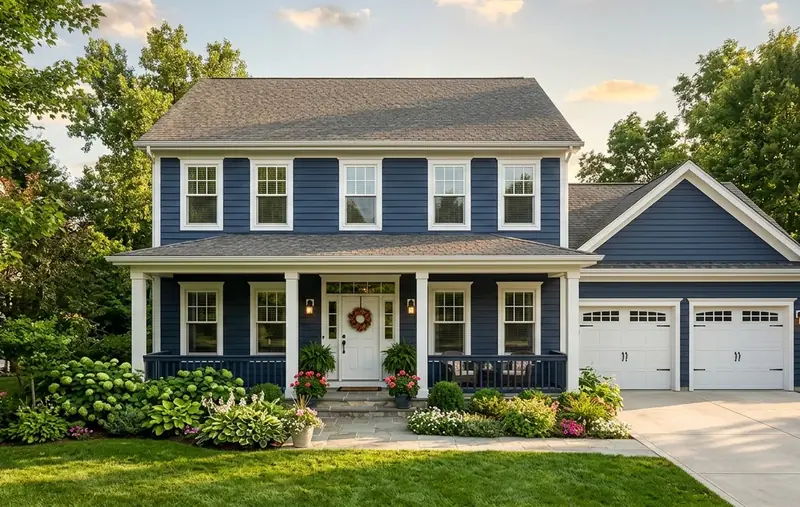
2026's Most-Picked Exterior Colors
Three Colors of the Year define the 2026 exterior conversation. All three are warm, nature-grounded, and signal a definitive break from the cool gray decade. If you are picking a color this year, these are the safest, most current options.
| Brand | 2026 Color of the Year | Code | Best Use |
|---|---|---|---|
| Sherwin-Williams | Universal Khaki | SW 6150 | Body color (warm midtone neutral) |
| Benjamin Moore | Silhouette | AF-655 | Front door, shutters, accent |
| Behr | Hidden Gem | N430-6A | Body or accent (smoky jade green) |
SW Universal Khaki is the safest 2026 pick for body color on nearly any style. BM Silhouette is the year's defining door accent: deep espresso brown that pairs with cream, sage, or warm white bodies. For a deeper look at how Benjamin Moore stages this shade alongside its full exterior catalog, browse the official Benjamin Moore exterior inspiration gallery. Behr Hidden Gem is the breakout green of the year, equally strong as a body color on Craftsman homes or as a front door pop. For the full 20-color trend report including PPG and Valspar picks, see our 2026 Best Exterior Paint Colors roundup.
Common Mistakes That Devalue Your Home
After analyzing 16,983 facade simulations and tracking the choices homeowners revised after seeing AI previews, six mistakes show up over and over. Avoid these and you avoid the worst $4,000+ regrets.
- Mistake 1: Picking from a swatch in store. Store lighting is 4000K to 5000K fluorescent. Sunlight is 5500K to 6500K and shifts hourly. A swatch is also 2 inches; your house is 2,000 square feet. Scale changes perception.
- Mistake 2: Ignoring the roof. Cool gray body on a warm brown roof reads as a fashion mistake even when each color is "nice" on its own. Always anchor to the roof.
- Mistake 3: Trendy body color. Bold blue, mustard yellow, terracotta body colors look great in a single Instagram photo and tank resale. Keep the body conservative and put trend on the accent.
- Mistake 4: Same color, two sheens. Painting body and trim the same color in different finishes looks unfinished, not minimalist. Use distinct hues for body and trim.
- Mistake 5: White trim on a white body. Without contrast, the architecture flattens. Even a half-shade variation between body and trim solves it.
- Mistake 6: Skipping the HOA step. The most expensive mistake is paint that has to come off. Always submit before purchase.
The pattern across all six: the homeowner committed before testing. A 5-minute AI preview catches every one of these mistakes before paint touches siding.
A seventh, quieter mistake deserves its own note: matching your house to a Pinterest photo rather than to your own conditions. The viral Modern Farmhouse in matte black with white trim is photographed at golden hour in coastal California. Reproduce that body color on a south-facing wall in Phoenix and you have a 140 degree surface that fails in 3 summers. Reproduce it on a Cape Cod in Maine and you have killed the architectural style. Aspiration is fine; copying without translation is the trap.
The translation method is straightforward: take the Pinterest photo into the AI visualizer, identify the closest match in your preferred brand's deck, and apply it to your own house photo. If it still looks great on YOUR facade, you have the right reference. If it does not, the inspiration was style-specific and not transferable.
Budget, Timing, and ROI Reality Check
A 2,000 square foot exterior repaint runs $4,500 to $9,000 in 2026 with a licensed, insured contractor handling power washing, caulking, primer, and a two-coat system. DIY drops the cash cost to roughly $1,200 to $2,000 in materials but adds 60 to 100 hours of labor and ladder risk. The color decision sits on top of this entire budget: getting it right is the cheapest part of the project, and getting it wrong is the most expensive.
Two budget realities that affect color choice:
- Dark and saturated colors cost 10 to 20 percent more per gallon than standard whites and neutrals, because deep tints require more colorant and often a tinted primer. A dark navy or charcoal body on a 2,000 sq ft home adds roughly $200 to $400 in paint cost.
- Premium fade-resistant lines (SW Duration Exterior, BM Aura Exterior) cost roughly twice a budget line but typically deliver 10-year color retention versus 5 to 7 years on contractor-grade paint. On a $7,000 job, the upgrade is worth it.
The ROI argument is settled: the National Association of Realtors consistently ranks fresh exterior paint among the top five projects for resale, with 60 to 100 percent cost recovery. The color you pick determines whether you land at the top or the bottom of that range. A trendy body color underperforms; a timeless body with a bold accent door overperforms.
Bringing It All Together
The full 2026 framework, in one paragraph: anchor to your roof and permanent features (Step 1), respect your architectural style (Step 2), confirm with your HOA (Step 3), account for sun and climate (Step 4), then test 3 candidates on a real photo with AI (Step 5) and apply the 60-30-10 ratio. Pick body conservatively, push personality into the door.
A $5,000 to $9,000 exterior paint job deserves more than a 30-second swatch glance. Five minutes on the FacadeColorizer visualizer turns guesswork into a confident decision you can show your spouse, your contractor, and your HOA board in the same afternoon.
Frequently asked questions
How do I choose an exterior house color?
What is the 60-30-10 rule for exterior paint?
What color should I paint my house based on my roof?
How can I see paint colors on my house before painting?
What is Sherwin-Williams 2026 Color of the Year?
What is Benjamin Moore 2026 Color of the Year?
What is Behr 2026 Color of the Year?
Do I need HOA approval to repaint my house?
Trademarks mentioned (Sherwin-Williams, Benjamin Moore, Behr, Caparol, Brillux, Sto, Alpina, Valspar, PPG, Glidden, Dulux, Crown Trade, Sandtex, Farrow & Ball, Johnstone's, Leyland) are property of their respective owners. FacadeColorizer is independent and not affiliated with any of them. Nominative fair use under Lanham Act §1125.