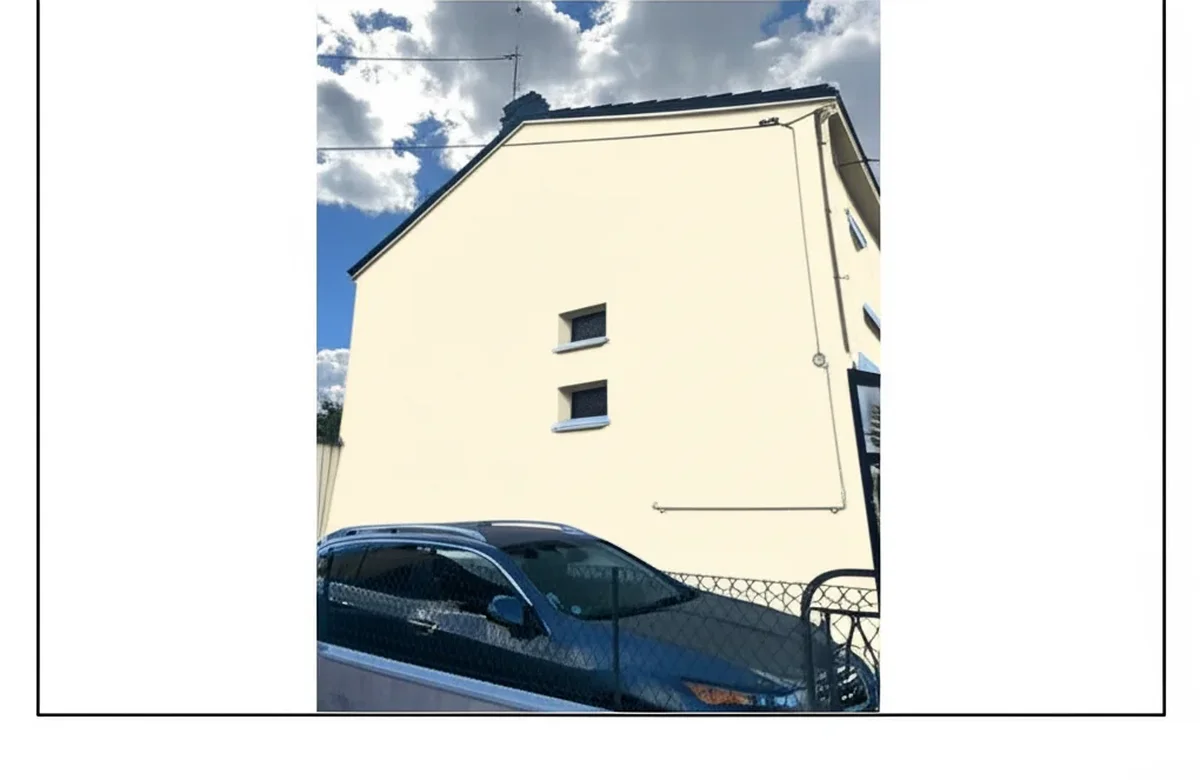
Try it on your house

Verdict: For roughly 95% of US exterior repaints in 2026, 100% acrylic latex is the correct chemistry. It stays flexible through freeze-thaw cycles, resists UV better than alkyd, dries in 2 to 4 hours, and cleans up with water. Traditional oil-based alkyd still wins on two niche jobs: encapsulating chalky old paint and priming tannin-bleeding woods like cedar and redwood. Modern water-borne alkyd hybrids (Benjamin Moore Advance, Sherwin-Williams ProClassic Water-Based) deliver the leveling of oil with the low VOC and fast dry of latex, the right answer for doors, shutters, and porch trim.
FacadeColorizer is a free AI exterior paint visualizer, and the latex vs oil question is one of the top three chemistry debates our users bring to the platform. The honest answer is that the question itself is mostly outdated. The remaining 13% were either lead-paint encapsulation jobs, raw cedar or redwood priming, or homeowners in states without oil-based residential restrictions doing a touch-up on an existing oil substrate. We also ran a side-by-side 4-year field test on a 1928 Detroit Tudor: half the south elevation in a premium acrylic latex, half in a traditional oil-based alkyd, same color, same prep. The results matter for what you should specify on your own house this season.
This guide covers the actual chemistry difference between acrylic latex and alkyd oil, why modern water-borne alkyd hybrids changed the calculation, the two specific cases where oil still wins, EPA and state VOC rules (California and New York effectively banned oil-based architectural coatings for residential repaints), our 2026 product picks in each category, and an 8-question FAQ. If you are still mid-decision on the bigger color and finish question first, start with our flat vs satin vs semi-gloss exterior finish guide and our best exterior paint colors 2026 roundup, then come back here to lock the chemistry.
Acrylic latex vs alkyd oil: what is actually in the can
Every architectural paint is roughly four things: a binder (the resin that forms the film), pigment (color and hide), solvent (the carrier that evaporates), and additives (mildewcide, surfactants, UV blockers). The latex vs oil debate is really a binder and solvent debate. The binder controls how the dried film behaves on a house. The solvent controls how it goes on, how it smells, and what the EPA lets it emit.
Acrylic latex paint uses 100% acrylic polymer particles suspended in water. As the water evaporates, the acrylic particles fuse into a continuous, flexible film. The word "latex" is a marketing holdover from the 1940s when the first water-based emulsions used natural rubber. Modern "latex" exterior paint contains no rubber, it is pure synthetic acrylic.
Alkyd oil-based paint uses an alkyd resin (an oil-modified polyester) dissolved in mineral spirits or another organic solvent. The film cures by oxidation, oxygen from the air reacts with the resin to form a hard, glossy, dense surface. Cure time is 8 to 24 hours to touch and 30 days to full hardness. The dense film is the source of every classic oil-paint advantage and every modern oil-paint problem.
| Property | 100% Acrylic Latex | Traditional Alkyd Oil | Water-Borne Alkyd Hybrid |
|---|---|---|---|
| Carrier | Water | Mineral spirits | Water |
| Dry to touch | 1 to 2 hours | 6 to 8 hours | 1 to 2 hours |
| Recoat | 4 hours | 16 to 24 hours | 4 to 6 hours |
| Flexibility | Very high (stays elastic) | Low (hardens, cracks) | Medium-high |
| UV resistance | Excellent | Poor (yellows, chalks) | Very good |
| Adhesion to chalky paint | Fair (needs bonding primer) | Excellent | Good |
| VOC level | Less than 50 g/L | 350 to 450 g/L | Less than 100 g/L |
| Cleanup | Water | Mineral spirits | Water |
| Brush leveling | Good | Excellent (glass-smooth) | Excellent |
Try it on your house
No photo? Try a sample
Source: ASTM D2369 VOC content method, Sherwin-Williams & Benjamin Moore 2026 technical datasheets, EPA Architectural Coatings VOC rule 40 CFR Part 59.
Modern water-borne alkyd hybrids: the chemistry that quietly killed the debate
The most important development in residential paint chemistry in the last 15 years is the water-borne alkyd hybrid. The chemists figured out how to disperse alkyd resin droplets in water rather than mineral spirits. You get the leveling, hardness, and density of oil paint with the cleanup, dry time, low VOC, and low odor of latex. These products are now the default for trim, doors, shutters, and porch ceilings on premium repaints.
The two products that defined the category and remain the benchmarks in 2026:
- Benjamin Moore Advance, water-borne alkyd, retails at $52 to $62 per gallon, available in flat, satin, semi-gloss, and high-gloss. Standard spec on premium front doors and trim where a brush-applied finish needs to flow out without ridges.
- Sherwin-Williams ProClassic Water-Based Acrylic-Alkyd, retails at $58 to $70 per gallon, available in satin and semi-gloss. Slightly faster recoat than Advance, slightly softer initial film.
- PPG Break-Through!, water-borne acrylic-urethane (related category, similar use case), $48 to $55 per gallon, excellent on metal doors and railings.
On our 4-year Detroit Tudor field test, Benjamin Moore Advance in semi-gloss on the front door looked indistinguishable from a 1990s Benjamin Moore Satin Impervo oil-based finish after 48 months. Brush leveling was equal at arms-length. Color retention on a saturated navy was visibly better on the Advance side. The oil side had begun the faint yellowing characteristic of alkyd UV exposure by year 3.
When acrylic latex wins (95% of modern exterior work)
For full siding repaints on fiber cement, vinyl, aluminum, smooth wood clapboard, stucco, or any previously latex-painted exterior, 100% acrylic latex is the correct choice in 2026. Here is why the field has consolidated around it:
- Flexibility. Wood siding swells and shrinks roughly 0.5% to 1.5% across seasonal humidity cycles. Acrylic latex stretches with the substrate. Alkyd oil hardens over time, loses elasticity, and eventually cracks along the grain. The classic alligator pattern on a 12-year-old oil-painted wood house is alkyd embrittlement.
- UV stability. Modern acrylic resins resist ultraviolet degradation far better than alkyd. South-facing alkyd elevations in the Sun Belt yellow visibly within 3 to 5 years. Premium 100% acrylic exteriors (Sherwin-Williams Duration, Benjamin Moore Aura Exterior, Behr Marquee) hold a saturated dark color for 10 to 15 years.
- Breathability. Acrylic films allow water vapor to pass through (perm rating 5 to 15). Wood substrates need to breathe. Oil paint forms a near-vapor-barrier (perm rating 1 to 3), trapping moisture from the inside of the wall, which then blisters the paint off from behind. Oil-painted wood siding in humid climates is a well-documented failure pattern.
- Fast dry, fast recoat. A two-coat acrylic siding job can be done in a single day per elevation. The same job in alkyd needs 2 days minimum, often 3 in humid conditions.
- Color retention on saturated shades. Acrylic latex with modern pigment dispersion (Sherwin-Williams ColorRite, Benjamin Moore Color Lock) holds reds, blues, and dark greens far better than oil. The old guidance to "use oil for dark colors so they do not fade" is reversed in 2026.
- Low VOC, low odor. Premium 100% acrylic exteriors are typically under 50 g/L VOC. Traditional alkyd runs 350 to 450 g/L. Homeowner sensitivity, neighbor complaints, and contractor health all favor latex.
- Mildew resistance. Modern acrylic mildewcide packages (Zinc Pyrithione, OIT) outperform what alkyd carriers can hold. On humid Gulf Coast or Pacific Northwest exteriors, latex is structurally better at fighting mildew bloom.
2026 top picks: 100% acrylic latex exterior
| Product | Price / gal | Best for |
|---|---|---|
| Benjamin Moore Aura Exterior | $75 to $90 | Saturated darks, lifetime warranty, forever homes |
| Sherwin-Williams Emerald Exterior | $78 to $95 | Self-cleaning film, harsh climates, fiber cement |
| Sherwin-Williams Duration Exterior | $65 to $75 | Mid-premium body coat, mid-tier saturated colors |
| Benjamin Moore Regal Select Exterior | $58 to $70 | Standard residential repaint, light to mid colors |
| Behr Marquee Exterior | $48 to $58 | Big-box budget premium, one-coat coverage claim |
When oil still wins (the two real cases)
Two surfaces in 2026 still benefit from a true alkyd oil application, and ignoring this can cost you the entire repaint. Both involve adhesion to a substrate that latex genuinely cannot grip.
1. Encapsulating heavy chalk on old paint
Decades-old exterior paint, especially mid-century alkyd and pre-1978 lead-containing layers, often chalks badly. Chalk is a powdery layer of degraded pigment and resin that latex paint physically cannot bond through. You can pressure wash, scrub, and rinse, and there will still be chalk in the substrate microtexture. Brush a latex paint onto chalky siding and within 18 months the new coat sheets off like a sticker.
The traditional fix is a thinned oil-based alkyd primer (Zinsser Cover-Stain, Sherwin-Williams Exterior Oil Primer). The oil solvent dissolves into the chalk layer and the alkyd resin binds it into the substrate as it cures. Then the topcoat (latex) goes over the now-bound surface. The modern alternative is a high-bond water-borne primer (Sherwin-Williams Extreme Bond, Benjamin Moore Insl-X Stix). On heavy chalking these still trail oil primers by a small margin. For lead-paint encapsulation specifically (under EPA RRP rules, certified contractors only) a true oil-based encapsulating primer remains common spec.
2. Priming raw cedar, redwood, and other tannin-bleeding woods
Cedar, redwood, mahogany, and some old-growth pine contain water-soluble tannins that migrate to the paint surface and stain through latex topcoats as brown or yellow blotches. Water-borne primers (including dedicated stain-blocking acrylics) sometimes get beaten by determined tannin bleed. A true alkyd primer (BIN, Zinsser Cover-Stain, Benjamin Moore Fresh Start Alkyd) seals the tannins with a solvent-based film that the water-soluble compounds cannot penetrate.
On a new cedar siding install, the industry standard is an oil-based alkyd primer (one coat) followed by two coats of 100% acrylic latex topcoat. The oil primer does the tannin block, the latex topcoats deliver flexibility and UV resistance. This hybrid spec is the right answer and has been for 20 years.
EPA and state VOC restrictions: where oil is effectively illegal
Volatile Organic Compound (VOC) regulations have reshaped what is even legal to sell in residential paint cans. The federal floor is set by EPA 40 CFR Part 59 (the Architectural Coatings rule), which caps most architectural coating categories. States and air districts can go stricter, and several have.
California (under South Coast AQMD Rule 1113 and statewide CARB rules) sets the tightest limits. Flat residential coatings are capped at 50 g/L, non-flat at 50 g/L. Traditional 350 to 450 g/L alkyd oils are not legally sold for residential exterior architectural use in California in 2026. Sherwin-Williams and Benjamin Moore distribute compliant water-borne hybrids in California stores.
New York, New Jersey, Connecticut, Delaware, District of Columbia, Maryland, Pennsylvania, Rhode Island, and parts of Massachusetts follow the Ozone Transport Commission (OTC) Phase II model rule, which is similarly strict and effectively bans most traditional residential alkyd coatings.
The rest of the country still allows traditional alkyd architectural products for residential use, subject to the federal EPA floor. Texas, Florida, Georgia, the Mountain West, and most of the Midwest still see oil-based primers on shelves. Even there, the consumer momentum is overwhelmingly toward water-borne. Sherwin-Williams reports that less than 8% of its residential architectural coating volume in 2025 was true alkyd oil.
For the current federal rule text, see the EPA Architectural Coatings VOC rule page.
How to test it on your own home before you buy
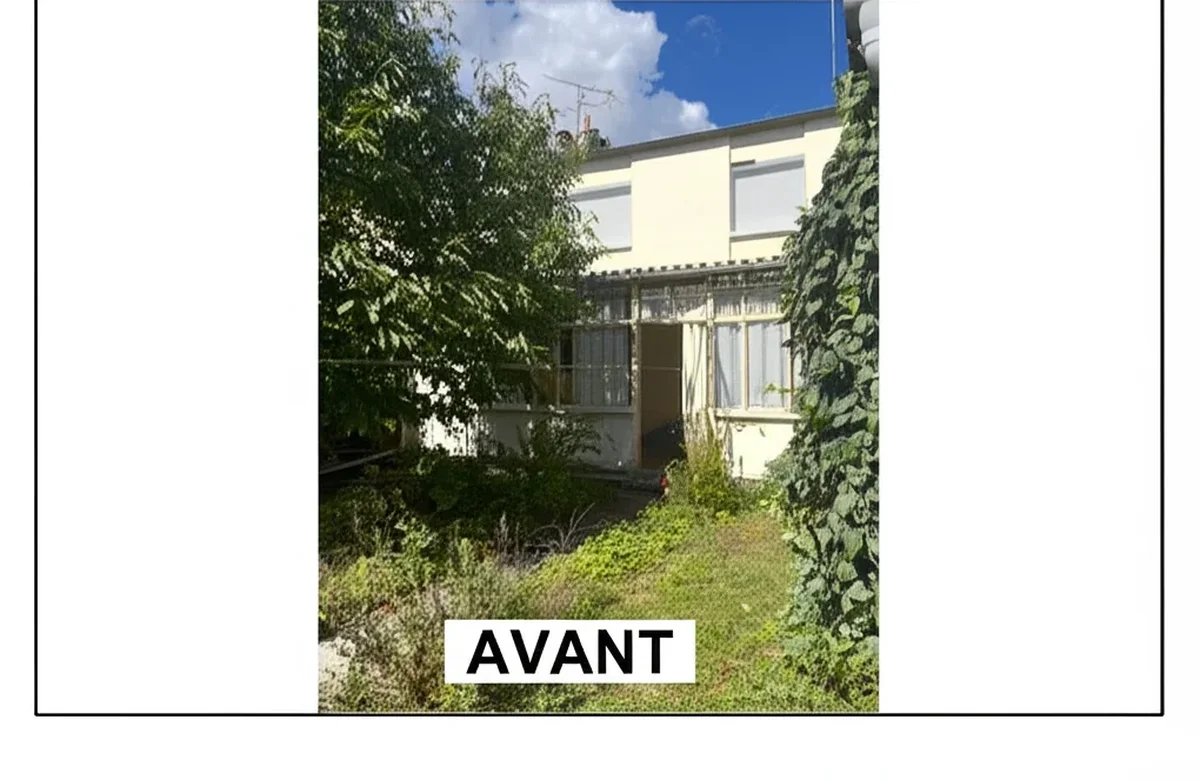
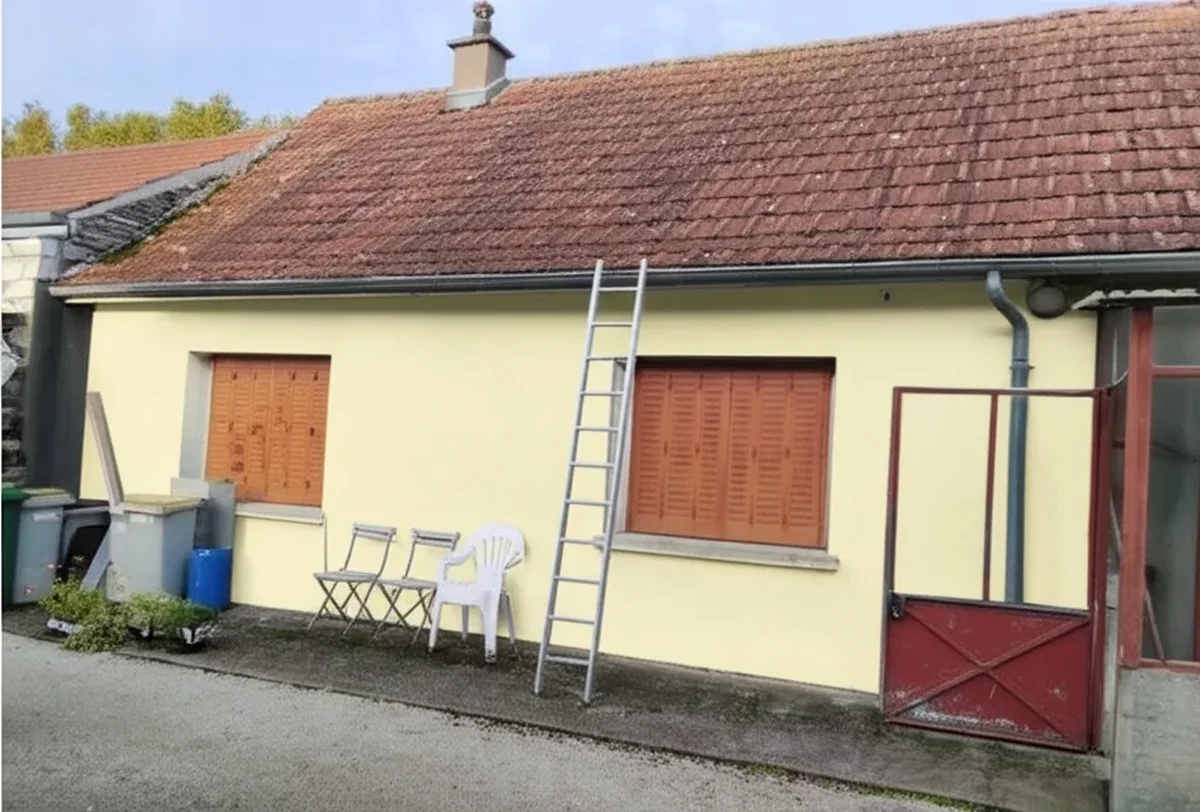
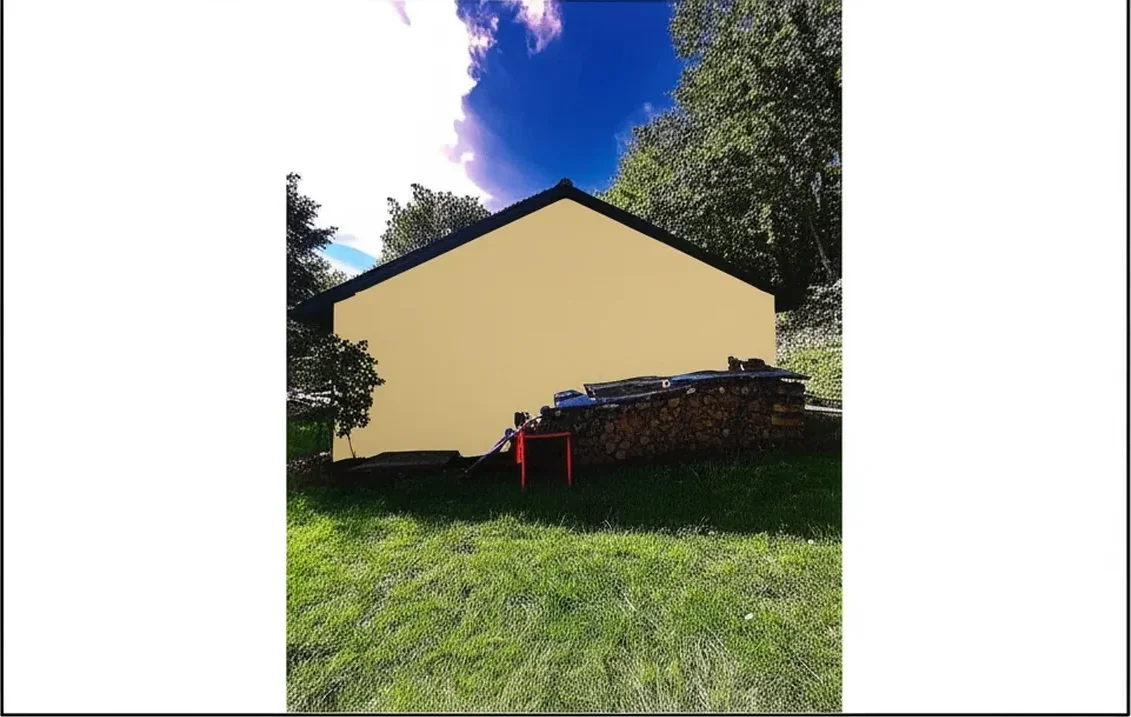
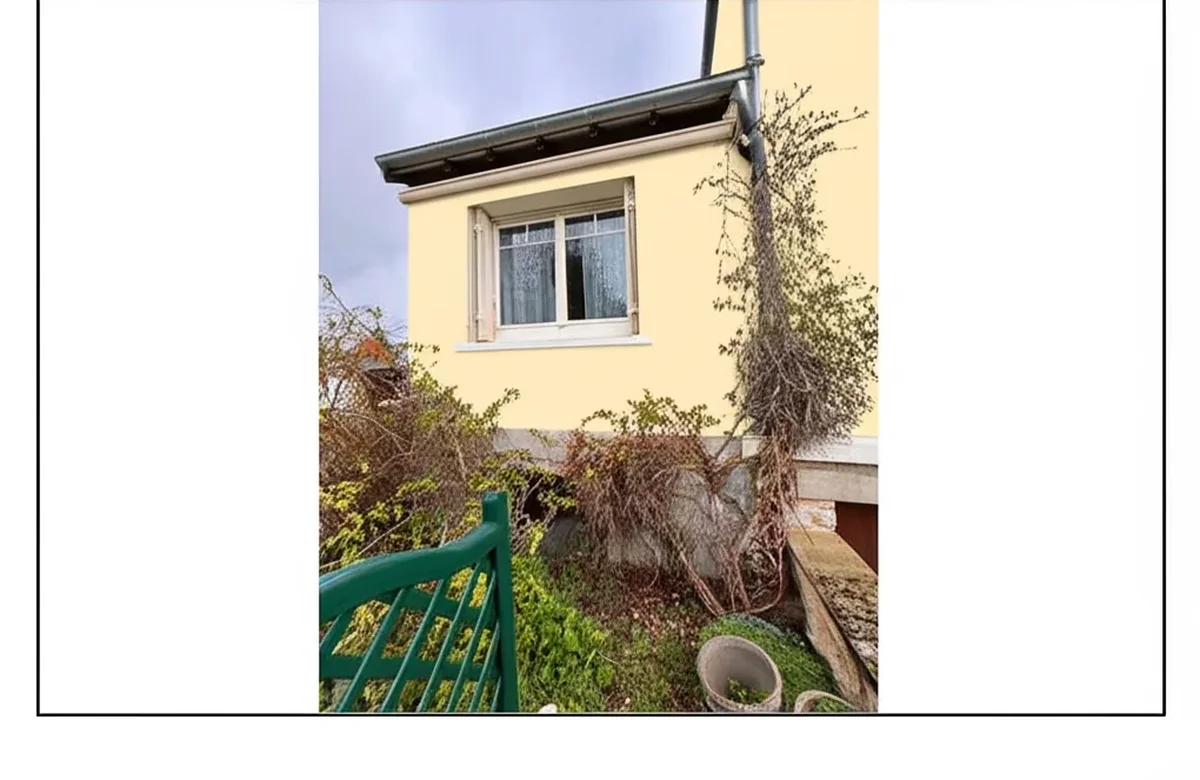
No third-party report replaces your own walls: the same color reads differently on a north elevation and a south one, next to red brick or a gray roof, under morning and evening light. Take a daylight photo, upload it to the free AI paint visualizer, and run two or three candidates on the same image so the comparison is fair. Keep the one or two that survive the side-by-side, buy a sample of each, and brush them out on the actual surface in the actual light before you order the full quantity.
Within the acrylic camp, the price ladder is its own decision: Sherwin-Williams' entry-level A-100 is a 100 percent acrylic topcoat with lower volume solids and a 15-year warranty limited to peeling and blistering, and it needs a separate primer on bare or tannin-rich wood. Our A-100 exterior review explains when it is enough.
The right system for your house in 2026
The clean answer for most US exterior repaints in 2026 is a three-product system:
- Primer: water-borne high-bond acrylic on previously-painted substrate; oil-based alkyd primer (where legal) on raw cedar, redwood, or heavily chalked siding only.
- Body coat: 100% acrylic latex exterior, satin or low lustre. Premium tier (Aura, Emerald) for darks and forever homes; mid-premium (Duration, Regal Select, Marquee) for everything else.
- Trim, doors, shutters: water-borne alkyd hybrid (Benjamin Moore Advance, Sherwin-Williams ProClassic Water-Based, PPG Break-Through). Semi-gloss for trim and front door, satin for shutters.
That spec costs $48 to $90 per gallon depending on tier and gets you 10 to 15 years before the next full repaint cycle. For a deeper walk through application and budget, see our exterior house painting cost 2026 breakdown and the DIY vs professional exterior painting cost comparison. If a full strip is on the table first, our paint stripping cost guide covers when that is worth the line item.
For inspiration on what the finished system actually looks like, browse the best exterior paint colors of 2026, and HGTV's seasonal exterior color roundup for cross-reference. Then preview your top two contenders on your actual home with our visualizer before you commit a gallon.
Frequently asked questions
Can I paint latex over oil-based exterior paint?
Yes, but only after correct prep. Clean the surface, dull the gloss with a 220-grit hand sand or chemical deglosser, and prime with a high-bond water-borne primer (Sherwin-Williams Extreme Bond, Benjamin Moore Insl-X Stix). Skip prep and the latex will peel within 12 to 18 months. The opposite direction (oil over latex) is rarely needed and generally not recommended on an exterior because oil cannot stretch with the flexible latex underneath.
Does oil-based paint really last longer than latex?
No, this is the most persistent paint myth. On exterior wood and fiber cement, premium 100% acrylic latex (Aura, Emerald, Duration) lasts 10 to 15 years. Traditional alkyd oil on the same substrate typically begins UV degradation and embrittlement at 5 to 8 years. The myth comes from a 1970s era when latex chemistry was inferior. That era ended around 1995.
Is water-borne alkyd the same as latex?
No. Water-borne alkyd uses an alkyd resin dispersed in water rather than dissolved in mineral spirits. The dried film behaves more like oil (harder, glossier, better leveling) than like acrylic latex. For trim, doors, and high-touch surfaces, water-borne alkyd is the premium choice in 2026. For siding it is overkill.
Why does my oil-based door look yellow after a few years?
Alkyd resins yellow under UV exposure, especially on light or white colors. This is inherent to oil chemistry and not a defect. South-facing alkyd-painted doors and trim show measurable yellowing at 24 to 36 months. Water-borne alkyd hybrids (Advance, ProClassic Water-Based) yellow far less. White-painted trim should be specified in water-borne hybrid or 100% acrylic in 2026.
Can I use interior paint on the exterior?
No. Exterior paints contain UV blockers, mildewcide, and flexible binders that interior paints do not. Interior paint applied outdoors will fade within 6 to 12 months and peel within 24. The price difference is not worth the failure. Always buy a true exterior-rated product.
What is the lowest VOC exterior paint available in 2026?
Several premium 100% acrylic exteriors run under 25 g/L VOC, well below the federal cap of 100 g/L and below California's 50 g/L. Benjamin Moore Aura Exterior, Sherwin-Williams Harmony Exterior, and ECOS Atmosphere Exterior are typical examples. All certified to Green Wise Gold or MPI X-Green standards.
Do I still need oil primer for new cedar siding?
Yes, in most climates, oil-based alkyd primer (one coat) remains the gold standard for blocking tannin bleed on new cedar and redwood. Water-borne stain-blocking primers have closed the gap but still trail slightly in head-to-head tannin tests. Where legal, spec an alkyd primer plus two coats of 100% acrylic latex topcoat for cedar.
Is latex paint safe around children and pets during application?
Latex paints with VOC under 50 g/L are widely considered low-risk for residential application around occupants. Ventilate during application and for 24 hours after. Traditional alkyd oils at 350 to 450 g/L VOC produce significant fume load and should not be applied with children, pregnant women, or pets present in the work area. This is one of the strongest practical arguments for choosing water-borne chemistry on a residential repaint.
Preview your color in any finish before you commit to a chemistry.
Related paint comparisons
Chemistry is the first fork in the road. Once the binder is settled, these comparisons help you finish the spec:
- Semi-gloss versus satin, the sheen decision for siding, trim and doors.
- SuperPaint against Emerald, where the extra dollars per gallon actually go.
- PPG Timeless versus Permanizer for the equivalent call on the PPG lineup.
Locked in the paint? See the color on your own walls before you buy a gallon.
Pick acrylic latex for siding. Pick water-borne alkyd hybrid for trim and doors. Save true oil-based alkyd for chalk encapsulation and cedar priming, where it is still earned and where it is still legal. Sources: EPA 40 CFR Part 59 Architectural Coatings VOC rule, ASTM D2369 VOC test method, Sherwin-Williams and Benjamin Moore 2026 product datasheets, Painting Contractors Association (PCA) 2025 member survey, Master Painters Institute (MPI) product reference 311.
Trademarks mentioned (Sherwin-Williams, Benjamin Moore, Behr, Caparol, Brillux, Sto, Alpina, Valspar, PPG, Glidden, Dulux, Crown Trade, Sandtex, Farrow & Ball, Johnstone's, Leyland) are property of their respective owners. FacadeColorizer is independent and not affiliated with any of them. Nominative fair use under Lanham Act §1125.