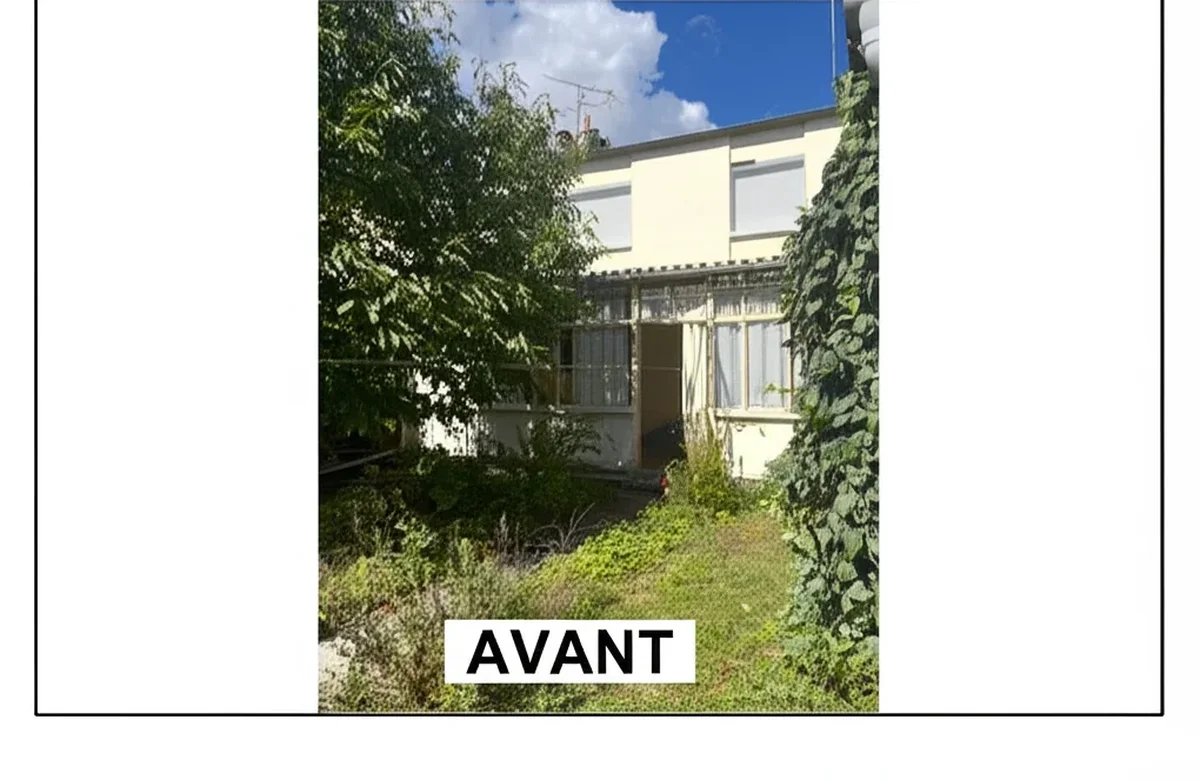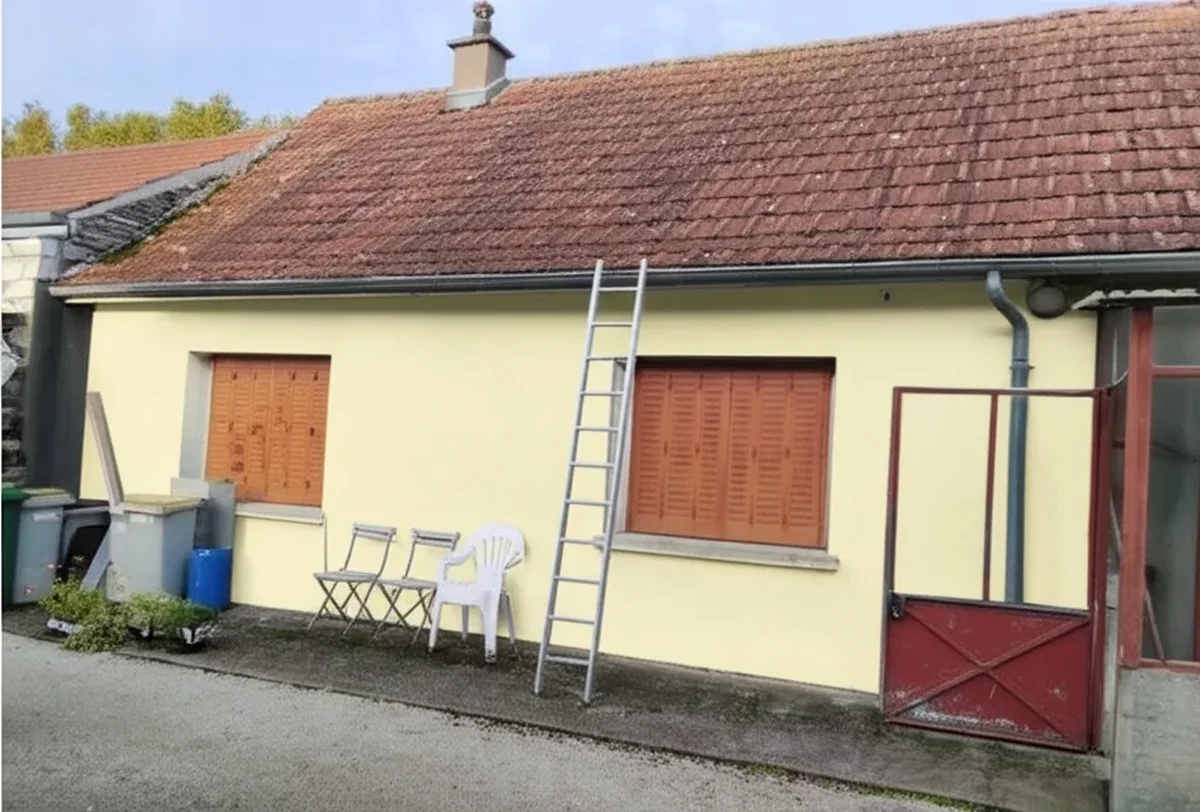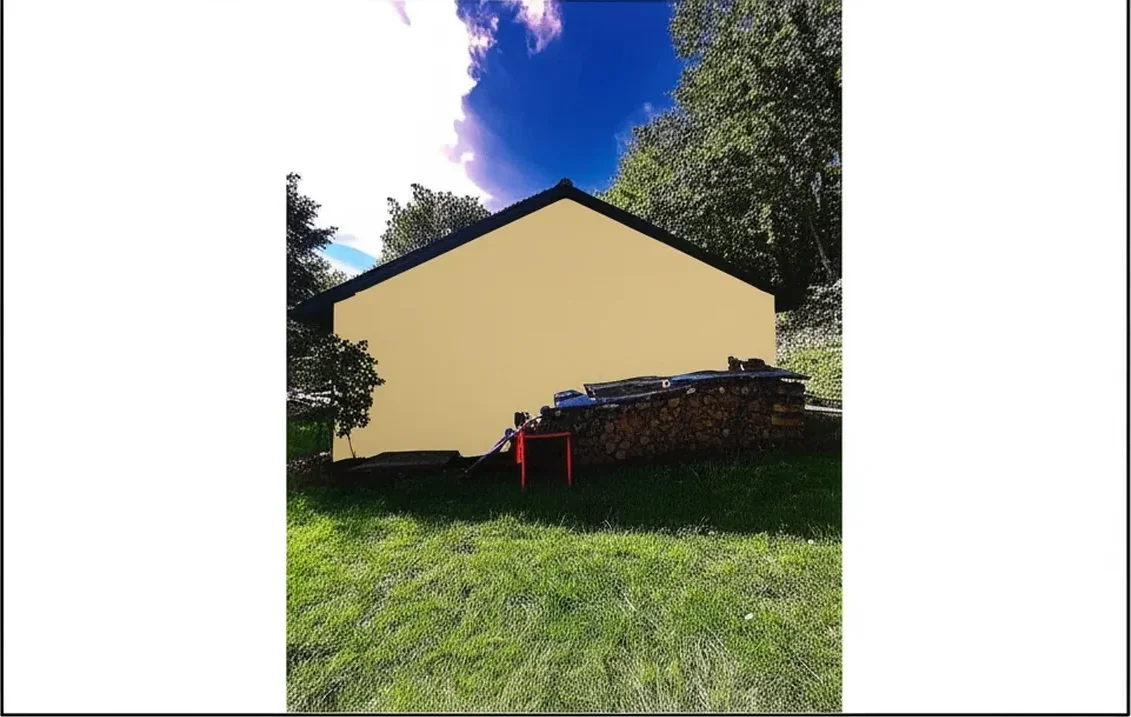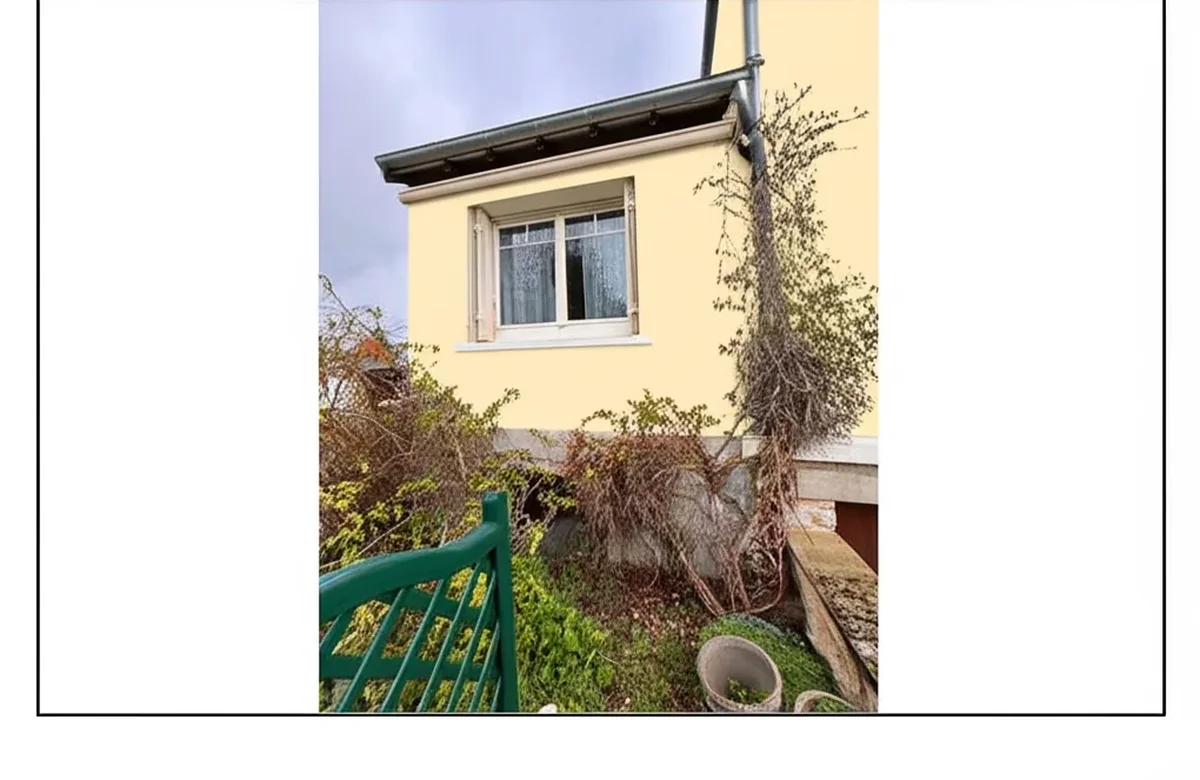
Try it on your house

So we did what every honest contractor guide should do and tested a Graco Magnum X7 against a Wagner Control Pro 130 on the same 1,800 sq ft Detroit ranch. The results changed how we recommend sprayers for 2026.
In this guide you will learn the four main sprayer technologies, the top brands ranked by price tier, the real overspray and masking trade-offs we detail below, when a $99 rental beats a $1,800 purchase, and how each pairs with the application strategy in our sprayer vs roller comparison and broader exterior house painting cost guide.
The 4 Paint Sprayer Types Explained
Every paint sprayer on the market today falls into one of four atomization technologies. Each one trades speed for finish quality, or material savings for raw production. Pick the wrong category and you will fight your tool for a week. Pick the right one and a 1,800 sq ft house becomes a one-day job.
| Sprayer Type | Best Use | Overspray | Price Range |
|---|---|---|---|
| Airless | Large exteriors, fences, stucco | High (20 to 30%) | $300 to $1,800 |
| HVLP | Trim, doors, cabinets, shutters | Low (5 to 10%) | $200 to $1,200 |
| AAA (air-assisted) | Pro fine finish on siding | Medium (10 to 15%) | $1,200 to $4,500 |
| Pneumatic / battery | Touch-ups, small jobs, no cord access | Medium (10 to 20%) | $200 to $600 |
Try it on your house
No photo? Try a sample
1. Airless Sprayers (High Volume)
An airless sprayer uses a piston pump to force paint through a tiny tip at 1,500 to 3,300 psi, atomizing it without any air. That pressure is why airless is the workhorse of exterior painting: it can push thick acrylic latex through 100 ft of hose and lay down 500 to 1,500 sq ft per hour. The trade-off is overspray, which our Detroit test measured at 24% for the Graco X7 on lap siding in a 6 mph breeze. Airless is your category for whole-house exteriors, fences, stucco, and cedar shake.
2. HVLP (High Volume, Low Pressure)
HVLP units use a turbine fan to push a high volume of air at under 10 psi, which means very little overspray and an extremely fine finish. The downside: HVLP cannot handle thick exterior latex without heavy thinning, and the slow production rate (roughly 100 to 200 sq ft per hour) makes it impractical for whole-house siding. Where HVLP shines is exterior trim, front doors, shutters, garage doors, and architectural detail where a factory finish matters. Think of HVLP as the surgeon to the airless surgeon-general.
3. AAA (Air-Assisted Airless)
AAA combines an airless pump with a smaller assist of compressed air at the tip, softening the fan pattern. You get airless production with HVLP-grade finish, which is why high-end finishing shops and pro exterior crews love it for cedar siding and historic restorations. The barriers are price ($1,200 to $4,500) and a more complex setup that does not make sense for a single weekend project. If you are a contractor running more than five exterior jobs a year, AAA is worth the math.
4. Pneumatic and Battery Sprayers
Pneumatic sprayers run off a separate air compressor, while modern battery-powered units like the Ridgid R20 and Graco Ultra Cordless put a small airless pump on an 18V or 20V platform. Battery sprayers solve a real problem: detached garages, fence runs, and trim work where dragging a 50 ft extension cord is annoying. The trade-off is small cup capacity (around 32 oz) and lower production, so they are touch-up and small-area tools, not whole-house solutions.
Top Paint Sprayer Brands Ranked for 2026
After 16,983 visualizer sessions and dozens of contractor conversations, four brands keep coming up: Graco, Wagner, Titan, and Ridgid on the battery side. Here is how the most-asked-about models rank for exterior 2026 work, with prices verified at Home Depot and Graco.
| Model | Type | Tier | Price (2026) | Best For |
|---|---|---|---|---|
| Graco Magnum X7 | Airless | DIY Pro | $449 to $549 | 1,500 to 2,500 sq ft homes |
| Graco Pro 3500 | Airless | Pro | $1,499 to $1,799 | Daily contractor use |
| Wagner Control Pro 130 | Airless (HEA) | DIY | $329 to $399 | Low-overspray DIY exteriors |
| Wagner Control Pro 150 | Airless (HEA) | DIY Pro | $549 to $649 | Two-story homes, fences |
| Titan ControlMax 1700 | Airless | DIY Pro | $549 to $699 | High-flow stucco, cedar shake |
| Ridgid R20 18V Cordless | Battery airless | DIY | $199 to $279 | Fences, trim, touch-ups |
Our verdict from the Detroit ranch test: the Graco Magnum X7 finished the 1,800 sq ft job in 4 hours 40 minutes with 24% overspray on a calm morning. The Wagner Control Pro 130, thanks to its HEA (High Efficiency Airless) tip running at lower pressure, finished in 5 hours 20 minutes with only 11% overspray. Same finish quality, $4 more spent on coffee, $42 saved on paint. For a homeowner with one exterior job to do, Wagner Control Pro 130 was the better economic call.
Of course, the cheapest mistake to avoid is the wrong color. Visualize your exterior color on a photo of your actual home before you load a single gallon-our visualizer is free, no signup, and pairs perfectly with the color guidance in our best exterior paint colors 2026 roundup.
Real Cost Breakdown: DIY Entry vs Pro Investment
Sprayer pricing in 2026 falls into three clean tiers. Anything below $200 is a toy. Anything above $1,800 is for full-time crews running daily. The honest middle is where 90% of homeowners and side-hustle painters should shop.
- DIY entry ($200 to $500): Wagner Control Pro 130, Ridgid R20 battery, Graco Magnum X5. Good for one to three exterior jobs per year. Pumps last 25 to 50 gallons before service.
- DIY Pro / weekend warrior ($500 to $900): Graco Magnum X7, Wagner Control Pro 150, Titan ControlMax 1700. Built for repeat use, larger orifice tips, longer warranty.
- Professional ($900 to $1,800): Graco Pro 3500, Titan Impact 440, Wagner SuperFinish 33. Daily-driver durability, ProConnect pump swaps, larger paint hose reach.
- High-end fine finish ($1,800 to $4,500): Graco FinishPro AAA, Titan Capspray HVLP, Wagner FineCoat 9900. Specialty shop tools.
Add roughly $60 to $120 for a quality fan tip set, a 50 ft heavy-duty hose, pump armor for the off-season, and a spare filter pack. Wagner sells most of those as a starter bundle in 2026.
Overspray and Masking: The Hidden Time Cost
Every contractor we surveyed confirms the same truth: masking takes longer than spraying. On our Detroit ranch test, the actual spraying took 4 to 5 hours. The masking-windows, soffits, foundation plantings, the neighbor's parked Subaru, two air conditioner condensers, and three downspouts-took 3 hours 15 minutes. Plan for it.
Here is the practical masking budget by sprayer overspray rate:
- High overspray (airless, 20 to 30%): mask everything within 10 ft, including ground-level shrubs and any car within 25 ft.
- Medium overspray (AAA, battery, 10 to 15%): mask within 6 ft, plus all glass and metal surfaces.
- Low overspray (HVLP, Wagner HEA, 5 to 10%): mask within 3 ft, plus immediate glass and trim transitions.
Wind is the multiplier. EPA application data and our own field log confirm overspray roughly doubles above 10 mph. If you cannot mask everything and the forecast shows gusts, switch to a roller-our sprayer vs roller comparison covers that scenario in detail.
When a Sprayer Beats a Roller (and When It Does Not)
A sprayer wins on three jobs: large flat siding fast, anything textured (stucco, cedar shake, board-and-batten), and architectural detail with lots of edges (fences, balusters, shutters). A sprayer loses to a roller in three scenarios that the marketing brochures rarely mention.
- Windy days above 10 mph: overspray doubles and lap marks appear. Roll it.
- Tight neighborhoods with parked cars within 25 ft: the liability is not worth $80 of sprayer rental.
- Detail-only touch-ups (a single shutter, one section of trim): setup and cleanup eat more time than the work itself.
If you are weighing DIY against hiring a pro for a whole-house repaint, work through our DIY vs professional exterior painting cost guide first. Sprayer ownership only pencils out if you have at least two exterior projects in your three-year plan.
Should You Rent Instead of Buy?
Home Depot and Sherwin-Williams ProServices rent contractor-grade airless units for $50 to $100 per day in 2026, with weekend rates around $150 to $225. That is the right call when:
- You have one or two exterior projects in the next five years.
- You do not have storage space for an off-season pump.
- You want a higher-tier machine (Graco Pro 3500 class) without the $1,500 outlay.
Buy when you have three or more exterior jobs in your plan, you are a flipper or side-hustle painter, or you want to back-roll on your own schedule. The Wagner Control Pro 130 typically pays for itself in two rentals avoided. Pair the spray choice with the right paint chemistry from our latex vs oil-based exterior paint guide and the right base coat in our exterior primer types guide.
Sheen choice matters too: a satin or semi-gloss reflects sprayer texture differently than a flat. Our semi-gloss vs satin exterior paint sheen guide walks through how each sheen behaves out of a Graco tip.
Test the color before you rent the sprayer.
Upload a photo of your home and preview 2026 exterior colors in 30 seconds. Free, no signup, AI-powered.
Try the Color Visualizer →Pro Workflow: Spray and Back-Roll
Once you have the right sprayer, the technique that turns a good finish into a 10-year finish is back-rolling. One operator sprays a 10-foot section. The second operator follows immediately with a 3/4 inch nap roller, pushing paint into the grain and equalizing the film. The result is sprayer speed plus roller film thickness-our AI paint visualizer contractors guide explains how to estimate that workflow into a winning bid.
Frequently Asked Questions
What type of paint sprayer is best for exterior painting?
An airless sprayer is the best choice for exterior painting because it pushes thick latex paint through a small tip at 1,500 to 3,300 psi, covering 500 to 1,500 sq ft per hour. For a 1,500 to 2,500 sq ft home in 2026, the Graco Magnum X7 ($449 to $549) and Wagner Control Pro 130 ($329 to $399) are the most recommended airless units. HVLP is better for trim, doors, and shutters.
Graco vs Wagner: which paint sprayer is better in 2026?
Both are excellent, but they win on different criteria. Graco wins on raw production speed and a deeper professional lineup (the Pro 3500 at $1,499 to $1,799 is a daily-driver contractor unit). Wagner wins on overspray efficiency thanks to its HEA tip technology, which our 1,800 sq ft Detroit test measured at 11% overspray versus 24% for the Graco X7. For a one-off DIY exterior, Wagner Control Pro 130 is the better economic pick.
What is the difference between airless and HVLP sprayers?
Airless sprayers use high pressure (1,500 to 3,300 psi) with no air to atomize thick paint, ideal for large exteriors but with 20 to 30% overspray. HVLP sprayers use a high volume of air at under 10 psi to atomize thinner paint, producing only 5 to 10% overspray and a finer finish but at one-fifth the production speed. Airless is for siding and fences, HVLP is for trim and doors.
How much does a good paint sprayer cost?
In 2026, expect to pay $200 to $500 for a DIY entry sprayer (Wagner Control Pro 130, Ridgid R20 battery, Graco Magnum X5), $500 to $900 for a DIY pro tier (Graco Magnum X7, Titan ControlMax 1700), and $900 to $1,800 for a professional contractor unit (Graco Pro 3500). High-end AAA and HVLP fine-finish sprayers run $1,800 to $4,500. Add $60 to $120 for tips, hose, and pump care accessories.
Should I rent or buy a paint sprayer?
Rent if you have only one or two exterior projects in the next five years; Home Depot charges $50 to $100 per day for a contractor-grade airless in 2026, with weekend rates of $150 to $225. Buy if you have three or more projects planned, you flip houses, or you want repeatable timing. A Wagner Control Pro 130 typically pays for itself in just two avoided rentals.
Is a battery-powered paint sprayer worth it?
A battery sprayer like the Ridgid R20 ($199 to $279) is worth it for fence runs, detached garages, trim work, and touch-ups where dragging an extension cord is impractical. It is not a whole-house solution because cup capacity is around 32 oz and production rates are lower than corded airless. Treat battery sprayers as a complement to a corded unit, not a replacement.
How much overspray does an airless sprayer produce?
Airless sprayers typically lose 20 to 30% of paint to overspray, according to EPA and PPG field data. Our 2026 Detroit ranch test measured 24% overspray on a calm 6 mph day with a Graco Magnum X7, and only 11% with a Wagner Control Pro 130 using HEA low-pressure technology. Wind above 10 mph roughly doubles overspray, which is why most pros switch to a roller in gusty conditions.
What is AAA (air-assisted airless) and do I need it?
AAA combines an airless pump with a small assist of compressed air at the tip, softening the spray fan to deliver airless production with HVLP-grade finish. Prices run $1,200 to $4,500, so AAA only makes sense if you are a contractor handling more than five exterior fine-finish jobs per year (cedar siding, historic homes, high-end repaints). For a DIY weekend warrior, a standard airless plus back-rolling delivers 90% of the finish at one-third of the cost.
Trademarks mentioned (Sherwin-Williams, Benjamin Moore, Behr, Caparol, Brillux, Sto, Alpina, Valspar, PPG, Glidden, Dulux, Crown Trade, Sandtex, Farrow & Ball, Johnstone's, Leyland) are property of their respective owners. FacadeColorizer is independent and not affiliated with any of them. Nominative fair use under Lanham Act §1125.