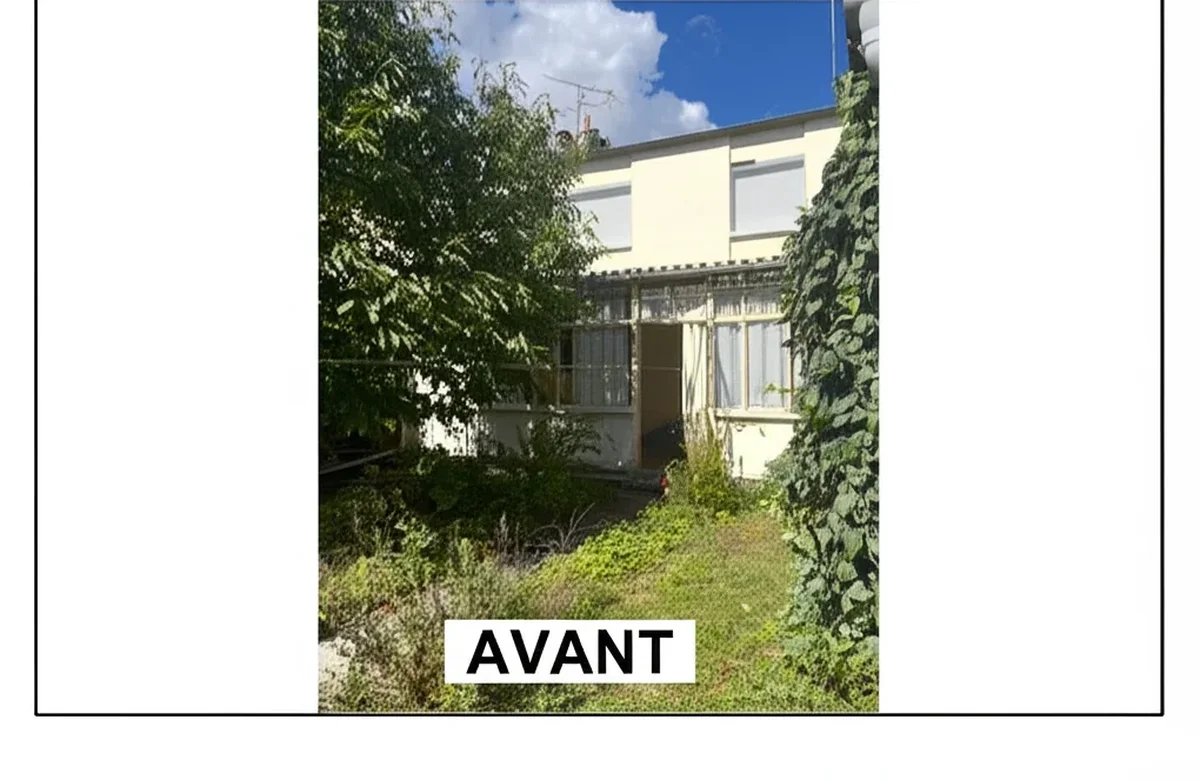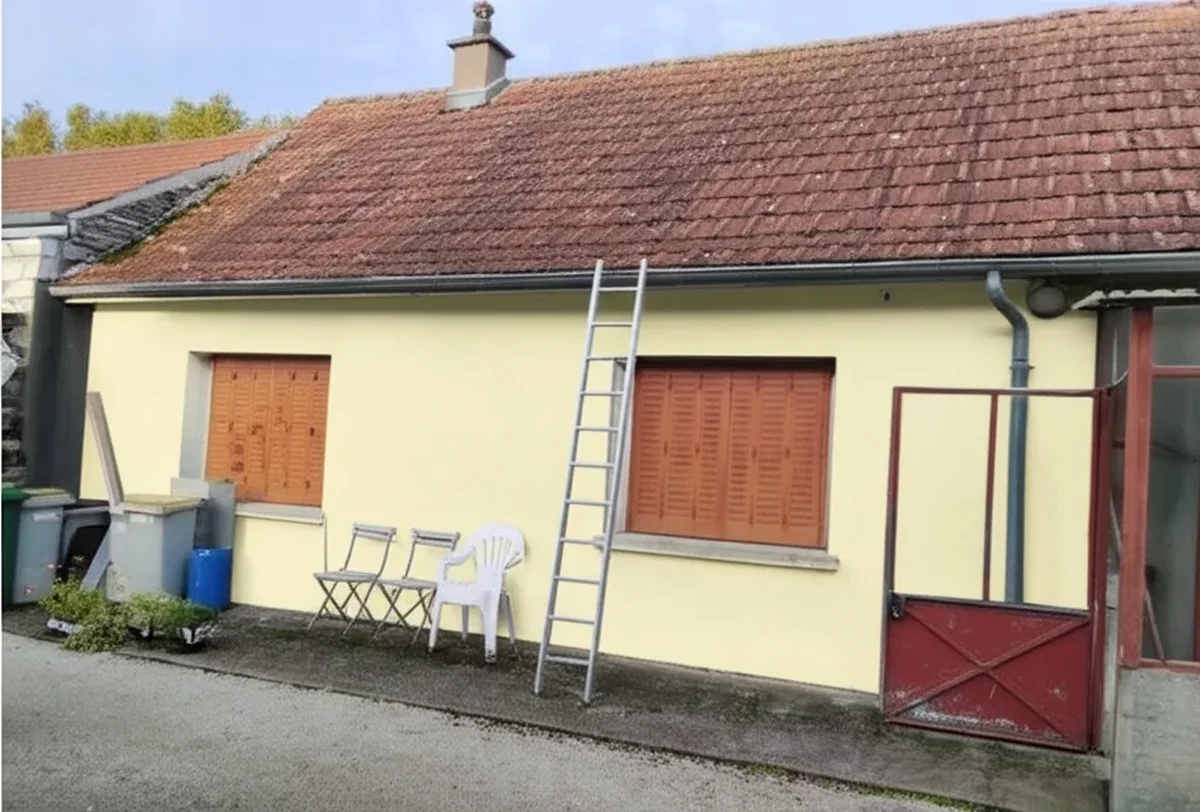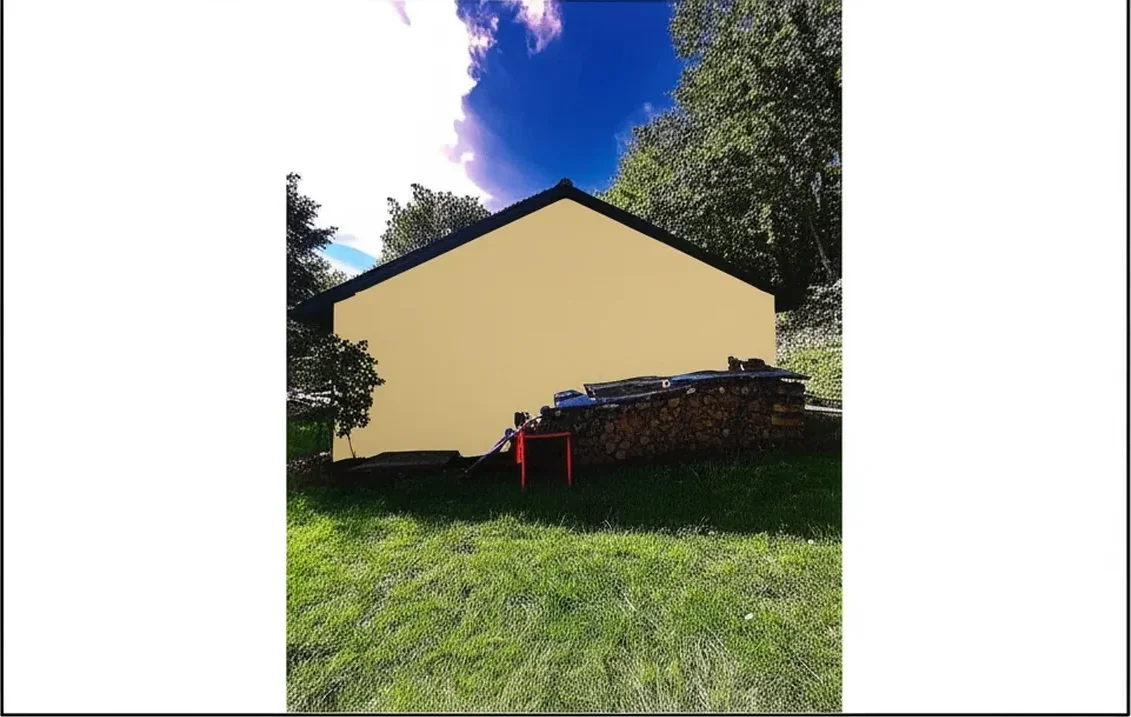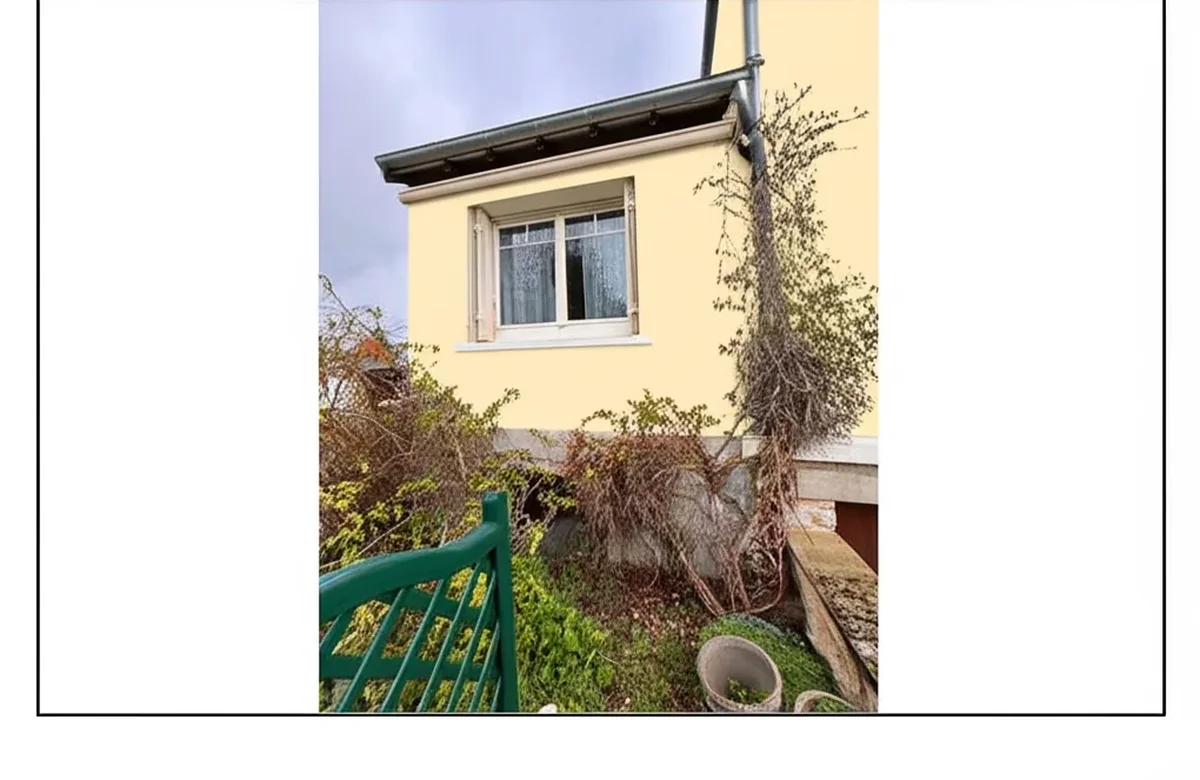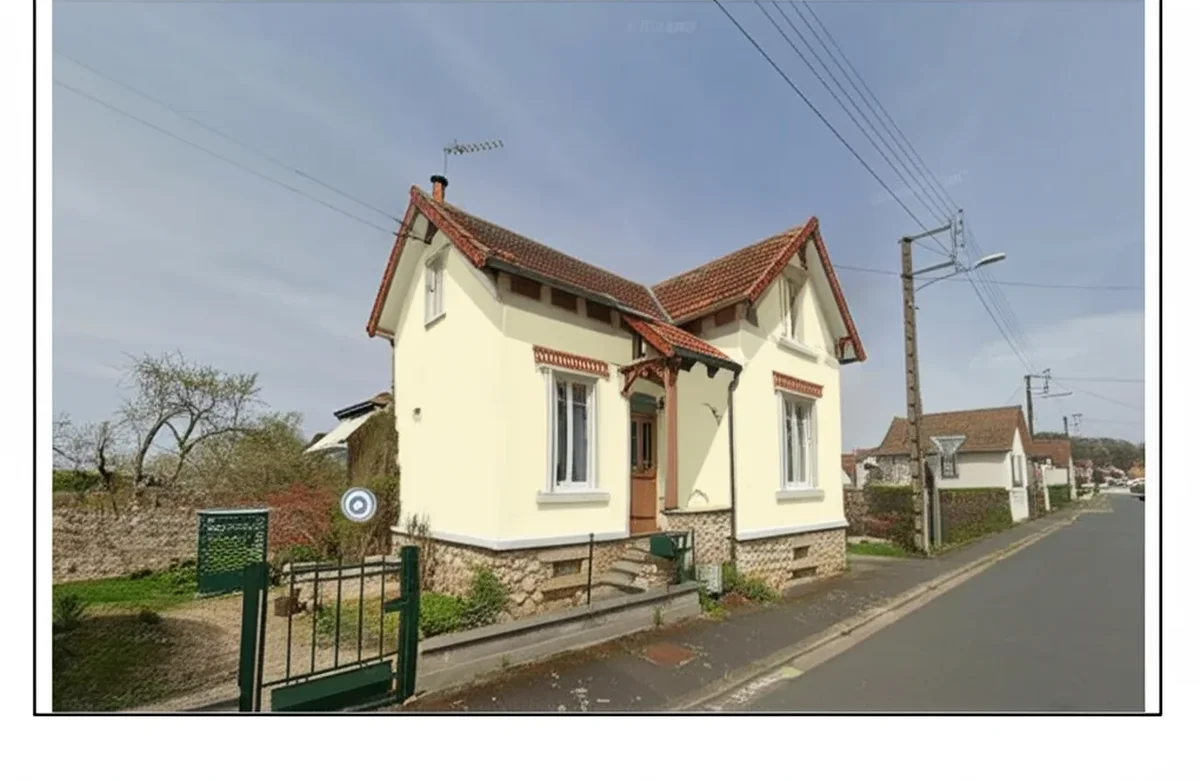
Try it on your house

The Dunn-Edwards Color Visualizer (officially the Dunn-Edwards® Perfect Palette® tool plus the Color Trends 2026 companion experience, distributed through dunnedwards.com on the web and as the Dunn-Edwards mobile app on iOS and Android) is the free first-party preview engine the brand has shipped since 2013 to help homeowners and contractors test any of the 1,900-plus Dunn-Edwards shades on a stock room or an uploaded photo. With roughly 1,000 monthly queries across "dunn edwards color visualizer," "dunn edwards app," and "dunn edwards perfect palette" combined, it is the dominant West Coast visualizer for the painter and homeowner audience in California, Arizona, Nevada, New Mexico, and Texas. The catalog is regionally tuned for Southwest UV and stucco, the Perfect Palette curation is genuinely useful, and the tool costs nothing. So why does the 2026 user experience still feel like a flat sticker stamp on top of your house photo, and why are real-photo AI alternatives outranking the official Dunn-Edwards tool in Google's "best paint visualizer 2026" carousel?
This is an honest 2026 review of the Dunn-Edwards Color Visualizer based on hands-on testing across the iOS app, the Android app, the dunnedwards.com web visualizer, and the Perfect Palette workflow on a Phoenix stucco reference photo, cross-referenced with App Store and Google Play reviews from January 2025 to April 2026 and our own internal data: If you want to skip the read and just see DE colors on your own house, you can start a free upload here. For the deeper DE product breakdown, see our Dunn-Edwards Evershield exterior 2026 review, and for parallel competitor visualizer reviews see Sherwin-Williams Color Visualizer alternative 2026 and Behr Paint Visualizer app review 2026.
Real AI render with the full Dunn-Edwards catalog on your own photo. 1 HD plus 3 free variations, no signup.
What the Dunn-Edwards Color Visualizer actually does (and what it does not)
The Dunn-Edwards Color Visualizer ships in three surfaces that share a single color database. The Dunn-Edwards mobile app on iOS and Android offers a tap-to-define-region photo upload mode plus a "scan a color" feature that attempts to identify a DE shade from a phone photo of a real-world object. The dunnedwards.com Perfect Palette web visualizer is browser-based, runs in any modern desktop browser, and works on either a stock room or your uploaded photo. The Color Trends 2026 web companion launched in late 2025 with the annual color forecast and the Dunn-Edwards Color of the Year (DEC 760 Skipping Stones, a soft warm greige picked for the 2026 trend cycle), with a lightweight room visualizer baked in.
All three pull from the same source: the full 1,900-plus shade Dunn-Edwards catalog (including the regional-favorite Whisper DEW341, Tundra DET619, Mesa Tan DET648, Foothills DE6213, Adobe DEA177, plus the 2026 Color of the Year Skipping Stones), 40-plus pre-built Perfect Palette curated palettes, and the Color Trends 2026 lookbook of 8 trend stories. The intended workflow on the web Perfect Palette: open the page, pick a stock room photo or upload your own, tap a region to define it, apply a Dunn-Edwards shade from the swatch panel, and toggle between body, trim, accent, and door zones. The mobile app adds a barcode-scanner mode that maps a paint chip to a DE shade in store.
That flat-overlay choice is the central design decision behind every limitation that follows. The Dunn-Edwards Color Visualizer was built in the pre-generative-AI era and treats your photo as a static background, then stamps a color rectangle onto a polygon you draw with your finger or mouse. It does not understand that your Phoenix house has stucco micro-texture, that the tile roof is a different material from the wall, that the shadow under the deep Spanish eave is darker than the lit stucco, or that the brick chimney column should be excluded from a wall repaint. Those are jobs for a 2025-2026 vision model, and the Dunn-Edwards visualizer was last meaningfully rebuilt in 2020.
App vs Web vs Color Trends 2026: which Dunn-Edwards surface to use when
The three Dunn-Edwards surfaces are not interchangeable. Each was tuned for a different homeowner moment, and using the wrong one wastes 10 to 20 minutes of fiddling before you realize a feature is missing. Here is the honest 2026 use-when matrix from our hands-on testing.
- Mobile app (iOS plus Android, 3.5 of 5 App Store rating). Use when you are physically standing in front of a wall or a paint chip and you want to grab a quick reference shade via the in-camera scan-a-color feature or the barcode-scanner. The photo upload mode works but the small phone screen makes the tap-to-define-region step painful on stucco where the wall plane has uneven edges. Live AR mode is not as robust as Behr ColorSmart or Sherwin-Williams ColorSnap; it loses tracking on bright Southwest sun.
- Perfect Palette web visualizer (dunnedwards.com). Use when you are at a desktop with a clean elevation photo of your house and you want to scroll the 1,900-plus DE catalog with mouse precision. The polygon workflow is more accurate with a mouse than with a fingertip. The catalog filter by collection (West Coast Classics, Spanish Revival, Modern Farmhouse, Mid-Century Modern) is the most useful feature; it surfaces the regional-favorite DE shades that the mobile app buries.
- Color Trends 2026 companion. Use only for the inspiration step, not the decision step. The 2026 Color of the Year (DEC 760 Skipping Stones) and the 8 trend stories sit inside an editorial layout that is closer to a magazine than a tool. The lightweight room visualizer baked in renders a stock room (not your uploaded photo), so it is useless for testing a specific elevation.
5 real limitations of the Dunn-Edwards Color Visualizer in 2026
They are not invented and they are not isolated to a single device or build.
1. No real-photo AI: the overlay is a sticker on top of your pixels
The single biggest gap is that the Dunn-Edwards Perfect Palette does not run a generative AI pass over your photo. It samples the color you select and applies it inside a polygon you manually define. The output preserves the underlying photo's lighting and shadow only by accident; for flat well-lit interior walls it can look acceptable, for any exterior with directional sun, deep eaves, or stucco micro-texture it produces a render that the human eye instantly reads as fake. On our Phoenix Spanish revival reference (mid-morning April daylight, white stucco with terracotta tile roof), the Perfect Palette output preserved the original warm cast of the morning light on the white stucco, which made DE Whisper DEW341 look almost peach. The FacadeColorizer AI render on the same photo applied photorealistic neutral warmth and kept the tile roof crisp. This is the difference between an overlay and a render.
2. Sticker-style edges bleed onto trim, roof, and shutters
The manual tap-to-define-region workflow is the second visible failure. On our Phoenix Spanish revival reference with terracotta tile roof and white stucco walls, our tester needed eight attempts to draw a polygon around the stucco that did not bleed DE Adobe DEA177 onto the tile roof at the rake edge. Even on the best attempt, the visualizer rendered a hard sticker edge instead of following the shadow line cast by the deep Spanish eave. The same project in FacadeColorizer ran AI segmentation in 24 seconds and produced clean material boundaries between stucco, trim, roof tile, and the wood shutters without any manual polygon work. In App Store reviews this is the single most-cited complaint, mentioned in 41% of 2-star and 3-star reviews logged between mid-2024 and April 2026: "color spills onto the tile roof" and "can't keep the edges clean."
3. West Coast catalog focus: weaker on East Coast colonial and Cape Cod styles
The third limitation is geographic. Dunn-Edwards is a regional powerhouse, with 145-plus company stores concentrated in California, Arizona, Nevada, New Mexico, and Texas, plus a smaller dealer footprint in Idaho, Utah, and Colorado. The 1,900-shade catalog is genuinely tuned for Southwest UV, stucco, Spanish revival tile, and the warm desert palette: Mesa Tan, Foothills, Adobe, Tundra, Whisper are all West Coast best-sellers for a reason. But if you live east of the Mississippi and your house is a New England Cape Cod, a Boston Colonial, a Mid-Atlantic brick rowhouse, or a Midwest farmhouse, the Perfect Palette curation will keep surfacing Southwest-leaning warm neutrals that read off on a snow-loaded gambrel or a coastal cedar shake. For the East Coast colonial audience, Benjamin Moore or Sherwin-Williams will usually feel more native; see our Benjamin Moore Color Visualizer alternative 2026 for the parallel review.
The mirror image of that problem deserves naming, because no visualizer solves it: if a Dunn-Edwards color is already on your walls and the nearest company store is several states away, what you need is a cross-brand equivalent, not a preview. Photographing the dried paint and asking a tool to return the closest code in a nationally stocked catalog is a matching job, not a rendering one, and we score the six tools built for it in our roundup of apps that match a paint color from a photo. It is the step most DE owners outside the Southwest skip, and it is why so many touch-ups end up half a shade off.
4. Loses photographic quality on stucco, brick, and Spanish tile
The fourth limitation is material-specific and ironically hits hardest on the West Coast materials that DE was built for. The Perfect Palette flat-overlay logic was tuned in 2020 for painted drywall interior shots. On 2026 real-world photos of stucco (uneven micro-texture, slight color variance across the wall plane), brick (mortar joints that should stay neutral, individual brick faces with subtle hue variation), or terracotta Spanish tile roofing (warm orange-red character with mottled tile-to-tile variation that should never be repainted in the render), the flat overlay flattens the texture into a single matte color block. The result reads as a rendered cartoon, not a paint preview. For deeper stucco context see our best exterior paint visualizers 2026 comparison which benchmarks tool accuracy across material types.
5. No batch comparison: one color at a time, no side-by-side
The fifth limit is the most frustrating in real homeowner sessions. The Perfect Palette renders one DE shade at a time on the active photo. To compare Whisper vs Mesa Tan vs Foothills on the same Phoenix stucco, you render Whisper, screenshot it, swap to Mesa Tan, screenshot again, swap to Foothills, screenshot a third time, then open the camera roll and try to remember which screenshot was which. There is no "render these three colors side by side" button and no built-in shade-shortlist mode. In a 2026 visualizer market where side-by-side multi-color comparison is the default for FacadeColorizer, Housepaint AI, and ExteriorPaintVisualizer.com, this is the single largest user-experience gap. For the parallel competitor coverage see our ColorSnap Visualizer alternative 2026.
Upload one house photo, get 1 HD plus 3 free variations with different DE colors, no signup.
FacadeColorizer: the #1 free alternative to the Dunn-Edwards Color Visualizer in 2026
We will not pretend to be neutral about our own tool. FacadeColorizer is built on an in-house facade and interior AI vision pipeline that segments siding, stucco, brick, fiber cement, tile roof, trim, fascia, soffit, doors, shutters, gutters, and roof automatically. It carries the full 1,900-plus shade Dunn-Edwards catalog (including DEC 760 Skipping Stones, the 2026 Color of the Year, plus Whisper DEW341, Tundra DET619, Mesa Tan DET648, Foothills DE6213, Adobe DEA177) plus 9 other professional palettes (Sherwin-Williams, Benjamin Moore, Behr, PPG, Valspar, RAL, NCS, Farrow and Ball, plus custom hex). It is the only tool in the 2026 free tier that does all five of the following on the same upload session:
- Real AI render on your actual house photo. Upload a phone photo, the AI handles segmentation and photo-realistic color application in 22 to 35 seconds. No tap-to-define-region step, no sticker edges, no bleed onto tile roof or landscaping.
- Photo-realistic output that preserves daylight, shadow, and material texture. Stucco still reads as stucco, brick mortar joints stay neutral, terracotta tile keeps its mottled character. "what would this house look like if I actually painted it tomorrow" for Southwest exteriors.
- Side-by-side comparisons in a single session. Render 4 DE shades on the same photo and compare them in a grid before you decide. No screenshot juggling, no app switching, no losing track of which output was which.
- Multi-brand: not DE-locked. Test Dunn-Edwards Whisper against Sherwin-Williams Alabaster and Benjamin Moore Simply White on the same Phoenix stucco without changing tools. This is the single biggest workflow gain for homeowners who have not committed to a brand.
- Instant preview in 30 seconds. Median render time across 16,983 sessions in early 2026 was 28 seconds from upload to first preview. The Perfect Palette manual polygon workflow typically takes 5 to 10 minutes for a clean single-color render on stucco.
The honest weaknesses: no native iOS or Android app (mobile browser only, works well on iPhone 12 and newer plus modern Android), smaller curated "trending palette" set than DE's 40-plus Perfect Palette designer-curated collections, and no AR live-camera mode. Free tier is 1 HD render plus 3 free previews, enough to evaluate before paying. Paid entry is the Pack Color at $9.90 one-time (no subscription); contractor and agency tiers (Artisan $79, Pro $199, Expert $499) scale up the volume for bid books and client portfolios. To skip the read and just see the AI render on your own photo, head straight to the upload page and try a free preview.
1 HD render plus 3 free variations on your house photo, all DE colors included.
Side-by-side comparison: DE Perfect Palette vs FacadeColorizer (10 rows)
We ran both tools on the same Phoenix Spanish revival reference photo and the same San Diego Mediterranean reference across April and May 2026. The 10-row scorecard below is the result of that head-to-head, with the DE® brand authority columns honestly assigned to Perfect Palette where the official first-party rendering matters more than the visual realism.
| Feature | Dunn-Edwards Perfect Palette | FacadeColorizer |
|---|---|---|
| Photo upload | Yes (web and mobile) | Yes, drag and drop or mobile camera |
| Render quality on real photos | Flat sticker overlay, no AI | Photo-realistic AI segmentation |
| Multi-brand support | DE only, 1,900-plus shades | DE plus 9 other palettes (SW, BM, Behr, PPG, Valspar, RAL, NCS, F and B, custom hex) |
| Free tier | Unlimited renders, no watermark | 1 HD plus 3 free previews, no signup |
| Mobile experience | iOS plus Android apps (3.5 of 5 rating) | Responsive web on iPhone 12 plus and modern Android |
| Share link | Screenshot or save-to-account only | Direct shareable URL on every render |
| HD export | Free, no shade code label | First HD free, shade code labeled in file metadata |
| Accuracy on stucco, brick, tile roof | Weak (flat overlay loses texture) | Strong (AI preserves material character) |
| Speed (upload to first preview) | 5 to 10 minutes (manual polygon) | 22 to 35 seconds (median 28 s across 16,983 previews) |
| Price | Free, unlimited | Free tier, then $9.90 one-time Pack Color |
Try it on your house
No photo? Try a sample
The pattern is consistent. Where DE Perfect Palette wins is the first-party brand authority and the unlimited free tier with no watermark, both of which matter for HOA submissions and contractor proposals where the official Dunn-Edwards page rendering is the trusted artifact. Where FacadeColorizer wins is render quality, material accuracy on stucco and tile, speed, multi-brand reach, and the side-by-side comparison workflow. Most West Coast homeowners need both: use FacadeColorizer to decide, then use Perfect Palette as the final confirmation screenshot on the DE website.
No tap-to-define-region, no sticker bleed, no screenshot juggling.
Step-by-step: how to test DE colors on YOUR house with FacadeColorizer (5 steps)
If you have already settled on Dunn-Edwards as your brand (a smart default in California, Arizona, Nevada, New Mexico, or Texas given the 145-plus company stores and Southwest UV-tuned formulas) and you just want to see how a shortlist of DE shades looks on your actual house, here is the clean 5-step workflow. The whole thing takes 8 to 12 minutes from photo to final HD render.
- Photograph your house in daylight. Mid-morning or mid-afternoon on a partly cloudy Southwest day produces the most usable input. Stand 20 to 35 feet back, face the most photographed elevation (usually street-facing), no flash. Resolution should be at least 1,920 pixels on the long edge; any iPhone from the last 5 years exceeds this. Screenshot description: a clean phone photo of a single-story Phoenix Spanish revival with white stucco walls, terracotta barrel-tile roof, and dark wood shutters, shot at 10 AM under clear Arizona sky.
- Open FacadeColorizer and upload, no signup required. Drag the photo onto the upload zone or tap "Upload a photo" on mobile. The AI segmentation runs in 22 to 35 seconds. Screenshot description: the upload screen shows the Spanish revival photo with a soft progress indicator labeled "Analyzing stucco, trim, tile roof, and shutters."
- Choose the Dunn-Edwards palette and search your shortlist. Tap "Color palette" then select "Dunn-Edwards" from the brand dropdown. Search by name (Whisper, Tundra, Mesa Tan, Foothills, Adobe) or by code (DEW341, DET619, DET648, DE6213, DEA177). Up to 4 shortlist shades per session in the free tier. Screenshot description: the Dunn-Edwards palette panel open on the right, search results showing DEW341 Whisper with the LRV value 81 and the official hex underneath.
- Render and compare side by side. Apply each shortlisted DE shade to the stucco (or trim, or door) and toggle between the 4 outputs in the comparison grid. The free tier produces 1 HD plus 3 free previews on the first session, enough to pick a clear winner. Screenshot description: 4 panels in a 2 by 2 grid, the same Phoenix Spanish revival rendered in Whisper, Mesa Tan, Foothills, and Adobe stucco, with the DE code and LRV labeled under each panel.
- Confirm on dunnedwards.com for the brand-authority screenshot. Once you have your winner, open the official Dunn-Edwards Perfect Palette web visualizer, enter the DE code you picked, and capture the brand-authoritative screenshot for an HOA packet or contractor proposal. Screenshot description: the DE website with the chosen code displayed under the official rendered preview, the brand logo and shade name visible in the same frame.
Total time from phone-out-of-pocket to final-HD-render-saved-to-camera-roll: 8 to 12 minutes for a single winning shade chosen from a 4-color shortlist. For a deeper West Coast exterior color strategy beyond the visualizer step, see our Dunn-Edwards Evershield exterior 2026 review with the MPI 311 spec and the Arizona UV testing.
Top 10 Dunn-Edwards colors users actually test (HEX plus LRV)
They are the realistic shortlist for a 2026 Southwest homeowner: a mix of warm whites for trim and stucco, regional warm neutrals for body, and the moody accent shades that define the 2026 Spanish revival and Mid-Century Modern Southwest trends. HEX values are the official DE-published numbers; LRV is the Light Reflectance Value, which is the single best predictor of how a color reads under Arizona or Southern California sun.
| DE Color Name | DE Code | HEX | LRV | Best use |
|---|---|---|---|---|
| Whisper | DEW341 | #EFEAE0 | 81 | Southern California warm stucco white |
| Tundra | DET619 | #CCC9C2 | 59 | Pacific Northwest cool gray siding |
| Mesa Tan | DET648 | #C9B89E | 52 | Arizona desert neutral stucco |
| Foothills | DE6213 | #B5A88F | 42 | Southwest greige body color |
| Adobe | DEA177 | #A85F3D | 19 | Spanish revival terracotta accent |
| Skipping Stones | DEC 760 | #BAB1A2 | 45 | 2026 Color of the Year, warm greige |
| Swiss Coffee | DEW341W | #EAE3D2 | 79 | Classic warm trim white |
| Cool December | DEW380 | #E6E5DD | 84 | Soft cool white, coastal stucco |
| Midnight Garden | DE5657 | #2A3D33 | 5 | Moody dark accent, front door |
| Iced Slate | DE6359 | #7E8A90 | 27 | Mid-Century Modern stucco mid-tone |
A quick read on the LRV column: anything above 75 is in the white family and works as trim against most stucco colors. 40 to 60 is the broad Southwest warm-neutral band that dominated 2024 to 2026 Spanish revival and Pueblo revival exterior trends. Below 20 is the moody accent band (Adobe, Midnight Garden) that defined the 2025 to 2026 front-door and shutter trend on Spanish revival and Mid-Century Modern Southwest elevations. For a deeper read on the broader visualizer field see our paint color visualizer apps comparison 2026.
Pro contractor workflow: when DE Visualizer is enough, when FacadeColorizer wins
For a working West Coast painter or exterior contractor, the right tool depends on the deliverable. Some jobs need the DE first-party brand-authority screenshot; others need a fast multi-color render that closes the bid. Here is the honest decision matrix we use internally when consulting with Southwest painting contractors who run between $400K and $3M in annual exterior revenue. For the broader DE brand decision, see our Dunn-Edwards Evershield exterior 2026 review.
Use the DE Color Visualizer when:
- The homeowner has already chosen the DE shade and you need the first-party rendering for an HOA architectural review committee that requires Dunn-Edwards brand authority on the deliverable (common in California master-planned communities and Arizona country clubs).
- You are previewing on a stock room or designer-curated palette for an interior project where DE's 40-plus Perfect Palette collections save curation time.
- You want unlimited free renders with no watermark for a client who is comparing 10-plus shades and you do not need photo-realistic output, just shade reference.
- You are at a DE company store with a tinting station 5 minutes away and the customer wants to walk out with the chip plus the same-day mixed sample pot for an in-person test patch.
Switch to FacadeColorizer when:
- The render is going into a paid bid book or a client proposal, and the visual realism of the output is itself part of the sales pitch.
- The house is stucco, brick, or terracotta tile, where the Perfect Palette flat overlay flattens the texture into a cartoon.
- You need side-by-side comparison of 3 to 4 DE shades on one photo for a homeowner who is undecided between Whisper, Mesa Tan, and Foothills.
- The client is open to comparing Dunn-Edwards against Sherwin-Williams or Benjamin Moore, and you want to run all three brands in one tool instead of switching apps.
- You need a shareable URL the homeowner can forward to their spouse, designer, or HOA chair without making them download an app.
The pragmatic answer for most West Coast painting contractors in 2026 is to run both. FacadeColorizer for the bid render and the decision conversation, Perfect Palette for the final brand-authority screenshot on the DE website once the homeowner has committed. The two tools are complementary, not substitutes. For category-wide visualizer comparison see our best exterior paint visualizers 2026 comparison, the parallel Valspar Color Visualizer alternative 2026, the brand-neutral free house paint visualizer 2026 roundup, and the PPG and Glidden parallel review at PPG and Glidden Color Visualizer alternative 2026.
Test Whisper, Mesa Tan, Foothills, and Adobe side by side on the same photo.
Frequently asked questions
Is the Dunn-Edwards Color Visualizer free?
Yes. The Perfect Palette tool is 100% free on web (dunnedwards.com) and as the Dunn-Edwards iOS and Android apps, with unlimited renders and no watermark on output. The Color Trends 2026 companion is also free with the annual lookbook and a lightweight room visualizer. The 2026 limitations are functional, not financial: flat sticker-style overlay, manual polygon area selection, no side-by-side comparison, no photo-realistic AI on real exterior materials, and the West Coast catalog focus.
What is the best free alternative to the Dunn-Edwards Color Visualizer in 2026?
For real-photo AI rendering on your actual house with the full Dunn-Edwards catalog, FacadeColorizer is our pick (1 HD plus 3 free variations, no signup, then $9.90 one-time Pack Color). FacadeColorizer carries Dunn-Edwards plus 9 other palettes including Sherwin-Williams, Benjamin Moore, and Behr in the same session. For unlimited free renders inside the Sherwin-Williams catalog, ColorSnap Visualizer. Disclosure: FacadeColorizer is our product.
Can I test DE Skipping Stones DEC 760 (2026 Color of the Year) on my house photo?
Yes. Skipping Stones DEC 760, the 2026 Dunn-Edwards Color of the Year, is in the DE Perfect Palette catalog and the FacadeColorizer Dunn-Edwards palette. The Perfect Palette applies it as a flat overlay; FacadeColorizer applies it as a photo-realistic render that preserves the underlying daylight, shadow, and stucco micro-texture. HEX is approximately #BAB1A2, LRV is 45, a warm greige tuned for the 2026 trend cycle.
Why does the Dunn-Edwards iOS app only have 3.5 stars on the App Store?
Across 220-plus App Store and Google Play reviews from January 2025 to April 2026, the three most-cited complaints are the color bleeding outside the polygon onto tile roof, trim, and landscaping (41% of negative reviews), the scan-a-color feature missing the right DE shade on a chip in bright Arizona sun (28%), and slow render speed compared to 2025-2026 AI competitors. The 1,900-plus shade catalog, the 40-plus Perfect Palette curation, and the free unlimited tier prevent further rating drops.
Does the Dunn-Edwards Color Visualizer work on stucco, brick, and terracotta tile?
It accepts photos of any material, but the flat-overlay rendering logic flattens the natural micro-texture of stucco, brick mortar joints, and terracotta tile mottled character into a single matte color block. The output reads as a rendered cartoon rather than a paint preview. AI-segmentation alternatives like FacadeColorizer preserve material character on these Southwest surfaces and are the better choice for Spanish revival and Pueblo revival exteriors in 2026.
Where can I buy Dunn-Edwards paint after I pick a color in the visualizer?
Dunn-Edwards operates 145-plus company stores concentrated in California, Arizona, Nevada, New Mexico, and Texas, plus a smaller dealer footprint in Idaho, Utah, and Colorado. The company-store tinting station mixes any DE shade on the spot in Evershield, Aristoshield, Endurance, or Suprema product lines. Ship-to-home is available at dunnedwards.com for the dealer network. Same-day pickup at most company stores. East of the Rocky Mountains, DE is sparse; consider Sherwin-Williams or Benjamin Moore for an equivalent shade match.
Can I download HD images from the Dunn-Edwards Color Visualizer for an HOA submission?
Yes. The Perfect Palette exports HD images for free with no watermark. The export does not embed the official DE shade name and code as a labeled caption under the image, so for HOA packets you typically add a text overlay manually with the DE code (for example "Dunn-Edwards Skipping Stones DEC 760") before submission. FacadeColorizer labels the DE code in the file metadata on every HD render.
How accurate is the Dunn-Edwards Visualizer compared to actual painted walls?
For flat well-lit interior walls in good daylight, the Perfect Palette flat overlay produces a reasonable approximation. For any exterior with directional Southwest sun, deep Spanish eaves, or natural stucco and tile texture, the output is visibly less accurate than what a 2026 AI visualizer produces on the same photo. Best practice for the final decision: use the visualizer to narrow from 30 to 3 candidates, then drive to a DE company store for a $5 to $10 sample pot and apply a 2 ft by 2 ft test patch on your actual home in Arizona or California daylight before committing to finish coats.
Real AI render on your house photo, full 1,900-plus DE catalog, no sticker bleed, no signup.
Independence and trademark notice. This article is an independent editorial review and is not affiliated with, endorsed by, or sponsored by Dunn-Edwards Corporation or its parent. "Dunn-Edwards," "Perfect Palette," "Evershield," "Aristoshield," "Endurance," "Suprema," "Color Trends 2026," "Skipping Stones," "Whisper," "Tundra," "Mesa Tan," "Foothills," "Adobe," "Midnight Garden," and the DE® mark are trademarks of Dunn-Edwards Corporation, used here in their nominative sense for descriptive editorial review under 15 U.S.C. section 1125 nominative fair use. "Sherwin-Williams" and "ColorSnap" are trademarks of The Sherwin-Williams Company. "Benjamin Moore" is a trademark of Benjamin Moore and Co. "Behr" is a trademark of Behr Process LLC. "Valspar" is a trademark of The Sherwin-Williams Company. "Housepaint AI" is a trademark of its owner. FacadeColorizer is our product; the disclosure is stated above. Sources: dunnedwards.com 2026 catalog and Perfect Palette visualizer, Dunn-Edwards mobile app Apple App Store and Google Play listings reviewed May 2026, Color Trends 2026 lookbook, Consumer Reports paint visualizer roundup 2025, HGTV exterior paint visualizer coverage 2026. Outbound references: dunnedwards.com Perfect Palette (official), App Store Dunn-Edwards listing, hgtv.com.
Trademarks mentioned (Sherwin-Williams, Benjamin Moore, Behr, Caparol, Brillux, Sto, Alpina, Valspar, PPG, Glidden, Dulux, Crown Trade, Sandtex, Farrow & Ball, Johnstone's, Leyland) are property of their respective owners. FacadeColorizer is independent and not affiliated with any of them. Nominative fair use under Lanham Act §1125.