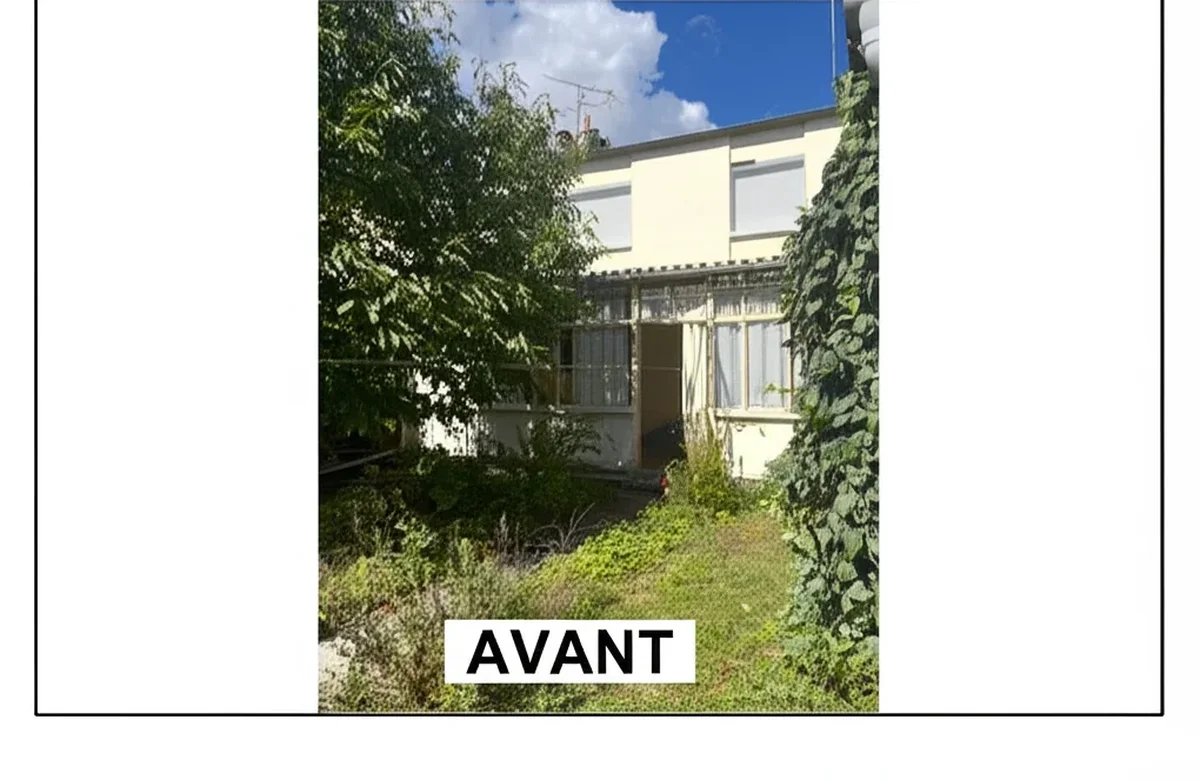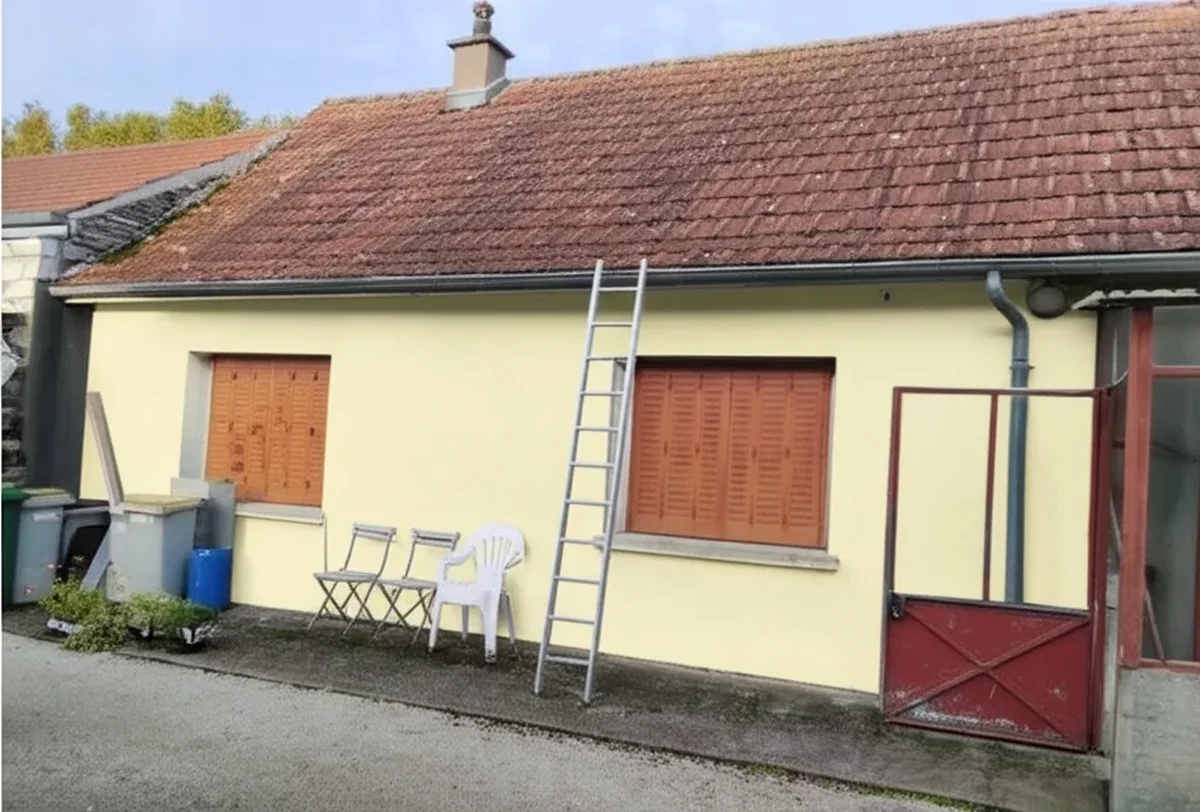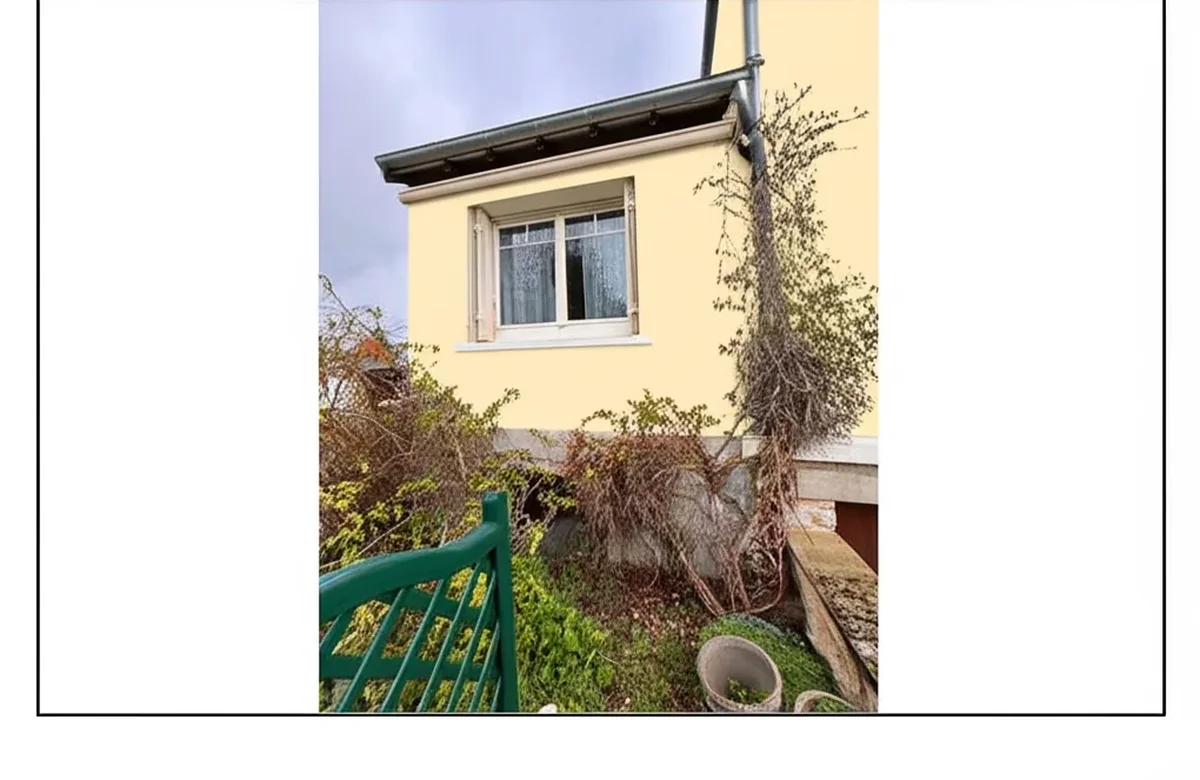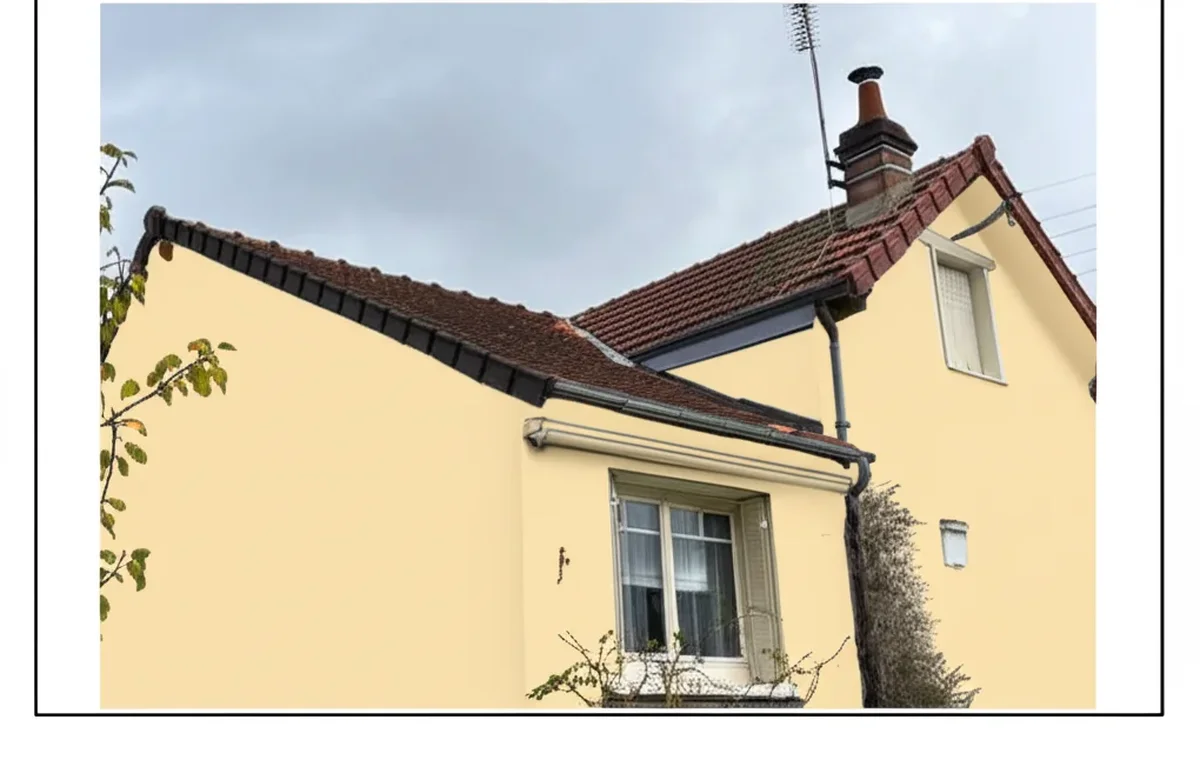
Try it on your house

Picking the right exterior caulk is one of the most undervalued prep decisions on a repaint. This guide breaks the best caulk exterior market into 4 chemistries, ranks the top 2026 products, and tells you exactly when each one is required.
The 4 Exterior Caulk Categories Explained
Every exterior caulk types conversation collapses down to four chemistries. Each one solves a different joint problem, and using the wrong category will either fail the paint film, fail the seal, or both. Here is the practical breakdown professional painters use when speccing a job.
| Category | Best For | Top Product 2026 | Price/tube |
|---|---|---|---|
| Acrylic latex (paintable) | Interior trim, low-movement joints | DAP Alex Plus | $5 to $7 |
| Siliconized acrylic | Exterior universal trim, siding gaps | Sashco Big Stretch / DAP Dynaflex 230 | $8 to $12 |
| Pure silicone (non-paintable) | Tubs, glass, kitchen, never paint over | GE Advanced Silicone 2 | $7 to $10 |
| Elastomeric / polyurethane | High-movement joints, control joints | OSI Quad Max / Sikaflex | $9 to $15 |
Try it on your house
No photo? Try a sample
1. Acrylic Latex Caulk (Paintable, Indoor Default)
Standard acrylic latex caulks like DAP Alex Plus are the cheap, easy default for interior trim and low-movement joints. They tool smooth with a wet finger, dry in 30 minutes, accept paint in 2 hours, and clean up with water. The tradeoff is flexibility: most acrylic latex caulks only handle 12 to 25% joint movement before they crack, which is why they are a poor choice for high-movement exterior joints.
2. Siliconized Acrylic Caulk (Exterior Universal)
Siliconized acrylic caulks (sometimes labeled acrylic latex plus silicone, or elastomeric acrylic) are the workhorse for general exterior repaint work. Products like Sashco Big Stretch and DAP Dynaflex 230 stretch 200 to 500% without cracking, bond to wood, fiber cement, masonry, vinyl, and aluminum, and are paintable in 1 to 2 hours. This is the category most painters reach for on exterior trim, window perimeters, and siding seams.
3. Pure Silicone Caulk (Never Paintable)
Pure silicone caulks like GE Advanced Silicone 2 deliver the best seal performance for wet areas (kitchens, bathrooms, glass-to-frame, tubs, sinks) but they reject paint. Paint applied over pure silicone will bead up, fish-eye, or peel within weeks. If you can paint over it, it is not pure silicone. Reserve this category for joints that will stay bare or sit out of view.
4. Elastomeric and Polyurethane Caulk (High Movement)
Polyurethane and hybrid elastomeric caulks like OSI Quad Max and Sikaflex 1A handle the toughest exterior joints: stucco control joints, concrete-to-wood interfaces, expansion gaps, deck-to-house junctions, and any joint that opens and closes more than 25% across the year. They cure slower (24 to 48 hours), cost more ($9 to $15), and require careful tooling, but they outlast standard caulks by 3x to 5x in high-movement applications.
When Each Caulk Category Is Required
The fastest way to spec the right exterior caulk is to match it to the joint condition, not the brand on the topcoat. Here is the decision tree professional painters use on the bid walk.
| Joint / Location | Required Caulk | Skip Risk |
|---|---|---|
| Window and door trim perimeters (wood) | Siliconized acrylic (Big Stretch) | Crack at first freeze-thaw |
| Fiber cement vertical butt joints | Siliconized acrylic or polyurethane | Water intrusion within 2 years |
| Stucco control joints | Polyurethane (OSI Quad Max) | Crack telegraph through stucco |
| Concrete-to-wood (deck ledger) | Polyurethane (Sikaflex 1A) | Rot in 3 to 5 years |
| Brick-to-window flashing | Polyurethane or hybrid | Sash leak, sill rot |
| Bathtub, sink, shower (interior) | Pure silicone (GE Silicone 2) | Mildew, water damage |
| Interior baseboard and crown | Acrylic latex (DAP Alex Plus) | Cheap fix, easy redo |
| Hairline crack in stucco or brick | Elastomeric patching caulk | Crack reopens in 12 months |
The recurring theme: the more a joint moves with temperature and humidity, the more flexible the caulk needs to be. A static interior baseboard joint can run cheap acrylic latex. A south-facing stucco control joint absolutely cannot. See our how to choose exterior paint finish guide for the matching topcoat sheen logic, and the exterior primer types guide for the prep step that precedes caulking.
Top Exterior Caulks Ranked for 2026
Below are the products that earned their place in the 2026 spec sheet.
1. Sashco Big Stretch (Best Overall Exterior, Paintable)
The most versatile siliconized acrylic caulk on the shelf. Waterborne hybrid that stretches up to 500%, bonds to wood, fiber cement, masonry, vinyl, and aluminum, and paints in 1 to 2 hours. Soap-and-water cleanup, 50 year warranty on label, and reliably available at Lowe's, Ace, and most independents. Our default for window trim, siding seams, and corner boards unless a joint demands polyurethane.
2. OSI Quad Max (Best for High-Movement Joints)
Hybrid polymer sealant from OSI. Paintable in 1 to 3 hours, stretches up to 800%, and bonds to nearly every exterior substrate including damp concrete and PVC. The Quad Max color-matching system also pre-tints to common siding colors (white, almond, brown, gray), which lets you skip caulk painting on tight schedules. Stucco control joints, deck ledgers, and Hardie Plank butt joints are its sweet spot.
3. DAP Alex Plus (Best Budget Paintable)
DAP Alex Plus is the most reliable low-cost paintable caulk for interior trim and low-movement exterior joints. Acrylic latex plus silicone, paintable in 30 minutes, tools cleanly, and available everywhere for $5 to $7 a tube. Not the right call for high-movement exterior joints, but a perfect fit for interior baseboard, crown, and minor exterior touch-ups before paint.
4. GE Advanced Silicone 2 (Best for Wet Areas, Non-Paintable)
GE Advanced Silicone 2 is the gold standard for kitchens, bathrooms, and any joint that lives wet. 100% silicone, mildew resistant for 10 years, bonds to tile, glass, porcelain, fiberglass, and metal. Never paint over it. If you need a paintable joint near water, switch to a siliconized acrylic instead.
5. DAP Dynaflex 230 (Best Premium Exterior Acrylic)
DAP's premium siliconized acrylic, often labeled DAP Dynaflex 230 Premium Indoor/Outdoor Sealant. Stretches up to 500%, paintable in 1 hour, and excellent UV resistance. A reliable Big Stretch alternative when Sashco is out of stock locally. Pair with high-grade exterior acrylic topcoats for a 12 to 15 year service life on trim joints.
6. Sikaflex 1A (Best Polyurethane)
Sikaflex 1A is the polyurethane sealant of choice for concrete-to-wood transitions, deck ledgers, masonry expansion joints, and high-movement structural joints. Paintable in 24 to 48 hours, bonds to almost every substrate, and outlasts standard caulks by 3x in demanding applications. Mineral spirits cleanup and a 24 hour skin time make it a slower install, but the durability payoff is real.
Cost Math: How Many Tubes You Actually Need
Most exterior caulk types cost $5 to $15 per 10.1 oz tube, and one tube lays roughly 55 to 80 linear feet of 3/8 inch bead. The label number assumes a clean V-tooled joint at the recommended bead size. If you are filling oversized gaps with backer rod, plan slightly more tubes.
| House Size | Tubes (Light Caulking) | Tubes (Full Recaulk) | Caulk Cost (Big Stretch) |
|---|---|---|---|
| 1,200 sq ft (single story) | 4 to 6 tubes | 8 to 12 tubes | $32 to $108 |
| 1,800 sq ft (story and a half) | 6 to 9 tubes | 12 to 18 tubes | $48 to $162 |
| 2,400 sq ft (two story) | 9 to 12 tubes | 18 to 24 tubes | $72 to $216 |
| 3,000 sq ft (large two story) | 12 to 16 tubes | 24 to 32 tubes | $96 to $288 |
For full project budgeting including caulk plus primer plus two finish coats plus labor, see our DIY vs professional exterior painting cost analysis. DIYers comparing prep costs should also review the paint stripping cost exterior guide and the exterior pressure wash cost guide.
Application: Tooling, Bead Size, and Backer Rod
The application method matters as much as the caulk chemistry. A bead tooled to a smooth V profile lasts 3x longer than a sloppy round bead, because the V profile distributes joint movement evenly across the bonded surfaces. Most professional crews follow a four-step protocol on every exterior joint.
- Clean the joint. Wire brush old failed caulk, knock down dust, and let the substrate dry 48 hours after pressure washing.
- Backer rod oversized joints. Any joint deeper than 1/2 inch needs closed-cell polyethylene backer rod to prevent three-sided adhesion failure.
- Apply continuous bead. Cut the tube tip at 45 degrees at a size matching joint width. Apply slow, steady pressure with the gun angle set so caulk leads the nozzle.
- Tool within 5 minutes. Use a wet finger, foam tool, or plastic tooling spoon to press caulk into the joint and create a smooth concave profile flush with the surface.
Tube size matters too. Standard 10.1 oz cartridges fit any standard caulk gun and lay 50 to 80 linear feet per tube. 28 oz sausage tubes work in barrel guns and lay 150 to 220 linear feet, dropping per-foot cost roughly 30%. For a full house recaulk, sausage tubes pay for the barrel gun within the first 1,500 linear feet of bead.
Caulk Gun and Tooling: What You Actually Need
A $4 plastic ratchet gun will get you through one tube before your hand cramps. For any project longer than a couple windows, upgrade to a smooth-rod dripless gun ($15 to $25) like the Newborn Smooth Rod or Dripless ETS3000. The dripless mechanism stops the bead the moment you release the trigger, which is the single biggest factor in clean lap returns.
Tooling: a wet finger is free and works for most acrylic and siliconized acrylic caulks. For silicone and polyurethane, use a plastic tooling spoon kit (Cramer set, Allway 3-Piece) since these chemistries pick up your fingerprint and resist a wet finger. A roll of blue painter's tape lets you mask the joint, lay bead, tool, and pull tape before skin-over for laser-clean edges on highly visible joints. The same kit doubles for the brushwork covered in our paint brush types exterior painting guide.
Common Caulking Mistakes (and How to Avoid Them)
The four most common exterior caulk mistakes account for roughly 75% of premature-failure complaints we hear from homeowners. All four are avoidable.
- Using pure silicone where you need paint. Pure silicone rejects paint forever. If a joint needs to be painted, use siliconized acrylic, never pure silicone. The "100% silicone" label is the warning sign.
- Caulking over wet or dirty joints. Even surface-dry substrates can hold moisture in laps and behind trim. Wait 48 hours after rain or pressure washing before caulking.
- Skipping backer rod on oversized gaps. Any joint deeper than 1/2 inch needs backer rod. Three-sided adhesion (caulk sticking to both sides plus the back of the joint) tears the bead apart at the first temperature swing.
- Caulking too cold or too hot. Below 40 degrees F, most acrylic caulks will not cure properly. Above 100 degrees with direct sun, caulk skins over before you can tool it. Most products spec a 40 to 90 degree F application window.
The fifth common mistake, painting too soon, varies by chemistry. Siliconized acrylic caulks accept paint in 1 to 2 hours. Polyurethane and hybrid caulks need 24 to 48 hours of skin time. Painting over uncured caulk traps solvents and water inside the bead, which then bubble or wrinkle the topcoat film as the caulk continues to cure.
Head-to-Head Test: Sashco Big Stretch vs DAP Alex Plus on Window Trim
The test joint was a south-facing wood window frame on a Denver bungalow with a 3/8 inch perimeter gap, tooled identically on both halves and primed with the same Zinsser 1-2-3 substrate.
After 18 months of exposure (one full Front Range freeze-thaw cycle plus a summer), the Alex Plus half showed two hairline cracks at the window sill returns where the joint had moved widest. The Big Stretch half stayed continuous with zero visible cracking. Paint adhesion (crosshatch tape pull): both passed at 5B, but the Alex Plus side had loose paint flakes along the cracked sections. For exterior window trim with any meaningful joint movement, the Big Stretch premium ($5 per tube more) bought measurable durability. For static interior joints, Alex Plus remains the right call.
Related Exterior Painting Guides
Caulking sits inside a larger paint system decision. For the matching topcoat finish, see our how to choose exterior paint finish guide. For the prep step that precedes caulking, the exterior primer types guide and paint stripping cost exterior guide cover the substrate work that determines caulk adhesion.
Topcoat and tool guides go deeper: latex vs oil-based exterior paint comparison, paint brush types exterior painting, exterior pressure wash cost guide, and the DIY vs pro exterior painting cost breakdown. For sheen logic and color planning, the semi-gloss vs satin exterior paint sheen guide, siding repair vs replacement cost guide, and best exterior paint colors 2026 roundup pair naturally with this caulk guide. Family Handyman also publishes a useful caulking tips and techniques overview.
How to Caulk Exterior Trim (Step by Step)
Follow this protocol on every exterior caulking job for a 12 year minimum service life on the bead.
- Inspect and remove failed caulk. Score with a utility knife, pry out with a 5-in-1 tool, and wire brush the joint clean.
- Wash and dry. Pressure wash the joint area, then wait 48 hours for the substrate to dry fully before applying new caulk.
- Backer rod oversized gaps. Insert closed-cell polyethylene backer rod into any joint deeper than 1/2 inch to prevent three-sided adhesion.
- Cut nozzle and load gun. Cut at 45 degrees, hole size 1/8 to 1/4 inch depending on joint width. Pierce the inner seal with a wire.
- Apply continuous bead. Slow, steady pressure with the nozzle dragging the bead into the joint.
- Tool within 5 minutes. Wet finger or foam tool to press caulk into the joint and create a smooth concave profile.
- Cure and paint. Siliconized acrylic 1 to 2 hours, polyurethane 24 to 48 hours, before topcoat.
FAQ: Exterior Caulk Selection in 2026
What is the best exterior caulk for 2026?
Sashco Big Stretch is the best general-purpose exterior caulk for 2026 thanks to 500% elongation, 50 year warranty, and 1 to 2 hour paintability. For high-movement joints like stucco control gaps or concrete-to-wood, switch to OSI Quad Max or Sikaflex 1A polyurethane. For interior trim and low-movement joints, DAP Alex Plus delivers the best value at $5 to $7 per tube.
Can I paint over silicone caulk?
No. Pure 100% silicone caulks like GE Advanced Silicone 2 reject paint forever. Paint applied over pure silicone will bead up, fish-eye, or peel within weeks. If you need a paintable bead, use a siliconized acrylic (sometimes labeled acrylic latex plus silicone) instead. The product label must say "paintable" to be reliable under topcoat.
What is the difference between siliconized acrylic and pure silicone?
Siliconized acrylic caulks are acrylic latex sealants with a small percentage of silicone added for flexibility and water resistance. They are paintable and ideal for exterior trim. Pure silicone caulks are 100% silicone sealants that reject paint forever and are reserved for wet areas like tubs, sinks, and glass-to-frame joints.
How long does exterior caulk need to dry before painting?
Acrylic latex and siliconized acrylic caulks (DAP Alex Plus, Sashco Big Stretch, Dynaflex 230) accept paint in 1 to 2 hours at 70 degrees F. Polyurethane and hybrid sealants (OSI Quad Max, Sikaflex 1A) need 24 to 48 hours of skin time before topcoat. Painting over uncured caulk traps solvents and can bubble or wrinkle the topcoat film.
How much caulk do I need for my house?
A typical 1,800 sq ft single-family home needs 6 to 9 tubes for light caulking and 12 to 18 tubes for a full recaulk, at roughly 55 to 80 linear feet of 3/8 inch bead per 10.1 oz tube. Budget $48 to $162 in caulk for a Sashco Big Stretch full recaulk on a 1,800 sq ft house. Larger 2,400 to 3,000 sq ft houses scale to 18 to 32 tubes total.
What caulk should I use on fiber cement siding (Hardie Plank)?
Fiber cement siding (Hardie Plank, James Hardie, Allura) requires a paintable elastomeric or siliconized acrylic caulk rated for fiber cement substrates. Top choices for 2026 are Sashco Big Stretch and OSI Quad Max, both bond well to fiber cement and stretch enough to handle butt joint movement. Avoid cheap acrylic latex caulks on fiber cement vertical butts; they crack at the first freeze-thaw cycle.
Is OSI Quad Max paintable?
Yes, OSI Quad Max is paintable within 1 to 3 hours of application with most exterior acrylic topcoats. It is a hybrid polymer sealant that stretches up to 800% and bonds to nearly every exterior substrate including damp concrete, fiber cement, vinyl, aluminum, and PVC. The Quad Max color-matching system also pre-tints to common siding colors so many users skip caulk painting entirely.
What temperature can I apply exterior caulk?
Most acrylic and siliconized acrylic caulks spec a 40 to 90 degree F application window. Below 40 degrees F, the caulk will not cure properly and bond strength is compromised. Above 100 degrees with direct sun, caulk skins over before you can tool it cleanly. Polyurethane caulks like Sikaflex 1A tolerate a wider 20 to 100 degree F range, which is why they are preferred for cold-weather repairs.
Before you buy caulk and paint, upload a photo of your house to FacadeColorizer and preview any Sherwin-Williams, Benjamin Moore, or Behr topcoat color on your actual siding in seconds. Confirm the look before you spend $300 to $700 on caulk, primer, and paint, and walk into your paint store with a printout instead of guessing from a 2 inch swatch.
Frequently asked questions
What is the best exterior caulk for 2026?
Can I paint over silicone caulk?
What is the difference between siliconized acrylic and pure silicone?
How long does exterior caulk need to dry before painting?
How much caulk do I need for my house?
What caulk should I use on fiber cement siding (Hardie Plank)?
Is OSI Quad Max paintable?
What temperature can I apply exterior caulk?
Trademarks mentioned (Sherwin-Williams, Benjamin Moore, Behr, Caparol, Brillux, Sto, Alpina, Valspar, PPG, Glidden, Dulux, Crown Trade, Sandtex, Farrow & Ball, Johnstone's, Leyland) are property of their respective owners. FacadeColorizer is independent and not affiliated with any of them. Nominative fair use under Lanham Act §1125.