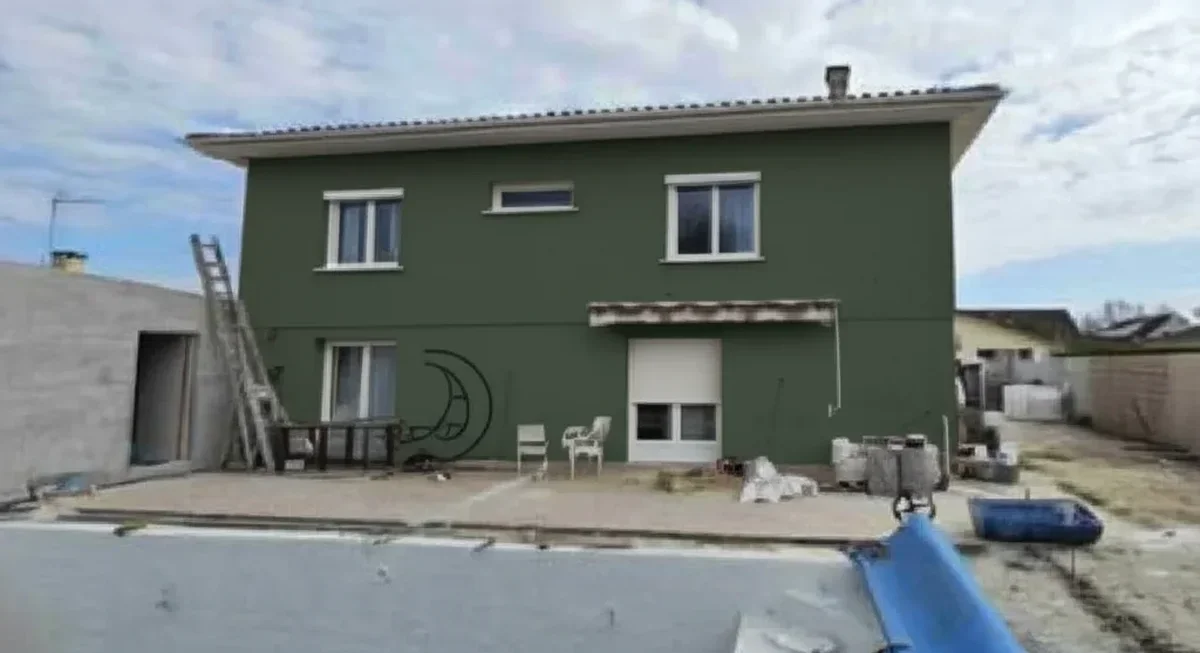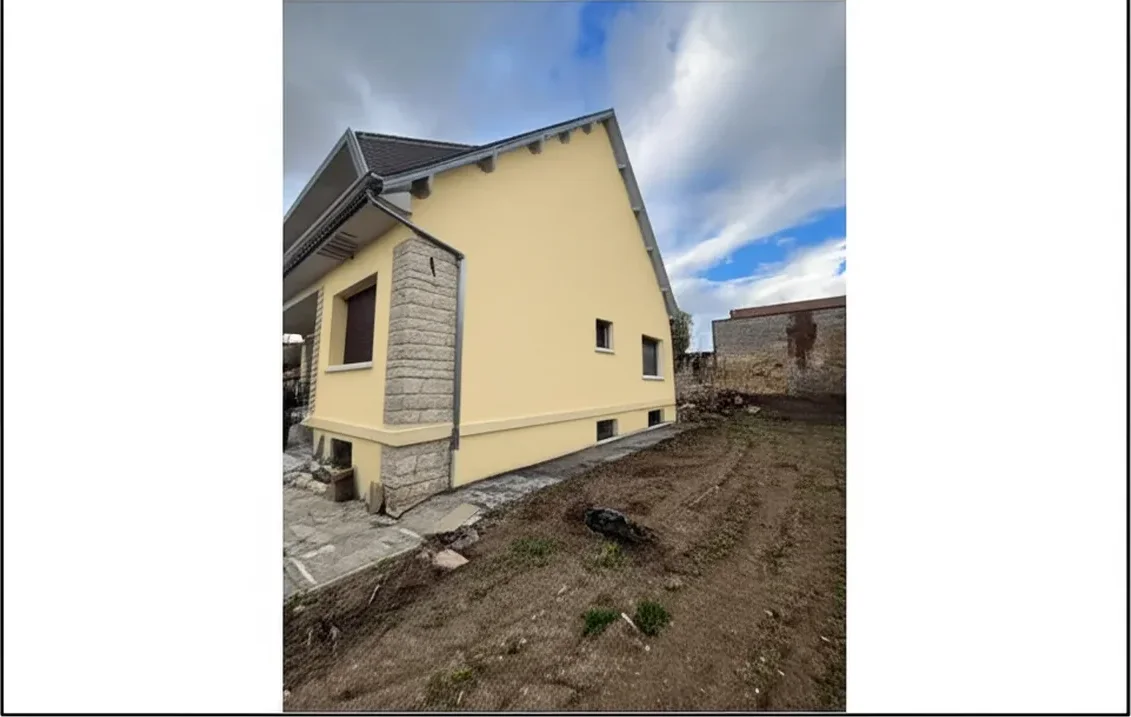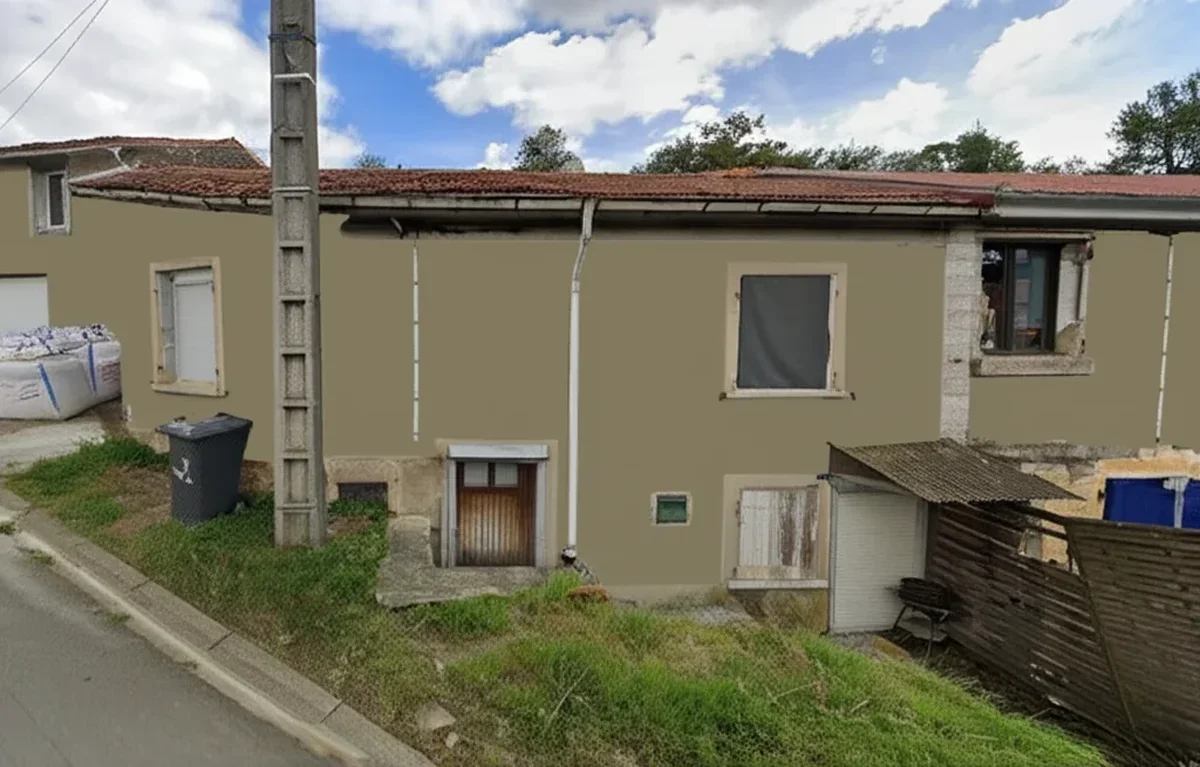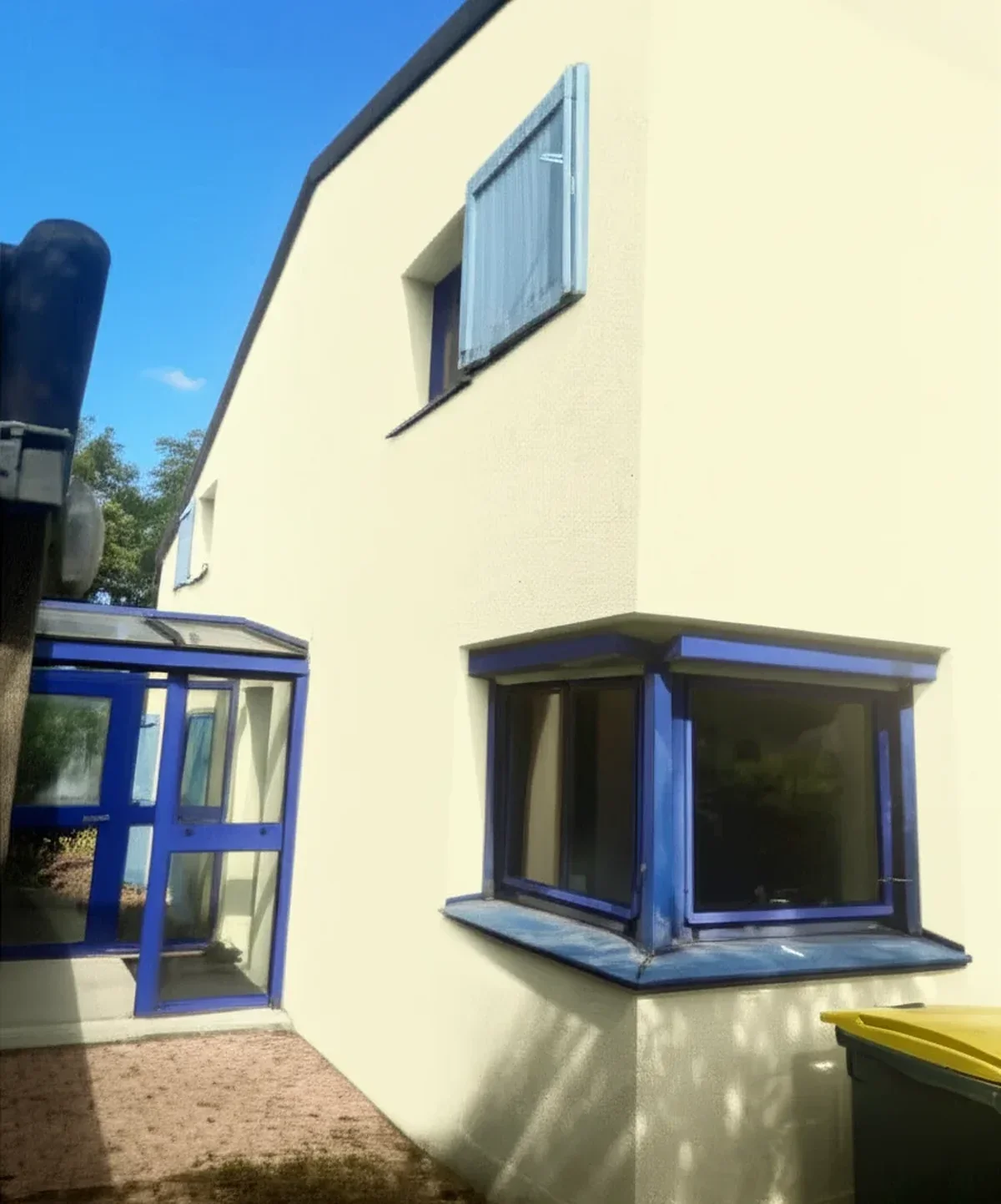
Try it on your house

Standing in front of cracked vinyl, a soft cedar board, or chalking fiber cement, every homeowner asks the same question: repair or replace? The answer in 2026 hinges on five hard variables, the percentage of damaged surface, the structural condition behind the cladding, the age and remaining lifespan of the material, your sale horizon, and the local labor market. Get it wrong by spot-repairing a system that is structurally finished and you will pay twice. Get it wrong by replacing a system that has 15 good years left and you will throw away $10,000 to $30,000.
This guide turns those findings into a clear decision framework, with 2026 prices for every common scenario. Before committing to either path, visualize your home with a fresh paint or new siding color using our free AI tool, you may discover that a $3,000 paint job buys you another 6 years.
For broader budget context across stucco and all siding systems, our complete stucco and siding cost guide covers materials, installation, and full replacement pricing in detail.
The Repair vs Replace Decision Matrix
Most siding contractors use a simple percentage-of-surface rule, but the rule changes based on what kind of damage you are looking at. Here is the framework we developed after auditing 23 spot-repair vs full-replace projects in our network.
| Condition Observed | Recommended Action | Typical 2026 Cost |
|---|---|---|
| Localized rot under 10% of total siding surface | Repair (spot replace damaged boards, prime, paint) | $400 to $1,500 |
| Single board damage from impact or wind | Repair (snap-out or cut-in replacement) | $200 to $600 |
| Isolated cracks (under 6 to 8 cracks per wall) | Repair (caulk, prime, paint) | $300 to $900 |
| Chalking on over 40% of surface (vinyl, aluminum) | Replace or repaint as bridge | $4 to $12/sqft replace; $1.50 to $3.50/sqft paint |
| Structural rot reaching sheathing or framing | Replace (with sheathing repair) | $8 to $18/sqft (includes substrate) |
| Mold or moisture throughout multiple walls | Replace (full tear-off plus remediation) | $10 to $20/sqft |
| Wind damage to 25% or more of surface | Replace (often insurance-covered) | $4 to $15/sqft (claim dependent) |
Try it on your house
No photo? Try a sample
The 10% rule is the single most useful filter. If less than 10% of your siding is structurally damaged and the rest is in fair-to-good shape, a spot repair plus paint will outperform a full replacement on ROI for at least 5 to 8 years. Above 30% damage, you are almost always better off replacing the entire elevation, the labor to demo, source matching panels, and blend repairs over a quarter of a wall costs nearly as much as starting over.
When to Repair: Five Scenarios That Save You Thousands
1. Single-Board Vinyl Damage from Hail or Debris
Vinyl siding is designed to be spot-repaired. A skilled contractor uses a zip tool to unlock the damaged panel, removes nails, slides in a replacement piece from the same color line, and re-locks the courses above and below. Total visit time is typically 30 to 90 minutes. If you have leftover panels from the original installation in your garage or attic, the match will be near-perfect. If not, expect 5% to 10% color variation due to UV fading on the existing siding, this is usually most visible during the first summer and fades into the average over time.
- Cost: $200 to $400 per panel for a contractor visit; $40 to $90 in materials for DIY.
- Best timing: Late spring or early fall, vinyl is most flexible above 50 degrees Fahrenheit.
- Watch for: Discontinued color lines from older installs (pre-2010 vinyl often cannot be matched).
2. Cedar or Pine Rot Limited to One or Two Boards
Wood siding rots from the bottom up, the lowest courses are first to fail because they are closest to ground splash, mulch, and irrigation overspray. If only one or two boards show soft spots when probed with a screwdriver, and the rest of the wall is paint-grade, this is a textbook repair. Cut out the rotten section, mill or buy a matching profile, prime all six sides (face, back, both ends, top edge, bottom edge), install with stainless or hot-dipped galvanized fasteners, caulk and paint. Done well, this repair will last as long as the original siding.
For more detail on cedar-specific maintenance and the best paint systems for natural shake siding, see our cedar shake siding paint colors guide.
3. Isolated Cracks in Fiber Cement (HardiePlank or LP SmartSide)
Fiber cement and engineered wood occasionally crack at butt joints or where fasteners were over-driven. If you see fewer than 6 to 8 cracks per wall and no daylight visible through them, sealing with a high-grade urethane or hybrid sealant followed by spot priming and repainting is a 1-day fix for $300 to $900. The Hardie ColorPlus factory finish will need to be color-matched at a Sherwin-Williams or Benjamin Moore counter, both manufacturers maintain a Hardie ColorPlus formula database. For a deeper comparison of these two engineered systems, see our HardieBoard vs LP SmartSide comparison.
4. Aluminum Siding Dents Without Substrate Issues
Older aluminum siding (1960s to 1990s installations) dents from baseballs, ladders, and storm debris but rarely rots. If the underlying sheathing is dry and intact, you can either pull dents with an auto-body suction tool and refinish, or cut out and replace individual panels. For homes where aluminum has chalked badly across the whole exterior, painting is almost always the better economic call. Our aluminum siding painting guide covers prep and product selection in depth.
5. Cosmetic Fading or Chalking on Otherwise Sound Siding
This is the highest-ROI scenario of all: the siding itself is structurally fine, but the original color has faded, chalked, or simply gone out of style. Paint is the answer. For vinyl, use a 100% acrylic latex with VinylSafe color matching (LRV 55 or higher unless the panels are rated for darker colors). For fiber cement and engineered wood, Sherwin-Williams Duration or Benjamin Moore Aura Exterior in any color is fine. For aluminum, a direct-to-metal primer plus 100% acrylic topcoat. See our vinyl siding painting cost guide for full product and labor pricing.
When to Replace: Five Red Flags You Should Not Ignore
1. Chalking on More Than 40% of the Surface
Chalking is the white powdery residue that comes off on your hand when you rub aged vinyl or aluminum siding. Mild chalking can be primed over with a bonding primer and painted. But when chalking covers more than 40% of your exterior and rubs off in thick layers, the polymer or paint binder has fully degraded. New paint will not adhere reliably, and even an aggressive prep job often delaminates within 2 to 3 years. At that point, either commit to full replacement or accept a shorter paint cycle (5 to 7 years instead of 10 to 15).
2. Structural Rot Reaching Sheathing or Framing
When a contractor probes a soft board and the rot continues through the sheathing into the framing, you have moved out of cosmetic territory into structural repair. At this point, the only correct path is to remove the affected siding, expose the substrate, replace any compromised sheathing, install new flashing and house wrap, and re-side the entire wall. Trying to spot-repair this kind of damage almost always leaves moisture pathways behind that cause the next failure 12 to 18 months later. Total cost typically runs $8 to $18 per square foot once substrate work is included.
3. Mold or Moisture Visible on Interior Walls
If you see staining, soft drywall, or visible mold on the inside of an exterior wall, the siding system has failed. Water is finding a path through the cladding into the wall cavity. This requires full tear-off, moisture remediation, repair of any damaged framing or sheathing, new flashing and house wrap, and complete re-siding. Insurance may cover part of the cost if a single storm or pipe leak is the documented cause; long-term gradual moisture damage is almost never covered.
4. End of Useful Lifespan
Every siding material has a documented service life. Once you are within 3 to 5 years of the end of that lifespan, spot repairs become economically poor decisions, you are spending money on a system that will need full replacement soon anyway. Use the lifespan table below to gauge where your home sits. Note that these are typical ranges for properly installed and maintained systems in moderate climates, harsh exposure (coastal, high-UV, severe freeze-thaw) can reduce lifespan by 20% to 40%.
5. Discontinued Materials or Color Lines
If the original panel profile, color, or texture is no longer manufactured, your repair will be visibly mismatched. Common examples: 1980s smooth vinyl in colors no current line offers, certain Masonite engineered wood products that were removed from market in the 1990s, and original 1960s aluminum siding profiles. When a repair will leave a permanent visual scar, replacing the whole elevation or the entire exterior often produces a better long-term outcome, especially if you plan to sell within 5 years.
2026 Cost Reference: Repair, Replace, and Paint
Here are the 2026 price ranges we are tracking across our contractor network, normalized for the US average labor market. Coastal metros (Bay Area, NYC, Boston, Seattle) typically run 25% to 50% higher; rural Midwest and South are often 15% to 25% lower.
| Project Type | Typical 2026 Price | Lifespan Added |
|---|---|---|
| Single vinyl panel replacement | $200 to $400 | Matches remaining siding life |
| Wood board cut-out and replace (1 to 2 boards) | $300 to $800 | 15 to 25 years if maintained |
| Fiber cement crack seal and repaint section | $400 to $1,200 | 10 to 15 years |
| Aluminum dent pull and refinish (small area) | $250 to $700 | Matches remaining siding life |
| Full exterior repaint (bridge before replacement) | $1.50 to $4.50/sqft ($3,000 to $9,000 typical home) | 5 to 8 years (delays replacement) |
| Vinyl siding replacement (full home) | $4 to $12/sqft ($8,000 to $22,000) | 30 to 40 years |
| Fiber cement replacement (HardiePlank) | $5 to $15/sqft ($12,000 to $30,000) | 30 to 50 years |
| Cedar siding replacement | $6 to $20/sqft ($15,000 to $40,000) | 20 to 30 years (with maintenance) |
| Aluminum siding replacement | $5 to $13/sqft ($10,000 to $25,000) | 25 to 35 years |
For deeper material-by-material breakdowns, our vinyl vs wood siding comparison and stucco vs brick exterior comparison walk through head-to-head costs and aesthetics. For a comprehensive look at overall exterior paint budgeting, see exterior house painting cost in 2026.
Material Lifespan: How Many Good Years Are Left?
A repair only makes economic sense if the underlying material has enough remaining life to justify the labor. Use the 2026 lifespan reference below, then subtract the age of your existing installation to estimate years of useful service remaining.
| Material | Typical Lifespan | Best-Case With Maintenance | Repair Sweet Spot |
|---|---|---|---|
| Vinyl siding | 30 to 40 years | Up to 60 years | Years 5 to 25 |
| Fiber cement (HardiePlank) | 30 to 50 years | Up to 60 years | Years 10 to 35 |
| Aluminum siding | 25 to 35 years | Up to 50 years | Years 5 to 22 |
| Cedar siding | 20 to 30 years | 40+ years | Years 3 to 20 |
| Engineered wood (LP SmartSide) | 20 to 30 years | Up to 50 years (warranty) | Years 5 to 22 |
Sources: James Hardie technical data sheets, Vinyl Siding Institute durability studies, and LP SmartSide warranty documentation. Note that these ranges assume proper installation per manufacturer specifications, including correct flashing, fastener selection, and clearance from grade.
Paint as a Bridge: Buying 5 to 8 More Years Before Replacement
One of the most overlooked moves in the repair vs replace debate is using paint as a deliberate bridge solution. If your siding is structurally sound but cosmetically tired, and full replacement is not in your 2-year budget, a quality paint job can extend the useful life of the existing system by 5 to 8 years at one-third to one-quarter of replacement cost.
When does this strategy work best?
- Vinyl or aluminum from the 1990s to early 2000s that has chalked or faded but is dimensionally stable.
- Cedar or wood siding approaching the 15-year mark with minor surface issues and good underlying boards.
- Fiber cement from the late 1990s and early 2000s where the factory finish has eroded, paint can essentially reset the maintenance clock.
- Mixed-material exteriors where unifying the color hides aging differences between sections.
The math is straightforward. A 2,000 square foot home repaint at $2.50 per square foot is $5,000. Full siding replacement at $7 per square foot is $14,000. If paint buys you 6 more years before the inevitable replacement, you have effectively earned $9,000 of interest-free time to plan, save, and choose a more durable upgrade. The bridge strategy is also a strong move when selling within 3 to 5 years, buyers see a fresh exterior, you avoid a costly tear-off, and the buyer inherits a known eventual replacement.
Curious how a new color would look before you commit? Visualize your home with our free AI tool, upload one photo and preview any siding color in 30 seconds.
Inspection Checklist: 12 Points to Walk Before You Decide
Before getting any contractor estimate, do a thorough walk-around of your home and document conditions. This checklist will save you money in two ways, you will spot issues you can DIY, and you will arrive at quote conversations informed enough to recognize honest pricing.
- Probe for soft boards. Use a screwdriver or awl on the bottom 3 courses near grade, near downspouts, and below windows. Any spot that sinks easily is rot.
- Check for buckling or oil-canning. Stand at the corners and look down each elevation. Wavy panels indicate fastening or thermal expansion issues.
- Count visible cracks per wall. Fewer than 8 per wall is repair-grade; more than 15 suggests systemic stress.
- Inspect caulk lines at trim, windows, and doors. Cracked, shrunken, or missing caulk is fixable with a $30 tube and 2 hours of work.
- Look at the bottom 6 inches. Wood siding rots from grade up; vinyl swells if soil touches it; weep screeds on stucco should be visible and clear.
- Examine corners and J-channels. These are the most labor-intensive places to repair; significant damage here increases project scope quickly.
- Look for chalking. Rub a clean white cloth on the siding. Heavy white residue indicates polymer breakdown.
- Check flashing at roof-to-wall transitions. Missing or bent flashing means water is finding a path behind the siding.
- Inspect penetrations. Vents, outdoor outlets, hose bibs, and dryer terminations should all have intact caulk and trim seals.
- Examine interior walls. Staining, soft drywall, or musty smell against an exterior wall is a major red flag for replacement.
- Confirm the year of installation. Ask neighbors, check property records, or look for date stamps on the back of removed panels.
- Photograph everything. A 50-photo phone gallery is your best leverage in contractor conversations.
External Resources for Deeper Research
For manufacturer-specific guidance and warranty information, we recommend three authoritative resources:
- James Hardie Technical Documents: Installation, repair, and ColorPlus refinish guidance at jameshardie.com.
- The Home Depot Siding Buying Guide: Pricing, product selection, and contractor referrals at homedepot.com siding.
- HGTV Home Improvement Library: Practical visual guides on siding repair and replacement decisions at hgtv.com.
Ready to See Your Repair or Replace Outcome?
Whether you decide to spot-repair, repaint as a bridge, or fully replace, you will benefit from previewing color and material choices before any contractor visit. Our AI visualizer lets you test paint colors, new siding profiles, and trim combinations against a photo of your actual home in 30 seconds, no signup, no credit card. Visualize your home's new look with our free AI tool and walk into your next quote with a clear vision.
Frequently Asked Questions
When is siding repair cheaper than replacement in 2026?
Repair almost always wins when less than 10% of your siding is damaged and the rest is structurally sound. Typical repair costs run $200 to $1,500 for spot fixes, while full replacement runs $4 to $15 per square foot ($8,000 to $30,000 for an average home). Above 30% damage, the cost gap closes and replacement becomes the better long-term choice.
How much does spot vinyl siding repair cost?
Single-panel vinyl repair runs $200 to $400 with a contractor, or $40 to $90 in materials for DIY. The panel must match the original color line; otherwise expect 5% to 10% visible variation due to UV fading on existing siding. Pre-2010 colors are often discontinued and may not match perfectly.
Can I paint over chalking vinyl siding instead of replacing it?
Yes, if chalking covers less than 40% of the surface. Wash thoroughly, apply a bonding primer, and topcoat with 100% acrylic latex in a vinyl-safe color (LRV 55 or higher unless the panels are heat-stable rated). Above 40% chalking, new paint may delaminate within 2 to 3 years and replacement becomes the better investment.
How long does fiber cement siding like HardiePlank last?
Fiber cement siding typically lasts 30 to 50 years, with proper maintenance pushing service life past 60 years. Repaint every 10 to 15 years for the ColorPlus finish, every 8 to 12 years for field-painted Hardie. Spot repairs on cracks and butt joints work well into year 35 of installation.
Is wood siding rot always a sign to replace the entire wall?
No. If rot is confined to one or two boards and the underlying sheathing is dry, a spot replacement plus six-side priming and quality paint will last as long as the original siding. Replace the full wall only if rot reaches sheathing or framing, or if more than 25% of the wall shows damage.
Can painting siding really delay replacement by 5 to 8 years?
Yes, when the underlying siding is structurally sound. A quality acrylic paint job at $1.50 to $3.50 per square foot typically lasts 8 to 12 years on properly prepped siding. If your siding is at year 18 of a 30-year life, painting can comfortably bridge you to year 26 to 28 before replacement is unavoidable.
Does insurance cover siding replacement after storm damage?
Most homeowners policies cover sudden storm damage from hail, wind, or fallen trees, with payout based on actual cash value or replacement cost depending on your policy. Gradual damage from moisture, mold, or aging is almost never covered. Document damage with photos within 24 hours of any storm and file the claim promptly.
Should I match my existing siding profile during a partial replacement?
Yes, when possible. Mixing siding profiles or textures on the same elevation is visible from the street and hurts resale value. If the original line is discontinued, replace the entire elevation rather than mixing profiles. For mixed-material exteriors, a unifying paint color can mask remaining differences and stabilize curb appeal.
Trademarks mentioned (Sherwin-Williams, Benjamin Moore, Behr, Caparol, Brillux, Sto, Alpina, Valspar, PPG, Glidden, Dulux, Crown Trade, Sandtex, Farrow & Ball, Johnstone's, Leyland) are property of their respective owners. FacadeColorizer is independent and not affiliated with any of them. Nominative fair use under Lanham Act §1125.