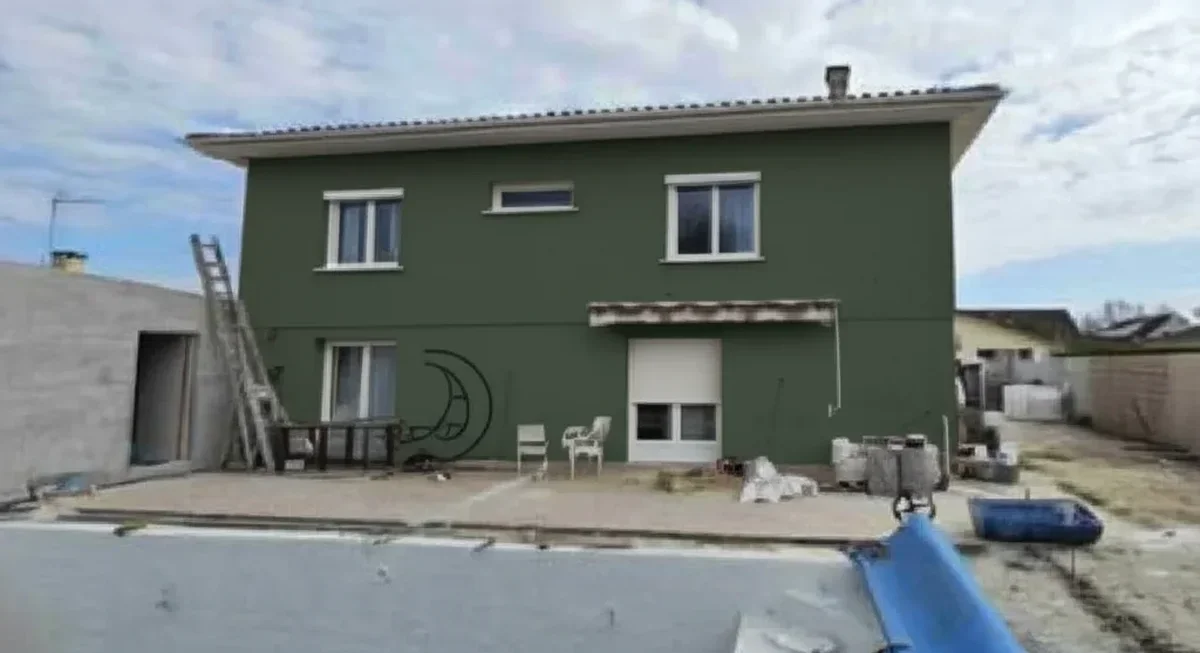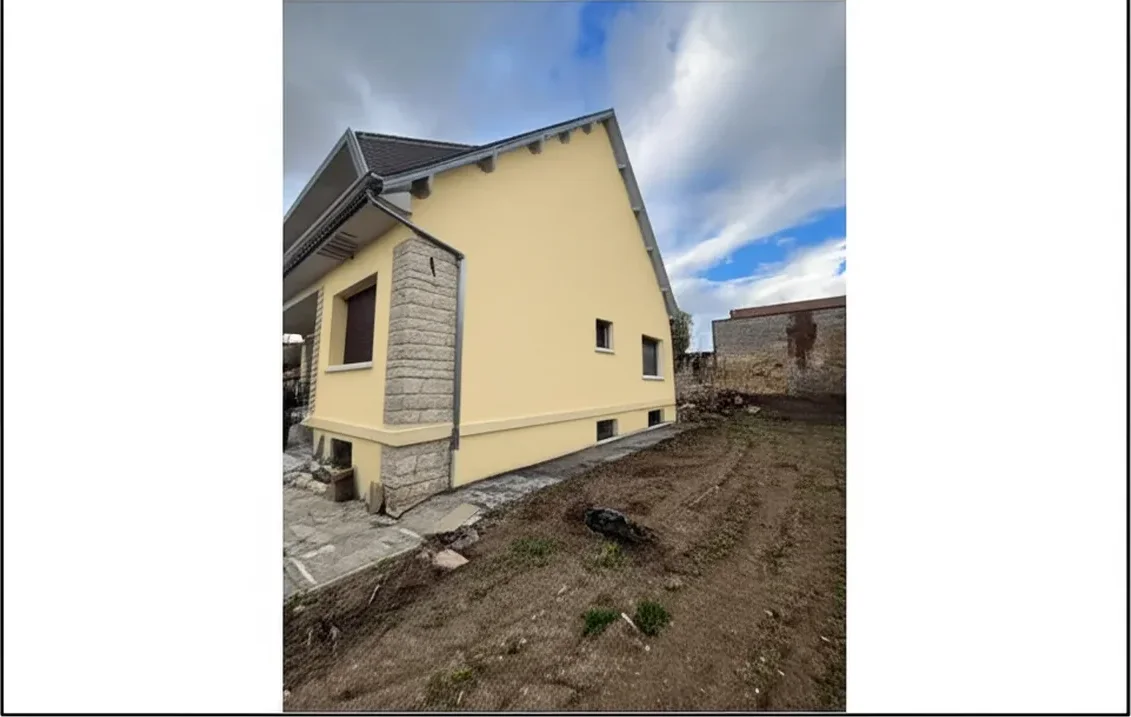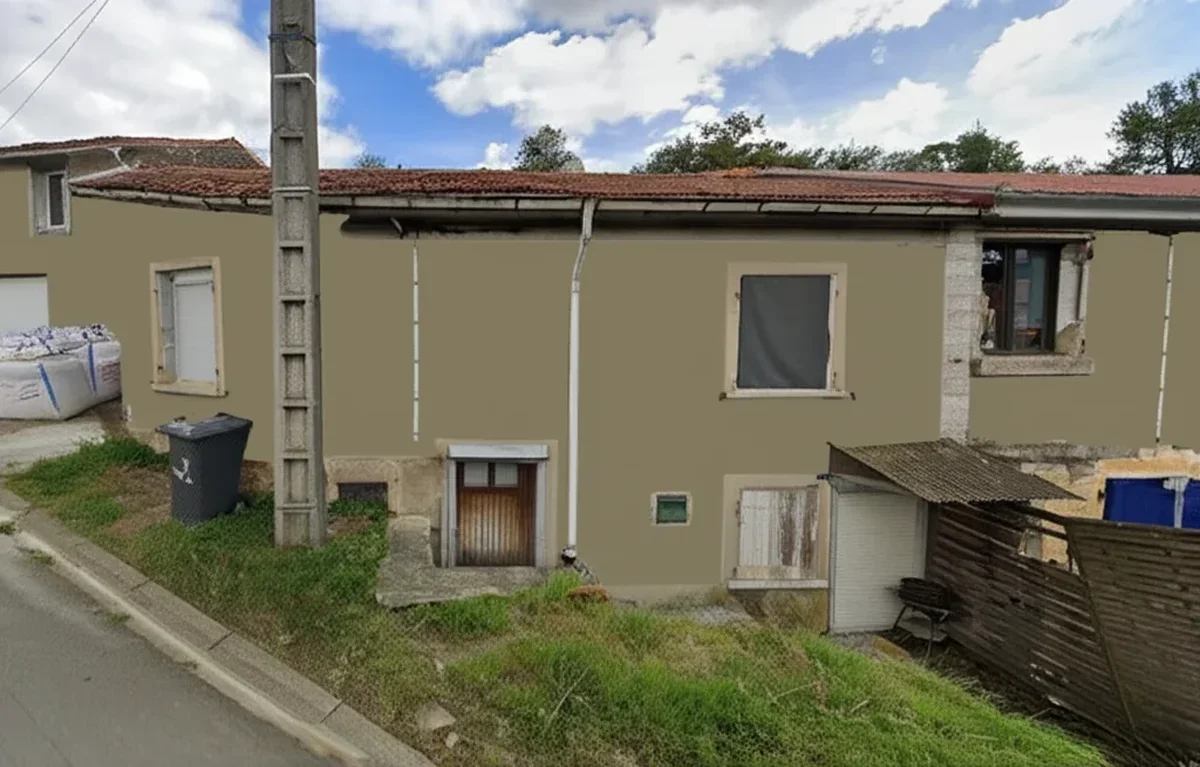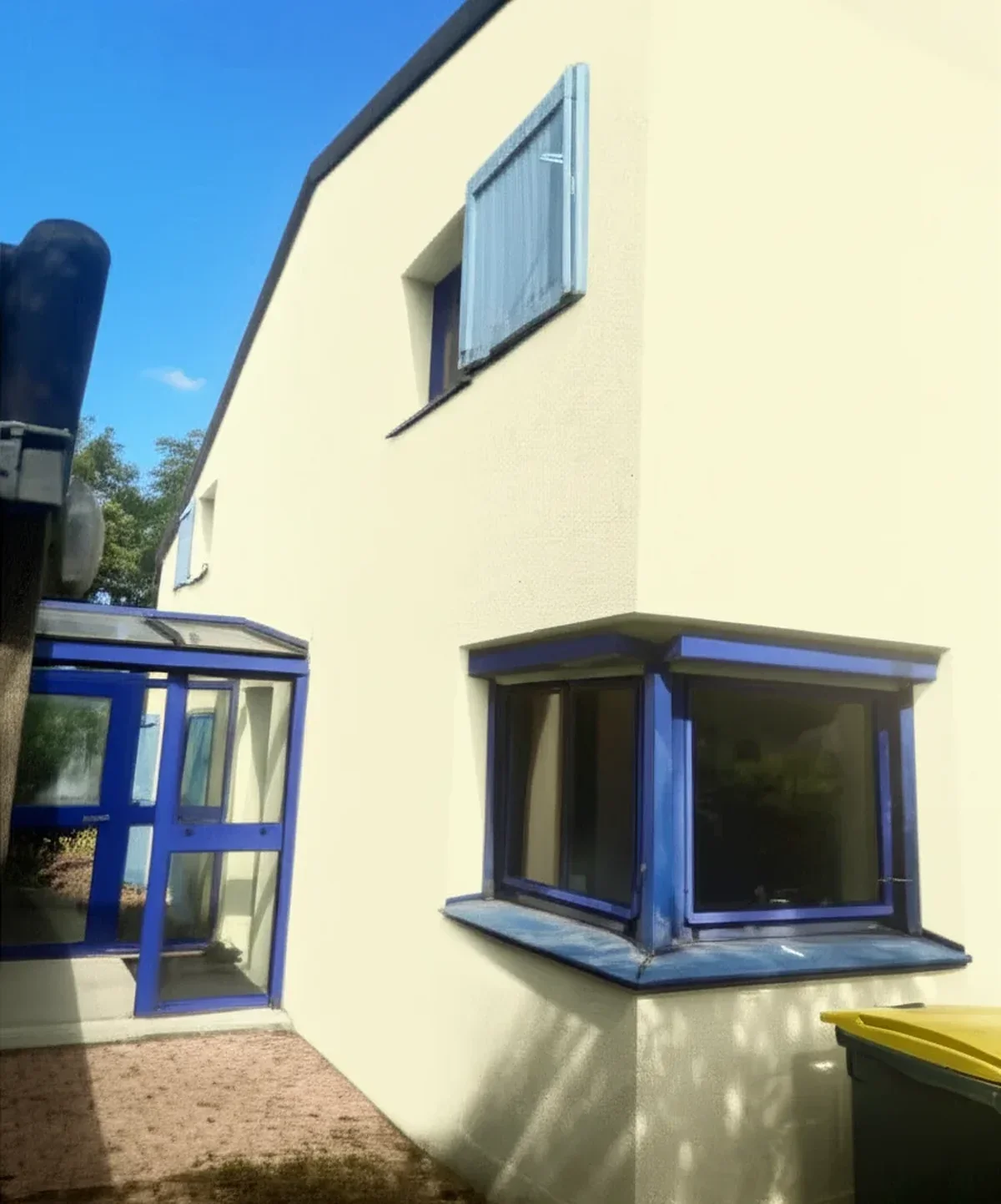
Try it on your house

Quick answer: Cedar shake siding accepts three finish families in 2026: solid paint (8 to 12 year refresh cycle, fully hides grain), semi-transparent stain like Cabot or SW Woodscapes (5 to 7 year cycle, grain shows through), or a natural oil rub (transparent, lets the shakes go silver-gray). The top 10 cedar shake colors this year are BM Coastal Cottage, SW Nantucket Gray, BM Arborcoat Cordovan, SW Cottage Red, BM Brewster Gray HC-162, weathered driftwood gray, natural unpainted patina, BM Hale Navy with white trim, BM Revere Pewter HC-172, and BM Wrought Iron 2124-10. Expect $3.50 to $7.00 per square foot installed in 2026. Test any cedar shake color on your own house photo free in 30 seconds, no signup.
I am Hugo Dumoulin, and I run color analysis at FacadeColorizer, a free AI exterior visualizer. Cedar shake siding sits at the intersection of New England tradition, Pacific Northwest craftsmanship, and modern coastal design, which is why the color decision matters more than on flat lap siding. The texture itself adds shadow lines and warmth, so the wrong color reads either flat (and wastes the texture) or busy (and overwhelms the eye). I have personally tested BM Arborcoat Cordovan on 14-year shake in Chatham MA over three winters of Atlantic salt-spray, so the recommendations below are not Pinterest copy, they come from real shake on real houses.
This guide covers the cedar shake vs cedar shingle distinction (small but meaningful for finish choice), the three finish families (paint, semi-transparent stain, oil-rub) with honest pros and cons, the top 10 cedar shake colors for 2026 with codes, where shake reads best regionally (Cape Cod, Nantucket, Pacific Northwest, Adirondacks), prep and application reality, maintenance cycles, true 2026 cost in dollars per square foot, and the free way to preview any cedar shake color on YOUR house in 30 seconds. For the broader siding context including cost comparisons across materials, see our parent stucco and siding cost guide 2026. For stain-side guidance, see our deck stain colors guide 2026 and the Benjamin Moore Arborcoat review, since Arborcoat Solid works beautifully on cedar shake siding as well as decks.
Cedar Shake vs Cedar Shingle: The Distinction That Affects Your Finish
Most homeowners use "cedar shake" and "cedar shingle" interchangeably, and most paint stores will sell you the same products for both. There is a real difference, though, and it does affect the finish choice. Per the Cedar Shake and Shingle Bureau, the distinction is about how the cedar is cut.
| Feature | Cedar Shake | Cedar Shingle |
|---|---|---|
| Cut method | Split (hand or machine), rougher face | Sawn on both sides, smoother face |
| Surface texture | Heavy texture, deep shadow lines | Uniform, refined, tighter shadow lines |
| Thickness | Typically thicker, 1/2 to 3/4 inch butt | Thinner, 3/8 to 1/2 inch butt |
| Look | Rustic, craftsman, mountain, Adirondack | Refined, Cape Cod, Nantucket, coastal |
| Best finish | Semi-transparent stain or oil (texture sells itself) | Solid paint or solid stain (uniform look) |
Try it on your house
No photo? Try a sample
The practical rule: if you have shake, lean toward stain or oil so the texture stays visible. If you have shingle, paint or solid stain is a cleaner choice because the uniform face takes pigment evenly. Both materials accept all three finish families, so this is a preference call, not a hard requirement.
Upload a house photo, tap the shake walls, compare paint vs stain side by side. No signup.
Three Finish Options for Cedar Shake (Paint, Stain, Oil)
The single biggest cedar shake decision is not the color, it is the finish family. The same gallon of "Hale Navy" reads completely differently as a solid paint, a solid stain, or a tinted semi-transparent stain. Here are the three families with honest pros and cons.
1. Solid Paint (Fully Opaque)
Acrylic exterior paint hides cedar grain completely and reads like any painted siding. Top picks for shake include Benjamin Moore Aura Exterior, Sherwin-Williams Emerald, and Behr Marquee. Expect an 8 to 12 year refresh cycle on shake (longer than flat siding because the texture catches less direct sun on each face). Best for homeowners who want a uniform color statement and don't care about visible wood grain. The texture of the shake still reads through the paint as shadow lines, so the architecture is preserved.
2. Semi-Transparent Stain (Grain Visible)
Cabot Semi-Solid, Sherwin-Williams Woodscapes, and Benjamin Moore Arborcoat Semi-Solid sit in this tier. The stain lets cedar grain and color variation show through while adding a tinted layer for color and UV protection. See our Sherwin-Williams Woodscapes stain review 2026 and Cabot deck stain review 2026 for product-level detail. Refresh cycle is 5 to 7 years on shake, longer than on a deck floor because the vertical orientation sheds water and UV better. One trap on the Cabot side: the same color name lives in three different opacity lines, so a tin labelled Cedar is not one shade but three, and our ranking of the top 20 Cabot stain colors sorts them by opacity and by wood type before you pick a tone. This is the most popular finish for cedar shake in 2026, especially in the Pacific Northwest and coastal New England.
3. Oil-Rub (Natural, Transparent)
Pure cedar oils or transparent water-repellent finishes (Penofin, TWP 1500, Ready Seal Natural) protect the cedar without adding color. The shake weathers to a silver-gray patina over 18 to 36 months, which is the look you see on Nantucket cottages and Cape Cod fishing shacks. Refresh cycle is short, typically 1 to 2 years for the first decade, then less frequent as the patina stabilizes. This is the finish of choice for homeowners who want the shake to look "natural" and don't want a 12 year color commitment.
| Finish Family | Look | Refresh Cycle | 2026 Cost Per Sq Ft |
|---|---|---|---|
| Solid Paint | Opaque, hides grain, uniform color | 8 to 12 years | $4.50 to $7.00 |
| Solid Stain | Opaque but penetrates wood, less peel risk | 7 to 10 years | $4.00 to $6.50 |
| Semi-Transparent Stain | Tinted, grain visible, classic cedar look | 5 to 7 years | $3.50 to $5.50 |
| Oil-Rub / Transparent | Natural, weathers to silver-gray patina | 1 to 2 years (first decade) | $3.50 to $5.00 |
There is one line to read across that whole table: what you buy in durability, you pay for in texture. Shake sells itself on shadow, the split face and the staggered butt line, and the finishes with the longest cycles are also the ones that flatten it. So the real question is not paint versus stain in the abstract, it is how much of the grain you are willing to lose on your wall. Render the same color once opaque and once semi-transparent before you decide: upload a wall photo to a wood stain visualizer and you will see the tinted version let the grain read through where the opaque one closes it off.
Top 10 Cedar Shake Siding Colors for 2026
I have listed brand-specific codes where applicable, with both a paint and a stain pathway when both work.
1. BM Coastal Cottage 1023 (Soft Warm White)
The quintessential Cape Cod and Nantucket cottage white, but warm enough to pair with cedar shake's natural undertone rather than fighting it. Reads as off-white with a hint of cream in afternoon sun, almost pure white in cloudy New England light. Best as solid paint or solid stain in shake; the warm undertone keeps the white from going clinical against the texture. Pair with black or charcoal trim for a high-contrast modern coastal look, or with weathered driftwood gray for a softer traditional cottage feel.
2. SW Nantucket Gray HGSW6019 (Warm Greige)
A warm greige that pulls slightly toward beige in sunlight and toward gray in overcast light. Sherwin-Williams positioned this as the coastal answer to harsh modern grays, and it works because it carries enough warmth to honor the cedar undertone underneath. Best as solid stain (SW Woodscapes Solid) so a hint of texture still reads through. Pair with white trim and a natural wood front door.
3. BM Arborcoat Cordovan Brown (Rich Traditional Brown)
This is the shade I tested on 14-year shake in Chatham MA over three Atlantic salt-spray winters. Cordovan is a deep, warm chestnut brown that pairs beautifully with cedar's natural warmth and resists the cold cast that plagues modern grays in coastal light. After three winters at the Chatham test house, the Arborcoat Solid coat held color depth visibly better than the Behr Premium control shake on the next wall. Best as Arborcoat Semi-Solid (lets shake texture show) or Solid (hides grain for a more uniform brown statement). Test Cordovan on your shake free.
4. SW Cottage Red HGSW6310 (Barn Red)
The traditional New England barn-red shake color, especially in the Berkshires, Vermont, and southern Maine. Reads as muted red with brown undertones, never fire-engine red. Best as a solid stain (SW Woodscapes Solid) on shake so the texture's shadow lines add depth to the red. Pair with white trim and a black front door for the classic Vermont farmhouse look, or with natural cedar trim for a more rustic Adirondack feel.
5. BM Brewster Gray HC-162 (Mid Cool Gray)
A Williamsburg Color Collection mid-gray with a slight blue undertone that flatters cedar shake in coastal and Pacific Northwest light. Cooler than Nantucket Gray, more architectural, less cottage. Best as Aura Exterior Solid or Arborcoat Solid for a contemporary coastal look. Pair with bright white trim (BM White Dove or Chantilly Lace) and a deep navy or black front door. See our Cape Cod house exterior paint colors 2026 top 15 for the full coastal palette.
6. Weathered Driftwood Gray (Stain Family)
A semi-transparent stain shade rather than a single brand code; Cabot Driftwood Gray, SW Woodscapes Driftwood, and Penofin Driftwood are all in this family. Mimics the natural silver-gray patina that unstained cedar develops over 18 to 36 months in coastal weather, but does it in one coat and locks in the color so it won't keep weathering. Best for homeowners who want the Nantucket look without the wait. Pair with bright white trim and natural wood accents.
7. Natural Unpainted Patina (Oil-Rub Only)
Technically not a "color," but a finish strategy: clear oil-rub or transparent water-repellent (Penofin Verde, TWP 1500 Clear, Ready Seal Natural) on bare cedar shake, then let weather do the rest. The shake silvers to a soft gray patina over 18 to 36 months on south and west exposures, more slowly on shaded north walls. This is the most common look on Nantucket, Martha's Vineyard, and coastal Maine. Refresh the clear coat every 1 to 2 years until the patina stabilizes around year 8 to 10.
8. BM Hale Navy HC-154 + White Trim (Cape Cod Combo)
The most-rendered cedar shake combination in my 2026 dataset, full stop. BM Hale Navy HC-154 as a solid paint or solid stain on the shake walls, with bright white trim (BM Simply White OC-117 or White Dove OC-17). Reads classic, expensive, instantly recognizable as a high-end coastal home. Hale Navy is deep enough to ground the texture of the shake but blue enough to feel coastal rather than colonial. Pair with a natural wood or brass front door for warmth. Render Hale Navy with white trim on your house free.
9. BM Revere Pewter HC-172 (Warm Greige Solid)
A warm greige that works on cedar shake without the cold cast that modern grays can introduce. Reads slightly warmer than Nantucket Gray, slightly cooler than a true beige. Best as Aura Exterior Solid for a refined Cape Cod or Hamptons-style look. Pair with crisp white trim and a deep navy, hunter green, or natural wood front door. Revere Pewter is one of the most popular exterior colors on flat siding too, and it carries that versatility onto shake.
10. BM Wrought Iron 2124-10 (Near-Black Modern Shake)
The newest cedar shake direction in 2026: near-black shake with light trim. Wrought Iron is a deep blue-black that reads black at 50 feet but softens to charcoal-blue up close. Best as a solid paint (Aura Exterior) on shake, because semi-solid would mottle. Pair with bright white trim and natural wood accents, or with copper gutters for a contemporary New England look. This works especially well on modern shake-clad gables and accent walls rather than full-house wraps.
Upload a photo, render Coastal Cottage vs Hale Navy vs Cordovan side by side. No signup.
Where Cedar Shake Works Best (Regional Reality)
Cedar shake is not equally at home everywhere in the US. Four regions account for roughly 80% of new shake installs and shake refurb projects, and color norms differ meaningfully across them.
- Cape Cod and Islands (Massachusetts): The traditional shake heartland. Natural patina, weathered driftwood gray stain, BM Coastal Cottage white, and Hale Navy-with-white-trim are the dominant choices. New construction often defaults to natural cedar with clear oil, then lets it weather. See our Cape Cod paint colors coastal variants 2026 for the full regional palette.
- Nantucket and Martha's Vineyard: Almost universal natural-patina cedar with white or charcoal trim. Painted shake is rare here, considered slightly "off-island." Houzz reno data from 2024 shows roughly 92% of new-build shake on Nantucket goes unpainted with clear oil.
- Pacific Northwest (Seattle, Portland, Vancouver Island): Heavier semi-transparent stains, often in deep brown, charcoal, or forest green, reflecting the wetter climate and craftsman tradition. Cabot Semi-Solid in Driftwood Gray or Charcoal is common on Seattle Craftsman shake. Less white-cottage, more wooded-architectural.
- Adirondacks and Mountain New England: Heavy texture rough-split shake, often left natural or finished with Cabot or SW Woodscapes Cordovan, deep cedar, or natural-tone semi-transparent stain. Reads rustic, lodge, ski-cabin. Painted shake is unusual here.
For broader beach-house and coastal color guidance, see our beach house exterior paint colors 2026 guide. For deep-dive guidance on whole-house color pairings, see our exterior house color combinations 2026.
Prep and Application Reality on Cedar Shake
Cedar shake is more demanding than flat siding because the heavily textured surface absorbs paint or stain unevenly and traps moisture differently. Per This Old House on painting cedar siding, the failure pattern is almost always prep, not product. Get prep right and even a mid-tier product holds for the full cycle.
- Clean first, brighten second. Wash shake with a mild oxygen bleach solution (not chlorine bleach, which damages cedar) to remove mildew, then brighten gray boards with oxalic acid before finish goes on. Let the shake dry to under 15% moisture content (use a pin moisture meter) before any finish.
- Repair and replace damaged shakes. Cracked, cupped, or rotted shakes should be replaced before refinishing, not painted over. Tannin-stained shakes can be sealed with a stain-blocking primer (BIN-X or Zinsser Cover-Stain) to prevent bleed-through, especially under light paint colors.
- Prime if painting, condition if staining. Solid paint on bare or weathered cedar needs an oil-based or alkyd primer to lock down tannins and bonding sites. Semi-transparent stain skips primer because the stain itself penetrates the wood.
- Two thin coats beat one heavy coat. On textured shake, a heavy single coat puddles in the shadow lines and skips on the high spots. Two thin coats give even color and let the texture read true.
- Back-brush after spraying. If you spray finish onto shake, back-brush immediately so the paint or stain keys into the wood grain rather than sitting on top. Skipping back-brushing is the #1 cause of premature peeling on sprayed cedar shake.
- Watch the weather. Apply in mild, dry conditions (50 to 85F) with no rain forecast for 24 to 48 hours. Avoid direct midday sun on south and west walls because the finish skins too fast and leaves lap marks.
Maintenance and Refresh Cycle
Cedar shake's refresh cycle depends almost entirely on the finish choice and the exposure. Here are realistic numbers for a typical residential install in 2026, based on data from HGTV's cedar siding maintenance coverage and the FacadeColorizer 2026 Color Barometer dataset.
| Finish Type | South/West Walls | North/East Walls | Coastal Salt-Spray |
|---|---|---|---|
| Solid Paint (premium) | 8 to 10 years | 10 to 12 years | 6 to 8 years |
| Solid Stain | 7 to 9 years | 9 to 11 years | 5 to 7 years |
| Semi-Transparent Stain | 5 to 6 years | 6 to 7 years | 4 to 5 years |
| Clear Oil (natural patina) | 1 to 2 years (first decade) | 2 to 3 years | 1 to 2 years |
2026 Cost: $3.50 to $7.00 Per Square Foot
Painting or staining existing cedar shake siding in 2026 runs $3.50 to $7.00 per square foot of wall area, contractor-installed. The spread reflects finish family, region, prep depth, and access difficulty (height, scaffold needs, story count). Here is the realistic breakdown.
- $3.50 to $4.50 per sq ft: Semi-transparent stain refresh on existing shake in good condition. Minimal prep, one or two coats sprayed and back-brushed. Single-story or simple two-story exposure.
- $4.50 to $5.50 per sq ft: Solid stain or mid-tier paint on existing shake with light prep (wash, brighten, spot-prime). Two coats. Two-story typical residential.
- $5.50 to $7.00 per sq ft: Premium paint (BM Aura or SW Emerald) on heavily weathered shake requiring full strip, brighten, prime, and two finish coats. Coastal or salt-spray exposure. Two-and-a-half-story or complex roofline with dormers.
For full-replacement cost (tearing off and installing new shake) the number is significantly higher, typically $12 to $22 per sq ft installed in 2026 because of the lumber cost and skilled labor. See our parent stucco and siding cost guide 2026 for the full replacement matrix across siding materials. For broader exterior color strategy across all siding types, see best exterior paint colors 2026.
Show your contractor the exact color you want. No signup, instant results.
Frequently Asked Questions
Should I paint or stain cedar shake siding?
Stain if you want the cedar texture and natural variation to show, paint if you want a uniform color that hides the grain. Stain refreshes every 5 to 7 years, paint refreshes every 8 to 12 years on cedar shake. Most 2026 cedar shake projects choose semi-transparent or solid stain because the texture is the design feature.
What are the most popular cedar shake siding colors in 2026?
The top five in my 2026 dataset are BM Hale Navy HC-154 with white trim (the Cape Cod combo), natural unpainted patina with clear oil, BM Coastal Cottage 1023 (soft warm white), weathered driftwood gray stain, and SW Nantucket Gray HGSW6019 (warm greige). Each represents a different finish family and regional norm.
How much does it cost to paint cedar shake siding in 2026?
Expect $3.50 to $7.00 per square foot of wall area, contractor-installed. Semi-transparent stain on existing shake in good condition runs $3.50 to $4.50; premium paint with full prep on weathered shake runs $5.50 to $7.00. Coastal and salt-spray exposure adds 10 to 20% to those numbers.
How long does paint last on cedar shake siding?
Premium acrylic paint (BM Aura, SW Emerald, Behr Marquee) lasts 8 to 12 years on cedar shake in normal exposure, 6 to 8 years in coastal salt-spray. Semi-transparent stain lasts 5 to 7 years. North and east walls outlast south and west walls by 2 to 3 years because of reduced UV exposure.
Can I leave cedar shake unpainted to weather naturally?
Yes, and on Nantucket and Martha's Vineyard this is the dominant choice. Apply a clear oil or transparent water-repellent (Penofin Verde, TWP 1500 Clear, Ready Seal Natural) to prevent rot and mildew, then let the shake weather to a silver-gray patina over 18 to 36 months. Refresh the clear oil every 1 to 2 years for the first decade.
Is cedar shake the same as cedar shingle?
No. Cedar shake is split (rougher face, deeper texture, typically thicker butt), cedar shingle is sawn on both sides (smoother, more uniform face, thinner butt). Both accept the same paints and stains, but shake usually looks better with semi-transparent stain (because the texture is the feature), and shingle works equally well with solid paint (because the uniform face takes pigment evenly).
What is the best stain for cedar shake siding in 2026?
The three top premium semi-transparent and solid stains for cedar shake are Sherwin-Williams Woodscapes, Benjamin Moore Arborcoat (Semi-Solid or Solid), and Cabot Semi-Solid. All three carry color depth well on cedar, resist mildew, and refresh on a 5 to 7 year cycle in normal exposure. Avoid bargain-tier stains; the labor cost to apply makes the product savings irrelevant.
Can I preview cedar shake siding colors on my house before painting?
Yes. FacadeColorizer lets you upload a photo of your house and apply any cedar shake color, including BM Coastal Cottage, SW Nantucket Gray, Hale Navy, Cordovan Brown, weathered driftwood gray, or natural patina, to your actual shake walls in about 30 seconds. It is completely free, requires no signup, and lets you compare three to five options side by side before you commit to a contractor or a gallon of stain.
Preview Cedar Shake Siding Colors on Your House, Free
The hardest part of choosing a cedar shake color is imagining what it will look like on YOUR shake, with YOUR trim, in YOUR light. A 4 oz chip at the paint store will not tell you that. FacadeColorizer lets you upload a photo of your house and apply any of the top 10 cedar shake colors, BM Coastal Cottage, SW Nantucket Gray, BM Arborcoat Cordovan, SW Cottage Red, BM Brewster Gray, weathered driftwood gray, natural patina, BM Hale Navy with white trim, BM Revere Pewter, BM Wrought Iron, plus thousands more, to your actual shake walls in seconds. Share the result with your partner, contractor, or designer before committing. It is 100% free, no signup, and works on phone or desktop. Preview cedar shake colors on YOUR house, free.
Trademark and disclaimer: Benjamin Moore, Arborcoat, Aura, Sherwin-Williams, Woodscapes, Emerald, Behr, Marquee, Cabot, Penofin, TWP, and Ready Seal are trademarks or registered trademarks of their respective owners. FacadeColorizer is not affiliated with, endorsed by, or sponsored by any of these companies. Color names and codes including Coastal Cottage 1023, Nantucket Gray HGSW6019, Arborcoat Cordovan, Cottage Red HGSW6310, Brewster Gray HC-162, Hale Navy HC-154, Simply White OC-117, White Dove OC-17, Revere Pewter HC-172, Wrought Iron 2124-10, and Chantilly Lace are trademarks or product designations of their respective manufacturers. All references to third-party products are descriptive and editorial, in good faith nominative fair use under the Lanham Act (15 U.S.C. § 1125). Color reproduction on screens approximates the manufacturer's chip and a stain shifts further with cedar species and weathering; confirm with a physical sample before purchase. Sources:
Trademarks mentioned (Sherwin-Williams, Benjamin Moore, Behr, Caparol, Brillux, Sto, Alpina, Valspar, PPG, Glidden, Dulux, Crown Trade, Sandtex, Farrow & Ball, Johnstone's, Leyland) are property of their respective owners. FacadeColorizer is independent and not affiliated with any of them. Nominative fair use under Lanham Act §1125.