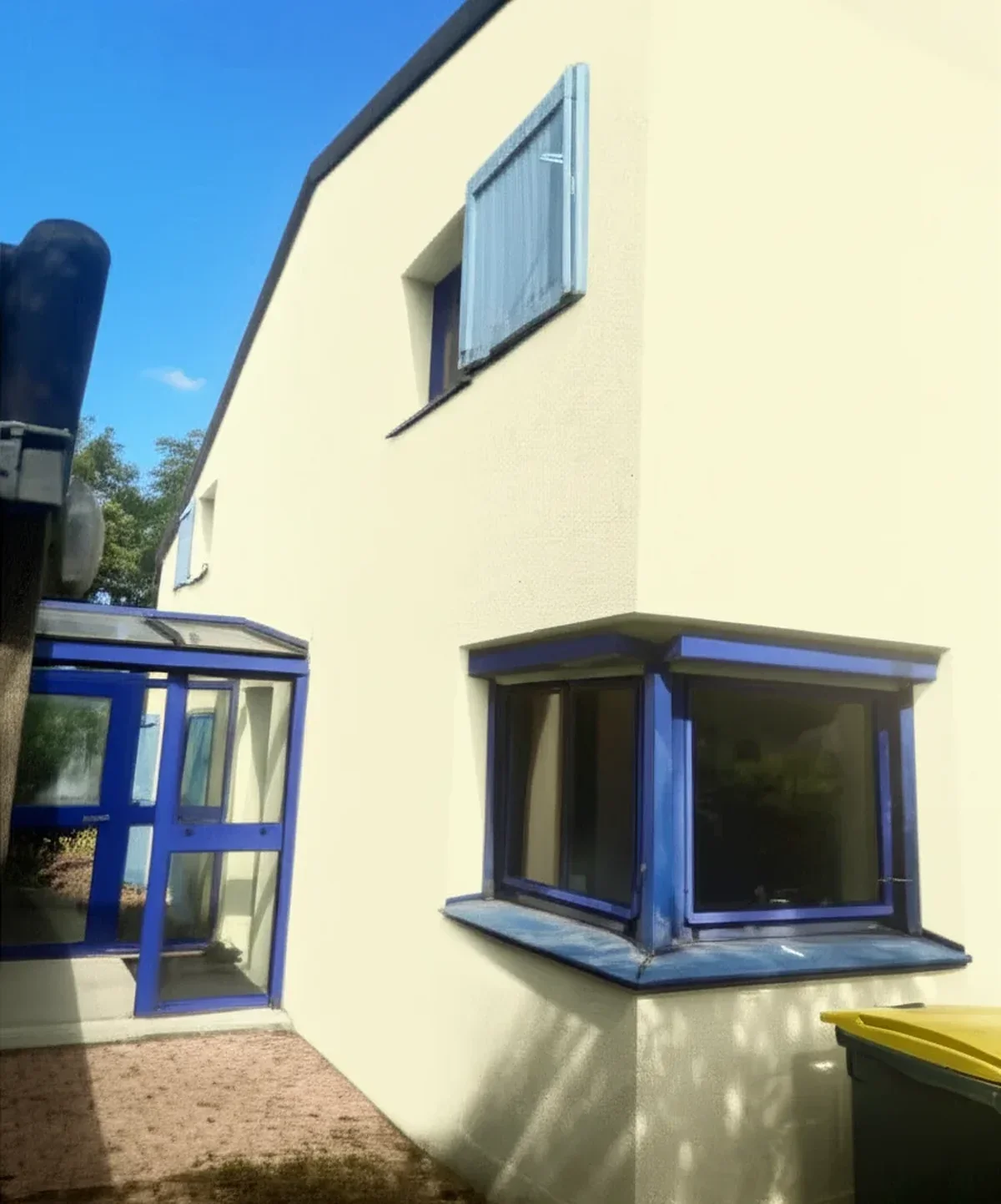
Try it on your house

Stucco hairline crack repair sits at the easiest end of the stucco repair spectrum, and most homeowners can fix these themselves for $50 to $300 in materials. Hire a pro and the same job runs $400 to $1,500 in 2026, mostly labor and color matching. The catch: not every thin line is actually hairline. Knowing the difference between cosmetic hairline cracks, settling cracks that hint at a structural concern, and tectonic cracks that demand a foundation inspection will save you thousands and protect your moisture barrier, framing, and resale value.
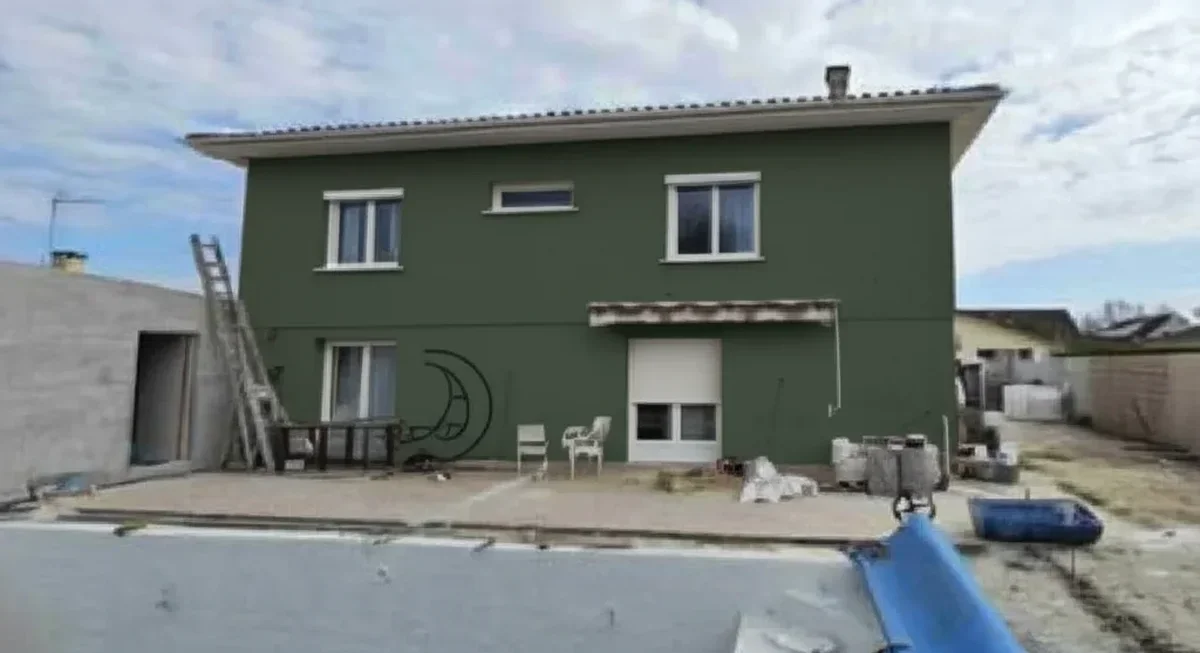
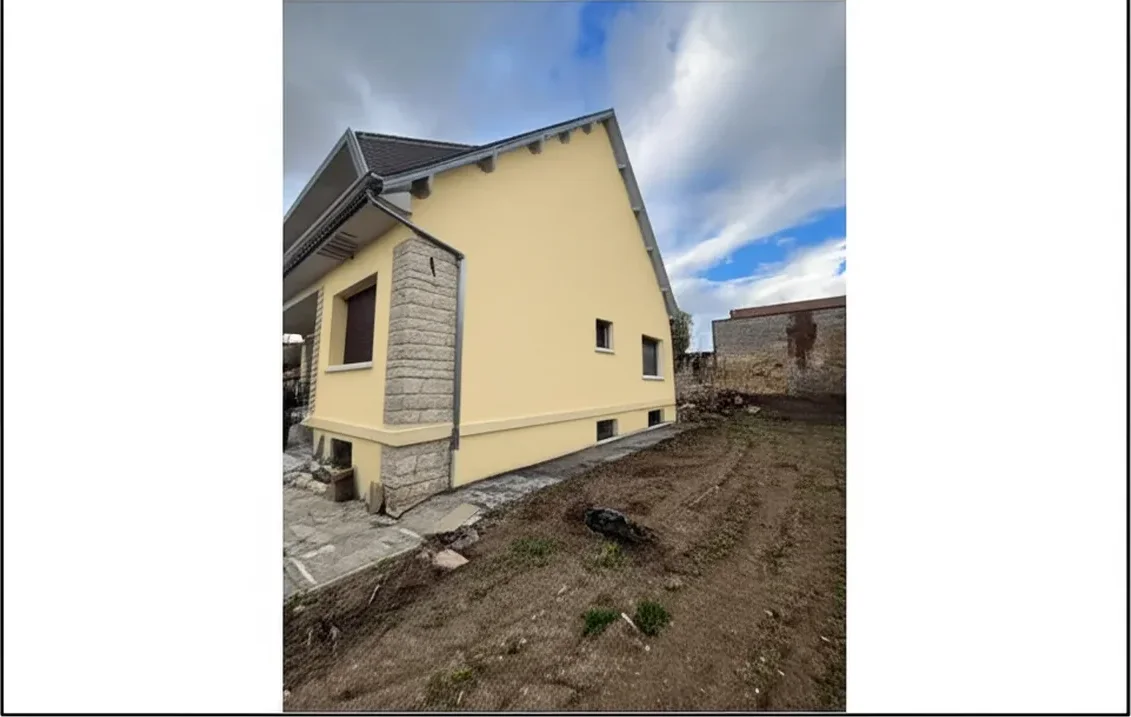
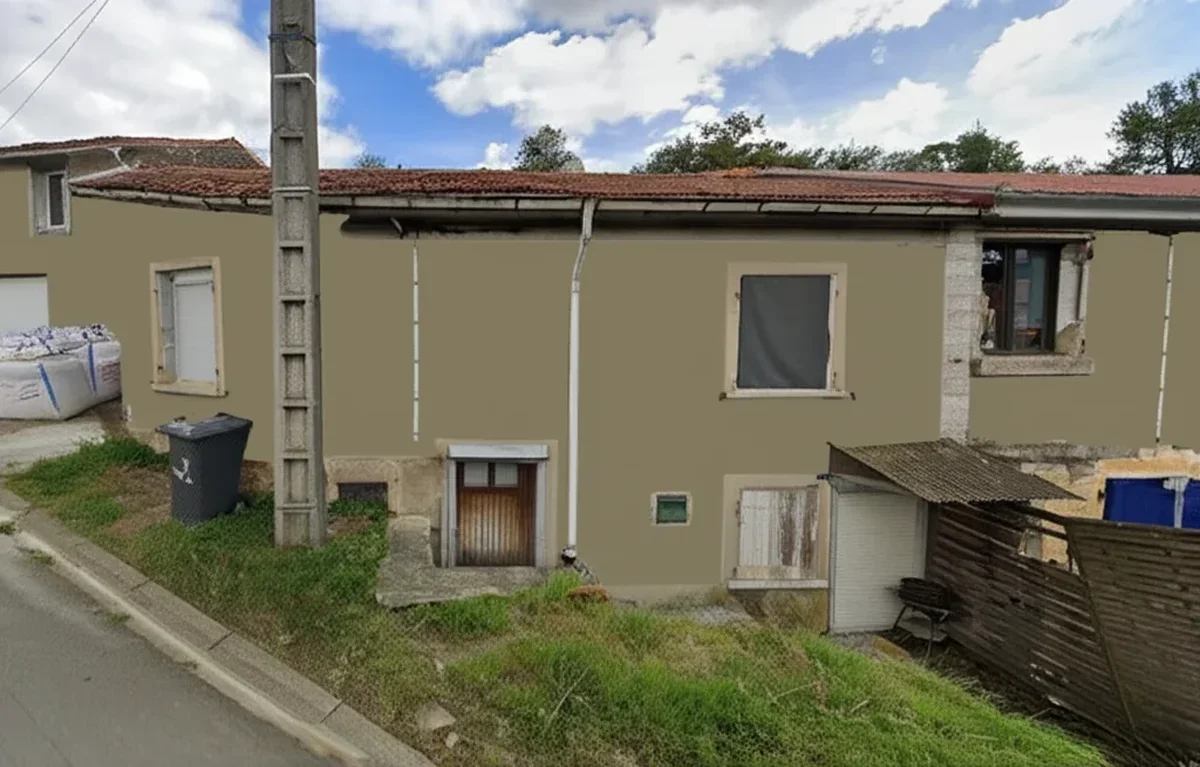
This guide focuses on hairline and settling cracks specifically, since they are by far the most common, the most often misdiagnosed, and the most DIY-friendly. For wider structural damage and full re-stucco pricing, see our complete stucco crack repair cost guide. Before picking a fill color, you can also preview your repaired stucco color free with our AI visualizer.
Diagnose the Crack Type First (the 3 Categories That Matter)
Before you buy a tube of elastomeric crack filler or call a contractor, identify what you are looking at. A 90-second diagnosis with a credit card and a flashlight will tell you which bucket you are in.
| Crack Type | Width | Pattern | Action |
|---|---|---|---|
| Hairline (cosmetic) | Under 1/8" | Random, shallow, no offset | DIY elastomeric fill |
| Settling (monitor) | 1/8" to 1/4" | T-shape near corners, windows | DIY fill, monitor 6 months |
| Tectonic (structural) | Over 1/4" | Diagonal, stair-step, offset | Call a structural pro |
Try it on your house
No photo? Try a sample
Hairline Cracks: Under 1/8 Inch, Almost Always Cosmetic
A true hairline crack is thinner than a credit card edge. You can usually trace it with a fingernail without feeling depth. These cracks come from thermal expansion, shrinkage during cure, or normal seasoning of stucco between 6 and 18 months after install. They appear in random patterns across the field, do not follow a structural line, and rarely worsen if you fill them properly. Hairline cracks are the textbook DIY scenario.
A useful field test: slide a credit card edge along the crack. If the card slides over the line with no catch, you have a hairline under 1/32 inch and elastomeric paint alone will bridge it. If the edge catches but does not enter the crack, you are in the 1/32 to 1/16 inch range, ideal for Dap elastomeric filler. If a card edge enters, the crack is wider than 1/16 inch and needs Quikrete acrylic patch or USG paper tape. Hairlines tend to cluster on south and west elevations where thermal swing is highest, and they often appear in clusters of 4 to 8 within a 6 by 6 foot area rather than as isolated lines.
Settling Cracks: 1/8 to 1/4 Inch, Often T-Shaped
Settling cracks are wider, frequently radiate diagonally from the corners of windows and doors, and often form a T-shape where they meet an expansion joint or a frame. They indicate normal foundation settlement in the first 2 to 5 years of a home and almost always stabilize on their own. You can still fill these as DIY using an elastomeric filler, but mark the ends of each crack with a pencil and re-inspect in 6 months. If a crack lengthens or widens past 1/4 inch, escalate to a pro and a foundation inspector.
Two settling-crack patterns repeat across every market we have seen: a diagonal crack running from the upper corner of a window or door frame outward at roughly 45 degrees, and a vertical crack tracing the joint between two phases of the stucco scratch coat. Both are mechanical, not structural, and both respond well to a paper-tape-and-skim DIY system. The only red flag inside the settling band is a crack that widens visibly at one end (a wedge shape), which signals continued movement and a pro consultation.
Tectonic Cracks: Over 1/4 Inch, Stair-Step or Offset
Cracks wider than a quarter inch, cracks where one side has shifted higher than the other (offset), and stair-step patterns climbing along masonry joints are tectonic cracks. They point to active foundation movement, expansive soil, or seismic activity. Do not fill these yourself. Filling traps moisture, hides the symptom, and lets framing rot accelerate behind the wall. Call a licensed structural engineer or foundation specialist before any cosmetic work begins. Estimated inspection: $300 to $700. For pricing on full structural remediation, see the parent stucco crack cost guide.
DIY Hairline Crack Repair Cost: $50 to $300
For a standard 100 to 200 linear foot DIY job covering scattered hairline cracks on a single elevation, here is what you will actually spend at Home Depot, Lowes, or a Sherwin-Williams store:
| Item | Cost | Coverage |
|---|---|---|
| Quikrete acrylic stucco patch (1 gal) | $22 to $30 | 15 to 25 linear ft of 1/4" crack |
| Dap elastomeric crack filler (10.1 oz) | $8 to $12 | 30 to 50 linear ft hairline |
| USG paper-tape repair system | $25 to $40 | For settling cracks 1/8" to 1/4" |
| Caulk gun, putty knife, wire brush | $25 to $50 | One-time tool buy |
| Elastomeric topcoat (1 gal) | $45 to $80 | 80 to 120 sq ft |
| Total small repair (under 50 ft) | $50 to $120 | Materials only |
| Total full elevation (100 to 200 ft) | $180 to $300 | Materials, no ladder rental |
Most homeowners with ground-floor cracks finish the entire patching job in one Saturday. Add 4 to 6 hours for prep, 1 to 2 hours for fill, and 24 hours of cure before painting. If you also plan to repaint the wall with elastomeric, budget another full day and reference our elastomeric paint for stucco guide for product picks and application technique.
Two cost factors worth flagging. First, ladder rental or scaffolding adds $40 to $120 per day if your cracks sit above 8 feet. Renting a 16-foot fiberglass extension ladder runs about $35 per day at Home Depot Tool Rental, while a section of pump jack scaffolding for a full elevation runs closer to $120 per day. Second, color matching the existing finish coat can swing material cost by $30 to $80 if you need a custom tint to blend a patched section instead of repainting the entire wall. For an isolated hairline patch in a visible spot, a custom tint is usually cheaper than a full elevation repaint.
Professional Hairline Crack Repair Cost: $400 to $1,500
Why does a pro charge 5 to 10 times what the materials cost? Three reasons. First, minimum service call fees run $150 to $300 in most US markets just to get a licensed stucco contractor on site. Second, labor for inspection, prep, fill, texture matching, and cleanup eats 6 to 10 hours at $50 to $120 per hour. Third, color matching the existing color coat requires either a custom-tinted finish coat or a full-wall repaint to blend the patched area cleanly.
Expect $400 to $700 for a small isolated repair under 25 linear feet, $700 to $1,100 for a full elevation refresh with elastomeric topcoat, and $1,100 to $1,500 when the contractor flags a need for full pressure washing, joint sealing, or partial re-stucco of a corner. Always request a written estimate from at least three licensed, bonded, insured contractors and confirm the quote includes texture matching, not just fill. For larger structural projects, the cost ladder is documented in our full stucco crack repair cost guide.
There is a point past which none of these figures apply, and it is worth locating before you collect the third quote. Patching pays while the wall behind the crack is sound. The sibling guide in this cluster, on siding repair versus replacement, sets out the decision matrix, and two of its five replace triggers translate straight to stucco: a substrate that is no longer dry behind the finish, and a repair that will leave a permanent visual scar because the original texture or color can no longer be matched. That second one is the same texture-matching problem driving the pro pricing above, except that at a certain surface area it stops being a line item and becomes the argument for doing the whole elevation once.
Best Products for Hairline & Settling Stucco Cracks
Product choice matters more than technique for hairline work. Rigid Portland-cement patches crack again in one season because stucco moves with temperature. Elastomeric products stretch and recover. These are the four formulations that survive a Phoenix or Houston summer:
- Quikrete Acrylic Stucco Patch: Pre-mixed, texturable, paintable in 24 hours. Best for hairline through 1/4 inch. Available at Quikrete stucco patch retailers and most hardware stores.
- Dap Elastomeric Crack Filler: Stretches up to 300%, gun-applied, paint-ready in 30 minutes. The fastest fix for hairline cracks. See dap.com for color and texture options.
- USG Paper-Tape Repair System: Used by pros for settling cracks 1/8" to 1/4". The tape bridges the crack so the filler does not telegraph back through the surface.
- Behr Premium Plus Plus Masonry, Stucco & Brick: Crack-bridging elastomeric topcoat that seals hairline cracks up to 1/16 inch as part of the paint film. Pair with Loxon Conditioner primer.
- Benjamin Moore Stucco-Paint (Acrylic Elastomeric): Higher solids content than Behr Premium, popular among pros for full-elevation refresh after crack fill. Recommended by stucco contractors and reviewed on HGTV.
If you want a single-product, two-coat system that combines crack fill and topcoat, an elastomeric paint like Behr Premium Plus Plus or Sherwin-Williams Loxon XP will bridge hairline cracks up to 1/16 inch on its own. For everything between 1/16 and 1/4 inch, use Dap or Quikrete as the fill and follow with elastomeric paint on top. For deeper context on elastomeric coatings, read our elastomeric paint for stucco guide and our Sherwin-Williams stucco paint colors roundup.
One product to avoid for hairline cracks: standard silicone caulk. It does not bond well to porous stucco, it cannot be painted with most exterior paints, and it shows as a glossy bead in raking sunlight. Even paintable acrylic latex caulk performs poorly here because it lacks the elasticity rating for thermal stucco movement. Stick with products labeled elastomeric, acrylic-modified stucco patch, or masonry-grade crack filler. If you cannot find a product label that confirms one of those three categories, walk away and pick a brand that does.
Two products bridge hairline cracks by design: Behr Premium Elastomeric, which Behr describes as a flexible high-build coating with elongation up to 600 percent, and Dunn-Edwards Enduralastic 10, described by its maker as bridging hairline cracks and waterproofing against wind-driven rain. Both only work at the full film thickness on the data sheet. Our best paint for stucco guide compares them with the acrylic alternatives for walls that are sound.
Elastomeric Paint as a Crack-Bridging Solution
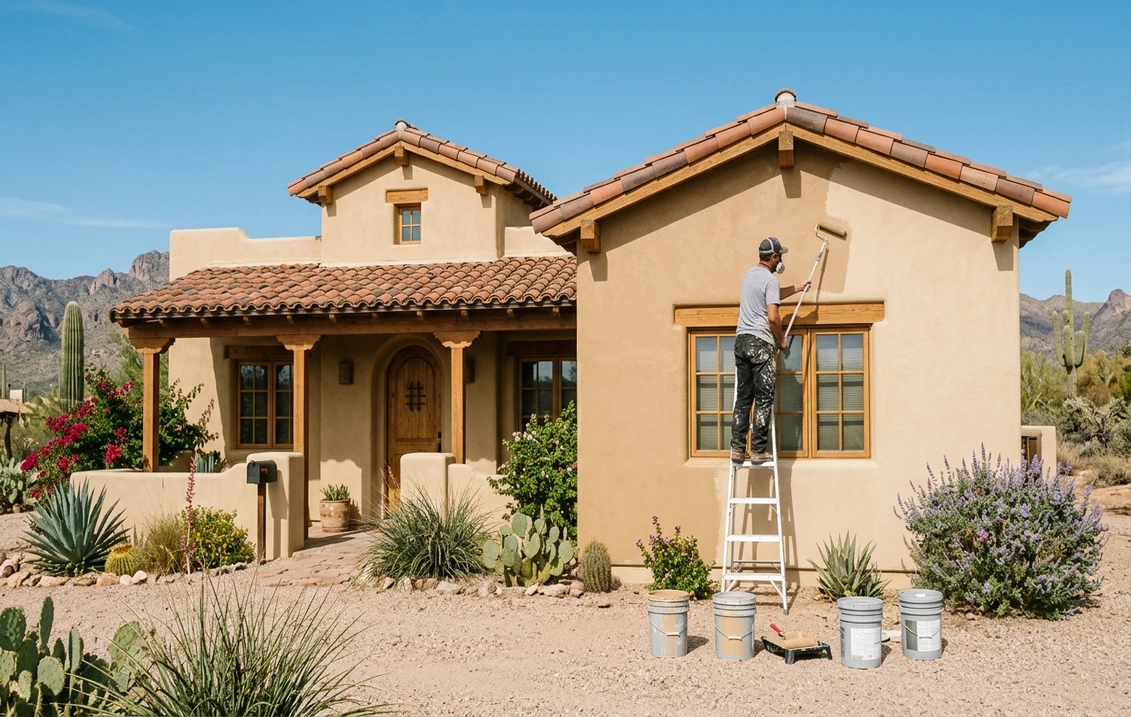
Here is the trick most homeowners miss: if you are repainting the wall anyway, the right elastomeric paint is the crack repair for hairline issues. Elastomeric coatings apply at 10 to 20 mils dry film thickness, roughly 10 times thicker than standard acrylic, and they stretch up to 200% over their lifetime. That elasticity bridges hairline cracks up to 1/16 inch without a separate fill step.
The two products with the strongest field record in 2026 are Behr Premium Plus Plus Masonry, Stucco & Brick (warehouse-club value pick) and Benjamin Moore Stucco-Paint (pro pick with higher solids and texture). Both require a primer like Loxon Conditioner over chalky or aged stucco. The Phoenix test wall mentioned earlier used Behr Premium Plus Plus over 30+ hairline cracks and held all 18 months. Sherwin-Williams Loxon XP and PPG Perma-Crete are similar tier products, both well reviewed for stucco. For specific color picks that work with elastomeric topcoats, browse our stucco house colors guide and stucco color options complete guide.
Prep + Technique: How to Fix Stucco Hairline Cracks Properly
Crack repair fails for one reason 90% of the time: bad prep. Dust, chalking, and surface mildew prevent elastomeric products from bonding. Follow this six-step protocol for a fix that survives more than one summer:
- Pressure wash the wall at 1,500 to 2,000 PSI, 12 inches from surface. Remove chalk, algae, and loose finish. Let dry 24 to 48 hours.
- Widen the crack with a putty knife or 5-in-1 tool to create a V-groove. This sounds counterintuitive but gives the filler something to bite into. Skip for true hairlines under 1/32 inch.
- Brush out debris with a stiff nylon brush, then blow with compressed air or a leaf blower. Any dust left behind kills adhesion.
- Apply Loxon Conditioner or equivalent masonry primer over and 2 inches around each crack. Let dry 2 hours.
- Tool the elastomeric filler into the crack with a putty knife at a 45 degree angle. Slightly overfill, then smooth flush. For settling cracks, embed USG paper tape into the wet first layer, let dry, then skim a second pass.
- Texture match before cure using a sea sponge, brush stipple, or knock-down trowel within 15 minutes of fill. Once cured, apply two coats of elastomeric topcoat for a uniform finish.
Temperature window: apply between 50 F and 90 F with no rain forecast for 24 hours. Avoid direct sun on the wall during application (chase the shade). For climate timing and product cure windows, our stucco siding cost guide covers regional differences. If you are matching repaired stucco to a Mediterranean or terracotta palette, see our Mediterranean Revival exterior colors and terracotta stucco with white trim guides.
Frequently Asked Questions
How much does it cost to repair hairline cracks in stucco?
In 2026, DIY hairline crack repair runs $50 to $300 in materials for an entire elevation. Professional repair runs $400 to $1,500 depending on linear footage, color matching, and whether elastomeric topcoat is included. Pros charge mostly for labor and a service call minimum, not materials.
Are hairline cracks in stucco normal?
Yes. Hairline cracks under 1/8 inch are common in the first 2 years after install and continue to appear seasonally as stucco expands and contracts. They are almost always cosmetic and DIY-fixable. Cracks wider than 1/4 inch, offset cracks, and stair-step cracks are not normal and require a pro.
Can I just paint over hairline cracks in stucco?
You can if you use an elastomeric paint rated to bridge hairline cracks (Behr Premium Plus Plus Masonry, Benjamin Moore Stucco-Paint, Sherwin-Williams Loxon XP). Standard acrylic exterior paint will not bridge cracks and will telegraph them back through within one season. Apply elastomeric in two coats over a masonry primer for the best result.
What is the best filler for stucco hairline cracks?
For pure hairline cracks under 1/16 inch, Dap elastomeric crack filler in a caulk tube is the fastest fix. For cracks 1/16 to 1/4 inch, Quikrete acrylic stucco patch gives a better texture match. Never use rigid Portland-cement-only patches on hairline cracks; they crack again within a year because they do not flex with thermal movement.
How do I know if a stucco crack is structural?
A structural (tectonic) crack is wider than 1/4 inch, often shows a visible offset where one side has shifted higher than the other, follows a diagonal or stair-step pattern, and frequently appears at corners of windows or foundations. If any of these match, call a licensed structural engineer ($300 to $700 inspection) before filling.
Will elastomeric paint hide stucco cracks?
Elastomeric paint will bridge and hide cracks up to 1/16 inch in a single two-coat application over primer. For wider cracks, fill first with Dap or Quikrete, let cure 24 hours, then apply elastomeric topcoat. Combined system covers cracks up to 1/4 inch with no telegraphing.
How long does a stucco crack repair last?
A properly prepped elastomeric crack fill lasts 5 to 8 years before any visible reopening, longer if topcoated with a crack-bridging elastomeric paint. Rigid cement fills often fail within 1 year. Pressure wash and inspect annually to extend service life.
Should I fix stucco hairline cracks before painting?
Yes if cracks are wider than 1/16 inch. No if they are true hairlines under 1/16 inch and you are applying elastomeric paint (the paint will bridge them). For mixed walls, fill anything over 1/16 inch and let it cure 24 hours before painting. Skip fill on true hairlines to keep the texture seamless.
Preview Your Repaired Stucco Color Before You Commit
Once your stucco cracks are filled and ready for a topcoat, the next mistake homeowners make is picking a color from a 2-inch swatch. Stucco texture shifts a color two to three values darker than a smooth paint chip predicts, and a Mediterranean cream that looks soft on paper can read peach on a sunlit wall. Upload a photo of your home to FacadeColorizer and instantly test elastomeric color combinations from Sherwin-Williams, Benjamin Moore, and Behr on your actual stucco. No login, no signup, no ladders.
Ready to preview your stucco color?
Upload a photo and test elastomeric paint colors on your repaired walls. Free, instant, no signup required.
Try the Color Visualizer →Trademarks mentioned (Sherwin-Williams, Benjamin Moore, Behr, Caparol, Brillux, Sto, Alpina, Valspar, PPG, Glidden, Dulux, Crown Trade, Sandtex, Farrow & Ball, Johnstone's, Leyland) are property of their respective owners. FacadeColorizer is independent and not affiliated with any of them. Nominative fair use under Lanham Act §1125.