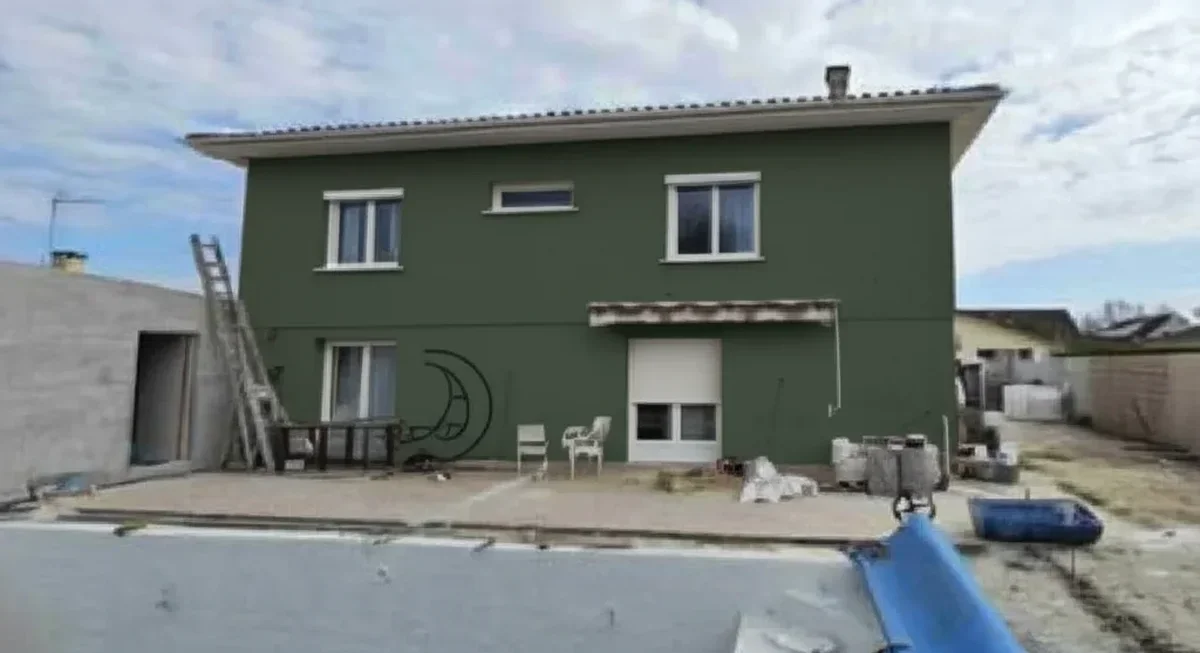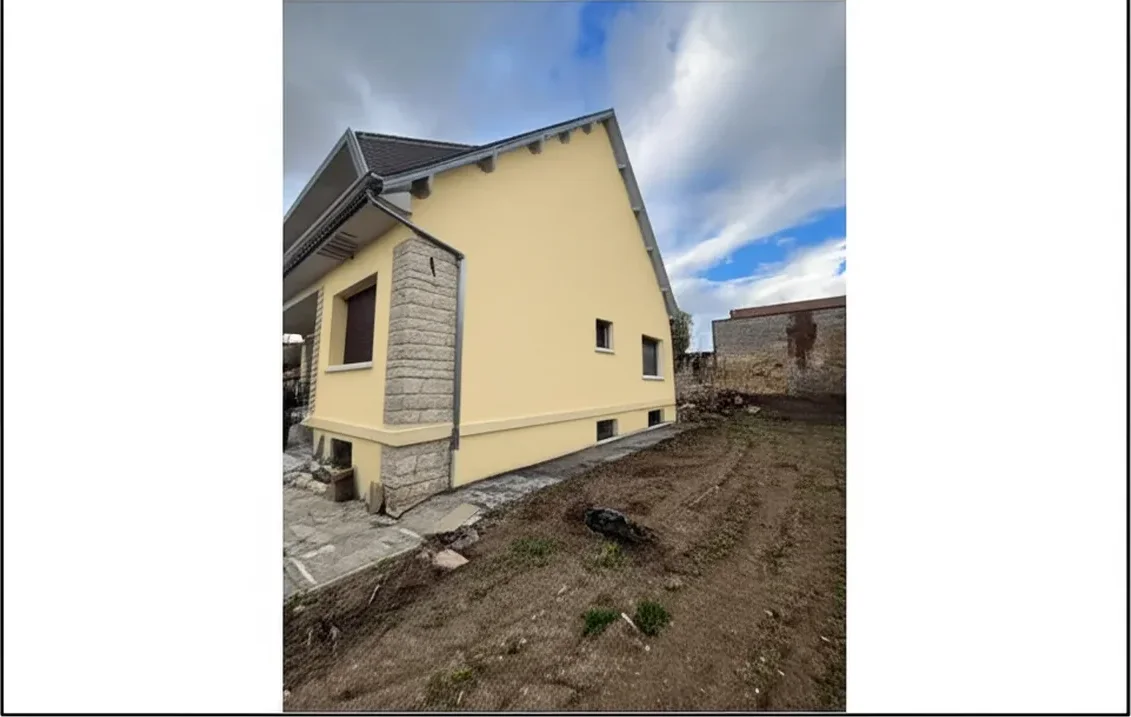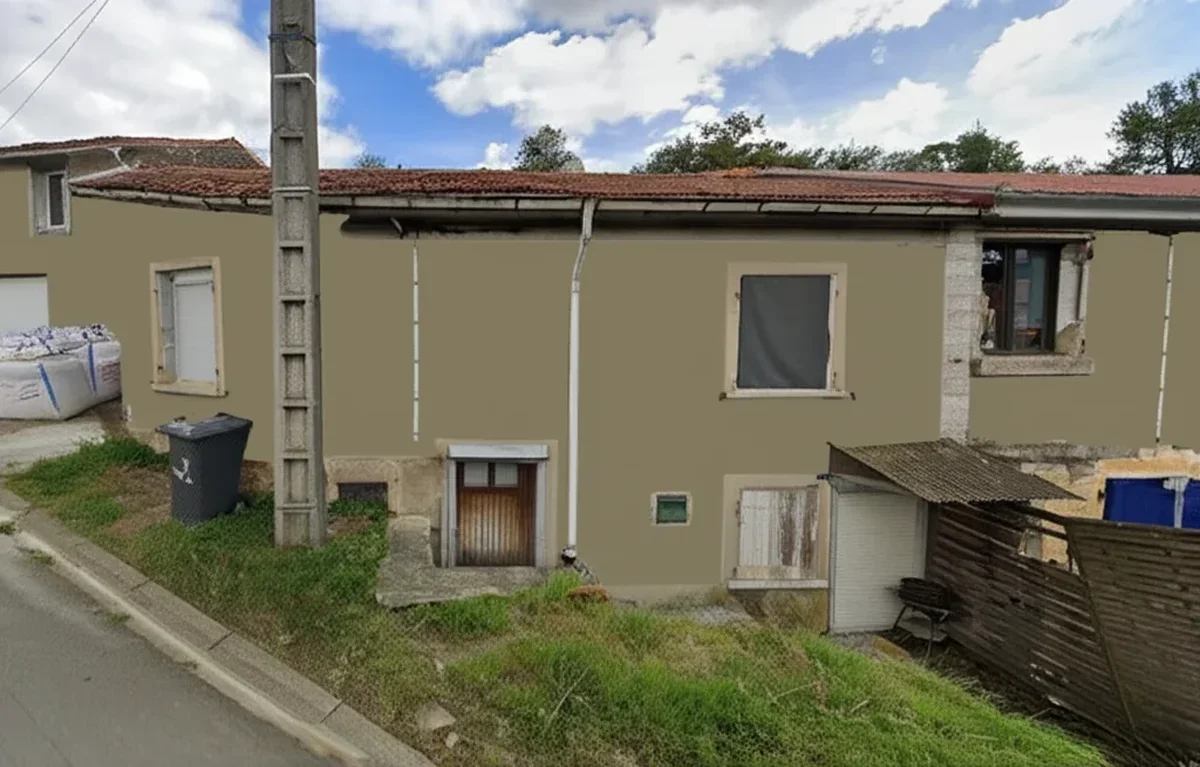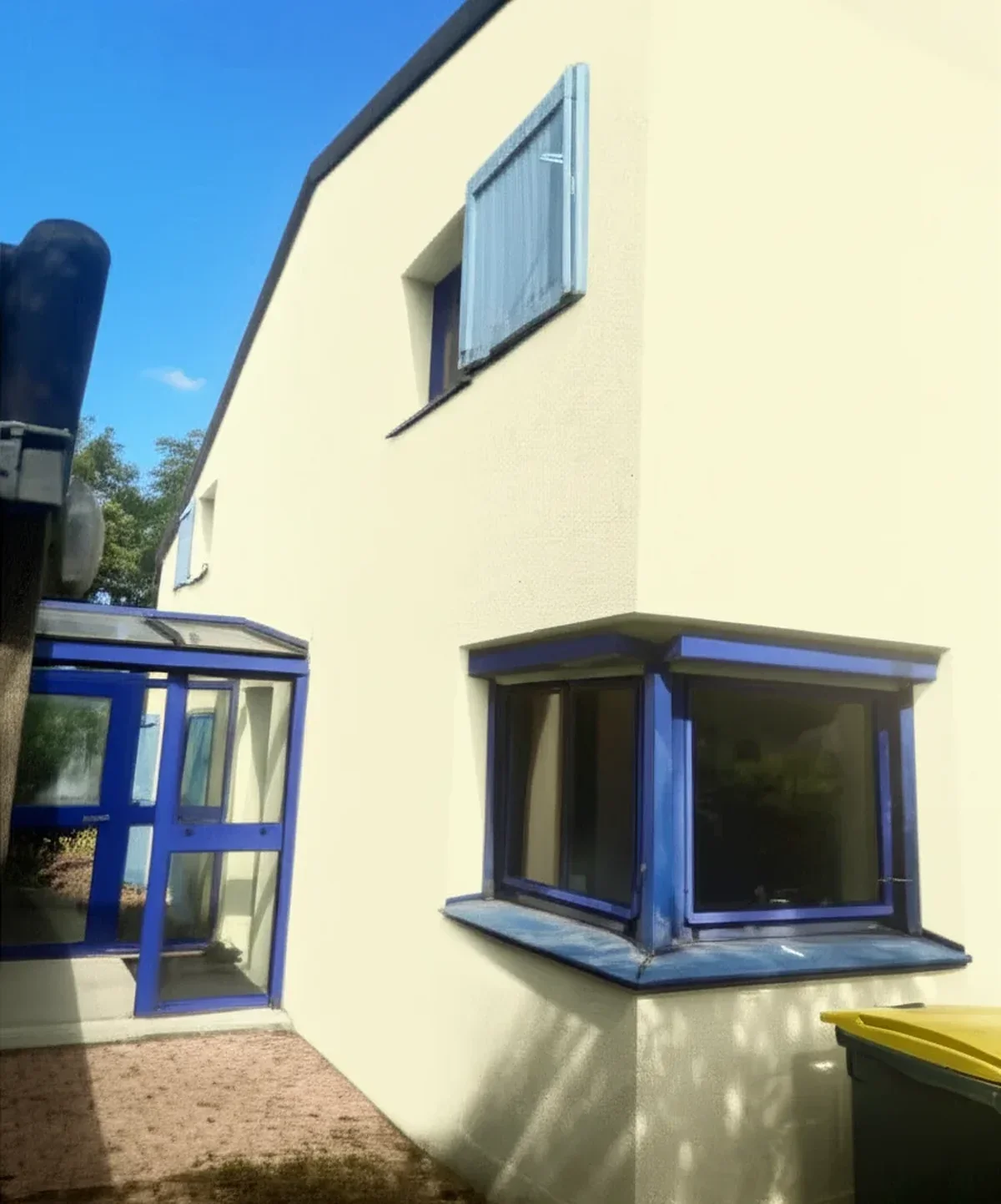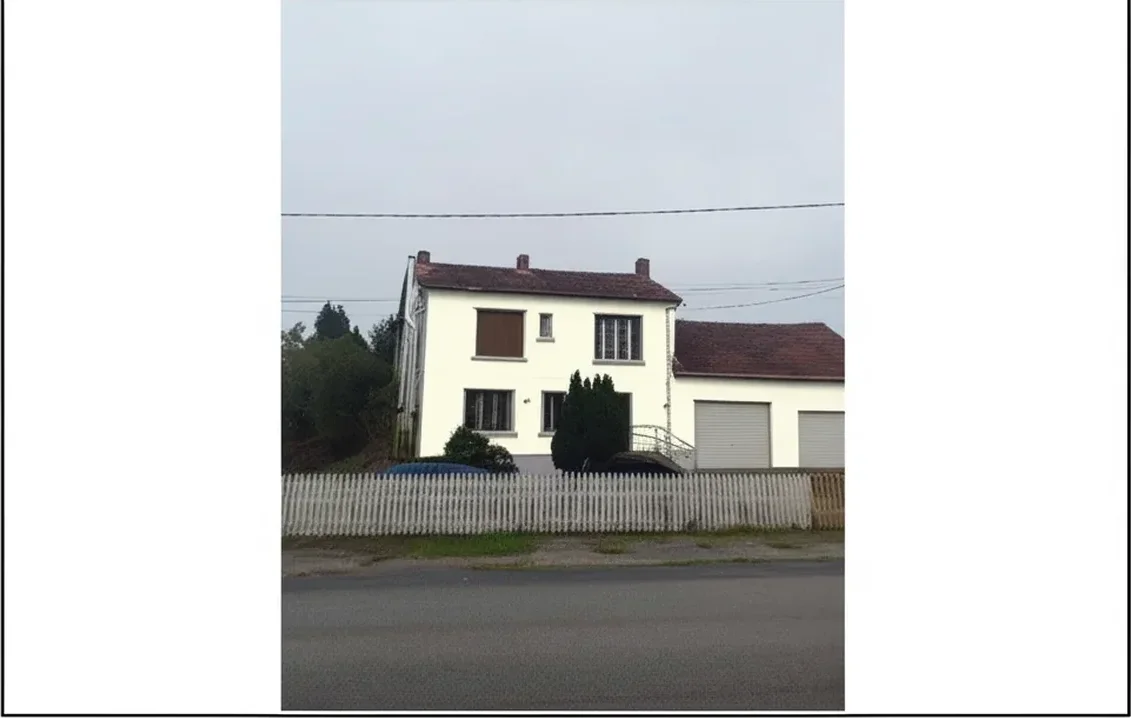
Try it on your house

James Hardie HardieBoard (fiber cement) and LP SmartSide (engineered wood) are the two most-installed premium siding brands in the United States. Together they account for more than 70% of new replacement siding jobs quoted above $15,000, according to the 2026 Remodeling Magazine Cost vs. Value report and NAHB contractor surveys.
Both carry 50-year limited warranties, both outperform vinyl, and both are beloved by pros. But they are built from very different materials and behave very differently in hot-humid, freeze-thaw, coastal, and hail-prone regions. This guide walks through 10 head-to-head criteria so you can pick the right one for your climate, budget, and resale goals.
Material science: fiber cement vs engineered wood
James Hardie HardieBoard is a fiber cement composite: roughly 90% Portland cement and sand, reinforced with cellulose fibers, cured under pressure. It is effectively a thin concrete plank. It will not burn, will not rot, and insects ignore it. The trade-offs are weight (about 2.5 lb/sq ft, roughly 2.5x heavier than LP), brittleness when struck, and a silica dust hazard during cutting that requires specific OSHA-compliant blades and respirators.
LP SmartSide is engineered wood: treated wood strands bonded with zinc borate (insect and fungal inhibitor), waxes, and phenolic resins, then compressed into planks or panels. It is lighter, flexes slightly under impact, cuts with a standard carbide blade, and nails like real wood. The trade-off is that it remains a wood product: prolonged ground contact, standing water, or poor flashing will eventually cause swelling or delamination at cut edges.
Installed price per square foot in 2026
According to 2026 installer quotes compiled by HomeAdvisor and NAHB, installed pricing (material plus labor, 2,000 sq ft home, nationwide average) breaks down as follows.
HardieBoard installed: $6 to $11 per square foot. ColorPlus factory-finished runs $9 to $11. Primed-only (field-painted) runs $6 to $8. Specialty profiles like HardieShingle and Artisan V-Rustic push $11 to $14.
LP SmartSide installed: $4 to $8 per square foot. Pre-finished SmartSide ExpertFinish runs $7 to $9. Primed lap siding runs $4 to $6. Panel systems (for gables and soffits) run $3.50 to $5.50.
On a typical 2,500 sq ft exterior, the all-in gap between the two brands is usually $6,000 to $12,000, with LP SmartSide cheaper. Labor accounts for about 55% of the HardieBoard total (heavier, more cuts, dust containment) versus about 45% for LP.
Full 10-criteria comparison
Side by side, based on James Hardie technical data sheets, LP SmartSide installer documentation, 2026 Remodeling Cost vs. Value data, and NAHB contractor preference surveys.
| Criterion | HardieBoard (Fiber Cement) | LP SmartSide (Engineered Wood) | Winner |
|---|---|---|---|
| Installed price/sq ft | $6–$11 | $4–$8 | LP |
| Warranty | 50 yr limited, 15 yr ColorPlus finish | 50 yr limited, 5/50 prorated | Tie |
| Fire resistance | Class A non-combustible, ASTM E136 | Class C, combustible wood base | Hardie |
| Hot / humid climate | Excellent, zero rot, handles 95°F+ humidity | Good with proper flashing | Hardie |
| Cold / freeze-thaw | Can crack on impact when frozen | Flexes, no freeze cracking reported | LP |
| Hail / impact resistance | Brittle, cracks at 1.5" hail | Passes 1.75" ASTM D5628 impact | LP |
| Paint hold (repaint cycle) | 12–15 yrs (ColorPlus), 8–10 yrs field | 7–10 yrs field, 15 yrs ExpertFinish | Hardie |
| Weight / install labor | 2.5 lb/sq ft, 2-person planks | 1.0 lb/sq ft, 1-person planks | LP |
| Insect / termite resistance | Totally inert | Zinc borate treated, very good | Hardie |
| ROI at resale (2026 CvV) | 88.5% recouped | 82.3% recouped | Hardie |
Try it on your house
No photo? Try a sample
Score tally: HardieBoard wins 5 criteria, LP SmartSide wins 4, 1 tie. But the raw count is misleading, climate fit is the deciding factor for most homeowners.
Preview HardieBoard or LP SmartSide colors on your actual home in 30 seconds
Climate suitability: the real deciding factor
Hot and humid: Gulf Coast, Southeast, Florida
HardieBoard is the clear choice below the Mason-Dixon line. Fiber cement does not swell, does not rot, and handles 90%+ relative humidity year-round without degradation. In hurricane zones, James Hardie's HZ10 product is engineered for wind-driven rain and passes Miami-Dade NOA approvals. Termite pressure in Florida and Louisiana also favors the inert cement product, insurance carriers in Tampa and Houston increasingly quote 5 to 12% lower premiums on fiber cement homes.
Cold and freeze-thaw: Upper Midwest, Northeast, Mountain West
LP SmartSide pulls ahead in Minneapolis, Milwaukee, Chicago, Denver, and Boston. Fiber cement becomes brittle below 20°F and is vulnerable to cracking from lawn equipment, ladder strikes, or impact in deep freezes. LP's engineered wood flexes slightly and continues to perform through freeze-thaw cycles that shatter masonry. LP's HZ10 equivalent product passes ASTM D7033 wet-freeze testing without edge failure.
Hail-prone: Texas, Oklahoma, Colorado, Nebraska
LP SmartSide wins big here. Independent impact testing by IBHS (Insurance Institute for Business and Home Safety) shows LP passing 1.75-inch steel ball drops where HardieBoard cracks. Denver and Dallas insurers are increasingly offering hail discounts on LP. If you have filed a siding claim from hail in the last 10 years, LP is almost always the smarter replacement.
Coastal / salt air
Both perform well within 1,500 feet of saltwater, provided stainless fasteners are used. HardieBoard edges LP slightly here due to zero organic content.
Wildfire zones: California, Oregon WUI
HardieBoard is non-combustible and approved by CAL FIRE Chapter 7A. LP SmartSide is Class C and not permitted in California WUI zones without additional ignition-resistant assemblies. In fire-prone areas, HardieBoard is often mandated.
Paint hold and finish options
Both brands offer three finish pathways: factory-finished, factory-primed, and raw/field-primed. The difference matters because paint is the #1 maintenance line item on any siding over a 30-year horizon.
HardieBoard ColorPlus Technology uses a baked-on multi-coat factory finish cured in climate-controlled ovens. James Hardie warrants the finish for 15 years against peeling, cracking, and chipping, with a 30% color fade allowance. In practice, independent homeowner surveys report 12 to 18 years of acceptable color retention before the first repaint. ColorPlus is available in about 20 curated colors, plus a Dream Collection of darker premium shades that carry the same warranty.
LP SmartSide ExpertFinish uses a similar factory acrylic coating cured at lower temperatures (LP's engineered wood substrate cannot withstand Hardie's curing temps). The ExpertFinish warranty is 5 years on full coverage, prorated to 15 years. Real-world retention is 10 to 14 years before meaningful fade. Palette is about 16 colors with strong earth-tone and neutral coverage.
Field painting is where most budget-conscious buyers land. Prime HardieBoard or LP SmartSide lap siding ships factory-primed and is repainted using 100% acrylic exterior paint (Sherwin-Williams Emerald, Benjamin Moore Aura, or equivalent). Expect 7 to 10 years between repaints. Critical: paint all six sides (front, back, top, bottom, and both cut ends) before install on LP SmartSide, this single step adds 5+ years to the field-paint lifespan. On LP specifically the topcoat chemistry is not negotiable: 100% acrylic latex only, never an oil-based product over engineered wood. Our LP SmartSide paint colors guide lists the approved primers and topcoats alongside the 12 shades that hold up best on that substrate.
Contractor preferences: what installers actually say
In the 2026 NAHB contractor survey (n=1,200 remodeling pros), crews reported preferring LP SmartSide for installation ease (68% vs 32%) and HardieBoard for long-term warranty callback rates (61% vs 39%). LP's lighter weight allows one-person hangs on lap siding, which saves roughly 20 to 30% of labor hours on a typical home. Hardie's callback rate is lower because the product itself is more dimensionally stable over 20+ years.
Many veteran contractors recommend a hybrid: HardieBoard on south and west elevations where UV exposure is brutal, LP SmartSide on north and east walls where impact and freeze-thaw dominate. This hybrid runs 5 to 8% cheaper than all-Hardie while preserving most of the fire benefit.
ROI at resale
2026 Remodeling Cost vs. Value: siding replacement
- Fiber cement (HardieBoard): average job cost $23,200, average resale added $20,530, 88.5% recouped
- Engineered wood (LP SmartSide): average job cost $18,400, average resale added $15,140, 82.3% recouped
- Vinyl siding (for reference): average job cost $17,800, 80.2% recouped
Fiber cement has led all siding categories in the CvV report for 8 straight years. Appraisers increasingly call it out specifically in comparable reports.
Maintenance and common failure modes
HardieBoard maintenance is close to zero for the first decade: an annual rinse with a garden hose, visual inspection of caulk joints, and touch-up paint on chips. The most common failure mode is cracking at fasteners when a pneumatic nailer is set too deep, this is an install error, not a product defect, and is a key reason James Hardie requires certification for installers in many regions.
LP SmartSide maintenance is similar but adds two watch items: caulk joints must be inspected annually (LP's engineered wood expands and contracts more than fiber cement), and any scratches deeper than the primer that expose bare OSB core must be touched up within one painting season. The most common failure mode is swelling at cut ends when ground clearance drops below 6 inches or when splash-back from hardscaping saturates the bottom plank repeatedly. Both failures are preventable with proper flashing, drip edges, and a 6-inch ground clearance per manufacturer spec.
Environmental impact
HardieBoard carries a higher embodied carbon footprint due to Portland cement production (roughly 0.9 kg CO2 per kg of product). James Hardie operates 9 US plants with partial fly-ash substitution and reports 12% lifecycle carbon reduction since 2020. End-of-life: fiber cement is inert and can be crushed for road base but is not recycled into new siding.
LP SmartSide uses FSC-certified aspen and southern yellow pine, most from sustainable working forests in Minnesota, Michigan, and the Southeast. Embodied carbon is roughly 40% lower than fiber cement. LP publishes an EPD (Environmental Product Declaration) and holds SFI chain-of-custody certification. End-of-life is partial biomass recovery.
If LEED or green-building certification is a priority, LP SmartSide typically contributes more points.
What to choose for your region (quick verdict)
| Region / Situation | Recommended | Why |
|---|---|---|
| Florida, Gulf Coast, Deep South | HardieBoard | Humidity, termites, hurricane wind-driven rain |
| Upper Midwest, New England | LP SmartSide | Freeze-thaw flex, lower impact cracking |
| Texas, Oklahoma, Colorado hail belt | LP SmartSide | Passes 1.75" hail impact tests |
| California / Oregon WUI | HardieBoard | Class A non-combustible, CAL FIRE 7A |
| Tight budget, any region | LP SmartSide | $2–$3/sq ft cheaper installed |
| Planning to sell in 3-5 yrs | HardieBoard | 88.5% ROI, appraisers call it out |
| LEED / green priority | LP SmartSide | Lower embodied carbon, FSC/SFI |
Before you sign: test colors on your actual home
Both HardieBoard ColorPlus and LP SmartSide ExpertFinish offer roughly 20 factory colors. Picking the wrong shade is the single most expensive post-install regret, a re-paint on either product runs $3 to $5 per square foot and voids the factory finish warranty.
Test your favorite Hardie or LP color on a photo of your home before committing. Large-format color perception shifts by 25 to 30% compared to a chip, warm beiges read yellow, cool grays read blue on a full elevation. Still narrowing down a palette? Browse our roundup of 15 outside house color ideas to test on your new siding for region-tuned combinations that work on both fiber cement and engineered wood.
Free, no signup, full HardieBoard & LP SmartSide color libraries
Frequently asked questions
Which lasts longer, HardieBoard or LP SmartSide?
Both carry 50-year limited warranties on the substrate and perform very similarly over that span when installed correctly. HardieBoard has a slightly longer field track record (30+ years of installed data) and lower callback rates in hot-humid zones. LP SmartSide has stronger real-world data in cold, freeze-thaw, and hail climates. In practice, both outlast a typical 25-year mortgage by a wide margin.
Is LP SmartSide worth the savings over HardieBoard?
Often yes, especially in hail-prone, cold, or budget-sensitive situations. LP typically saves $2 to $3 per square foot installed ($6,000 to $12,000 on a 2,500 sq ft home) and outperforms Hardie on impact and freeze-thaw. The savings are harder to justify in Gulf Coast humidity or wildfire zones where Hardie's inert cement composition offers real advantages.
How often do you repaint HardieBoard vs LP SmartSide?
Factory-finished products (HardieBoard ColorPlus, LP SmartSide ExpertFinish) go 12 to 15 years before repaint. Field-painted primed planks need repainting every 7 to 10 years. HardieBoard holds paint slightly longer on average because fiber cement does not flex with moisture; LP SmartSide catches up when high-quality 100% acrylic exterior paint is used on all six sides before install.
Both HardieBoard and LP SmartSide are excellent premium siding choices, your climate and budget should drive the decision more than brand loyalty. Before you finalize color, preview it on your actual home with our free AI paint visualizer. Sources: James Hardie technical data sheets, LP SmartSide installer documentation, 2026 Remodeling Magazine Cost vs. Value, NAHB contractor surveys, IBHS impact testing.
Related comparisons
Narrowing down the rest of the exterior? Once the board is chosen, our roundup of the best stucco paint brands helps you pair a coating that holds up in the same climate you just matched your siding to. If seeing the shade matters more to you than reading spec sheets, we ranked the top exterior paint visualizers compared on real-photo accuracy. And when the decision finally comes down to what goes in the can, the Sherwin-Williams vs Benjamin Moore exterior breakdown weighs coverage, finish, and repaint intervals head to head.
Preview your siding color on a photo of your actual home before the crew arrives.
Trademarks mentioned (Sherwin-Williams, Benjamin Moore, Behr, Caparol, Brillux, Sto, Alpina, Valspar, PPG, Glidden, Dulux, Crown Trade, Sandtex, Farrow & Ball, Johnstone's, Leyland) are property of their respective owners. FacadeColorizer is independent and not affiliated with any of them. Nominative fair use under Lanham Act §1125.