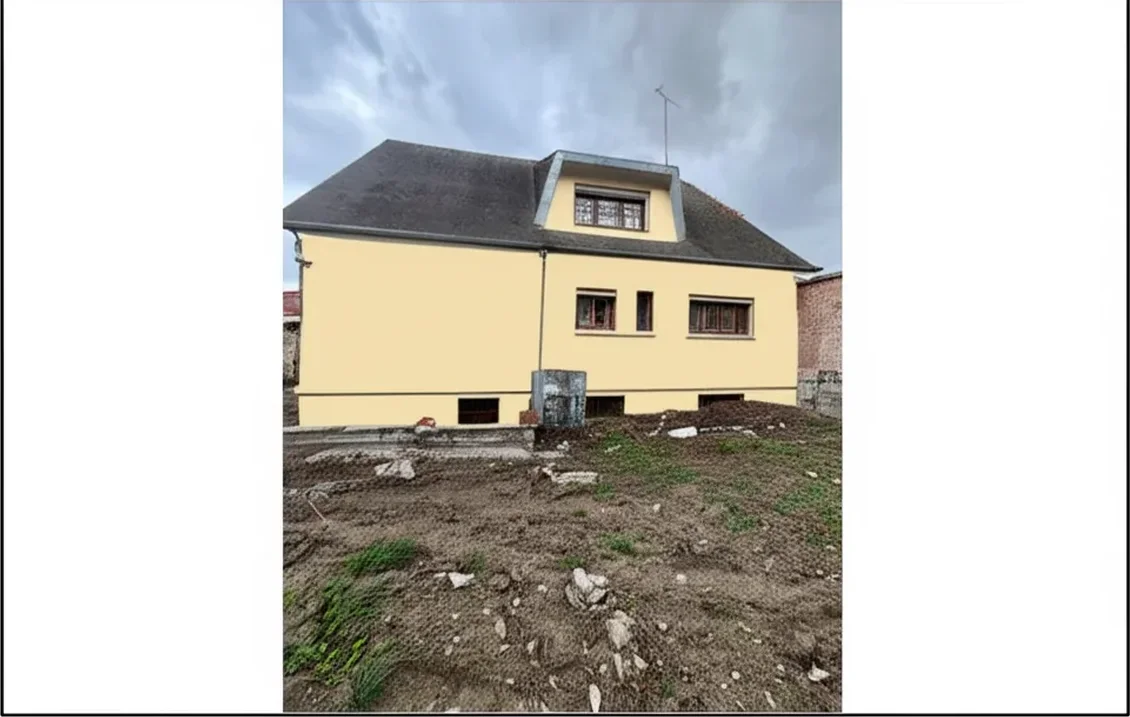
Try it on your house

Vinyl siding and wood siding remain the two most recognizable cladding choices on American homes. According to the Vinyl Siding Institute (VSI), vinyl still covers roughly 27% of single-family home exteriors nationwide, while wood (cedar, pine, redwood, and engineered lookalikes) holds a premium niche of about 5 to 8% of new installs, clustered in the Northeast, Pacific Northwest, and historic districts.
They sit at opposite ends of the siding spectrum: vinyl is the low-cost, zero-maintenance workhorse, while wood is the high-authenticity, high-upkeep classic. This 2026 guide walks through 10 head-to-head criteria, a 30-year total cost projection, and a regional recommendation so you can pick the right material for your climate, budget, and resale goals. Sources: Vinyl Siding Institute, Remodeling Magazine Cost vs Value 2026, and NAHB.
Material basics: PVC vs real wood
Vinyl siding is a rigid polyvinyl chloride (PVC) extrusion, typically 0.040 to 0.055 inches thick, factory-pigmented all the way through, and shaped into horizontal lap, dutch lap, shake, or board-and-batten profiles. It is lightweight (about 0.7 lb per square foot), comes in hundreds of stock colors, and installs over a housewrap with hidden nails that allow the panel to expand and contract with temperature.
Wood siding covers a broad family: Western Red Cedar, Eastern White Pine, Redwood, Cypress, and tropical hardwoods, sold as clapboard, shiplap, tongue-and-groove, board-and-batten, or shingle. It is heavier (1.5 to 2.2 lb per square foot), breathes moisture, and requires face-nailing or blind-nailing into solid sheathing. Real wood ages naturally, takes stain or paint beautifully, and, when properly maintained, becomes a multigenerational material.
Installed cost per square foot in 2026
Based on 2026 NAHB contractor quotes and Remodeling Magazine Cost vs Value pricing for a typical 2,000 sq ft home (nationwide average, material plus labor):
Vinyl siding installed: $3 to $8 per square foot. Builder-grade 0.040 inch runs $3 to $5. Premium 0.046 to 0.055 inch insulated vinyl runs $6 to $8. Specialty profiles like shake or scallop push $7 to $9.
Wood siding installed: $5 to $14 per square foot. Pine clapboard on the low end runs $5 to $7. Western Red Cedar clapboard runs $8 to $12. Clear-grade redwood, cypress, or cedar shingles on a custom home can run $12 to $14. Factory-primed options save roughly $1 to $2 per square foot in first-paint labor.
On a 2,500 sq ft exterior, the first-install gap is typically $5,000 to $15,000, with vinyl the cheaper option. Labor accounts for about 40% of the vinyl total versus 55 to 60% of the wood total, because wood demands more skilled carpentry, flashing detail, and priming steps.
Preview vinyl or wood siding colors on your actual home in under 30 seconds
Full 10-criteria comparison
Side by side, based on Vinyl Siding Institute technical data, cedar and redwood grade associations, the 2026 Remodeling Cost vs Value report, and NAHB contractor feedback.
| Criterion | Vinyl Siding | Wood Siding | Winner |
|---|---|---|---|
| Installed cost (2026) | $3 to $8 / sq ft | $5 to $14 / sq ft | Vinyl |
| Lifespan | 20 to 40 years | 30 to 50+ years (maintained) | Wood |
| Maintenance frequency | Rinse once a year | Paint/stain every 5 to 7 years | Vinyl |
| Fire resistance | Melts at 160F, self-extinguishing | Combustible (Class C) | Vinyl |
| Paintability | Limited, vinyl-safe paint only | Unlimited colors, any quality paint | Wood |
| Insulation R-value | R-0.6 (R-3.5 insulated vinyl) | R-0.8 to R-1.0 per inch | Insulated vinyl |
| Climate suitability | Warm, coastal, humid | Virtually all climates | Wood |
| Environmental impact | PVC, limited recycling | Renewable, biodegradable | Wood |
| Resale value (Cost vs Value 2026) | 80% ROI (vinyl replacement) | 69 to 88% ROI (cedar, varies) | Tie |
| Impact & wind resistance | Cracks in deep cold, rated 110 to 200 mph | Dents, but repairs easily; rated 150+ mph | Wood |
Try it on your house
No photo? Try a sample
Durability and lifespan in the real world
The VSI cites a typical vinyl lifespan of 20 to 40 years. Entry-level 0.040 inch product on a hot south-facing wall in Phoenix or Miami can chalk, fade, or warp by year 15 to 20. Premium 0.046 to 0.055 inch vinyl with advanced UV stabilizers routinely hits 30 to 40 years. Vinyl does not rot and is not eaten by termites, but it can crack in hard freezes below 10F when struck by a ladder or a stray baseball.
Properly maintained wood siding outlasts vinyl. Western Red Cedar, cypress, and redwood routinely stay in service 40 to 60 years, and New England homes with 100-year-old original clapboard remain common thanks to repainting every 6 to 8 years. The caveat is enormous: neglect wood and it can fail in 15 years through rot, mildew, or insect damage.
Maintenance: zero hours vs meaningful upkeep
Vinyl maintenance is a two-hour annual rinse with a garden hose and oxygen bleach on any mildew. That is the entire program. No sanding, no scraping, no priming, no repainting.
Wood requires a stain or paint refresh every 5 to 7 years, with more frequent spot repairs on south and west elevations. At 2026 labor rates, a 2,500 sq ft repaint averages $4,500 to $9,500. Across a 30-year ownership arc, that is 4 to 5 repaints, $18,000 to $47,500 in recurring cost. Stain-grade cedar extends intervals modestly but does not eliminate them.
30-year total cost of ownership projection
Assumed scenario: 2,500 sq ft exterior, mid-tier product, nationwide 2026 labor rates, 3% annual maintenance cost escalation. Based on NAHB and Remodeling Magazine data.
| Cost item | Vinyl (premium 0.046 in) | Wood (cedar clapboard) |
|---|---|---|
| Initial install (2,500 sq ft) | $17,500 | $27,500 |
| Annual cleaning (30 yr) | $1,800 | $3,600 |
| Repaint / restain (every 6 yr) | $0 | $32,000 (4 cycles) |
| Repairs / panel swaps | $2,500 | $4,500 |
| 30-year total | $21,800 | $67,600 |
Wood siding can cost roughly 3x more than vinyl over 30 years once maintenance is included. The premium buys authenticity, repairability, and (in upscale markets) a higher listing price. Whether that premium pencils out depends on your neighborhood comps.
Climate suitability
Vinyl wins in warm, humid, and coastal climates: Florida, coastal Carolinas, the Gulf Coast, and most of Texas. It resists salt spray, shrugs off humidity, and doesn't feed mildew. Insulated vinyl performs well in hot climates by adding a thermal break.
Wood is the only choice that works in every climate. Cedar and redwood handle freeze-thaw cycles far better than vinyl, which becomes brittle below 10F. Wood is also the go-to for historic districts (New England, Upper Midwest, Pacific Northwest) where HOA or preservation rules ban vinyl outright. In wildfire-prone zones, neither is ideal, fiber cement or stucco is smarter, but properly treated cedar with Class B fire rating outperforms vinyl's 160F melting point.
Fire resistance
Vinyl is classified as self-extinguishing per ASTM E84, but it melts and deforms at approximately 160F, and it releases hydrochloric acid gas when burned. In a house fire, vinyl siding typically fails within minutes, exposing the sheathing. Wood is combustible but burns predictably; untreated pine is Class C, fire-retardant-treated cedar can achieve Class B. Neither material is appropriate in California WUI (wildland-urban interface) zones without additional ember-resistant detailing.
Paintability and color options
Vinyl comes pre-colored from the factory and resists repainting. You can now paint vinyl with specially formulated vinyl-safe acrylic latex (Sherwin-Williams VinylSafe, Benjamin Moore Regal Select), but only in colors rated light enough to reflect heat. Painting vinyl a dark color not approved for vinyl voids the warranty and causes buckling from heat absorption.
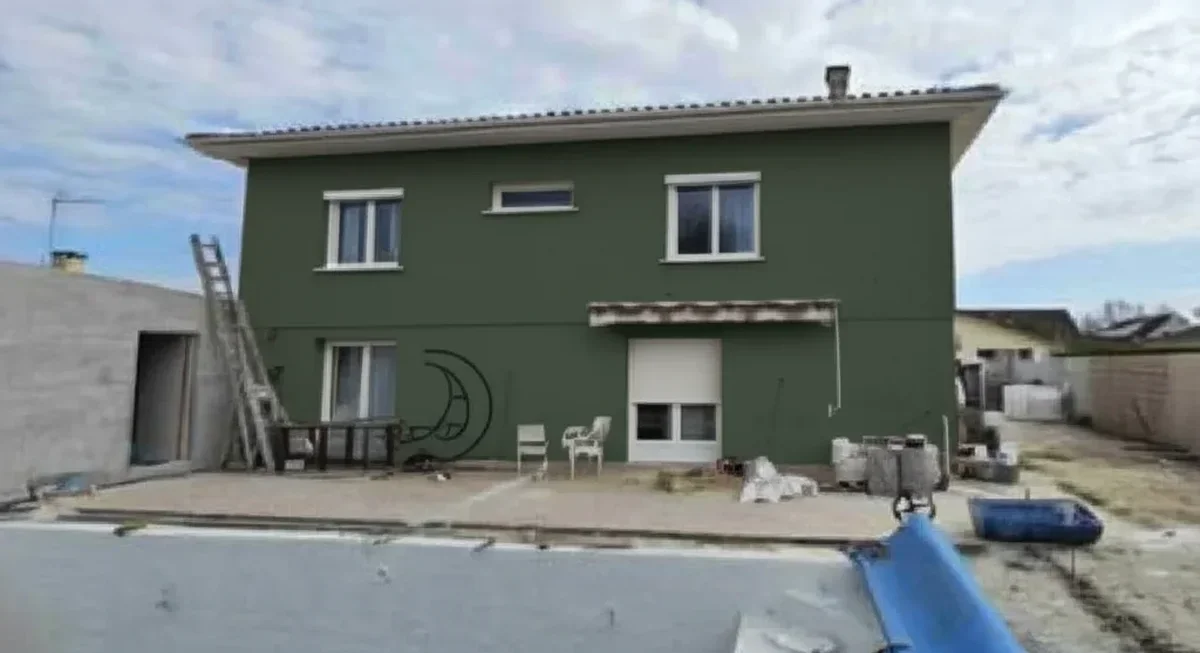
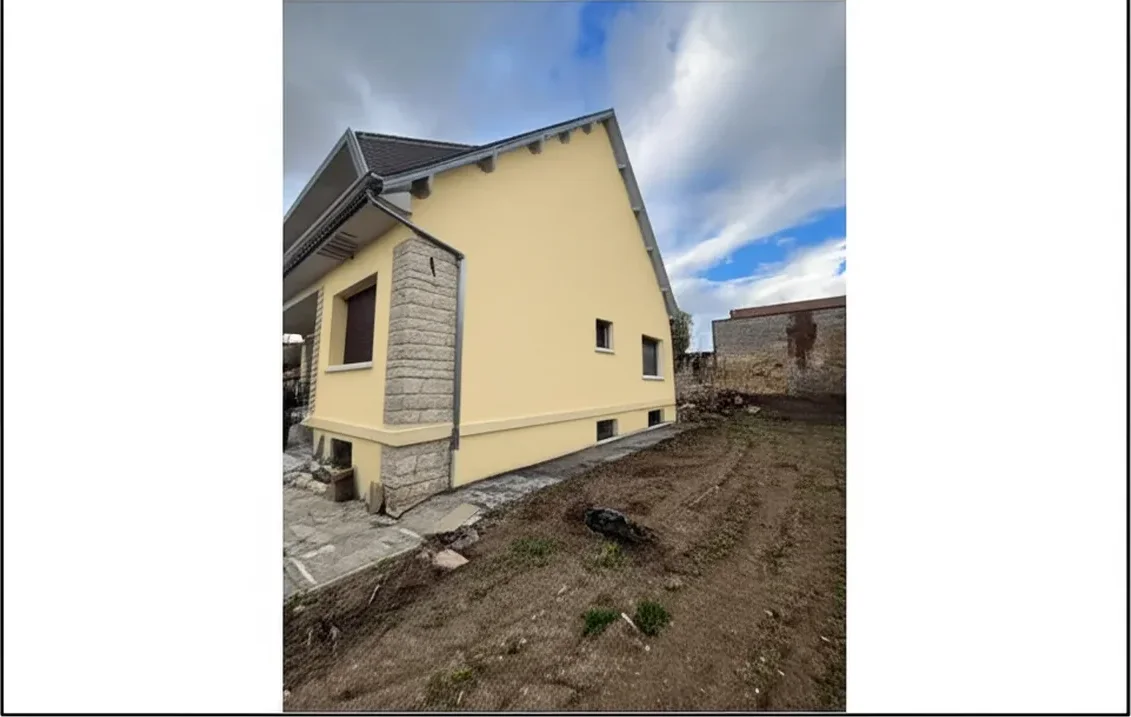
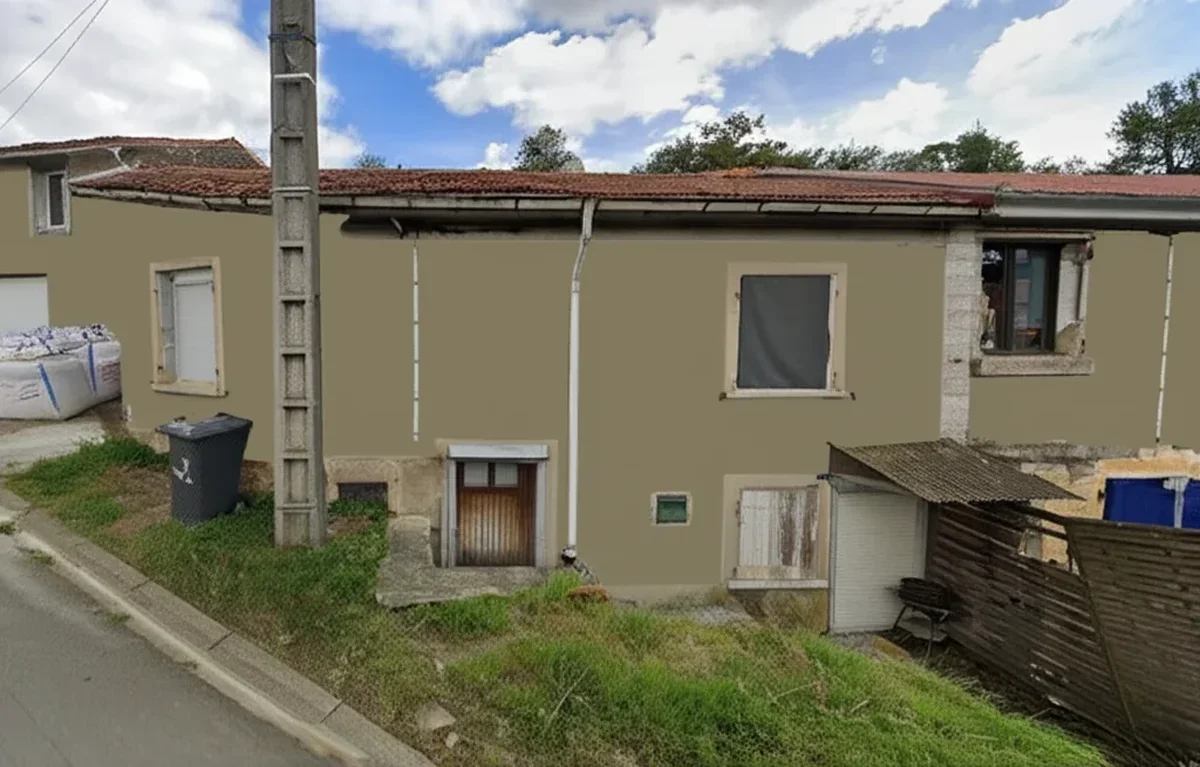
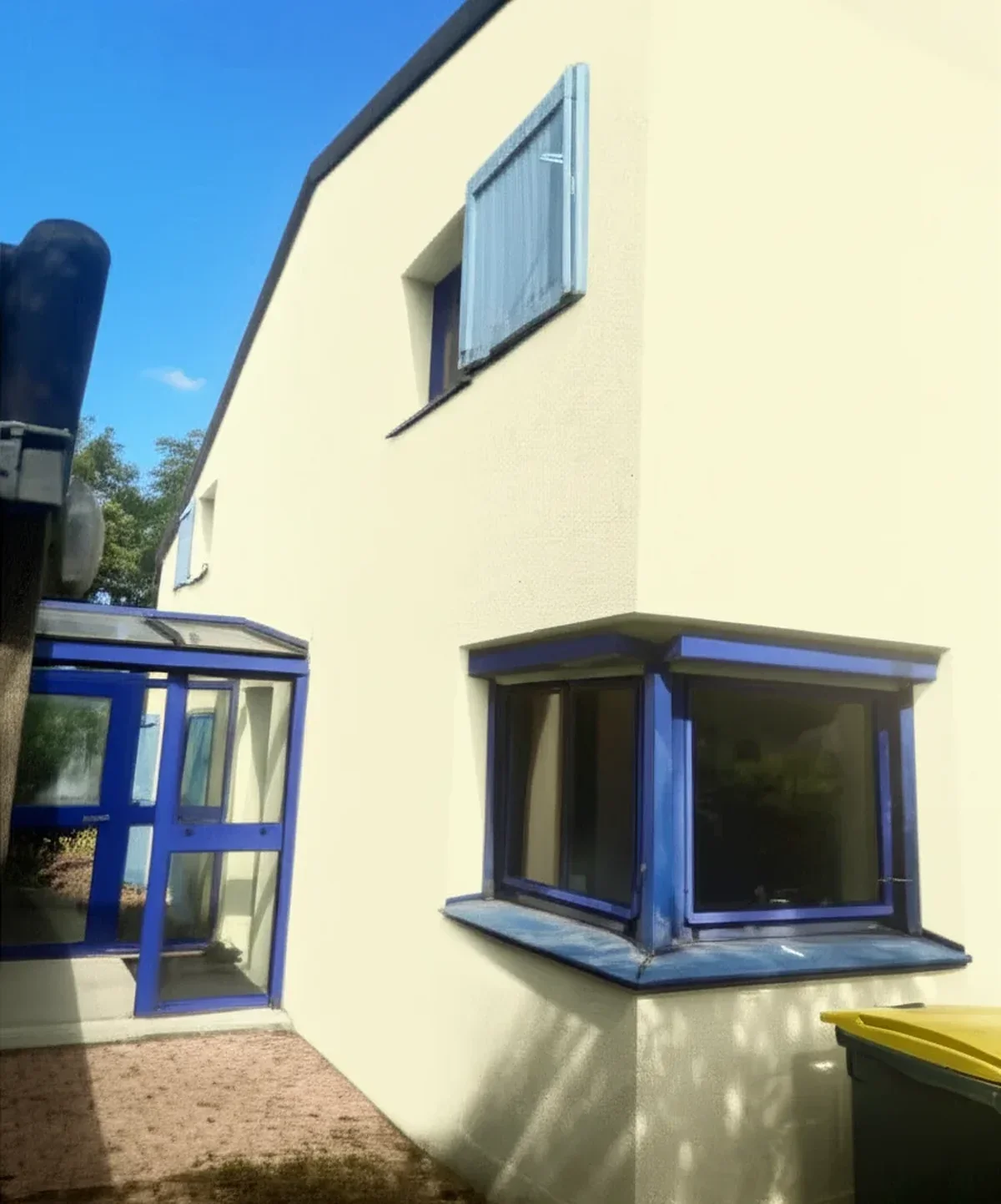
Wood accepts any color in any finish: solid paint, semi-transparent stain, or clear penetrating oil. This is where wood shines for design-driven homeowners. Try dozens of palettes on a photo of your actual home before committing; a bad color choice on 2,500 sq ft costs $6,000 to $9,500 in labor to undo.
The color limitation on vinyl is narrower than it used to be: Sherwin-Williams' VinylSafe colors add 100 shades, including some genuinely dark ones, that are formulated to resist warping on sound vinyl, which closes part of the gap with wood on this criterion.
Insulation and energy efficiency
Standard vinyl has an R-value near R-0.6, essentially negligible. Insulated vinyl (with a contoured EPS foam backer) reaches R-3.0 to R-3.5 and closes the gap with wood. Solid wood siding runs R-0.8 to R-1.0 per inch, so 3/4 inch clapboard delivers about R-0.75. In modern wall assemblies, continuous exterior insulation (R-5 to R-10 rigid foam or mineral wool) matters far more than the cladding choice itself.
Environmental impact
Wood siding is renewable, biodegradable, and carbon-storing when sourced from FSC-certified forests. Vinyl is a petrochemical product; manufacturing releases dioxins and the finished panels are only minimally recyclable. VSI has invested in post-consumer recycling programs, but recovery rates remain below 15%.
Resale value: 2026 Cost vs Value report
The 2026 Remodeling Magazine Cost vs Value report shows vinyl replacement recoups an average 80% ROI nationwide. Cedar and premium wood range from 69% to 88% ROI, with the top end in upscale historic and coastal markets (Cape Cod, coastal California, Seattle). In median suburban markets, vinyl edges wood on recouped cost because buyers reward low maintenance.
Regional recommendation
Quick regional guide
- Florida, Gulf Coast, coastal Carolinas: premium vinyl, insulated where possible. Humidity and salt spray punish wood.
- Southwest and Texas: vinyl or stucco. Wood dries out, cracks, and feeds termites.
- New England, Upper Midwest: cedar clapboard or shingle. Vinyl becomes brittle in hard freezes and violates many historic district rules.
- Pacific Northwest: cedar or fiber cement. Vinyl underperforms in the persistent wet-cold cycle.
- California, Mountain West (wildfire zones): neither is ideal, prefer fiber cement or stucco. If wood, use Class B fire-retardant-treated cedar with ember-resistant detailing.
- Median suburban markets nationally: vinyl, the 80% ROI is reliable and the maintenance cost is near zero.
When to choose vinyl
Pick vinyl when your budget is tight, your climate is warm or coastal, you don't want to think about maintenance, and your neighborhood comps are mostly vinyl. It is the rational choice for rental properties, starter homes, and most median-market single-family homes built since 1985.
When to choose wood
Pick wood when you live in a historic district, a high-end coastal or Northwest market, or a freeze-thaw climate where vinyl embrittlement is a real risk. Choose wood when your comps are wood, when you want unlimited color flexibility, and when you accept the 5-to-7-year paint cycle as part of stewarding a long-lasting home.
Frequently asked questions
Does vinyl siding really last 40 years?
Premium 0.046 to 0.055 inch vinyl with modern UV stabilizers routinely reaches 30 to 40 years, especially in temperate climates. Builder-grade 0.040 inch vinyl on a sun-baked south elevation in Phoenix or Miami may fade or warp by year 15 to 20. The Vinyl Siding Institute's 40-year figure assumes premium product, proper installation with expansion gaps, and an annual rinse to remove mildew.
Can I paint vinyl siding a dark color?
Only if the paint is manufacturer-approved for vinyl and the color is rated for vinyl use. Sherwin-Williams VinylSafe and Benjamin Moore Regal Select include specific dark colors formulated to reflect heat. Painting vinyl with a standard dark color causes the panel to absorb heat, expand beyond design limits, and buckle, which voids the siding warranty. Always check the Light Reflectance Value (LRV) requirement on the siding manufacturer spec sheet.
Which siding has the best resale value in 2026?
According to the 2026 Remodeling Magazine Cost vs Value report, vinyl replacement recoups roughly 80% of cost nationwide, while cedar and premium wood range from 69% to 88%, peaking in upscale historic and coastal markets. In median suburban neighborhoods, vinyl actually beats wood on ROI because buyers reward low maintenance. In Cape Cod, coastal California, the Pacific Northwest, and historic New England, cedar wins.
Free, no signup, preview vinyl or wood siding colors on your real home
Related siding comparisons
Still narrowing the field? These head-to-head guides cover the cladding options that most often land on a shortlist next to vinyl and cedar:
- Aluminum siding against fiber cement, the metal-versus-cementitious call on hail, fire, and embodied carbon.
- Fiber cement or engineered wood (LP SmartSide), the two premium upgrades people weigh once they rule out PVC.
- HardieBoard versus LP SmartSide if fiber cement and engineered wood are your two finalists.
Whatever material you settle on, it pays to preview the color on a photo of your own house before the first panel is ordered.
Vinyl and wood siding both have a rightful place on American homes, the best choice depends on your climate, budget, and neighborhood comps more than any single feature. Before you commit to a color, preview it on your actual home with our free AI paint visualizer. Sources: Vinyl Siding Institute, Remodeling Magazine Cost vs Value 2026, NAHB contractor surveys.
Trademarks mentioned (Sherwin-Williams, Benjamin Moore, Behr, Caparol, Brillux, Sto, Alpina, Valspar, PPG, Glidden, Dulux, Crown Trade, Sandtex, Farrow & Ball, Johnstone's, Leyland) are property of their respective owners. FacadeColorizer is independent and not affiliated with any of them. Nominative fair use under Lanham Act §1125.