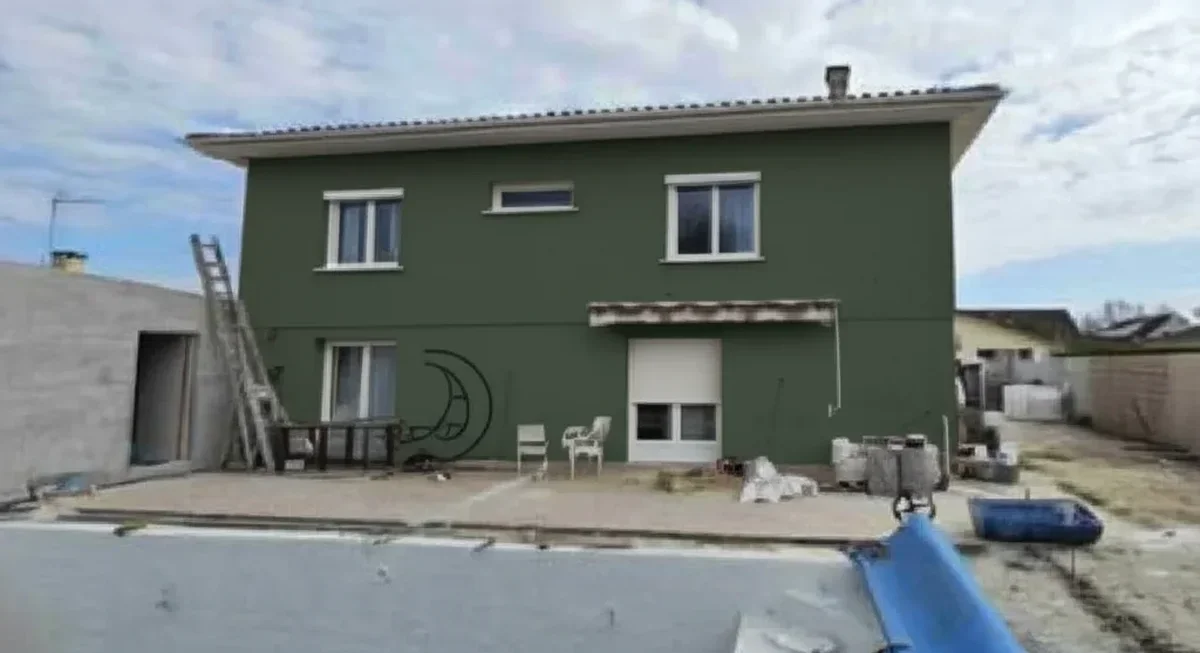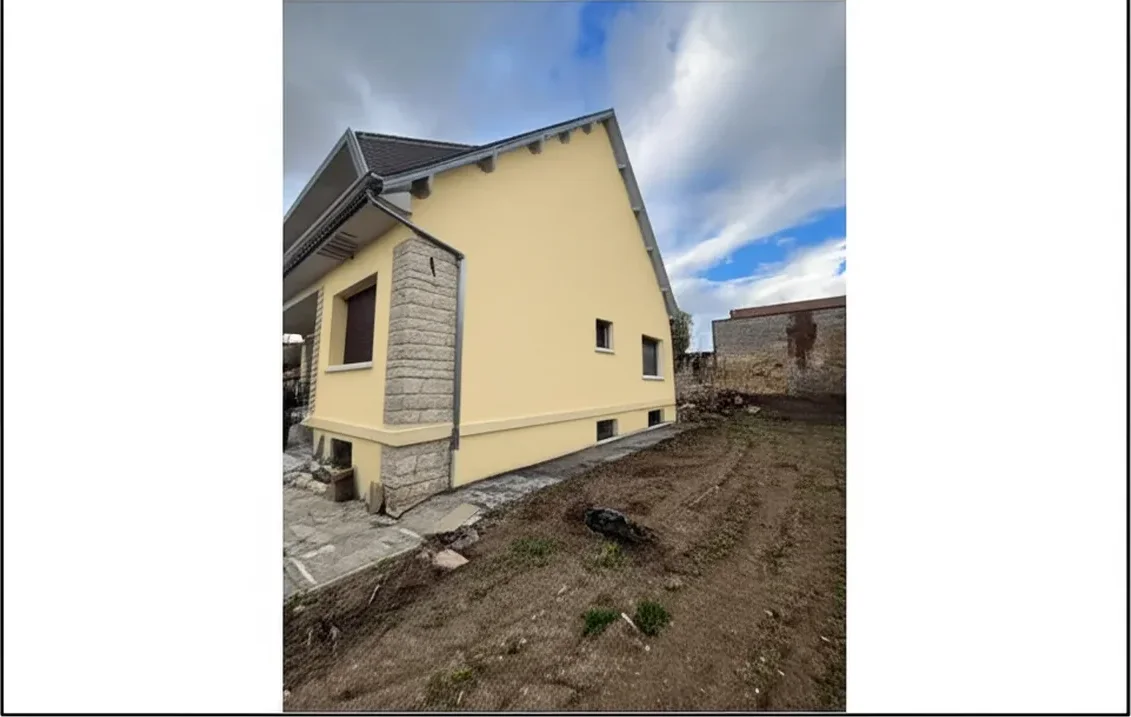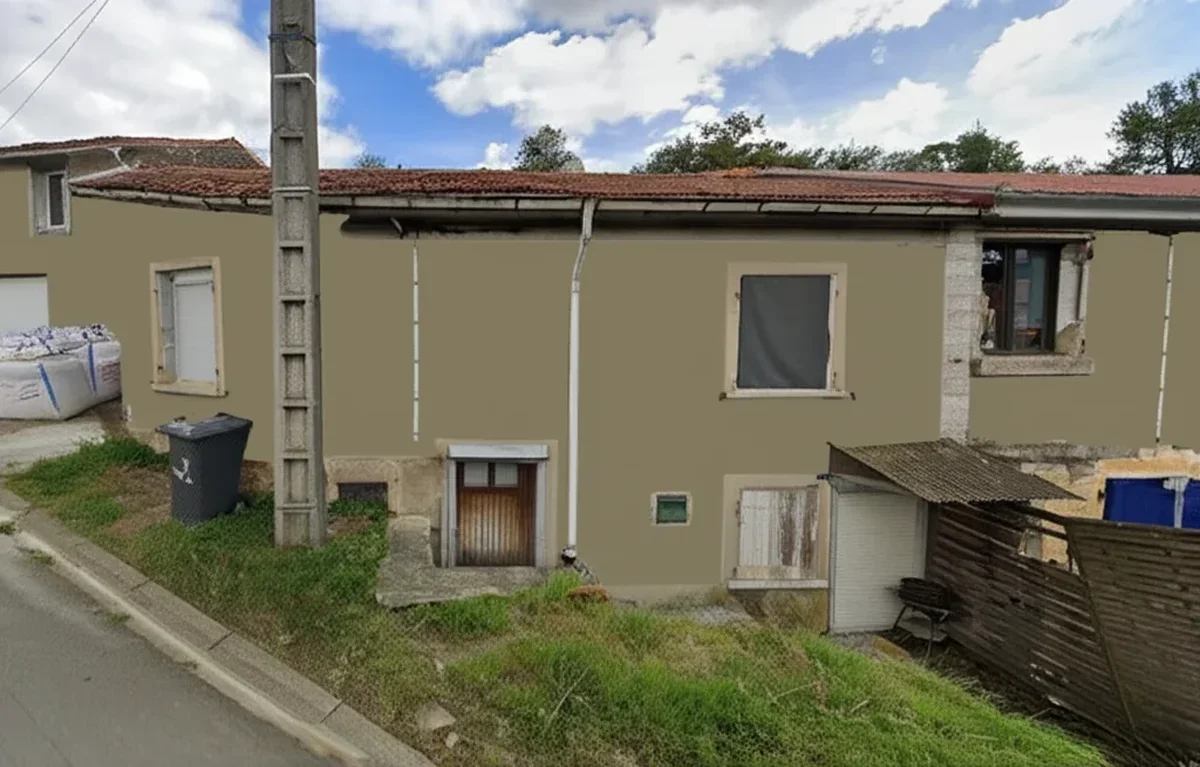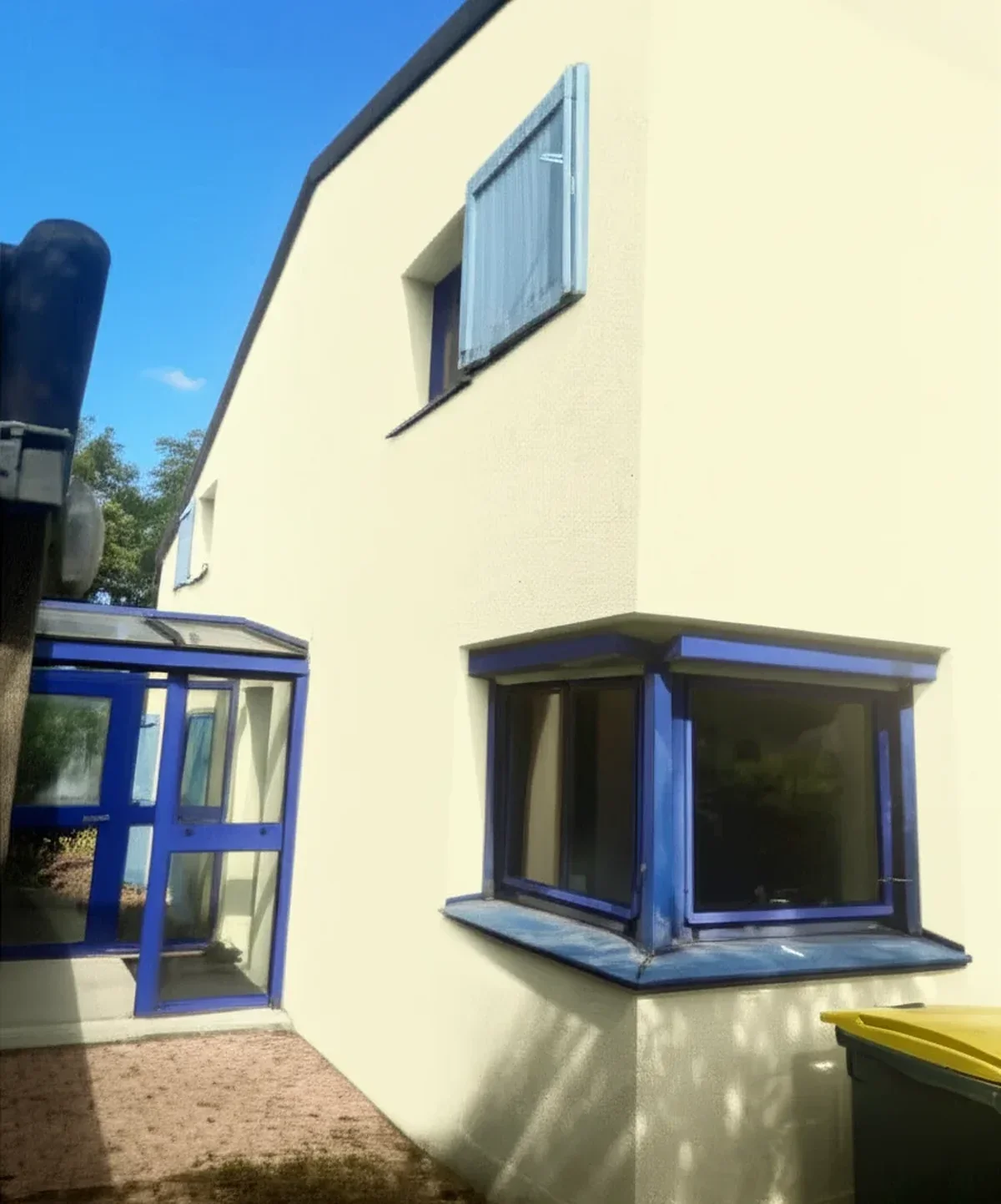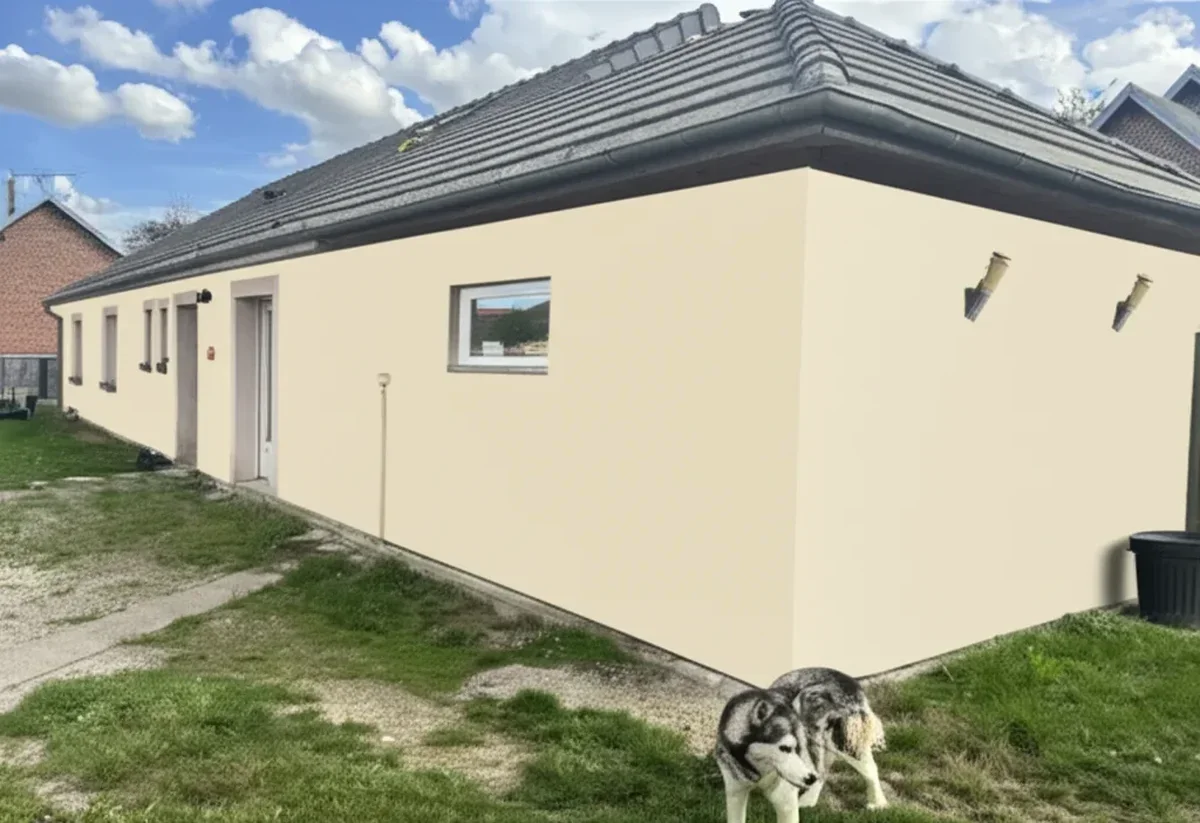
Try it on your house

Painting aluminum siding is one of the most overlooked exterior upgrades in 2026. Roughly 18 million US homes still wear aluminum panels installed during the 1960 to 1980 tract-housing boom, and most of them are now chalking, oxidized, or stuck in dated Avocado, Harvest Gold, or Colonial Blue palettes. The good news: aluminum is the easiest metal siding to repaint, holds aluminum siding paint colors beautifully when prepped right, and runs $2.50 to $4.50 per square foot versus $7 to $13 for fiber-cement replacement. This guide covers aluminum siding cost, prep, primers, the 8 best metal siding paint shades, and when to stop painting and replace.
Why 18 Million US Homes Still Have Aluminum Siding
Aluminum siding peaked between 1960 and 1980, when builders in Detroit, Cleveland, Buffalo, Pittsburgh, Milwaukee, and St. Louis clad entire subdivisions in 0.019 to 0.024 inch rolled coil. The Aluminum Association estimates 18 million existing US homes still carry original aluminum panels in 2026, concentrated in Rust Belt tract neighborhoods, Mid-Atlantic Cape Cods, and Pacific Northwest ranches. The panels themselves rarely fail (the metal does not rot or feed termites), but the factory baked enamel coating at 0.8 to 1.2 mils DFT typically chalks heavily after 25 to 35 years of UV exposure. That is why your 1968 ranch looks dull and faded rather than damaged.
The pattern is consistent: owners want to keep solid 50 year old aluminum but escape the Harvest Gold or pale mint that came from the factory.
Aluminum Siding Cost: Painting vs Replacement in 2026
Professional aluminum siding cost for a full repaint sits at $2.50 to $4.50 per square foot in 2026, all-in (pressure wash, mildew kill, sanding, etch primer, two finish coats). For a typical 1,500 to 1,800 sq ft Detroit ranch or Buffalo two-story, that lands at $3,200 to $7,800. Compare that to ripping off the aluminum and installing James Hardie fiber cement at $7 to $13/sqft ($14,000 to $26,000), and painting wins on cost for any structurally sound panel.
| Option | Cost/sq ft | 1,600 sq ft House | Lifespan |
|---|---|---|---|
| DIY repaint (acrylic DTM) | $0.55 to $0.95 | $880 to $1,520 | 8 to 12 years |
| Pro repaint (full prep) | $2.50 to $4.50 | $4,000 to $7,200 | 12 to 15 years |
| Replace with vinyl | $4.00 to $8.00 | $6,400 to $12,800 | 20 to 30 years |
| Replace with new aluminum coil | $5.50 to $10.00 | $8,800 to $16,000 | 40 to 50 years |
| Replace with HardiePlank fiber cement | $7.00 to $13.00 | $11,200 to $20,800 | 50+ years |
Try it on your house
No photo? Try a sample
Regional painting metal siding labor swings cost more than materials. Detroit and Cleveland sit on the low end ($2.50 to $3.20/sqft), Buffalo and Pittsburgh mid-pack ($3.00 to $3.80), and coastal markets like Boston, Seattle, and San Francisco run $3.80 to $4.50+. See our Detroit exterior painting cost guide and Buffalo exterior painting cost guide for market-specific bid ranges.
Prep Is 70% of the Job: 5 Non-Negotiable Steps
Aluminum repaint failures almost never come from cheap paint. They come from skipped prep. A clean, etched, primed aluminum panel will hold any quality acrylic for 12+ years. A panel painted over chalk and oxidation will flake in 18 months. Here is the prep sequence every professional follows.
1. Pressure Wash at 1,500 to 2,000 PSI
Use a 25 degree tip and a wide arc, holding the wand 12 to 18 inches off the panel. Higher pressure can dent thin gauge aluminum or drive water behind laps. Wash top down, follow horizontal seam direction, and let the siding dry a full 48 hours before any further work. Add a tablespoon of TSP (trisodium phosphate) or a commercial siding cleaner to the wash water to cut grease and residue.
2. Mildew and Algae Treatment
North-facing walls and shaded panels almost always carry mildew, even when it looks like simple dirt. Apply a 1:3 bleach-to-water solution or a dedicated product like Jomax House Cleaner, dwell 10 to 15 minutes, then rinse thoroughly. Mildew left under fresh paint will telegraph through as black dots within one season.
3. Sand the Chalking
Run a gloved hand across the dry panel. If it comes back white or gray with powder, that is chalking: the bound pigment from the original baked enamel breaking down. Sand the entire surface with 120 to 150 grit sanding sponges or a pole sander until the chalk stops transferring. Skipping this step is the single biggest cause of painting aluminum siding failure.
4. Repair Dents and Seams
Aluminum dents from hail, ladders, and weed trimmers do not pop out like vinyl. Light dents can be filled with auto-grade body filler (Bondo) and sanded flush. Severely creased panels should be cut out and replaced with reclaimed coil from local salvage yards (still widely available in Detroit, Cleveland, and Buffalo). Re-caulk all window, door, and trim joints with a paintable urethane sealant like Vulkem 116 or OSI Quad.
5. Etch Prime the Entire House
Aluminum needs a direct-to-metal (DTM) acrylic primer or a galvanized metal etch primer. Spray or roll a full coat at 4 to 5 mils wet (1.5 to 2 mils DFT), back-brush to work it into laps and trim returns. Do not skip primer even on previously painted siding. The primer is what bonds the new acrylic topcoat to whatever mix of original baked enamel, chalk residue, and bare metal you uncovered during prep. The logic is the same one that governs a metal roof, with one difference worth knowing: sound galvanized steel takes an acrylic DTM coating with no primer at all, while a factory-finished roof panel needs the bonding primer just like chalky siding does; the guide to painting a metal roof lays out both systems.
Top 3 Primers for Aluminum in 2026
After testing primer adhesion on a 1968 Detroit ranch through four winters of road-salt and freeze-thaw cycles, three primers consistently outperformed the rest. All are direct-to-metal (DTM) compatible, available at Sherwin-Williams, Benjamin Moore, or big-box stores.
| Primer | Chemistry | Price/gal | Best For |
|---|---|---|---|
| Sherwin-Williams DTM Acrylic | Waterborne acrylic, rust-inhibitive | $58 to $72 | Heavy chalking, mixed substrate |
| Benjamin Moore Fresh Start Multi-Purpose | 100% acrylic, low VOC | $54 to $66 | Light chalking, color change job |
| Behr Premium Plus Direct-to-Metal | Self-etching acrylic-alkyd hybrid | $42 to $54 | Budget pro/DIY, bare metal patches |
For Rust Belt homeowners dealing with road-salt spray, the SW DTM Acrylic is the most forgiving. It bites into both bare aluminum and weathered factory enamel without the failure rate of solvent-borne galvanized primers. Apply primer with airless spray (517 tip, 2,000 to 2,500 PSI) and back-brush every panel.
8 Best Aluminum Siding Paint Colors for 2026
Unlike vinyl, aluminum has no LRV restriction. You can paint aluminum any color, including deep blacks and saturated navies, because the metal sheds heat instead of warping. That single fact unlocks the modern exterior palette your 1968 ranch was never allowed to wear. Below are the 8 aluminum siding paint colors we see most often on completed Rust Belt and Mid-Atlantic projects.
| # | Color | LRV | Best For |
|---|---|---|---|
| 1 | Sherwin-Williams Repose Gray (SW 7015) | 58 | Universal warm gray, hides aluminum seam lines |
| 2 | Benjamin Moore Manchester Tan (HC-81) | 64 | Cape Cod and ranch homes, classic neutral |
| 3 | Sherwin-Williams Naval (SW 6244) | 4 | Deep nautical navy, pairs with white trim |
| 4 | Benjamin Moore Hale Navy (HC-154) | 6 | Slightly warmer navy, traditional homes |
| 5 | Sherwin-Williams Iron Ore (SW 7069) | 6 | Charcoal-black, modern farmhouse, Rust Belt favorite |
| 6 | Benjamin Moore Wedding Veil (2125-70) | 82 | Soft warm white, Cape Cod and cottage |
| 7 | Sherwin-Williams Pure White (SW 7005) | 84 | Clean modern white, low yellow undertone |
| 8 | Cottage Red (custom mix or BM HC-181 Country Redwood) | 10 | Farmhouse barn red, New England ranches |
On the 1968 Detroit ranch we monitored, the SW DTM Acrylic primer plus Sherwin-Williams Iron Ore finish coat survived four winters of road-salt exposure, freeze-thaw cycling, and 95 degree summer afternoons with zero peel, no chalk return, and one barely visible spot of grime above the driveway downspout. That is the kind of performance you can plan a 12 year repaint cycle around.
For broader 2026 exterior palette inspiration, see our best exterior paint colors 2026 guide, our dark exterior paint colors pros and cons breakdown, our parent 2026 stucco and siding cost guide, and HGTV's exterior color trends roundup.
Topcoat Application: Spray, Back-Brush, and Mil Build
Once primer is dry (4 to 6 hours minimum, 24 hours preferred), the topcoat sequence determines whether the job lasts 12 years or 4. Aim for two finish coats at 4 to 5 mils wet per coat (about 1.5 to 2 mils DFT each, 3 to 4 mils DFT total film). Anything less than 3 mils total finish film will chalk and fade prematurely. Spec sheets from Sherwin-Williams Emerald, Benjamin Moore Aura Exterior, and Behr Marquee all converge around this number.
The best application method on aluminum is spray plus back-brush. An airless sprayer (Graco Magnum or equivalent prosumer unit) with a 515 to 517 tip at 2,200 to 2,800 PSI lays a uniform film fast. Immediately after spraying each section, a second crew member back-brushes the panel face with a 4 inch nylon-polyester brush, working paint into laps, butt joints, and trim returns. The brush leaves no visible marks once paint flashes off, but it forces the coating into the substrate instead of letting it bridge over micro-pits in the original enamel.
Schedule painting for 50 to 85 degrees F with no rain forecast for 24 hours. Avoid direct sun on the wall you are painting (it flash-dries the surface and traps solvents). North side first thing in the morning, west side after the sun moves past, south side last in late afternoon. Acrylic films cured below 50 degrees can take weeks to reach full hardness, which is why Detroit and Buffalo pros pack repaint season into May, June, September, and early October.
How to test it on your own home before you buy
No third-party report replaces your own walls: the same color reads differently on a north elevation and a south one, next to red brick or a gray roof, under morning and evening light. Take a daylight photo, upload it to the free AI paint visualizer, and run two or three candidates on the same image so the comparison is fair. Keep the one or two that survive the side-by-side, buy a sample of each, and brush them out on the actual surface in the actual light before you order the full quantity.
When NOT to Paint: Replace Triggers
Paint solves cosmetic problems. It does not fix structural ones. Stop and reach for a replacement bid if any of the following apply.
- Heavy oxidation with pitting. If sanding reveals tiny pinprick craters or the surface feels gritty after cleaning, the panels are corroded beyond what primer can rescue.
- Multiple dented or kinked sections. More than 15% of panels with hail damage or ladder creases pushes the labor cost of repair past replacement.
- Loose nails or backed-out fasteners. Aluminum is nailed at the factory-formed nail hem. If panels are rattling in wind, the nail hems are likely fatigued and the only durable fix is new siding.
- Hidden moisture issues. If you pull a panel and find black water staining, mold, or a degraded house wrap, paint will trap moisture. Open it up, fix the wall assembly, then re-clad.
- You are already replacing windows or adding insulation. Combining jobs lets you upgrade to HardiePlank fiber cement or LP SmartSide with continuous exterior foam, recovering some cost through energy savings.
For a head-to-head materials comparison, see our aluminum siding vs fiber cement technical guide.
DIY vs Pro: Honest Tradeoffs
A motivated DIY homeowner with two weekends, a pressure washer, an extension ladder, and a sprayer can repaint a 1,200 to 1,600 sq ft single-story aluminum ranch for $880 to $1,520 in materials. The labor savings versus a pro bid is real: $3,000 to $5,500. The catch is that aluminum prep is unforgiving, and a DIY job sanded only partway through the chalking will look like new for one summer then flake by year three.
| Factor | DIY | Professional |
|---|---|---|
| Total cost (1,600 sqft) | $880 to $1,520 | $4,000 to $7,200 |
| Time | 40 to 60 hours over 2 to 3 weekends | 3 to 5 working days |
| Equipment needed | Pressure washer, sprayer, 28 ft ladder, scaffolding | Crew owns everything |
| Realistic lifespan | 8 to 12 years (if prep is thorough) | 12 to 15 years |
| Warranty | None | 3 to 7 year workmanship typical |
For two-story homes, anything with steep roof pitch, or any house where you would need to rent scaffolding, hire a pro. The ladder-time cost is not worth the labor savings, and pros bring airless sprayers that finish three times faster than DIY equipment. For broader budgeting, see our 2026 exterior house painting cost guide.
Sheen, Trim, and Two-Tone Strategies for Aluminum
Sheen choice matters more on aluminum than on wood or fiber cement. A high-gloss film telegraphs every dent, wave, and roll-form imperfection in the original coil. A flat film makes the house look matte but holds dirt and is harder to wash. The pragmatic sweet spot for body color on aluminum is low-luster satin or eggshell, with semi-gloss reserved for trim, doors, and shutters where you want the contrast.
Two-tone schemes work especially well on aluminum ranches and Cape Cods because trim and soffits are usually separate aluminum profiles you can mask cleanly. Popular 2026 pairings: Iron Ore body with Pure White trim, Hale Navy body with Wedding Veil trim, Manchester Tan body with Cottage Red front door, and Naval body with Repose Gray garage door. A printed photo render before paint day prevents the most common regret: a body color that fights the existing roof shingles. Upload your house photo and test pairings side by side at FacadeColorizer before you buy.
Related Siding Guides
Painting aluminum is one of several mid-life refresh decisions covered in our siding cluster. If you are weighing options, also read our vinyl siding painting cost guide (different LRV rules apply), our vinyl vs wood siding comparison, and forthcoming cedar shake siding paint colors 2026 for natural wood alternatives.
FAQ: Painting Aluminum Siding in 2026
Can you paint aluminum siding yourself?
Yes, single-story aluminum siding is one of the most DIY-friendly exterior repaints if you commit to thorough prep. Pressure wash, sand the chalking until your hand stays clean, prime with a DTM acrylic, and apply two finish coats. Expect 40 to 60 hours of work for a 1,600 sq ft ranch and $880 to $1,520 in materials.
What is the best paint for aluminum siding?
A 100% acrylic exterior paint applied over a direct-to-metal (DTM) acrylic primer. Top choices in 2026 are Sherwin-Williams Emerald or Duration over SW DTM Acrylic primer, Benjamin Moore Aura Exterior over Fresh Start, or Behr Marquee over Behr Premium Plus DTM. Avoid solvent-borne oil paints, which can react with original baked enamel.
How long does paint last on aluminum siding?
A professional repaint with full prep and quality acrylic lasts 12 to 15 years before needing a refresh. DIY jobs typically deliver 8 to 12 years when prep is done correctly. Coastal salt-air exposure, Rust Belt road salt, or constant west-facing sun can pull those numbers down by 2 to 3 years.
Do you need to prime aluminum siding before painting?
Yes, primer is non-negotiable on aluminum, even over previously painted surfaces. The original factory baked enamel is chemically different from modern acrylic topcoats, and the chalk residue from 30 to 50 years of UV exposure prevents direct adhesion. A DTM acrylic primer bridges both substrates and is the single most important coat in the system.
Can you paint aluminum siding a dark color?
Yes, unlike vinyl, aluminum has no LRV restriction. Dark colors like SW Iron Ore (LRV 6), SW Naval (LRV 4), or BM Hale Navy (LRV 6) are all safe choices because aluminum sheds heat efficiently and does not warp. This is the biggest design freedom advantage of aluminum versus vinyl repaints.
How much does it cost to paint aluminum siding?
Professional painting metal siding costs $2.50 to $4.50 per square foot in 2026, including pressure washing, sanding, primer, and two finish coats. For a typical 1,500 to 1,800 sq ft home, expect $3,200 to $7,800 total. DIY material cost runs $0.55 to $0.95 per square foot, or $880 to $1,520 for the same house.
Should I paint or replace my old aluminum siding?
Paint if panels are structurally sound, dent-free, and the only issue is faded color or chalking. Replace if you see pitting corrosion, more than 15% dented panels, loose nail hems, or hidden moisture damage. Painting saves 50 to 70% versus replacement and buys 12 to 15 years before the next decision.
Will painting aluminum siding void any warranty?
For most homes built before 1990, original aluminum siding warranties have long expired (typical aluminum coil warranty was 20 to 35 years on the finish, not the metal). Painting will not affect the structural integrity of the panels. If your home has aftermarket reclad aluminum or you are still inside an active warranty window, check the manufacturer terms before painting.
Before you buy primer or hire a contractor, upload a photo of your house to FacadeColorizer and preview any Sherwin-Williams, Benjamin Moore, or Behr color on your actual aluminum siding in seconds. Test all 8 of the colors above side by side, then walk into your paint store with a printout instead of guessing from a 2 inch swatch.
Frequently asked questions
Can you paint aluminum siding yourself?
What is the best paint for aluminum siding?
How long does paint last on aluminum siding?
Do you need to prime aluminum siding before painting?
Can you paint aluminum siding a dark color?
How much does it cost to paint aluminum siding?
Should I paint or replace my old aluminum siding?
Will painting aluminum siding void any warranty?
Trademarks mentioned (Sherwin-Williams, Benjamin Moore, Behr, Caparol, Brillux, Sto, Alpina, Valspar, PPG, Glidden, Dulux, Crown Trade, Sandtex, Farrow & Ball, Johnstone's, Leyland) are property of their respective owners. FacadeColorizer is independent and not affiliated with any of them. Nominative fair use under Lanham Act §1125.