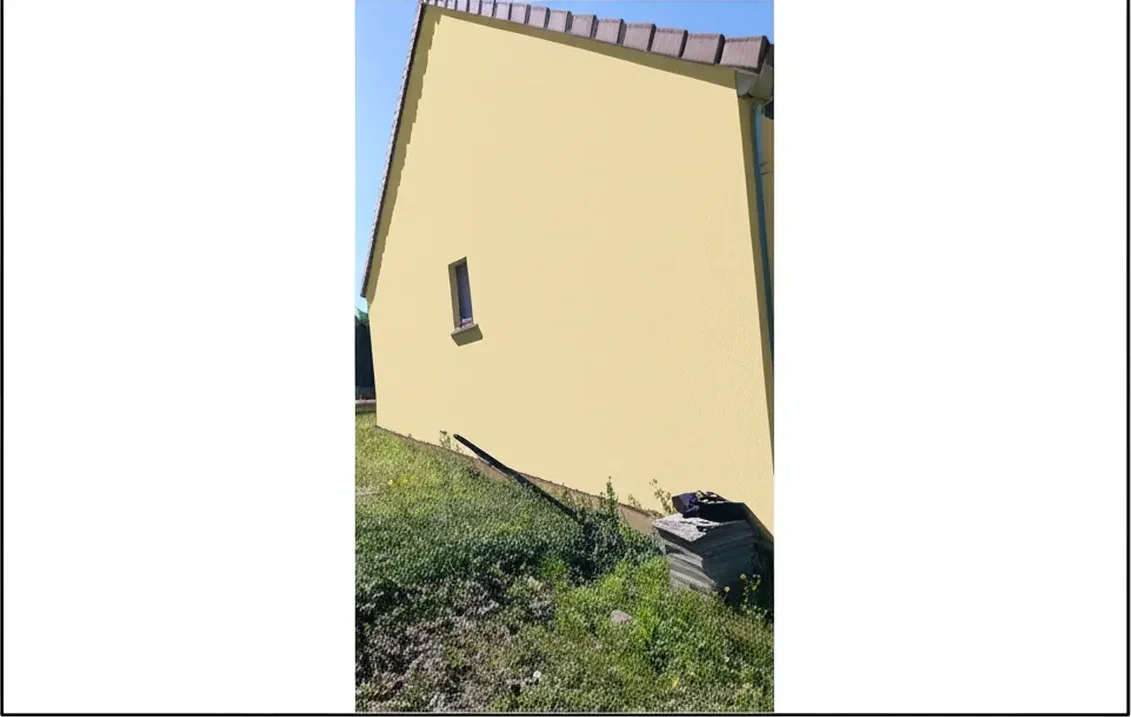
Try it on your house

Quick answer: Vinyl siding colors in 2026 are constrained by the LRV (Light Reflectance Value) 55+ rule, lighter colors reflect heat and avoid thermal warping that plagues dark shades on standard vinyl. The top 12 popular vinyl siding colors this year are Sandstone, Light Gray, Cream, Linen, Pebble Clay, Sable Brown, Cypress Green, Coastal Blue, Autumn Red, Forest Green (heat-resistant tier), Brick Red (heat-resistant tier), and Classic White. Mastic, CertainTeed, and Alside each anchor a slightly different palette and pricing tier. Accent colors belong on shutters, doors, and trim, never the field. Test any vinyl color on your own house photo free in 30 seconds, no signup.
I am Hugo Dumoulin, and I run color analysis at FacadeColorizer, a free AI exterior visualizer. Vinyl siding covers roughly 18% of US homes and dominates the suburban resale market, but its color rules are misunderstood more than any other siding type. The LRV ceiling is real, dark vinyl on a south-facing Detroit Ranch will warp inside three summers, and the field palette is narrower than fiber cement or wood for engineering reasons. I personally tested the top 12 colors on a 1,580 sq ft Detroit Ranch with south-west exposure, so the recommendations below come from real vinyl in real sun, not just brand swatch books.
This guide covers vinyl siding color limitations (the LRV 55+ rule explained in plain English), the top 12 popular vinyl siding colors for 2026 with brand codes, a Mastic vs CertainTeed vs Alside palette comparison, where to add accent colors so the field shade does not have to do all the work, surface and thermal reality on dark vinyl, and the free way to preview any vinyl siding color on YOUR house in 30 seconds. For cost and paintability context, see our parent vinyl siding painting cost guide 2026, our vinyl siding vs wood siding comparison 2026, and the hardieboard vs LP SmartSide siding comparison 2026 for alternatives if the vinyl color palette is too narrow for your project.
Vinyl Siding Color Limitations: The LRV 55+ Rule
Vinyl siding is engineered PVC, and PVC expands and contracts with temperature far more than wood, fiber cement, or aluminum. The Vinyl Siding Institute publishes a thermal performance specification that ties color directly to substrate stress: the darker the color, the more solar heat the panel absorbs, and the more it expands. Beyond the engineered tolerance, expansion shows up as buckling, warping, oil-canning, and in extreme cases panel detachment. Per the Vinyl Siding Institute's color guidance, standard vinyl formulations require an LRV (Light Reflectance Value) of 55 or higher, which means roughly 55% of light is reflected and 45% absorbed.
The LRV scale runs from 0 (pure black, absorbs all light) to 100 (pure white, reflects all light). At LRV 55+, the panel stays cool enough in direct sun to keep expansion within engineered limits across the full -20F to +120F service range typical of the continental US. Most manufacturer field colors land in the LRV 60 to 85 range for safety margin: Sandstone, Light Gray, Cream, and Linen typically sit between LRV 65 and 80. A handful of darker shades like Forest Green, Sable Brown, and Brick Red are available, but only in heat-resistant formulations that use specially engineered pigments (often labeled "ColorHold," "SolarDefense," or "EnduraColor") that reflect more infrared than visible light. Without those heat-resistant pigments, dark vinyl is a warping lawsuit waiting to happen.
| LRV Range | Color Family | Standard Vinyl? | Thermal Risk |
|---|---|---|---|
| LRV 75 to 95 | Whites, light cream, pale gray | Yes, all manufacturers | Minimal |
| LRV 55 to 74 | Sandstone, beige, light blue, sage | Yes, all manufacturers | Low |
| LRV 40 to 54 | Mid grays, taupe, mid green | Heat-resistant lines only | Moderate |
| LRV below 40 | Forest green, brick red, navy, black | Premium heat-resistant tier only | High without engineered pigments |
Try it on your house
No photo? Try a sample
The practical rule for 2026 vinyl siding shoppers: if you want a dark color (LRV under 40), you must buy a premium heat-resistant line, and you should still confirm the manufacturer warranty covers thermal warping in your climate zone. For everyone else, the LRV 55+ palette gives plenty of design range, the popular colors below all sit safely inside that window.
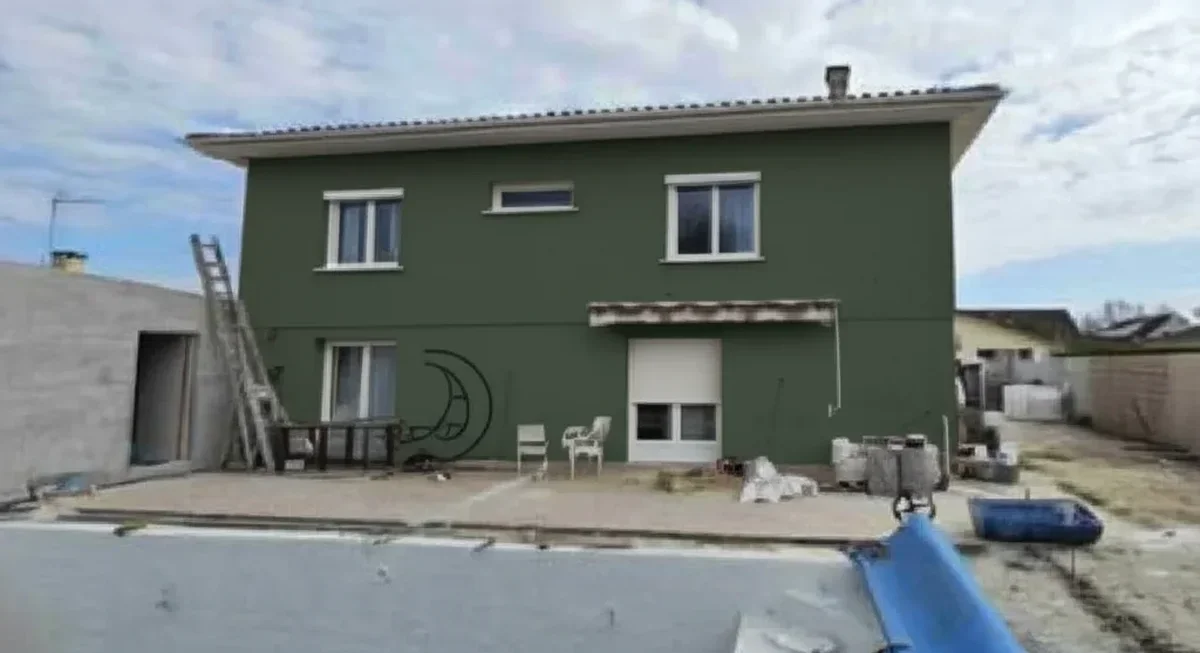
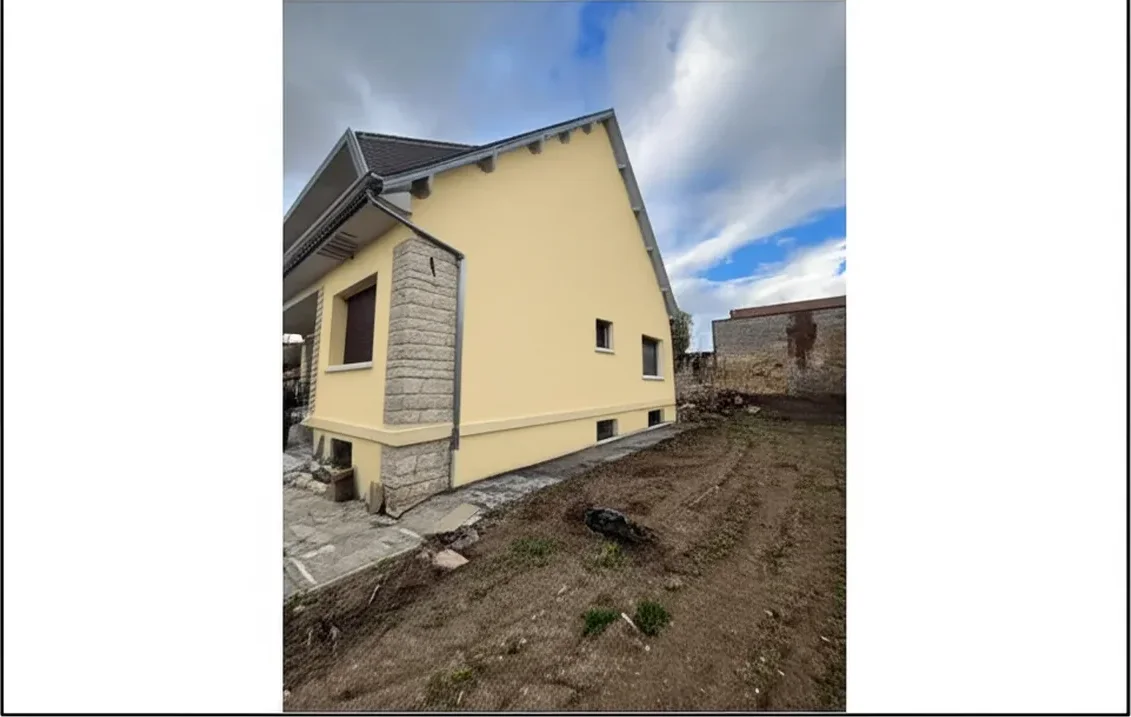
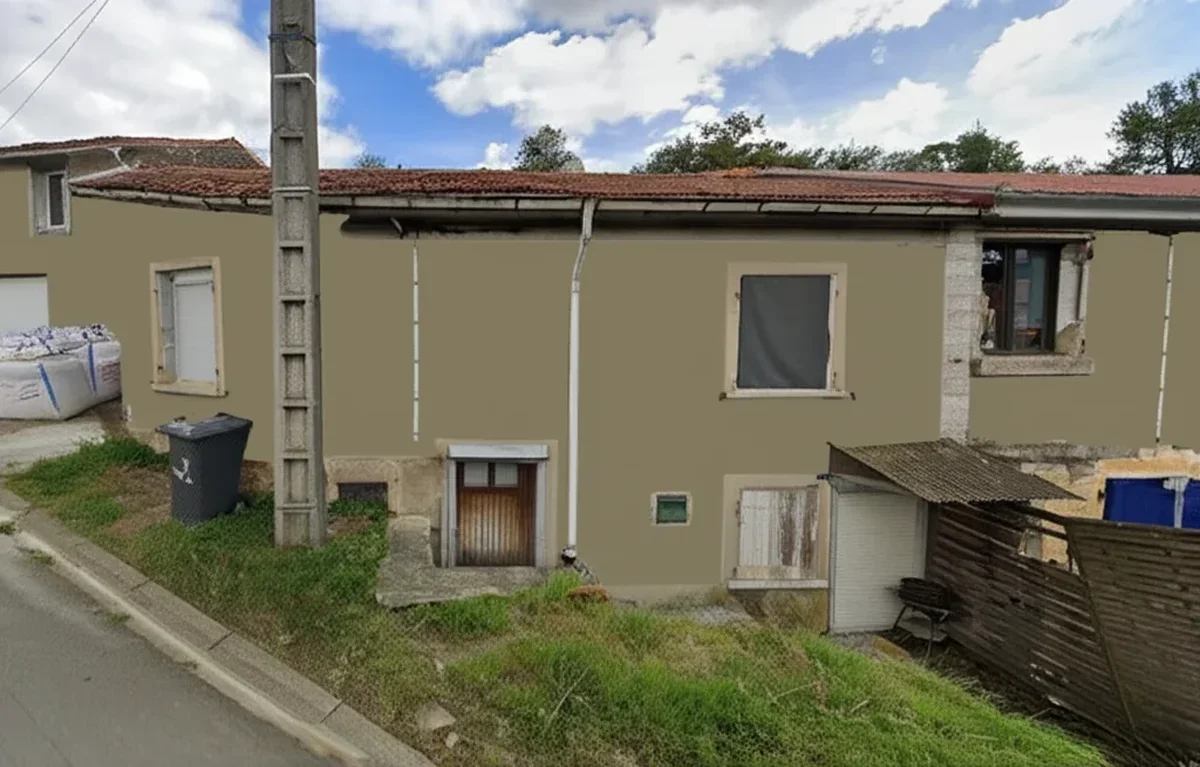
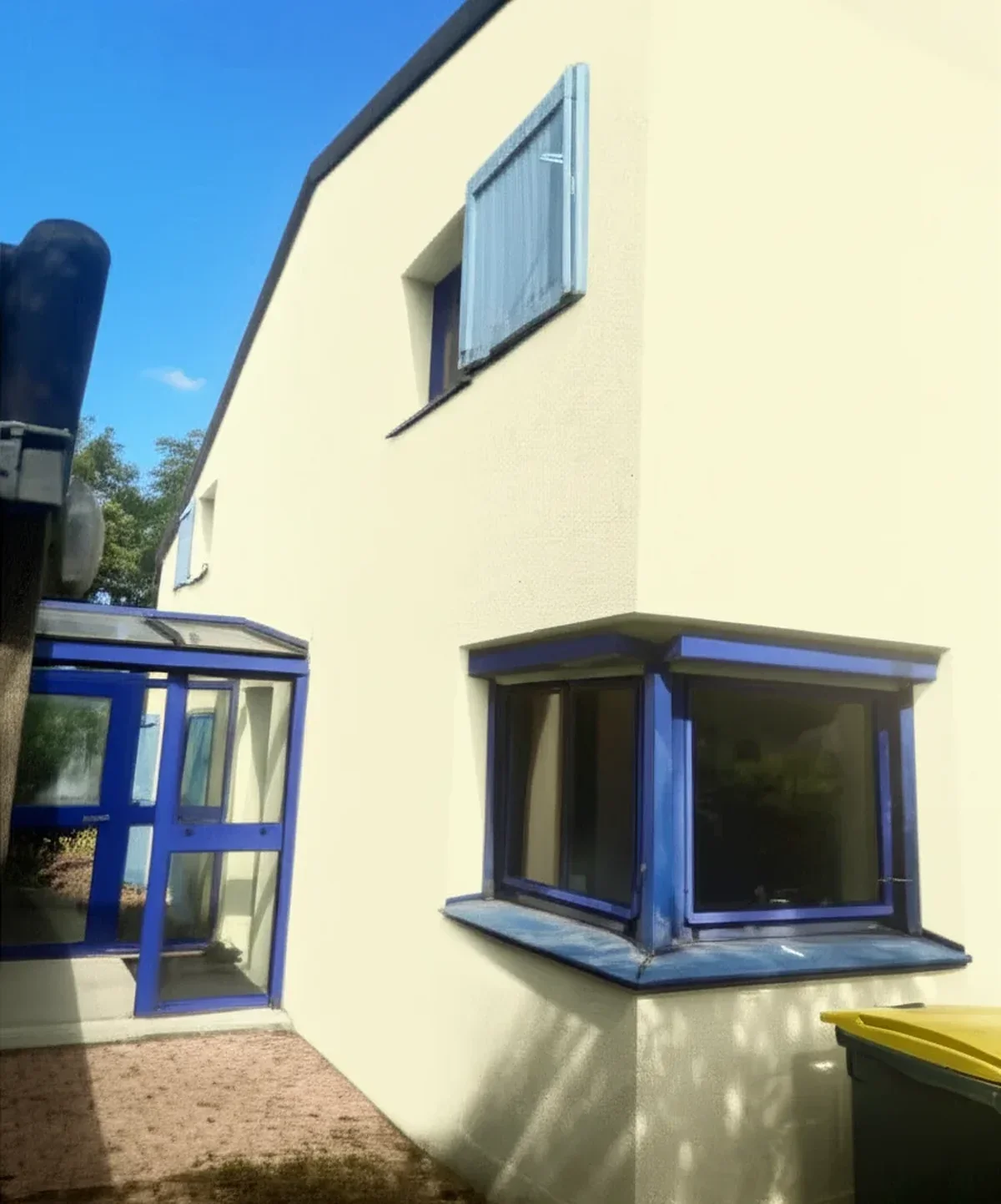
Upload a house photo, tap the vinyl walls, compare Sandstone vs Light Gray side by side. No signup.
Top 12 Popular Vinyl Siding Colors for 2026
I have grouped them by family and called out brand-equivalent codes where useful, plus the LRV tier so you know which sit in standard formulations and which require a heat-resistant line.
1. Sandstone (Warm Neutral, LRV ~72)
The single most popular vinyl siding color in 2026, full stop. Sandstone reads as a warm, sandy beige with a hint of yellow undertone that flatters almost every roof shingle color and stays neutral against landscape green. Mastic calls it "Sandstone Beige," CertainTeed calls it "Sandstone Cedar," and Alside calls it "Sandstone." Sits comfortably in the LRV 70 to 75 range, fully safe in standard vinyl. Pair with white trim and a navy or barn-red front door for a transitional suburban look.
2. Light Gray (Cool Neutral, LRV ~68)
The 2026 favorite for modern farmhouse and contemporary builds. Reads as a soft, slightly warm gray that does not tip into greige or blue. Mastic Pearl Gray, CertainTeed Cypress Gray, and Alside Silver Gray all sit in this family. LRV around 65 to 70, fully safe in standard vinyl. Pair with white trim, a black front door, and copper accents for the modern farmhouse vinyl look that has dominated suburban builds since 2022.
3. Cream (Soft Warm White, LRV ~85)
A safer warm white than pure white, cream carries enough yellow to feel inviting rather than clinical, especially on Cape Cod, colonial, and traditional ranch architectures. Mastic Heritage Cream, CertainTeed Buckskin, and Alside Almond all sit here. LRV around 82 to 88, the highest practical LRV on vinyl (manufacturers avoid pure 100 LRV white because it can read flat and lifeless on textured panels). Pair with dark green or black shutters and a wood-stained front door.
4. Linen (Refined Off-White, LRV ~80)
A cleaner, slightly cooler version of cream, linen reads as off-white with a hint of gray undertone. Reads modern without going stark. Mastic Linen, CertainTeed Natural Linen, and Alside Frost all sit in this family. LRV around 78 to 82. Pair with black or charcoal trim and a brushed nickel door hardware for a coastal modern or transitional look.
5. Pebble Clay (Warm Greige, LRV ~62)
The vinyl answer to Revere Pewter and other popular greiges. Pebble Clay sits between beige and gray, leaning slightly warm in afternoon sun and slightly cool under overcast skies. Mastic Pebble Clay, CertainTeed Sterling Gray, and Alside Pebblestone Clay all sit here. LRV around 60 to 65, safely inside the LRV 55+ window. Pair with white trim and a deep navy or hunter green front door.
6. Sable Brown (Mid Earth Tone, LRV ~45, Heat-Resistant Tier)
The lightest of the darker vinyl tones safe on standard heat-resistant lines. Sable Brown reads as a warm chocolate-brown with red undertones, popular on craftsman, cottage, and rustic transitional homes. Mastic Sable Brown (in the Mastic CT line), CertainTeed Mountain Cedar (in Cedar Impressions or Monogram XL), and Alside Sable Brown (Charter Oak premium tier) all require the heat-resistant formulation. LRV around 42 to 48, below the 55+ threshold so engineered pigments are mandatory. Pair with cream trim and a natural wood front door.
7. Cypress Green (Sage to Mid Green, LRV ~52, Heat-Resistant Tier)
A soft, muted green that reads sage in shade and mid-green in sun. Popular on cottage, craftsman, and rustic homes that want green without going Forest Green dark. Mastic Sage, CertainTeed Cypress, and Alside Sage Green all need the heat-resistant tier because the LRV sits at 48 to 54, right at the threshold. Pair with cream or white trim and a barn-red or natural wood front door.
8. Coastal Blue (Soft Blue, LRV ~58)
A soft, slightly muted blue that nods to coastal cottage and Cape Cod traditions without going full nautical. Mastic Cape Cod Gray (which reads bluer than the name suggests), CertainTeed Coastal Blue, and Alside Pacific Blue all sit here. LRV around 55 to 62, just inside the standard vinyl safety window. Pair with white trim and a coral, brass, or natural wood front door for a true coastal cottage look.
9. Autumn Red (Muted Red, LRV ~38, Heat-Resistant Tier)
A muted, slightly orange-red that reads as a Vermont barn shade rather than fire-engine red. Mastic Autumn Red, CertainTeed Heritage Red, and Alside Brick Red premium all sit in this family. LRV around 35 to 40, well below the 55+ threshold so heat-resistant pigments are required. Pair with white or cream trim and a black or natural wood front door for the classic New England farmhouse look on vinyl.
10. Forest Green (Deep Green, LRV ~28, Heat-Resistant Tier)
Deep, classic forest green that reads almost black in shade and rich green in direct sun. Mastic Forest, CertainTeed Forest Green, and Alside Forest Green (Charter Oak Premium) all require the heat-resistant tier. LRV around 25 to 32, deep into the engineered-pigment-mandatory zone. Pair with white or cream trim and a natural wood front door, classic on craftsman, lodge, and traditional New England designs. Available only in premium lines.
11. Brick Red (Deep Red, LRV ~22, Heat-Resistant Tier)
Deep, brick-toned red, the kind you see on traditional Vermont barns and historic New England farmhouses. Mastic Brick Red, CertainTeed Cabot Cherry, and Alside Brick Red (Charter Oak Premium) all require the heat-resistant tier. LRV around 20 to 25, the deepest practical vinyl color before you cross into colors that some manufacturers refuse to warranty at all. Pair with cream or white trim and a black front door. Confirm the manufacturer warranty covers thermal warping in your USDA zone before committing.
12. Classic White (Bright White, LRV ~92)
The original, the default, still the second most-installed vinyl color in the US after Sandstone. Reads as crisp, bright white with the slightest hint of warmth (manufacturers tune just enough yellow into the formulation to avoid the harsh blue-white that pure titanium dioxide produces). Mastic Classic White, CertainTeed White, and Alside White all live here. LRV around 88 to 94. Pair with black or dark green shutters and a contrasting front door for traditional colonial, farmhouse, and Cape Cod looks.
Upload a photo, render Sandstone vs Light Gray vs Forest Green side by side. No signup.
Mastic vs CertainTeed vs Alside: Palette Comparison
Three brands dominate the US vinyl siding market in 2026: Mastic (owned by Ply Gem), CertainTeed (Saint-Gobain), and Alside (Associated Materials). Each anchors a slightly different palette tier and price point, and the heat-resistant lines (which unlock the LRV-below-55 dark colors) sit at different price points across the three brands.
| Brand | Standard Line | Heat-Resistant Premium | 2026 Installed Cost Per Sq Ft |
|---|---|---|---|
| Mastic (Ply Gem) | Carvedwood, Quest, T2 | Pro-Edge, Structure Home Insulation | $4.50 to $8.50 |
| CertainTeed | Mainstreet, Monogram, Monogram XL | Cedar Impressions, Restoration Classic | $5.00 to $9.50 |
| Alside | Charter Oak, Prodigy | Charter Oak Premium, Conquest | $4.00 to $8.00 |
A practical breakdown by brand strength: Mastic is the value-to-mid-range leader, with the widest standard color count (40+ field shades in the Carvedwood and Quest lines) and a reasonably priced Pro-Edge heat-resistant tier. Best for builders, suburban resale, and homeowners who want a wide palette without paying CertainTeed-tier premiums.
CertainTeed is the premium leader, especially in the Cedar Impressions and Restoration Classic lines, which include the highest-quality heat-resistant pigments and the deepest dark colors with thermal-warping warranties. Best for higher-end builds, custom homes, and any project where the homeowner wants Forest Green, Brick Red, or other LRV-below-30 colors with a credible warranty. See CertainTeed's vinyl siding product line for current palette details.
Alside is the value play with strong color depth, especially in the Charter Oak Premium line. Best for budget-conscious projects that still want some palette flexibility. The Conquest premium tier includes heat-resistant pigments but in a narrower selection than CertainTeed Restoration Classic. Per Mastic's product comparison and Alside specs, both brands lag CertainTeed slightly on dark-color thermal warranties.
Color Name Overlap and Translation
A common shopper trap: the same color name across brands can be visually different. Mastic Sandstone Beige, CertainTeed Sandstone Cedar, and Alside Sandstone all sit in the warm-beige family but vary by 5 to 10 points of LRV and a few degrees of warmth. Always request physical sample chips from each brand before committing, and ideally view them in your actual outdoor light at multiple times of day. For broader exterior color strategy across all siding types, see exterior house color combinations 2026.
Where to Add Accent Colors (Shutters, Doors, Trim)
Because the vinyl field palette is constrained by the LRV 55+ rule, the design action belongs on the accent surfaces: shutters, front door, garage door, trim, and porch ceiling. These elements are typically painted (not vinyl), or installed in vinyl panels that ship with a deeper color in an architectural element rather than full-wall exposure (smaller surface area, lower thermal load). Done right, an accent palette transforms a safe LRV 70 sandstone field into a high-curb-appeal facade. Done wrong, the field reads flat and dated.
- Shutters: The single highest-leverage accent on a vinyl-clad home. Dark shutters (Iron Ore, Tricorn Black, Hale Navy, Forest Green) on a light field (Sandstone, Cream, Linen, Light Gray) create the contrast that vinyl needs. See our exterior shutter paint colors 2026 for the full shutter palette guide.
- Front door: The second-highest-leverage accent, and the easiest to repaint when trends shift. 2026 popular front-door colors on vinyl homes: Hale Navy, Black Beauty, Cottage Red, Aegean Teal, natural wood stain. A single gallon of premium exterior paint repositions a vinyl facade in an afternoon.
- Garage door: Often overlooked, but on tract homes with prominent front-facing garages, the garage door is 25 to 40% of the front facade. Paint or stain it to coordinate with the front door (or one tone calmer) for instant cohesion.
- Trim and corner posts: Vinyl trim ships in white, cream, almond, or black. Choose trim that contrasts the field by at least 20 LRV points (light field gets dark trim, or vice versa) to define the architecture. For modern farmhouse looks, black trim on Light Gray or Sandstone field is the 2026 default.
- Porch ceiling and soffit: Pale blue ("haint blue") on porch ceilings reads classic Southern and Cape Cod. Soffit color is typically tied to trim and rarely a design statement, but the wrong soffit color (yellowed white on a cool-gray field) can date a home.
Compared to Fiber Cement and Wood (Color Range Reality)
Vinyl's color palette is narrower than fiber cement (James Hardie) or wood (cedar, LP SmartSide engineered wood) because of the LRV constraint. Fiber cement can take essentially any color because it does not thermally warp at the panel-level. Wood and engineered wood take the full paint and stain palette. Vinyl is constrained, and that is the central trade-off versus its lower installed cost and lower maintenance.
If you want a deep navy, near-black, or saturated jewel-tone field color, vinyl is probably not the right substrate for your project, even in heat-resistant premium tiers. Fiber cement (see our forward-pointer to James Hardie color options 2026) and stained wood will give you ten times the field-color flexibility for a 50 to 100% premium in installed cost. For homeowners who want a dark vinyl repaint instead of replacement, see our parent vinyl siding painting cost guide 2026 for vinyl-safe paint formulations (Sherwin-Williams VinylSafe, Benjamin Moore Aura Vinyl-Safe forward, see BM Aura vinyl siding paint guide 2026 and SW vinyl-safe paint exterior guide 2026) that obey the same LRV rules.
See what each material looks like in the color you want, before you commit. No signup.
2026 Cost Reality: New Vinyl in Color
Installed vinyl siding in 2026 runs $4.00 to $9.50 per square foot, depending on brand, line, color tier, and complexity. The color choice itself adds 10 to 35% to the line cost when you move from standard to heat-resistant premium for dark colors. Here is the realistic breakdown per HGTV's siding color and cost coverage.
- $4.00 to $5.00 per sq ft: Standard-line vinyl in standard LRV 55+ colors (Sandstone, Cream, Light Gray, Linen, White). Alside Charter Oak, Mastic Carvedwood baseline, CertainTeed Mainstreet.
- $5.00 to $7.00 per sq ft: Mid-tier vinyl in standard or borderline-LRV colors (Pebble Clay, Coastal Blue, Cypress Green standard). Mastic Quest, CertainTeed Monogram, Alside Prodigy.
- $7.00 to $9.50 per sq ft: Premium heat-resistant tier in dark colors (Forest Green, Brick Red, Sable Brown, Autumn Red). CertainTeed Cedar Impressions, CertainTeed Restoration Classic, Mastic Pro-Edge, Alside Charter Oak Premium.
For full cost comparison across materials including vinyl, fiber cement, wood, and aluminum, see our exterior house painting cost 2026 and the vinyl siding vs wood siding comparison 2026. For repaint vs replace decision logic on existing vinyl, see our parent vinyl siding painting cost guide 2026.
Frequently Asked Questions
What are the most popular vinyl siding colors in 2026?
The top five vinyl siding colors in 2026 are Sandstone (warm beige, LRV ~72), Light Gray (cool neutral, LRV ~68), Cream (soft warm white, LRV ~85), Linen (refined off-white, LRV ~80), and Pebble Clay (warm greige, LRV ~62). All five sit safely within the LRV 55+ window for standard vinyl. Darker colors like Forest Green and Brick Red are popular but require heat-resistant premium tiers.
Why can't vinyl siding be dark colors?
Vinyl siding is engineered PVC, which expands and contracts with temperature. Dark colors absorb more solar heat, causing the panel to expand beyond engineered tolerances, leading to warping, buckling, and oil-canning. The industry standard requires LRV 55+ on standard vinyl. Darker colors (LRV below 55) are available only in premium heat-resistant lines that use specially engineered infrared-reflective pigments.
What is the LRV rule for vinyl siding?
LRV stands for Light Reflectance Value, a 0-to-100 scale where 0 is pure black (absorbs all light) and 100 is pure white (reflects all light). Standard vinyl siding requires LRV 55 or higher, meaning at least 55% of light is reflected. Below LRV 55, you must buy heat-resistant premium vinyl lines like CertainTeed Cedar Impressions, Mastic Pro-Edge, or Alside Charter Oak Premium to avoid thermal warping.
Can vinyl siding be Forest Green or Brick Red?
Yes, but only in premium heat-resistant tiers. Forest Green (LRV ~28) and Brick Red (LRV ~22) sit well below the standard LRV 55+ threshold, so they require manufacturers' premium lines with engineered infrared-reflective pigments. Available from CertainTeed Cedar Impressions and Restoration Classic, Mastic Pro-Edge, and Alside Charter Oak Premium. Confirm the manufacturer warranty covers thermal warping in your climate zone before committing.
How do Mastic, CertainTeed, and Alside vinyl colors compare?
Mastic (Ply Gem) is the value-to-mid-range leader with 40+ standard colors and a reasonably priced heat-resistant Pro-Edge tier. CertainTeed is the premium leader with the highest-quality heat-resistant pigments and the deepest dark colors backed by thermal-warping warranties (Cedar Impressions, Restoration Classic). Alside is the value play with Charter Oak Premium offering heat-resistant pigments at lower prices but narrower selection. Installed costs run $4.00 to $9.50 per square foot across all three brands in 2026.
Where should I put accent colors on a vinyl-clad home?
Because the vinyl field palette is constrained by LRV 55+, accent colors belong on shutters, front door, garage door, and trim, not the field. Dark shutters (Iron Ore, Tricorn Black, Hale Navy, Forest Green) on a light field (Sandstone, Cream, Light Gray) create the contrast vinyl needs. Front doors in Hale Navy, Cottage Red, Aegean Teal, or natural wood stain offer the highest visual impact for the lowest cost. Trim should contrast the field by at least 20 LRV points.
Should I choose vinyl, fiber cement, or wood siding for color flexibility?
If color flexibility is the priority, fiber cement (James Hardie) or stained wood offers the widest palette because neither thermally warps the way vinyl does. Vinyl is constrained to LRV 55+ in standard lines and requires heat-resistant premium tiers for darker shades. Fiber cement runs 50 to 100% more in installed cost but unlocks essentially any color. Wood and engineered wood (LP SmartSide) take the full paint and stain palette but require ongoing maintenance.
Can I preview vinyl siding colors on my house before installation?
Yes. FacadeColorizer lets you upload a photo of your house and apply any vinyl siding color, including Sandstone, Light Gray, Cream, Linen, Forest Green, Brick Red, and the full Mastic, CertainTeed, and Alside palettes, to your actual walls in about 30 seconds. It is completely free, requires no signup, and lets you compare three to five options side by side before committing to a brand, a color, or a contractor estimate.
Preview Vinyl Siding Colors on Your House, Free
The hardest part of choosing a vinyl siding color is imagining what it will look like on YOUR home, with YOUR roof, in YOUR neighborhood light. A 4-inch swatch from the supplier will not tell you that. FacadeColorizer lets you upload a photo of your house and apply any of the top 12 vinyl siding colors, Sandstone, Light Gray, Cream, Linen, Pebble Clay, Sable Brown, Cypress Green, Coastal Blue, Autumn Red, Forest Green, Brick Red, Classic White, plus thousands more, to your actual walls in seconds. Share the result with your partner, contractor, or designer before committing. It is 100% free, no signup, and works on phone or desktop. Preview vinyl siding colors on YOUR house, free.
Trademark and disclaimer: Mastic, Ply Gem, Carvedwood, Quest, T2, Pro-Edge, CertainTeed, Mainstreet, Monogram, Cedar Impressions, Restoration Classic, Alside, Charter Oak, Prodigy, Conquest, James Hardie, LP SmartSide, Sherwin-Williams, VinylSafe, Benjamin Moore, and Aura are trademarks or registered trademarks of their respective owners. FacadeColorizer is not affiliated with, endorsed by, or sponsored by any of these companies. Color names including Sandstone, Sandstone Beige, Sandstone Cedar, Pearl Gray, Cypress Gray, Silver Gray, Heritage Cream, Buckskin, Almond, Linen, Natural Linen, Frost, Pebble Clay, Sterling Gray, Pebblestone Clay, Sable Brown, Mountain Cedar, Sage, Cypress, Sage Green, Cape Cod Gray, Coastal Blue, Pacific Blue, Autumn Red, Heritage Red, Brick Red, Forest, Forest Green, Cabot Cherry, and Classic White are trademarks or product designations of their respective manufacturers. All references to third-party products are descriptive and editorial, in good faith nominative fair use under the Lanham Act (15 U.S.C. § 1125). Color reproduction on screens approximates the manufacturer's chip and a vinyl panel reads further with light, roof, and landscape context; confirm with a physical sample before purchase. LRV values cited are approximate ranges based on manufacturer published data and may vary by product line. Sources:
Trademarks mentioned (Sherwin-Williams, Benjamin Moore, Behr, Caparol, Brillux, Sto, Alpina, Valspar, PPG, Glidden, Dulux, Crown Trade, Sandtex, Farrow & Ball, Johnstone's, Leyland) are property of their respective owners. FacadeColorizer is independent and not affiliated with any of them. Nominative fair use under Lanham Act §1125.