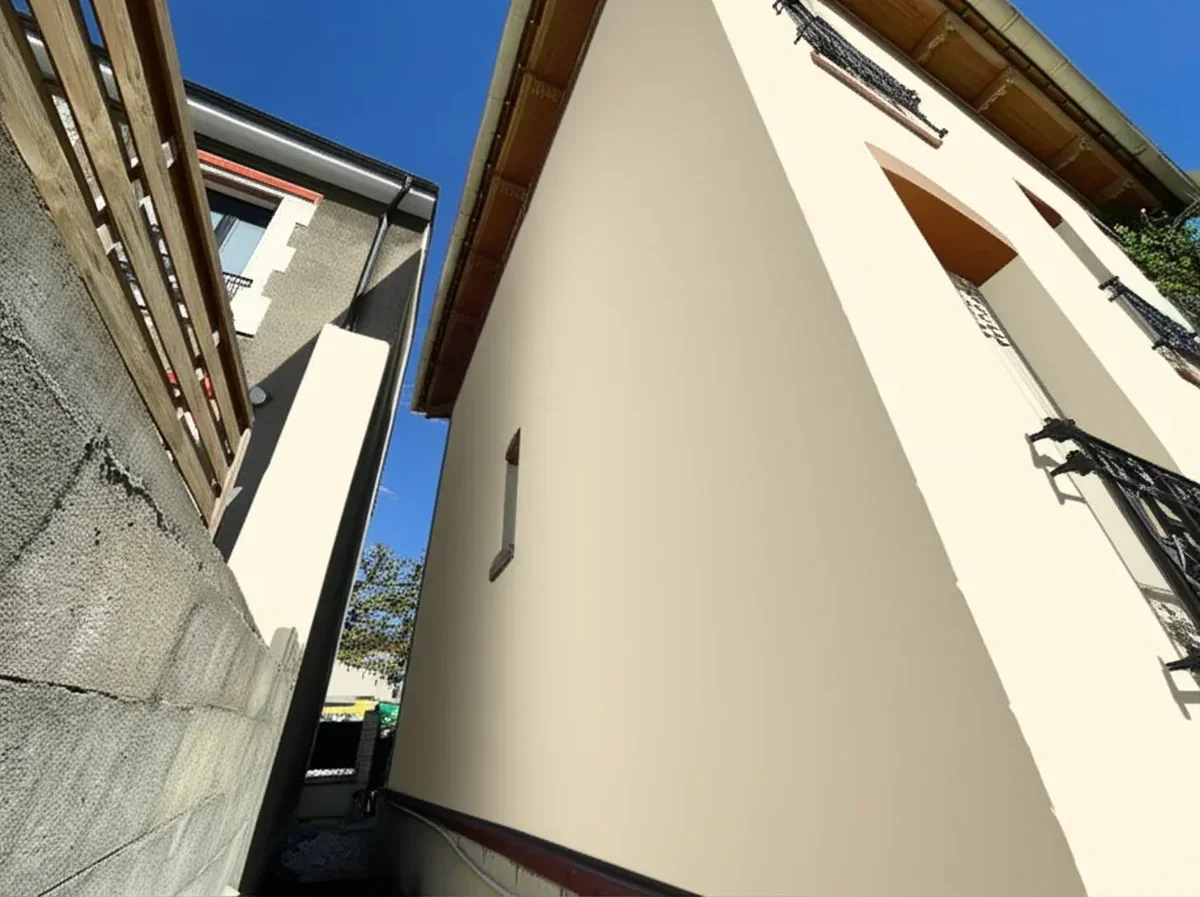
Try it on your house

Sherwin-Williams VinylSafe colors are a palette of 100 shades formulated so they can be applied to vinyl siding without the warping that normally follows a darker repaint. That is the point of the program and the reason it exists: for decades the rule for painting vinyl was "never darker than the factory color", and VinylSafe is Sherwin-Williams' answer to homeowners who wanted a deeper gray, a navy or a red on vinyl anyway. This guide explains what the palette actually contains, which paint lines carry it, how the colors are coded, where the ordinary light-color rule still applies, and how to preview a VinylSafe shade on your own siding before you buy.
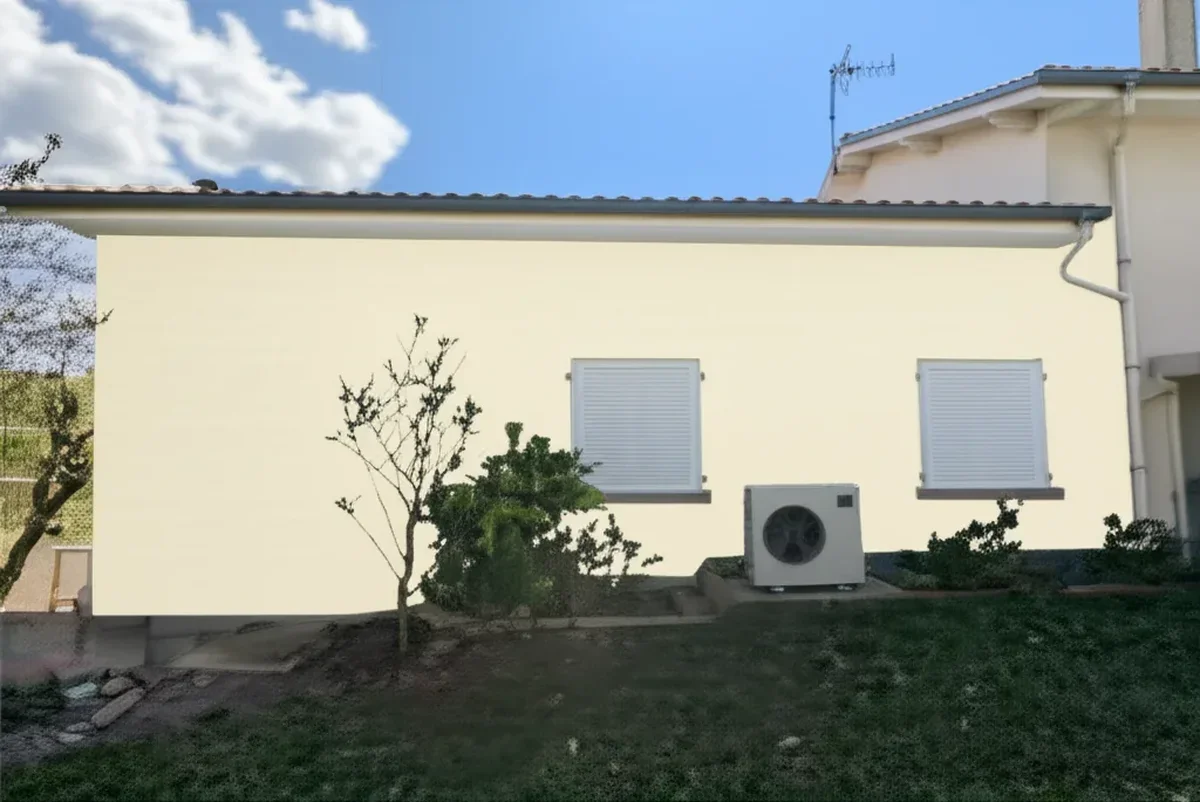
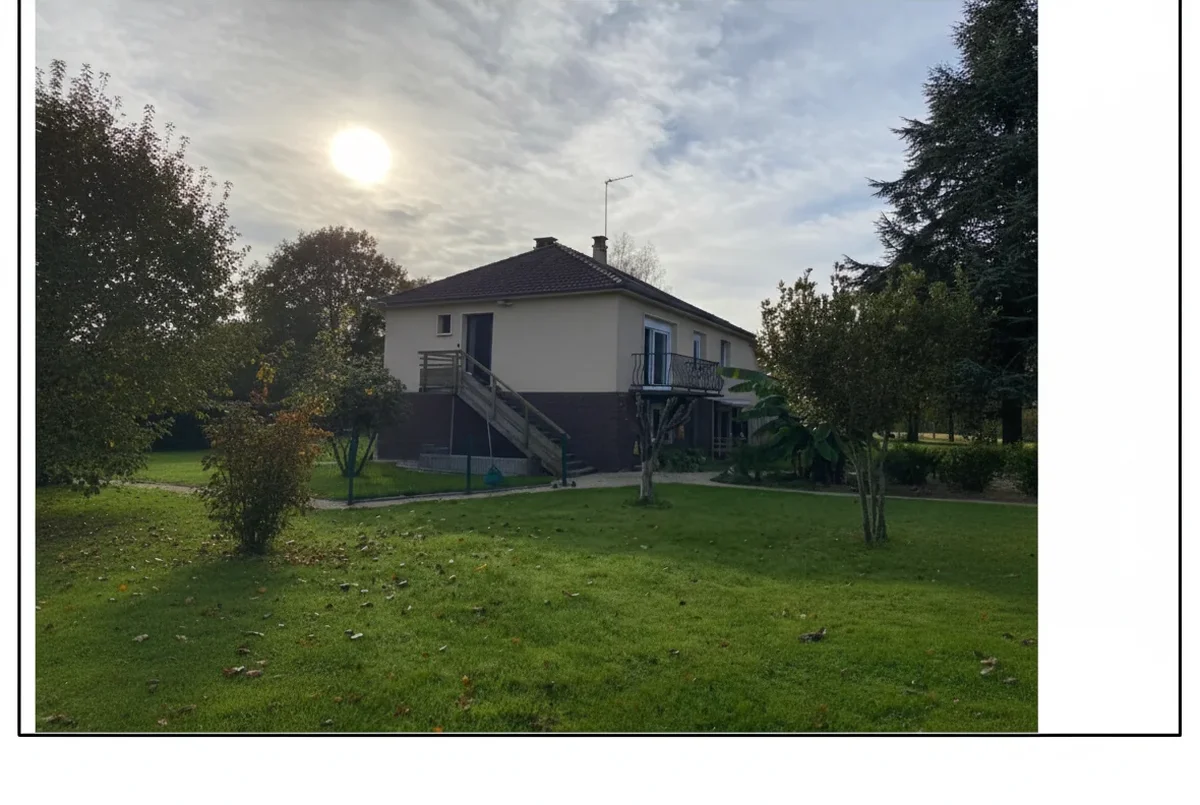
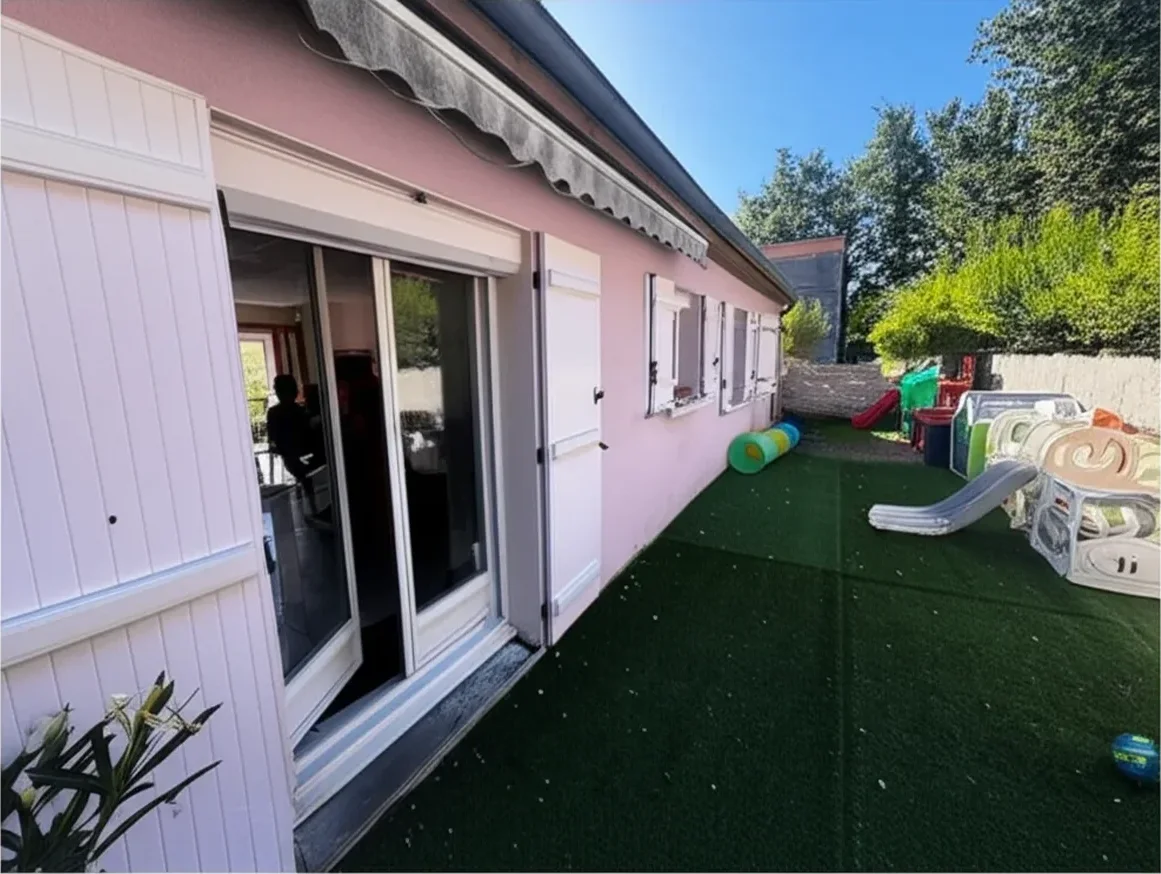
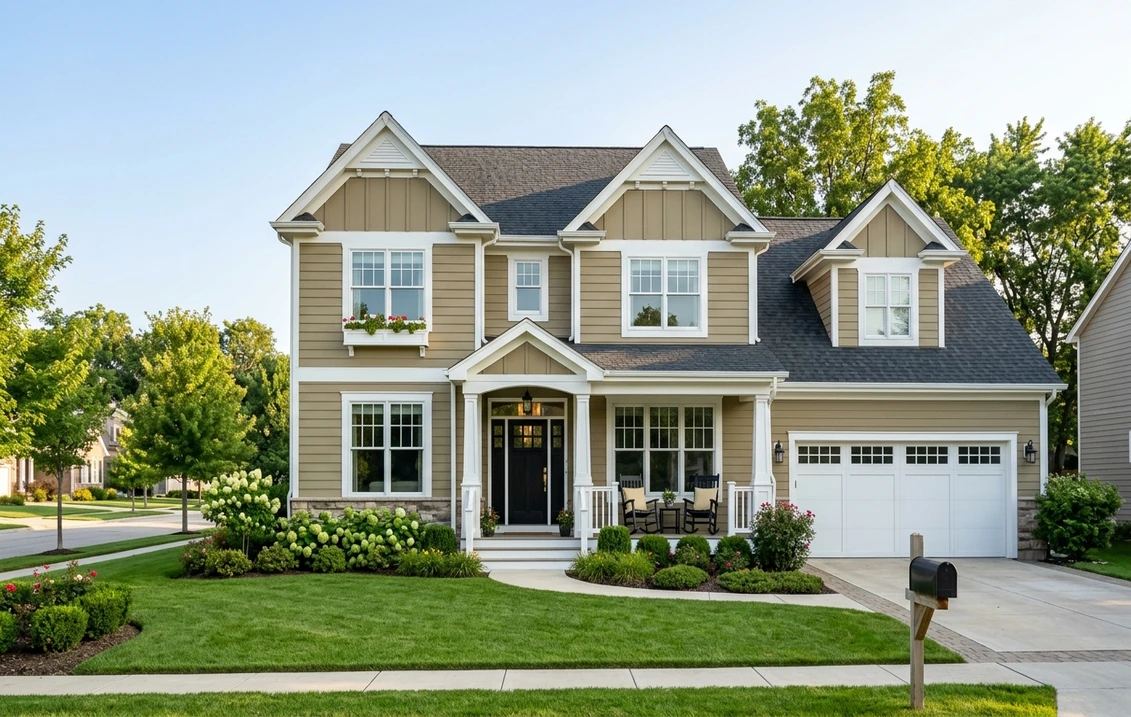
Upload one photo of your house and see the new color on your own siding in about 30 seconds, free.
What VinylSafe is, in Sherwin-Williams' own words
On its VinylSafe page for homeowners, Sherwin-Williams describes the program as "100 color options, including a limited selection of darker colors formulated to resist warping or buckling when applied to a sound, stable vinyl substrate". The same page states the problem the program solves: "Using a dark color on top of a lighter would cause the substrate to buckle." The VinylSafe color collection page adds that the palette offers "a variety of delightfully dark colors not normally available in vinyl-safe options", ranging "from restful blues to warm reds and sophisticated neutrals".
Two things follow from that wording, and both are often misunderstood. First, VinylSafe is a color program, not a separate can of paint: you pick a VinylSafe shade and have it mixed into one of the approved exterior lines. Second, the palette is not a list of pale colors that happen to be safe because they are pale. It deliberately includes mid and dark tones, and the "safe" part comes from how those specific colors are formulated, not from a light reflectance threshold. If you see the program described as "colors with an LRV of 55 or more", that is a description of the general rule for painting vinyl with ordinary paint, not of VinylSafe.
The seven paint lines that carry VinylSafe colors
Sherwin-Williams lists the products in which VinylSafe colors can be mixed: Emerald Rain Refresh, Emerald, Duration, Resilience, Latitude and SuperPaint exterior latex paints, plus SnapDry Door and Trim paint for doors and trim. In practice that means the choice of line is about durability and budget, not about color access; the same VinylSafe shade is available in the budget-friendly SuperPaint and in the top-tier Emerald.
| Line | Where it fits for a vinyl repaint |
|---|---|
| Emerald / Emerald Rain Refresh | Top of the range; Rain Refresh adds a self-cleaning surface that sheds dirt with rain, useful on light vinyl that shows grime |
| Duration | The usual contractor pick for siding: thick build, strong adhesion, one-coat claim over a sound surface |
| Latitude | Wide application window (35 to 120 degrees F) and early rain resistance; the line that replaced Resilience in the current range |
| Resilience | Still listed on the VinylSafe page; discontinued at retail in favor of Latitude, so availability varies by store |
| SuperPaint | Value option; two coats recommended on faded or chalky vinyl |
| SnapDry Door and Trim | Fast-drying enamel for doors, shutters and trim in a VinylSafe shade |
Try it on your house
No photo? Try a sample
Our line-by-line reviews cover the differences in depth: Duration Exterior, Latitude Exterior and Emerald Exterior. For the whole range in one table, see the Sherwin-Williams exterior paint guide.
How the 100 colors are coded, and why the SWVS number matters
VinylSafe shades do not carry the familiar four-digit SW numbers. They are coded SWVS followed by a three-digit number; the homeowner page shows examples such as Milky Way SWVS 301, Double Dutch SWVS 322, Cola SWVS 332, Nikko Blue SWVS 393 and Pepper Shaker SWVS 435. That code is the thing to write on the order. A shade named Cola or Nikko Blue in the VinylSafe deck is a specific formulation made for vinyl; asking the store to "match" a regular SW color of a similar look gives you a different formula with no vinyl warranty behind it, even if the chip looks identical.
The palette runs from off-whites and soft neutrals through mid-tone grays, greiges, greens and blues to a handful of genuinely deep colors, the reds and dark neutrals that the collection page calls "delightfully dark". Because the official listing changes with the catalog, we do not reproduce all 100 names here; the current deck is on the Sherwin-Williams pages linked above and in every store. What you can do before visiting the store is narrow the field: render your house in a light neutral, a mid gray and a dark blue, and decide which depth you actually want before you ask for chips.
The one check that protects the warranty
VinylSafe is formulated for "a sound, stable vinyl substrate". Siding that is already warped, brittle, cracked or badly chalked is not a sound substrate, and no color program fixes that. Walk the house first: if panels are loose, oil-canning or cracked at the nail slots, repair or replacement comes before any paint. Our paint-or-replace decision guide sets out the thresholds.
The rule for every other paint: not darker than the factory color
Outside the VinylSafe palette, the industry rule has not changed. Vinyl expands and contracts with temperature, and a darker surface absorbs more solar heat; past a certain surface temperature the panels soften and distort. The guidance repeated by siding manufacturers and summarized by NerdWallet's guide to painting vinyl siding is to choose a color "comparable to or lighter than the vinyl's original color", and the figure most often quoted alongside it is a Light Reflectance Value of 55 or higher. LRV runs from 0 for black to 100 for white, so 55 and above covers whites, creams, beiges, light grays and pale pastels, roughly the range in which factory vinyl is made.
That rule is why VinylSafe exists, and also why it has limits. The darker VinylSafe shades are engineered to reflect more heat than a standard formulation of the same visual color, which is what lets them sit on vinyl. But Sherwin-Williams' own qualifier, "a sound, stable vinyl substrate", is doing real work: the technology lowers heat gain, it does not make the panel immune to it. On a south or west wall in a hot climate, a deep VinylSafe color is still a bigger thermal load than a light one, and an older, thinner panel has less margin. If your siding is twenty years old and already soft in summer, the conservative choice remains a VinylSafe shade from the lighter half of the deck.
Reading LRV on a chip is easy once you know where to look: Sherwin-Williams prints it on the back of every color chip and on each color's web page. The number is what to compare, not the name. Two colors called "gray" can sit at LRV 70 and LRV 30, and only the first belongs on vinyl with ordinary paint. Sun exposure shifts the margin as well: a south or west wall in Texas or Arizona runs far hotter than a north wall in Maine, so the same color is a safe bet on one house and a risk on another. When in doubt, pick the lighter of two candidates for the sunniest walls and keep the deeper shade for trim.
What the other brands offer, for comparison
Sherwin-Williams is not the only manufacturer with a vinyl program. Benjamin Moore publishes vinyl-safe color lists of its own, described by its retailers as a curated palette of 75 vinyl-safe colors for Aura and a much larger list for Regal Select Revive, and it gives the same warning about not going darker than the original color outside those lists; the Benjamin Moore vinyl-safe collection as presented by Ring's End shows how that palette is organized. The practical difference for a homeowner is distribution: a Sherwin-Williams store will mix any of the 100 VinylSafe shades into six exterior lines, while Benjamin Moore's lists are tied to specific products. Both programs share the same physics and the same caveat about the condition of the siding.
Applying a VinylSafe color: the steps that decide the result
Paint adhesion on vinyl is about preparation far more than product. Bob Vila's how-to on painting vinyl siding and the manufacturer data sheets agree on the sequence:
- Wash thoroughly. Chalk, mildew and grime are the usual cause of peeling. A mild detergent solution, a soft brush and a garden hose or a low-pressure rinse; a pressure washer held too close drives water behind the panels.
- Let it dry fully, usually a day of dry weather, and check the forecast: most lines want surface and air temperatures inside a stated range for the first hours, and no rain during that window.
- Repair first. Replace cracked panels, re-seat loose ones, and do not paint over anything that moves.
- Prime only where needed. On clean, sound vinyl the approved lines bond directly; bare or heavily chalked areas get a bonding primer.
- Two thin coats by brush, roller or sprayer with back-rolling, working with the panel direction so the laps are covered.
- Keep the SWVS code and the batch number for touch-ups; a touch-up in a "matched" regular color will not age the same way.
The right sheen for siding is a separate decision from color; our exterior paint finish guide explains why satin is the usual answer on vinyl and when flat or semi-gloss make sense.
Trim, shutters and doors: where the rule does not apply
The heat concern is about the vinyl panel itself. Wood, fiber-cement and aluminum-clad trim, shutters and doors can take any color, which is where most of the visual drama of a repaint comes from anyway: a light VinylSafe neutral on the siding with a black or deep-navy door and dark shutters reads as a complete redesign at a fraction of the thermal risk. The shutter color guide lists the pairings that hold up. If the shutters themselves are vinyl, treat them like siding and stay inside the VinylSafe deck.
One line is absent from the VinylSafe list: A-100, the entry-level Sherwin-Williams acrylic. On vinyl it is fine in a light color like any paint, but the darker VinylSafe shades require one of the seven approved lines. Our A-100 exterior review explains where the budget line fits.
What it costs, and how to budget the job
A VinylSafe color does not carry a surcharge over the same line in a regular color; what you pay is the price of the line you choose, from SuperPaint at the value end to Emerald at the top, and store prices move with promotions, so check the current shelf price rather than a number printed in an article. The larger variable is labor and preparation: washing, repairs and masking on a two-story vinyl house take longer than the painting itself. Our vinyl siding painting cost guide breaks the job down by square footage and compares it with the cost of new siding.
How to choose a VinylSafe color without regret
- Photograph the house from the street in flat daylight and upload it to the simulator. Render three depths: a light neutral, a mid gray or greige, and one of the deep shades you are tempted by.
- Look at the renders on a phone outdoors, not on a desktop screen indoors; exterior colors read lighter in sunlight than on a monitor.
- Take the two finalists to the store and ask for them by SWVS code. Buy a quart of each and paint a full panel on the sunniest wall, not a scrap.
- Check the painted panel in afternoon heat on a hot day before committing. If the wall is already soft to the touch, step back to a lighter shade.
Free preview on your photo, no account needed for the first simulation.
Sources and references
- Sherwin-Williams, VinylSafe Paint Colors for homeowners: the 100-color description, the "sound, stable vinyl substrate" condition, the list of compatible lines and the SWVS color codes.
- Sherwin-Williams, VinylSafe color collection: positioning of the palette and its darker colors.
- NerdWallet, Can you paint vinyl siding?: the general rule of choosing a color comparable to or lighter than the original.
- Bob Vila, How to paint vinyl siding: preparation and application sequence.
- Ring's End, Benjamin Moore vinyl-safe color collection: how the competing program is organized.
Frequently asked questions
What are Sherwin-Williams VinylSafe colors?
Can I paint vinyl siding a dark color with VinylSafe?
Is VinylSafe a special paint?
Does the LRV 55 rule apply to VinylSafe colors?
Trademarks mentioned (Sherwin-Williams, Benjamin Moore, Behr, Caparol, Brillux, Sto, Alpina, Valspar, PPG, Glidden, Dulux, Crown Trade, Sandtex, Farrow & Ball, Johnstone's, Leyland) are property of their respective owners. FacadeColorizer is independent and not affiliated with any of them. Nominative fair use under Lanham Act §1125.