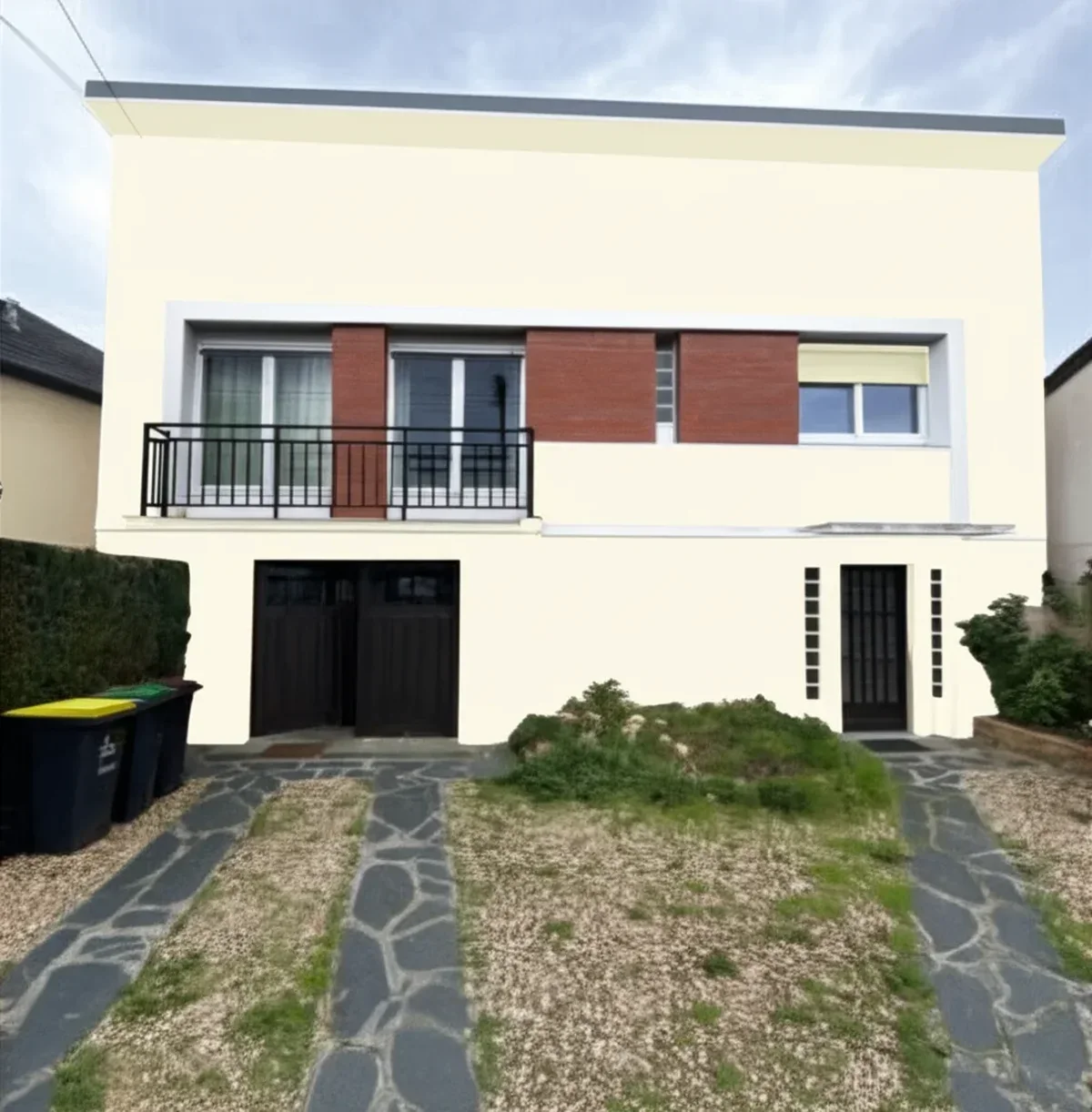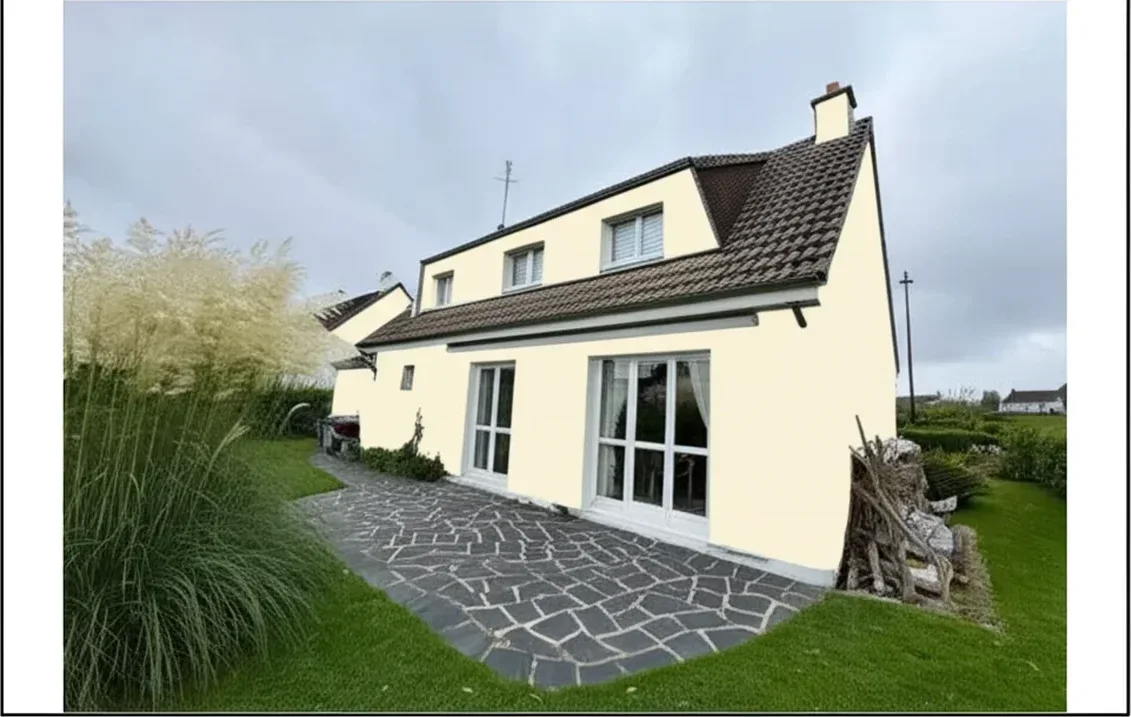
Try it on your house

Dark exterior paint colors are having a moment, and it is not a fleeting trend. From moody charcoal farmhouses to stately navy colonials and stark matte black modern builds, deep hues now account for an estimated 18% of all exterior repaints in 2026, up from 11% in 2022. But going dark is not as simple as picking the deepest swatch on the fan deck. Heat absorption, accelerated UV fading, Light Reflectance Value (LRV) restrictions from HOAs, and surface-temperature stress on siding are real considerations that can turn a bold design choice into a costly mistake. This guide compares the five most popular dark exterior families - charcoal, navy, black, dark green, and dark grey, side by side, with specific Sherwin-Williams and Benjamin Moore color codes, LRV values, and honest pros and cons so you can choose with confidence.
Dark Color Comparison at a Glance
The table below compares the top dark exterior color in each family on the metrics that matter most: LRV (how much light the color reflects), heat absorption risk, fade resistance, and best architectural fit. For full pricing context, see our complete exterior house painting cost guide.
| Color Family | Top Pick (SW) | Top Pick (BM) | LRV Range | Heat Risk | Fade Risk | Best For |
|---|---|---|---|---|---|---|
| Charcoal | Iron Ore (SW 7069) | Wrought Iron (2124-10) | 6–8 | High | Low | Modern farmhouse, Craftsman |
| Navy | Naval (SW 6244) | Hale Navy (HC-154) | 4–7 | High | Moderate | Colonial, Cape Cod, coastal |
| Black | Tricorn Black (SW 6258) | Black (2132-10) | 3–4 | Very High | Low | Modern, contemporary, minimalist |
| Dark Green | Ripe Olive (SW 6209) | Essex Green (HC-188) | 5–8 | High | Moderate–High | Tudor, cottage, wooded lots |
| Dark Grey | Peppercorn (SW 7674) | Kendall Charcoal (HC-166) | 10–14 | Moderate | Low | Transitional, any style |
Try it on your house
No photo? Try a sample
One decision runs underneath every color on this list: the sheen. A saturated dark reads richer at a low gloss, around 20 to 28 gloss units, because a glossier film mirrors the sky and flattens the depth of the pigment. Our flat vs satin vs semi-gloss guide sets out the gloss unit bands and which one belongs on which surface.
Charcoal: Drama Without Regret
Charcoal is the most popular dark exterior choice in 2026, and for good reason: it delivers nearly all of the drama of black without the extreme heat absorption and maintenance concerns. Sherwin-Williams Iron Ore (SW 7069) is the undisputed king of exterior charcoals, with an LRV of 6 and warm brown-charcoal undertones that prevent it from reading as flat or cold. Benjamin Moore Wrought Iron (2124-10), with an LRV of 6.16, is its closest competitor, slightly cooler, with a faint blue-green undertone that shifts beautifully in changing light. If you want to push that warm undertone further into true coffee territory, our Benjamin Moore Silhouette AF-655 deep-espresso exterior guide covers heat, pairings and primer strategy for a brown-leaning alternative to Iron Ore.
Pros: Charcoal creates striking negative space that makes landscaping, white trim, and architectural details pop. It conceals dirt, stains, and minor imperfections better than any light color. Charcoal fades gracefully, it weathers to a softer version of itself rather than turning chalky or blotchy.
Cons: With an LRV of 6, Iron Ore absorbs roughly 94% of incoming light energy, which translates to significant heat buildup on sun-facing walls. In hot climates (Southwest, Southeast, Texas), this can raise surface temperatures to 150–170°F, stressing siding joints and accelerating caulk failure. Charcoal also shows touch-up brush marks more readily than lighter colors, so spot repairs require blending.
Navy: Timeless and Versatile
Navy has been a perennial favorite for exterior shutters and front doors, but 2026 has seen a surge in full-body navy exteriors, particularly on Colonial, Cape Cod, and coastal-style homes. Sherwin-Williams Naval (SW 6244), a deep, saturated navy with an LRV of 4, was SW's 2020 Color of the Year and remains one of their top-selling exterior colors six years later. Benjamin Moore Hale Navy (HC-154), with an LRV of 6.30, is slightly lighter and pairs seamlessly with classic white trim and brass hardware.
Pros: Navy reads as sophisticated and established, not trendy. It works on a wider range of architectural styles than black and pairs naturally with both warm and cool trim colors. Navy exteriors photograph exceptionally well in real estate listings, adding perceived value. A dark navy front door on a neutral home is the single highest-ROI accent color, adding perceived value with minimal paint cost.
Cons: Navy is the most fade-prone of all dark exterior colors. Blue pigments are chemically less stable under UV exposure than black or grey pigments, which means a navy exterior in full sun can shift toward a dusty, washed-out blue within 4–6 years if a standard paint is used. Always choose a UV-resistant acrylic formula like Sherwin-Williams Emerald or Benjamin Moore Aura for navy exteriors. Expect to repaint 1–2 years sooner than you would with a charcoal or black.
Black: Bold but Demanding
Matte black exteriors continue to gain popularity on contemporary, modern farmhouse, and minimalist designs. Sherwin-Williams Tricorn Black (SW 6258) is the purest, most saturated black in their lineup, with an LRV of 3, meaning it absorbs 97% of incoming light. Benjamin Moore Black (2132-10), with an LRV of 3.22, is virtually identical in depth. If you are weighing softer warm blacks and off-blacks against these true blacks, our roundup of the 12 best black exterior paint colors tested compares undertones and trim pairings side by side.
Pros: Nothing matches the visual impact of a black exterior. It creates the strongest possible contrast with white trim, natural wood, and greenery. Black hides dirt and imperfections. It also resists visible fading better than navy or dark green because black pigments (carbon black) are the most UV-stable of all exterior colorants.
Cons: Heat absorption is the critical concern. At an LRV of 3, Tricorn Black can push surface temperatures past 160–180°F in direct summer sun. This level of thermal stress can cause vinyl siding to warp, wood siding to cup, and caulk to deteriorate prematurely. Many siding manufacturers, including James Hardie, void their warranty if a paint with an LRV below 25 is applied. Some HOAs prohibit exterior colors with an LRV under 20–25. Always check your siding warranty and HOA guidelines before committing to true black. If you choose black, use a flat or matte sheen, gloss amplifies heat absorption and shows every surface imperfection.
Dark Green: Natural and Distinctive
Dark green exteriors have surged in 2026, riding the wave of biophilic design and the broader earth-tone trend. Sherwin-Williams Ripe Olive (SW 6209) is a rich olive-black with an LRV of 5 that reads as a deep forest tone in most lighting. Benjamin Moore Essex Green (HC-188), with an LRV of 5.13, is a true hunter green, deeper, cooler, and more traditionally British in character. For a slightly lighter option, Benjamin Moore Forest Green (2047-10) at an LRV of 7 provides depth without overwhelming a facade.
Pros: Dark green blends naturally with landscaping and wooded lots, making homes feel rooted in their environment. It is one of the most HOA-friendly dark colors because it reads as "traditional" rather than "trendy." Dark green pairs beautifully with cream trim, natural stone, and copper accents.
Cons: Green pigments are among the least UV-stable exterior colorants. A dark green exterior in full sun can shift toward an olive-brown or faded sage within 3–5 years without premium, UV-resistant paint. Dark green also shows pollen and water spots more visibly than charcoal or black, requiring more frequent cleaning in humid or wooded environments. Budget for a higher-quality paint - Sherwin-Williams Emerald or Benjamin Moore Aura, to maximize color retention.
Dark Grey: The Safe Dark Choice
If you want the impact of dark without the extreme heat and maintenance concerns, dark grey is the pragmatic sweet spot. Sherwin-Williams Peppercorn (SW 7674) has an LRV of 10, dark enough to make a statement but reflective enough to stay within most siding warranty and HOA thresholds. Benjamin Moore Kendall Charcoal (HC-166), with an LRV of 13.63, is a warm-toned dark grey that reads as sophisticated on virtually every architectural style.
Pros: Dark grey absorbs 30–40% less heat than true black or charcoal, significantly reducing thermal stress on siding and trim. It fades gracefully and is the most forgiving dark color for touch-ups. An LRV of 10–14 typically satisfies both siding manufacturer warranties and HOA color restrictions. Dark grey is also the most universally flattering dark tone, it works on modern, traditional, transitional, and farmhouse designs equally well.
Cons: Dark grey lacks the visual punch of true black or the richness of navy and dark green. In overcast or north-facing light, it can read as flat or industrial. To avoid this, pair it with warm-toned trim (cream or off-white rather than bright white) and a bold front door color.
The dark color that best illustrates the warm side of this family is Sherwin-Williams Urbane Bronze SW 7048: LRV 8, brown and charcoal with a trace of green, the 2021 Color of the Year and still the usual answer when a homeowner wants a dark house that does not read as black. Our Urbane Bronze exterior guide goes through its trim whites and its comparison with Iron Ore and Black Fox.
Heat Absorption and LRV: What You Must Know Before Going Dark
Light Reflectance Value (LRV) measures how much light a color reflects on a scale of 0 (pure black, absorbs all light) to 100 (pure white, reflects all light). For exterior paint, LRV directly correlates with heat absorption: the lower the LRV, the hotter your siding gets in direct sun. Here is why this matters:
- Siding warranties: James Hardie, LP SmartSide, and most vinyl siding manufacturers require an LRV of 25 or higher to maintain their warranty. Applying Tricorn Black (LRV 3) or Iron Ore (LRV 6) to fiber cement or vinyl may void your coverage.
- Vinyl siding warping: Vinyl siding begins to deform at surface temperatures around 160–165°F. Dark colors with an LRV below 10 can easily exceed this threshold on south- and west-facing walls in USDA Zones 7–10.
- Energy costs: A home painted in a color with an LRV of 5 can absorb 20–30% more solar energy than one painted at LRV 50, increasing summer cooling costs by an estimated $200–$600 annually, depending on climate and insulation.
- HOA restrictions: Many HOAs set minimum LRV thresholds (commonly 20–25) for exterior body colors. Always check before committing to any color with an LRV below 15. See our HOA paint color rules guide for details.
"Dark colors fade faster than light colors because they absorb more UV energy. If you choose a deep navy or charcoal, invest in a paint with strong UV-blocking technology, Sherwin-Williams Emerald or Benjamin Moore Aura, and accept that you may repaint 1–2 years sooner than with a lighter color."
Professional color consultant (via Timmins Painting, 2026)
Which Dark Color Should You Choose?
The right dark exterior paint color depends on your home's architecture, climate, siding material, and HOA status. Here is a quick decision framework:
- Want maximum drama? Go with charcoal (Iron Ore or Wrought Iron). It delivers 90% of the impact of black with better heat performance and easier maintenance.
- Want a timeless, classic look? Navy (Naval or Hale Navy) is unbeatable on Colonial, Cape Cod, and coastal homes. Budget for premium UV-resistant paint.
- Want to make a statement on a modern build? True black (Tricorn Black) is stunning on contemporary and minimalist designs, but only on fiber cement, wood, or masonry. Never apply LRV-3 paint on vinyl siding.
- Want to blend with nature? Dark green (Essex Green or Ripe Olive) is the perfect choice for wooded lots, cottage-style homes, and Tudor revivals.
- Want dark without the risk? Dark grey (Peppercorn or Kendall Charcoal) is the safest dark option, HOA-compliant, warranty-safe, and universally flattering.
For a broader look at all trending exterior colors, including warm tones, whites, and greens, see our best exterior paint colors 2026 guide.
See dark colors on YOUR house before you commit, free
Upload a photo to FacadeColorizer and preview Iron Ore, Naval, Tricorn Black, Essex Green, or Peppercorn on your actual facade in seconds. Adjust siding, trim, and accents until the combination is perfect, then share the result with your painting contractor.
Last updated: April 2026. LRV values from Sherwin-Williams and Benjamin Moore official data. Heat absorption estimates based on ORNL building science research.
Frequently asked questions
What are the pros and cons of dark exterior paint colors?
What is LRV and why does it matter for dark exterior paint?
Can I paint vinyl siding a dark color?
Which dark exterior paint color fades the least?
What is the best dark exterior paint color for 2026?
How many simulations is the 2026 Facade Color Barometer based on?
Trademarks mentioned (Sherwin-Williams, Benjamin Moore, Behr, Caparol, Brillux, Sto, Alpina, Valspar, PPG, Glidden, Dulux, Crown Trade, Sandtex, Farrow & Ball, Johnstone's, Leyland) are property of their respective owners. FacadeColorizer is independent and not affiliated with any of them. Nominative fair use under Lanham Act §1125.