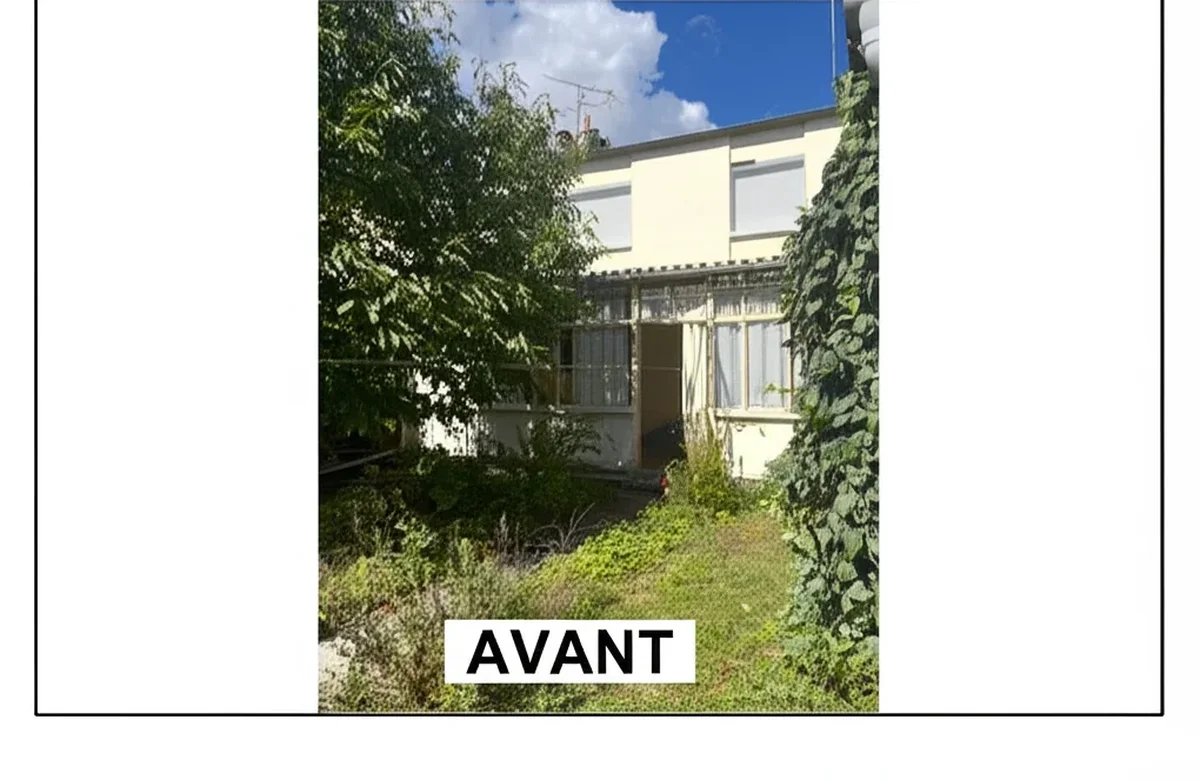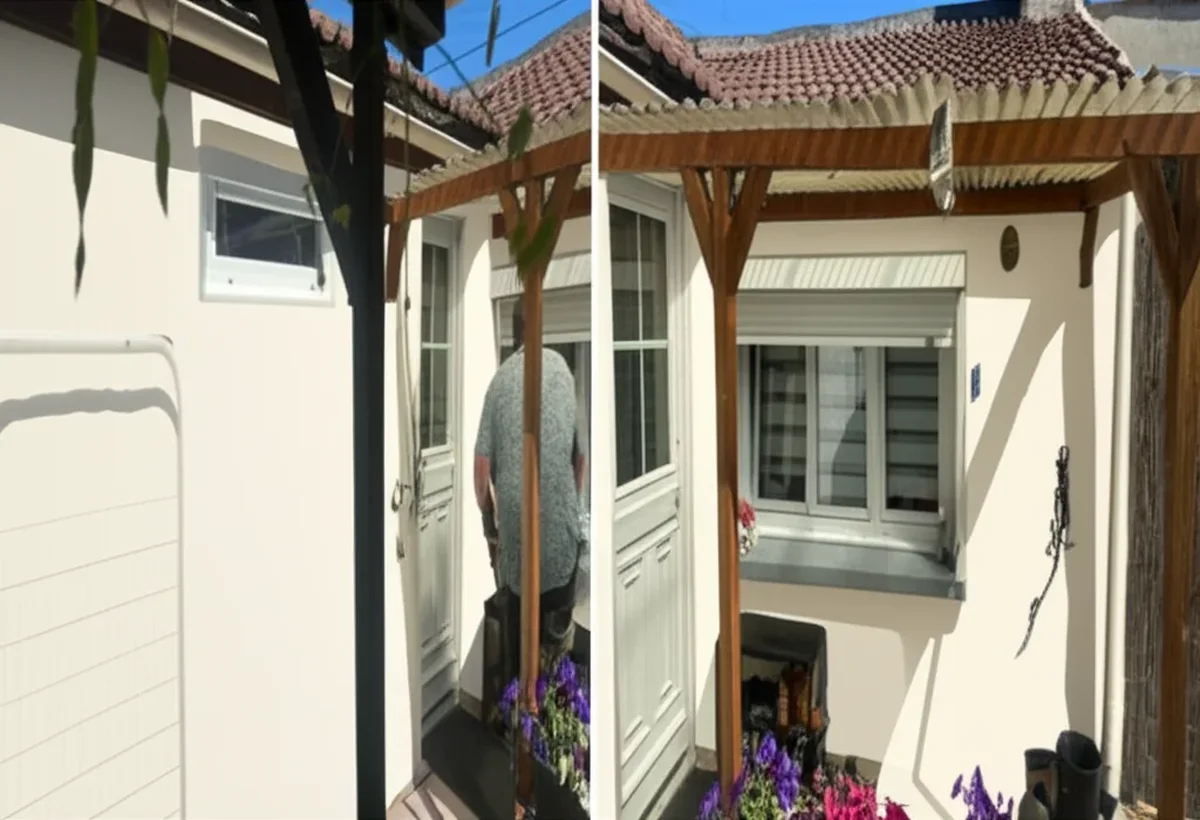
Try it on your house

There are at least four bristle families, three handle profiles, six widths that matter, and brand pricing from $8 to $25 per brush. Pick wrong and your $90 gallon of acrylic dries with stipple lines, loose hairs, or worse, a lap mark across the front door your neighbors see every morning.
I spent 14 months running a Purdy XL Glide and a Wooster Silver Tip side by side on the same trim job in Boston (same gallon, same painter, same temperature window) and the results were closer than YouTube would have you believe. In this 2026 guide I will rank the four brush categories, give you the exact sizes and angles for exterior siding, trim, and doors, walk through cleaning so a $20 brush lasts 10 years, and explain when a brush flat-out beats a roller or sprayer. Need to lock in your color before buying tools? Try our exterior paint visualizer on a photo of your house first.
The 4 Paint Brush Categories Explained
Every brush in the Home Depot aisle falls into one of four bristle families. Knowing which family pairs with which paint (latex versus oil) is more important than the brand stamped on the handle. Sherwin-Williams, Benjamin Moore, and PPG all publish bristle recommendations on the back of every can, but most homeowners never flip the can over.
| Bristle Type | Best For | Price Range | Lifespan |
|---|---|---|---|
| Nylon | Latex paint, cool weather, smooth siding | $8 to $14 | 3 to 5 years |
| Polyester | Universal (latex and oil), hot or humid days | $10 to $16 | 4 to 6 years |
| Natural bristle (China/hog) | Oil-based paint and stain, shellac, varnish | $12 to $20 | 5 to 8 years |
| Chinex (premium synthetic) | Acrylic, fast-dry latex, glossy doors and trim | $18 to $25 | 8 to 10+ years |
Try it on your house
No photo? Try a sample
Nylon: the latex workhorse
Nylon bristles hold their stiffness in latex paint and cool weather and release the coating cleanly off the tips. They go limp in heat above 85F or in solvent-based paint, so do not buy nylon for oil. Most contractor entry brushes (Purdy White Bristle, Wooster Lindbeck) use straight nylon and run $8 to $14. Great for siding touch-ups and any 100% acrylic latex from Sherwin-Williams Resilience or Benjamin Moore Aura Exterior. For background on water-based versus oil chemistry, see our latex vs oil-based exterior paint guide.
Polyester: the universal pick
Polyester (often blended with nylon as a "nylon/poly" or "Nylox" brush) is the do-everything choice for DIY homeowners. It tolerates latex, oil, and stain, holds shape in 90F sun, and forgives sloppy cleaning better than pure nylon. Purdy XL series and Wooster Pro series are the two best-known nylon/poly blends, running $10 to $16. If you only own one brush, make it a 2.5-inch angled nylon/poly.
Natural-bristle (China/hog): only for oil
Natural bristles have tiny split tips that hold solvent-based paint, oil stain, shellac, and varnish far better than any synthetic. Put them in latex and they swell, splay, and ruin themselves in one job. Reserve a natural-bristle brush for your oil-based porch floor, the alkyd primer on bare wood trim, or a clear spar urethane on the front door. Budget $12 to $20 for a quality China bristle.
Chinex: the premium synthetic
Chinex is a DuPont-engineered synthetic filament with tapered split ends that mimic natural bristle but tolerate water-based paint. It is the bristle of choice for fast-dry acrylics, glossy semi-gloss trim, and self-leveling enamel on front doors because it lays paint flat without brush marks. Purdy XL Glide, Purdy Clearcut Glide, and Wooster Ultra Pro Firm Lindbeck all use Chinex, priced $18 to $25. If you are painting a glossy front door, this is the bristle to buy. Choosing the sheen first? See our semi-gloss vs satin exterior paint sheen guide.
Top Brush Brands Ranked for Exterior Work
Three brands dominate every paint store and every contractor truck in the US: Purdy, Wooster, and Corona. They all make excellent brushes, but each one has a signature line worth knowing.
1. Purdy XL Glide (Chinex) and XL Elite (nylon/poly)
The Purdy XL line is the most-sold contractor brush in North America. The XL Glide (Chinex, $20 to $24) is purpose-built for self-leveling acrylic enamels on trim and doors. The XL Elite (nylon/poly, $14 to $18) is the all-rounder I keep in my truck for siding cut-ins. Solid wood Alderwood handle, copper ferrule, replaceable. Buy from purdy.com or any Sherwin-Williams store.
2. Wooster Pro 4 Lindbeck (nylon/poly) and Silver Tip (Chinex)
Wooster brushes are slightly cheaper than Purdy at every tier, with the same build quality. The Silver Tip ($16 to $20) is a Chinex/polyester blend with chiseled tips that beats the Purdy XL Glide on smoothness in cool, dry weather, by a hair. The Pro 4 Lindbeck ($12 to $16) is the cheaper universal pick. Available at woosterbrush.com and most Benjamin Moore dealers.
3. Corona Excalibur (Chinex)
Corona is the pro-painter cult brand. The Excalibur ($22 to $26) is hand-tied with Chinex filaments and lays paint flatter than anything else in this list, but the $25 price tag and limited Home Depot availability keep it niche. Worth buying one for your front door if you obsess over finish quality, as HGTV regularly recommends in its painting roundups.
Want to see the color before you buy the brush?
Upload a photo of your home and test unlimited 2026 exterior colors in 30 seconds. Free, no signup.
Try the Color Visualizer →How to test it on your own home before you buy
No third-party report replaces your own walls: the same color reads differently on a north elevation and a south one, next to red brick or a gray roof, under morning and evening light. Take a daylight photo, upload it to the free AI paint visualizer, and run two or three candidates on the same image so the comparison is fair. Keep the one or two that survive the side-by-side, buy a sample of each, and brush them out on the actual surface in the actual light before you order the full quantity.
Brush Sizes: What to Buy for Exterior Work
Brushes come in widths from 1 inch to 6 inches. For an exterior repaint, only three widths matter. Buy them once, maintain them, and you will not need another brush for a decade.
- 1.5 to 2-inch angled sash brush: tight cut-ins around window glazing, mullions, and corner boards. The angled tip lets you ride a straight line against a window pane.
- 2.5-inch angled sash (the workhorse): all general exterior trim, door casings, fascia, soffits. Most contractors carry two of these.
- 3 to 4-inch flat brush: wide trim boards, garage doors, shutters, lap-siding edges where a roller cannot reach. Pick a square-cut, not angled, for the flat brush.
Anything wider than 4 inches is a specialty deck or fence brush and is overkill for most home exteriors. Anything narrower than 1.5 inches is for furniture or interior detail work. If you also need to choose between rolling, spraying, or brushing, see our sprayer vs roller comparison.
Square Cut vs Angled Sash: When Each Wins
Brush tips come in two profiles. A square-cut brush has bristles trimmed flat across the top. An angled sash brush has bristles trimmed at a 45-degree angle so the front edge is longer than the back, like a chisel.
Use angled sash for: cutting in along window glazing, doors against jambs, trim against siding, any tight reveal where you need a sharp paint line. The 45-degree edge lets the long corner ride the line while the rest of the bristles deliver paint behind it.
Use square-cut for: wide flat surfaces (3 to 4-inch flat brush), top of the brick line, edges of fascia boards. The flat profile loads more paint and lays it down evenly without the chisel-tip stippling. Sherwin-Williams recommends square-cut on flat fascia over 3 inches wide.
If you only buy one brush, make it a 2.5-inch angled sash in nylon/poly. It will handle 80% of every exterior job. Pair that with a 3-inch square-cut for fascia and you are set.
One detail most homeowners miss: when cutting in along a window pane, hold the brush like a pencil rather than gripping the handle. Pencil grip lets you steer the long edge of the chisel with your fingertips, ride a 1/16-inch line, and feather the paint into a clean reveal. Gripping the handle like a hammer kills your precision and is the single biggest reason DIY paint jobs end up with squiggly trim lines you regret every morning for a decade.
Cost, Cleaning, and Lifetime Value
Quality brushes cost $8 to $25 at Home Depot, Lowe's, Sherwin-Williams, or directly from purdy.com and woosterbrush.com. A pro brush that is cleaned correctly should last 8 to 10 years and 100+ jobs. The math is unbeatable: a $22 Purdy XL Glide across 100 jobs is 22 cents per use.
How to clean a brush (latex)
- Wipe excess paint off on cardboard or back into the can. Do not skip this; it saves 5 minutes of rinsing.
- Rinse under warm water (not hot, which can soften the ferrule glue) while combing bristles with a brush comb.
- Add a drop of dish soap or Krud Kutter brush cleaner, work it through the heel where paint hides.
- Rinse until water runs clear, spin out with a brush spinner or by rolling the handle between your palms inside a bucket.
- Reshape the chisel with your fingers, slide the brush back into its original cardboard keeper, hang or lay flat to dry.
How to clean a brush (oil)
- Wipe excess paint, then rinse in mineral spirits in a metal bucket, agitating with a brush comb.
- Repeat in fresh mineral spirits until clean.
- Finish with a warm-water-and-dish-soap rinse to remove residual solvent.
- Spin dry, reshape, hang in the keeper.
Storage rules
- Always hang or lay brushes flat. Never store standing on the bristles; the tips deform permanently.
- Keep the original cardboard keeper. It maintains the chisel tip for years.
- For overnight pauses mid-job, wrap the brush head in plastic wrap or a sandwich bag and refrigerate (latex only). It will paint identically the next morning.
When a Brush Beats a Roller or Sprayer
Rollers and sprayers are faster on big flat surfaces, but a brush is the only tool that finishes the job right in four specific situations.
- Front doors: a Chinex angled sash lays self-leveling acrylic enamel flatter than any roller or sprayer can. The door is the single most photographed part of your exterior, and a brush-finished door dries with a glassy, marker-free surface that a foam roller can never quite achieve. Brush it, work top to bottom in 8-inch passes, and tip off in long unbroken strokes.
- Trim, fascia, and window casings: a 2.5-inch angled sash cuts cleaner lines than masking-tape-plus-roller, and it is faster than masking on small surfaces. See our exterior trim paint colors guide for color pairings.
- Inside corners and tight reveals: rollers and sprayers cannot reach the inside corner where siding meets trim. A 1.5-inch angled brush does it in 10 seconds per linear foot.
- Touch-ups and small repaints: if you are repainting less than 200 sq ft (a single shutter, a garage door, a porch ceiling), set up time for a sprayer or roller wipes out the speed advantage. A brush wins on total time.
For everything else (large lap siding, stucco walls, cedar shake), use a sprayer or roller and back-brush the cut-ins. If you are choosing between methods, our DIY vs professional cost guide, the paint sprayer types comparison, and the AI paint visualizer contractor's guide cover the trade-offs in detail. Compare the upstream best exterior paint colors for 2026 first so you brush the right hue.
Frequently Asked Questions
What type of paint brush is best for exterior painting?
For modern 100% acrylic latex exterior paint (Sherwin-Williams Resilience, Benjamin Moore Aura, PPG Timeless), a Chinex or nylon/polyester blend is best. Chinex (Purdy XL Glide, Wooster Silver Tip) lays self-leveling acrylic flatter and lasts 8 to 10 years. Nylon/poly (Purdy XL Elite, Wooster Pro 4) is the universal everyday pick. Only use natural China bristle for oil-based paint, stain, or varnish.
Purdy vs Wooster: which brush is better?
Both are top-tier in 2026 and the differences are tiny. Purdy averages $1 to $3 more per brush. For a single all-rounder, buy the Wooster Pro 4 Lindbeck 2.5-inch angled sash; for premium glossy doors, buy the Purdy XL Glide Chinex.
What size brush should I use for exterior trim?
A 2.5-inch angled sash brush is the right size for most exterior trim, door casings, fascia, and soffits. Step down to a 1.5 or 2-inch angled sash for tight window mullions and corner reveals. Step up to a 3 or 4-inch square-cut flat brush for wide fascia boards and shutter panels. Avoid anything wider than 4 inches for general exterior trim; it loads too much paint and lays it unevenly.
Synthetic or natural-bristle brush for exterior paint?
Use synthetic (nylon, polyester, or Chinex) for 100% acrylic latex exterior paint, which is what 95% of US homes use in 2026. Use natural China bristle only for oil-based paint, alkyd primer, oil stain, shellac, or spar urethane. Putting natural bristles in latex swells and splays them, ruining the brush in one job.
What is Chinex and is it worth the extra money?
Chinex is a DuPont-engineered synthetic filament with tapered split ends that mimic natural-bristle smoothness but tolerate water-based paint. It lays self-leveling acrylic enamels flat without brush marks, which is why pros use it on front doors and glossy trim. At $18 to $25, it costs $5 to $10 more than nylon/poly, but a Chinex brush lasts 8 to 10 years vs 3 to 5 years for entry-level nylon. Worth it if you paint at least one exterior project per year.
How do I clean a latex paint brush correctly?
Wipe excess paint off on cardboard, rinse under warm (not hot) water while combing the bristles with a brush comb, add a drop of dish soap or Krud Kutter brush cleaner to clear the heel, rinse until water runs clear, spin or shake out the water, reshape the chisel with your fingers, and slide the brush back into the cardboard keeper. Hang or lay flat to dry. Never store a brush standing on its bristles.
Can I use the same brush for primer and topcoat?
Yes, if both products are water-based (latex primer + latex topcoat). Clean the brush thoroughly between coats; residual primer color can muddy a topcoat, especially light pastels. If you are switching between oil-based primer and latex topcoat, use two different brushes. Mixing oil residue into latex causes fish-eye and adhesion failure within months.
When should I use a brush instead of a roller or sprayer?
Use a brush on front doors (flatter finish), all trim and window casings (cleaner lines than masking), inside corners where rollers and sprayers cannot reach, and small touch-ups under 200 sq ft where setup time kills the sprayer's speed advantage. For everything else (large lap siding, stucco, cedar shake), use a sprayer or roller and back-brush the cut-ins. See our sprayer vs roller comparison for the full decision tree.
The Bottom Line
If you only buy one brush in 2026, make it a 2.5-inch angled sash in nylon/poly (Purdy XL Elite $14 or Wooster Pro 4 Lindbeck $13). It will handle 80% of your exterior work for the next 5 years. Add a 2.5-inch Chinex angled sash (Purdy XL Glide $22 or Wooster Silver Tip $19) for front doors and glossy trim, and a 3-inch square-cut flat brush for fascia. Total kit: roughly $45 to $55, and it lasts a decade.
Skip the bargain 2-pack at the grocery store; the lost hairs in your topcoat will cost you more time than you saved. And before you load that brush, lock the color choice down. Try our AI exterior paint visualizer on a photo of your actual house. It is the cheapest way to dodge a $3,000 mistake.
Trademarks mentioned (Sherwin-Williams, Benjamin Moore, Behr, Caparol, Brillux, Sto, Alpina, Valspar, PPG, Glidden, Dulux, Crown Trade, Sandtex, Farrow & Ball, Johnstone's, Leyland) are property of their respective owners. FacadeColorizer is independent and not affiliated with any of them. Nominative fair use under Lanham Act §1125.