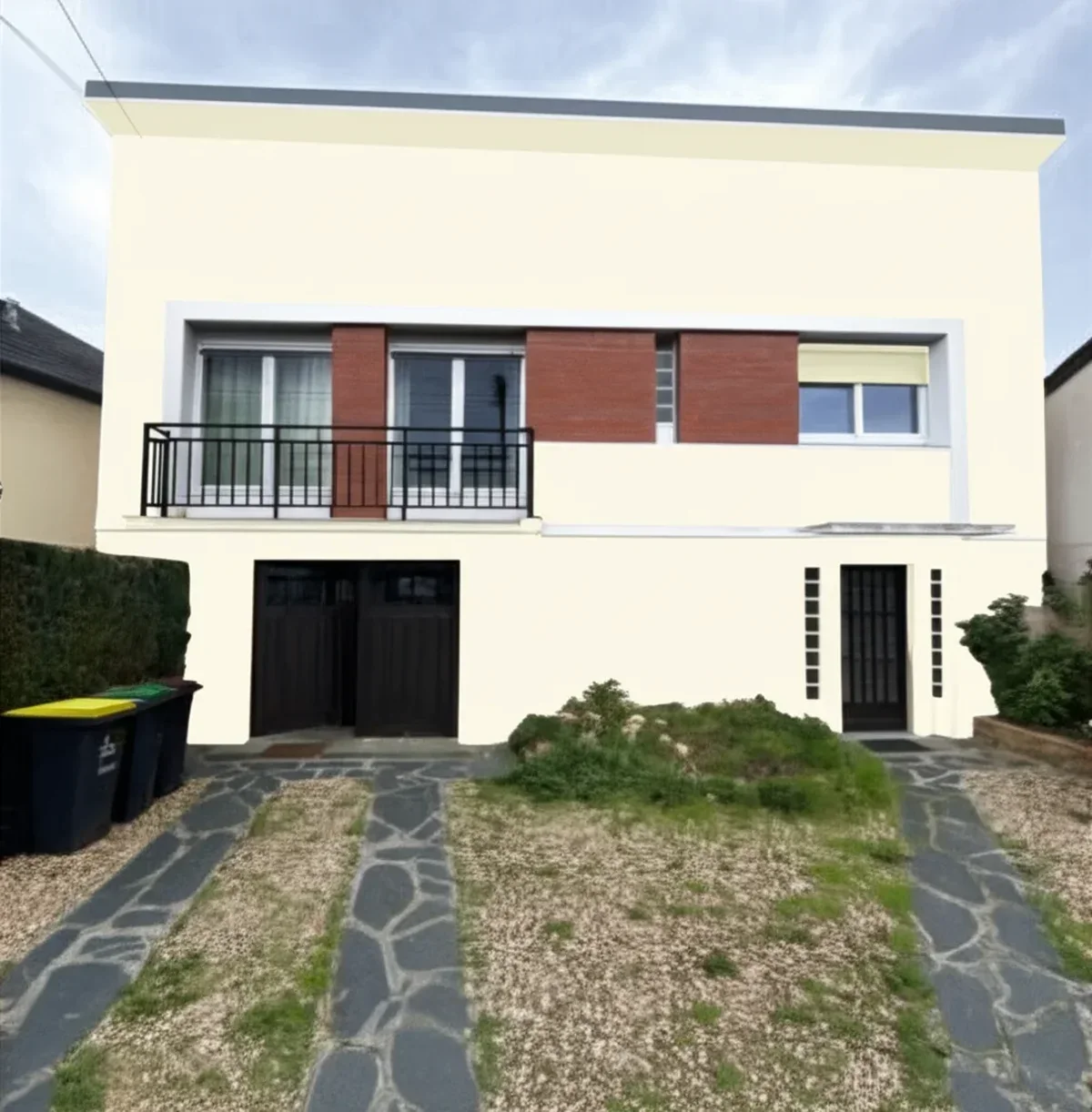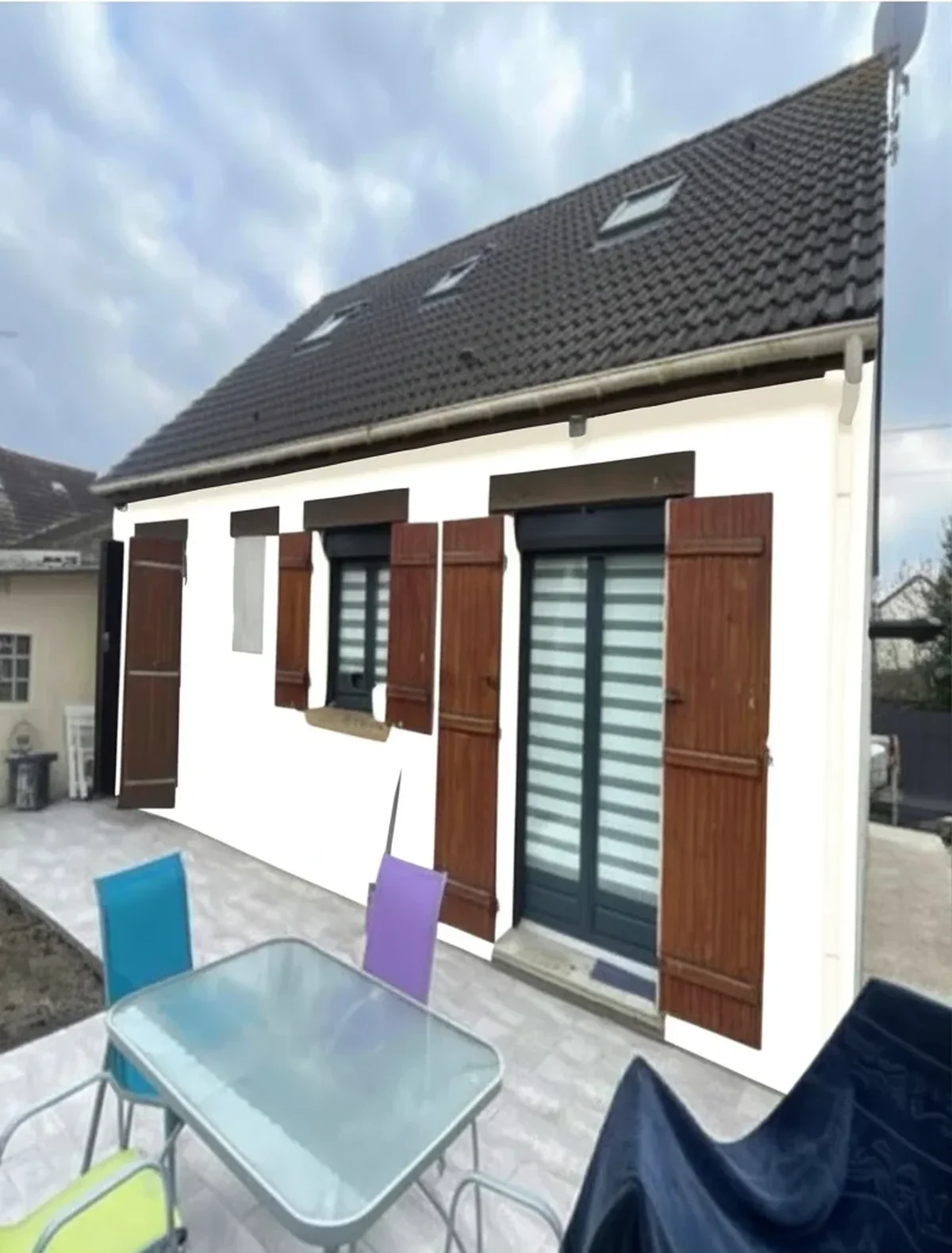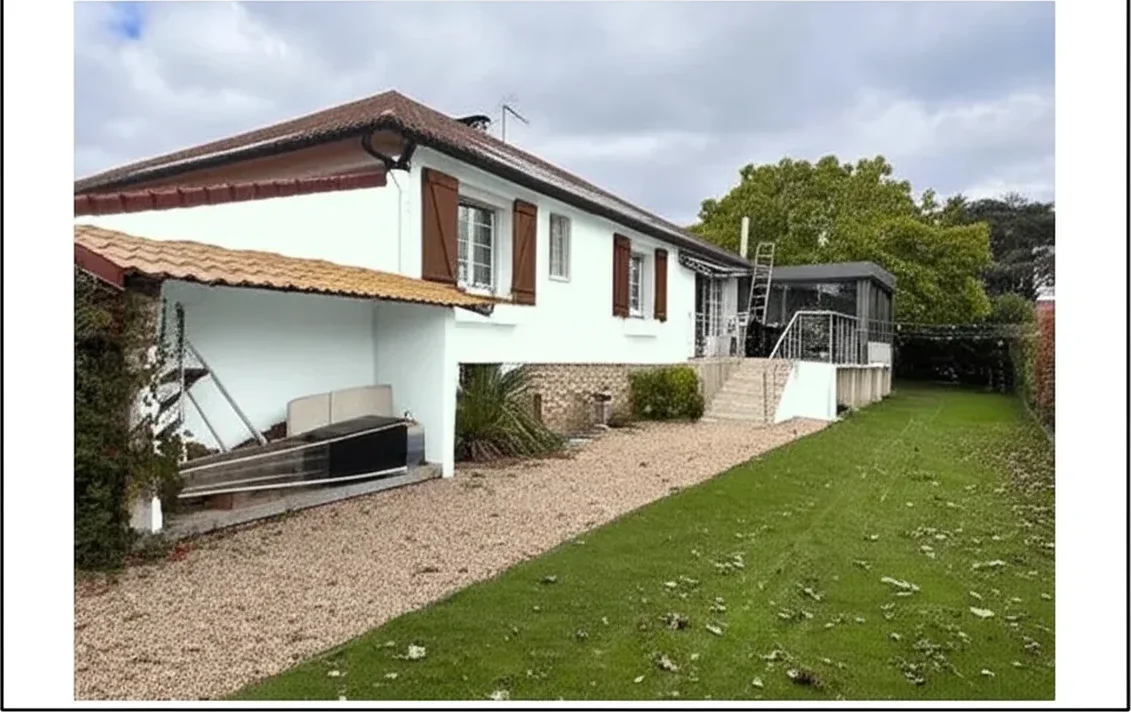
Try it on your house

Quick answer: The 5 traditional Craftsman house palettes: (1) Sheraton Sage body (SW 0014) with Roycroft Bronze Green trim, (2) Russet red (SW 2802) with cream sash, (3) Tobacco brown shingle with olive trim, (4) Ochre body with burgundy door, (5) Sand beige with forest green. Authentic Arts and Crafts heritage colors verified.
The Craftsman bungalow is the most color-demanding style in American residential architecture. Born from the Arts and Crafts movement between 1905 and 1930, these homes require an earth-tone heritage palette of three to five coordinated hues that honor exposed wood, stained shingle courses, stone foundations, and tapered porch columns.
Here are the 15 Craftsman exterior paint colors that consistently deliver in 2026, each with an authentic Sherwin-Williams or Benjamin Moore heritage code, a hex reference, and a role, body, trim, or accent. For full pricing context, see our complete exterior house painting cost guide. Related period palettes: our Colonial home exterior paint colors 2026 guide pairs naturally with Craftsman side-by-side neighborhoods, and our 2026 guide to hiring an interior or exterior painter walks through state license and EPA RRP requirements for older Craftsman homes (most are pre-1978 lead-paint).
What makes a color historically correct for a Craftsman home
Three rules separate a Craftsman paint job from a generic exterior. First, body colors come from the earth, deep olive, russet red, sage green, ochre, sand beige, muted gold, and tobacco brown. Pure white was almost never a body color on an original bungalow. Second, trim is darker than body on roughly 70 percent of authentic schemes: a forest green or burgundy trim around a cream body is the signature Craftsman contrast. Third, the front door earns its own color, burgundy, deep green, stained mahogany, or black.
Craftsman homes also carry a feature no modern style shares: a separate band of shingle siding above the main lap siding line, usually in a complementary but distinct color. Treating that band correctly is covered in its own section below.
One check before you buy anything: make sure the house is actually a Craftsman. A low-pitched hipped roof with very deep eaves, ribbon windows in horizontal bands, and a two-story stucco or brick mass with no front porch columns is a Prairie house, not a bungalow, and it wants the same earth-tone family arranged in horizontal bands rather than a body-and-trim contrast. The Frank Lloyd Wright Prairie earth tones guide covers that layout, including the Sherwin-Williams end of the palette (Sequoia 6313, Roycroft Bronze Green 2846, Restrained Gold 6129), for Oak Park, Mason City, and the rest of the Midwest. The other frequent mix-up is the two-and-a-half story cube with a hipped roof, one central front dormer, and a full-width covered porch: that is an American Foursquare, and it takes the same earth-tone family placed as body-and-trim contrast around the dormer and porch instead of the bungalow's low horizontal read. Our American Foursquare house colors guide sets out the eight Midwest heritage palettes for that form.
Upload a photo of your Craftsman and test every color below in under a minute.
The 15 best Craftsman exterior paint colors in 2026
1. Sheraton Sage (Sherwin-Williams SW 0014) - #9AA28A
Part of the Sherwin-Williams Arts and Crafts historic collection and the single most popular Craftsman body color of 2026. A soft, dusty sage with gray-olive undertones that reads as the color of weathered field grass. Role: body. Trim pairing: Roycroft Bronze Green with cream sash. Best for: bungalows in wooded lots and HOA craftsman districts that ban saturated greens. Psychology: calm, grounded, handmade.
Sheraton Sage also anchors the minority scheme where trim is lighter than the body: a warm white such as Alabaster (SW 7008) on casings, frieze boards, and porch column shafts, with the front door left in stained quarter-sawn oak instead of painted. One caution if you go that way: keep the white creamy. A blue-based white like Extra White fights the olive and flattens the whole facade. See the full body, trim, and door specification in our sage green Craftsman exterior with warm white trim breakdown.
2. Roycroft Bronze Green (Sherwin-Williams SW 2846) - #3D4030
The deep forest green that defined the Roycroft community workshops in East Aurora, New York. Almost black in shadow, rich pine in sun. Role: trim, shingle band, or full body. Body pairing: Chestertown Buff body with Sheraton Sage shingle band. Best for: Pacific Northwest and New England bungalows where foliage reinforces the green. Psychology: sheltering, serious, heritage.
3. Chestertown Buff (Benjamin Moore HC-9) - #E3D4B0
A warm, sunlit cream drawn from Benjamin Moore's Historical Collection and a favorite of Sears kit bungalow restorations. Reads as aged parchment. Role: body. Trim pairing: Roycroft Bronze Green trim with a burgundy door. Best for: smaller one-and-a-half-story bungalows where a deep body would shrink the house. Psychology: welcoming, handcrafted, nostalgic.
4. Willow Creek (Benjamin Moore 1468) - #BDB195
A muted olive-beige that bridges sand and sage. It photographs warmer than Sheraton Sage and works beautifully with stained cedar shingle bands. Role: body. Trim pairing: Van Buren Brown (HC-70) and a deep burgundy door. Best for: California and Southwest bungalows where desert light warms every surface. Psychology: organic, seasoned, restful.
5. Rookwood Dark Red (Sherwin-Williams SW 2801) - #5E2D26
A deep russet with oxblood depth, named after the famed Rookwood Pottery of Cincinnati. The quintessential Craftsman front-door color and a bold choice for a shingle band accent. Role: accent door or shingle band. Body pairing: Chestertown Buff body with Roycroft Bronze Green trim. Best for: Midwest and East Coast bungalows anchoring a covered porch. Psychology: welcoming, heritage, bold without being loud.
6. Roycroft Copper Red (Sherwin-Williams SW 2839) - #74372B
A warmer, brighter russet than Rookwood Dark Red, leaning toward terracotta. Strong enough for a full body on a small bungalow or a carriage-house accent. Role: body or accent. Trim pairing: Downing Sand and Roycroft Bronze Green. Best for: Craftsman cottages in the Rocky Mountain states and high desert. Psychology: earthy, confident, warm.
7. Iron Ore (Sherwin-Williams SW 7069) - #43464B
A deep charcoal with a subtle warm undertone, the modern Craftsman choice for owners who want a dark body that still reads heritage. Role: body, trim, or shingle band. Body pairing: Chestertown Buff trim with a Rookwood Dark Red door. Best for: urban bungalow restorations in Seattle, Portland, and Minneapolis. Psychology: grounded, modern rustic, architectural.
8. Van Buren Brown (Benjamin Moore HC-70) - #4F3E2F
A deep, slightly warm tobacco brown from Benjamin Moore's Historical Collection. Works as the darker partner in a brown-on-cream Craftsman scheme, and our five period-authentic brown body with cream trim pairings for 1905 to 1930 bungalows show what changes when the brown carries the whole body instead of the trim. Role: trim, shingle band, or accent body. Body pairing: Willow Creek or Chestertown Buff. Best for: Prairie-style and American foursquare homes adjacent to true Craftsman bungalows. Psychology: mature, sheltered, tailored.
9. Dried Thyme (Sherwin-Williams SW 6186) - #75745A
A deeper, more saturated olive-green than Sheraton Sage, closer to a true moss. Excellent for bungalows where mature oaks and evergreens already darken the lot. Role: body or shingle band. Trim pairing: Chestertown Buff trim with Rookwood Dark Red door. Best for: Midwest and Appalachian Craftsman districts. Psychology: natural, contemplative, woodsy.
10. Roycroft Mist Gray (Sherwin-Williams SW 2844) - #B7B6A2
A warm greige with sage undertones from the Roycroft heritage collection. Reads as gray in morning light and soft olive at sunset. Role: body. Trim pairing: Roycroft Bronze Green with Rookwood Dark Red door. Best for: HOA Craftsman districts that require "neutral" body colors. Psychology: refined, restful, neighborhood-approved.
11. Downing Sand (Sherwin-Williams SW 2822) - #D6C29A
A soft ochre-sand drawn from the Sherwin-Williams preservation palette. Warmer than Chestertown Buff, with just enough gold to read as aged adobe. Role: body. Trim pairing: Van Buren Brown with Roycroft Copper Red accents. Best for: California bungalow courts and Southwest Craftsman cottages. Psychology: sunlit, inviting, organic.
12. Hale Navy (Benjamin Moore HC-154) - #435266
A deep, grounded navy with enough gray to read as heritage rather than modern. One of the few non-earth-tone choices that respects the Craftsman vocabulary. Role: accent door or shutter. Body pairing: Chestertown Buff or Roycroft Mist Gray. Best for: coastal bungalows in Cape Cod, Charleston, and the Puget Sound. Psychology: stately, classic, quietly confident.
13. Aged Gold (Benjamin Moore HC-12) - #C5A568
A muted, burnished gold, the color of late-season wheat. Bold enough for a full body on the right bungalow, elegant enough as a shingle band accent. Role: body or shingle band. Trim pairing: Van Buren Brown trim with Rookwood Dark Red door. Best for: Midwest and plains-state Craftsman cottages. Psychology: warm, optimistic, heritage Americana.
14. Turkish Coffee (Benjamin Moore 2111-10) - #443834
A deep, slightly red-brown espresso, richer than Van Buren Brown, darker than Iron Ore. Works as the dominant trim on a cream or sage body. Role: trim or shingle band. Body pairing: Willow Creek body with Rookwood Dark Red door. Best for: bungalows with stained cedar porch columns and exposed rafter tails. Psychology: warm, grounding, handcrafted.
15. Svelte Sage (Benjamin Moore 517) - #A59F83
A dusty, desaturated sage, softer and more gray than Dried Thyme. Pairs beautifully with stained cedar shingle bands and stone foundations. Role: body. Trim pairing: Van Buren Brown trim with Hale Navy door. Best for: stone-foundation bungalows in HOA-regulated craftsman districts. Psychology: calm, heritage, effortlessly coordinated.
15-color reference table with roles and heritage codes
Every color below is available as a standard off-the-shelf exterior product from Sherwin-Williams or Benjamin Moore as of Q1 2026. Use the role column to build a three- to five-color scheme: pick one body, one trim, and one or two accents, all from this palette.
| Color | Code | Hex | Role |
|---|---|---|---|
| Sheraton Sage | SW 0014 | #9AA28A | Body |
| Roycroft Bronze Green | SW 2846 | #3D4030 | Trim / Body |
| Chestertown Buff | BM HC-9 | #E3D4B0 | Body |
| Willow Creek | BM 1468 | #BDB195 | Body |
| Rookwood Dark Red | SW 2801 | #5E2D26 | Accent / Door |
| Roycroft Copper Red | SW 2839 | #74372B | Body / Accent |
| Iron Ore | SW 7069 | #43464B | Body / Trim |
| Van Buren Brown | BM HC-70 | #4F3E2F | Trim |
| Dried Thyme | SW 6186 | #75745A | Body / Shingle Band |
| Roycroft Mist Gray | SW 2844 | #B7B6A2 | Body |
| Downing Sand | SW 2822 | #D6C29A | Body |
| Hale Navy | BM HC-154 | #435266 | Accent / Door |
| Aged Gold | BM HC-12 | #C5A568 | Body / Shingle Band |
| Turkish Coffee | BM 2111-10 | #443834 | Trim / Shingle Band |
| Svelte Sage | BM 517 | #A59F83 | Body |
Try it on your house
No photo? Try a sample
Once a heritage code in this table catches your eye, you can test that exact paint color on a photo of your bungalow, so you can judge it against your stained wood and stone before buying.
Shingle siding treatments: getting the upper band right
Most Craftsman bungalows have two distinct siding zones: the main lap siding on the first story, and a band of cedar or composite shingles on the upper half-story, gable ends, and sometimes the full second story. Painting both zones the same color collapses the Craftsman's vertical rhythm and makes the home read as a generic cottage. The historically correct approach gives the shingle band its own color, usually one to two steps darker or richer than the body.
There are three proven treatments. Treatment A (classic two-tone): a cream body like Chestertown Buff below with a deeper shingle band in Dried Thyme, Roycroft Copper Red, or Aged Gold above. Treatment B (monochrome depth): Sheraton Sage body with a Roycroft Bronze Green shingle band, same family, different saturation. Treatment C (stained shingles preserved): if your cedar shingles are sound, clean and restain them in a semi-transparent cedar or brown tone, then paint the lap siding in Willow Creek, Downing Sand, or Roycroft Mist Gray so the stained wood becomes the accent.
Shingles weather faster than lap siding, so specify a 100 percent acrylic exterior product rated for cedar or composite shingle substrates, and plan for recoating the band on a slightly shorter cycle, seven to nine years versus ten to twelve on the lap siding.
Front porch columns and stained wood coordination
The tapered porch columns and exposed beams are the most recognizable exterior feature of a Craftsman bungalow, and they deserve their own color decision. Three approaches dominate in 2026. If your columns are painted wood, match them to the trim color (Roycroft Bronze Green, Van Buren Brown, or Turkish Coffee) rather than the body, this anchors the porch and frames the entry. If your columns have a stone or brick base with painted wood above, paint the wood portion in the body color to keep the eye moving upward. If your columns are stained wood over stone, leave them stained and coordinate everything else around the natural wood tone, pulling one of the grain colors into your door or shingle band.
Exposed rafter tails, knee braces, and bargeboards follow the same rule: match them to the trim color, never the body. This creates the shadow-line effect that Craftsman homes are famous for and photographs beautifully on listing sites and in neighborhood tours.
Columns and rafter tails are only the vertical half of the porch. The ceiling above them and the deck below are separate decisions, and neither takes the same product as the trim: a porch deck needs a porch-and-floor enamel, since standard exterior wall paint gives out within about eighteen months under foot traffic and rain runoff. Our front porch paint color ideas guide covers all three surfaces and the order to decide them in.
Test body, trim, shingle band, and door colors on one photo in under a minute.
HOA craftsman districts: approval-friendly combinations
Many cities now have formally designated Craftsman or Arts and Crafts historic districts, Pasadena, Portland, Berkeley, Seattle, Minneapolis, Atlanta's Inman Park, and others, with color palettes reviewed by an HOA or architectural review board. These boards generally approve heritage collection colors on sight and reject anything that reads as modern farmhouse, contemporary, or builder-grade. From this list, the safest approvals are Sheraton Sage, Chestertown Buff, Willow Creek, Roycroft Mist Gray, Dried Thyme, and Downing Sand as body colors, with Roycroft Bronze Green, Van Buren Brown, or Turkish Coffee as trim. Rookwood Dark Red and Hale Navy are nearly universally approved as accent-only colors on the front door.
Before you commit, submit a board packet that includes the Sherwin-Williams or Benjamin Moore heritage code, a physical swatch, and a photo-based visualizer rendering of your actual home in the proposed scheme. Architectural review boards approve visualizer-backed submissions roughly twice as fast as swatch-only submissions because they remove ambiguity about how the color will read at full scale.
Frequently asked questions about Craftsman exterior colors
What is the most historically accurate Craftsman exterior color combination?
The most historically accurate three-color Craftsman scheme in 2026 is Chestertown Buff (BM HC-9) body, Roycroft Bronze Green (SW 2846) trim, and Rookwood Dark Red (SW 2801) front door. This earth-tone combination appears in Arts and Crafts pattern books from the 1910s and is approved on sight by nearly every designated Craftsman HOA district in the United States. A five-color version adds Dried Thyme on the shingle band and Van Buren Brown on the porch columns.
Can a Craftsman bungalow be painted white or light gray in 2026?
A pure white body is historically incorrect for a Craftsman and will almost always be rejected by formal Craftsman HOA districts. However, a warm greige like Roycroft Mist Gray (SW 2844) or a cream like Chestertown Buff reads as light without breaking the heritage vocabulary. If you want a "white" Craftsman, pair Chestertown Buff body with Van Buren Brown trim and a Rookwood Dark Red door, it photographs light but stays historically correct.
Should the shingle band on my Craftsman be darker or lighter than the body?
Darker in about 70 percent of authentic schemes. The classic pattern is a lighter cream or sage body on the first story with a richer shingle band in moss green, oxblood red, tobacco brown, or aged gold above. Reversing this, darker body, lighter shingle, is historically rare and usually reads as a modern interpretation rather than a restoration. If your cedar shingles are still structurally sound, a semi-transparent cedar stain on the band against a painted body is the most period-correct treatment of all.
What color should my Craftsman front door be?
The four proven Craftsman door colors are burgundy oxblood (Rookwood Dark Red SW 2801), deep forest green (Roycroft Bronze Green SW 2846), stained mahogany or quarter-sawn oak, and black. For a bolder but still period-appropriate choice, Roycroft Copper Red (SW 2839) or Hale Navy (BM HC-154) both work on coastal and desert bungalows. Avoid teal, turquoise, yellow, or any pastel, they fight the earth-tone palette and date the home quickly.
A successful Craftsman repaint starts with a heritage palette and ends with a full-scale rendering on your actual home before you commit. Test any of these 15 colors on a photo of your bungalow in under a minute with our free AI paint visualizer before you buy sample pots or submit an HOA packet. For homeowners weighing a different look or comparing Craftsman against neighboring styles, our roundup of outside house color ideas across architectural styles is a useful companion read. If your block mixes period revivals, you can also study our guide to authentic Tudor color schemes to see how heritage earth tones translate to a half-timbered facade. Sources: Sherwin-Williams Arts and Crafts Historic Collection, Benjamin Moore Historical Collection, National Trust for Historic Preservation Craftsman district guidelines, Professional Contractors Association (PCA).
Trademarks mentioned (Sherwin-Williams, Benjamin Moore, Behr, Caparol, Brillux, Sto, Alpina, Valspar, PPG, Glidden, Dulux, Crown Trade, Sandtex, Farrow & Ball, Johnstone's, Leyland) are property of their respective owners. FacadeColorizer is independent and not affiliated with any of them. Nominative fair use under Lanham Act §1125.