Exterior painters near me in Louisville, Kentucky
Before you call a Louisville painter, upload one photo and preview real Sherwin-Williams, Benjamin Moore or Behr colors on your own facade in about 30 seconds. Free, no account, no obligation.
- No sign-up
- No card
- Result in ~30s
Your photo is private, used only to create your preview, never sold. You keep full ownership.
✓ No sign-up ✓ Result in ~30s
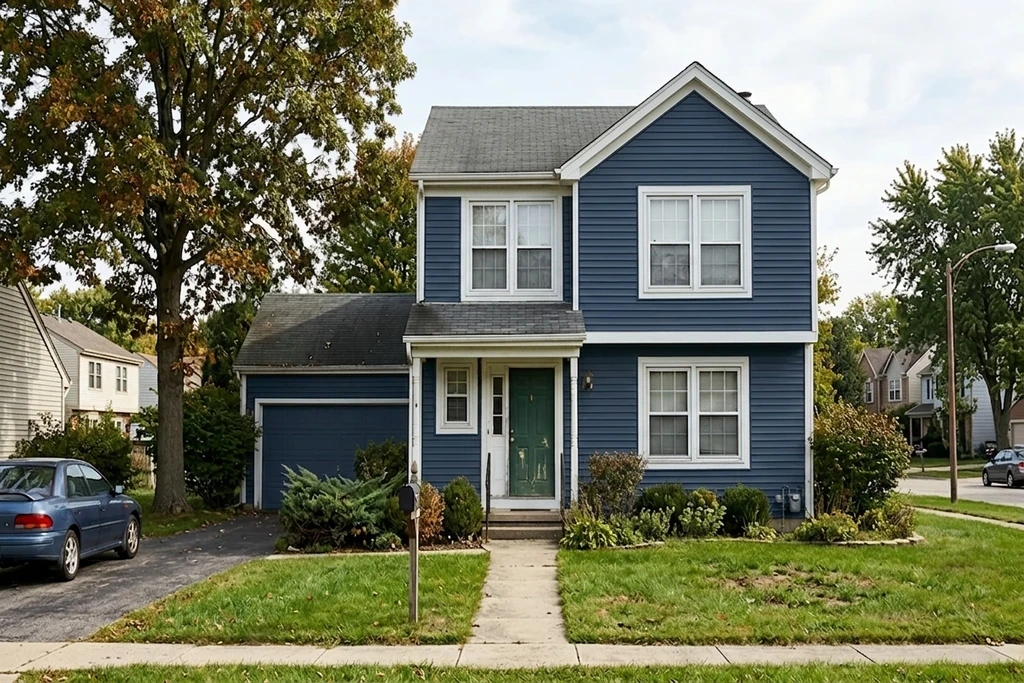
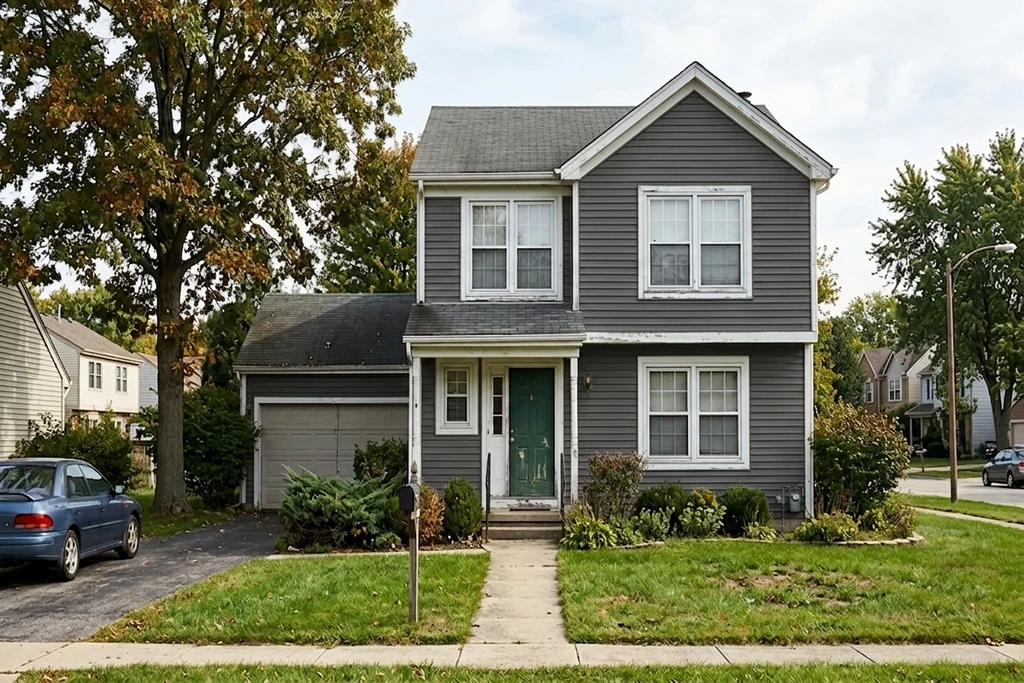
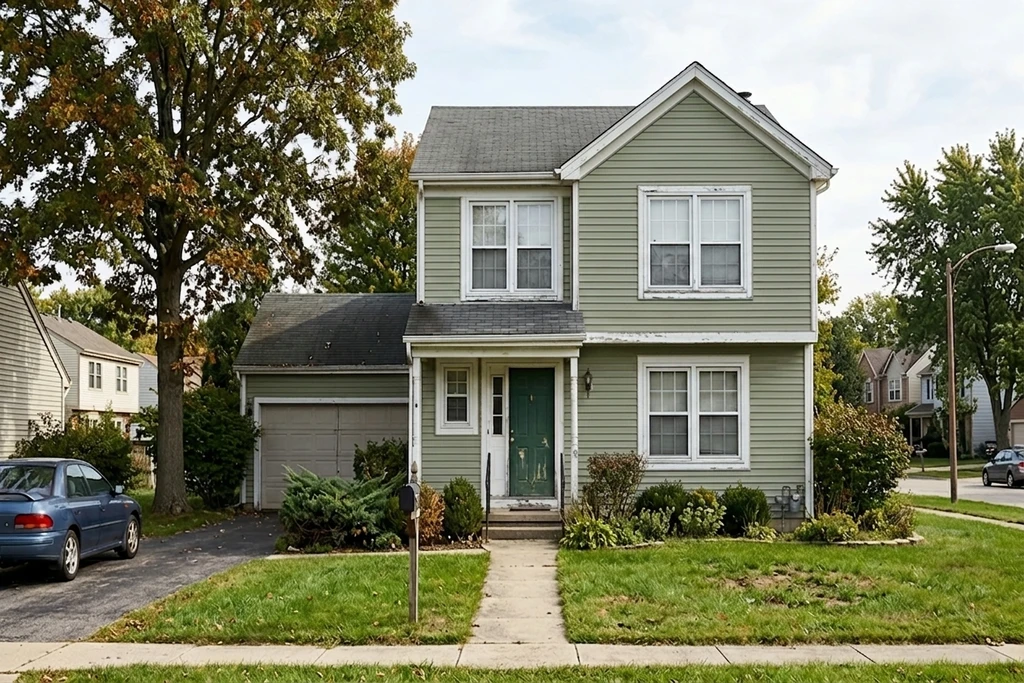
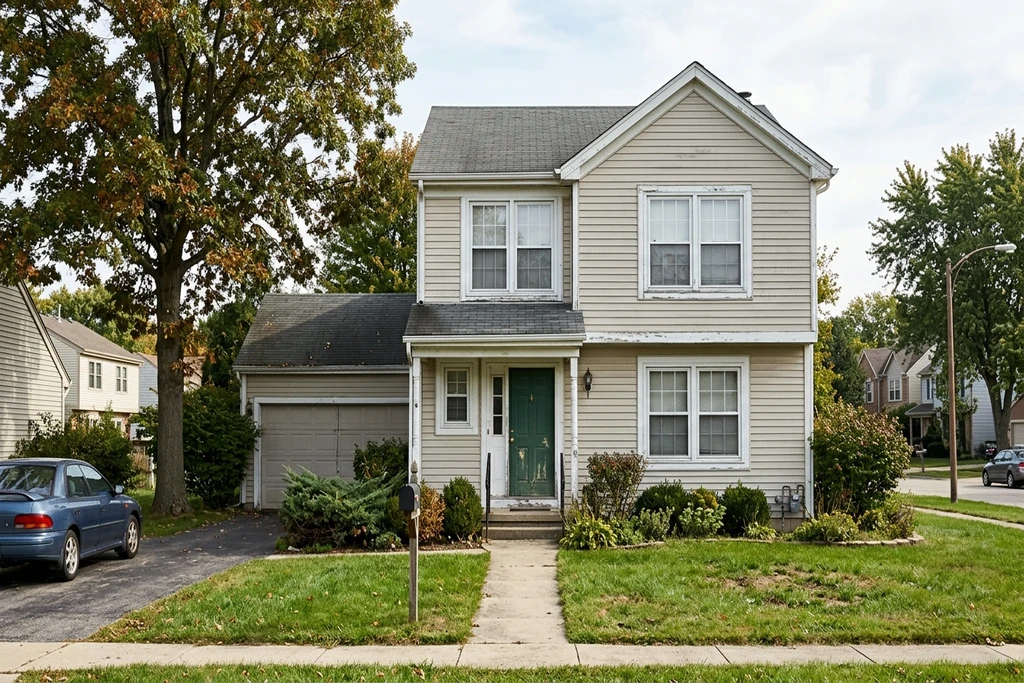
Real AI renders, your own photo, any shade
Try it on your house
No photo? Try a sample
Louisville painter wages and labor data (BLS, 2024)
Source: US Bureau of Labor Statistics, Occupational Employment and Wage Statistics (OEWS), May 2024. Wage figures are for the state as a whole; Louisville metro pricing typically tracks at or above the state mean.
Louisville climate and what it does to exterior paint
Humid subtropical climate (Koppen Cfa) with about 195 sunny days a year, roughly 49 inches of annual rainfall, and around 9 inches of snow. Summer dew points sit high with mean humidity between 73 and 80 percent, and winters cross the freezing line dozens of times.
The dominant failure modes here are moisture and freeze-thaw, not UV chalking. Sticky summer humidity feeds mildew on shaded north walls and porch ceilings, while repeated winter freeze-thaw cycling drives water into brick mortar joints and old wood and pops the film loose. Mildew-resistant 100 percent acrylic coatings and breathable masonry systems that let damp brick dry outward are the local standard.
Source: NOAA National Centers for Environmental Information, climate normals 1991 to 2020.
What Exterior Painting Actually Costs in Louisville in 2026
Louisville sits a touch below the national average for exterior house painting, and the reason is mostly substrate. A large share of the city is brick, and unpainted brick does not get repainted, so a meaningful slice of homeowners only pay to coat trim, soffits, fascia, porches, and shutters rather than entire wall fields. That pulls the metro median down relative to all-stucco or all-siding markets. Most Louisville homeowners land between 1.70 and 4.20 USD per square foot of painted surface, and a typical single-family job runs roughly 3,400 to 9,800 USD once prep, caulking, and two finish coats are folded in. The variables that move you up the range are specific to this city: lead-safe scraping on pre-1978 wood trim, carpentry to replace rotted sills and porch columns that the damp climate chews through, and full repaints of painted-brick or wood-frame homes in the Highlands and Old Louisville. Two-story Victorians with ornate millwork can run well past 12,000 USD because the labor sits in the gingerbread detail, not the gallons. Square footage alone is a poor predictor in this market: two homes of identical size in Germantown can quote thousands apart depending on whether the brick is bare or already painted, how many windows have wood sashes versus vinyl, and how much sill and column rot the damp has caused. Pressure-washing, mildew treatment on shaded elevations, and spot-priming bare wood are line items worth seeing spelled out, because a bid that buries them is usually a bid that skips them. Get the quote itemized so you can see where your dollars actually go, and compare three of them on the same scope rather than on a single number.
Humidity, Freeze-Thaw, and the Ohio River Valley
Louisville has a humid subtropical climate, and that single fact shapes every serious exterior quote in the metro. NOAA normals put the city near 49 inches of rain a year, about 9 inches of snow, roughly 195 sunny days, and mean humidity in the 73 to 80 percent band. The Ohio River Valley traps moist air, so summer dew points stay high and shaded elevations stay damp long after a storm. The result is mildew, not the UV chalking that defines Sun Belt markets. North-facing walls, porch ceilings, and anything shaded by mature trees in Crescent Hill or Cherokee Triangle grow a gray-green film within a couple of seasons unless the coating carries mildewcide. The second enemy is freeze-thaw. Louisville crosses the freezing mark dozens of times each winter, and every cycle that drives moisture into brick mortar or old wood and then freezes it pries the paint film loose. That is why local painters chase moisture out first (wash, dry, prime bare spots) and favor breathable, flexible coatings over hard, sealed films that trap water behind them.
Brick, Painted Brick, and the Victorian Wood-Trim Problem
Louisville is a brick town, and Old Louisville is the third largest historic preservation district in the United States, almost entirely Victorian: Italianate, Queen Anne, Richardsonian Romanesque, and Beaux-Arts masonry from the 1870s through the early 1900s. That heritage drives a split market. On unpainted brick, the job is the wood: deep eaves, dentil moldings, double-hung sashes, and wraparound porches that demand careful scraping and priming. On already-painted brick, a debate opens up: a hard acrylic can trap moisture inside a soft old wall and spall the brick face, so reputable crews specify a breathable masonry coating or a mineral system that lets damp brick dry outward. Pre-1978 homes (the vast majority in Germantown, Clifton, Schnitzelburg, and Old Louisville) almost certainly carry lead paint on the trim, which means EPA RRP-certified containment, HEPA cleanup, and no dry power-sanding. A painter who shrugs off lead on a 1900 house has told you what corners they cut. Newer stock changes the job again: post-war ranches in St. Matthews and split-levels in the east end lean on painted wood, aluminum, or vinyl trim and fiber-cement or hardboard siding, where the work is washing off chalk, sealing failed caulk joints, and choosing a coating that flexes through the freeze-thaw swings without cracking at the seams. Knowing which Louisville substrate you actually own is the difference between a quote you can trust and a number pulled out of the air.
HOA Color Rules in Norton Commons, Lake Forest, and Glenmary
Inside the city core, color is largely your call, with the exception of designated historic districts where a certificate of appropriateness may apply to street-facing changes. Out in the suburbs, the planned communities run their own review. Norton Commons in Prospect is a traditional-neighborhood-development with a detailed pattern book and an architectural review process, so body and trim colors are coordinated to a curated palette rather than chosen freely. Lake Forest, a deed-restricted community of more than 1,700 homes on roughly 2,000 acres, publishes architectural guidelines and runs an Architectural Control Committee that reviews exterior changes including repaint colors. Glenmary, the deed-restricted Fern Creek community of around 860 homes, reviews exterior modifications through its homeowners association board. In all three, the fastest path to a yes is to submit a realistic color mockup with your application, which is exactly why many Louisville homeowners run their final palette through the FacadeColorizer exterior paint visualizer on a photo of their own house before they file the form.
Hiring a Licensed Louisville Painter the Right Way
Kentucky is one of the states with no statewide painting license, so you cannot lean on a state board number to vet a crew. The real verification happens at the local and insurance level. In Louisville Metro a contractor should be registered with Construction Review and carry a city contractor license (License A for ongoing calendar-year work, License B for a single permitted project). More important than the registration, demand a current general liability certificate and workers compensation that names your address, because on a brick Victorian a fall from a 30-foot porch is a real liability you do not want landing on your homeowners policy. Any contract over 1,000 USD in labor and materials is covered by Kentucky consumer protection law, so get the scope, product lines, surface prep, and warranty in writing. Ask for three references from brick or historic-trim jobs finished in the last 18 months in your zip code, and confirm the bid names a specific two-coat system rather than a vague promise of premium paint.
The Best Time to Paint Outdoors in Louisville
Louisville runs a real exterior painting season rather than a year-round one, and the calendar is dictated by humidity and frost. Late spring through early fall (roughly May into October) is the working window, but it is not uniform. July and August deliver oppressive afternoon humidity and pop-up thunderstorms, so good crews start at dawn, follow the dry side of the house around as the day heats, and watch the radar before opening a gallon, because acrylic that gets rained on inside its cure window has to be redone. The sweet spots are late May to mid-June and the second half of September into mid-October, when daytime temperatures sit in a comfortable range and overnight lows still stay safely above the dew point. Avoid painting masonry late in fall: if a cold snap arrives before a fresh coat fully cures, freeze-thaw can ruin it overnight. Winter exterior work is effectively off the table here outside a rare warm, dry stretch, so booking a spring slot in February or March is the way to get your pick of the better Louisville crews before their season fills.
Where Louisville Painters Buy: Bardstown Road to Westport Road
Knowing where a crew sources paint tells you something about the job. Sherwin-Williams runs the densest professional network in the metro, with a Highlands store at 1255 Bardstown Rd serving the dense historic core and a St. Matthews store at 4406 Shelbyville Rd covering the east-end suburbs, and most local pros carry a contractor account there for lines like SuperPaint, Duration, and the Loxon masonry system that suits painted brick. The Behr counter inside The Home Depot at 10301 Westport Rd is the go-to for homeowners and budget-focused crews, with Behr Premium Plus and Marquee covering most residential work. For an Ohio Valley climate, the product details that matter are mildew resistance for shaded north walls and breathability for old masonry, so ask which exact line your quote is priced on and whether it is rated for the humidity here. A crew that name the product and the store is a crew that has done this in Louisville before.
Top Louisville HOAs with exterior color approval rules
Before painting, confirm your HOA palette and submit your color selections to the architectural review committee. Most Louisville HOAs respond within 14 to 21 days.
Paint stores near Louisville
Painter licensing in Kentucky
Kentucky issues no statewide painting contractor license: the state only licenses electrical, plumbing, and HVAC trades. In Louisville Metro, contractors must still register with Construction Review and hold a contractor license (License A for ongoing work across the calendar year, License B for a single permitted project). Any home improvement contract over 1,000 USD falls under Kentucky consumer protection law, so insist on liability insurance and a written contract rather than relying on a state license number.
Frequently asked questions about Louisville exterior painting
How much does it cost to paint a house exterior in Louisville in 2026?
Most Louisville homes run 1.70 to 4.20 USD per square foot of painted surface, with a typical single-family project landing around 3,400 to 9,800 USD for a two-coat acrylic system. Many brick homes only paint trim, soffits, and porches, which lowers the total, while painted-brick repaints, rotted-wood carpentry, and ornate Victorian millwork push pricing toward the high end.
Do painters need a license in Louisville, Kentucky?
Kentucky has no statewide painting license: the state only licenses electrical, plumbing, and HVAC contractors. In Louisville Metro a painter should still be registered with Construction Review and hold a city contractor license, and you should verify current liability insurance and workers compensation. Contracts over 1,000 USD are covered by Kentucky consumer protection law, so always get the work in writing.
When is the best time to paint a house exterior in Louisville?
Late May into mid-June and the second half of September into mid-October are the sweet spots, with comfortable temperatures and overnight lows above the dew point. Avoid the peak-humidity, thunderstorm-prone weeks of July and August where possible, and do not paint masonry late in fall, since a freeze before the coating cures can ruin it.
How do I get HOA color approval in Louisville suburbs?
Submit your proposed body, trim, and accent colors to the community review process with a realistic visualization or physical swatches. Norton Commons in Prospect reviews against a pattern-book palette, while Lake Forest and Glenmary route repaint colors through their architectural committees, so filing a clear mockup up front is the fastest way to an approval.
Want a deeper cost breakdown? Read our 2026 Louisville cost guide .
House painters in nearby metros
Popular exterior colors for Louisville homes
In Louisville, warm greiges, heritage greens and colonial blues match the area's traditional, craftsman and brick homes.
Browse painting costs in other metros: all US city guides.