Exterior painters near me in Greenville, South Carolina
Before you call a Greenville painter, upload one photo and preview real Sherwin-Williams, Benjamin Moore or Behr colors on your own facade in about 30 seconds. Free, no account, no obligation.
- No sign-up
- No card
- Result in ~30s
Your photo is private, used only to create your preview, never sold. You keep full ownership.
✓ No sign-up ✓ Result in ~30s
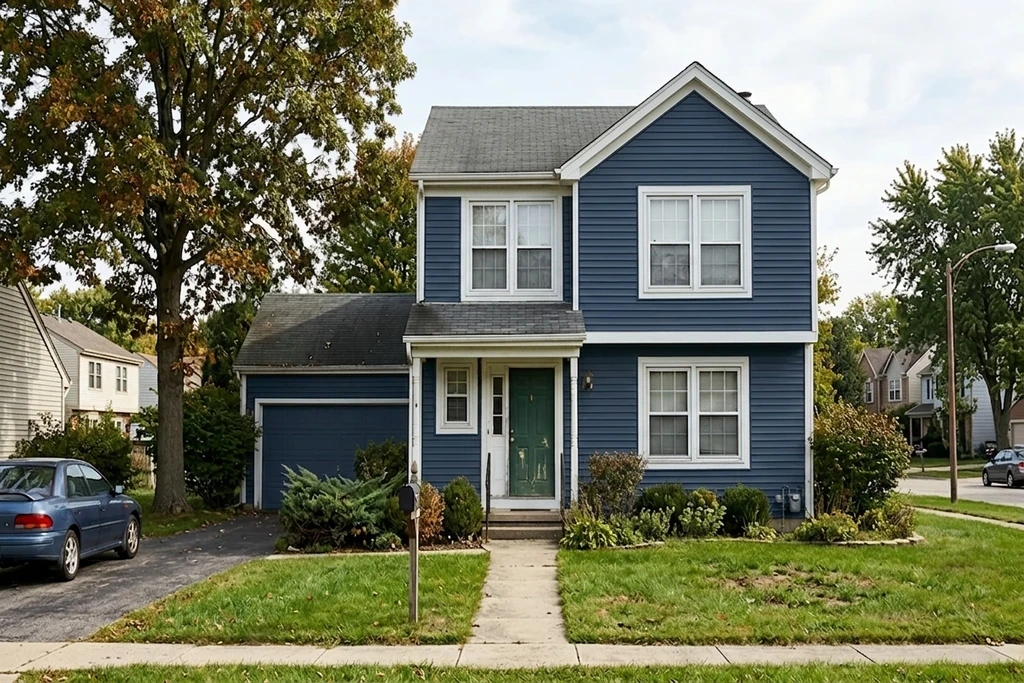
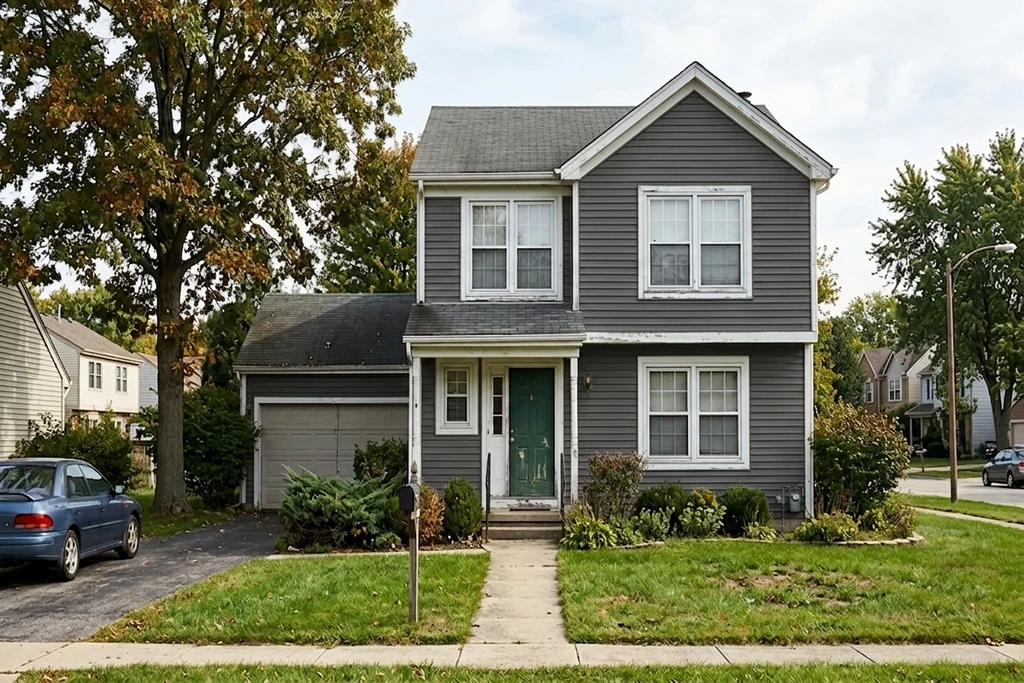
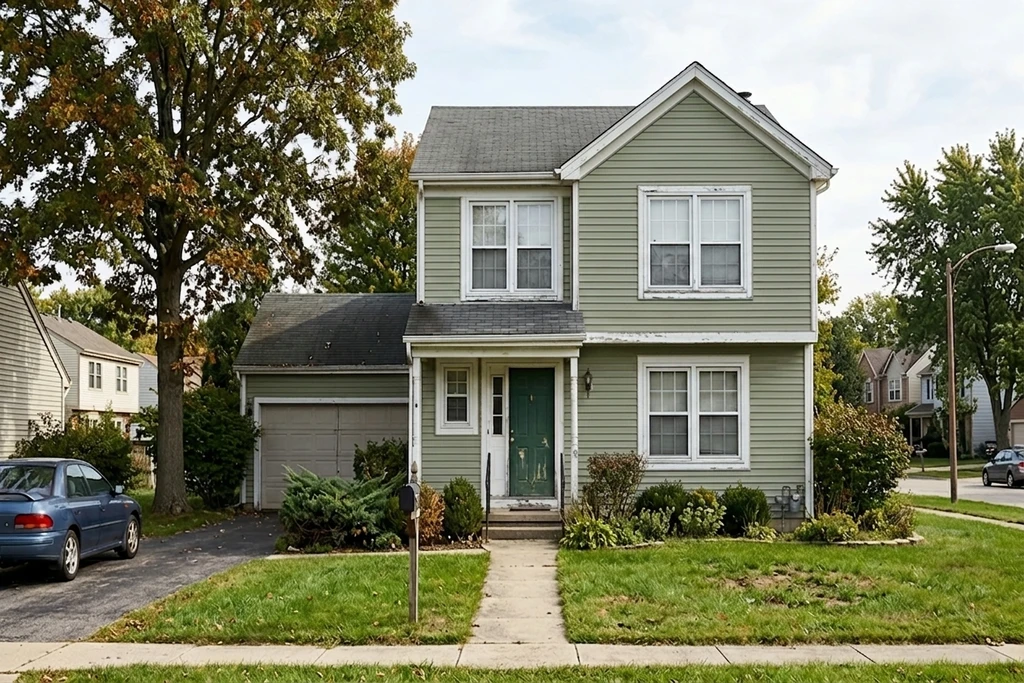
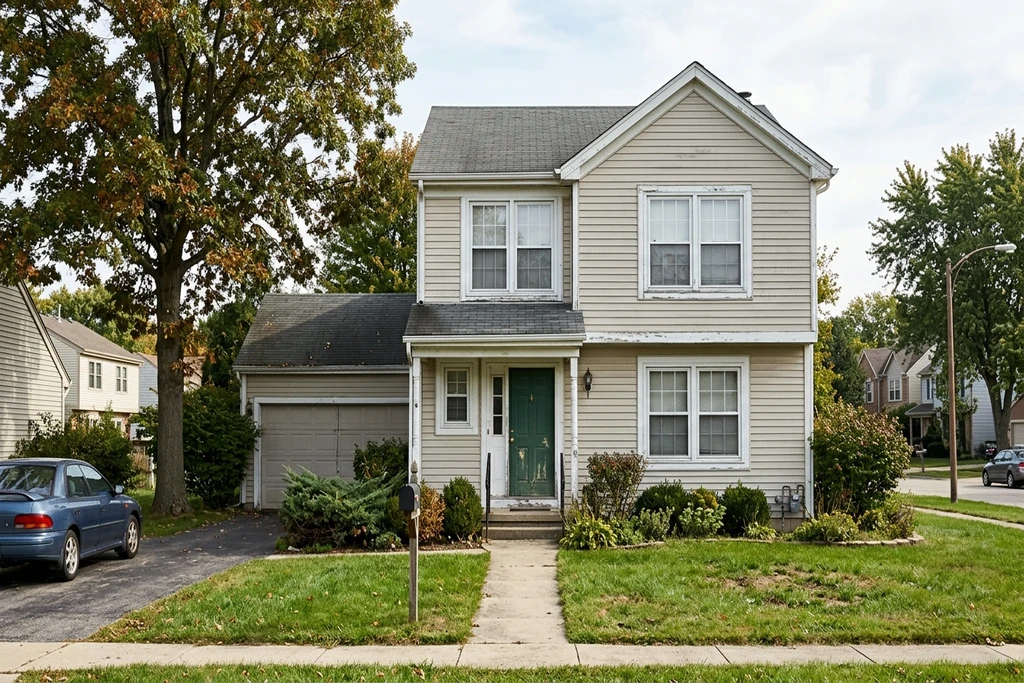
Real AI renders, your own photo, any shade
Try it on your house
No photo? Try a sample
Greenville painter wages and labor data (BLS, 2024)
Source: US Bureau of Labor Statistics, Occupational Employment and Wage Statistics (OEWS), May 2024. Wage figures are for the state as a whole; Greenville metro pricing typically tracks at or above the state mean.
Greenville climate and what it does to exterior paint
Humid subtropical climate with roughly 220 sunny days per year, about 50 in of annual rainfall, and high summer humidity near 70 percent. Summer highs run 88 to 91 deg F; winters are mild but throw several hard freezes and the occasional ice storm each year.
The real enemy in Greenville is not UV, it is moisture. Long humid summers and 50 in of rain feed mildew and algae growth on shaded north walls, brick, and Hardie board, so mildewcide-fortified 100 percent acrylic and a clean low-pressure wash are standard here. Winter freeze-thaw cycling pops poorly adhered paint off older wood trim and brick, and pollen season in March and April coats every surface, which is why local crews wash and let walls dry a full day before the first coat.
Source: NOAA National Centers for Environmental Information, climate normals 1991 to 2020.
What Exterior Painting Actually Costs in Greenville in 2026
Greenville sits a little below the national average for exterior house painting, and that is good news if you live here. South Carolina labor runs cheaper than the coasts: the Bureau of Labor Statistics puts the mean wage for painters statewide at $20.49 an hour, or about $42,620 a year (BLS OEWS May 2024, SOC 47-2141), against a national mean closer to $25. That gap flows straight into your quote. Most Greenville homeowners on a single-story 2,000 to 2,500 sq ft house land in the $3,400 to $8,800 band for a full two-coat exterior, which works out to roughly $1.80 to $4.20 per square foot of wall area. The low end is a clean brick or vinyl home that needs little more than a wash and trim refresh. The high end is a two-story Augusta Road or North Main house with wood siding, decades of layered paint, lead-safe prep, and crisp historic trim lines. The single biggest swing factor is not the paint, it is the prep: pressure washing, carpentry repair on rotted wood, caulking, and mildew treatment can be a third of a Greenville bid before a single gallon is opened. Quotes that look suspiciously cheap almost always cut the prep, and in this humid climate that is exactly where a paint job fails first.
Greenville Climate: Humidity, Mildew, and the Real Failure Mode
Greenville has a humid subtropical climate, and it shapes every serious paint spec in the Upstate. The city logs about 220 sunny days a year but still collects roughly 50 inches of rain (SC State Climatology Office and NOAA normals 1991 to 2020), which is well above the US average. The dominant failure mode here is not UV chalking the way it is in the desert Southwest, it is biological: mildew, algae, and that green-black film that creeps across shaded north-facing walls, porch ceilings, and the lower courses of brick. Summer humidity hovers near 70 percent and dew points sit in the low 70s for weeks, so any surface that does not get afternoon sun stays damp longer than homeowners expect. That is why Greenville painters reach for mildewcide-fortified 100 percent acrylic topcoats and why a thorough low-pressure wash is non-negotiable. Winter adds a second stressor. The Upstate is colder than the coast and throws several hard freezes plus the odd ice storm each year, and that freeze-thaw cycling is brutal on paint that was applied over a dirty or damp substrate. NOAA places Greenville in USDA hardiness zone 8a, so the practical painting window is wide but not year-round.
Brick, Hardie Board, and the Greenville Substrate Mix
Greenville housing stock leans heavily toward brick and fiber cement, and that changes how a quote should read compared with a stucco market like Phoenix or San Diego. A huge share of Upstate homes built from the 1950s through the 1990s are full brick or brick veneer, and painting brick is a one-way decision: once it is coated it must be maintained, so a good Greenville painter will talk you through breathable mineral or elastomeric masonry systems rather than trapping moisture behind a cheap film. Newer subdivisions out toward Five Forks, Simpsonville, and the Woodruff Road corridor are dominated by fiber cement (James Hardie board), which holds paint beautifully but needs the factory-primed edges sealed and the right caulk at every butt joint. Older neighborhoods tell a different story. Augusta Road, North Main, and the Overbrook Historic District are full of pre-1978 wood-sided homes, which means lead paint is on the table: a reputable crew will test, follow EPA RRP lead-safe practices, and price scraping and priming bare wood honestly. Mixing those scopes (brick body, wood trim, Hardie additions) on one house is common in Greenville, and it is the main reason two quotes for the same address can differ by thousands.
HOA and Historic Color Rules: Hartness, Verdae, Acadia, and the Districts
If your home sits in one of Greenville's master-planned communities, your color choice is governed, not free. Hartness, the European-style village on the Eastside, runs a tight architectural review with a curated palette and an approval committee that expects submittals in writing. Verdae, the large mixed-use community along the Laurens Road corridor, and Acadia, the wooded enclave along the Saluda River in West Greenville, both maintain their own master associations with approved body and trim ranges and a review window that can run two to three weeks. Beyond the HOAs, Greenville has city-designated historic districts (including the Hampton-Pinckney, Pettigru, and Heritage areas) where exterior changes can trigger a Certificate of Appropriateness from the Design Review Board, so a downtown historic home is not a paint-whatever-you-want project. The fastest way through any of these reviews is to submit a realistic mockup of the actual house in the proposed colors. Many Greenville homeowners run their two or three finalist palettes through the FacadeColorizer exterior paint visualizer first, then attach the rendering to the architectural review or historic application so the committee can approve at a glance.
Hiring a Licensed Greenville Painter (RS or CLB, Bonded, Insured)
South Carolina licensing is easy to get wrong because it runs through two separate boards, and homeowners who do not know that get burned. For residential exterior painting over $5,000, the painter should hold a Residential Specialty Contractor (RS) registration through the South Carolina LLR Residential Builders Commission. For commercial buildings or larger jobs over $10,000, the relevant credential is a license from the SC Contractor's Licensing Board (CLB). Either way, ask for the number, ask for a current general liability certificate and workers compensation, and verify the credential on the SC LLR online license lookup before you sign. A serious Greenville painter will name the exact product line (Sherwin-Williams SuperPaint, Duration, or Loxon on masonry; Benjamin Moore Aura or Regal sourced through a local dealer), spell out a two-coat system with a named mildew-resistant topcoat, and stand behind it with a written 5 to 7 year workmanship guarantee. Anything shorter, or any contractor who waves off the license question, is a flag worth walking away from.
Best Months to Paint a House Exterior in Greenville
Greenville gives you a genuinely long painting season, but it is bracketed on both ends by weather that wrecks fresh paint. The sweet spots are late April through June and then September into early November, when daytime highs sit in the comfortable 70s and 80s, humidity eases off its July peak, and overnight temperatures stay above the 50-degree cure floor that water-based paints need. Midsummer is workable but tricky: July and August bring afternoon thunderstorms and dew points in the low 70s, so crews start early, chase the shade around the house, and avoid coating a wall that the afternoon pop-up storm is about to soak. Spring has its own trap, which is pollen: the heavy yellow pine and oak pollen of March and early April will embed in a wet coat, so smart painters wash, wait, and time the body coats for after the worst of it. Winter is the real off-season here, not because of constant cold but because of swing: a 65-degree afternoon can drop below freezing overnight, and that freeze-thaw on a curing film causes adhesion failure. December through February jobs do happen, but only on a stable dry-and-mild stretch, and a careful Greenville crew watches the forecast rather than the calendar before committing.
Where Greenville Painters Buy: Wade Hampton, Pelham Road, and Brozzini Court
Greenville crews mostly source from three nearby stores, and which one a painter uses tells you something about the products in your quote. The Sherwin-Williams on Wade Hampton Boulevard (306A) is a workhorse location for SuperPaint, Duration, and Loxon, the lines most often specified on Upstate brick and Hardie board. Spectrum Paint on Pelham Road (7641) is the go-to Benjamin Moore and PPG dealer in town and is where crews who prefer Aura or Regal for trim and doors pull their product. The Sherwin-Williams on Brozzini Court (14D), just off the Woodruff Road retail spine, serves the fast-growing Five Forks and Simpsonville builds with the same Sherwin lines plus contractor-grade primers. Most established painters carry a trade account at one of these three with a meaningful contractor discount, so the per-gallon price baked into your bid depends partly on who they buy from. It is a fair question to ask which store a quote sources from and which exact product line is going on your walls, because there is a real durability gap between a builder-grade flat and a premium mildew-resistant topcoat in this humid climate.
Top Greenville HOAs with exterior color approval rules
Before painting, confirm your HOA palette and submit your color selections to the architectural review committee. Most Greenville HOAs respond within 14 to 21 days.
Paint stores near Greenville
Painter licensing in South Carolina
South Carolina runs a two-board system. Residential exterior painting over $5,000 requires the painter to hold a Residential Specialty Contractor (RS) registration through the SC LLR Residential Builders Commission, and commercial work over $10,000 requires a license from the SC Contractor's Licensing Board (CLB). Ask every quote for the RS or CLB number and a surety bond, and verify it on the SC LLR license lookup before you sign.
Frequently asked questions about Greenville exterior painting
How much does it cost to paint a house exterior in Greenville, SC in 2026?
Most Greenville single-family homes run $1.80 to $4.20 per square foot for a two-coat acrylic system, with a typical 2,000 to 2,500 sq ft house landing in the $3,400 to $8,800 band. Two-story homes, wood siding with lead-safe prep, carpentry repair, and painted brick push pricing toward the high end.
Do painters in Greenville, SC need a license?
Yes, above set dollar thresholds. South Carolina requires a Residential Specialty Contractor registration through the LLR Residential Builders Commission for residential painting over $5,000, and a Contractor's Licensing Board license for commercial work over $10,000. Verify the number on the SC LLR license lookup before signing.
What is the best time of year to paint a house exterior in Greenville?
Late April through June and September into early November are ideal, with mild temperatures and easing humidity. Avoid the peak-pollen weeks of March and early April on wet coats, time around summer afternoon thunderstorms, and skip winter days where a mild afternoon drops below freezing overnight.
How do I get HOA or historic color approval in Greenville?
Submit your proposed body, trim, and accent colors to your association or, downtown, to the city Design Review Board, ideally with a visualization mockup of your actual house. Communities like Hartness, Verdae, and Acadia maintain approved palettes and typically review submittals within two to three weeks.
House painters in nearby metros
Popular exterior colors for Greenville homes
In Greenville, warm greiges, heritage greens and colonial blues match the area's traditional, craftsman and brick homes.
Browse painting costs in other metros: all US city guides.