
Developer & creator of FacadeColorizer · Paris
Reviewed by Hugo Dumoulin, Founder of FacadeColorizer · Updated 2026-04-22
Planning a repaint in Southampton in 2026? Whether you own a Victorian terrace on Bedford Place or around the Polygon, a mid-century semi in Portswood or Highfield, a 1960s tower block flat in Shirley or a waterside new-build in Ocean Village, knowing what a painter and decorator in Southampton actually charges will save you hundreds — and picking the wrong contractor for a Solent-facing property can cost you thousands. This 2026 cost guide breaks down interior room prices (£240–£790), exterior rates by the square metre (£15–£32/sqm), gives you real SO-postcode pricing, explains why salt air off The Solent degrades standard paint within 30 months, and shows you how to vet a Checkatrade-verified decorator before you hand over a deposit.
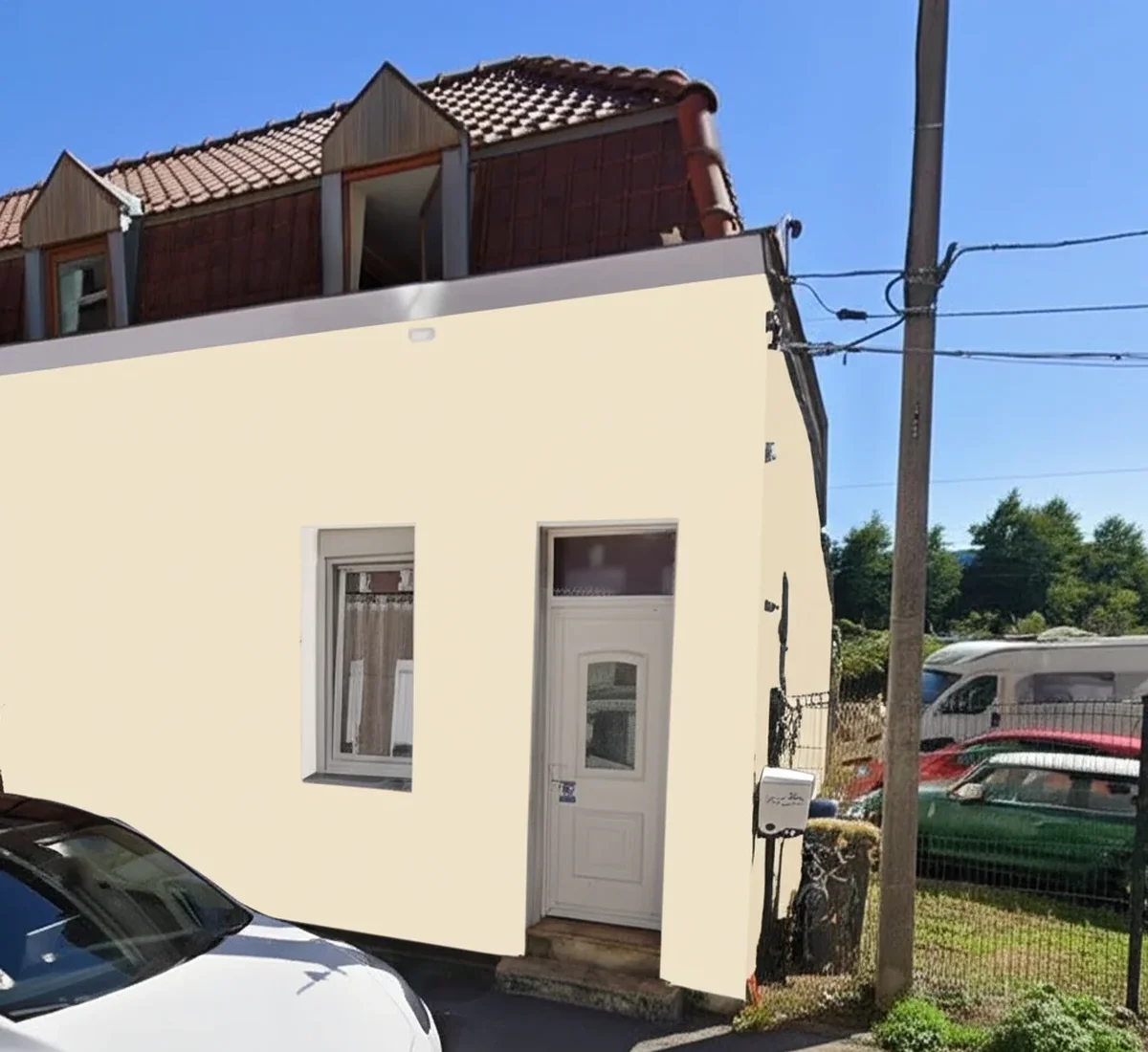
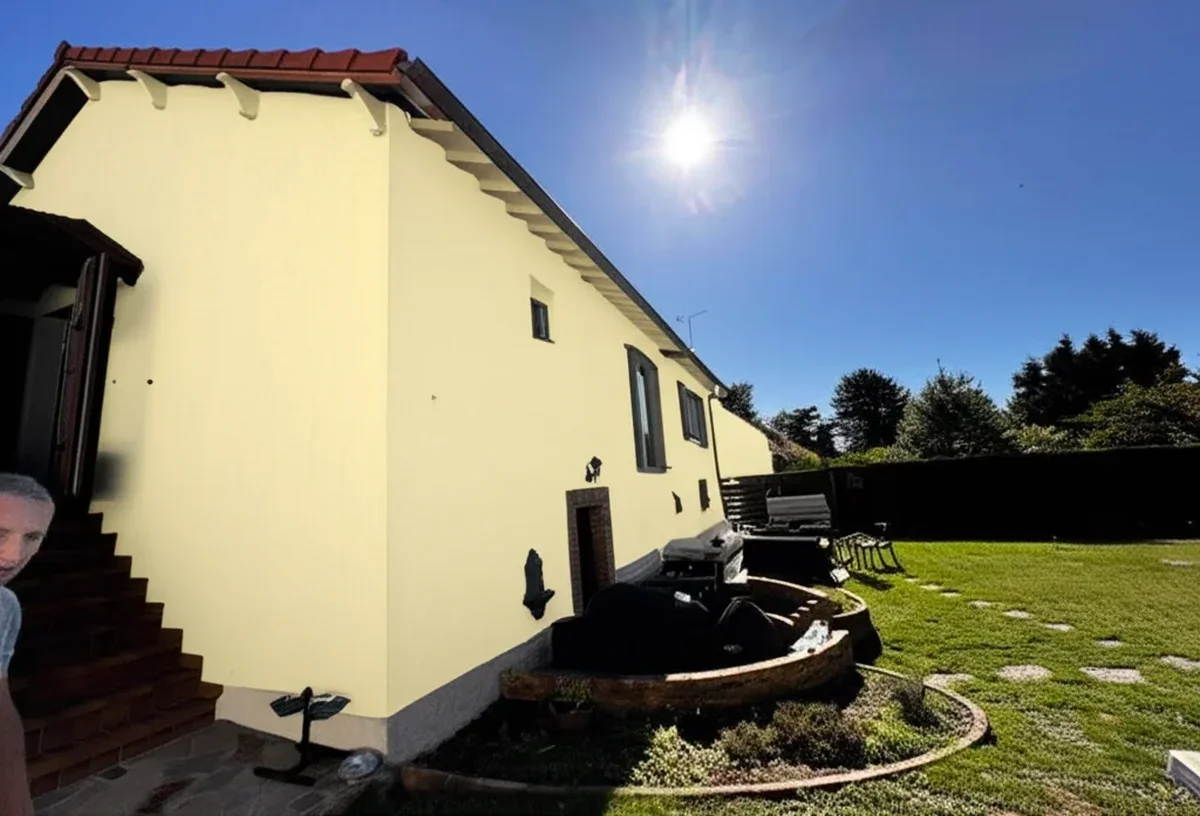
Before you ring round for three quotes, Try our free AI colour visualiser and see exactly how your Southampton home will look in any shade, no sample pots, no scaffolding, no costly repaints.
How much does a painter and decorator cost in Southampton in 2026?
Southampton decorator day rates in 2026 sit between £190 and £280, with hourly rates of £24–£42 depending on postcode, trade body membership and the complexity of the job. Interior room prices start at around £240 for a small box room and rise to £790 for a through-lounge in a Bedford Place Victorian terrace. Exterior projects are quoted at £15–£32 per square metre, with salt-resistant coatings, sash-window restoration and post-war render repair pushing prices towards the upper end. According to the Painting and Decorating Association, Southampton rates sit roughly 8–12% above Portsmouth and the New Forest, and around 12–18% below Brighton, a gap that reflects the local property values and the specialist coastal-weatherproofing skill required near the water.
Interior painting costs: by room
| Room type | Southampton price (2026) | Duration |
|---|---|---|
| Box room / small bedroom | £240 – £340 | 1 day |
| Double bedroom (walls & ceiling) | £350 – £500 | 1.5 – 2 days |
| Lounge or dining room | £440 – £650 | 2 – 3 days |
| Through-lounge (Bedford Place / Polygon Victorian) | £590 – £790 | 3 – 4 days |
| Hallway, stairs and landing (Portswood terrace) | £540 – £770 | 3 days |
| Kitchen or bathroom (moisture-resistant paint) | £320 – £490 | 1.5 days |
Exterior painting costs: £/sqm
Southampton decorators almost always quote exterior work per square metre, not per room. Budget £15–£32/sqm for a standard masonry or render repaint. The upper end reflects salt-resistant coatings (Sandtex 365, Weathershield Max), scaffolding on three-storey Victorian terraces, and concrete-panel repair on the 1960s tower blocks that still define the Shirley and Millbrook skylines.
Southampton pricing by SO-postcode
Southampton decorator rates vary noticeably across the SO postcodes. The waterside SO14 and SO15 Victorian streets and the leafy Highfield and Bassett stretches of SO17 attract premium pricing; outer SO16, SO18 and SO19 remain the most affordable pockets in the city.
| Postcode | Area | Day rate | Exterior £/sqm |
|---|---|---|---|
| SO14 | City centre, Ocean Village, Bedford Place, Polygon | £230 – £280 | £22 – £32 |
| SO15 | Shirley, Freemantle, Banister Park | £210 – £260 | £18 – £28 |
| SO16 | Millbrook, Redbridge, Lordswood | £190 – £230 | £15 – £23 |
| SO17 | Portswood, Highfield, Bassett (university) | £220 – £270 | £20 – £30 |
| SO18 | Bitterne, Harefield, Bitterne Park | £195 – £240 | £16 – £24 |
| SO19 | Woolston, Sholing, Weston (Solent-facing) | £200 – £250 | £18 – £28 |
| SO31 / SO45 | Hamble, Netley, Hythe (waterside commuter) | £210 – £260 | £19 – £30 |
Southampton tip
Properties within 500 metres of The Solent, anywhere in Ocean Village, Woolston, Weston, Netley or along the Itchen, should specifically request salt-resistant elastomeric masonry paint, not standard Weathershield. The cost uplift is roughly £3–£5/sqm but the coating will last 10–12 years instead of 4–6. Always get three quotes and ask each decorator to name the exact product proposed for the exposed elevations.
Victorian Bedford Place vs mid-century Portswood vs 1960s tower blocks
Southampton's housing stock splits into three very different briefs, and pricing each one as though it were the others is the single most expensive mistake homeowners in the city make.
Victorian terraces (Bedford Place, the Polygon, Inner Avenue)
The bay-fronted brick terraces around Bedford Place, the Polygon and Inner Avenue were built between 1860 and 1905, often with soft lime mortar, rendered ground floors and ornate timber bay windows. Many sit inside one of the city's conservation areas. Key cost drivers:
- Lime render repair: £55–£85/sqm before painting. Never apply a cement or acrylic render to a pre-1919 Southampton terrace, it traps salt-laden moisture and causes spalling within five winters.
- Breathable mineral paint (Keim, Beeck, Earthborn Claypaint): £28–£36/sqm. Essential on lime substrate in the Bedford Place and Polygon conservation areas.
- Original sash-window refurbishment: £85–£150 per window. A typical three-storey Polygon terrace has 10–14 sashes, budget £900–£2,100.
- Colour controls: Southampton City Council's conservation officers expect muted heritage palettes on Bedford Place, stone, warm white, sage and slate. Listed-building consent is required for any repainting of a Grade II property.
- Scaffolding: £1,400–£2,800 for a three-storey terrace, plus a Highways licence if the pavement is touched.
Mid-century semis (Portswood, Highfield, Bitterne Park)
The 1930s–1950s semis that dominate Portswood, Highfield, Bitterne Park and Bassett are the bread-and-butter of Southampton decorating. Most are outside conservation areas, giving owners full colour freedom. Typical features:
- Masonry repaint of pebbledash, roughcast or rendered brick: £17–£26/sqm in standard Weathershield; £24–£32/sqm in salt-resistant elastomeric on exposed elevations.
- Timber bay windows and fascia boards: £200–£360 per bay for full strip, prime and two coats of exterior eggshell.
- UPVC restoration sprays on faded 1990s–2000s windows: £280–£480 per property, hugely popular in SO17 and SO18 as a cheaper alternative to replacement.
- Internal decorative plaster and coving in Highfield Italianate semis: specialist cutting-in adds £80–£140 per room.
- Driveway and front-garden tidy-up is often bundled at £250–£500 alongside the exterior repaint to sharpen kerb appeal before sale.
1960s tower blocks and concrete-panel flats (Shirley, Millbrook, Weston)
Southampton has one of the south coast's densest clusters of 1960s and 1970s tower blocks, Shirley Towers, the Millbrook estate, the Weston high-rises on the Itchen. Interior flat repaints are straightforward, but external communal work is a different trade:
- Single flat interior repaint (2 bed): £1,200–£1,900 depending on condition and fire-retardant hallway specifications.
- Concrete-panel repair before paint: £45–£75/sqm, usually handled by the freeholder or housing association.
- Anti-carbonation coatings (Sika, Remmers) on exposed concrete panels: £26–£38/sqm, tendered as block-level contracts.
- Fire-safety compliant paint in common-parts stairwells following post-Grenfell regulations: Class 0 spread-of-flame primers and top-coats, budget +15% on standard trade rates.
Coastal weatherproofing on The Solent: salt, driven rain and winter damp
Southampton sits at the head of a deep estuary where the Test and Itchen meet The Solent. Salt-laden air, horizontal rain off the Channel and the tidal dampness of the Itchen all attack a standard acrylic masonry paint within 30–40 months. Here is what a coastal-specialist Southampton decorator will factor into your quote:
- Salt-laden air from The Solent: carries chloride particles up to 1.2 km inland, reaching much of SO14, SO15, SO19 and Ocean Village. These ions break down standard polymer binders and cause premature flaking on any south- or west-facing elevation. Ask for Sandtex 365, Dulux Weathershield Max or a true elastomeric such as Emperor Masonry Creme.
- Driven rain: Southampton records around 780–840 mm of rain annually over 135 days, much of it blown sideways on south-westerlies off the Channel. South- and west-facing walls need a minimum two top-coats plus a breathable stabilising primer.
- Itchen valley damp: properties in Bitterne, Woolston and Weston sit in a tidal basin where relative humidity routinely tops 88% from October to March. Internal mould is common, always specify a breathable system on solid-wall Victorian terraces.
- Lime vs cement: any pre-1919 Southampton property (most of Bedford Place and the Polygon) should be treated with lime mortar, lime render and mineral paint. Cement-based repairs trap moisture and can trigger £8,000–£15,000 of spalling damage within five winters.
- Mould and algae treatment: a fungicidal wash before painting is non-negotiable on any north-facing or shaded Southampton elevation. Budget £2–£4/sqm on top of the headline rate.
Conservation areas, listed buildings and planning
Southampton has 17 designated conservation areas including Bedford Place, Old Town, Bassett, Oxford Street, St Denys and Bitterne Village. Before repainting the exterior of a listed property, or making any colour change to a terrace within a conservation area, you must check with Southampton City Council's conservation team. Listed-building consent is required for any alteration affecting the character of the property, including replacing render, changing the palette or swapping sash windows for uPVC. Applications typically take 8 weeks and are free for owner-occupiers. Unauthorised work is a criminal offence carrying unlimited fines.
Checkatrade-verified decorators in Southampton
When shortlisting a Southampton decorator, Checkatrade, MyBuilder and the Painting and Decorating Association are the three most trusted directories. For coastal, conservation-area and tower-block work, look specifically for:
- 50+ verified Checkatrade reviews with an average of 4.7 stars or above
- At least 5 years trading under the same company name with an SO-postcode registered address
- Public liability insurance of £2 million minimum (certificate confirmed in writing)
- PDA membership (Painting and Decorating Association), the quality benchmark for UK decorators
- Photographic portfolio of Southampton Victorian or mid-century projects, ideally with Bedford Place or Portswood references
- Named lime-render or heritage specialist if you own a pre-1919 property in the Polygon or Bedford Place
- CSCS cards and scaffolding certification for any tower-block common-parts contract
- Written, itemised quotes listing prep, coats, paint brand, sundries and scaffolding separately
Always collect at least three quotes. A £3,200 three-room job in SO17 that is suddenly quoted at £1,800 by one decorator usually means contract emulsion is being substituted for trade-grade paint, and with Southampton's salt air and Itchen-valley damp, that finish will fail in half the expected time.
Average project duration in Southampton
- Single room repaint: 1–2 days
- Whole 2-bed flat in Ocean Village or Shirley: 4–6 days
- Full 3-bed Victorian terrace interior (Bedford Place, Polygon): 10–14 days
- Exterior repaint of a 3-bed Portswood semi (SO17): 5–8 days including scaffolding
- Full Bedford Place lime-render restoration and repaint: 3–5 weeks
- Complete interior and exterior refresh of a 4-bed Highfield villa: 4–5 weeks
Southampton's rainfall, Solent fog and south-westerly winds routinely delay exterior projects from November to March. Always allow a 25–30% buffer on the quoted duration for any external work carried out between October and April.
Best seasons to paint in Southampton
- Best months for exterior work: late May to early September. Temperatures sit reliably between 13°C and 22°C and humidity drops below 75%. Book by February, the best Southampton decorators are fully booked for summer slots by early March.
- Avoid: November to February. Solent fog, horizontal rain and night temperatures below 4°C all prevent masonry paint from curing. Most reputable Southampton firms refuse to quote for external work in these months.
- Best months for interior work: October to April. Interior decorators often offer 10–15% discounts during the quieter winter months.
- Nesting restrictions: Southampton conservation officers note that external scaffolding during March–July should avoid disturbing nesting swifts and house-martins along Bedford Place, Oxford Street and Old Town eaves.
Visualise your Southampton repaint before you commit
The fastest way to avoid an £800 colour mistake on your Bedford Place terrace or Portswood semi is to preview it photorealistically. Try our free AI colour visualiser, upload a photo of your home, test dozens of Dulux Trade, Farrow & Ball, Crown and Little Greene shades in seconds, and share the rendered image with your decorator (and the conservation officer) before a single brushstroke is laid.
For nearby cities, see our Brighton decorator cost guide and our London cost guide. If you own a listed Victorian property in the Polygon or Bedford Place, read our conservation-area painting rules and damp-proof exterior paint guides before committing to any quote.
Frequently asked questions
How much does a painter and decorator cost in Southampton in 2026?
Why is painting a Victorian terrace in Bedford Place or the Polygon so expensive?
What paint should I use on a Southampton property to resist salt air from The Solent?
Do I need planning permission to repaint my Southampton house?
Trademarks mentioned (Sherwin-Williams, Benjamin Moore, Behr, Caparol, Brillux, Sto, Alpina, Valspar, PPG, Glidden, Dulux, Crown Trade, Sandtex, Farrow & Ball, Johnstone's, Leyland) are property of their respective owners. FacadeColorizer is independent and not affiliated with any of them. Nominative fair use under Lanham Act §1125.