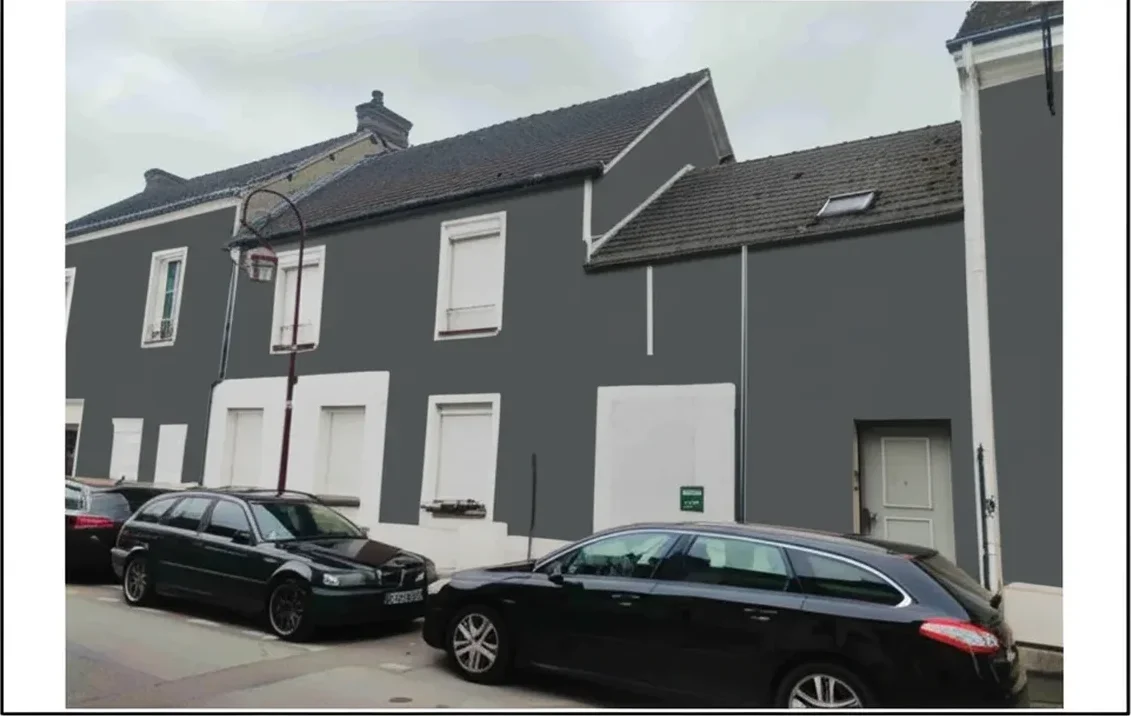
Try it on your house

Plymouth faces some of the most severe coastal weather in England, Atlantic gales, salt spray, and driving rain batter homes year-round. The city's unique housing stock includes post-war reconstruction buildings, Georgian limestone townhouses in the Barbican, and pebble-dashed 1950s estates. In 2026, Plymouth homeowners can expect to pay £45–£65 per m² for exterior rendering, competitive thanks to lower South West labour rates but still demanding high-spec materials.
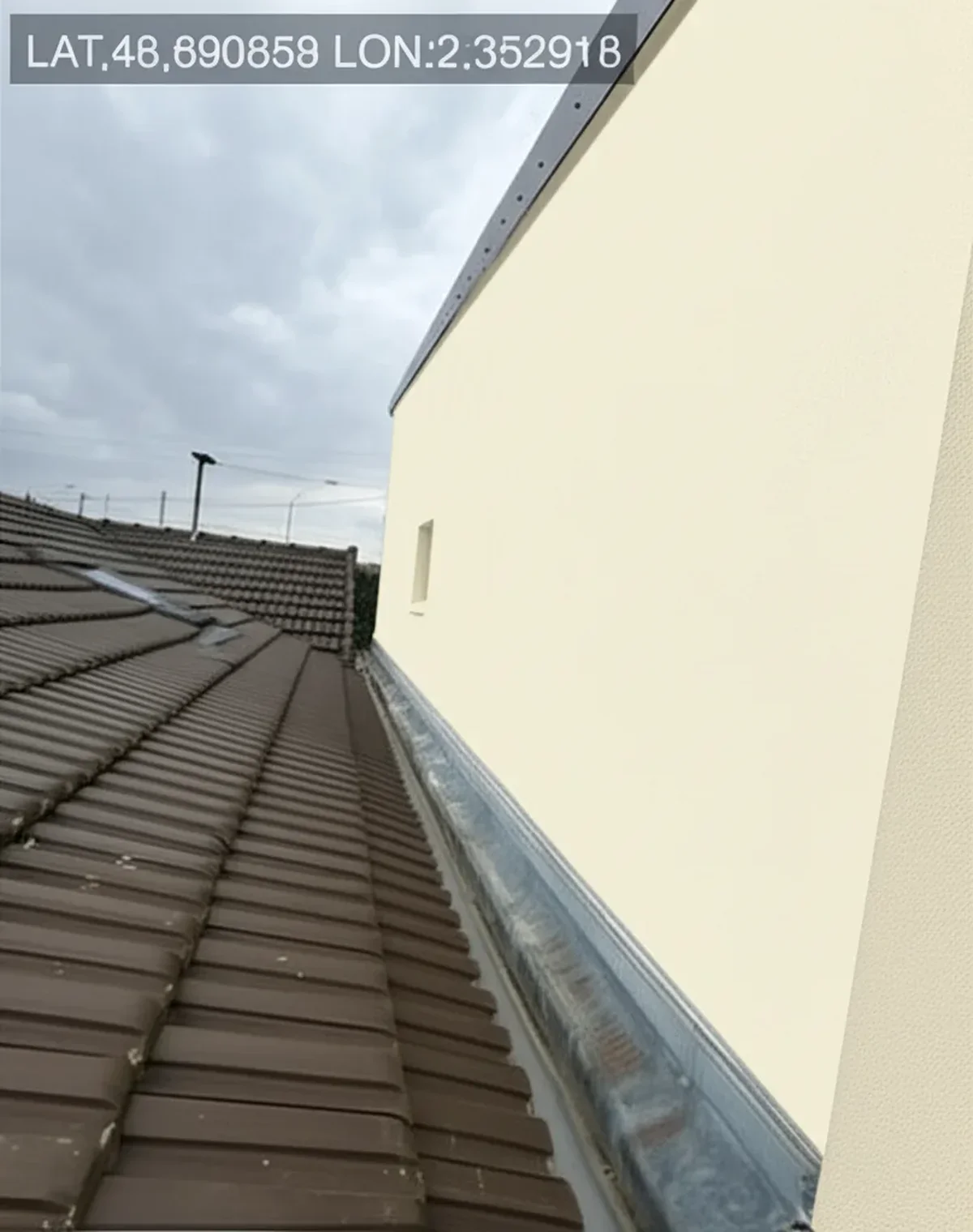
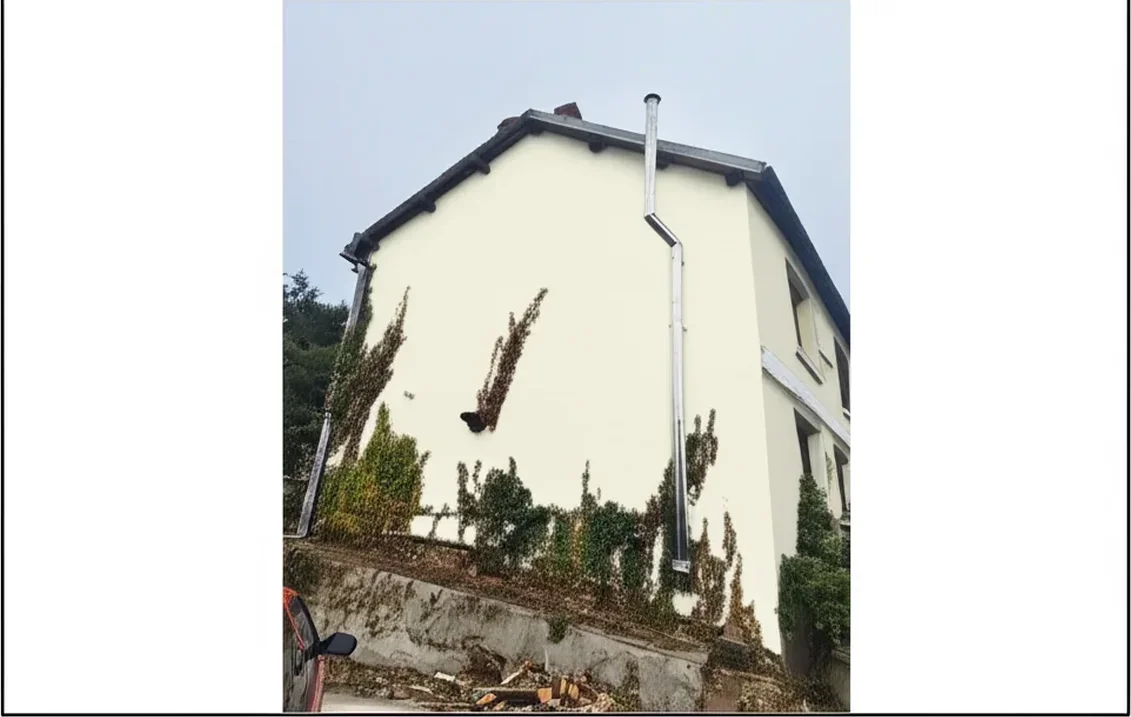
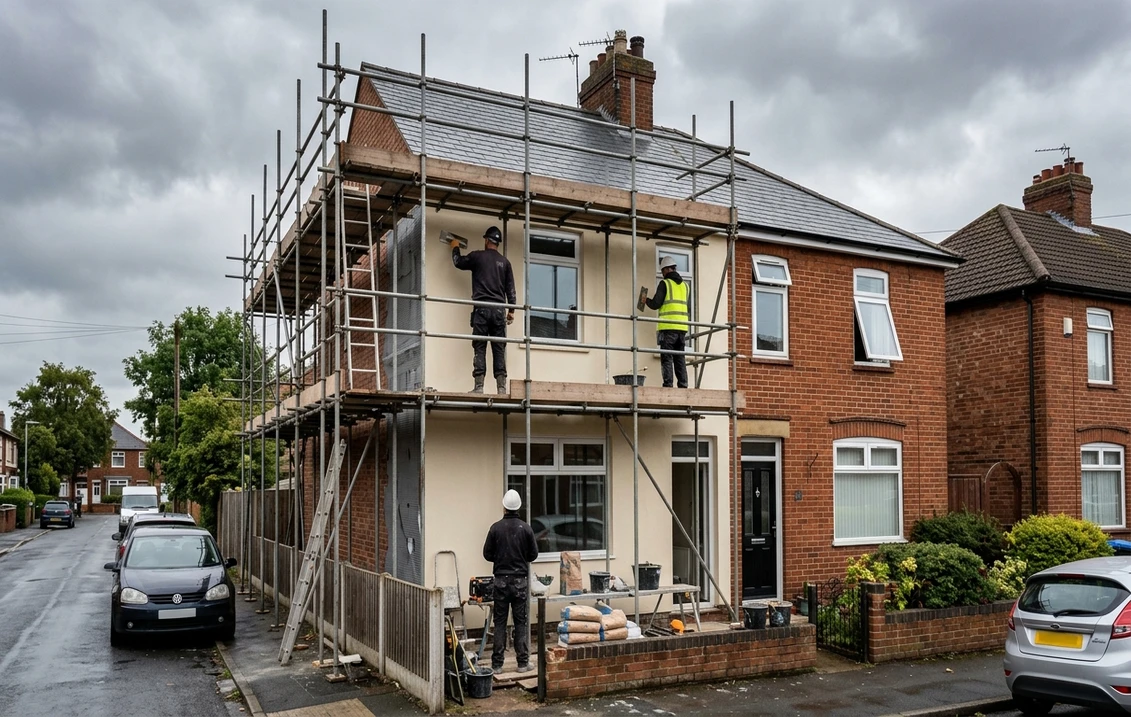
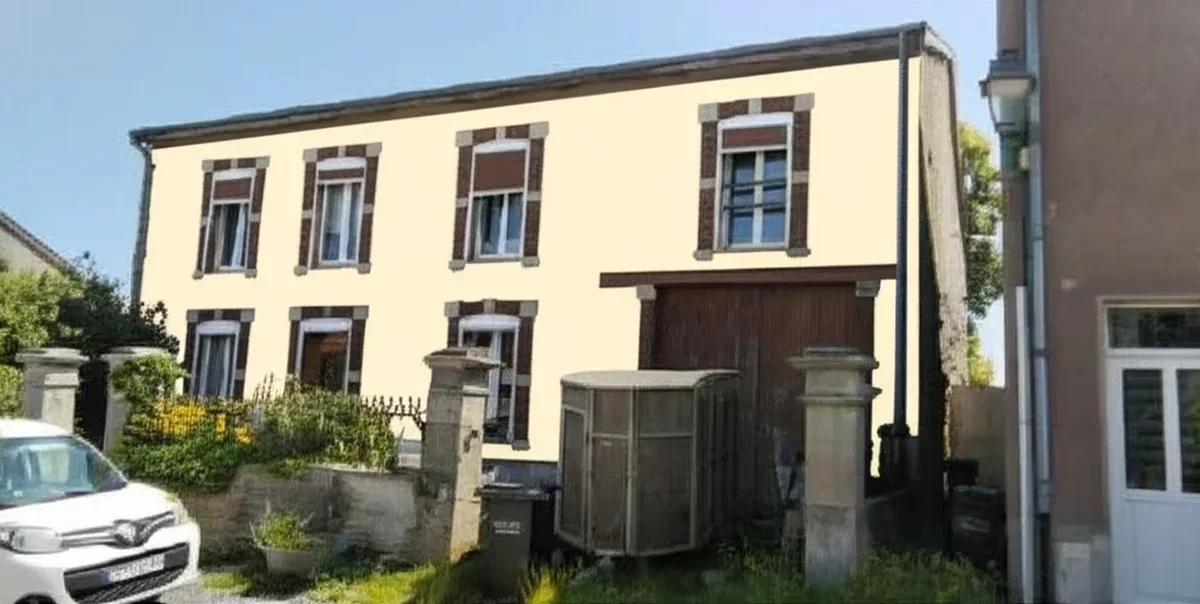
This guide covers real 2026 rendering costs for Plymouth, explains which systems survive the city's extreme exposure, and flags planning permission requirements. Before committing to a finish colour, try our free AI colour visualiser to preview any shade on your own home, no samples needed.
Rendering Costs per m² in Plymouth
Set these Plymouth figures against the 2026 national ranges, K Rend silicone £45 to £75 per m² installed and old render removal at £15 to £25 per m², in our UK rendering cost guide.
Plymouth sits in Devon, where renderer day rates are £160–£210, among the most affordable in England. However, the severe coastal climate means you should not cut corners on materials. Here are 2026 installed prices including materials, labour, and scaffold hire:
| Render Type | Cost per m² (Installed) | Lifespan | Coastal Suitability |
|---|---|---|---|
| Traditional sand and cement | £45 – £55 | 15–20 years | Poor, cracks and absorbs salt |
| Monocouche (K Rend / Weber) | £52 – £65 | 20–30 years | Fair, self-coloured, moderate exposure |
| Silicone render | £58 – £65 | 30–40 years | Excellent, hydrophobic, self-cleaning |
| Lime render | £55 – £65 | 50+ years | Excellent, breathable, salt-resilient |
| EWI system (insulated) | £85 – £125 | 25–35 years | Good, marine-grade fixings essential |
Try it on your house
No photo? Try a sample
Total Project Costs for Plymouth Properties
These figures include scaffold hire (£600–£1,900 in Plymouth), materials, and labour. Plymouth's post-war reconstruction estates, including Efford, Honicknowle, and parts of the city centre, feature concrete-framed buildings that are prime candidates for exterior rendering and EWI upgrades:
| Property | Approx. Wall Area | Cost Range | Duration |
|---|---|---|---|
| 2-bed post-war terrace | ~50–80 m² | £2,250 – £4,500 | 3–5 days |
| 3-bed semi-detached | ~80–120 m² | £3,600 – £7,200 | 5–8 days |
| 4-bed detached | ~150–250 m² | £6,750 – £14,000 | 7–12 days |
Expert tip
Plymouth receives over 1,000 mm of rainfall annually, among the wettest cities in England. Standard cement render absorbs moisture and is prone to render crack in freeze-thaw cycles. Silicone render is strongly recommended for any seaward-facing or exposed elevation. For limestone properties in the Barbican, only lime render with lime mortar should be used, cement-based products damage soft stone.
Render Types for Plymouth's Housing Stock
Plymouth's post-war reconstruction architecture presents unique challenges. Many 1940s–1960s buildings were constructed with concrete frames, non-traditional cavity walls, and pebble dash or roughcast finishes that are now failing. Modern silicone render or polymer render systems can be applied over sound pebble dash, but a condition report must confirm the substrate is stable.
For the Georgian and Victorian limestone townhouses in the Barbican and Hoe areas, lime render with traditional lime mortar is essential. This breathable render allows moisture to pass through the soft limestone walls, applying impermeable cement render traps damp and causes the stone to spall. Heritage projects may require Farrow & Ball or BS 4800 colour palettes.
Monocouche render from K Rend or Weber suits new builds and extensions across the city. The self-coloured render is applied with render mesh, bellcast bead, and stop bead profiles for a clean, professional finish. The scratch coat and top coat system ensures long-lasting adhesion.
Traditional sand and cement render painted with masonry paint (such as Dulux Trade Weathershield, Crown Trade, or Sandtex) remains the most affordable option but requires repainting every 3–5 years in Plymouth's harsh climate, compared with 5–8 years inland.
Planning Permission and Heritage in Plymouth
Plymouth has several conservation areas, including the Barbican, the Hoe, and Devonport. Key rules:
- Outside conservation areas, rendering is typically permitted development, no planning permission required
- Within a conservation area, any change to external appearance requires consent from Plymouth City Council
- Listed building consent is mandatory for alterations to Grade I, II*, or II properties, many Barbican buildings are listed
- Limestone properties usually require lime render and lime mortar only, conservation officers will reject cement-based alternatives
- EWI systems adding more than 50 mm may need Building Regulations approval
Damp, Defects, and Coastal Pre-Checks
Plymouth's high rainfall and Atlantic exposure increase damp risk significantly. Before any rendering project, commission a property survey:
- Rising damp, common in older Plymouth properties; must be treated before rendering
- Render crack damage on existing pebble dash or roughcast, widespread cracking signals debonding
- Limestone deterioration, spalling stone needs specialist repair before lime render application
- Frost resistance, essential for exposed elevations; silicone render and polymer render offer the best performance
- Salt crystallisation, seaward walls accumulate salt deposits that degrade cement render from within
EWI, EPC Ratings, and Government Grants
Plymouth's post-war housing stock is a prime candidate for EWI upgrades. Combining exterior rendering with insulation can lift an EPC rating from Band E or F to Band C. The ECO scheme (ECO4) and Great British Insulation Scheme fund qualifying households. Contact Plymouth City Council or your energy supplier for eligibility. Scaffold and access tower costs are included in EWI quotes, and all work must comply with Building Regulations. Colour specifications may reference BS 4800 standards, and a post-completion condition report is recommended.
Getting the Best Quote in Plymouth
To get the best value for your Plymouth rendering project:
- Get 3–5 written quotes, specify coastal-grade materials for seaward elevations
- Book in winter (November–February) for 10–15% savings when demand is lower
- Bundle with neighbours on post-war estates, shared scaffold hire cuts costs significantly
- Insist on silicone render for exposed walls, the extra cost per m² pays for itself in reduced maintenance
- Check ECO scheme and Green Homes Grant successor funding, many Plymouth homes qualify
Choosing the right colour for a Plymouth facade is a big commitment, Atlantic weather magnifies any mistake. Upload a photo of your Plymouth home to FacadeColorizer and preview any render colour in seconds, free, instant, and far more reliable than a paint swatch.
Frequently asked questions
How much does exterior rendering cost in Plymouth?
What render is best for Plymouth's coastal climate?
Can I render a limestone house in Plymouth?
Are there grants for rendering and insulation in Plymouth?
Trademarks mentioned (Sherwin-Williams, Benjamin Moore, Behr, Caparol, Brillux, Sto, Alpina, Valspar, PPG, Glidden, Dulux, Crown Trade, Sandtex, Farrow & Ball, Johnstone's, Leyland) are property of their respective owners. FacadeColorizer is independent and not affiliated with any of them. Nominative fair use under Lanham Act §1125.