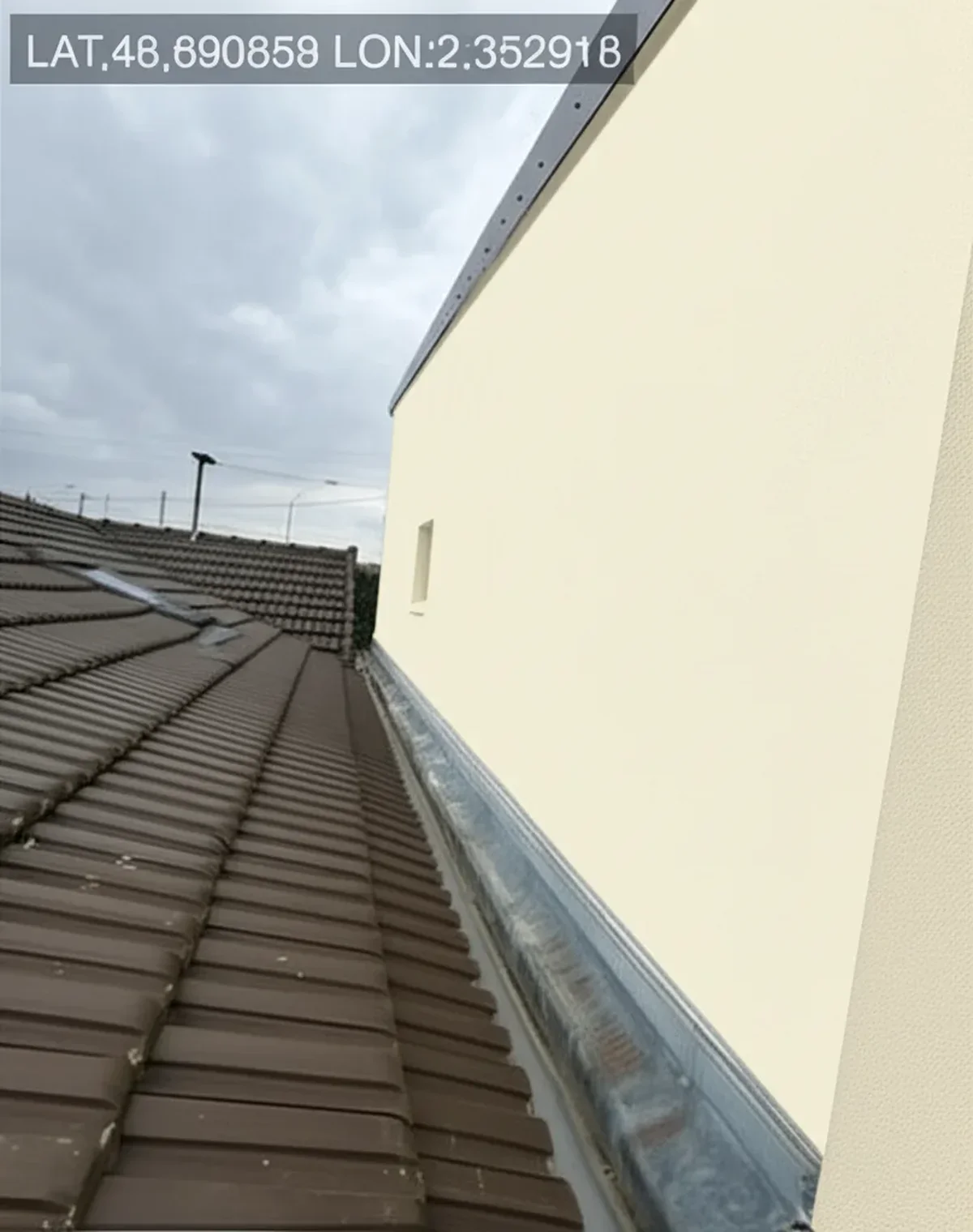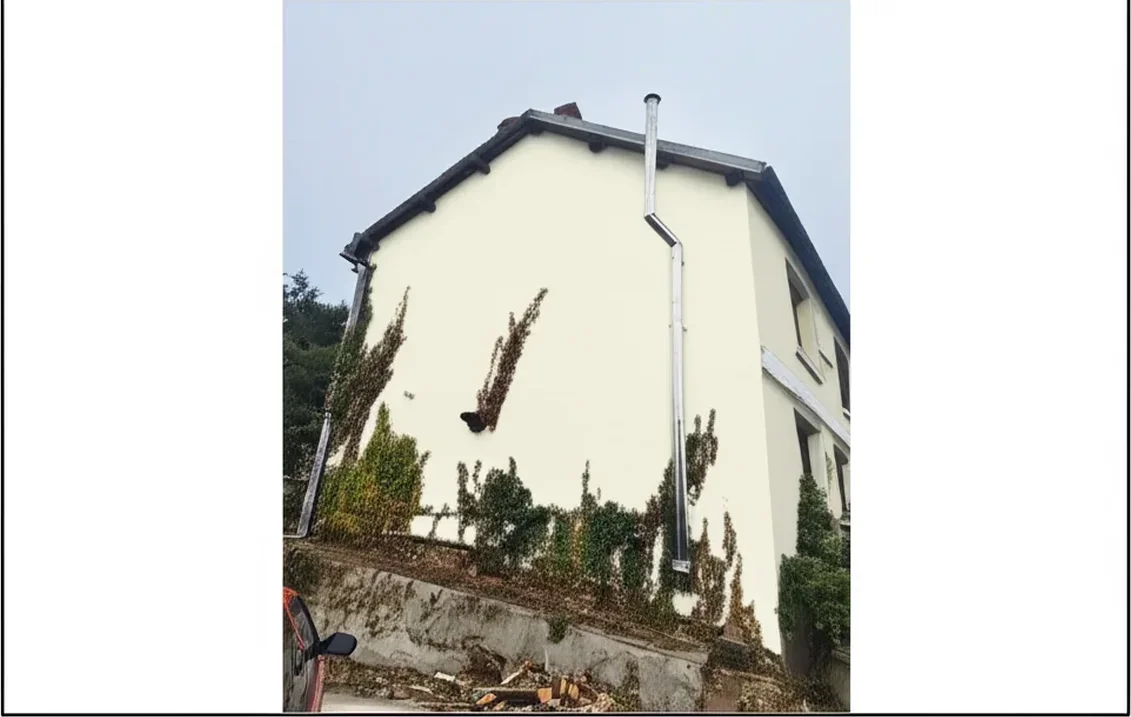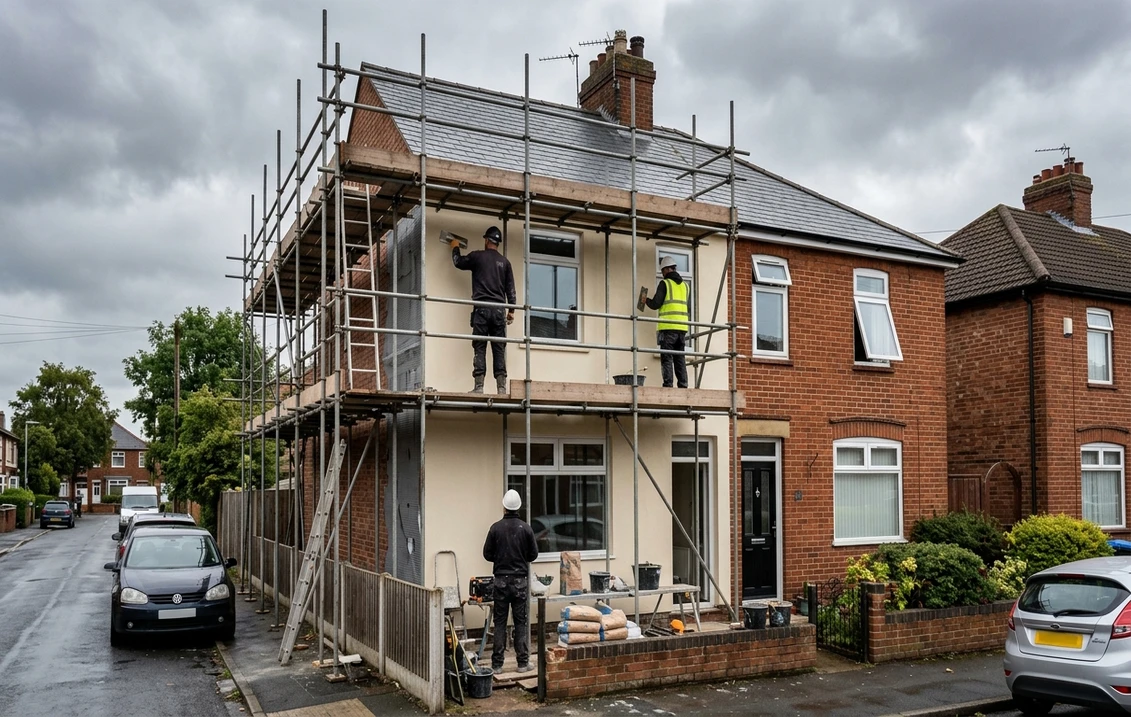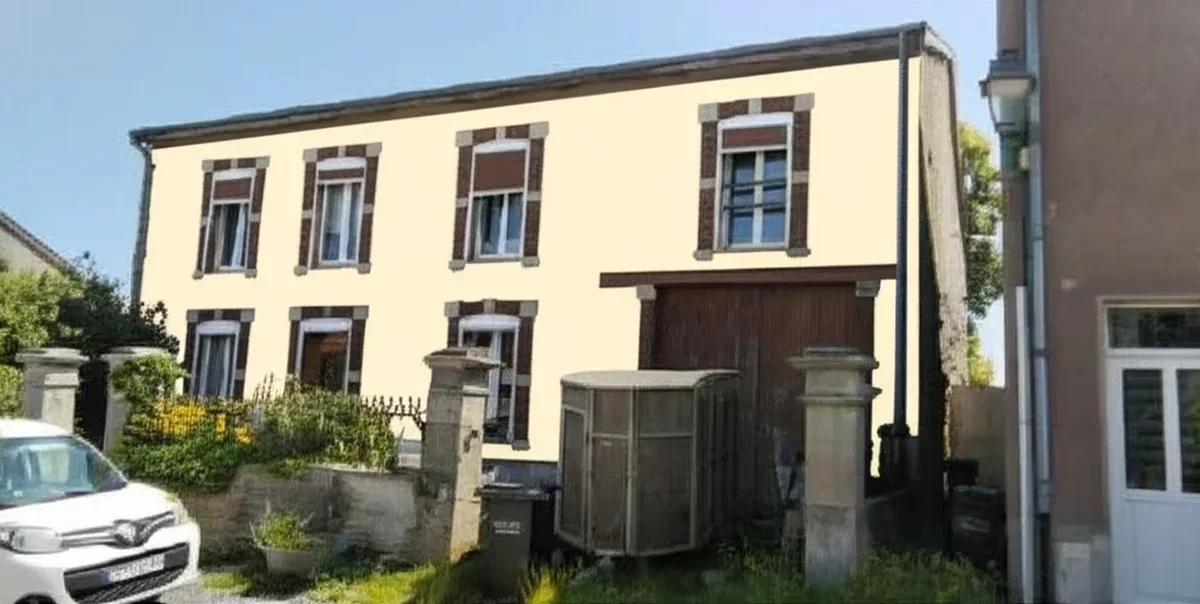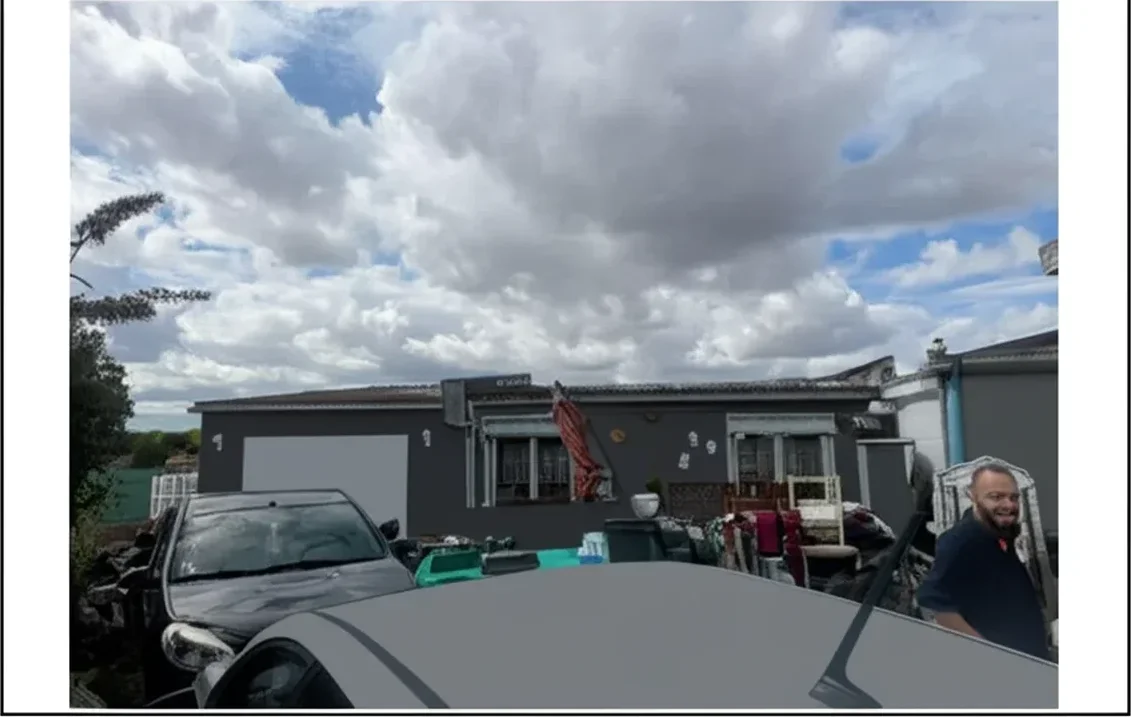
Try it on your house

Southampton's position on the Solent means homes face maritime exposure, salt-laden winds, driving rain, and higher humidity than inland areas. That makes your choice of exterior rendering system critical. In 2026, Southampton homeowners can expect to pay £50–£72 per m² for professional rendering, with prices reflecting the higher-spec materials needed to withstand coastal conditions.
This guide explains real 2026 costs for Southampton, compares render types for maritime exposure, and covers planning permission rules. Before choosing a finish colour, try our free AI colour visualiser to see how your Southampton home will look with a new render, no samples, no guesswork.
Rendering Costs per m² in Southampton
The national 2026 baseline, with K Rend K1 at 26 to 32 kg per m² and £45 to £75 per m² installed, is in our UK rendering cost guide; coastal Southampton quotes should land in the upper half of that range.
Southampton sits in Hampshire, where renderer day rates are £190–£250. South-coast projects often require higher-grade materials to cope with salt exposure and wind-driven rain. Here are 2026 installed prices including materials, labour, and scaffold hire:
| Render Type | Cost per m² (Installed) | Lifespan | Coastal Suitability |
|---|---|---|---|
| Traditional sand and cement | £50 – £60 | 15–25 years | Fair, needs frequent repainting |
| Monocouche (K Rend / Weber) | £58 – £72 | 25–30 years | Good, self-coloured, less maintenance |
| Silicone render | £65 – £72 | 30–40 years | Excellent, hydrophobic, self-cleaning |
| Lime render | £60 – £72 | 50+ years | Excellent, breathable, heritage-grade |
| EWI system (insulated) | £95 – £145 | 25–35 years | Good, must use marine-grade fixings |
Try it on your house
No photo? Try a sample
Total Project Costs for Southampton Properties
These figures include scaffold hire (£700–£2,200 in Southampton), materials, and labour. Southampton's housing stock ranges from Edwardian terraces in Freemantle to post-war estates in Thornhill and modern waterfront developments:
| Property | Approx. Wall Area | Cost Range | Duration |
|---|---|---|---|
| 2-bed terrace | ~50–80 m² | £2,500 – £5,200 | 3–5 days |
| 3-bed semi-detached | ~80–120 m² | £4,000 – £8,000 | 5–8 days |
| 4-bed detached | ~150–280 m² | £7,500 – £16,000 | 7–14 days |
Expert tip
Southampton homes within 1 km of the waterfront face severe maritime exposure. Standard cement render degrades faster in salt air, expect to repaint with masonry paint every 3–5 years instead of the usual 5–8. Silicone render is the best long-term investment for exposed coastal elevations as its hydrophobic surface repels salt and moisture.
Why Maritime Exposure Matters
The Solent coast subjects Southampton buildings to salt spray, wind-driven rain, and elevated humidity. This accelerates render crack formation in traditional sand and cement systems and causes masonry paint to peel and flake more quickly. For south-facing and seaward elevations, the best options are:
- Silicone render, hydrophobic, self-cleaning, and resistant to salt deposits; K Rend Silicone TC and Weber pral M are both rated for coastal exposure
- Polymer render, flexible, crack-resistant, and designed for challenging substrates
- Lime render with lime mortar, for heritage properties; breathable and naturally resilient to salt
- Avoid rigid cement render on exposed elevations, frost resistance is compromised by salt crystallisation
Render Application for Coastal Homes
The rendering process for Southampton homes follows standard practice but with coastal-specific details. A scratch coat is applied first to create a key, followed by the top coat. For self-coloured render systems, render mesh (fibreglass) is embedded to prevent cracking, bellcast bead profiles create clean drip edges at the base, and stop bead sections define edges at windows and corners.
On coastal properties, extra attention is paid to sealing around windows and using marine-grade render mesh and fixings. Pebble dash and roughcast finishes are common on older Southampton homes, these can be over-rendered with modern silicone render provided the existing surface is sound. A condition report should confirm substrate integrity before proceeding.
Planning Permission in Southampton
Southampton has several conservation areas, including the Old Town, Bevois Mount, and the Avenue. Key rules:
- Rendering outside conservation areas is usually permitted development, no planning permission required
- Within a conservation area, rendering over exposed brick or changing the external appearance requires consent from Southampton City Council
- Listed building consent is required for any external alteration to Grade I, II*, or II properties
- EWI systems over 50 mm thick may trigger Building Regulations approval
- Heritage colour palettes referencing BS 4800 or approved Farrow & Ball shades may be mandated in sensitive areas
Damp, Surveys, and Pre-Rendering Checks
Coastal proximity increases damp risk. Before rendering, commission a property survey to identify rising damp, failed damp-proof courses, and substrate defects. Existing pebble dash or roughcast must be tested for adhesion, loose material must be removed. Breathable render (lime or silicone) is essential on solid-wall properties where trapped moisture would cause damage.
EWI, EPC Ratings, and Grants
Combining exterior rendering with EWI can boost your EPC rating by one or two bands. The ECO scheme (ECO4) and Great British Insulation Scheme fund insulation for qualifying households. Contact Southampton City Council or your energy supplier for eligibility. Scaffold and access tower costs are included in EWI quotes. A post-completion condition report verifies proper execution, and colour specifications may reference BS 4800 standards.
BS EN 1062 Compliance for Coastal Southampton Renders
Every render quote in Southampton should reference its BS EN 1062 classification. The European standard rates exterior coatings on water vapour transmission (V1 high, V2 medium, V3 low), liquid water permeability (W1 to W3) and crack-bridging (A0 to A5). For coastal Southampton homes, the right minimum specification is V2 W3 A3: vapour permeable to release internal moisture, hydrophobic enough to shed salt-laden Solent rain, with crack-bridging to accommodate thermal expansion at marine exposure. K Rend Silicone TC and Weber pral M carry V2 W3 A3 ratings on their BBA assessment certificates, the independent gold standard for Southampton coastal applications. Specifying a V3 (low permeability) acrylic on a pre-1919 solid wall home in the Old Town, Bevois Mount or Freemantle traps moisture and accelerates damp failure, exactly the trap Checkatrade data flag in 1 in 5 UK rendering projects.
The Planning Portal publishes Part L (energy efficiency) and Part C (moisture) guidance referencing BS EN 1062 for coastal retrofits. Cross-reference with BS 5250 (condensation analysis) and BS 6262 (glazing detail) where the render meets window frames. BS 7079 applies where rendering onto steel structural elements common in 1930s seafront mansion blocks. Listed Building Consent is mandatory for any Grade I, II* or II property: Southampton's Old Town has many listed Tudor and Georgian buildings where conservation officers will reject V3 modern acrylic in favour of V1 or V2 lime or silicate finishes.
Monocouche vs Scratch Coat: Which Wins on the Solent Coast?
Monocouche (K Rend Monocouche, Weber pral M, Parex Maite) at 58 to 72 GBP per m squared in Southampton is widely specified for inland and lightly exposed properties in Bassett, Highfield and Bitterne Park. Applied as a single 15 to 20 mm through-coloured coat with embedded fibreglass mesh, monocouche achieves V2 W3 A2 BS EN 1062 ratings, eliminates masonry paint maintenance and lasts 25 to 35 years. For seaward-facing or wind-exposed Southampton elevations, however, monocouche is not the strongest choice: salt crystallisation degrades the surface texture faster than silicone, reducing the visual lifespan by 4 to 8 years.
A traditional scratch coat plus top coat system (sand-cement undercoat at 8 to 12 mm, render top coat at 6 to 10 mm) at 50 to 60 GBP per m squared plus 18 to 30 GBP per m squared for masonry paint, gives the installer more control on mixed brick-and-stone substrates common in Edwardian Freemantle terraces. Sandtex Ultra Smooth, Dulux Weathershield, Crown Trade and Johnstone's Stormshield are the four most commonly specified top coats: all carry V2 W3 BS EN 1062 ratings. The trade-off versus monocouche: total finished thickness reaches 14 to 22 mm and the painted finish needs refreshing every 3 to 5 years on Southampton's seaward elevations versus 5 to 8 years inland.
Breathable Systems for Older Southampton Buildings
Pre-1919 solid-wall homes across the Old Town, Bevois Mount and Northam must use breathable render to avoid trapping the moisture that maritime exposure constantly delivers. Specify lime render using natural hydraulic lime (NHL 3.5) from Cornish Lime, Anglia Lime or Lime Green at 75 to 110 GBP per m squared. Lime render achieves vapour transmission rates of 0.4 to 0.6 g per m squared per day, roughly 10 times the figure for sand-cement, allowing seasonal drying that protects the soft handmade bricks beneath. For non-listed pre-1919 Southampton properties, a silicone silicate render (K Rend HPX, Weber Silicone Silicate, Parex Decosil) at 65 to 95 GBP per m squared offers similar breathability with modern application convenience. Manufacturer pages at k-rend.co.uk document the heritage silicone silicate range with UK listed property case studies.
Top-coat finishes for breathable systems include limewash, silicate paint (Keim Soldalit, Beeck Renosil, Earthborn Silicate) and breathable mineral paint. These finishes cost 45 to 75 GBP per 5 litre tin at specialist suppliers but deliver 95 to 98 per cent vapour transmission. Southampton's listed Old Town buildings respond particularly well to limewash in heritage Farrow & Ball or BS 4800 colour palettes, the same finishes used on similar Georgian buildings in the Cotswolds and Bath.
How to test it on your own home before you buy
No third-party report replaces your own walls: the same colour reads differently on a north elevation and a south one, next to red brick or a grey roof, under morning and evening light. Take a daylight photo, upload it to the free AI paint visualiser, and run two or three candidates on the same image so the comparison is fair. Keep the one or two that survive the side-by-side, buy a tester pot of each, and brush them out on the actual surface in the actual light before you order the full quantity.
Render System GBP Costs at a Glance (Southampton 2026)
| Render System | Cost per m squared (GBP) | BS EN 1062 Class | Best Southampton Use |
|---|---|---|---|
| Monocouche (K Rend, Weber) | 58 to 72 | V2 W3 A2 | Inland semis Bassett, Highfield, Bitterne Park |
| Silicone (K Rend HPX, Weber) | 65 to 72 | V2 W3 A3 | Seaward elevations, marine exposure |
| Lime (Cornish, Anglia) | 60 to 72 | V1 W2 (heritage) | Old Town listed, Bevois Mount |
| Acrylic (Sto, Wetherby) | 55 to 80 | V2 W3 A2 | EWI top coat, sheltered elevations |
| Scratch coat + top coat | 50 to 60 | V3 W2 A1 | Outbuildings, mixed substrates |
Sources: Checkatrade 2026, NHBC rate books, Federation of Master Builders south-coast 2026 data. Add 8 to 18 GBP per m squared for scaffolding on two-storey properties. Conservation Area and Listed Building consent may add 4 to 12 weeks to the timeline.
Getting the Best Quote in Southampton
To get the best value for your Southampton rendering project:
- Get 3–5 written quotes from verified renderers, insist they specify coastal-grade materials for exposed elevations
- Book in winter when demand drops, November to February discounts of 10–15% are common
- Ask about Dulux Trade Weathershield, Crown Trade, and Sandtex for painted finishes; Farrow & Ball Exterior for heritage properties
- Choose silicone render for seaward-facing walls, the extra cost per m² pays back in decades of zero maintenance
- Check ECO scheme and Green Homes Grant successor funding before paying full price
Before committing to a colour on 100+ m² of wall, get it right first. Upload a photo of your Southampton home to FacadeColorizer and preview any render colour in seconds, free, instant, and far more accurate than a paint swatch held against a wall.
Frequently asked questions
How much does exterior rendering cost in Southampton?
What render is best for coastal homes in Southampton?
Do I need planning permission to render a house in Southampton?
How long does render last on a coastal property near Southampton?
Trademarks mentioned (Sherwin-Williams, Benjamin Moore, Behr, Caparol, Brillux, Sto, Alpina, Valspar, PPG, Glidden, Dulux, Crown Trade, Sandtex, Farrow & Ball, Johnstone's, Leyland) are property of their respective owners. FacadeColorizer is independent and not affiliated with any of them. Nominative fair use under Lanham Act §1125.