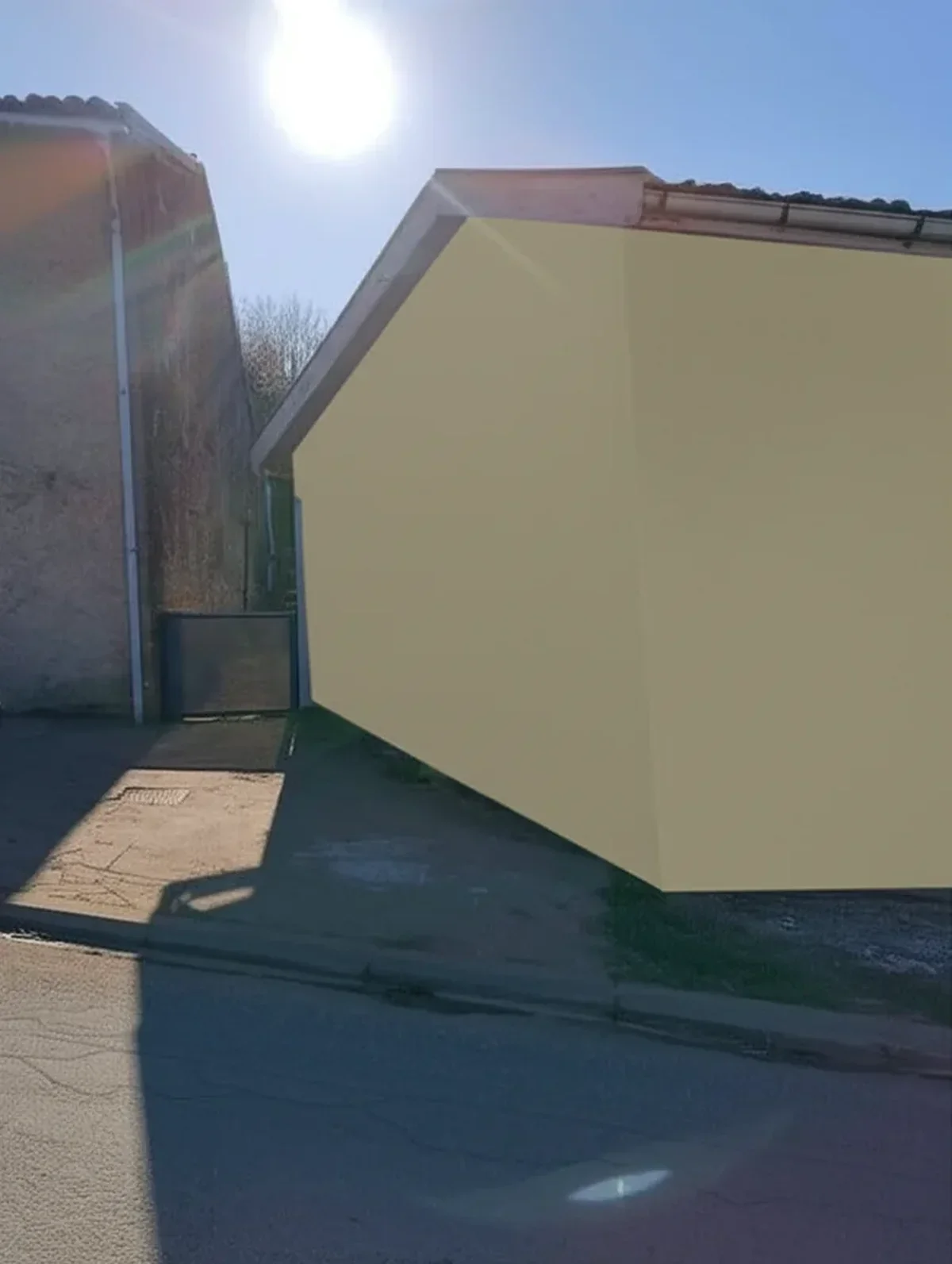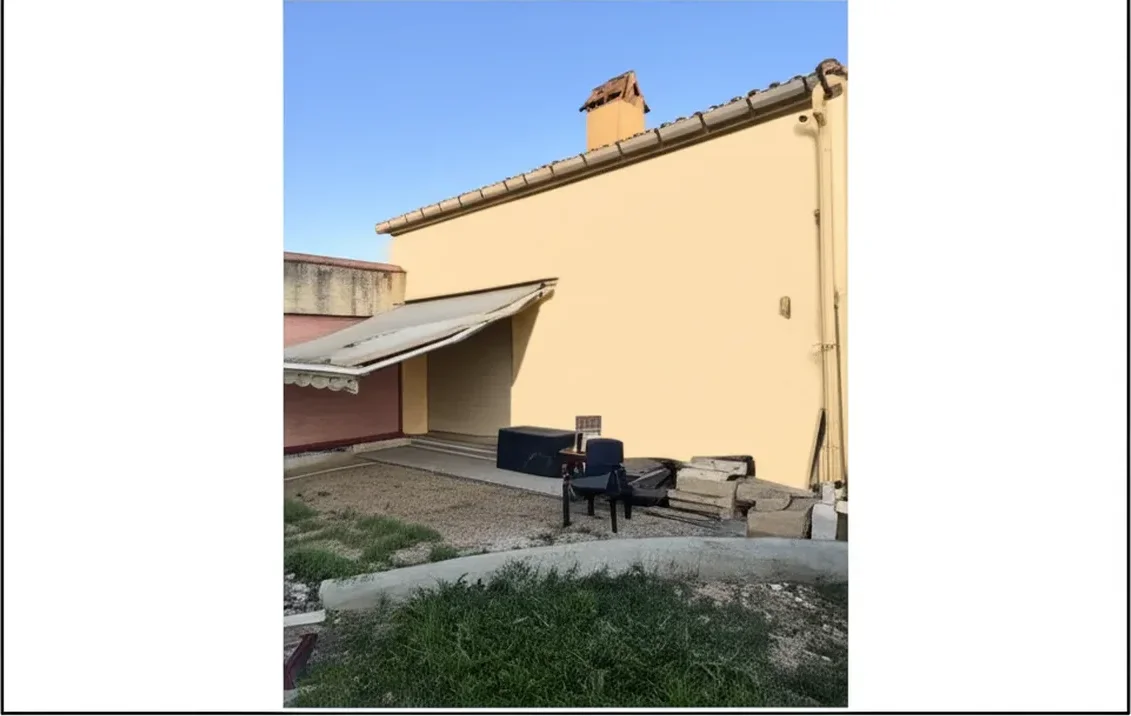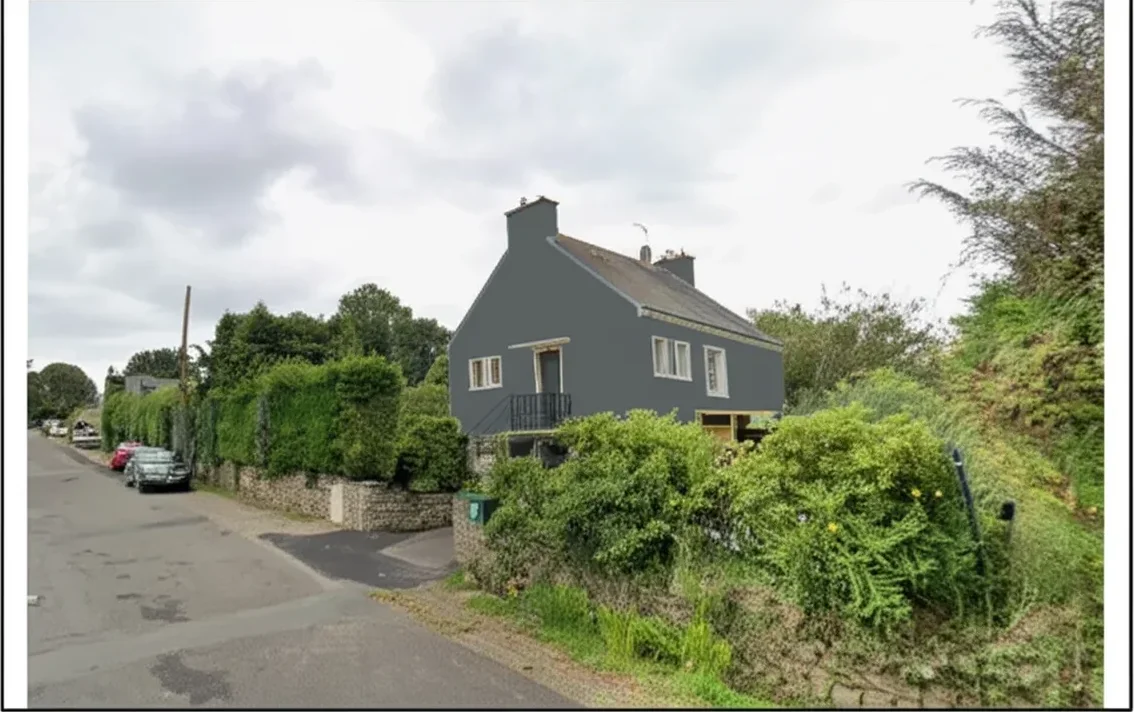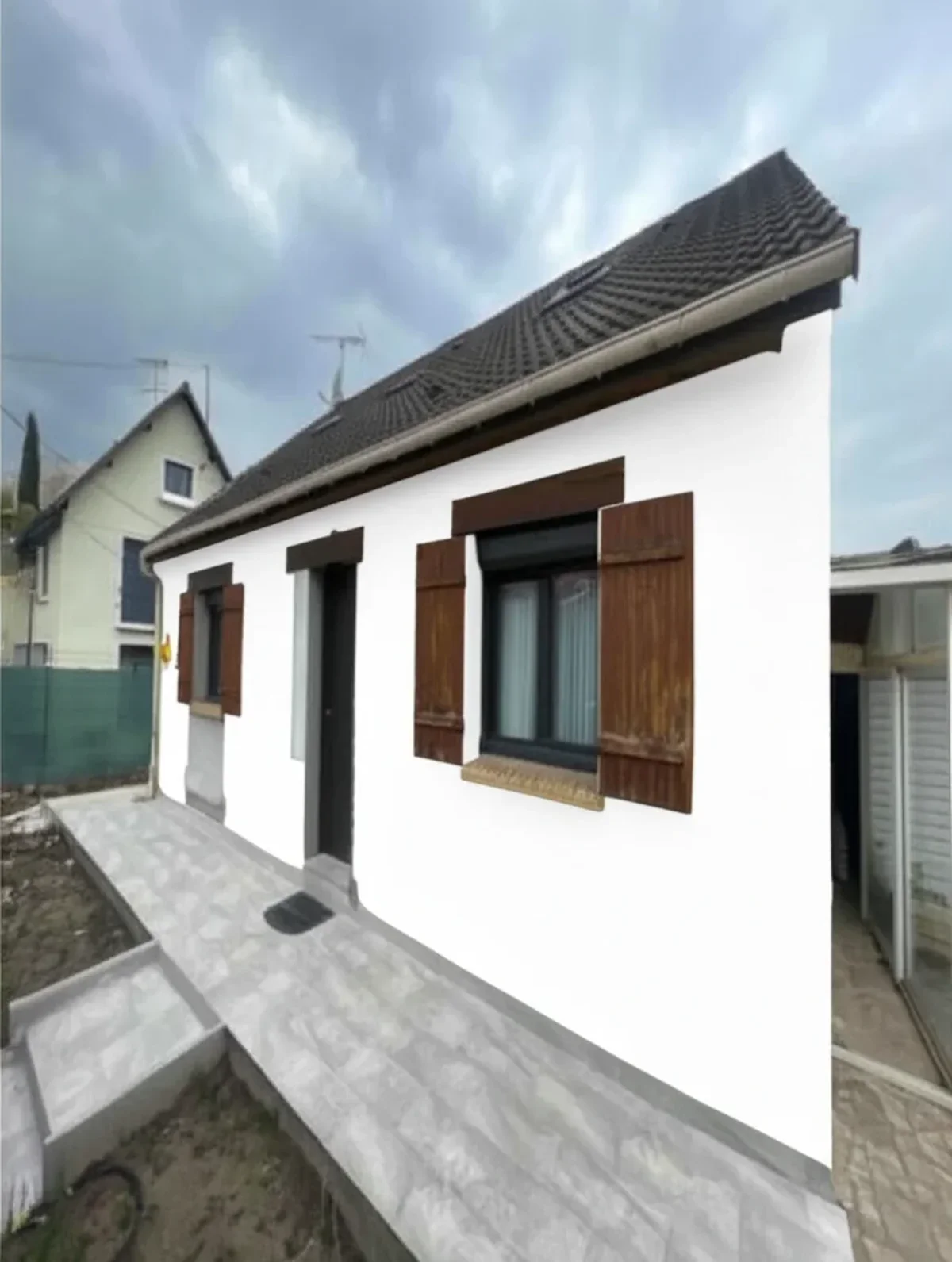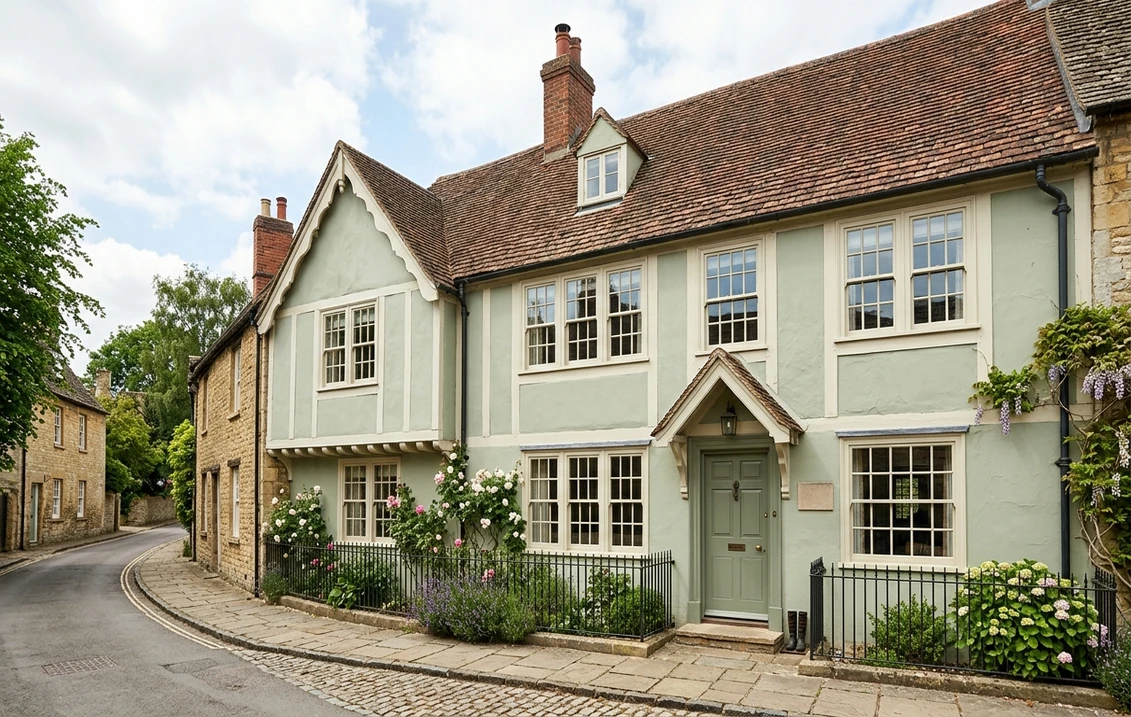
Try it on your house

The UK has roughly 400,000 listed buildings and over 10,000 conservation areas, and every one of them is protected by law. Under the Planning (Listed Buildings and Conservation Areas) Act 1990, painting the wrong colour or using the wrong product on a protected property can trigger an enforcement notice, a fine of up to £20,000 in the Magistrates' Court, or an unlimited fine on indictment for Grade I properties.
This 2026 guide explains when paint requires Listed Building Consent, the differences between Grade I, II* and II protection, how to work with your local conservation officer, and which heritage-approved palettes from Farrow & Ball, Dulux Heritage and Little Greene are most commonly accepted. Sources: Historic England, Planning Portal, Town and Country Planning Act 1990.
Grade I, II* and II: what the designation means for paint
All listed buildings are protected, but the grade determines how strictly controls are applied. Conservation officers treat a Grade I chapel very differently from a Grade II terrace, and your paint specification must match that expectation.
Grade I: exceptional interest (2.5% of listings)
Grade I covers buildings of exceptional national interest: cathedrals, Tudor manor houses, early Georgian townhouses of national significance. Consent is required for almost any paint change, including repainting in the existing colour if a different product is proposed. Historic England is usually consulted directly and unlimited fines apply on indictment for unauthorised works.
Grade II*: particularly important (5.8% of listings)
Grade II* buildings are of more than special interest, including Victorian civic buildings, important churches and well-preserved period homes. Paint specifications must be breathable (lime-based or mineral silicate) on historic masonry, and colours should match archival or physical paint-scrape evidence where possible. Unauthorised works risk fines up to £20,000 in the Magistrates' Court.
Grade II: special interest (91.7% of listings)
Grade II is the standard designation for most listed homes. Consent is still required for external painting that changes character, but like-for-like repainting in the existing colour and product is often permitted without a formal application. Always check with your conservation officer first: the word "often" does a lot of work here.
When paint requires Listed Building Consent
Under section 7 of the Planning (Listed Buildings and Conservation Areas) Act 1990, it is a criminal offence to carry out works that affect the character of a listed building without consent. For paint, the following table sets out what typically requires a formal application.
| Proposed work | Listed Building | Conservation Area | Consent needed? |
|---|---|---|---|
| Repaint same colour, same product | Grade II | Any | Usually no (check first) |
| Change colour of render or masonry | Any grade | Any | Yes |
| Paint previously unpainted stone or brick | Any grade | Any | Yes, usually refused |
| Switch from lime wash to modern masonry paint | Any grade | Any | Yes |
| Repaint sash windows same colour | Grade II | Any | Usually no |
| Repaint shopfront different colour | Any grade | Any | Yes |
| Strip historic paint to bare material | Any grade | Any | Yes |
Try it on your house
No photo? Try a sample
If in doubt, submit a pre-application enquiry to your local planning authority. It is free or low-cost in most councils and protects you against later enforcement action.
Preview heritage colours on a photo of your property before submitting Listed Building Consent
Approved heritage paint palettes
The type of paint is assessed alongside the colour. Babergh and Mid Suffolk's 2025 guidance regards repainting in the same colour and type as unlikely to need consent, a change of colour or type as potentially needing it (via a Change of Paint Form), and a switch from limewash to masonry paint as unlikely to be accepted. The full table is quoted in our limewash versus masonry paint guide.
Conservation officers rarely approve a specific RAL code; instead, they expect you to cite an established heritage range and submit physical samples. The three brands listed below are the most widely accepted across English, Scottish and Welsh local authorities.
| Brand / range | Typical approved colours | Product type | Best for |
|---|---|---|---|
| Farrow & Ball Heritage | Slipper Satin, Off-White, String, Pointing, Ammonite | Limewash, Masonry & Exterior Eggshell | Georgian & Regency townhouses |
| Dulux Heritage | Regency Cream, Rose Pink, Pompeii Pearl, Pale Cashmere | Weatherguard Smooth Masonry | Victorian & Edwardian terraces |
| Little Greene National Trust | Stone-Pale-Warm, French Grey, Rolling Fog, Portland Stone | Intelligent Masonry, Limewash | Country houses & lime-rendered cottages |
| Keim Mineral Paints | Custom-matched to archival samples | Silicate mineral paint | Grade I & Grade II* breathable systems |
Avoid standard plastic or acrylic masonry paints on historic fabric: they trap moisture, cause blown render and accelerate decay of lime mortar. The SPAB (Society for the Protection of Ancient Buildings) recommends limewash or mineral silicate for any pre-1919 solid-wall building.
Working with your conservation officer
Conservation officers are gatekeepers, not obstacles. Approached early, most are helpful and happy to steer you toward an acceptable palette. Approached late, or not at all, they hold the keys to an enforcement notice.
Step 1: pre-application enquiry
Submit a short email with photographs of the elevations, your proposed colour (with a named product and reference), and a brief justification. Most councils respond within 21 days and the advice is free or under £100. This step alone prevents 80 percent of disputes.
Step 2: formal Listed Building Consent application
Submit via the Planning Portal using the Listed Building Consent form. You'll need a location plan, elevation drawings or annotated photographs, a Heritage Statement (for Grade I and II*), and physical A4 paint samples. The application is free of charge by statute, but your local authority may levy validation fees.
Step 3: decision within 8 weeks
Target determination time is 8 weeks. Grade I and II* applications may be referred to Historic England (statutory consultee) for a further 28-day comment period. Never start work before the written decision notice is issued: "verbal approval" carries no legal weight.
Fines and enforcement: what unauthorised paint really costs
Fine schedule for unauthorised works
- Grade II, Magistrates' Court: up to £20,000 per offence under section 9 of the 1990 Act.
- Grade I & II*, Crown Court on indictment: unlimited fine and/or up to 2 years' imprisonment.
- Enforcement notice: local authority can require you to strip the paint and reinstate the previous finish at your cost (often £5,000 to £30,000).
- Conservation Area offences: fines up to £20,000 under section 74 for unauthorised demolition; paint changes typically handled via Article 4 Direction.
- Mortgage & insurance risk: lenders can call in the loan; insurers can void buildings cover for non-compliance.
Source: Planning (Listed Buildings and Conservation Areas) Act 1990, sections 7, 9, 38 and 74.
In 2023, a Grade II cottage owner in the Cotswolds was fined £12,500 plus £6,800 costs for painting a limewashed elevation in plastic masonry paint. In 2024, a Bath property owner received an enforcement notice requiring removal of modern acrylic paint from ashlar stone at an estimated cost of £18,000. These are not rare cases.
Conservation areas: Article 4 Directions
If your property is in a conservation area but not listed, standard permitted development rights may still be withdrawn by an Article 4 Direction. Common in Bath, Edinburgh New Town, Clifton (Bristol) and central London boroughs, Article 4 Directions typically require planning permission for any exterior colour change, including front doors, window frames and render.
Check your council's online planning map or call the planning department before ordering paint. Applications under Article 4 are usually determined within 8 weeks and the fee is currently around £258 for a householder application.
Period-correct colours: matching the era to the brand
The fastest way to lose a Listed Building Consent application is to propose a colour that is heritage-themed but historically wrong. Each architectural period has a documented palette and the major UK brands now package those palettes under named ranges that conservation officers recognise on sight.
Georgian (1714 to 1830): lime cream, stone, off-white renders with lead grey, oxblood red or bottle green on doors and cast-iron blacks on railings. Specify Dulux Heritage Regency Cream, Farrow and Ball Slipper Satin, Little Greene Stone-Pale-Warm. Regency (1811 to 1837): Suffolk pink stucco, pale lime cream, soft buff. Reference Crown Period Collection Soft Lime, Johnstone's Heritage Pale Stone. Early Victorian (1837 to 1860): deeper earth tones, chocolate brown, oxblood. Specify Farrow and Ball London Stone, Little Greene Rolling Fog. Late Victorian and Edwardian (1860 to 1914): sage green, ochre yellow, teal on joinery with cream renders. Reference Dulux Heritage Pale Cashmere or Crown Eau de Nil. Arts and Crafts (1880 to 1920): Brunswick green, signal red, slate grey, soft sage on render. Reference Little Greene French Grey or Farrow and Ball Studio Green.
Article 4 Directives: which streets are caught
An Article 4 Direction withdraws permitted development rights from a defined area, normally a conservation area. For paint, this typically means any colour change on an already-painted surface needs a householder planning application (around GBP 258 in England). Coverage is dense in London (Westminster, Kensington and Chelsea, Camden, Islington), Bath (all 35 conservation areas in BANES), Edinburgh, York, Oxford, Cambridge, Bristol Clifton, Cheltenham and Brighton. To check, search the council planning policy page for the phrase "Article 4 Direction" with your conservation area name, or call the duty planner. Many authorities publish interactive GIS maps where a postcode pin reveals listed status, conservation area boundary and Article 4 overlays in a single view.
Listed Building Consent: process at a glance
The route is the same across England (with parallel processes in Scotland via Historic Environment Scotland and Wales via Cadw). The application is free in England under section 17 of the 1990 Act. Supporting documents include a Heritage Statement (mandatory for Grade I and II*, recommended for Grade II), scaled elevation drawings or annotated photographs, A4 paint sample boards, and product data sheets confirming breathability (Sd value, BS EN 1062-1 classification). Useful primary sources for the application bundle: historicengland.org.uk for technical guidance on traditional materials, gov.uk/listed-buildings for the legal framework, and ihbc.org.uk for accredited conservation specialists.
Note from our visualiser data.
Across 16,983 colour previews generated on FacadeColorizer through 2026, heritage palettes (Dulux Heritage, Farrow and Ball, Little Greene National Trust, Crown Period Collection) dominate the previews of UK properties flagged as listed or in a conservation area. Side-by-side renders are the single most effective way to reduce mid-job colour changes and accelerate Listed Building Consent approval, because officers can see the proposal exactly as the homeowner will.
Frequently asked questions
Can I repaint my Grade II listed cottage the same colour without consent?
In most cases yes, provided you use the same product type (limewash for limewash, mineral paint for mineral paint) and the same colour. However, swapping from limewash to modern masonry paint, even in an identical shade, is a material change and requires Listed Building Consent. Always send a short pre-application email to your conservation officer with photographs and the proposed product reference, a 10-minute task that provides written protection against later enforcement.
What happens if I paint my listed building without consent?
It is a criminal offence under section 9 of the Planning (Listed Buildings and Conservation Areas) Act 1990. Penalties include fines up to £20,000 in the Magistrates' Court for Grade II, and unlimited fines plus up to 2 years' imprisonment on indictment for Grade I and II*. The council can also serve an enforcement notice requiring you to strip the paint and reinstate the original finish at your expense, typically £5,000 to £30,000. Your buildings insurance may also be voided.
Which paint brands do conservation officers actually approve?
The most widely accepted ranges in 2026 are Farrow & Ball Heritage, Dulux Heritage, Little Greene National Trust, and Keim Mineral Paints. Officers rarely specify a single brand; they look for breathable product chemistry (limewash, silicate or mineral paint on pre-1919 buildings) and historically appropriate colours. Submit physical A4 samples with your application: paint chips under 50mm square are routinely rejected. For Grade I and II*, expect to commission a paint-scrape analysis to identify the original colour.
Test Farrow & Ball, Dulux Heritage and Little Greene shades on your listed building photo
Listed building and conservation area rules are strict but navigable: engage your conservation officer early, choose a breathable heritage product, and always get written consent before opening a tin. Sources: Historic England, Planning Portal, Town and Country Planning Act 1990, Planning (Listed Buildings and Conservation Areas) Act 1990, SPAB technical guidance.
Official sources
To verify the regulatory information in this guide at the primary source:
- GOV.UK : When planning permission is required
- Planning Portal : Planning permission and building regulations (England and Wales)
- Historic England : Listed buildings and conservation areas
External links. FacadeColorizer is not affiliated with these bodies and their guidance may change over time.
Trademarks mentioned (Sherwin-Williams, Benjamin Moore, Behr, Caparol, Brillux, Sto, Alpina, Valspar, PPG, Glidden, Dulux, Crown Trade, Sandtex, Farrow & Ball, Johnstone's, Leyland) are property of their respective owners. FacadeColorizer is independent and not affiliated with any of them. Nominative fair use under Lanham Act §1125.