Try it on your house

Repose Gray SW 7015 is the deeper warm gray with a violet-brown undertone, sitting at LRV 58 and reading as a clear presence on the wall.
Classic Gray OC-23 is the lighter barely-there warm greige offset, sitting at LRV 74 and reading as a soft whisper rather than a full gray.
They are cross-brand (Sherwin-Williams versus Benjamin Moore) and the depth gap between them is significant. Repose Gray is a mid-tone wall color; Classic Gray is an off-white that barely registers as gray. The only honest way to pick is to test both on your own wall.
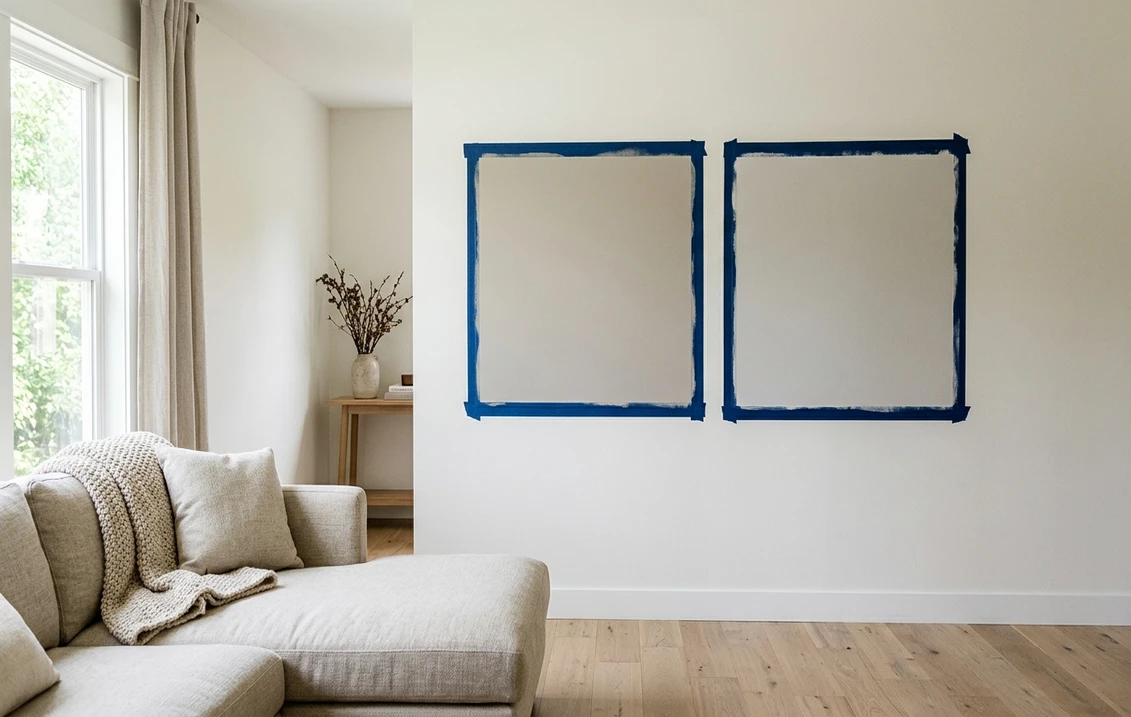
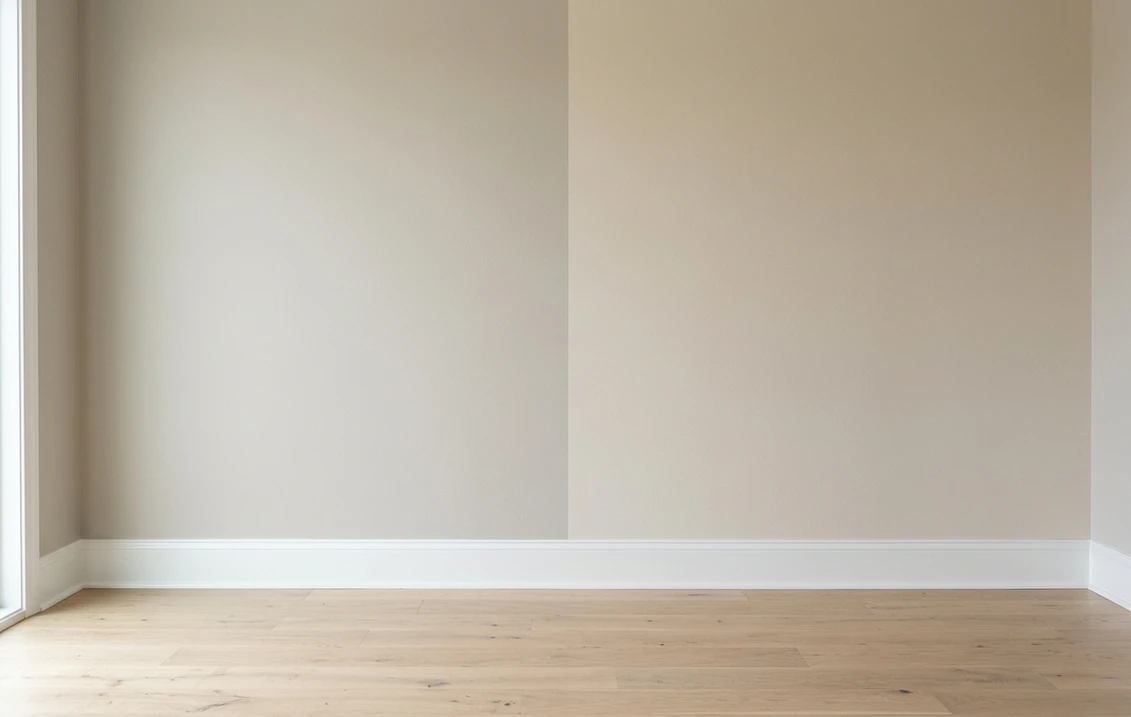
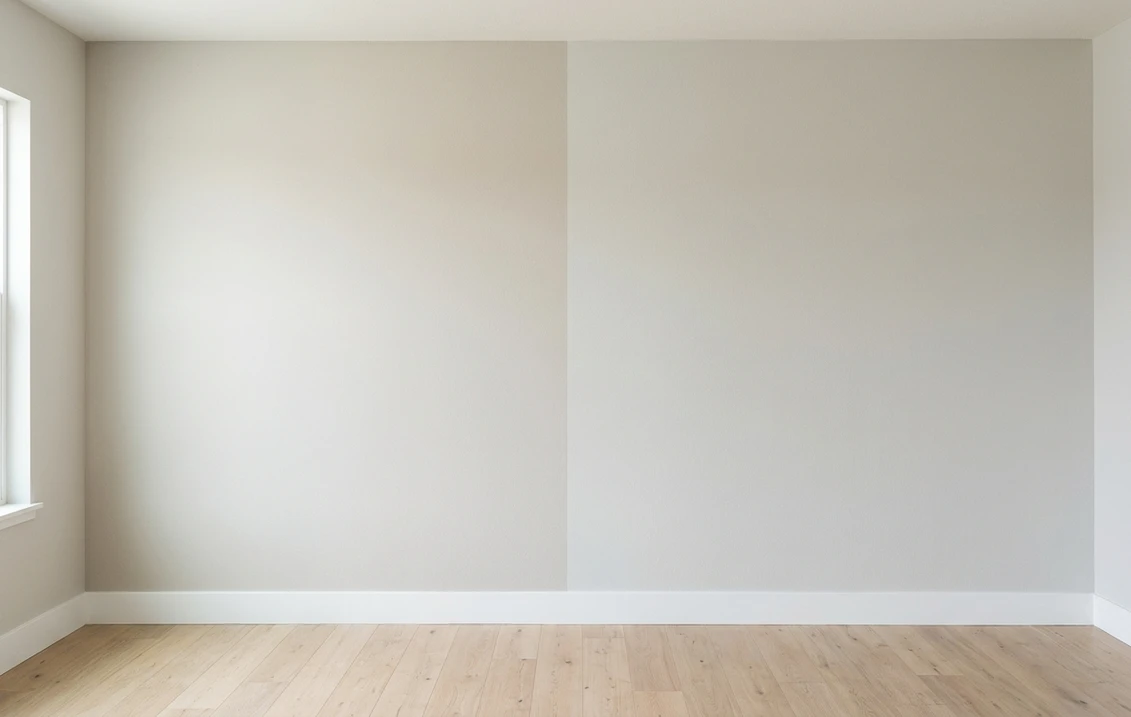
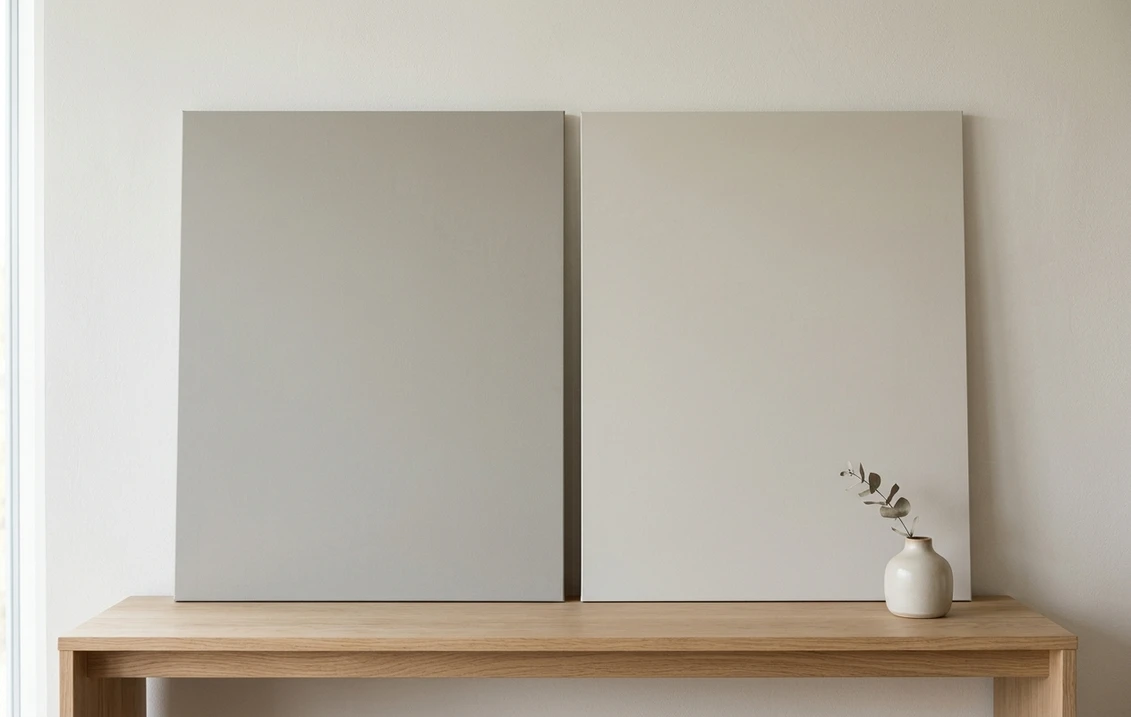
Repose Gray and Classic Gray are two warm-toned neutrals that come up constantly in paint conversations across both brands, but they operate at completely different depths. Repose Gray sits at LRV 58, a true mid-tone warm gray that makes a statement on the wall. Classic Gray sits at LRV 74, a soft, barely-there greige that reads more like an off-white than a gray. This is our side-by-side method for comparing paint colors applied to these two cross-brand warm grays.
The numbers side by side
| Attribute | Repose Gray SW 7015 | Classic Gray OC-23 |
|---|---|---|
| Family | Warm gray, greige-violet | Barely-there warm greige, off-white |
| LRV | 58 | 74 |
| Approximate hex | #C8C2B6 | #D9D4C6 |
| Undertone | Violet-brown, warm but composed | Faint violet, barely noticeable, reads near-white |
| Loves | Living rooms, bedrooms, mid-tone walls | Trim, ceilings, whole-home off-white |
| Watch out for | Reading purple in cool light | Disappearing against white trim |
| Overall vibe | Present, warm gray, medium depth | Whisper-soft, barely-there, greige hint |
Try it on your house
No photo? Try a sample
LRV numbers come from each brand's published data. Hex codes are approximate digital renderings, not official values; a physical paint chip from the retailer is always the final reference.
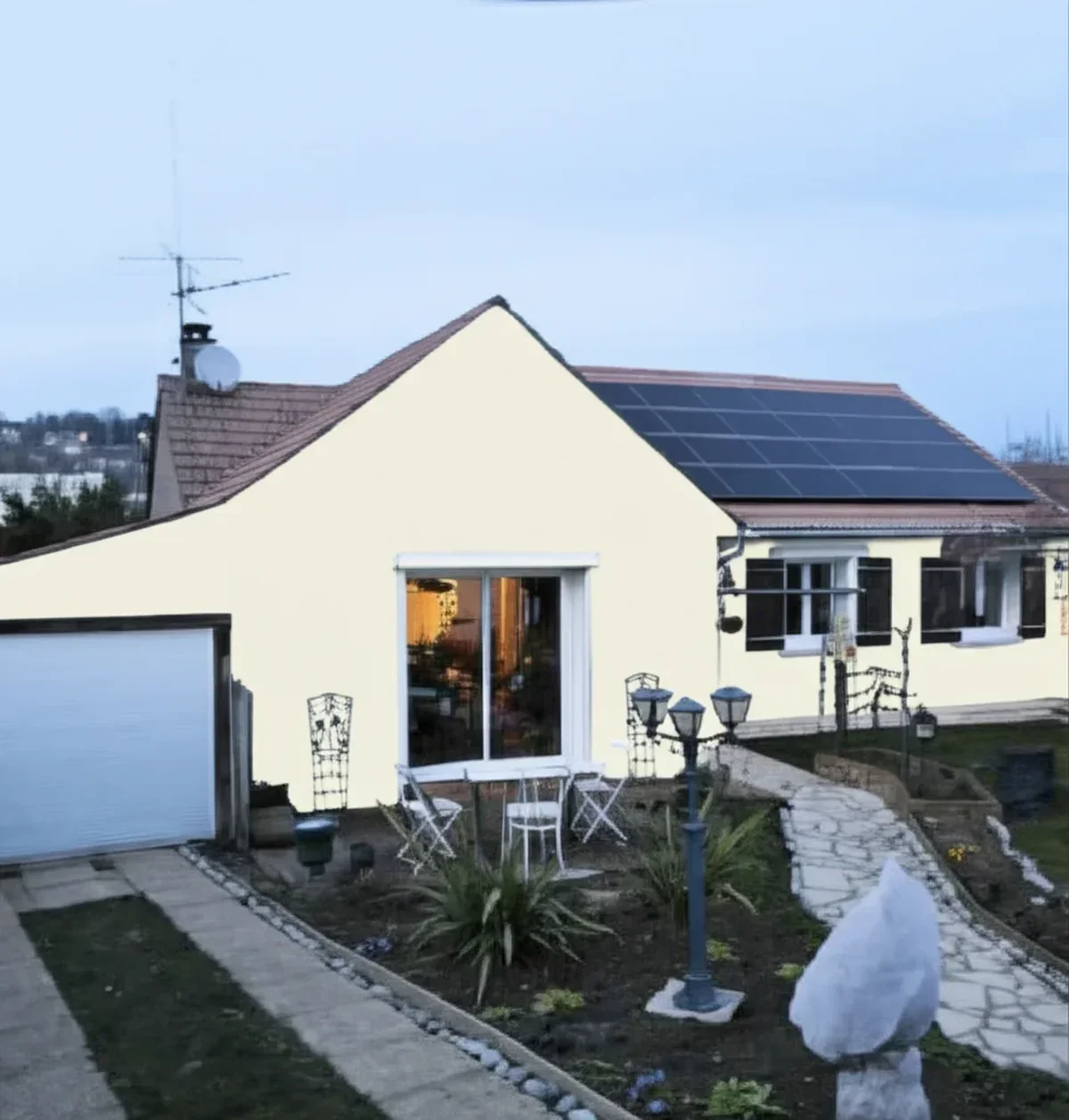
Upload one photo, get a photorealistic render, then swap to Classic Gray in one click. Free, no signup.
Room by room, exposure by exposure
| Situation | Usual winner | Why |
|---|---|---|
| North-facing room | Classic Gray | The higher LRV (74) keeps the room from closing in; Repose Gray can read purple in cool, flat light. |
| Bright south room | Repose Gray | Strong sun keeps the violet-brown undertone warm and present; Classic Gray can wash toward white. |
| Room with white trim | Repose Gray | The LRV 58 creates enough contrast with bright white trim. Classic Gray can blend in. |
| Open main floor | Classic Gray | The lighter LRV flows better across connected spaces without feeling heavy. |
| Home office | Repose Gray | A medium-depth warm gray creates focus without the starkness of white. |
| Small room | Classic Gray | The LRV 74 bounces light and keeps the room feeling open. Repose Gray at 58 can feel heavy. |
The 16-point LRV gap between Repose Gray and Classic Gray means they serve different roles. Repose Gray is a proper wall color that anchors a room. Classic Gray is an off-white neutral that steps back and lets furniture and trim lead. Choose based on how much presence you want your walls to have.
When to choose Repose Gray
- You want a warm mid-tone gray with a violet-brown undertone that comes across as present and grounded.
- Your room gets good natural light where the violet undertone stays warm.
- You need contrast against white trim and want the walls to make a statement.
- You are painting a living room, bedroom, or home office. For the full breakdown, see our Repose Gray vs Mindful Gray guide.
When to choose Classic Gray
- You want a barely-there warm greige that reads as an off-white with a whisper of color.
- Your room is small, dim, or north-facing, and you need the LRV 74 to keep the space open.
- You are painting a whole-home neutral that flows from room to room without dominating.
- You prefer a soft, airy backdrop over a mid-tone wall color. For more, see our Classic Gray vs Pale Oak guide.
Same wall, both grays, in your real light. Free, about 30 seconds.
If Repose Gray feels a touch heavy and Classic Gray a touch too warm, the Sherwin-Williams color that splits the difference is Crushed Ice SW 7647: LRV 66, green-leaning rather than violet or beige, and stable in south and west light.
Frequently asked questions
What is the difference between Repose Gray and Classic Gray?
The main difference is depth. Repose Gray SW 7015 has an LRV of 58 and a violet-brown undertone, so it reads as a present warm gray on the wall. Classic Gray OC-23 has an LRV of 74, making it a barely-there warm greige that reads closer to an off-white. They are cross-brand (Sherwin-Williams versus Benjamin Moore) and serve different roles in a room.
Which is lighter, Repose Gray or Classic Gray?
Classic Gray is significantly lighter. Its LRV is 74, compared with 58 for Repose Gray. That 16-point gap is clearly visible on the wall. Classic Gray bounces more light and reads as an off-white, while Repose Gray reads as a medium warm gray.
Do Repose Gray and Classic Gray have the same undertones?
They both lean warm with a violet note, but differently. Repose Gray has a more pronounced violet-brown undertone that can read purple in cool north light. Classic Gray has a much fainter violet undertone that barely registers, staying mostly off-white.
Can I see both colors on my own wall before I buy paint?
Yes. Upload one photo of your room to FacadeColorizer, get a photorealistic render in Repose Gray, then swap to Classic Gray in one click. You will see the depth gap on your actual wall, in your actual light. The first HD render and three color variations are free.
1 free HD render plus 3 color variations. Start in Repose Gray, switch to Classic Gray instantly.
Trademark notice. Benjamin Moore and Classic Gray are trademarks of Benjamin Moore & Co. Sherwin-Williams and Repose Gray are trademarks of The Sherwin-Williams Company. FacadeColorizer is not affiliated with, endorsed by, or sponsored by these companies. Brand and color names are used descriptively (nominative fair use). Hex and RGB values are approximate digital renderings; the only authoritative reference is a physical paint sample.
Trademarks mentioned (Sherwin-Williams, Benjamin Moore, Behr, Caparol, Brillux, Sto, Alpina, Valspar, PPG, Glidden, Dulux, Crown Trade, Sandtex, Farrow & Ball, Johnstone's, Leyland) are property of their respective owners. FacadeColorizer is independent and not affiliated with any of them. Nominative fair use under Lanham Act §1125.