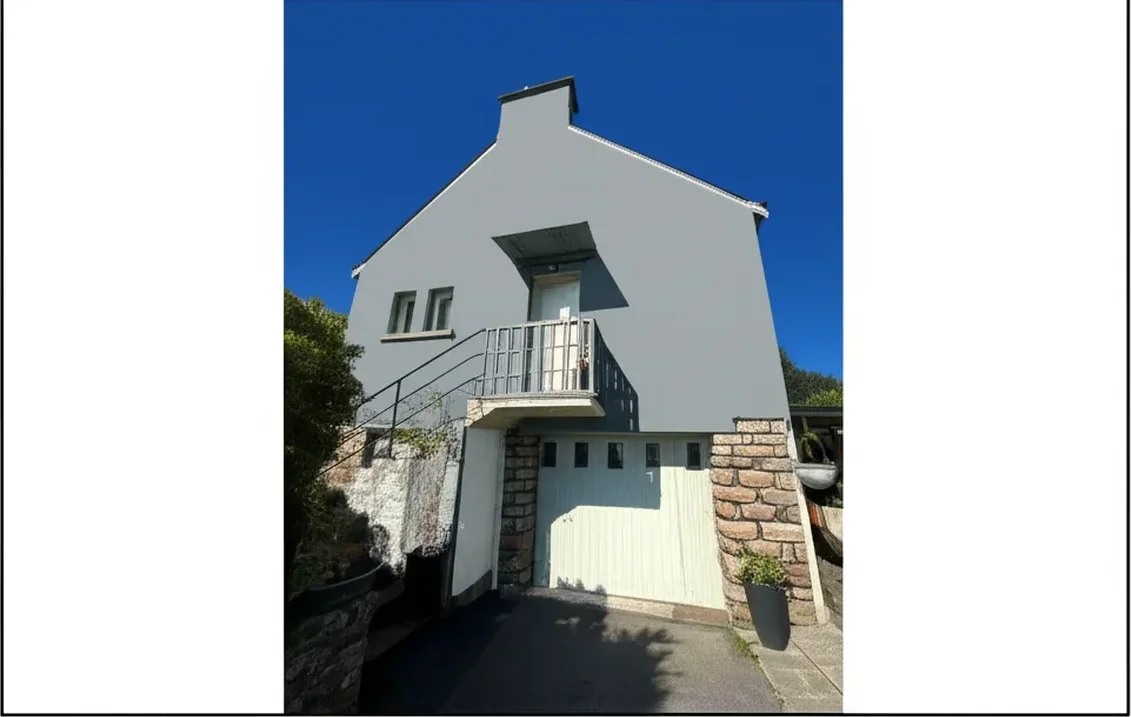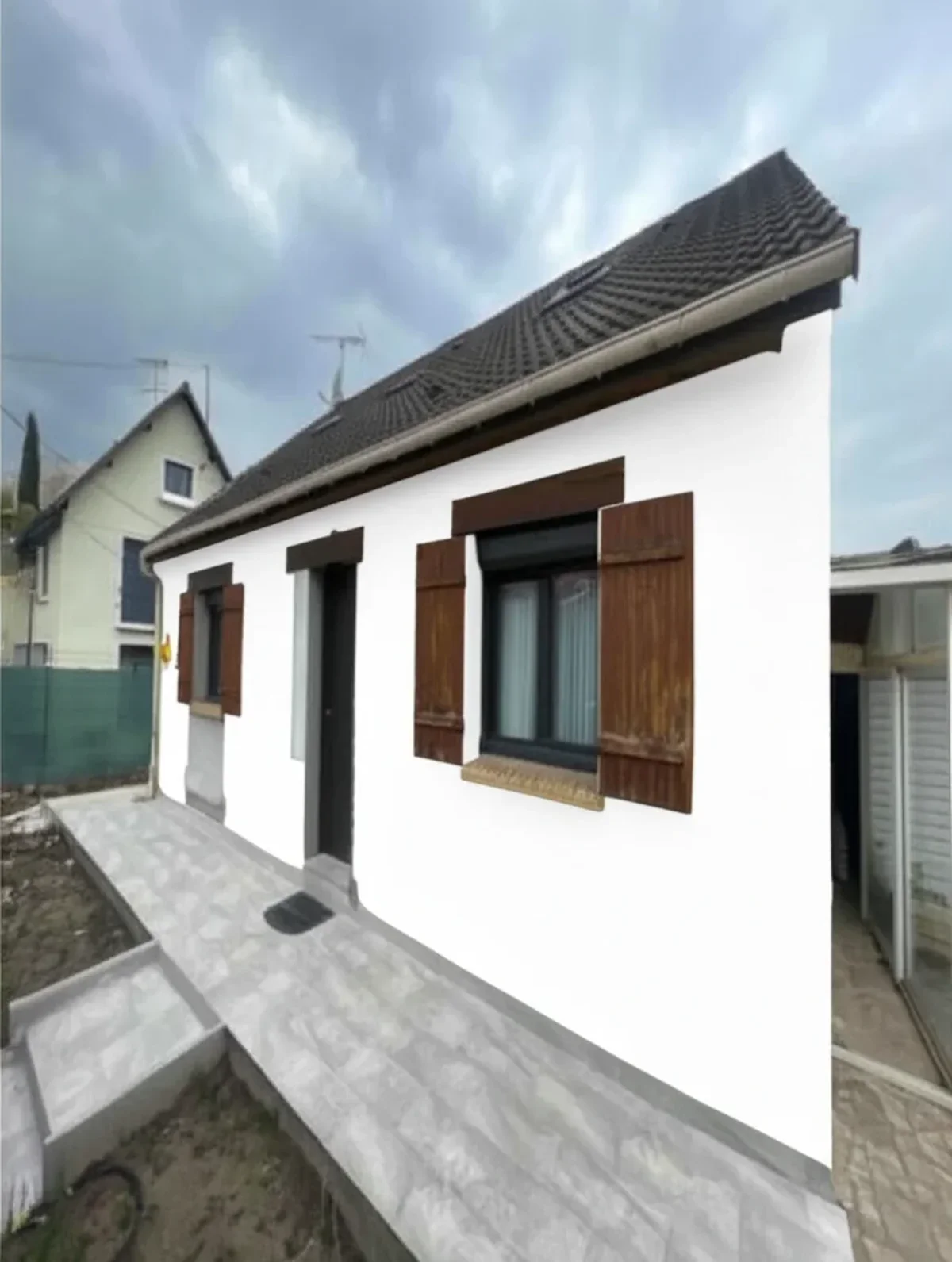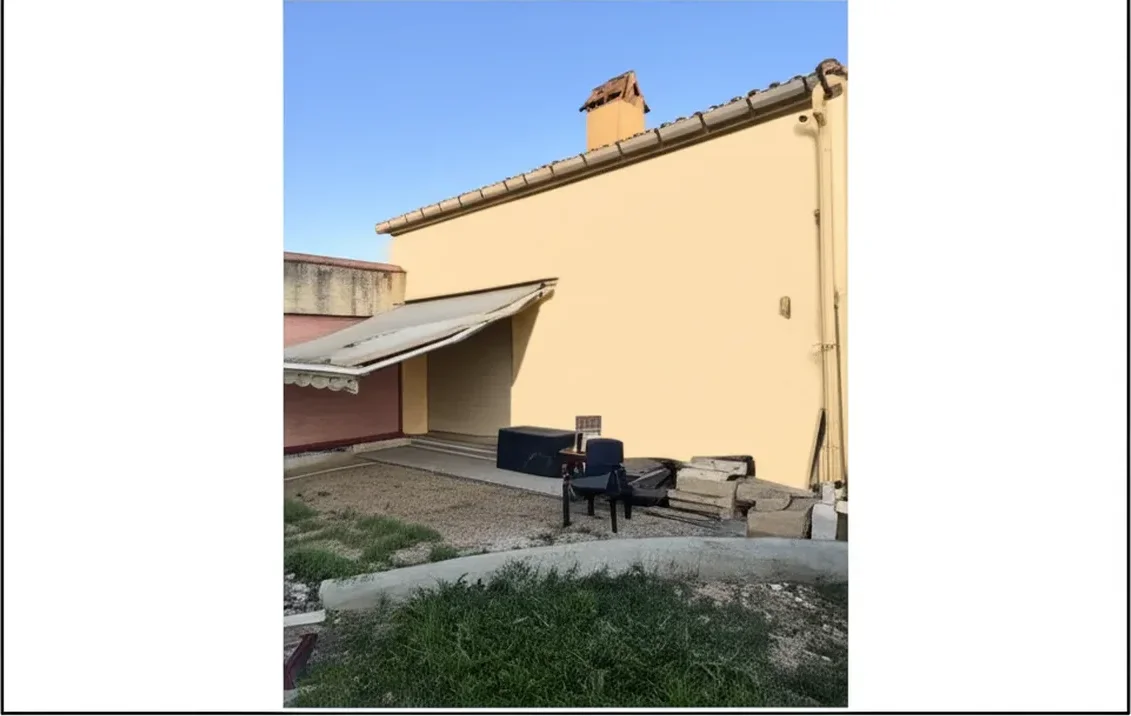
Try it on your house

Around one in five listed buildings in England is Georgian, and Historic England estimates more than 35,000 Grade II Georgian townhouses survive across London, Bath, Bristol and Edinburgh New Town. Getting their exterior colours right is not a matter of taste alone: it is a question of heritage, planning law and kerb appeal that can add up to 15% to resale value in conservation areas.
This guide draws on the Georgian Group, Historic England, and heritage ranges from Farrow & Ball and Little Greene to show you exactly which stucco, sash and front door colours are historically correct, which to avoid, and how listed building consent works in Kensington, Bloomsbury and Marylebone.
For full pricing, see our complete UK cost guide.
The Georgian colour tradition: Bath stone and London stucco
Georgian architecture (1714–1830) was built on a simple idea: classical restraint. Facades were meant to imitate the pale, weathered limestone of ancient Rome. In Bath and the Cotswolds this was achieved with honey-toned Bath stone left largely bare. In London, where local brick was a harsh red or yellow, builders coated ground floors in stucco, a lime-based render, and painted it to mimic stone.
The palette was therefore never bright. It sat in a narrow band of warm off-whites, bones and cool pale greys, broken only by a dark front door and crisp off-white joinery. Brilliant white, as we know it today, did not exist until titanium dioxide paint was commercialised in the 1920s, painting a Georgian facade in modern brilliant white is the single most common historical mistake.
That narrowness is also a useful dating tool. Georgian building stops around 1830, and a stucco-fronted terrace with bay windows, heavy decorative cornices or a separately treated basement level is almost certainly Victorian rather than Georgian. The distinction matters because the palette rules are not the same: the Victorian terraces built from 1837 onward opened the range well beyond bones and pale greys, taking in muted sage, slate blue and warm cream across three to five distinct surfaces. If the features on your elevation keep pulling you outside the three families above, check the period first with our guide to Victorian house exterior paint colours.
Stucco finish colours: ivory, bone, pale grey
For the classic painted stucco ground floor (and often the full facade on Nash terraces around Regent's Park), the Georgian Group recommends staying within three families:
- Warm ivories that echo weathered Portland stone (Farrow & Ball Matchstick, Little Greene Stone-Pale-Warm).
- Bone and buff tones for terraces originally built in yellow London stock brick (F&B String, Little Greene Stone-Dark-Warm).
- Pale cool greys for later Regency stucco, particularly in Belgravia and Pimlico (F&B Shaded White, Little Greene French Grey Pale).
Always specify a breathable masonry paint such as limewash or a mineral silicate, modern acrylic coatings trap moisture behind the render, causing blown stucco within 5 to 8 years. This is also an explicit requirement of most London listed building consents.
Front door traditions: black, Georgian green, heritage red
The Georgian front door is the one place a splash of strong colour is not only allowed but expected. Three colours dominate the historical record:
- Black, by far the commonest, popularised after the 1714 mourning edict for Queen Anne and still the Downing Street standard. Use Farrow & Ball Pitch Black (No. 256) for a soft, slightly blue-black, or Little Greene Lamp Black for a denser tone.
- Georgian green, a deep, slightly bluish bottle green derived from copper pigments. Farrow & Ball Studio Green and Little Greene Mid Brunswick Green are the reference shades.
- Heritage red, a muted oxblood, never pillar-box. Try F&B Eating Room Red or Little Greene Baked Cherry.
Finish should be full gloss or eggshell oil, never matt, Georgian doors were always varnished or lacquered to catch the light. Ironmongery stays brass or black iron; chrome is a 20th-century intrusion.
Upload a photo of your townhouse and test Farrow & Ball and Little Greene heritage shades in 30 seconds
Window frames: off-white, never brilliant white
Sash windows in original Georgian terraces were painted in a broken white, lead white softened by a touch of ochre or raw umber. The effect is warm and creamy, not clinical. Correct modern equivalents include Farrow & Ball Wimborne White, Slipper Satin and Old White, or Little Greene Stone-Pale-Cool and French Grey Pale.
Avoid brilliant white (PPG RAL 9003, Dulux Pure Brilliant White) at all costs. It reflects too much UV, looks cold against yellow stock brick, and is flagged in most conservation area appraisals as inappropriate. Gloss or satinwood oil finish is traditional for sash boxes; interior-grade matt is a classic decorator error that peels within two winters.
Listed building rules in Kensington, Bloomsbury and Marylebone
If your townhouse is listed (Grade I, II* or II) or sits in a conservation area, painting the exterior is rarely a purely decorative decision. The centres of Kensington, Bloomsbury and Marylebone are among the most tightly controlled streetscapes in the UK.
When you need listed building consent
Under the Planning (Listed Buildings and Conservation Areas) Act 1990, any work that affects the character of a listed building requires listed building consent from the local authority. For exterior painting this typically means:
- Changing the colour of any previously painted element (doors, windows, stucco, railings).
- Painting a previously unpainted surface, crucially, painting over bare London stock brick is almost always refused.
- Switching paint type, e.g. from traditional limewash to modern acrylic masonry paint.
Consent is free to apply for, decided in 8 weeks, but evidence-heavy: expect to provide a paint analysis (scrape test of historic layers) or a reference to the Royal Borough of Kensington and Chelsea Painted Buildings supplementary guidance, Westminster's Marylebone Conservation Area Audit, or Camden's Bloomsbury CAAC guidance. Unauthorised works are a criminal offence carrying fines up to £20,000 and an enforcement notice to reinstate.
Conservation area guidance at a glance
- Kensington & Chelsea: strict palette of off-whites for stucco, dark tones for doors; Article 4 Direction removes permitted development rights in much of the borough.
- Westminster (Marylebone, Fitzrovia): must match "established colour of the terrace", deviating from a uniform row is usually refused.
- Camden (Bloomsbury): Bedford Estate historic covenants enforce black doors and off-white stucco on most squares.
- Bath: no painting of Bath stone is permitted, full stop.
Top 10 historically accurate Georgian colour palettes
For the door of a Georgian front, Farrow & Ball's Railings No. 31, a soft black with blue undertones that the maker itself recommends in full gloss on front doors, and the inky Stiffkey Blue are the period-correct blues; our blue front door colours guide sets them against the white trim and stucco.
The table below pairs stucco, door and window combinations with specific Farrow & Ball and Little Greene codes. Each palette is documented in period paint analyses by the Georgian Group or English Heritage.
| # | Palette name | Stucco | Front door | Windows |
|---|---|---|---|---|
| 1 | Classic Bloomsbury | F&B Matchstick No. 2013 | F&B Pitch Black No. 256 | F&B Wimborne White No. 239 |
| 2 | Belgravia Regency | F&B Shaded White No. 201 | F&B Studio Green No. 93 | F&B Slipper Satin No. 2004 |
| 3 | Marylebone Stone | Little Greene Stone-Pale-Warm 34 | Little Greene Lamp Black 228 | Little Greene French Grey Pale 161 |
| 4 | Kensington Cream | F&B String No. 8 | F&B Eating Room Red No. 43 | F&B Old White No. 4 |
| 5 | Bath Honeystone | Unpainted Bath stone (clean only) | Little Greene Mid Brunswick Green 128 | Little Greene Stone-Pale-Cool 65 |
| 6 | Edinburgh New Town | F&B Strong White No. 2001 | F&B Railings No. 31 | F&B Pointing No. 2003 |
| 7 | Fitzrovia Buff | Little Greene Stone-Dark-Warm 36 | Little Greene Baked Cherry 214 | Little Greene Slaked Lime 105 |
| 8 | Nash Regent's Park | F&B Tallow No. 203 | F&B Off-Black No. 57 | F&B Clunch No. 2009 |
| 9 | Clifton Stone | Little Greene Rolling Fog Pale 158 | Little Greene Basalt 221 | Little Greene Loft White 222 |
| 10 | Spitalfields Merchant | Unpainted yellow stock brick | F&B Hague Blue No. 30 | F&B James White No. 2010 |
Try it on your house
No photo? Try a sample
Common mistakes to avoid on a Georgian facade
On a Georgian door the period-correct greens are Studio Green, which Farrow & Ball describes as almost black indoors and responsive to light outside, and Card Room Green, "a dark grey green", both with Off-White on the surround as the maker suggests; our green front door colours guide explains the whites, the gloss-or-eggshell question and the Dark Tones primer.
Even with a correct colour, three practical errors will spoil the result and may trigger enforcement action in a conservation area:
- Painting over bare brick. London stock brick was never painted originally. Coating it seals in moisture and is almost always refused consent.
- Picking front door and sashes from different palettes. The door is a strong accent; the windows must stay neutral. Coloured frames read as suburban and break the terrace rhythm.
- Using modern plastic (uPVC) replacements in heritage colours. No heritage shade rescues a plastic window on a Georgian house, only timber sashes in a traditional off-white will read correctly.
Before committing to any scheme, test your chosen colours on a photo of your actual facade. Perception shifts dramatically between a 5 cm swatch card and a 120 m² stucco front, and historic palettes in particular can look unexpectedly warm or cool depending on aspect and neighbouring facades.
Frequently asked questions
Do I need listed building consent to repaint my Georgian front door the same colour?
If your townhouse is listed and you are repainting in the exact same colour and paint type, this is normally considered like-for-like maintenance and does not require listed building consent. However, in conservation areas with an Article 4 Direction (much of Kensington and Westminster), even a colour change on a front door can trigger a planning application. Always check with your borough's conservation officer before starting work, it is a free 10-minute phone call that can save a £20,000 fine.
What is the correct white for Georgian sash windows?
Original Georgian window frames were painted in a broken or "dirty" white made from lead white tinted with ochre or raw umber. Modern equivalents that the Georgian Group and Historic England consider appropriate include Farrow & Ball Wimborne White, Slipper Satin, Old White and Pointing, or Little Greene Stone-Pale-Cool and Slaked Lime. Avoid modern brilliant white (PPG RAL 9003), which is too cold and too reflective for a period facade.
Can I paint my Bath stone townhouse to brighten it up?
No. Painting natural Bath stone is never permitted in the City of Bath (a UNESCO World Heritage Site) and is very rarely allowed elsewhere in the Cotswolds. Bath stone is designed to weather and self-clean; sealing it with paint traps moisture, causes spalling and destroys its character. If your stone is grimy, the correct treatment is a gentle ThermaTech or DOFF steam clean by a specialist, not paint. This is explicitly covered in the Bath & North East Somerset Council conservation guidance.
Free · No sign-up · Every Farrow & Ball and Little Greene heritage shade
A historically accurate Georgian colour scheme is the simplest and cheapest way to add value and kerb appeal to a London townhouse, provided you respect the breathable paint, broken-white joinery and conservation area rules set out above. Test your palette on a real photo before committing, and speak to your borough's conservation officer early. Sources: Historic England, The Georgian Group, Farrow & Ball Heritage Collection, Little Greene National Trust Colours of England.
Trademarks mentioned (Sherwin-Williams, Benjamin Moore, Behr, Caparol, Brillux, Sto, Alpina, Valspar, PPG, Glidden, Dulux, Crown Trade, Sandtex, Farrow & Ball, Johnstone's, Leyland) are property of their respective owners. FacadeColorizer is independent and not affiliated with any of them. Nominative fair use under Lanham Act §1125.