Exterior painters near me in Nashville, Tennessee
Before you call a Nashville painter, upload one photo and preview real Sherwin-Williams, Benjamin Moore or Behr colors on your own facade in about 30 seconds. Free, no account, no obligation.
- No sign-up
- No card
- Result in ~30s
Your photo is private, used only to create your preview, never sold. You keep full ownership.
✓ No sign-up ✓ Result in ~30s
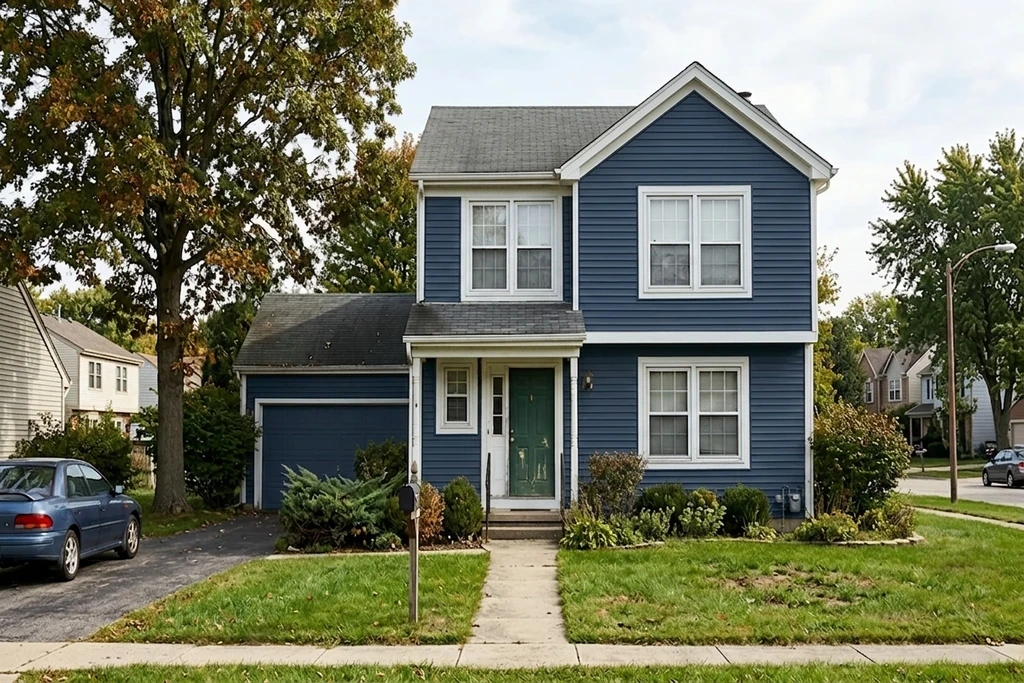
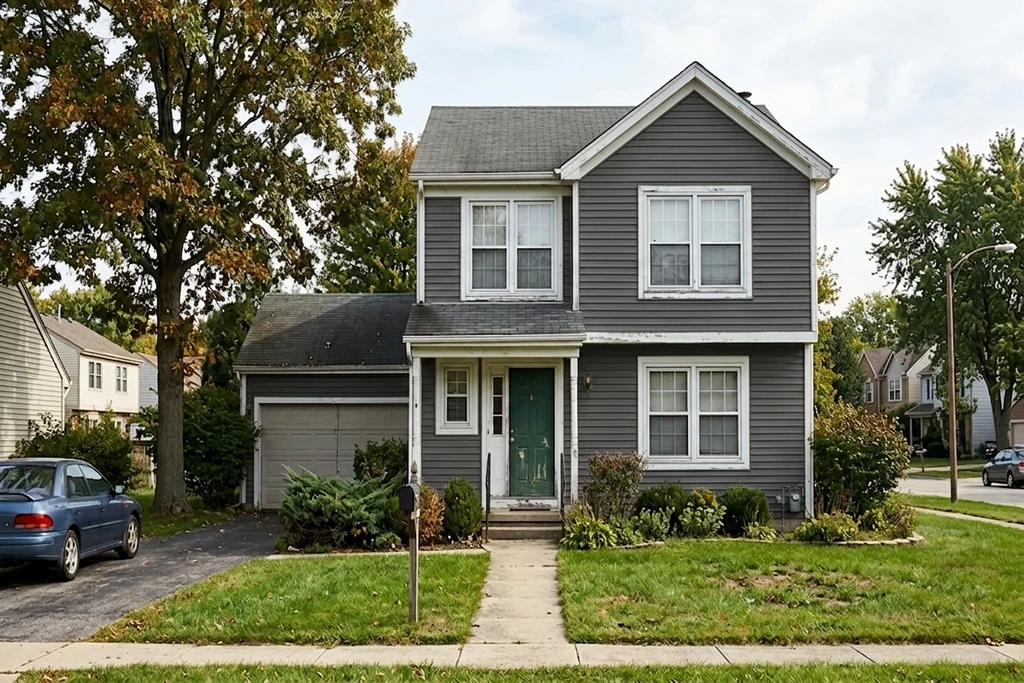
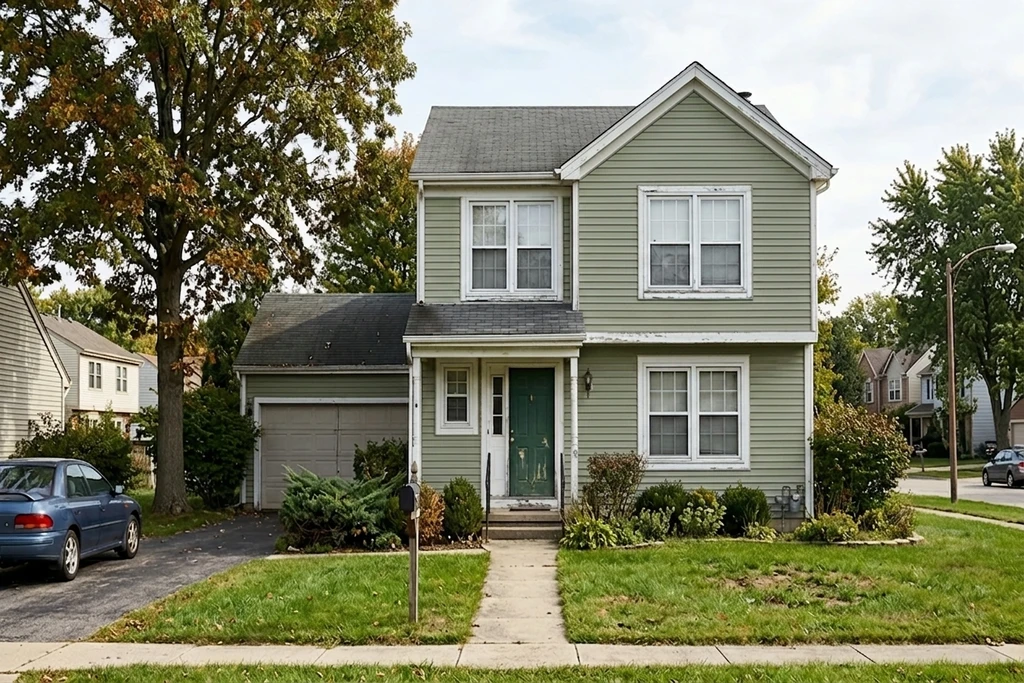
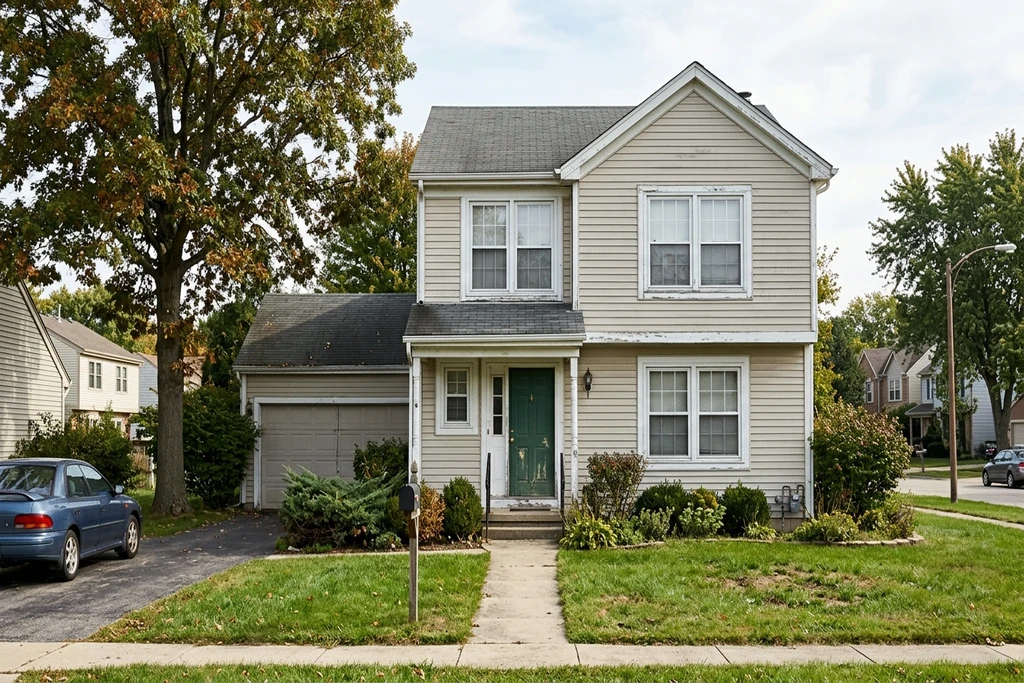
Real AI renders, your own photo, any shade
Try it on your house
No photo? Try a sample
Nashville painter wages and labor data (BLS, 2024)
Source: US Bureau of Labor Statistics, Occupational Employment and Wage Statistics (OEWS), May 2024. Wage figures are for the state as a whole; Nashville metro pricing typically tracks at or above the state mean.
Nashville climate and what it does to exterior paint
Humid subtropical climate with about 205 sunny days a year, 47 to 49 in of annual rainfall spread across every month, and summer humidity that regularly sits above 70 percent. Winters bring repeated freeze-thaw cycles rather than a hard, single freeze.
The real enemy in Nashville is not UV, it is water and biology. Persistent summer humidity and 47-plus inches of rain feed mildew and algae on north- and east-facing walls, so mildewcide-fortified topcoats and a thorough soft wash are non-negotiable. Winter freeze-thaw swings push moisture into hairline cracks in brick mortar and old wood siding, lifting any coat that was applied over a damp or dirty surface. Crews schedule exterior work around the wet spring and aim for the drier early-fall window.
Source: NOAA National Centers for Environmental Information, climate normals 1991 to 2020.
What Exterior Painting Actually Costs in Nashville in 2026
Nashville sits close to the national average for exterior house painting, which surprises homeowners who assume a fast-growing metro commands coastal prices. The reason is the labor base: the Bureau of Labor Statistics OEWS May 2024 file puts the Tennessee mean wage for painters (SOC 47-2141, Painters, Construction and Maintenance) at roughly $22.07 an hour and about $45,910 a year, running below the national median, so day rates here are gentler than in California or the Northeast. What moves a Nashville quote is rarely the paint and mostly the prep. Most single-family homes in the 1,800 to 2,600 sq ft range land in the $3,600 to $10,500 band on a two-coat acrylic system, or roughly $1.80 to $4.20 per square foot of wall area. A brick ranch in Donelson that only needs trim, soffits, and shutters sits at the low end. A two-story 1910 Victorian in East Nashville with cupped wood siding, lead-safe scraping, and a historic-overlay color review can clear $14,000 once the full scope is honest. The spread inside one zip code is wide here precisely because the housing stock spans 120 years of building styles.
Nashville Weather: Humidity, Rain, and Freeze-Thaw, Not Sunburn
Nashville runs a humid subtropical climate, and the failure modes for exterior paint are completely different from a desert or coastal city. NOAA normals show about 205 sunny days but 47 to 49 inches of rain a year, falling in every single month rather than a tidy wet season. Summer dew points climb and relative humidity sits above 70 percent for weeks, which is ideal for mildew and algae. That biological growth shows up first as gray-green streaks on north- and east-facing walls, under eaves, and behind downspouts, and it will bleed through a fresh coat within a season if the crew skips the soft wash and a mildewcide-fortified topcoat. The second hazard is winter. Nashville does not get one clean hard freeze, it gets dozens of freeze-thaw cycles between December and March (USDA hardiness zone 7a), and each cycle drives water in and out of mortar joints, caulk lines, and the end grain of old siding. Any coat applied over a damp or chalky surface lifts within two winters. This is why a competent Nashville painter talks more about moisture readings and wash-down than about UV ratings. A practical tell on any estimate: the crew should plan a soft wash plus full dry-out time before primer, not a same-day pressure-blast-and-paint, because the Cumberland River basin keeps shaded walls damp long after the rain stops.
Brick, HardiePlank, and 120 Years of Nashville Siding
Nashville does not have a single dominant substrate the way a stucco town does, and that is the single biggest driver of price variance between quotes. Three substrate worlds coexist. First, painted brick: huge numbers of Nashville ranches and bungalows are brick, and once brick is painted it must stay painted, so the conversation is about masonry primer, breathable elastomeric or mineral coatings that let moisture escape, and never trapping water behind a film that will blister. Second, fiber cement (HardiePlank) on the wave of new builds in The Nations, Sylvan Park infill, and the suburban planned communities: it holds paint beautifully but the factory primer and caulk joints have to be respected, and over-caulking the bottom edge is a classic local mistake that traps water. Third, historic wood: the Victorians and Folk-style cottages of East Nashville and Edgefield and the Craftsman bungalows of 12 South and Belmont, most built before 1978, which means EPA RRP lead-safe scraping, oil or bonding primer on bare wood, and patient spot-priming of every failed area. A quote that prices all three the same way is not reading your house.
Historic Overlays: Germantown, Edgefield, and Metro Color Review
Plenty of Nashville neighborhoods are not governed by a suburban HOA but by something stricter: a Metro Historic Zoning overlay. Germantown, the Edgefield district in East Nashville, Belmont-Hillsboro, and parts of Lockeland Springs carry conservation or preservation overlays, and in the strongest of these a change to your exterior color or a repaint of previously unpainted brick can require review and a permit (often a Certificate of Appropriateness) from the Metro Historic Zoning Commission before a brush touches the wall. Even where color itself is not policed, scope creep like covering raw brick or swapping a historic trim profile usually is. Suburban HOAs add a second track: Lenox Village on Nolensville Pike runs an Architectural Review Committee through its management company and asks for written approval before exterior work; Westhaven in Franklin and Durham Farms in Hendersonville maintain approved palettes and submission forms of their own. The practical move is the same in both worlds. Bring a clear, realistic picture of the finished color to the committee. Many Nashville homeowners render their two or three finalist colors onto a photo of their actual house with the FacadeColorizer exterior paint visualizer and attach that image to the application, which makes a reviewer say yes faster than a tiny fan-deck chip ever does.
Hiring a Licensed Nashville Painter (State Board + Davidson County)
Tennessee licensing trips up out-of-state homeowners because there are two layers. Once a painting project reaches $25,000, the contractor must hold a state Contractor license from the Tennessee Board for Licensing Contractors under T.C.A. 62-6, with the right classification. Below that ceiling, Davidson County, which contains Nashville, is one of the designated counties that requires a Home Improvement license for residential work priced between $3,000 and $24,999. So almost every real exterior repaint in Nashville falls under one credential or the other. Ask each painter which one covers your job, get the license number, and verify it on the state Board for Licensing Contractors lookup before you sign. Then ask for a general liability certificate and proof of workers compensation, and request three references from jobs on your substrate (brick, fiber cement, or historic wood) finished in the last 18 months. A serious local crew will name the exact product line they intend to use, specify a soft wash and a mildewcide topcoat, and put a 5 to 7 year workmanship guarantee in writing.
The Best Time to Paint in Nashville: Chase the Dry Window
Unlike a mild coastal metro that paints almost year-round, Nashville has a real season shaped by water. Spring is the wettest stretch, with frequent thunderstorms and high dew points that keep walls damp and slow cure times, so it is the worst window for a quality two-coat finish even though painter calendars are wide open. Early summer works if crews start at dawn and stay ahead of afternoon storms, but the sweet spot is late August through October, when humidity finally drops, rain eases (fall is the driest season here), and overnight temperatures stay above the minimum for a clean cure. That fall window books out fast, so smart homeowners lock a slot by midsummer. Winter is mostly off-limits for exteriors because of repeated freeze-thaw cycles and surface temperatures that dip below most product minimums, though a mild, dry stretch in late fall can sometimes be used for trim. If you are quote-shopping for a discount, the rainy spring shoulder is when crews are hungriest, but watch the radar before committing because a wet week can push a job well past its planned end date.
Where Nashville Painters Buy: Hoover Paint, Sherwin-Williams, The Home Depot
Knowing where your painter sources material tells you a lot about the finish you will get. Hoover Paint Store in Green Hills, at 4004 Hillsboro Pike, is a long-standing local independent and the area Benjamin Moore stockist, favored by crews who want Aura or Regal Select exterior on historic wood and trim. Sherwin-Williams on Nolensville Pike (7186 Nolensville Pike) anchors the south-side pro trade and keeps Duration, SuperPaint, and Loxon masonry products that get specified on Nashville brick and fiber cement. The Home Depot off Powell Ave in the Berry Hill area (2535 Powell Ave) supplies Behr Dynasty and Marquee for budget-driven jobs and is where many smaller crews top up mid-project. Most established painters carry a contractor account at one of the three with a trade discount in the 20 to 35 percent range, so the product line on your quote often reflects where they buy, not just what is best for your wall. Ask which store the quote is sourced from and which specific product line is going on, body and trim. The gap matters more on Nashville masonry than most homeowners expect: a true breathable masonry system on painted brick can cost noticeably more per gallon than a standard exterior acrylic, and skimping there is exactly how a brick wall ends up blistering two summers later.
Top Nashville HOAs with exterior color approval rules
Before painting, confirm your HOA palette and submit your color selections to the architectural review committee. Most Nashville HOAs respond within 14 to 21 days.
Paint stores near Nashville
Painter licensing in Tennessee
Tennessee requires a state Contractor license from the Board for Licensing Contractors (T.C.A. 62-6) once a painting project reaches $25,000. Below that, Davidson County (where Nashville sits) is one of the counties that requires a Home Improvement license for residential work between $3,000 and $24,999. Ask any quote for the license number and verify it on the state Board for Licensing Contractors lookup before you sign.
Frequently asked questions about Nashville exterior painting
How much does it cost to paint a house exterior in Nashville in 2026?
Most Nashville single-family homes run $1.80 to $4.20 per square foot for a two-coat acrylic system, so a typical 1,800 to 2,600 sq ft home lands in the $3,600 to $10,500 band. Older homes that need lead-safe scraping, painted-brick masonry primer, or a historic-overlay color review push toward the high end.
Do Nashville painters need a license?
Yes, in most cases. Tennessee requires a state Contractor license (T.C.A. 62-6) once a project hits $25,000, and Davidson County requires a Home Improvement license for residential work between $3,000 and $24,999. Get the number and verify it on the state Board for Licensing Contractors lookup before you sign.
What is the best month to paint a house exterior in Nashville?
Late August through October is the sweet spot: humidity and rain finally drop and cure conditions are reliable. Avoid the wet spring, and avoid winter because repeated freeze-thaw cycles lift coatings applied in the cold. The fall window books up early, so reserve a slot by midsummer.
Do I need approval to repaint my home in a Nashville historic district?
Often, yes. Overlays like Germantown, Edgefield, and Belmont-Hillsboro fall under Metro Historic Zoning, where a color change or painting previously bare brick can require review and a Certificate of Appropriateness. Suburban HOAs such as Lenox Village also require written architectural approval. Attaching a realistic visualization of the finished color speeds either review.
Want a deeper cost breakdown? Read our 2026 Nashville cost guide .
House painters in nearby metros
Popular exterior colors for Nashville homes
In Nashville, warm greiges, heritage greens and colonial blues match the area's traditional, craftsman and brick homes.
Browse painting costs in other metros: all US city guides.