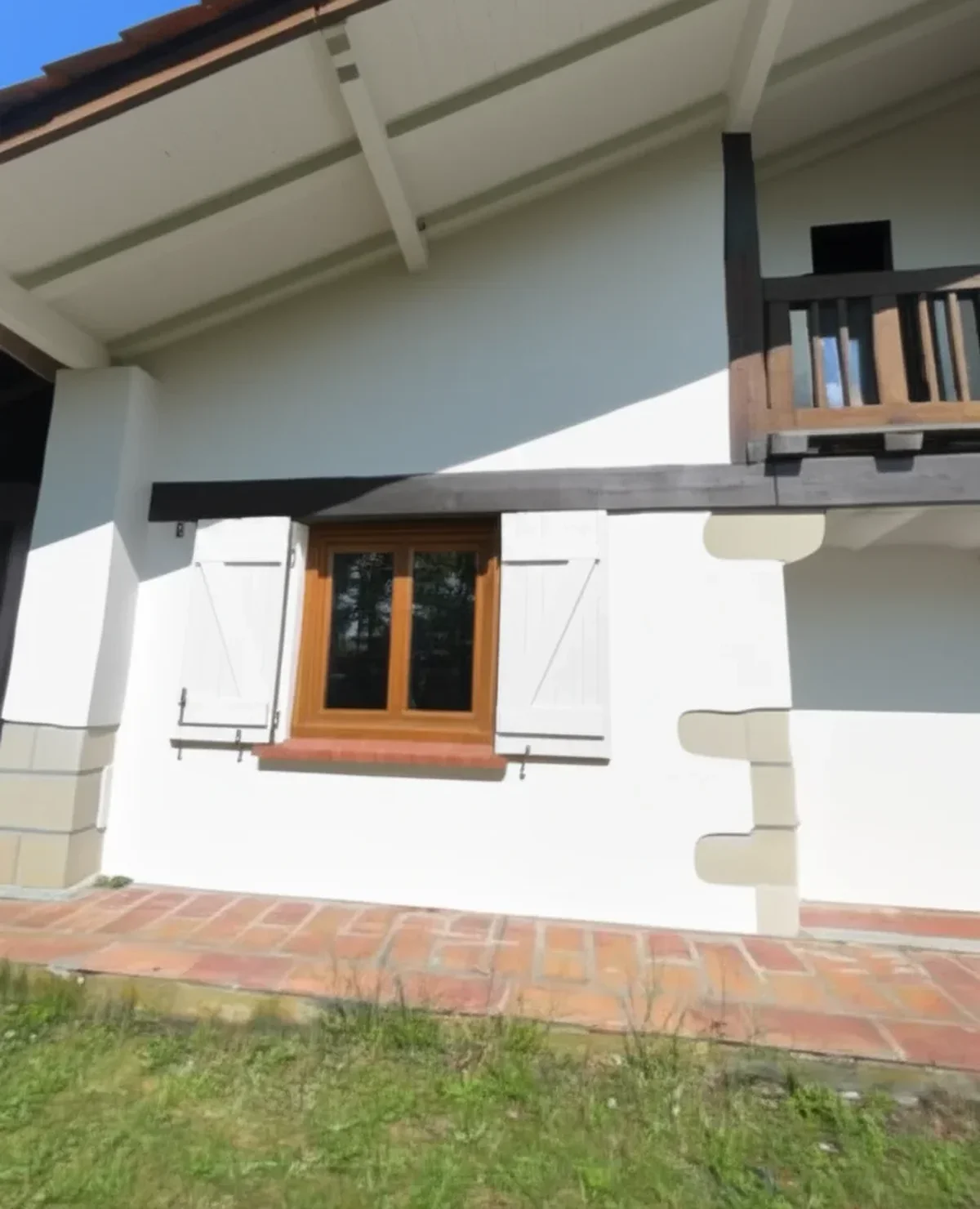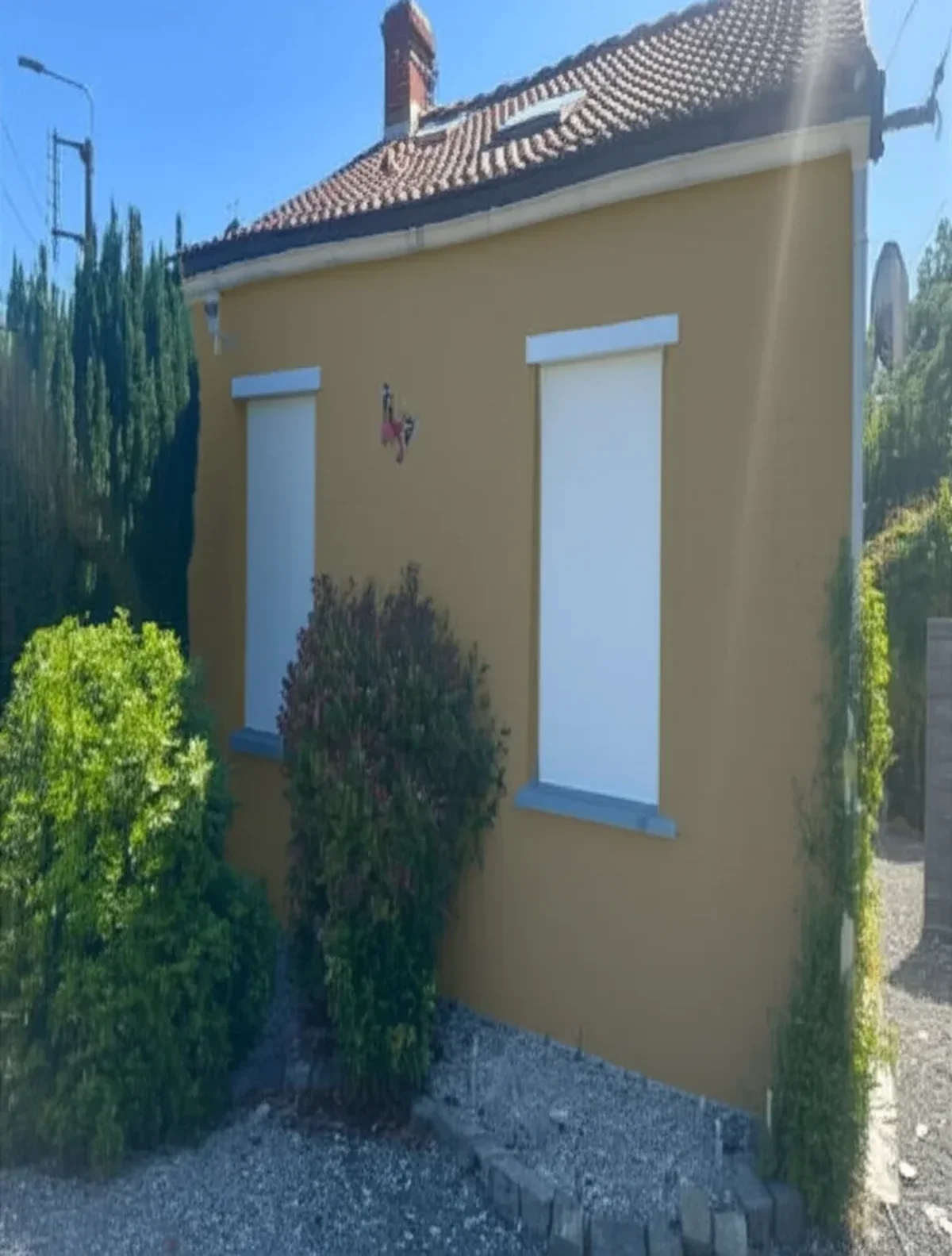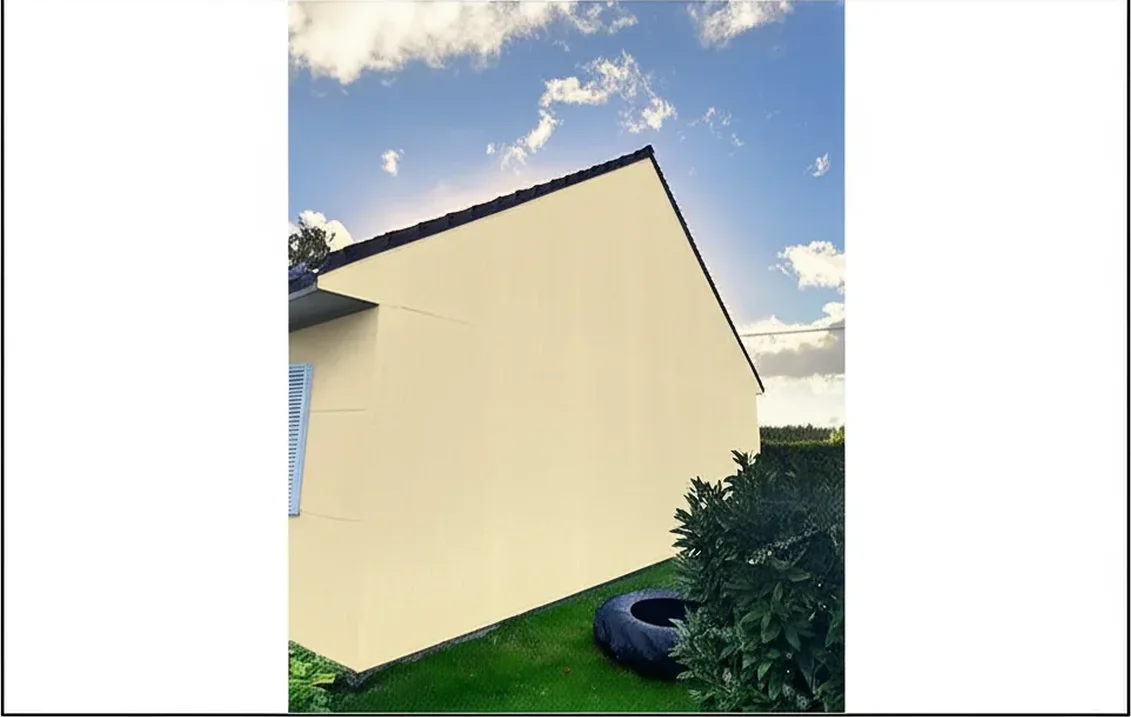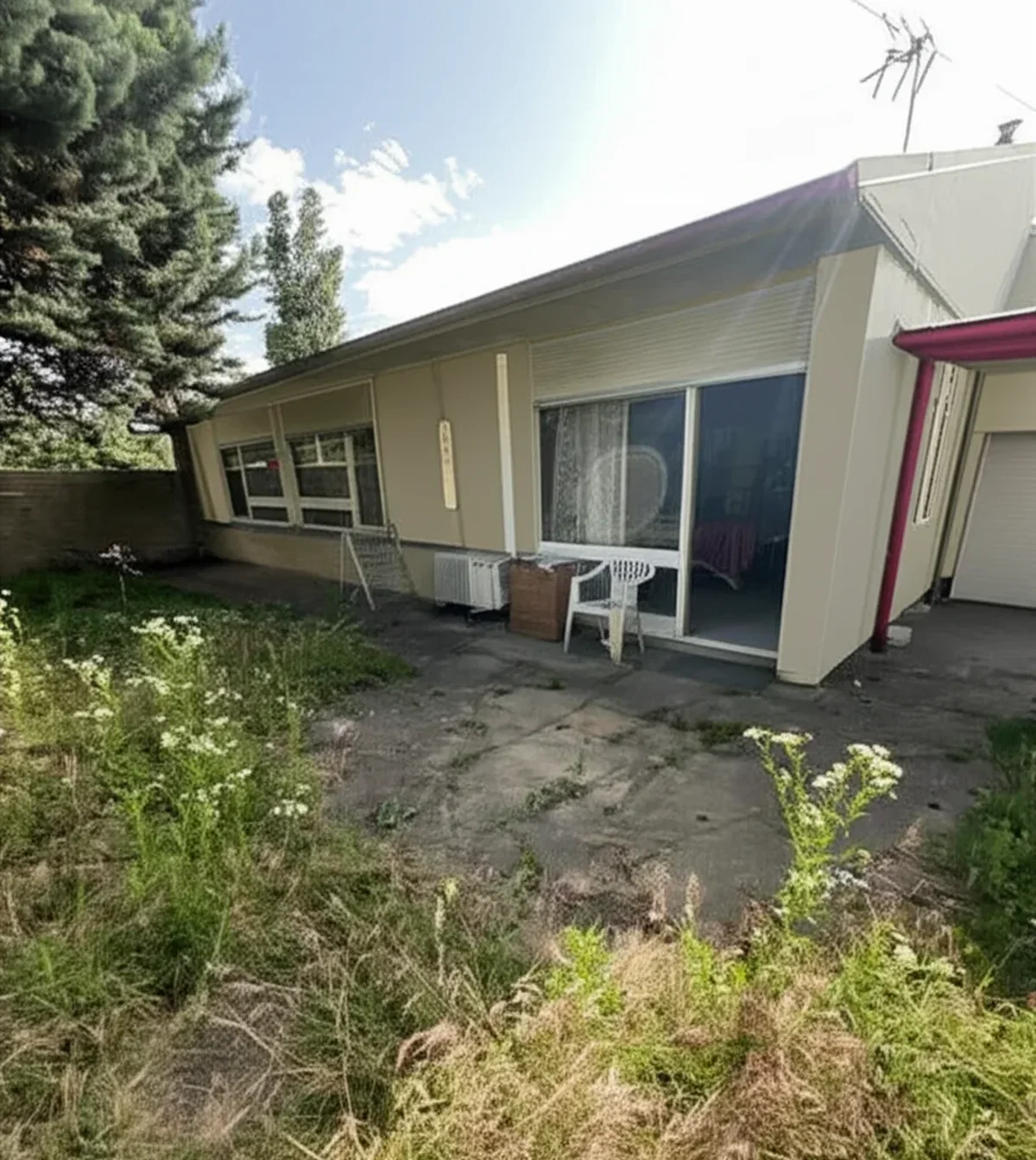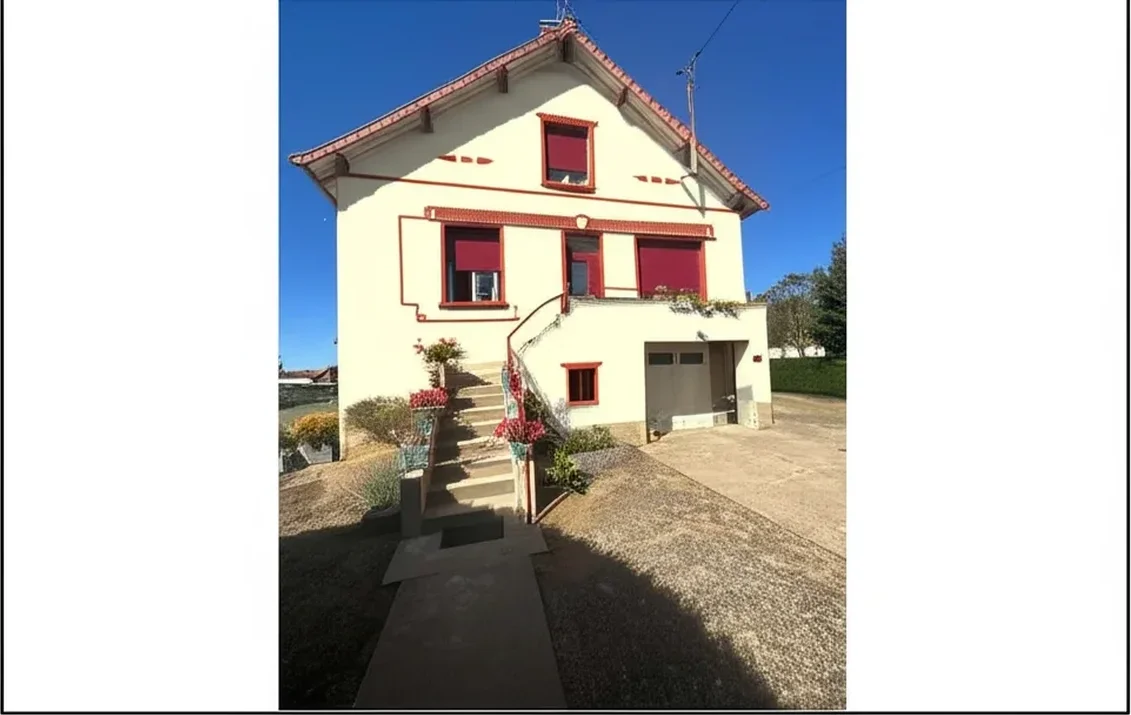
Try it on your house

Around 8 million homes in the UK have solid walls, built before the 1920s without a cavity wall, and they lose up to 45% of their heat through uninsulated walls. Solid wall insulation is the single most impactful energy efficiency upgrade for these properties, yet many homeowners are put off by perceived costs. This 2026 guide breaks down internal wall insulation and external wall insulation (EWI) prices per m², available grants including ECO scheme funding, EPC energy rating improvements, and building regulations Part L requirements. Whether you are tackling damp, condensation, or simply want lower bills, understanding the true cost per m² will help you make a confident decision. To preview how EWI or a new breathable render will look on your property, try FacadeColorizer, free and instant.
Internal vs External Solid Wall Insulation: 2026 Costs
There are two approaches to insulating a solid wall: internal wall insulation (IWI) applied to the inside face, and external wall insulation (EWI) applied to the outside and finished with silicone render, lime render, or breathable render. Each has different costs, disruption levels, and suitability depending on your property type. Below is a detailed comparison of 2026 UK prices.
| Factor | Internal Wall Insulation | External Wall Insulation (EWI) |
|---|---|---|
| Cost per m² | £40–£100 | £90–£180 |
| Typical whole-house cost | £5,500–£8,500 | £9,000–£25,000 |
| U-value achieved | 0.25–0.35 W/m²K | 0.18–0.30 W/m²K |
| Room size impact | Reduces floor area by 50–100 mm per wall | No internal space lost |
| Scaffolding required | No | Yes (£10–£20/m² extra) |
| Disruption | High, rooms unusable during works | Low, work is done from outside |
| Damp risk | Moderate, cold side condensation | Low if breathable render used |
| Best for | Listed buildings, conservation areas, budget-conscious | Full retrofit, EPC uplift, long-term savings |
Try it on your house
No photo? Try a sample
EWI typically delivers a better U-value and eliminates thermal bridging at junctions, whereas internal wall insulation is significantly cheaper and avoids the need for scaffolding or planning consent. For a detailed breakdown of EWI materials and finishes, see our external wall insulation cost guide.
What Affects the Price of Solid Wall Insulation?
Several variables determine the final cost per m² for solid wall insulation in the UK:
- Property size and storeys: A three-storey Victorian terrace needs more scaffolding and labour than a bungalow, pushing EWI costs towards the upper end.
- Insulation material: Expanded polystyrene (EPS) is the most affordable for EWI at around £90–£120/m², while mineral wool and phenolic boards cost £110–£180/m² but offer superior fire resistance and energy efficiency.
- Render finish: A silicone render from K Rend or a Weber system is self-coloured and low-maintenance, whereas lime render suits heritage properties that need to breathe. Both are more expensive than standard cement-based finishes.
- Existing damp issues: Any rising damp, penetrating damp, or failed damp proof course (DPC) must be resolved before insulation is fitted, a damp survey by a damp specialist (£150–£400) is essential first.
- Access and location: Properties with limited access, conservatory obstructions, or in remote regions of Scotland or Wales attract higher scaffolding and transport costs.
- Ventilation upgrades: Building regulations Part L may require additional ventilation, air bricks, trickle vents, or mechanical extractor fans, to prevent condensation in a more airtight home.
ECO4 Grants and Funding for Solid Wall Insulation in 2026
The ECO scheme (ECO4) remains the primary route for funded solid wall insulation in 2026, running until December 2026 with no direct successor. If your home has an EPC rating of D, E, F, or G and you receive qualifying benefits, Universal Credit, Pension Credit, Income Support, Housing Benefit, or Child Tax Credit, you could receive up to 100% of installation costs funded. Solid wall insulation is a priority measure under ECO4, meaning eligible homes without it are flagged for compulsory upgrade.
The Great British Insulation Scheme (GBIS), formerly the Green Homes Grant, closed to new applications in January 2026 and formally ended on 31 March 2026. Looking ahead, the government’s Warm Homes Plan, backed by £15 billion in capital investment, is expected to launch its Local Grant stream in spring 2026, delivered through local authorities to fund insulation and clean heating for low-income households. Check with your local council or energy supplier to confirm current eligibility. Permagard and Sovereign both offer BBA-certified installers who can handle the grant application process alongside the installation.
EPC Improvement and Energy Savings
Solid wall insulation is one of the most effective ways to improve your EPC energy rating. A typical uninsulated solid wall property rated E or F can jump 1–2 bands after insulation, often reaching C or even B, delivering a 20–25 point improvement on the EPC score. With an EWI system achieving a U-value of 0.18–0.30 W/m²K (down from 2.0+ W/m²K for an uninsulated solid wall), thermal bridging is virtually eliminated.
In terms of running costs, the Energy Saving Trust estimates annual savings of £300–£500 on heating bills for a semi-detached home with solid wall insulation, equating to a 25–45% reduction in heat loss. At current energy prices, the payback period for EWI without grant support is 15–20 years, dropping to 5–10 years with partial or full ECO4 funding. For internal wall insulation, the payback without grants is typically 10–15 years. A higher EPC band also increases property value by an estimated 5–14%, according to the Department for Energy Security and Net Zero. For more on the link between damp, insulation, and energy rating, see our cavity wall insulation cost guide.
Building Regulations Part L and Damp Risks
Building regulations Part L (Conservation of Fuel and Power) apply whenever you carry out significant retrofit work. For wall elements, the target U-value is 0.30 W/m²K for existing buildings and 0.18 W/m²K for new builds under the Future Homes Standard. When installing solid wall insulation, you must ensure compliance with Part L, which may require a building control notification and, in some cases, approval. In a conservation area or for a listed building, planning permission is often needed for EWI as it changes the external appearance.
The biggest risk with solid wall insulation, whether internal or external, is damp caused by poor installation or inappropriate materials. Internal wall insulation makes the outer leaf colder, increasing the risk of interstitial condensation and mould (black mould) if a vapour control layer is omitted. EWI must use a breathable render system on older properties: non-breathable systems trap moisture within the wall, leading to penetrating damp and structural decay. A damp proof membrane or upgraded DPC may be required. Always commission a damp survey with moisture meter readings and salt analysis before proceeding. For guidance on identifying damp types, read our condensation problems guide.
Choosing the Right Installer
Quality of installation is critical. A 2024 National Audit Office report found that 27% of solid wall insulation installations had major defects, missing ventilation, exposed insulation, or inadequate waterproofing and drainage detailing. To protect yourself:
- Use a BBA-certified or PCA-accredited installer with a written guarantee of at least 25 years.
- Ensure the system carries BBA (British Board of Agrément) certification, products from Weber, K Rend, and Dulux Trade EWI systems all hold current approvals.
- Request proof of building regulations sign-off (completion certificate from building control).
- Insist on a pre-installation damp survey by an independent damp specialist, separate from the insulation installer.
- Check that ventilation upgrades (air bricks, extractor fans, trickle vents) are included in the specification to comply with Part L.
- For EWI, verify that scaffolding is included in the quoted cost per m² and erected by a licensed contractor.
A reputable installer will provide a full property survey (sometimes called a condition report), specify whether tanking or waterproofing is needed, and detail drainage adjustments around ground level. If your property is in a cavity wall area, confirm whether cavity wall insulation might be a simpler, cheaper alternative, many apparently solid-walled Victorian and Edwardian terraces actually have narrow cavities.
Visualise Your Insulated Exterior
EWI transforms the appearance of your home as well as its energy efficiency. Before committing to a silicone render, lime render, or painted finish, see the result first. Upload a photo of your property to FacadeColorizer and preview different render colours and textures in seconds, completely free. It is the fastest way to compare finishes from K Rend, Weber, and Dulux palettes without ordering physical samples.
See breathable masonry paint on your wall. 30 seconds, no signup.
Try it free on my photoFrequently asked questions
How much does solid wall insulation cost in the UK in 2026?
Can I get a free grant for solid wall insulation in 2026?
Does solid wall insulation cause damp problems?
How much will solid wall insulation improve my EPC rating?
Is internal or external wall insulation better for a Victorian house?
Trademarks mentioned (Sherwin-Williams, Benjamin Moore, Behr, Caparol, Brillux, Sto, Alpina, Valspar, PPG, Glidden, Dulux, Crown Trade, Sandtex, Farrow & Ball, Johnstone's, Leyland) are property of their respective owners. FacadeColorizer is independent and not affiliated with any of them. Nominative fair use under Lanham Act §1125.