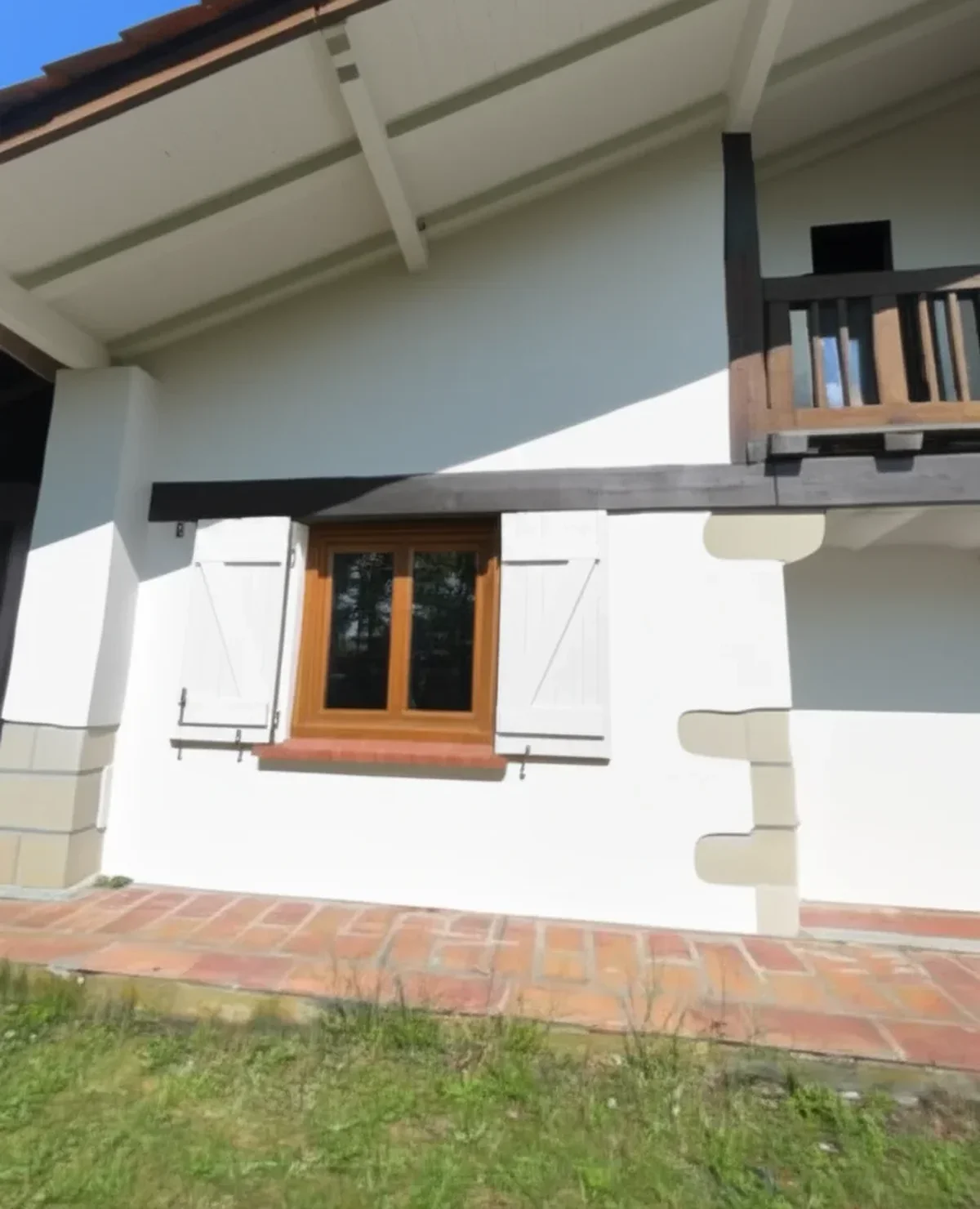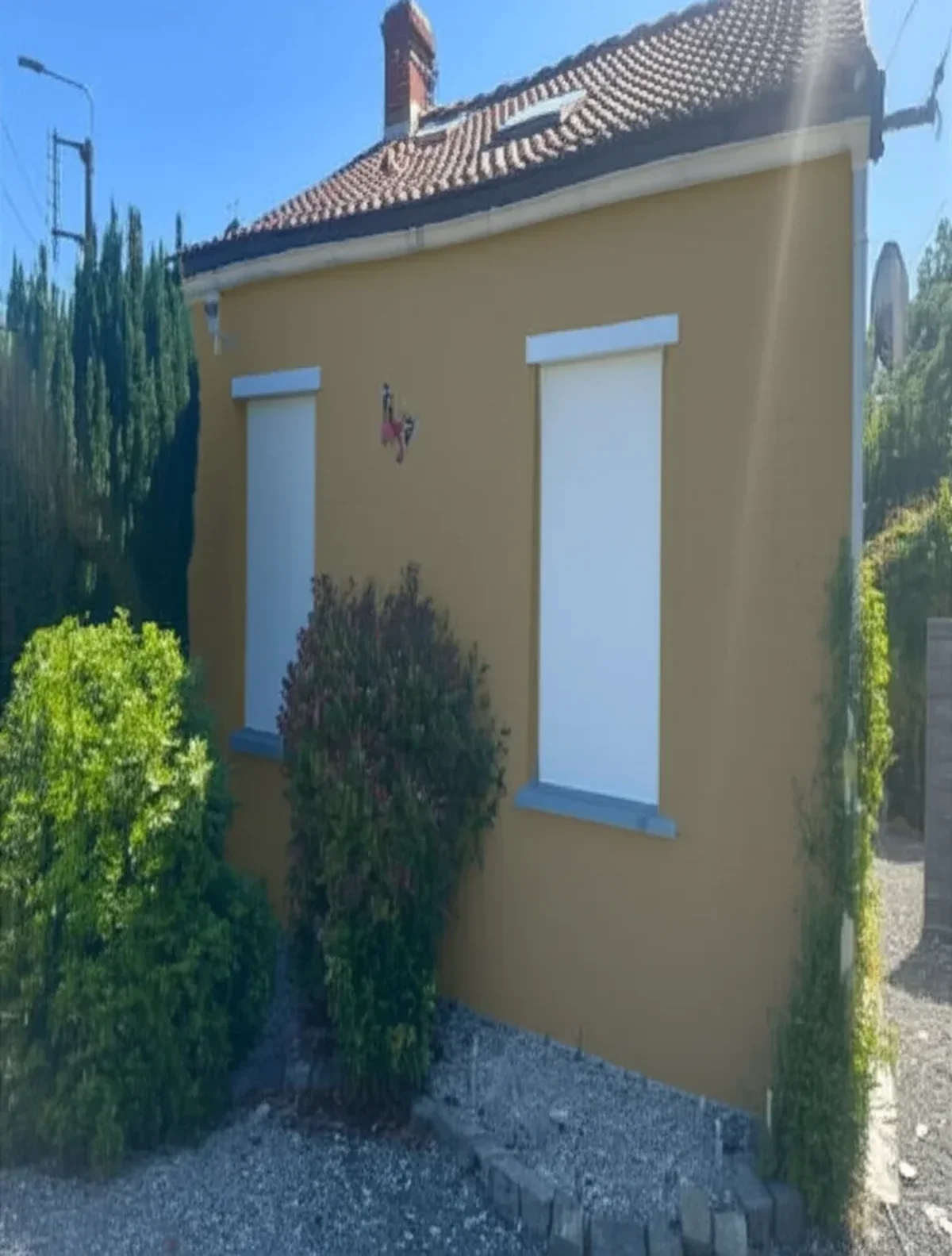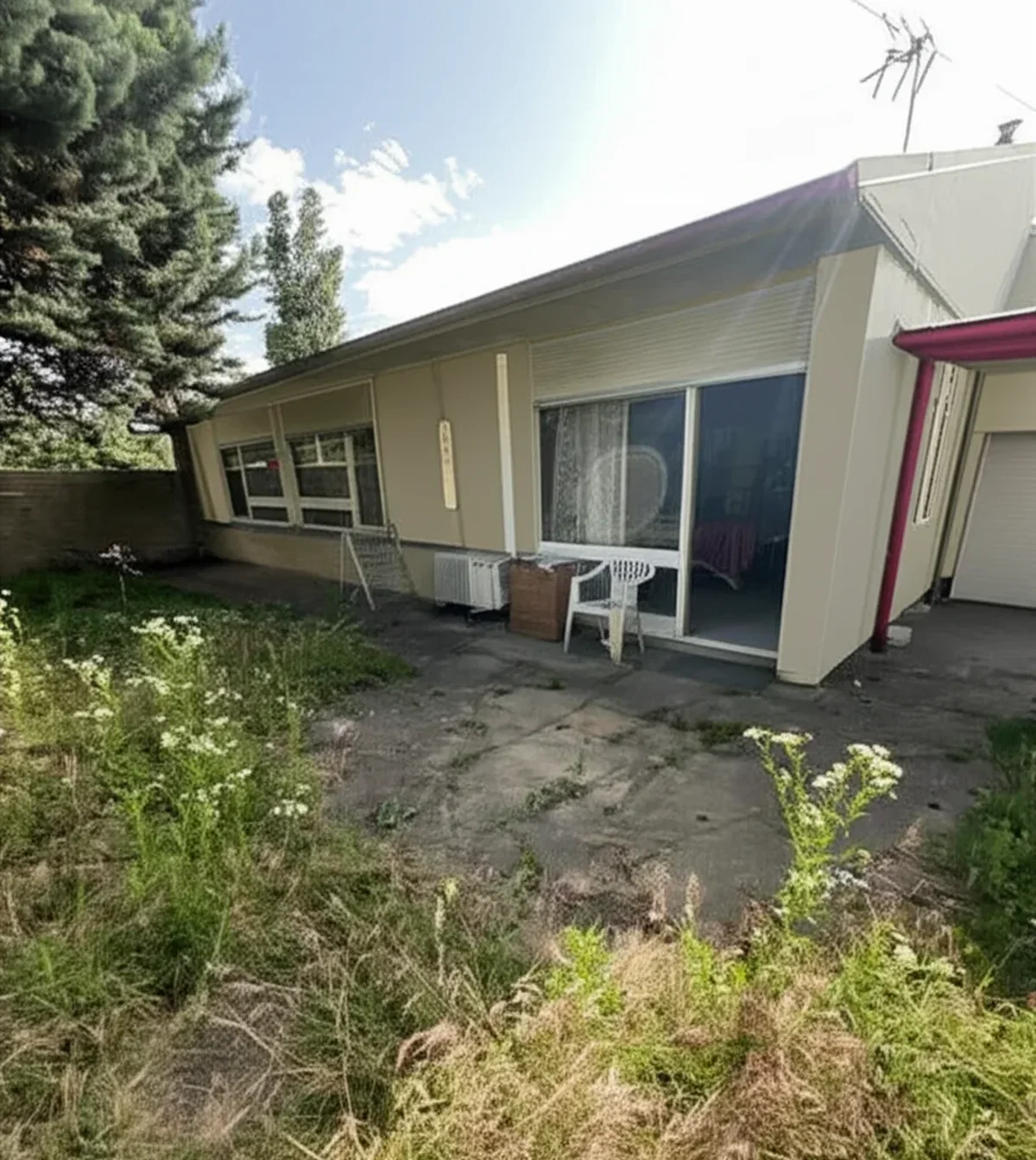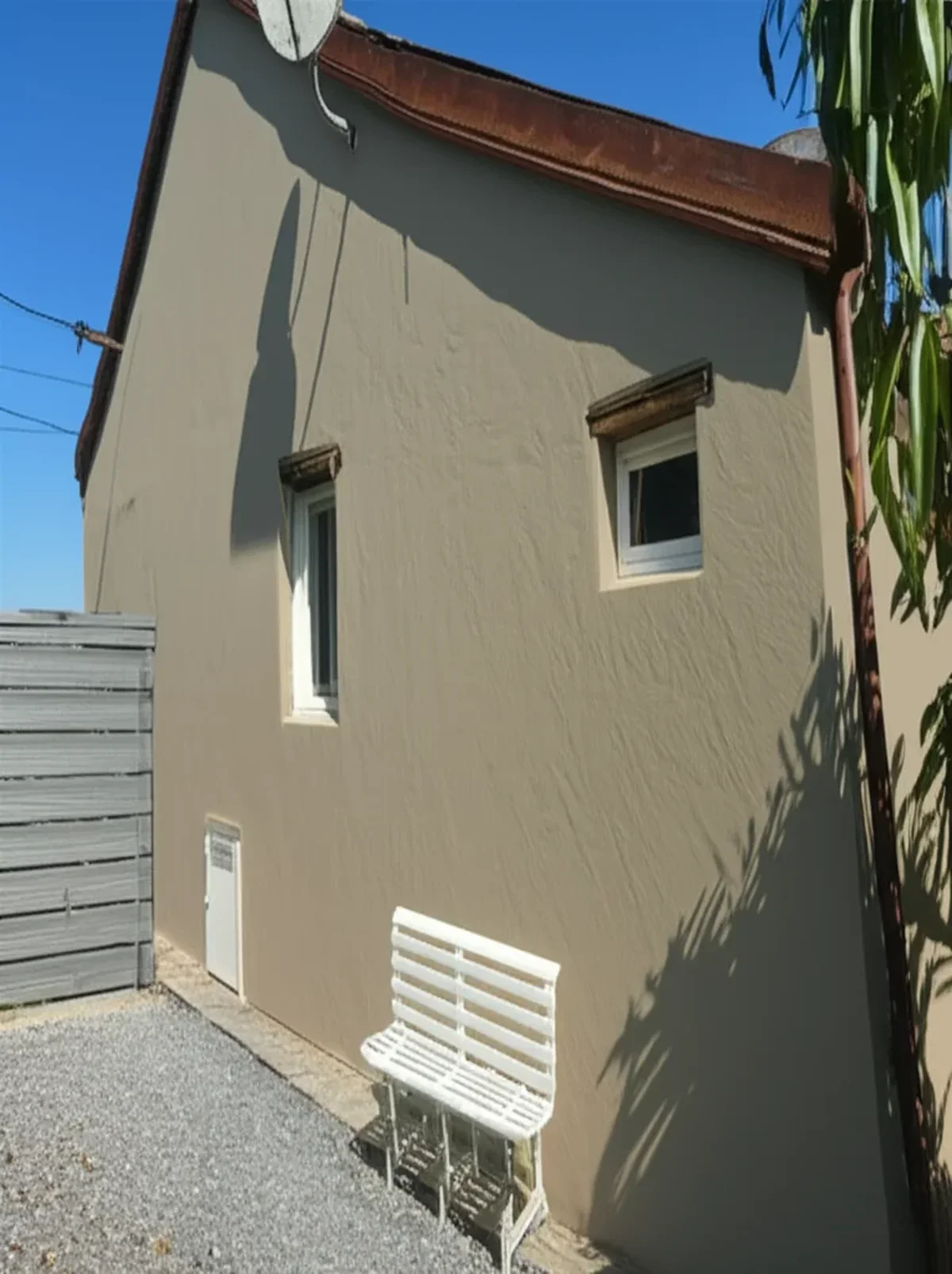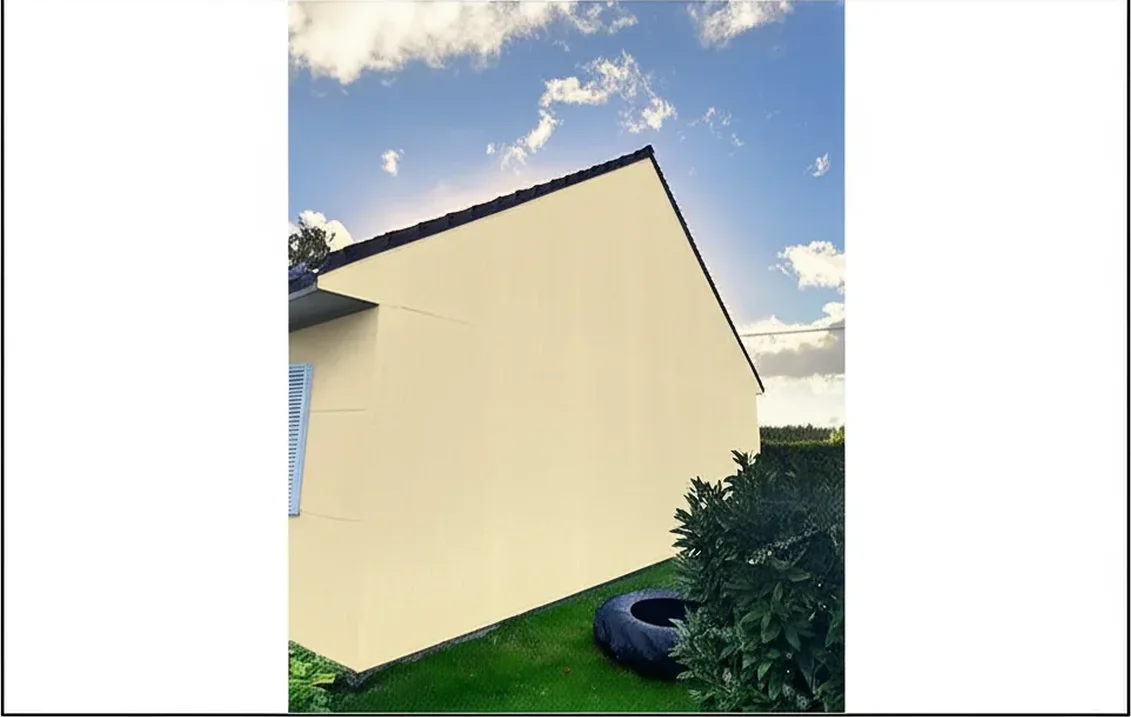
Try it on your house

Around a third of all heat lost from an uninsulated UK home escapes straight through the walls. If your property was built between the 1920s and the 1990s, there is a strong chance it has a cavity wall, two parallel leaves of brickwork with an air gap between them, and filling that gap is one of the most cost-effective energy efficiency upgrades you can make. In this 2026 guide we break down the real cost per m² for every insulation type, explain how the ECO scheme and Great British Insulation Scheme can cut your bill to zero, and flag the damp and thermal bridging risks you must manage to protect your home.
What Is Cavity Wall Insulation and Why Does It Matter?
A cavity wall consists of an outer leaf and an inner leaf of masonry separated by a gap, typically 50–100 mm wide. Left unfilled, that cavity lets warm air circulate and escape, driving up heating bills and dragging your EPC energy rating down. Cavity wall insulation fills the void with material that traps heat, cutting U-value from around 1.6 W/m²K (uninsulated) to as low as 0.35 W/m²K, well within the building regulations Part L threshold of 0.30 W/m²K for extensions and 0.18 W/m²K for new builds.
The process is surprisingly quick. A BBA-certified installer drills small holes through the outer brickwork, injects or blows insulation into the cavity, then plugs and colour-matches each hole. Most semi-detached homes are completed in two to three hours with no scaffolding required for bungalows and few two-storey properties. For taller buildings, scaffold or an access tower is needed, which adds to the total cost.
Cavity Wall Insulation Cost by Type (2026 Prices)
Three main materials dominate the UK market. Each carries a BBA certificate and a guarantee of 25 years, but they differ in thermal performance, moisture resistance and price. Brands such as Knauf and Rockwool supply mineral-wool batts and blowing wool, while specialist firms manufacture EPS bead systems with adhesive binders.
| Insulation Type | Cost per m² | Typical 3-Bed Semi | Thermal Conductivity | Key Benefit |
|---|---|---|---|---|
| Mineral Wool (Rockwool / Knauf) | £13–£18 | £1,000–£1,800 | 0.032–0.040 W/mK | Breathable, fire-resistant, cost-effective |
| EPS Beads (Polystyrene) | £18–£22 | £1,500–£2,500 | 0.030–0.038 W/mK | Moisture-repellent, ideal for older walls |
| Polyurethane (PUR) Foam | £22–£26 | £2,000–£3,000 | 0.022–0.028 W/mK | Best thermal performance, airtight seal |
Try it on your house
No photo? Try a sample
Detached homes with larger wall areas can cost £2,500–£3,500 depending on material choice and whether scaffolding is required. Mid-terrace properties, with only two exposed walls, sit at the lower end, typically £800–£1,200. All prices include labour, materials and the mandatory building-control notification under Part L.
ECO4, GBIS and Free Insulation Grants
Under the ECO scheme (Energy Company Obligation 4), eligible households can have cavity wall insulation installed at no cost whatsoever. ECO4 runs until December 2026 and is funded by the UK's largest energy suppliers. To qualify you typically need:
- To be receiving a qualifying benefit, Universal Credit, Pension Credit, Income-based JSA, ESA or Child Tax Credit.
- A home with an EPC energy rating of D, E, F or G.
- A valid cavity wall suitable for insulation (minimum 50 mm cavity width).
Even without benefits, the Great British Insulation Scheme (GBIS) offers free cavity fill for homes in council-tax bands A–D (England) or A–E (Scotland and Wales). The Government's forthcoming Warm Homes Plan is expected to extend support into 2027 and beyond, replacing the now-closed Green Homes Grant voucher programme.
Sovereign and Permagard are among the approved installers registered under both ECO4 and GBIS. Always verify that your chosen firm holds current BBA Approved Installer status and is registered with the Cavity Insulation Guarantee Agency (CIGA), this provides a 25-year independent guarantee.
Energy Savings and EPC Improvement
According to the Energy Saving Trust, filling a cavity wall on a typical three-bedroom semi-detached house saves around £295 per year on heating bills, a payback period of just three to six years depending on the material chosen. Larger detached homes can save £400–£455 annually. Over the 25–40-year lifespan of the insulation, cumulative savings reach well into the thousands.
From an EPC perspective, cavity wall insulation often lifts a property by a full band, a D to a C, for instance, because walls account for such a large proportion of heat loss. This is critical for landlords who must achieve a minimum EPC C by 2028 under proposed legislation, and for homeowners planning to sell, since energy rating now directly influences buyer decisions and mortgage valuations. Pair it with damp proofing and exterior wall insulation for a whole-house retrofit approach.
Damp Risks, Thermal Bridging and How to Avoid Problems
Cavity wall insulation is not suitable for every property. Homes in areas of heavy wind-driven rain, much of western England, Wales and Scotland, face an elevated risk of penetrating damp if the cavity is fully filled. The insulation can bridge moisture from the outer leaf to the inner leaf, leading to wet patches, mould growth and timber decay. A pre-installation damp survey using a moisture meter and salt analysis is essential to identify existing rising damp, defective DPC (damp proof course), or blocked air brick ventilation. Ensure every extractor fan is functioning and that sub-floor air flow is unobstructed before filling the cavity.
Thermal bridging is another common issue. Metal lintels, mortar joints and wall ties can conduct heat through the insulation layer, creating cold spots where condensation forms and black mould thrives. The solution is to specify insulation with a low lambda value (PUR foam excels here) and to ensure continuous coverage around reveals, lintels and junctions, details a BBA-certified damp specialist will manage correctly.
If your home has solid wall construction rather than a cavity, the equivalent upgrade is external wall insulation (EWI) finished with a breathable render such as K Rend silicone render, Weber monocouche or traditional lime render. Internal wall insulation is an alternative where planning restrictions apply, though it slightly reduces room size. Below ground level, tanking and waterproofing may be needed alongside insulation to prevent moisture ingress. Either route qualifies for ECO4 funding and significantly lowers the U-value. For further guidance on rising damp specifically, read our rising damp treatment cost guide.
Building Regulations and BBA Certification
Installing cavity wall insulation is notifiable building work under building regulations Part L (Conservation of Fuel and Power). You or your installer must submit a building notice to the local authority before work begins. The insulation must achieve the target U-value of 0.30 W/m²K for existing walls, and all materials must carry a valid BBA certificate confirming suitability for the specific wall construction.
The BBA Approved Installer Scheme audits firms against ISO/IEC 17020 standards. Only around 208 of the 450 registered installers in the UK currently hold full BBA approval. Pairing this with CIGA registration ensures your work is backed by an insured, independent 25-year guarantee - vital because poorly installed insulation is the single biggest cause of post-fill damp complaints.
If you are renovating or extending, note that replacing more than half of a wall element triggers the upgraded Part L U-value targets. Insulation thickness must be at least 150 mm for new cavity wall builds under current building regulations. A damp proof membrane may also be required where ground levels are high or drainage is poor.
Choosing the Right Material for Your Home
For most post-war homes with clean, dry cavities, mineral wool from Knauf or Rockwool offers the best balance of performance and price. It is non-combustible, breathable and effective at reducing noise, ideal for suburban semi-detached and terraced properties.
Older homes with narrower or debris-filled cavities benefit from EPS beads, which flow around obstructions and repel water. This makes them the preferred choice where minor penetrating damp risk exists but the property is still deemed suitable for cavity fill after a damp survey.
PUR foam delivers the highest thermal resistance per millimetre and creates an airtight seal, but it is the most expensive option and can complicate future removal if needed. Mortgage lenders and surveyors sometimes flag spray-foam insulation, so check with your provider before committing.
Whichever material you choose, pair it with quality exterior finishes. Dulux Trade Weathershield masonry paint protects the outer leaf, while K Rend silicone render on EWI systems provides a maintenance-free, breathable finish that resists mould and algae. Curious how a fresh render colour would look on your facade? Try our free AI colour visualiser to preview options instantly.
For properties where external wall insulation is more appropriate, particularly solid wall homes, our exterior rendering cost guide covers Weber monocouche, lime render, and silicone render pricing across every region of the UK. Combined with cavity wall insulation or EWI, a full retrofit can transform a draughty, damp-prone house into an energy-efficient home with a top-band EPC.
Frequently asked questions
How much does cavity wall insulation cost in the UK in 2026?
Can I get free cavity wall insulation through the ECO4 scheme?
Does cavity wall insulation cause damp?
How much can I save on energy bills with cavity wall insulation?
Do I need building regulations approval for cavity wall insulation?
Trademarks mentioned (Sherwin-Williams, Benjamin Moore, Behr, Caparol, Brillux, Sto, Alpina, Valspar, PPG, Glidden, Dulux, Crown Trade, Sandtex, Farrow & Ball, Johnstone's, Leyland) are property of their respective owners. FacadeColorizer is independent and not affiliated with any of them. Nominative fair use under Lanham Act §1125.