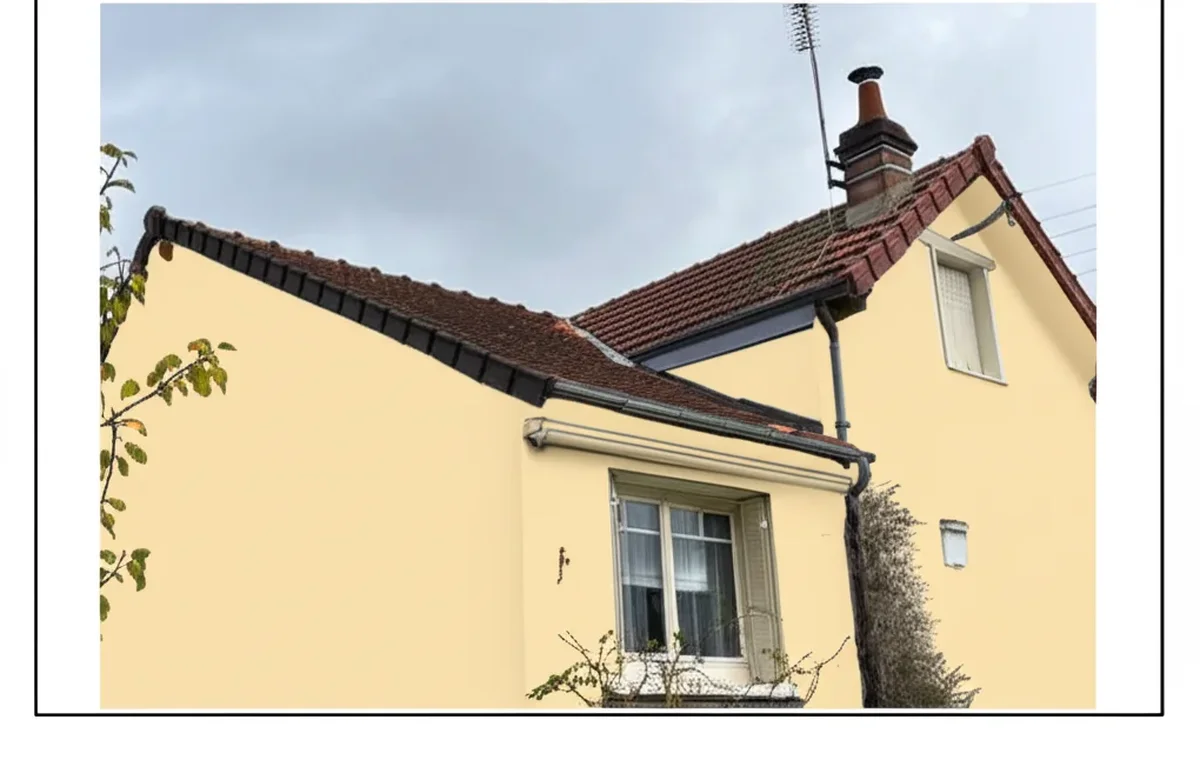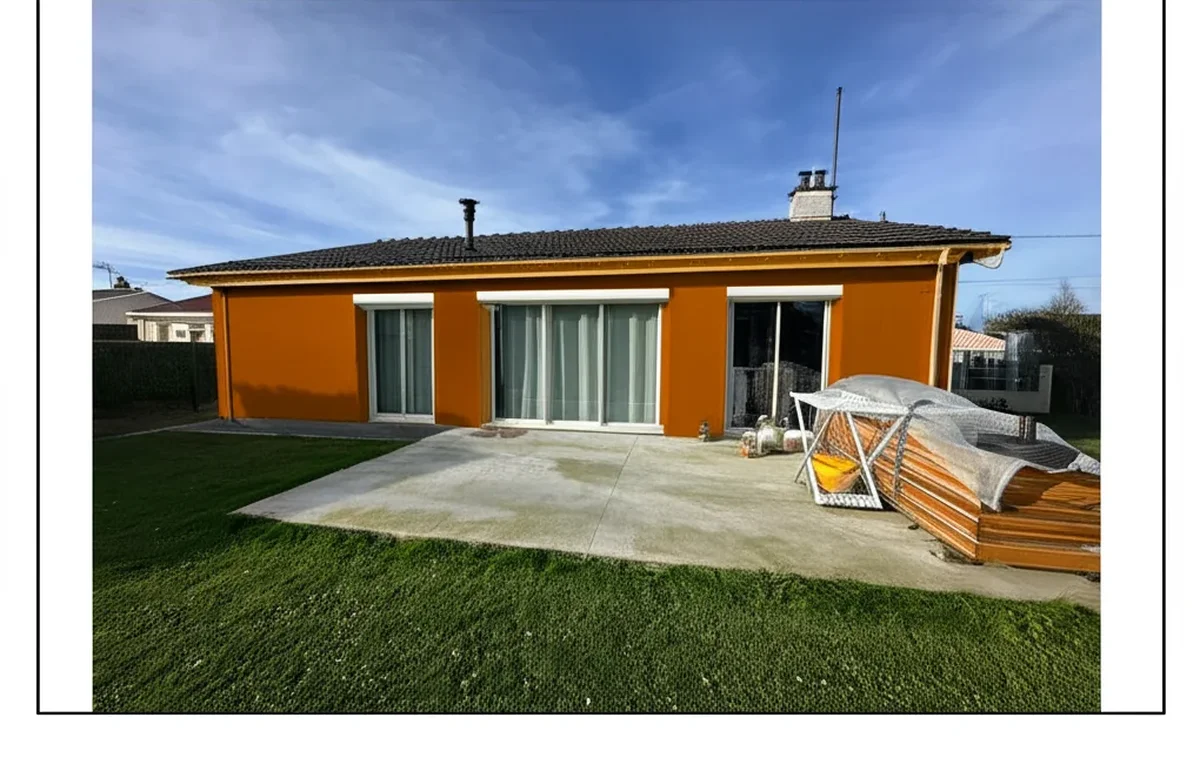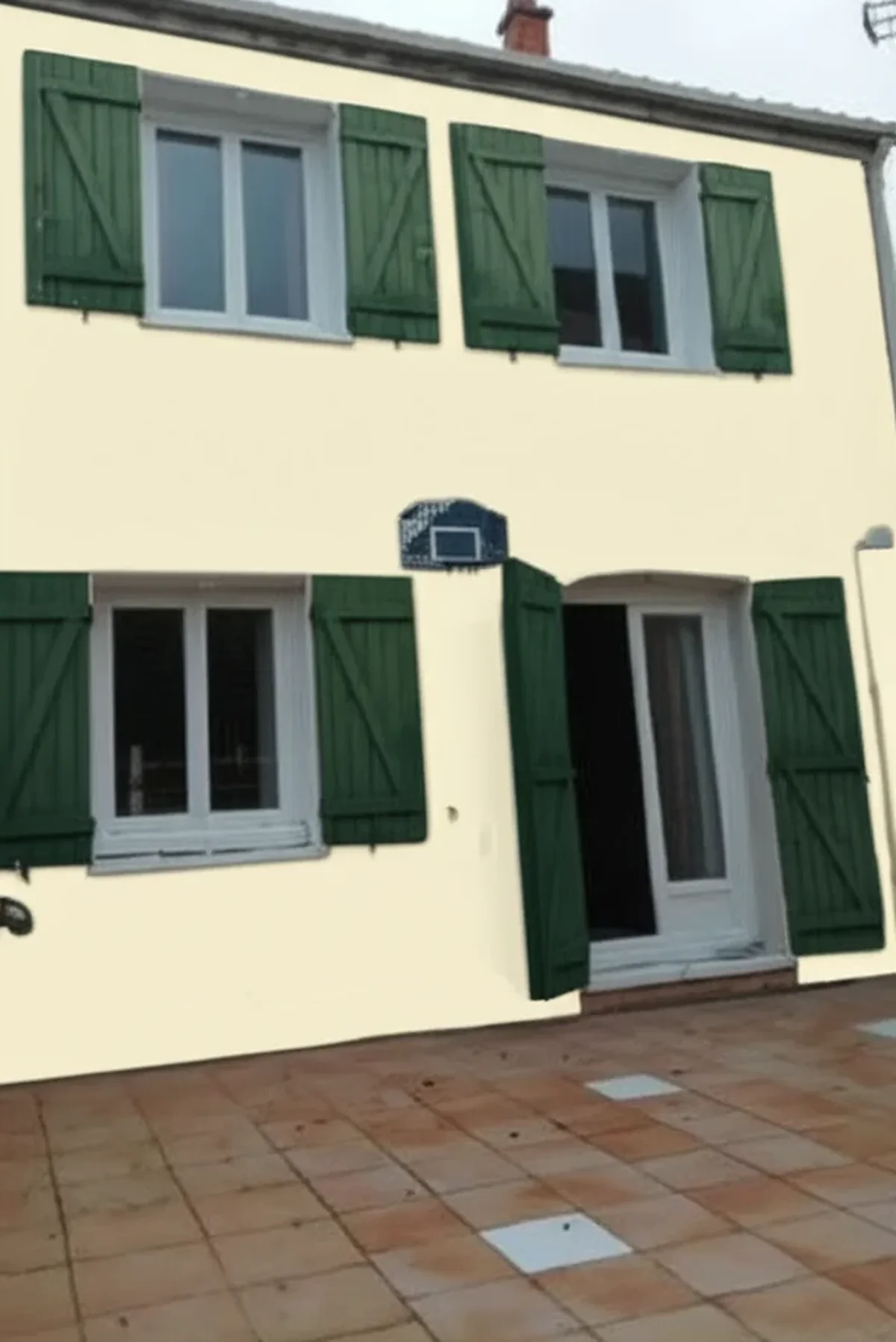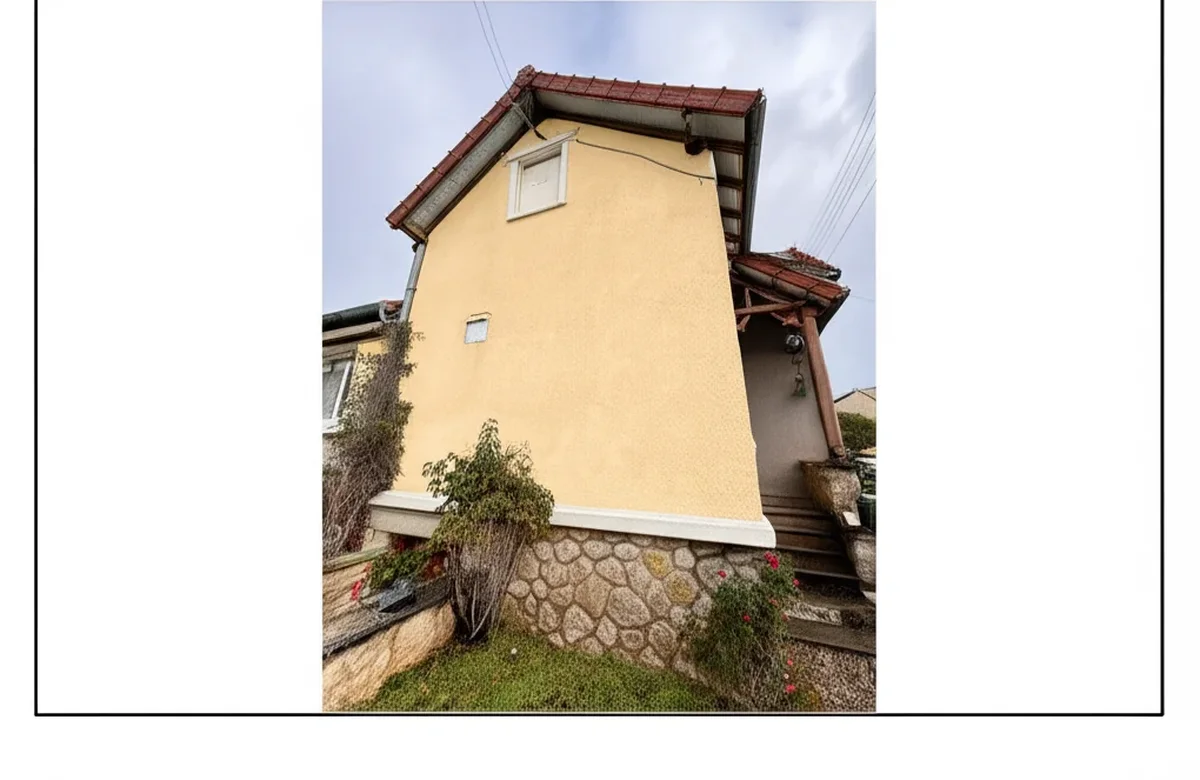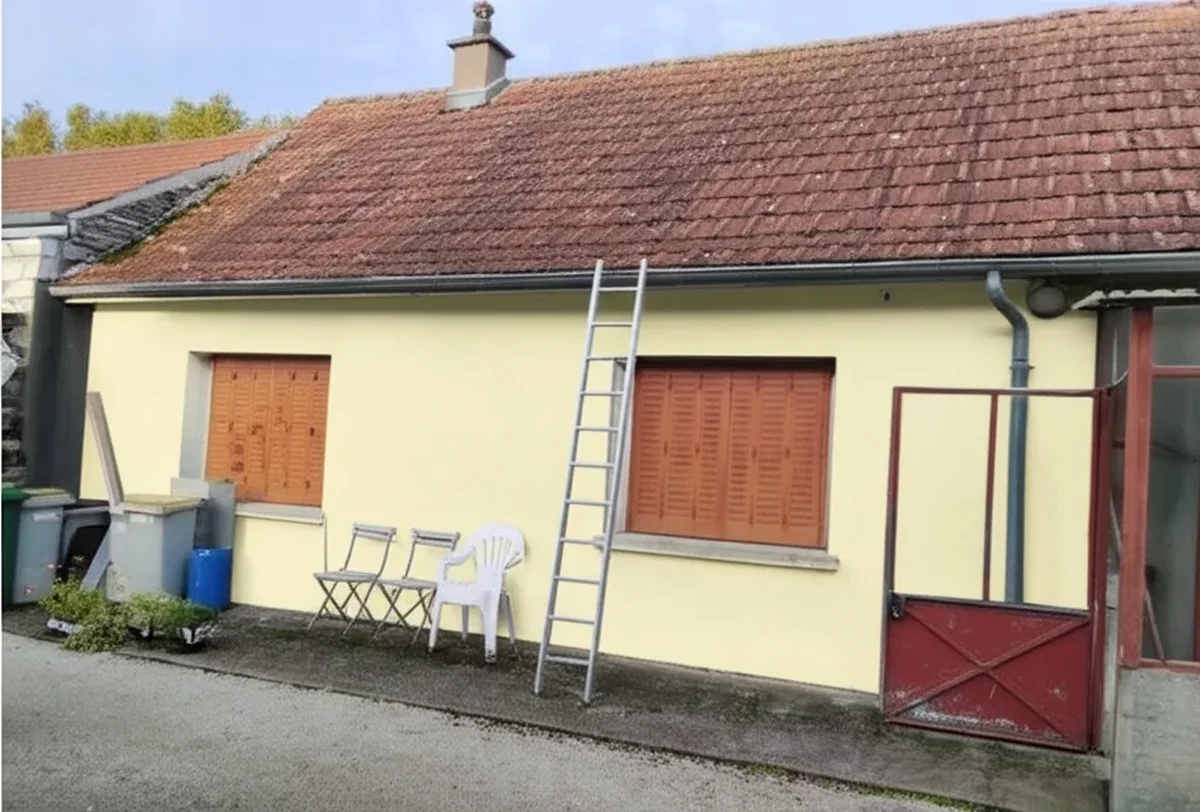
Try it on your house

Quick verdict: Behr® tints dark colors into a specific base (Medium, Deep or Ultra Deep) that costs roughly $5 to $12 more per gallon than the Polar/Ultra Pure White base. Marquee carries a Lifetime Limited Warranty for the original homeowner, Premium Plus a 10-Year Limited Warranty, with normal exclusions for dark fade and improper prep. For very dark facades, ask Home Depot® to add the Behr NIR cool-paint Cool Roof additive to bring LRV-related heat absorption back into line. Test your shade on a real photo before you commit to two coats of ultra deep base.
FacadeColorizer is a free AI exterior paint visualizer, and Behr® deep base color questions are now the single fastest-growing search cluster in our US dashboard. This guide walks through Behr's four-tier base system, the LRV restrictions that decide whether a color is even available in a given line, the actual terms of the Marquee Lifetime Limited Warranty and Premium Plus 10-Year Limited Warranty, the NIR Cool Roof additive that helps deep colors survive Southern sun, and the real gallon upcharge to budget. Before you order, preview your Behr deep color on your house photo in 30 seconds to confirm it reads the way you imagine.
Behr Base System Explained: Polar, Medium, Deep, Ultra Deep
Every Behr® paint sold at Home Depot® is mixed from a base, and the base is decided by how much colorant the formula needs to hit the target shade. The four bases used across Premium Plus, Ultra and Marquee are Polar/Ultra Pure White (also called Tint Base 1), Medium Base (Tint Base 2), Deep Base (Tint Base 3) and Ultra Deep Base (Tint Base 4). Each base contains progressively less white titanium dioxide pigment to leave room for the colorant load, which is why a deep teal cannot be tinted into the Polar base, and why a bright white cannot be tinted into the Ultra Deep base. The base is printed on the lid label at tinting, and confirms which warranty clauses apply.
| Behr Base | Tint Base # | Typical LRV range | Use case |
|---|---|---|---|
| Polar / Ultra Pure White | Base 1 | ~75–94 | Whites, off-whites, very pale neutrals |
| Medium Base | Base 2 | ~40–75 | Mid neutrals, greiges, soft greens |
| Deep Base | Base 3 | ~12–40 | Saturated mid-tones, navy, sage, olive |
| Ultra Deep Base | Base 4 | ~3–12 | Near-black, deep red, charcoal, jewel tones |
Try it on your house
No photo? Try a sample
The LRV ranges above are typical, not absolute, because some shades cross a base boundary depending on Behr's tinting formula version. The practical rule on the floor at Home Depot® is that the kiosk decides the base for you, and you only pay for what the formula calls for. The reason this matters is that hide, coverage rate, and the appearance of brush marks all change with the base. Ultra Deep Base, with the least titanium dioxide, almost always needs two coats and shows lap marks more readily than Polar Base, which is a forgiveness story you want to know before you commit to a charcoal shade on a 2,400 sq ft facade.
LRV Restrictions for Darker Behr Colors
Light Reflectance Value (LRV) is the percentage of visible light a color reflects on a 0 to 100 scale, where 0 is pure black and 100 is pure white. Below LRV 15, exterior performance changes meaningfully: the wall absorbs more heat, the substrate behind it sees higher peak surface temperatures, and the organic pigments that produce deep reds, greens and blues degrade faster under UV than the inorganic pigments used in lighter shades. Behr® reflects this in two ways: by restricting some deep colors to Marquee or Dynasty (where the film is tougher), and by recommending the Cool Roof additive on LRVs below about 25 for hot climates.
- LRV 60+ (light): No restrictions. Polar or Medium base, any Behr line, easy one-coat hide on similar-tone repaints. Lowest heat load, longest fade life.
- LRV 30 to 60 (mid): Medium or Deep base. Available across Premium Plus, Ultra and Marquee. Most popular range for greiges, sages and soft blues.
- LRV 15 to 30 (deep): Deep base. Coverage drops to ~200 sq ft per gallon; two coats are standard. Heat absorption begins to matter on sun-baked walls.
- LRV below 15 (very dark): Ultra Deep base. Heat absorption is significant; Cool Roof additive strongly recommended in Sun Belt climates; some HOA covenants restrict body colors below LRV 15.
- LRV below 5 (near black): Ultra Deep base only. Plan on three coats for a uniform finish; expect a shorter facade repaint cycle (8 to 10 years instead of 10 to 12) due to thermal stress.
A quick sanity check: a deep navy at LRV 8 over south-facing fiber cement in Phoenix can hit 170°F surface temperature in July, while the same wall in Behr Cotton Knit at LRV 78 tops out around 110°F. That 60-degree gap is what stresses caulk lines, accelerates cracking on hardboard, and shortens the realistic life of a deep facade. For shade-by-shade examples, our dark exterior paint colors pros and cons guide covers which deep Behr shades hold up in which climates, and the Behr Cracked Pepper exterior complete guide walks through one of the most popular near-black bodies sold from the Ultra Deep base.
The same warranty conditions apply across Behr's exterior tiers, and the deep-base premium exists in every line. How the four lines compare on price and positioning is in our Behr outdoor paint lines comparison.
Behr Marquee Lifetime Limited Warranty: What It Actually Covers
Behr Marquee® carries a Lifetime Limited Warranty, which sounds absolute but is, like every paint warranty in the US, narrower than the marketing implies. The headline reads "for as long as you, the original purchaser, own the home", and it is transferable to no one. Read the warranty card that ships with the receipt and the substantive promises break down into three buckets.
- Peeling and blistering: Behr® will replace the paint (not the labor) if the dried film peels or blisters when applied per label directions to a properly prepared substrate. Bare wood without primer is excluded.
- Fading and dirt accumulation: Marquee covers excessive fade and dirt pickup beyond what is "normal" for the color and exposure. The key word is normal, which gives Behr discretion on deep colors that fade faster as a matter of physics.
- Stain resistance (interior): Not applicable to exterior facades, but worth noting if you use the same can on porch ceilings or soffit interiors.
The exclusions matter more than the inclusions on a facade. Marquee's Lifetime Limited Warranty does not cover: substrate failure (rotten wood, failed stucco, hailstorm damage), normal weathering, mildew growth where the substrate was not cleaned, color fade caused by use of universal colorants in deep tints beyond Behr's recommendations, and any application that did not follow label directions including spreading rate and recoat times. The remedy is replacement paint at Home Depot®, plus, occasionally, a partial labor reimbursement at Behr's sole discretion. Keep your receipt and a photo of the can label with the tint code; without those, a claim is effectively dead on arrival. The current official text is published on the Behr Marquee Exterior product page, and the consumer-side primer at Consumer Reports exterior paint ratings is worth a read before you file. For a tier-up comparison, our Behr Marquee exterior paint review covers durability and the one-coat hide claim in depth.
Behr Premium Plus 10-Year Limited Warranty
Premium Plus exterior carries a 10-Year Limited Warranty rather than the lifetime promise on Marquee. The structure is similar but the duration is fixed and the bar for "normal" performance is lower because the film build is thinner. Practical reading of the warranty card.
- Coverage period: 10 years from date of purchase, original homeowner only.
- Covered failures: Peeling and blistering on properly prepared, primed surfaces; excessive chalking; loss of adhesion beyond normal weathering.
- Not covered: Fading on deep or vivid colors (treated as "normal" below LRV 25), mildew where substrate was not cleaned, application below 50°F or above 90°F, and any failure traced to substrate problems.
- Remedy: Replacement paint of equal value, exchanged at Home Depot® with proof of purchase.
The realistic Premium Plus repaint cycle is 5 to 7 years in most climates, well inside the 10-year warranty window, which is why claims actually filed in years 8 to 10 are usually denied for "normal weathering". If you are repainting a rental, a shed, or a budget repaint where the goal is to refresh curb appeal for sale, Premium Plus is the smart pick and the warranty rarely matters. If you are repainting your forever home, Marquee or Ultra are the better warranty bets. Our Behr Premium Plus exterior paint review and Behr Ultra exterior paint review compare the value math line by line.
NIR Cool-Paint Cool Roof Additive for Dark Behr Facades
The Near-Infrared (NIR) Cool Roof additive is the single most underused tool for homeowners committing to a dark Behr facade. Most of the heat loaded into a wall by sunlight is not visible light but infrared, and NIR-reflective pigments reflect 60 to 80% of that infrared even on a near-black wall. Behr offers the additive at Home Depot® under the Cool Roof / Solar Reflective line, and the kiosk can mix it into Marquee or Ultra at tinting time on shades below approximately LRV 30. The shade reads identical to the naked eye; the difference shows on a thermal camera and on your peak surface temperatures.
- Heat reduction: Typical 25 to 40°F lower peak surface temperature on dark walls in direct sun.
- Cost: Roughly $4 to $6 per gallon upcharge on top of the deep base premium.
- Where it helps most: Sun Belt states (Arizona, Texas, Florida, Southern California, Nevada) on south and west elevations.
- Limit: Does not change visible fade rate of organic pigments, only thermal load. Deep reds and bright blues still fade faster than neutrals.
- HOA bonus: Some Arizona and California HOAs that restrict body colors below LRV 25 will approve a deeper shade if it carries an NIR-rated reflectance certification.
For a south-facing facade in Phoenix in Behr Pewter Mug at LRV 14, adding the Cool Roof additive can shave roughly 30°F off peak summer surface temperature and add 2 to 3 years to the realistic repaint cycle. It is the cheapest insurance available on a dark Sun Belt facade. The official product line is documented on the Behr® consumer site, and tint codes are available at any Home Depot® paint desk. For shade-specific guidance on one of the most popular deep grays, our Behr Pewter Mug PPU18-05 exterior guide walks through coverage and exposure trade-offs.
Real Cost of Deep Base: $5 to $12 Per Gallon Over Standard
The gallon upcharge on deep and ultra deep bases reflects two things: a heavier colorant load (universal colorants are sold by the ounce, and a deep tint can need 8 to 16 ounces per gallon), and a different base formula with less titanium dioxide and more transparent extenders. Here is the realistic 2026 pricing at Home Depot® for Behr Marquee exterior, before sales.
| Base | Marquee price/gal (2026) | Upcharge vs Polar | 15-gal house total |
|---|---|---|---|
| Polar / Ultra Pure White | ~$48 | - | ~$720 |
| Medium | ~$50 | +$2 | ~$750 |
| Deep | ~$54 | +$6 | ~$810 |
| Ultra Deep | ~$60 | +$12 | ~$900 |
On a 2,400 sq ft facade needing roughly 15 gallons for two coats, the gap between picking a Polar-base off-white and an Ultra Deep navy is about $180 in materials, plus the Cool Roof additive (~$75 if added), plus the extra labor of a third coat if needed. That is real money, but it is also the smallest line on a full repaint budget, where labor, prep and scaffolding dwarf paint cost. For the whole-job math, our exterior house painting cost guide breaks down typical 2026 totals by region and substrate.
A note on coverage rate: a quart of Ultra Deep Base at the recommended 8 mils wet covers closer to 50 sq ft, not the 100 sq ft you would see in Polar Base, because the deep tint film needs to be thicker to fully obscure the substrate. Budget gallons accordingly. For the official Marquee coverage spec on standard bases, the Behr Marquee Exterior page publishes the 250 to 400 sq ft per gallon range, which always sits at the lower end on deep tints.
Application Notes for Deep & Ultra Deep Behr Bases
Deep and Ultra Deep bases behave differently from standard bases on the wall. Three application rules will save a callback.
- Plan three coats, not two. Even with Marquee's one-coat hide claim, deep tints rarely hide in two on a color change. A thin first coat (call it a tint primer) helps the second and third coats lay down evenly.
- Box every gallon, every time. Deep tints exaggerate any batch-to-batch tint variance from in-store mixing. Pour all gallons into one bucket before starting; cut the variance to zero before the brush touches the wall.
- Roll wet into wet, sprayer plus back-roll preferred. Lap marks are far more visible on deep colors. Maintain a wet edge and never stop in the middle of a wall plane. On full elevations, spray with a 0.017 to 0.019 tip and back-roll immediately.
For seasonal timing on a dark facade, dew point matters more than air temperature. A deep wall in late afternoon sun cools fast at sunset and will pull dew within an hour of the last sun on the wall, which means a 4 PM second coat in October is asking for a hazy finish. Paint mornings on east elevations, late mornings on south, and avoid west elevations after lunch. For the climate-by-climate timing rules, our Behr exterior paint colors 2026 guide covers shade and exposure trade-offs on the top 2026 colors.
Filing a Behr Warranty Claim: The Three Things You Need
If a deep Behr facade fails inside the warranty window, the claim succeeds or fails on documentation. Behr's warranty claim line at Home Depot® will ask for three items.
- Original receipt: Tied to the homeowner of record, dated. Home Depot® can re-print for the original purchase if you have the Pro Xtra account on file; otherwise the paper copy is non-negotiable.
- Tint code label: The peel-off label from the lid that shows the base (Polar/Medium/Deep/Ultra Deep) and the colorant formula. Photograph it the day of tinting.
- Photos of the failure with a date stamp: Peeling, blistering or excessive fade documented in three or four photos with a phone date stamp. Include a shot of the substrate behind a peeled patch to rule out substrate failure.
The realistic remedy on an approved claim is replacement paint at Home Depot® (the can value, not the application labor), which is why a Marquee lifetime promise is not the same as a 15-year roofing warranty in financial terms. If labor was contracted to a painting contractor, your written agreement with them is the path to labor recovery, not the paint warranty. Our exterior house painting cost guide covers contractor warranty language to negotiate before you sign.
When to Pick a Deeper Base (And When Not To)
The right base for your home is decided by the shade you want, not the other way around, but a few decision rules help avoid expensive regret.
- Pick Ultra Deep base when: You want a near-black, deep charcoal, or jewel-tone facade, your home is in a cooler climate, and you are willing to budget two to three coats plus possibly the Cool Roof additive.
- Stick with Medium or Deep base when: You want a confident mid-tone (greige, sage, navy at LRV 20+), one-coat hide is important, or your budget is tight on the gallon line.
- Avoid Ultra Deep base when: The substrate is older hardboard prone to thermal stress, your HOA covenant has an LRV minimum, or you live in a Sun Belt state and refuse the Cool Roof upcharge.
- Avoid Polar base for body color when: Your home is in heavy tree cover with mildew pressure (deeper bases hide mildew streaking better between washes), or your home faces a busy road with road-grime drift.
The simplest path to the right base is to choose the shade first, then accept whatever base the kiosk assigns. The only choice you actually own is the shade and the line (Premium Plus vs Ultra vs Marquee). For the cluster of 2026 deep colors to compare, our Behr Hidden Gem 2026 visualizer guide covers the brand's color of the year, and our dark exterior paint colors pros and cons ranks the real-world trade-offs of going dark in 2026.
Test Your Behr Deep Color Before You Tint – Free
The single most expensive mistake on a deep Behr facade is committing 15 gallons of Ultra Deep base to a shade that reads three steps darker on your actual wall than it did on the kiosk chip. FacadeColorizer's Behr color visualizer lets you upload a photo of your home and apply any Behr shade to your siding, trim, fascia, soffit and front door in about 30 seconds. Compare 3 to 5 deep options side by side, share with your painting contractor or HOA board, and lock in your shade before a single gallon is tinted. It is 100% free, no signup. Going lighter instead? See our Behr Hidden Gem 2026 visualizer for the brand's 2026 Color of the Year. Curious how the Marquee tier itself stacks up? Our Behr Marquee exterior paint review covers the durability and one-coat coverage truth. And if you are weighing budget, our exterior house painting cost guide sets honest 2026 totals.
Disclaimer: BEHR, MARQUEE, DYNASTY, PREMIUM PLUS, ULTRA and ULTRA PURE WHITE are registered trademarks of Behr Process LLC. HOME DEPOT is a registered trademark of Home Depot Product Authority, LLC. FacadeColorizer is an independent service and is not affiliated with, endorsed by, or sponsored by these companies. All product names, trademarks, prices, warranty terms and specifications are used for identification, comparison and commentary purposes only under nominative fair use (Lanham Act, 15 U.S.C. §1125). Prices, warranties, LRV ranges and product availability are approximate, vary by region, base, finish and tint formula, and are subject to change; confirm current details with the manufacturer or retailer before purchase. Warranty summaries on this page are editorial, not legal advice; the controlling text is on the Behr warranty card that ships with each can.
Frequently asked questions
What is the difference between Behr deep base and ultra deep base?
How much more does Behr deep base cost per gallon?
What does the Behr Marquee Lifetime Limited Warranty actually cover?
How long is the Behr Premium Plus warranty?
What is the Behr Cool Roof or NIR additive and when should I use it?
What is LRV and why does it matter for Behr deep colors?
How many coats does Behr Ultra Deep Base need on an exterior?
How do I file a Behr exterior paint warranty claim?
Trademarks mentioned (Sherwin-Williams, Benjamin Moore, Behr, Caparol, Brillux, Sto, Alpina, Valspar, PPG, Glidden, Dulux, Crown Trade, Sandtex, Farrow & Ball, Johnstone's, Leyland) are property of their respective owners. FacadeColorizer is independent and not affiliated with any of them. Nominative fair use under Lanham Act §1125.