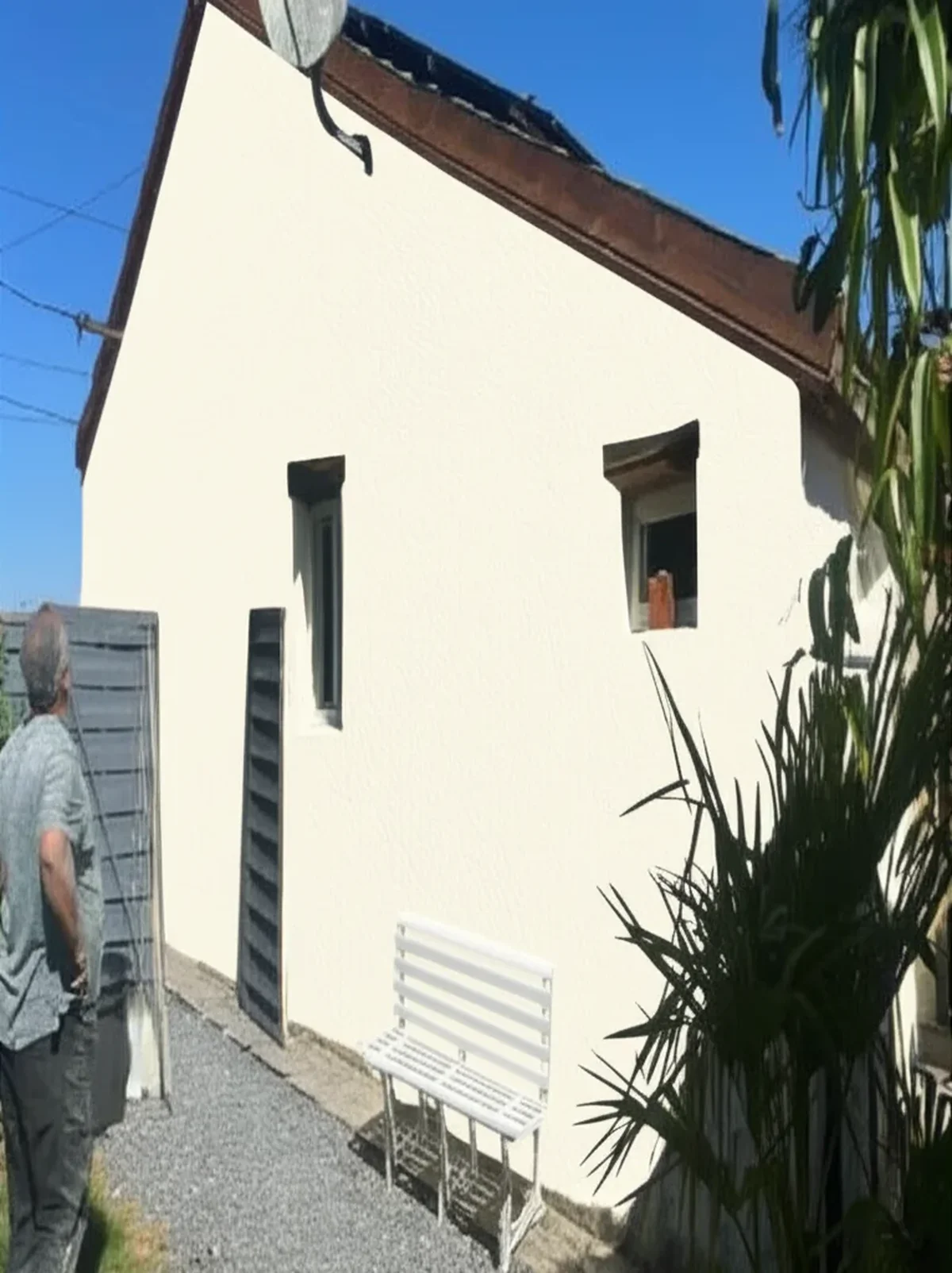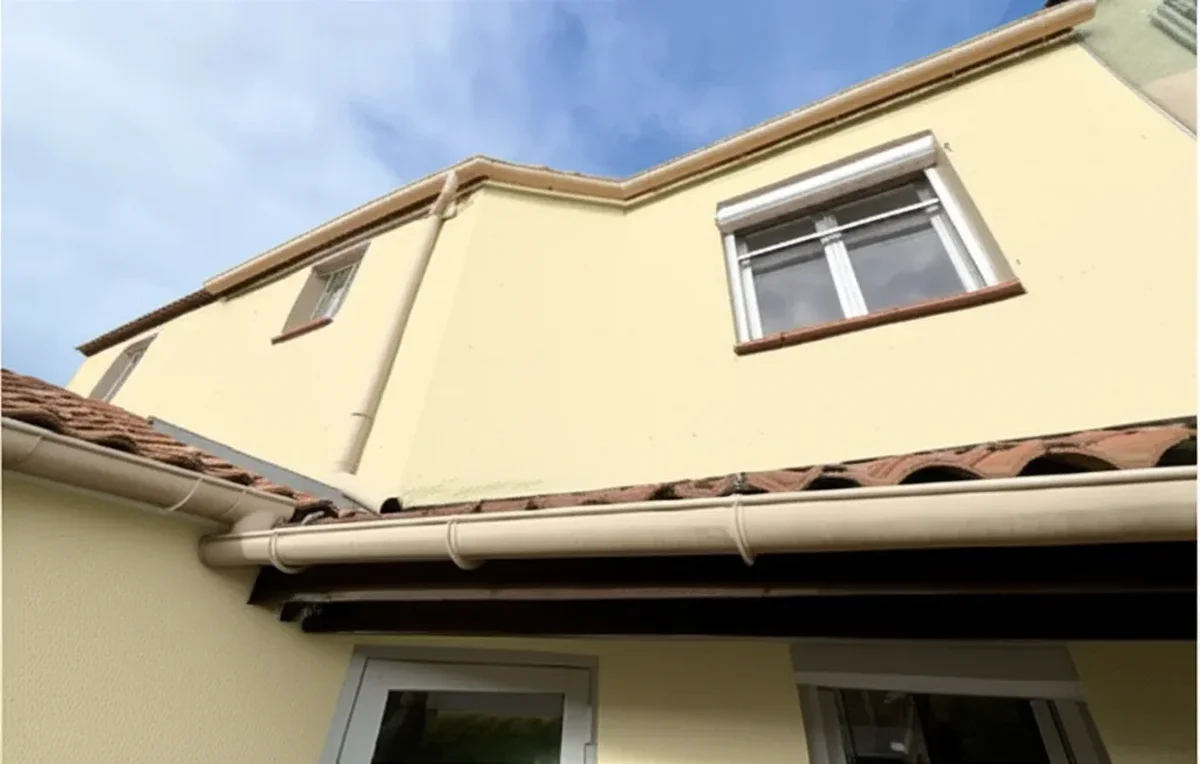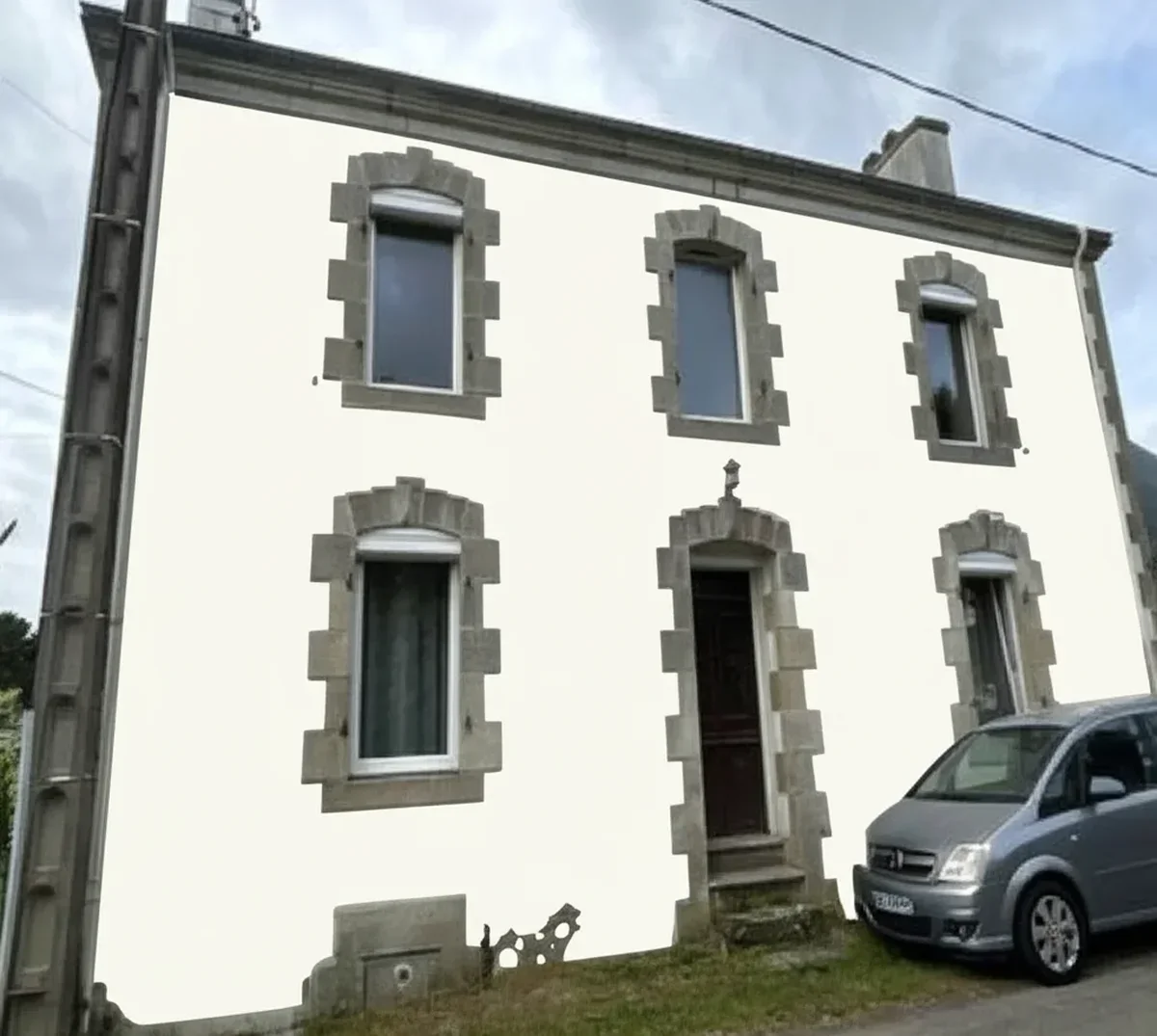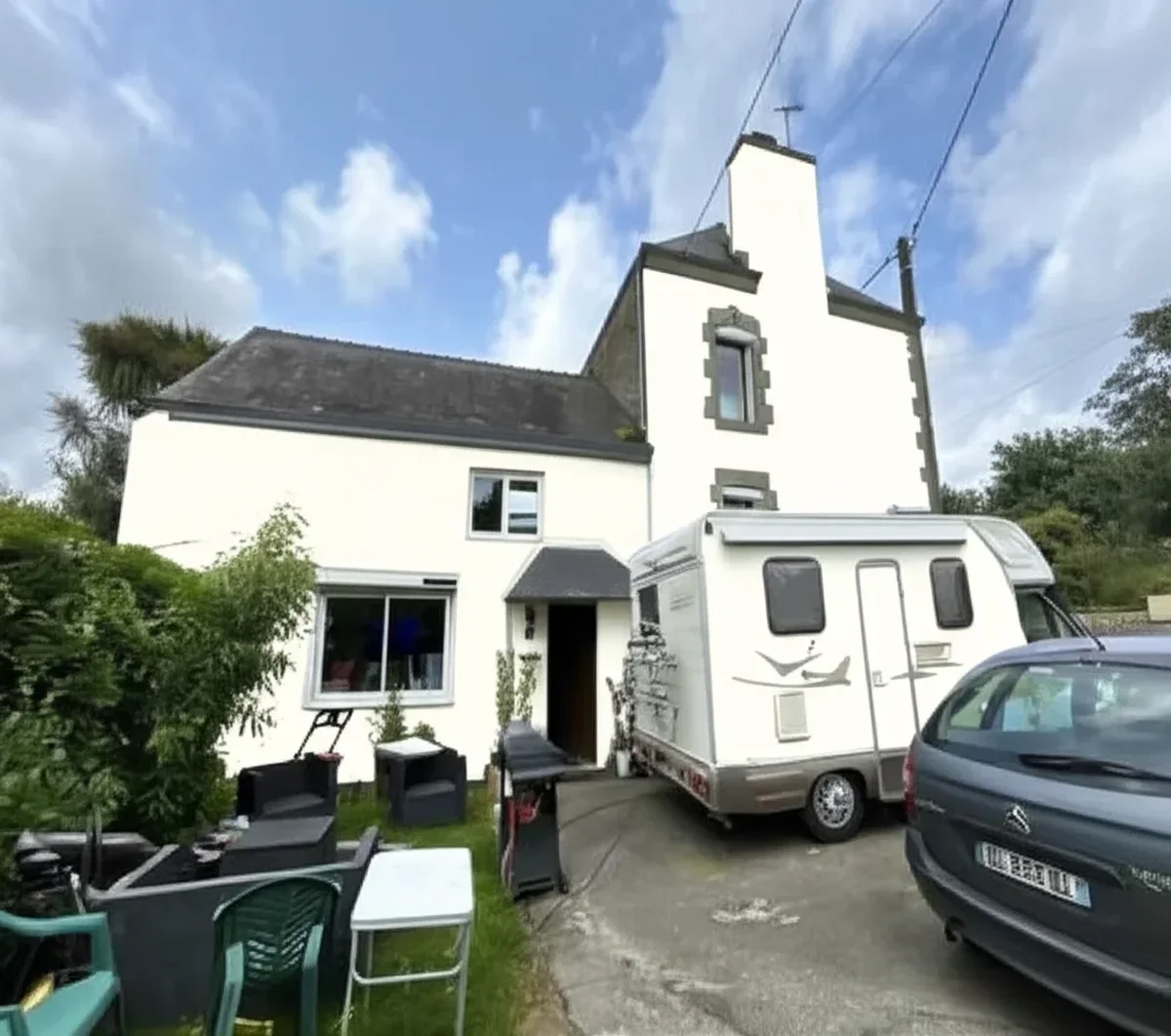
Try it on your house

Quick answer: The 5 best Chicago Bungalow paint colors for 2026 (brick stays natural, paint trim + dormer + door only): (1) BM Bracken Brown 2113-30 trim on Cream City buff brick, (2) BM Linen White 912 dormer trim on red common brick, (3) SW Cottage Red 6304 front door on buff or brown brick body, (4) SW Pewter Green 6208 dormer and porch trim on red brick, (5) BM Wedding Veil 905 cream trim and soffit on brown face brick. The Chicago Bungalow Belt 1910-1940 is solid masonry, so painting the brick body is a restoration error.
The Chicago Bungalow is the most recognizable working-class home in American urban architecture, and the most-misunderstood when it comes to paint. Approximately 80,000 brick bungalows were built across the city between 1910 and 1940, mostly along the south and southwest sides in the neighborhoods now called the Chicago Bungalow Belt. Unlike the California Craftsman bungalow or the Midwestern Sears kit bungalow, the Chicago Bungalow is built almost entirely in solid masonry, which changes every paint decision an owner makes in 2026.
This guide covers the Chicago Bungalow specifically: the one-and-a-half story, narrow-lot, full-basement, hip-roofed brick home distinct from the Craftsman bungalow tradition. Below are the ten best 2026 Chicago Bungalow paint palettes, the brick-body to trim coordination rules for red common brick, Cream City buff brick, and brown face brick, the Historic Chicago Bungalow Initiative heritage guidance, and the modern revival approach for updated bungalows in Beverly, Bridgeport, Berwyn, and Portage Park. For the broader bungalow palette context, see our sibling Bungalow Craftsman Revival paint colors 2026 guide. You can also test any of these trim and door colors on your own Chicago Bungalow photo before buying sample pots.
Try it on your house
No photo? Try a sample
What makes a Chicago Bungalow distinct from a Craftsman bungalow
A Chicago Bungalow built in 1924 in Bridgeport is not the same house as a 1916 Pasadena California bungalow or a 1922 Sears kit Foursquare in Indianapolis. The single most-important clarification before any owner picks paint is that the Chicago Bungalow Belt 1910-1940 produced a regionally specific home type that uses solid masonry construction instead of wood lap siding. The features that define the Chicago Bungalow are: solid brick body on all four sides (no wood siding except the dormer face), low-pitched hip roof with a deep overhang, a prominent front-gable or shed dormer centered above the porch, a full raised basement with above-grade windows, a narrow rectangular footprint 25 feet wide by 50 to 60 feet deep on a Chicago city lot, and limestone trim accents around windows, the porch cap, and the front steps.
This last detail matters most for paint coordination. The original Chicago Bungalow was built with three brick varieties: red common brick (the most-common, salvaged from Chicago River clay), Cream City buff brick (yellow-cream brick imported from Milwaukee Wisconsin, named for the color of the city), and brown face brick (deeper iron-rich brick from southwestern Indiana). Each brick body demands a different trim and dormer color coordination, which the ten palettes below address directly. Compare with the broader regional bungalow context in our American Foursquare paint colors Midwest 2026 guide and the parent guide on the Bungalow Craftsman Revival palette. Test brick-body to trim coordination on your home photo before sampling.
Upload a photo of your Chicago Bungalow and test every trim color below in under a minute.
The 10 best Chicago Bungalow paint colors in 2026
A reminder before the palette: the brick body of a Chicago Bungalow should not be painted. Painting solid masonry traps moisture between brick and paint film, accelerates spalling in the freeze-thaw cycle that defines Chicago winters, and instantly disqualifies a home from the Historic Chicago Bungalow Initiative grant program. The ten colors below address the parts that should be painted: dormer face wood siding, soffits, fascia, window sashes, porch wood trim, and the front door. The palette ranges from period-correct heritage colors to modern revival accents. For the door alone, the choice depends on the undertone of the bungalow's brick, from Chicago common to orange face brick; the front door colors for a red brick house guide sorts black, navy, green and white by that undertone.
1. Benjamin Moore Bracken Brown 2113-30 - #5B4A3A
A deep, warm earth-brown that reads as oxidized walnut in overcast light and warm cocoa in late-afternoon sun. Role: dormer face, soffit, window sash, porch wood trim. Brick pairing: Cream City buff brick body, or red common brick body where buff limestone window surrounds need a darker visual counterweight. Best for: 1920-1928 Chicago Bungalows in Beverly, Portage Park, and Marquette Park. Psychology: grounded, restrained, heritage-correct. Bracken Brown is the closest 2026 BM equivalent to the original quarter-sawn oak stain used on Chicago Bungalow porch columns and dormer cladding between 1915 and 1930.
2. Benjamin Moore Linen White 912 - #E8DBC2
A warm, soft white with cream undertones that reads as aged plaster rather than builder white. The single highest-volume trim color across all Chicago Bungalow brick types in our 2026 data. Role: dormer face, soffit, window sash, fascia. Brick pairing: red common brick body (creates the canonical red-brick-and-cream trim Chicago Bungalow look), or brown face brick body. Best for: Bridgeport, Brighton Park, and South Shore bungalows where the red brick already carries the warm visual weight. Psychology: welcoming, classic, period-correct. Pairs naturally with limestone window surrounds.
3. Sherwin-Williams Cottage Red SW 6304 - #8E3A2C
A deep oxblood red drawn from the SW Historic Color Collection. The Chicago Bungalow front-door color of choice in 2026 across all three brick types. Role: front door only. Brick pairing: Cream City buff brick (high contrast that lets the door read from the sidewalk), brown face brick (tonal harmony with the brown body), or red common brick (slight tonal lift over the body without breaking the brick palette). Best for: any Chicago Bungalow regardless of brick type, particularly bungalows facing east or north where direct UV exposure is limited. Psychology: welcoming, heritage, confidently urban. The Cottage Red plus Linen White trim pairing is the signature 2026 Chicago Bungalow door scheme.
4. Sherwin-Williams Pewter Green SW 6208 - #5A5F50
A deep moss green with charcoal undertones that reads as dark forest in shadow and aged copper patina in direct sun. Role: dormer face, porch ceiling beam, window sash, or front door. Brick pairing: red common brick body (the classic Roycroft-period brick-and-green palette), or buff brick body where the green works as a single saturated accent. Best for: Chicago Bungalows in Beverly, Mount Greenwood, and Edgebrook where mature oak and elm canopy frames the home. Psychology: sheltering, period-correct, restrained. One of the three highest-volume 2026 Chicago Bungalow dormer trim colors in our simulation data.
5. Benjamin Moore Wedding Veil 905 - #DCC8A4
A warm sand-cream slightly deeper than Linen White, with enough yellow undertone to read as period plaster. Role: dormer face, soffit, window sash on darker brick bodies. Brick pairing: brown face brick (the warm undertone harmonizes with the body), or dark red common brick where Linen White would read too cold. Best for: brown brick bungalows in Brainerd, Auburn Gresham, and Roseland where the body carries strong red-brown saturation. Psychology: calm, period-correct, restrained.
6. Benjamin Moore Hodley Red HC-65 - #8A3328
A deep oxblood from the Williamsburg Historical Collection, slightly deeper than Cottage Red. Role: front door, dormer-face accent, or wood porch railing on a buff brick body. Brick pairing: Cream City buff brick where the oxblood door works as the only saturated element on the front facade. Best for: 1924-1930 Chicago Bungalows in Portage Park, Belmont Cragin, and Cragin where the buff brick body benefits from a single deep accent. Psychology: welcoming, confident, heritage.
7. Sherwin-Williams Roycroft Bronze Green SW 2846 - #4B5340
The deep forest green that defined the Roycroft community workshops in East Aurora, New York and was widely specified by Chicago Bungalow developers between 1918 and 1928. Almost black in shadow, rich pine in sun. Role: dormer face, window sash, porch wood trim, or front door. Brick pairing: red common brick (the canonical Chicago Bungalow Belt brick-and-green pairing), or buff brick where the green works as the only deep accent. Best for: heritage-grade restorations submitting Historic Chicago Bungalow Initiative grant packets. Psychology: sheltering, serious, period-correct.
8. Benjamin Moore Van Buren Brown HC-70 - #635345
A deep, slightly red-brown espresso from the Historical Collection. Richer than a flat brown, often used on Chicago Bungalow dormer face wood and porch column wraps where the brown harmonizes with red common brick. Role: dormer face, porch column wood, fascia. Brick pairing: red common brick (tonal harmony), or buff brick where Bracken Brown reads too light. Best for: bungalows with stained quarter-sawn oak porch columns and original wood dormer cladding. Psychology: warm, grounding, handcrafted.
9. Benjamin Moore Soft Cream OC-117 - #ECE4CC
A warm cream with just enough yellow to read as period plaster rather than modern builder white. The signature trim color where the brick body needs the trim to advance visually toward the street. Role: dormer face, soffit, window sash, fascia. Brick pairing: red common brick (the most popular Chicago Bungalow cream-on-red pairing), or brown brick where Linen White reads too cold. Best for: bungalows with exposed rafter tails, dormer-face wood, and limestone porch caps. Psychology: welcoming, handcrafted, period-correct.
10. Benjamin Moore Wrought Iron 2124-10 - #4D5054
A soft black with cool blue-gray undertones. The modern revival Chicago Bungalow trim color of choice in 2026 for owners who want the heritage form with a contemporary palette twist. Role: dormer face, window sash, soffit, front door. Brick pairing: red common brick (high contrast modern look), buff brick (graphic black-on-cream modern revival), or brown brick. Best for: modern revival Chicago Bungalow renovations in Logan Square, Avondale, and Berwyn from 2018 to 2026. Psychology: contemporary heritage, restrained, distinctly transitional.
Test all 10 Chicago Bungalow trim and door colors on your home photo in under a minute.
Cream City brick vs red common brick: trim coordination rules
The most-overlooked decision in any Chicago Bungalow repaint is matching the trim color to the actual brick body. Owners who pick a trim color from a catalog without coordinating to brick undertone consistently get a mismatched facade. The 2026 coordination rules are direct.
Red common brick: warm cream or deep green trim
Red common brick is the most-common Chicago Bungalow body, accounting for roughly 60 percent of the surviving Bungalow Belt stock. The brick carries red-orange undertones from the iron-rich clay sourced along the Chicago River. The two trim colors that consistently work are warm cream (Soft Cream OC-117 or Linen White 912) for a soft heritage facade, and deep green (Roycroft Bronze Green SW 2846 or Pewter Green SW 6208) for the canonical brick-and-green palette specified in 1918-1928 developer packets. Pair either trim with a Cottage Red SW 6304 or Hodley Red HC-65 door. For broader brick-and-trim work that extends beyond Chicago, see our brick house trim paint ideas 2026 guide.
Cream City buff brick: deep brown or oxblood door
Cream City buff brick is the yellow-cream brick that came down from Milwaukee Wisconsin between 1920 and 1932 and was widely specified for upmarket Chicago Bungalow developments in Beverly, Portage Park, and Lincoln Square. The brick carries yellow-cream undertones with subtle ochre warmth. The trim coordination rule is to add a single deep accent instead of a competing color: Bracken Brown 2113-30 trim, Van Buren Brown HC-70 dormer face, or a Hodley Red HC-65 door. Avoid white trim on Cream City brick because the white reads cooler than the brick and creates a tonal mismatch.
Brown face brick: cream or sand trim
Brown face brick was imported from southwestern Indiana for premium Chicago Bungalow builds between 1924 and 1932 in neighborhoods including Auburn Gresham, Brainerd, and South Shore. The brick carries deep red-brown undertones with strong iron saturation. The trim coordination rule is warm sand or cream (Wedding Veil 905 or Soft Cream OC-117) that lifts the body without competing with it. Pair with a Cottage Red SW 6304 front door for a single saturated accent. For complementary brown-body work outside Chicago, see our brown house with cream trim warm 2026 guide, and for the broader 2026 exterior palette context across all home styles see our best exterior paint colors 2026 guide. Test trim-to-brick coordination on your own photo in under a minute.
Restoration palette vs modern revival approach
A Chicago Bungalow owner in 2026 sits at a fork in the road. The restoration palette commits to the original 1920s color vocabulary and aims for heritage authenticity: Bracken Brown or Van Buren Brown trim, Soft Cream or Linen White dormer face, Cottage Red or Hodley Red door, and Roycroft Bronze Green window sashes. The modern revival palette keeps the brick body untouched but updates trim and door for a 2026 buyer: Wrought Iron soft black trim, Linen White soffit, and a single saturated door color in Hale Navy HC-154 or Pewter Green SW 6208.
The five canonical Chicago Bungalow restoration schemes most popular in 2026 Historic Chicago Bungalow Initiative packets are: (A) red common brick body, Soft Cream OC-117 trim, Cottage Red SW 6304 door, Bronze Green dormer face; (B) Cream City buff brick body, Bracken Brown 2113-30 trim, Hodley Red HC-65 door; (C) brown face brick body, Wedding Veil 905 trim, Cottage Red SW 6304 door, Van Buren Brown HC-70 dormer face; (D) red common brick body, Linen White 912 trim, Roycroft Bronze Green SW 2846 dormer and door; and (E) red common brick body, Soft Cream trim, Pewter Green SW 6208 dormer face, Hodley Red door. All five are pre-approved for the Historic Chicago Bungalow Initiative restoration grant program. Compare two restoration schemes side by side on your bungalow photo before submitting an HCBI packet.
The three modern revival schemes most popular in 2026 Chicago Bungalow renovations are: (A) red common brick body, Wrought Iron 2124-10 trim and dormer face, Hale Navy HC-154 door; (B) Cream City buff brick body, Linen White 912 trim, Pewter Green SW 6208 door, oil-rubbed bronze hardware; and (C) brown face brick body, Wrought Iron trim, Soft Cream porch ceiling, Cottage Red door. The modern revival approach is most-common in Logan Square, Avondale, Humboldt Park, and Berwyn renovations where the buyer wants the heritage form without the period-saturated palette.
Painting the brick of a bungalow is a decision the heritage program discourages and the Brick Industry Association calls hard to reverse; if you are weighing it anyway, our guide to brick house paint ideas sets out the colors, the systems and the preparation.
Historic Chicago Bungalow Initiative heritage program
The Historic Chicago Bungalow Initiative (HCBI) is the heritage organization that supports restoration and energy-efficiency upgrades for Chicago Bungalows built between 1910 and 1940. The HCBI maintains a list of pre-approved exterior color schemes for grant-eligible restorations, and qualifies bungalows for Energy Savers grants, Tools and Skills technical workshops, and HCBI Certified Bungalow status which can support resale and insurance valuation. Painting the brick body disqualifies a bungalow from the program. Painting trim, dormer face, soffit, fascia, window sashes, and the front door is encouraged when colors come from the pre-approved 1920s palette.
The HCBI restoration approach also requires that limestone window surrounds, limestone porch caps, and limestone step risers stay unpainted. Painted limestone traps moisture in the freeze-thaw cycle, accelerates spalling, and instantly disqualifies the bungalow from program certification. The correct 2026 approach is to clean limestone with sodium percarbonate, repoint failing mortar, and let the natural limestone work as the bridge between brick body and painted trim above. For complementary heritage paint guidance covering Illinois HOA districts beyond Chicago city limits, see our HOA-approved exterior colors Illinois 2026 guide.
For Chicago Bungalow owners planning a full exterior repaint with labor budgets, our exterior painting Chicago IL cost guide covers neighborhood labor rates, scope of work for masonry homes (which is narrower than wood-sided homes), and seasonal scheduling. For nearby Midwestern labor benchmarks, see our exterior painting Indianapolis IN cost guide. For Pacific Northwest Craftsman bungalow comparisons, see our Craftsman paint colors Pacific Northwest 2026 guide and the broader Craftsman house exterior paint colors 2026 top 15. Render any Chicago Bungalow scheme on your home photo before submitting an HCBI restoration packet.
Test Chicago Bungalow restoration and modern revival schemes side by side on your home photo.
Frequently asked questions about Chicago Bungalow paint colors
Should I paint the brick body of my Chicago Bungalow?
No. Painting solid masonry on a Chicago Bungalow is widely considered a restoration error. Paint film traps moisture between brick and finish, accelerates spalling in the Chicago freeze-thaw cycle, and disqualifies the home from the Historic Chicago Bungalow Initiative grant program. The correct 2026 approach is to leave the red common brick, Cream City buff brick, or brown face brick body unpainted, repoint failing mortar with a matching mortar mix, clean with sodium percarbonate, and paint only the dormer face, soffit, fascia, window sashes, porch wood trim, and front door.
What is the difference between a Chicago Bungalow and a California bungalow?
The Chicago Bungalow built between 1910 and 1940 is solid masonry construction: red common brick, Cream City buff brick, or brown face brick on all four sides with limestone window surrounds, a low-pitched hip roof, a centered dormer, and a full raised basement on a 25-foot-wide Chicago city lot. The California Craftsman bungalow built between 1905 and 1925 uses redwood lap siding with cedar shingle bands and stucco lower walls. The paint decisions differ accordingly: Chicago Bungalows only require trim color, dormer color, and door color (no body), while California bungalows require body, trim, shingle band, and door selections.
What is the best trim color for a red brick Chicago Bungalow?
The two most popular 2026 trim colors for red common brick Chicago Bungalows are Benjamin Moore Soft Cream OC-117 for a warm heritage facade and Benjamin Moore Linen White 912 for a slightly cooler classic look. Pair either with a Cottage Red SW 6304 front door or a Roycroft Bronze Green SW 2846 dormer face for the canonical 1918-1928 Chicago Bungalow Belt scheme. Avoid pure white trim because it reads cooler than the warm red brick body and creates tonal mismatch.
What is Cream City brick and how does it change paint coordination?
Cream City brick is a yellow-cream face brick imported from Milwaukee Wisconsin between 1920 and 1932 and widely specified for upmarket Chicago Bungalow developments in Beverly, Portage Park, and Lincoln Square. The brick carries yellow-cream undertones with subtle ochre warmth, which means white trim looks too cold against it. The correct trim coordination is a single deep accent: Bracken Brown 2113-30 dormer face and trim, or a Hodley Red HC-65 front door. Avoid stark white because it creates a tonal mismatch with the warm yellow brick.
Which front door color is most authentic for a 1920s Chicago Bungalow?
The two most-authentic 1920s Chicago Bungalow front door colors are Sherwin-Williams Cottage Red SW 6304 (the most-common oxblood specified in developer packets between 1918 and 1928) and Benjamin Moore Hodley Red HC-65 (a slightly deeper Williamsburg-collection oxblood). Both colors pair with red common brick, Cream City buff brick, and brown face brick bodies. For a deeper heritage option, Roycroft Bronze Green SW 2846 also appears in original 1920s Chicago Bungalow Belt developer specs.
Should I paint the limestone window surrounds on my Chicago Bungalow?
No. Painted limestone traps moisture in the Chicago freeze-thaw cycle, accelerates spalling, and disqualifies the bungalow from the Historic Chicago Bungalow Initiative certification program. The correct 2026 approach is to clean the limestone window surrounds, porch cap, and step risers with sodium percarbonate, repoint failing mortar with a matching limestone mortar mix, and let the natural limestone serve as the visual bridge between brick body and painted trim above. The unpainted limestone is part of why Chicago Bungalows read as heritage homes rather than generic brick boxes.
What is the Historic Chicago Bungalow Initiative?
The Historic Chicago Bungalow Initiative (HCBI) is the heritage organization that supports restoration and energy-efficiency upgrades for Chicago Bungalows built between 1910 and 1940. The HCBI qualifies bungalows for Energy Savers grants, Tools and Skills technical workshops, and HCBI Certified Bungalow status which can support resale and insurance valuation. The program requires that the brick body and limestone trim stay unpainted, that trim and dormer color come from a pre-approved 1920s palette, and that energy-efficiency upgrades use period-appropriate window and porch detailing.
What is the modern revival palette for a Chicago Bungalow in 2026?
The modern revival Chicago Bungalow palette keeps the brick body untouched but updates trim and door for a 2026 buyer. The three most popular 2026 schemes are (A) red common brick body with Wrought Iron 2124-10 trim and dormer face plus Hale Navy HC-154 door, (B) Cream City buff brick body with Linen White 912 trim and Pewter Green SW 6208 door, and (C) brown face brick body with Wrought Iron trim and Cottage Red SW 6304 door. The modern revival approach is most-common in Logan Square, Avondale, Humboldt Park, and Berwyn renovations from 2018 to 2026.
A successful Chicago Bungalow repaint starts with identifying the brick body (red common brick, Cream City buff brick, or brown face brick), commits to leaving brick and limestone unpainted, and ends with a full-scale rendering on your actual home before you commit. Test any of these 10 trim and door colors and 8 full schemes on a photo of your Chicago Bungalow in under a minute with our free AI paint visualizer before buying sample pots or submitting an HCBI restoration packet. Sources: Historic Chicago Bungalow Initiative, Old House Online American bungalow heritage, HGTV bungalow exterior gallery, City of Chicago Landmarks Commission Bungalow Belt historic district guidelines, and Beverly Area Planning Association heritage records.
Trademarks mentioned (Sherwin-Williams, Benjamin Moore, Behr, Caparol, Brillux, Sto, Alpina, Valspar, PPG, Glidden, Dulux, Crown Trade, Sandtex, Farrow & Ball, Johnstone's, Leyland) are property of their respective owners. FacadeColorizer is independent and not affiliated with any of them. Nominative fair use under Lanham Act §1125.