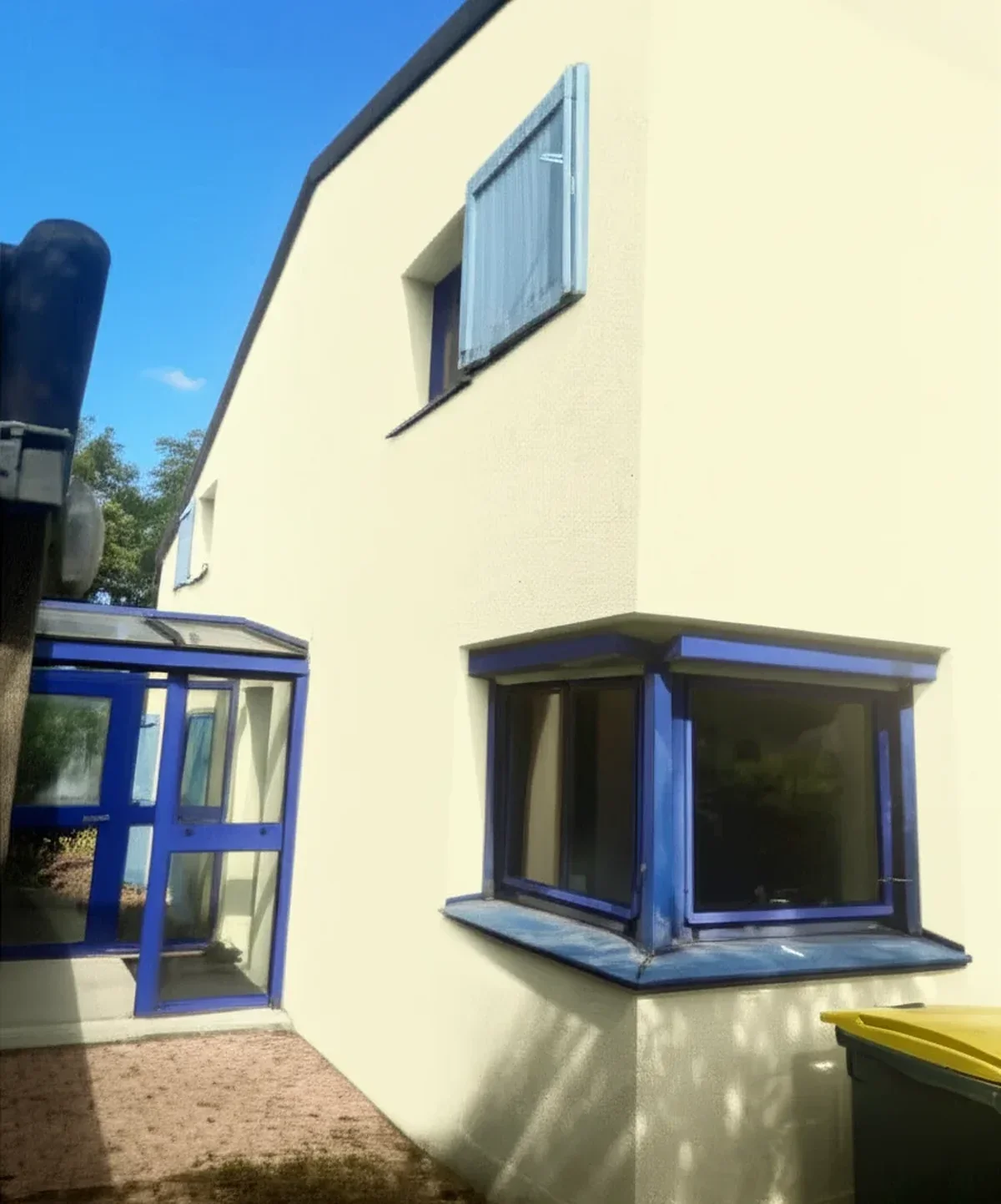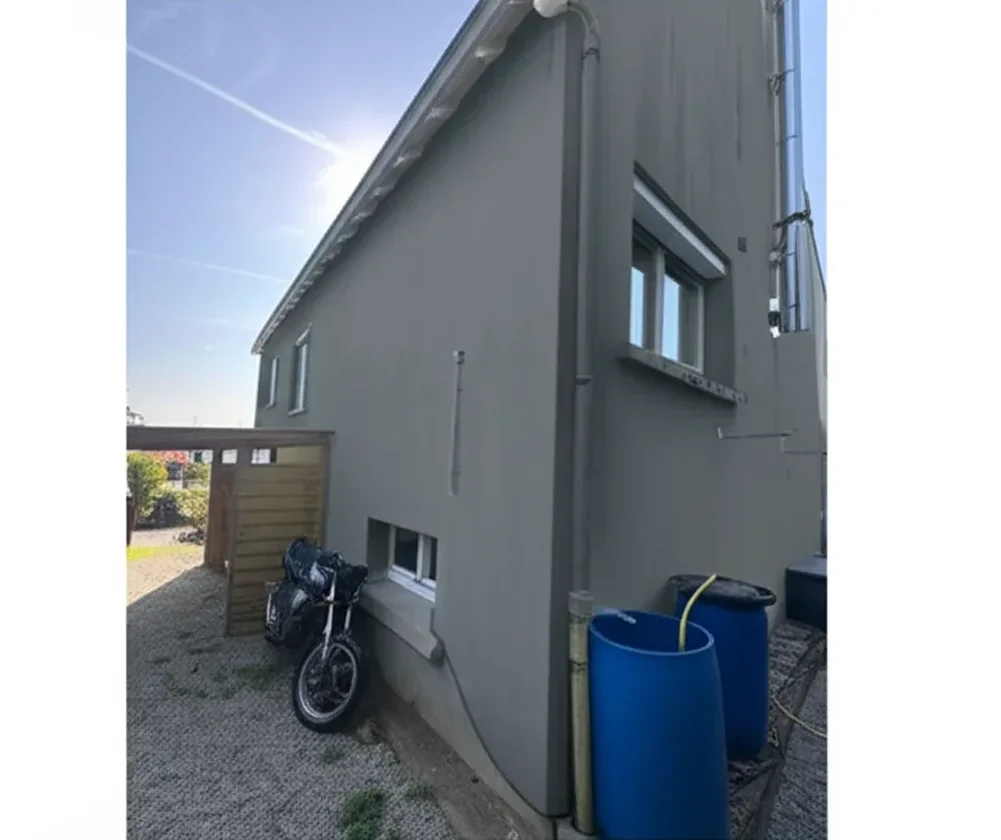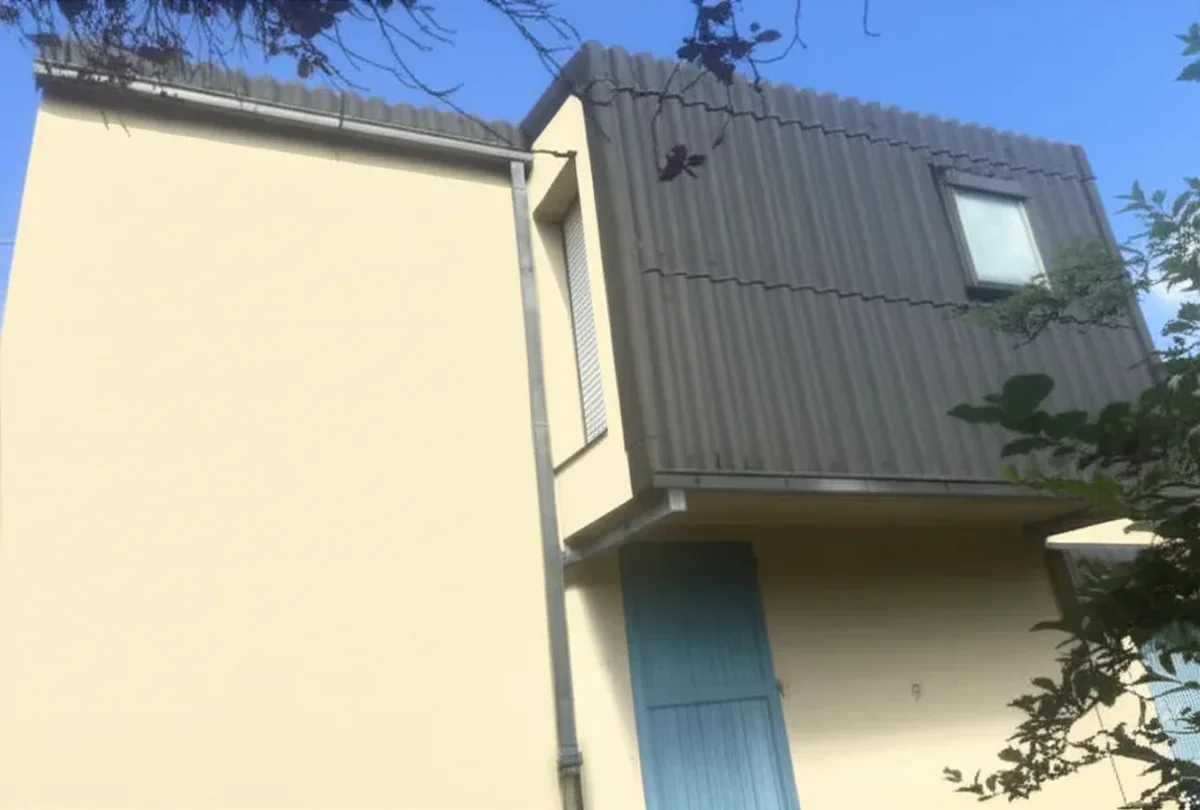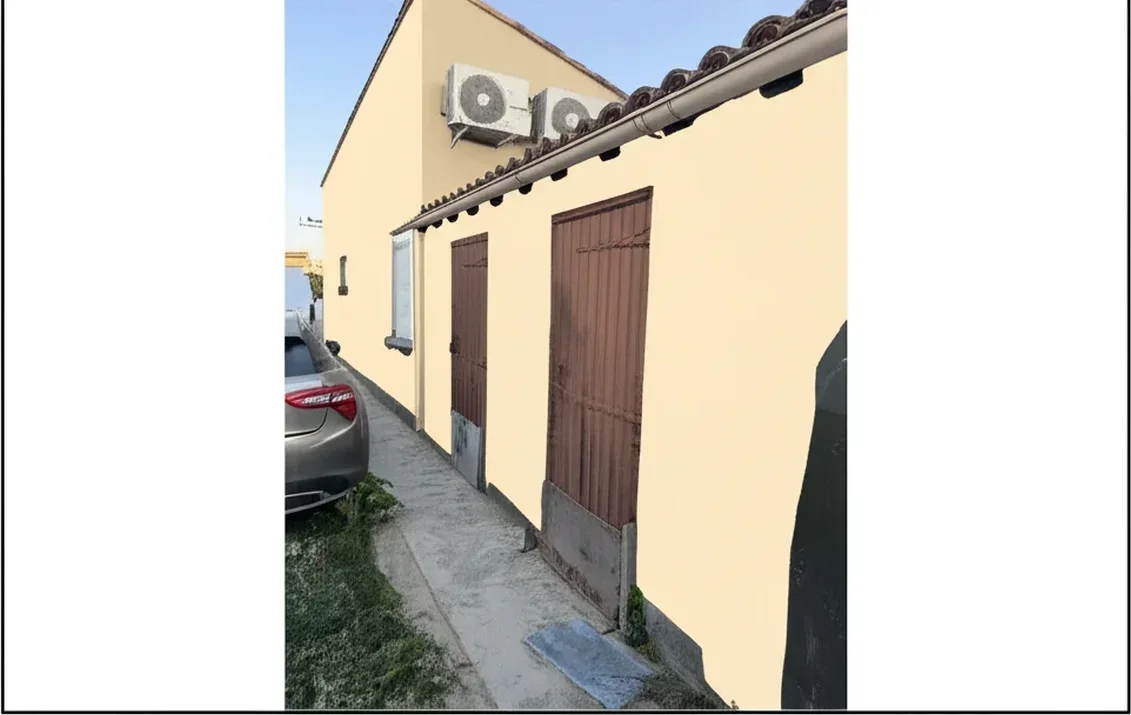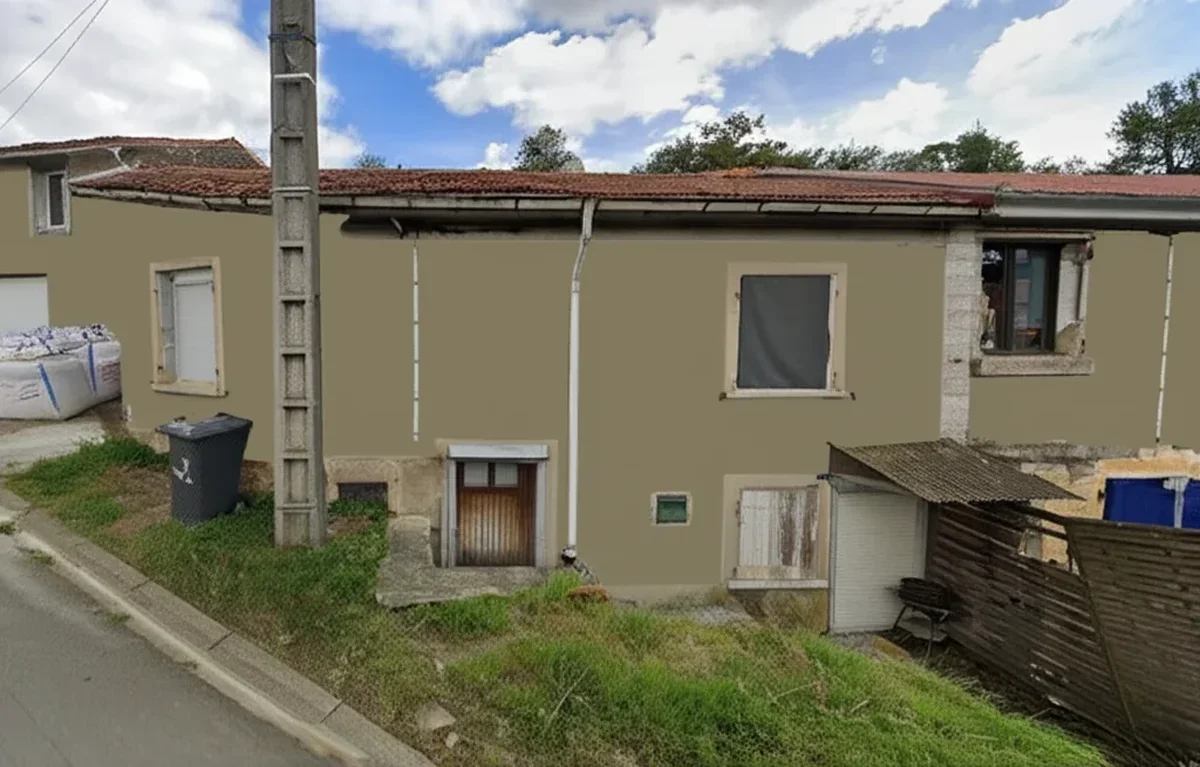
Try it on your house

Quick answer: The 5 best green exterior paint colors for 2026: (1) Sherwin-Williams Evergreen Fog SW 9130 (sage, LRV 30), (2) Behr Hidden Gem 2026 Color of the Year (smoky jade), (3) Sherwin-Williams Pewter Green SW 6208 (deep forest, LRV 12), (4) Sherwin-Williams Rosemary SW 6187 (olive, LRV 12), (5) Sherwin-Williams Sea Salt SW 6204 (soft green, LRV 63). Test any of these free on your house photo with AI in 30 seconds, no signup.
I am Hugo Dumoulin, and I review exterior color choices full time. Green is the breakout exterior family of 2026, but the word covers a huge range: a soft greige-sage on the body reads almost neutral, while a blackened forest green on the shutters reads like a deep accent. The difference comes down to two numbers most catalog pages hide from you: the undertone (gray, yellow, blue or olive) and the LRV (Light Reflectance Value, 0 = black, 100 = white). This guide lists 15 green exterior paint colors grouped by undertone, each with its LRV and a recommended placement (siding, trim, shutters or door).
This is the technical, shade-by-shade companion to our color hub. If you want whole-house green inspiration, lifestyle palettes and the broader 2026 trend angle, read the sibling guide on green house paint colors for 2026. Here we stay strictly on exterior shades and where to put them. Want to skip the swatches entirely? Preview any green on YOUR house in 30 seconds with FacadeColorizer (free, no signup).
How to Read This List: LRV and Undertone First
Before the shades, two rules that decide whether a green works on your facade:
- LRV for body color: For full-body siding, aim for an LRV of 25 to 55. Below 20 reads very dark and absorbs heat; above 60 starts to look pale and washed in full sun. Keep deep forest greens (LRV under 15) for shutters, trim accents and front doors.
- Undertone vs your fixed elements: Roof, brick and stone do not change. A yellow-leaning olive fights a cool gray roof; a gray-leaning sage like Evergreen Fog plays nicely with almost any roof. Always check undertone against the surfaces you are keeping.
One more thing that catches people out: greens shift more between samples and full walls than almost any other family. A 2-inch chip looks muted, but 1,500 square feet of the same color amplifies the undertone and reads two to three steps more saturated in direct sun. That is the single biggest reason homeowners regret a green facade, and it is why I push everyone to view the color at scale, either on a large peel-and-stick sample or digitally on their own photo, before buying paint. The four families below cover the full exterior range from near-neutral to near-black.
Sage Greens (Gray-Green, Soft & HOA-Friendly)
Sage is the safest green for a full siding body. The gray base keeps it muted, so it reads sophisticated rather than loud and clears most HOA palettes. These mid-LRV shades are the most popular exterior greens I see in 2026.
| Color | Code | LRV | Undertone | Best Placement |
|---|---|---|---|---|
| SW Evergreen Fog | SW 9130 | 30 | Gray-green, slight earthy warmth | Body siding, board-and-batten |
| SW Sage | SW 7745 | 35 | Soft gray-green, neutral | Body siding, shutters |
| Behr Hidden Gem (2026 COTY) | N430-6A | 24 | Smoky jade, blue-green | Body, front door, accent |
| SW Acacia Haze | SW 9132 | 25 | Gray-green, muted | Body siding, garage |
| BM Saybrook Sage | HC-114 | 31 | Warm gray-green | Body siding, shingles |
Try it on your house
No photo? Try a sample
Evergreen Fog SW 9130 is the one I recommend most for a full repaint: at LRV 30 it holds up in shade and bright sun without flattening, and its slight gray keeps the green honest. It was Sherwin-Williams Color of the Year 2022 and has only grown on exteriors since. Sage SW 7745 sits a touch lighter and softer, ideal if your lot is heavily shaded and you want the green to still register. Acacia Haze SW 9132 and Saybrook Sage HC-114 are the more muted, almost-greige options for owners who want a hint of green rather than a commitment.
Behr Hidden Gem, the 2026 Color of the Year, leans a touch bluer than the SW sages and works as both a body and a front-door color, which is why it has been one of the most popular greens on our tool this spring. For a deeper dive on sage specifically, including coordinating trims and roof matching, see our sage green exterior paint guide, and for the Color of the Year itself, our Behr Hidden Gem 2026 visualizer breakdown. If you would rather see these shades scored against each other, our editors ranked them in our best exterior green paint colors ranked top 10.
Olive Greens (Yellow-Green, Earthy & Warm)
Olive greens carry a yellow base, which makes them feel earthy and grounded. They pair beautifully with natural wood, copper and warm stone, but be careful next to cool gray roofs where the yellow can clash.
| Color | Code | LRV | Undertone | Best Placement |
|---|---|---|---|---|
| SW Rosemary | SW 6187 | 12 | Deep olive, gray-yellow | Shutters, door, accent body |
| SW Dried Thyme | SW 6186 | 19 | Khaki-olive, warm gray | Body siding, shutters |
| BM Tate Olive | HC-112 | 21 | Warm olive, yellow base | Body siding, trim accent |
| SW Artichoke | SW 6179 | 15 | Mid olive, balanced | Body siding, garage door |
Rosemary SW 6187 at LRV 12 is a chameleon: olive in sun, near-charcoal at dusk. It is one of my favorite shutter and front-door greens because it adds depth without going fully black. For a softer full-body olive, Dried Thyme SW 6186 (LRV 19) reads almost like a warm khaki neutral and behaves well on most siding, even on north-facing walls where greens tend to gray out. Tate Olive HC-112 is the warmest of the group and looks especially good on cedar shingle and Craftsman bodies paired with cream trim and copper gutters.
A caution with olives: the yellow base that makes them feel natural also makes them the most likely greens to clash with cool surfaces. If your roof, stone or paver hardscape leans blue-gray, sample an olive against it before you commit, or shift to a gray-green sage instead. Olive greens reward warm fixed elements (red brick, sandstone, wood) and punish cool ones.
Forest & Deep Greens (Low LRV, High Drama)
Forest greens are the statement family. At an LRV in the low teens they read rich and almost black in low light, which is exactly why they shine on shutters, front doors and as a full-body color on Craftsman, Tudor and modern farmhouse homes with crisp white trim. Because dark colors absorb heat, use a quality acrylic rated for UV and fade resistance.
| Color | Code | LRV | Undertone | Best Placement |
|---|---|---|---|---|
| SW Pewter Green | SW 6208 | 12 | Deep gray-green | Body siding, door, shutters |
| SW Hunt Club | SW 6468 | 9 | Rich forest, slight blue | Shutters, front door |
| BM Essex Green | HC-188 | 6 | Blackened hunter green | Shutters, door, sash |
| SW Rookwood Dark Green | SW 2816 | 8 | Historic deep green | Body siding, door |
Pewter Green SW 6208 is the most versatile of the deep greens: it works as a full body on a smaller home and as a door or shutter color on a neutral house, and its gray base keeps it from going too saturated at scale. Hunt Club SW 6468 and Essex Green HC-188 are period-correct on Colonial and Tudor shutters, with Essex Green being the closest thing to the classic blackened hunter green of historic New England homes. Rookwood Dark Green SW 2816 comes from the Sherwin-Williams historic collection and suits Victorian and Arts-and-Crafts bodies where a slightly warmer, earthier deep green is wanted.
Practical durability note for the deep greens: with an LRV under 15 these colors absorb noticeably more solar heat, which raises surface temperature on the sunny side of the house and can accelerate fade on lower-grade paints. Specify a top-tier 100% acrylic exterior line rated for UV and fade resistance, plan on a full two-coat system over primer, and on a south or west elevation expect to refresh a deep green a few years sooner than you would a mid-LRV sage. If you are weighing a deep green against a charcoal or near-black, our gray exterior paint colors guide and our dark exterior color pros and cons are useful side reads.
Soft & Coastal Greens (High LRV, Airy)
These pale greens hover on the line between green and neutral. They keep a facade light and airy, work well in hot, bright climates where deeper colors fade faster, and pair effortlessly with white trim.
| Color | Code | LRV | Undertone | Best Placement |
|---|---|---|---|---|
| SW Sea Salt | SW 6204 | 63 | Soft green, blue-gray base | Body siding, porch ceiling |
| SW Softened Green | SW 6177 | 49 | Muted celadon, gray base | Body siding, trim |
Sea Salt SW 6204 reads green, blue or gray depending on light, which makes it a forgiving body color for a coastal or cottage look. At LRV 63 it stays light without going stark white. Softened Green SW 6177 is the muted celadon option, a little more clearly green than Sea Salt and lovely on a porch ceiling or a pale cottage body. For full whole-house cottage and coastal palettes built around shades like this, see our outside house color ideas for 2026.
Best Green by Architectural Style
Green is not one-size-fits-all across house styles. Matching the depth and undertone to the architecture is what makes a green facade look intentional rather than experimental:
| Style | Body Green | Trim | Accent / Door |
|---|---|---|---|
| Craftsman | SW Rosemary (olive) | SW Alabaster | Natural wood / black |
| Modern Farmhouse | SW Evergreen Fog (sage) | SW Pure White | Black metal hardware |
| Colonial / Tudor | Neutral or white body | BM White Dove | BM Essex Green shutters |
| Cottage / Coastal | SW Sea Salt (soft green) | SW Pure White | SW Pewter Green door |
| Contemporary | SW Pewter Green (forest) | SW Alabaster | Warm wood entry |
Craftsman and bungalow homes carry earthy olives best, because the style was born alongside nature-toned palettes. Modern farmhouse pairs cleanest with a gray-green sage and crisp white trim. Colonial and Tudor homes traditionally keep a neutral body and reserve the green for shutters, sash and the door, where a blackened Essex Green is the period choice. Pick the depth to fit the architecture, then test it. For whole-house green inspiration and lifestyle palettes that go beyond exterior placement, the sibling guide on green house paint colors for 2026 covers the trend angle in depth.
What Trim Color Goes with Green Siding?
The trim makes or breaks a green exterior. Three reliable pairings:
- Warm white trim (SW Alabaster SW 7008, BM White Dove OC-17) softens sage and olive bodies and avoids the cold contrast a stark white creates against warm green.
- Crisp white trim (SW Pure White SW 7005, BM Chantilly Lace OC-65) sharpens deep forest greens like Pewter Green and Essex Green for a classic, high-contrast look.
- Natural wood or black accents on the door, porch posts and hardware ground sage and olive greens in a modern, nature-forward palette. The black-door version is the one homeowners request most, and our guide to sage siding with white trim and a black door pins SW and BM codes to five working combinations of it.
A simple rule: use a body green (60%), a white or off-white trim (30%) and a single accent on the door (10%). To experiment with exact pairings on your own facade rather than guessing from swatches, use the Sherwin-Williams color visualizer to test SW codes directly on your photo.
Does a Green Exterior Increase Home Value?
Yes, when the green is muted. Sage and gray-green bodies with white trim signal an updated, well-maintained home and are increasingly popular in suburban resale markets, especially on Craftsman and Ranch styles. The risk is saturation: a bright lime or kelly green body can shrink your buyer pool, so save vivid greens for the front door. Deep forest greens read as upscale and timeless on shutters and doors. As with any exterior color, the highest-ROI move is testing before you commit, since fresh exterior paint returns 60 to 100% at resale and a regretted color costs far more to redo.
If your home has an HOA, get your green pre-approved before you buy paint. Many boards favor muted bodies and will pass a sage or gray-green without issue, while a saturated forest or olive body can trigger a rejection. Submitting a rendered preview of the exact shade on your own facade tends to clear approvals faster than a paper chip, because the board can see precisely how the color reads at scale rather than guessing. The same preview is the simplest way to bring a hesitant partner or contractor on board before the project starts.
Preview These Greens on Your Home – Free
An LRV number tells you a lot, but nothing beats seeing the actual shade on your actual house, with your roof, brick and landscaping in frame. FacadeColorizer lets you upload one photo and apply any of these green exterior shades to your siding, trim, shutters and front door in seconds. Compare sage against forest, swap the trim from warm white to crisp white, and share the result with your contractor or HOA before buying a single can. It is 100% free, no signup, and works on phone or desktop. Preview these green colors on YOUR house, free.
Frequently asked questions
What are the best green exterior paint colors for 2026?
What is the most popular green exterior color for a house body?
What LRV should a green exterior body color have?
What trim color goes with green siding?
What is the difference between sage, olive and forest green for exteriors?
Is Behr Hidden Gem a good exterior green for 2026?
Does a green exterior increase home value?
Can I preview green exterior paint colors on my house before painting?
Trademarks mentioned (Sherwin-Williams, Benjamin Moore, Behr, Caparol, Brillux, Sto, Alpina, Valspar, PPG, Glidden, Dulux, Crown Trade, Sandtex, Farrow & Ball, Johnstone's, Leyland) are property of their respective owners. FacadeColorizer is independent and not affiliated with any of them. Nominative fair use under Lanham Act §1125.