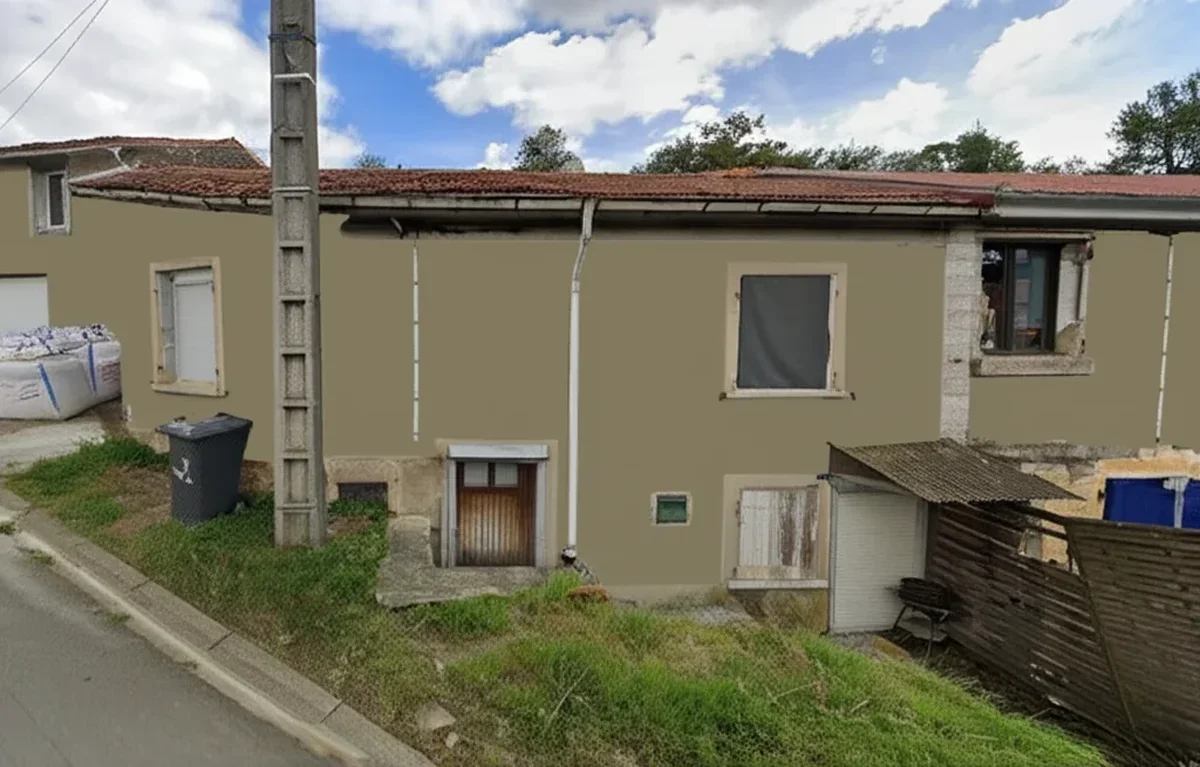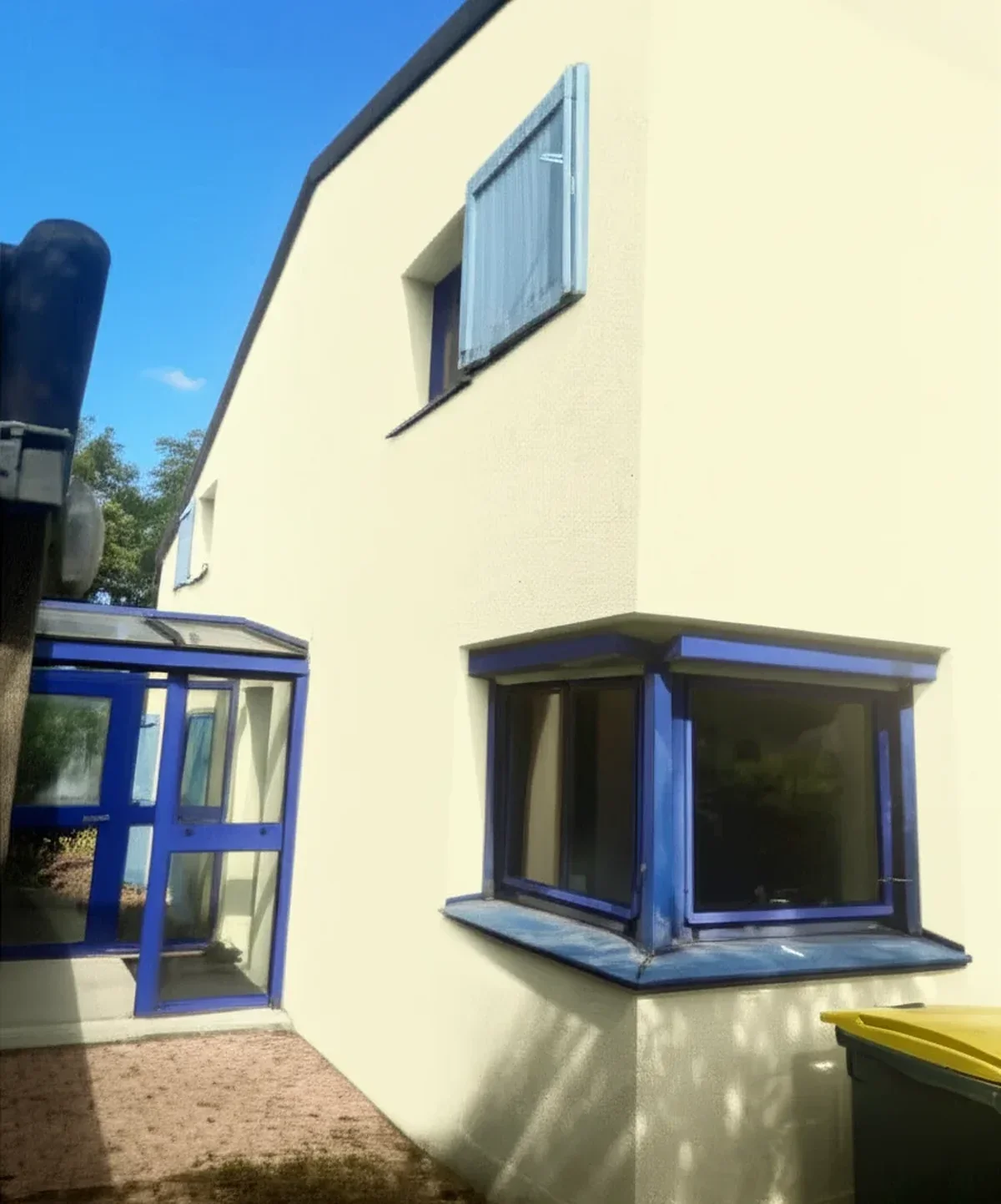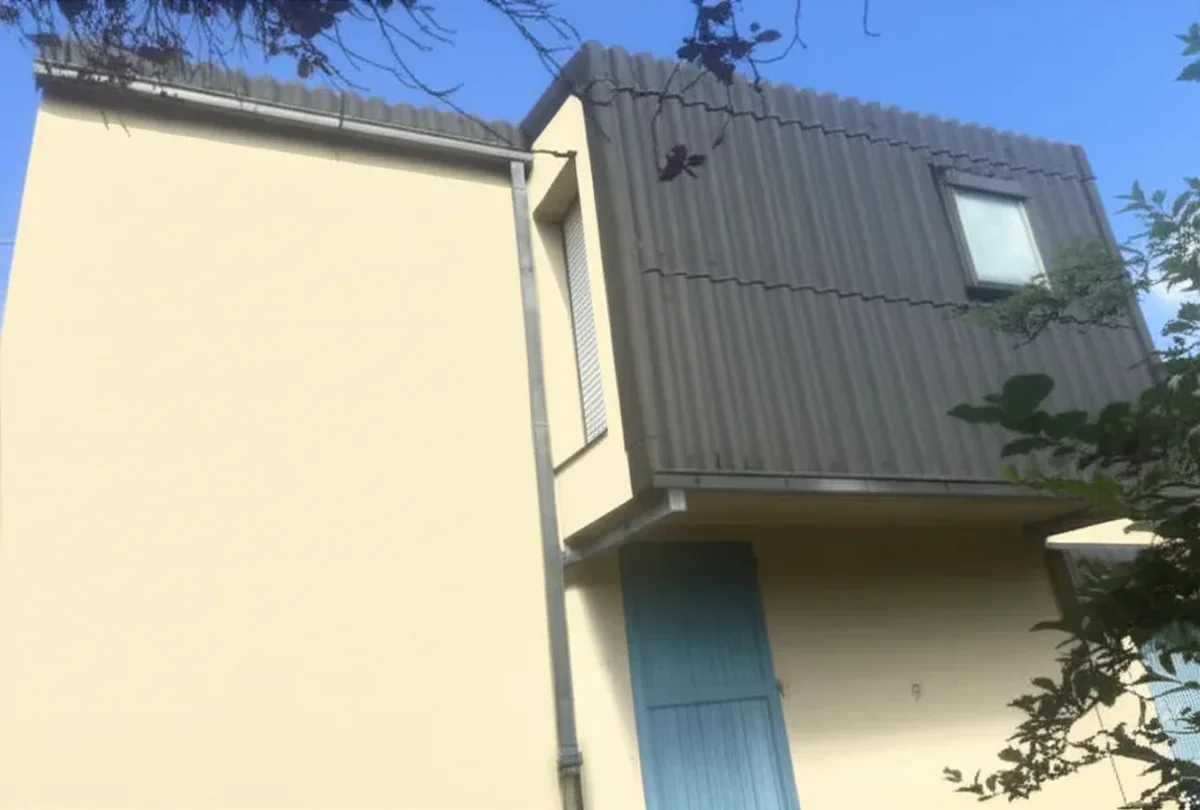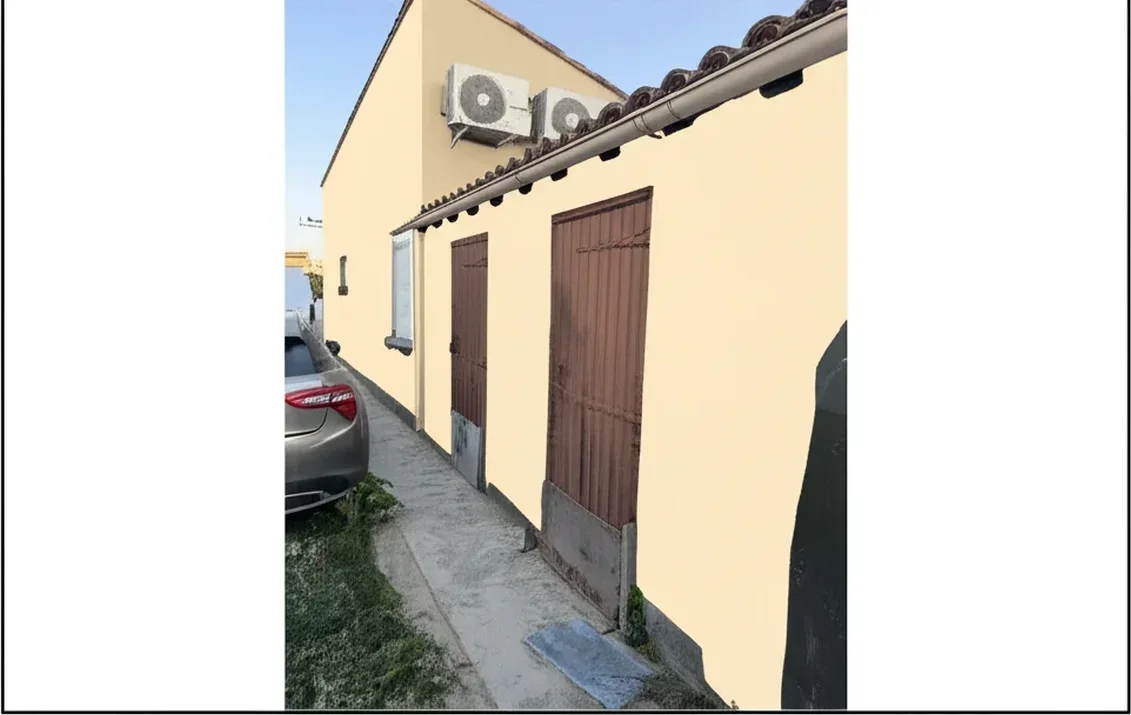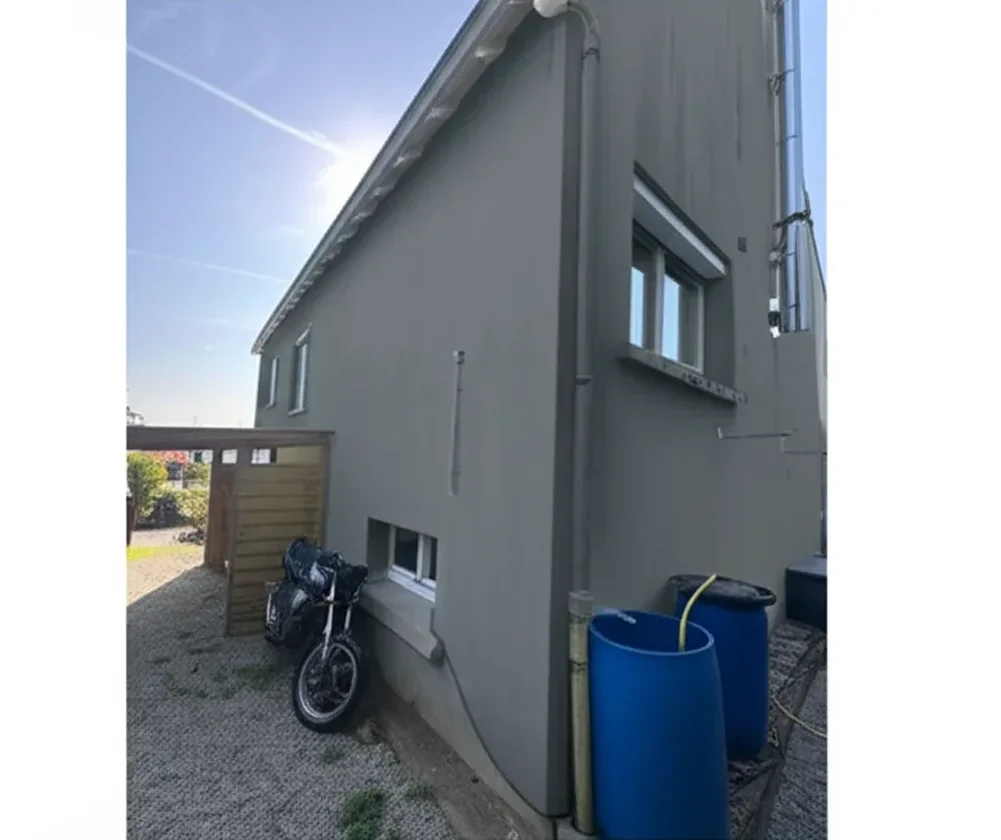
Try it on your house

Quick answer: Our top 5 best exterior green paint colors for 2026, ranked: (1) Behr Hidden Gem N430-6A (2026 Color of the Year), (2) Sherwin-Williams Evergreen Fog SW 9130, (3) Sherwin-Williams Pewter Green SW 6208, (4) Benjamin Moore October Mist 1495, (5) Sherwin-Williams Rosemary SW 6187. Each earned its spot on real curb-appeal performance, not just trend buzz. Preview any of them free on your own house photo in 30 seconds, no signup.
FacadeColorizer is a free AI exterior paint visualizer. There are hundreds of green paint colors on the rack at Home Depot and Sherwin-Williams, but only a handful actually look good on a whole house in real daylight. This is our opinionated, ranked top 10 for 2026: the greens our team would put on a client's home today, with a reason each one made the cut and the architectural style it flatters most.
This is the best-of list. If you want every option rather than our edit, we keep two companion guides: the full green shade catalog organized by undertone (15 shades with LRV) for reference, and our whole-house green guide if you are deciding whether to commit to green at all. This article does one thing they don't: it ranks.
How We Ranked These 10 Greens
A green that wins on an interior accent wall can look muddy or chalky across 1,800 sq ft of siding in full sun. Our ranking weighs four things, in order: how the shade holds up at exterior scale and distance, how forgiving it is across changing weather conditions and light, how broadly it flatters common US architectural styles, and how it tracks against 2026 designer and resale data. We deliberately favored versatile mid-tones over novelty shades, and we note honestly where a color is a narrower, specialist pick. Those tested-volume numbers shaped the ranking but did not dictate it. A color can be popular and still wrong for most homes, which is why our editorial weighting sits on top.
| Rank | Color | Code | LRV | Best House Style |
|---|---|---|---|---|
| 1 | Behr Hidden Gem | N430-6A | ~22 | Modern Farmhouse, Bungalow |
| 2 | SW Evergreen Fog | SW 9130 | 30 | Cottage, Transitional |
| 3 | SW Pewter Green | SW 6208 | 12 | Craftsman, Tudor |
| 4 | BM October Mist | 1495 | 46 | Cape Cod, Ranch |
| 5 | SW Rosemary | SW 6187 | 14 | Colonial, Craftsman |
| 6 | SW Sea Salt | SW 6204 | 63 | Coastal, Cottage |
| 7 | SW Dried Thyme | SW 6186 | 19 | Tudor, Spanish |
| 8 | BM Saybrook Sage | HC-114 | 36 | Shingle, Traditional |
| 9 | SW Cascades | SW 7623 | 9 | Modern, Contemporary |
| 10 | BM Aegean Olive | 1491 | 17 | Mediterranean, Cabin |
Try it on your house
No photo? Try a sample
1. Behr Hidden Gem N430-6A: The 2026 Color of the Year
Hidden Gem takes our top spot for one simple reason: it is the most current green you can paint right now, and it happens to be genuinely good outdoors. As Behr's 2026 Color of the Year, it is a smoky jade with just enough gray to read as a sophisticated neutral-green rather than a loud statement. At an LRV near 22 it has the body to anchor a whole facade without going flat. Closest BM equivalent: Stratton Blue HC-142 leans similar in undertone, though it skews a touch cooler. Why it ranks #1: it photographs and sells well, the timing is perfect for a 2026 refresh, and it is the rare trend color that does not feel like it will date. Undertones: cool, with a smoky gray base that mellows the green. Best trim pairing: Behr Polar Bear (75) or BM White Dove OC-17. Best on: Modern Farmhouse and 1920s Bungalow exteriors with black metal hardware and warm cedar accents. Watch out for: on a cool, overcast climate like the Pacific Northwest the gray can dominate and pull the green almost to a dirty teal, so the swatch must be tested in your own light.
Because it is the year's headline shade, we built a dedicated tool for it. Try the Behr Hidden Gem 2026 visualizer to see exactly how it behaves on your siding, trim, and front door before you buy a single sample pot.
2. Sherwin-Williams Evergreen Fog SW 9130: The Safe Bet
If Hidden Gem is the trend pick, Evergreen Fog is the can't-miss pick. This muted green-gray was Sherwin-Williams' 2022 Color of the Year and has only grown more requested since, which is exactly why it ranks so high: it has crossed from trendy into a modern classic. On an exterior it reads as a calm sage gray that shifts gracefully from green in morning sun to nearly stone-gray under thick cloud. The first time I previewed it against red brick, the green came forward at noon and then quietly pulled back into the brick's warmth by 5 p.m., which is exactly the kind of behavior you want on a facade. Official page: see the manufacturer's Evergreen Fog SW 9130 color page for the official chip. Closest BM equivalent: October Mist 1495, though Evergreen Fog reads cooler and more gray. LRV: 30. Undertones: cool gray-green, slight blue cast in shade. Best trim pairing: SW Alabaster (SW 7008) or BM Simply White OC-117. Best on: Cottage and Transitional homes paired with creamy white trim and natural stone. Watch out for: in dry desert light it can flatten into a chalky gray with the green almost lost, so it is much stronger east of the Mississippi than in Arizona or Nevada.
3. Sherwin-Williams Pewter Green SW 6208: The Moody Front-Runner
Pewter Green is the deep, cool green that designers reach for when a client wants drama without going full black. It is dark enough to make crisp white trim and brass lighting pop, but it stays unmistakably green rather than reading as charcoal. In our visualizer it consistently leads green-shade volume at roughly 23% of all green previews, and I understand why: it photographs beautifully, hides weathering, and signals taste without trying too hard. Why it ranks #3: it is the single most flattering deep green on traditional architecture, and it hides dirt and weathering far better than light shades. Closest BM equivalent: Tarrytown Green HC-134 lands close, though Pewter Green is slightly grayer. LRV: 12. Undertones: cool, gray-green with the faintest blue pull at dusk. Best trim pairing: SW Pure White (SW 7005) and unlacquered brass hardware. Best on: Craftsman and Tudor homes with stained wood doors. Watch out for: on a small, shaded lot it can feel heavy and close in, so test it on your own elevation first.
4. Benjamin Moore October Mist 1495: The Soft Sage Standard
October Mist was Benjamin Moore's 2022 Color of the Year and remains the reference point for soft, warm sage. At an LRV of 46 it is noticeably brighter and warmer than Evergreen Fog, which makes it ideal for homeowners who want green to whisper rather than shout. The undertone is the giveaway: hold a chip of October Mist next to Evergreen Fog and the BM color reads almost yellow, with a quiet warmth that flatters older homes with cream or beige hardscape. Why it ranks #4: it is the most universally liked light sage, and it keeps a sunny facade feeling fresh instead of washed out. Official page: see the manufacturer's BM October Mist 1495 color page for the spec sheet. Closest SW equivalent: SW Svelte Sage SW 6164 is the nearest match, slightly more saturated. Undertones: warm sage with a yellow-gray base. Best trim pairing: BM Chantilly Lace OC-65 or White Dove OC-17. Best on: Cape Cod and single-story Ranch homes with white or cream trim. Watch out for: on north-facing walls it can drift toward a chalky beige and lose its green identity entirely, so confirm orientation before committing. For a deeper comparison of the whole sage family, see our sage green exterior paint guide.
5. Sherwin-Williams Rosemary SW 6187: The True-Green Classic
Rosemary is what most people picture when they imagine a green house: a rich, slightly herbal green that is more green-forward than the gray-leaning shades above it. Why it ranks #5: it is the most authentic period-correct green for historic homes, and it has aged into a dependable favorite rather than a fad. Closest BM equivalent: Hunter Green 2041-10 is the nearest, though Rosemary stays softer and less saturated. LRV: 14. Undertones: warm, green-forward with a subtle olive hint. Best trim pairing: SW Extra White SW 7006 with a satin-black front door. Best on: Colonial and Craftsman exteriors with bright white trim and a black or natural-wood door. Watch out for: on stucco it can pick up a slightly chalky finish that mutes the green, so it is most striking on lap siding or board-and-batten. It is a touch more committed than Evergreen Fog, which is why it slots just below the safer bets, but for the right home it is unbeatable.
6. Sherwin-Williams Sea Salt SW 6204: The Light, Airy Pick
Sea Salt is the brightest green on our list and the most coastal. It barely reads as green from the curb, more of a soft green-blue whisper, which is exactly its appeal in bright, sunny climates where darker greens can feel oppressive. The first time I tested it on a Florida bungalow, the wall looked almost white at noon and then turned a faint sea-foam by golden hour, which is the kind of light-driven shift that makes coastal homes feel alive. Why it ranks #6: it is the best green for keeping a beach or lake home feeling light, but its very lightness limits its drama, which is why it sits mid-pack. Closest BM equivalent: Healing Aloe 1562 is very close, slightly cooler. LRV: 63. Undertones: cool, green-blue with a hint of gray. Best trim pairing: SW Pure White SW 7005 and weathered cedar shingles. Best on: Coastal and Cottage homes with white trim and weathered-wood or shingle accents. Watch out for: at high LRV it shows dirt and pollen fast, so it is not the easiest pick for homes under heavy tree cover.
7. Sherwin-Williams Dried Thyme SW 6186: The Earthy Olive
Dried Thyme brings khaki and gray undertones into the olive family, giving it a warm, grounded feel that pairs beautifully with natural wood and stone. Why it ranks #7: it is the most flattering olive for homes set against heavy landscaping, where a true green would disappear into the trees. Closest BM equivalent: Vintage Vogue 462 is close, though slightly darker and more saturated. LRV: 19. Undertones: warm olive-khaki with a gray base. Best trim pairing: BM Navajo White OC-95 with terracotta or copper accents. Best on: Tudor and Spanish-influenced exteriors with terracotta or clay roofs. Watch out for: in flat northern light it can pull muddy and almost military-khaki, so it really wants warm southern sun to sing. It is a specialist's color, gorgeous in the right setting and muddy in the wrong light, so it ranks below the more universal mid-tones.
8. Benjamin Moore Saybrook Sage HC-114: The Historic Gray-Green
A member of Benjamin Moore's Historical Color collection, Saybrook Sage is a true gray-green with timeless, almost colonial restraint. Why it ranks #8: it is one of the most HOA-friendly greens you can choose, muted enough to satisfy a conservative board, distinctive enough to stand out from beige neighbors. Official page: see BM Saybrook Sage HC-114 on benjaminmoore.com for the historical-collection chip. Closest SW equivalent: SW Acacia Haze SW 9132 is the nearest, with slightly more depth. LRV: 36. Undertones: cool gray-green, evenly balanced. Best trim pairing: BM Decorator's White OC-149 and oil-rubbed bronze. Best on: Shingle-style and Traditional homes with white trim. Watch out for: the chip is famously deceptive, since the color reads noticeably greener on a wall than on a fan-deck, so do not skip a large-format swatch. It loses a little ground to Evergreen Fog and October Mist only because those two have stronger national recognition.
9. Sherwin-Williams Cascades SW 7623: The Statement Deep Green
Cascades is a deep, rich blue-green for homeowners who genuinely want to make a statement. Why it ranks #9: it is the most dramatic green we would actually recommend, but its low LRV and cool cast make it polarizing and harder to pull off, so it is not a safe default. Closest BM equivalent: Salamander 2050-10, though Salamander leans even darker. LRV: 9. Undertones: cool blue-green, near teal in late afternoon. Best trim pairing: SW Snowbound SW 7004 with matte black hardware and warm cedar door. Best on: Modern and Contemporary homes with flat rooflines, where a near-black green looks intentional and architectural. Watch out for: on a small one-story ranch it can read closed-off and visually shrink the home, so it really belongs on taller, two-story facades with strong sightlines.
10. Benjamin Moore Aegean Olive 1491: The Warm Wildcard
Aegean Olive rounds out our top 10 as the warm, brown-green wildcard, an earth-tone lover's dream that leans almost into a sun-baked moss. Why it ranks #10: it is the most niche pick on the list, rewarding only in warm, rustic settings, but when it lands it is unforgettable. According to Benjamin Moore's official Aegean Olive 1491 page, the color is part of their Classics palette. Closest SW equivalent: SW Garden Gate SW 6167 lands close, slightly cooler. LRV: 17. Undertones: warm brown-olive with a dusty mossy base. Best trim pairing: BM Linen White 912 and unfinished cedar trim. Best on: Mediterranean villas and mountain cabins with stone and timber. Watch out for: on cool gray-toned hardscape it can clash and read almost yellow-army-green, so it is not the right pick for a contemporary home with concrete drives or bluestone patios. We include it because no honest best-green list should be all safe gray-greens. Sometimes the right answer is a warm olive that feels rooted to its landscape.
Side-By-Side: How To Pick Between Two Greens That Look Almost Identical
The hardest part of choosing a green is not finding one you love. It is figuring out which of three very similar greens is right. Below are the three closest-twin comparisons in our top 10, with the small differences that decide which way to go on your house.
Evergreen Fog SW 9130 vs October Mist BM 1495. Both are soft sages, but Evergreen Fog runs cooler and grayer (LRV 30) while October Mist sits brighter and warmer (LRV 46). On a north-facing facade the cooler Evergreen Fog will hold its green identity. On a south-facing wall in full sun, October Mist's warmth keeps it from going chalky. If your trim is bright white, lean Evergreen Fog. If your trim is creamy or your hardscape is warm beige, lean October Mist. Whichever sage wins, the door is the third decision that finishes the scheme, and our five tested sage, white trim and black door trios put SW and BM codes on the version homeowners ask for most.
Pewter Green SW 6208 vs Cascades SW 7623. Both are deep greens, but Pewter Green (LRV 12) reads as a near-black gray-green, while Cascades (LRV 9) carries a real blue undertone and edges toward teal in late light. Pewter Green is the safer choice for traditional homes. Cascades is the modern, slightly riskier pick that needs flat rooflines and clean white trim to feel intentional rather than moody.
Rosemary SW 6187 vs Saybrook Sage HC-114. Both read as historic, but Rosemary is a true warm green and Saybrook Sage is a balanced gray-green. Choose Rosemary if you want the home to clearly read green from the curb. Choose Saybrook Sage if you want the home to read as a sophisticated neutral that happens to lean green. The HOA-friendliness ranking goes to Saybrook every time.
Best Green Exterior Paint Color By US Climate Region
Light is the single biggest variable nobody warns you about when picking exterior paint. The same green chip looks like three different colors in Seattle, Phoenix, and Charleston. Here is how our top 10 maps to US climate, based on simulations and pairings that performed best in our visualizer.
Pacific Northwest and Northeast (cool, often overcast). Stick with warmer greens that hold their identity under low gray light: October Mist, Rosemary, and Aegean Olive all keep their green character. Avoid the coolest blue-leaning shades like Cascades unless your home gets strong reflected light off water or pale stone, because Cascades can pull almost gunmetal in heavy cloud.
Southwest and high-desert (hot, very bright, low humidity). Bright sun bleaches midtone sages into chalk. Lean darker and slightly cooler: Pewter Green, Cascades, and Dried Thyme all hold up under the desert glare. Sage Mountain BM 1488 is another strong specialist option here. Avoid Sea Salt as a body color, it is so light it can read as a tinted off-white at noon.
Southeast and humid coastal (warm, bright, often hazy). Humidity softens edges and warms light, which flatters cooler grays. Evergreen Fog, Saybrook Sage, and Sea Salt all perform beautifully in Florida, Charleston, and the Gulf Coast. Hidden Gem is also a strong pick here once the late-afternoon humidity warms it slightly. Pair with crisp white trim to handle the bright sun.
Mountain West and high-altitude. Thin, blue-tinted light tends to cool every color it touches. Compensate with warmer greens: Aegean Olive and October Mist read truer here than they do at sea level. For a deeper how-to on regional pairing, our exterior house color combinations guide and exterior trim paint colors guide cover the matching neutrals shade by shade.
How To Test Your Top 3 Greens Without Wasting Money On Sample Pots
A traditional in-person sample test costs roughly $40 to $60 once you buy three sample pots, a tester board, and a sample brush, and you only see the color on a 12-inch board, not on your actual facade. The smarter sequence is to narrow your three favorites virtually first, then buy sample pots only for the one or two finalists you have already validated on a photo of your own house.
The order I recommend to homeowners: first, pick your top three greens from this ranking. Second, upload a clear, mid-afternoon photo of your home's facade into a free AI visualizer and preview all three side by side. Third, share the three rendered images with your spouse, contractor, and (if applicable) HOA board. Fourth, buy sample pots only for the surviving finalist. This sequence saves the average homeowner between $20 and $40 and roughly two weekends of indecision. For external context on the sample-test versus virtual-preview debate, Better Homes & Gardens and HGTV both run useful general primers on exterior color decisions.
Greens That Didn't Make Our Top 10
A ranked list is only honest if it admits what it left off. A few well-known greens were strong contenders we ultimately cut. Benjamin Moore Black Forest Green 2047-10 is a beautiful blackened green, but at that depth it behaves more like a near-black than a green and competes with our dark picks Pewter Green and Cascades, so it felt redundant. Sherwin-Williams Olympic Range SW 7750 is a gorgeous deep forest green, but it is so saturated that it reads as a true statement color on very few homes, closer to a niche front-door shade than a body color we would rank nationally. Benjamin Moore Sage Mountain 1488 is a refined earth-tone sage we genuinely love on stone-and-timber cabins, but its appeal narrows quickly outside that exact context. Benjamin Moore Creekside Green 1483 is a genuine chameleon that shifts between olive, sage, and gray, which we love, but that unpredictability is exactly why it is hard to recommend sight-unseen on a list meant to reduce risk.
The pattern behind every cut is the same one that drove the ranking: at exterior scale, in real daylight, versatile mid-tones beat dramatic specialists for most homeowners. That is also why this short-list stops at 10. If you want the wider field organized by undertone instead of opinion, our full green exterior catalog of 15 shades includes several of these honorable mentions with their LRV and undertone notes, and our Sherwin-Williams exterior paint guide covers SW-specific options in depth.
Which Green Wins for Resale Value?
If your priority is selling, lean toward the gray-leaning mid-tones near the top of our ranking: Evergreen Fog, October Mist, and Saybrook Sage read as "updated and well-maintained" to the widest buyer pool. Real estate data is consistent that soft, neutral-leaning sage with white or cream trim performs best on resale, while bold deep greens like Cascades narrow your audience and are safer reserved for the front door or a confident personal home. A dark green front door on a neutral body remains one of the highest-ROI accent moves you can make. For trim ideas to pair with any of these greens, see our Benjamin Moore Silhouette AF-655 exterior guide. For the broader resale picture across every color, our outside house color ideas for 2026 guide covers the full palette.
Preview Your Top 3 Greens on Your Home (Free)
A ranking is a starting point, not an answer. The same green can look completely different on stucco versus fiber-cement, on a north-facing wall versus full southern sun. The smart move is to pick your three favorites from this list and see them on your actual house before you commit to a $5,000+ project. FacadeColorizer lets you upload a photo and apply any of these greens, or thousands of other shades from Sherwin-Williams, Benjamin Moore, and Behr, in 30 seconds. Try the Sherwin-Williams color visualizer for SW-specific shades. It is 100% free, no signup, works on phone or desktop. Share the result with your contractor or HOA board to get buy-in before anyone opens a can.
All paint color names and codes (Sherwin-Williams, Benjamin Moore, Behr) are trademarks of their respective owners, referenced here for identification and comparison purposes only under 15 U.S.C. § 1125 (Lanham Act) nominative fair use. FacadeColorizer is not affiliated with, endorsed by, or sponsored by these manufacturers.
Frequently asked questions
What is the best exterior green paint color for 2026?
What is the most popular green house color right now?
Which green paint color is best for resale value?
What is the difference between Evergreen Fog and Pewter Green?
What is the best dark green exterior paint color?
What trim color goes best with a green exterior?
Can I preview these green paint colors on my own house?
How was this top 10 ranking decided?
Trademarks mentioned (Sherwin-Williams, Benjamin Moore, Behr, Caparol, Brillux, Sto, Alpina, Valspar, PPG, Glidden, Dulux, Crown Trade, Sandtex, Farrow & Ball, Johnstone's, Leyland) are property of their respective owners. FacadeColorizer is independent and not affiliated with any of them. Nominative fair use under Lanham Act §1125.