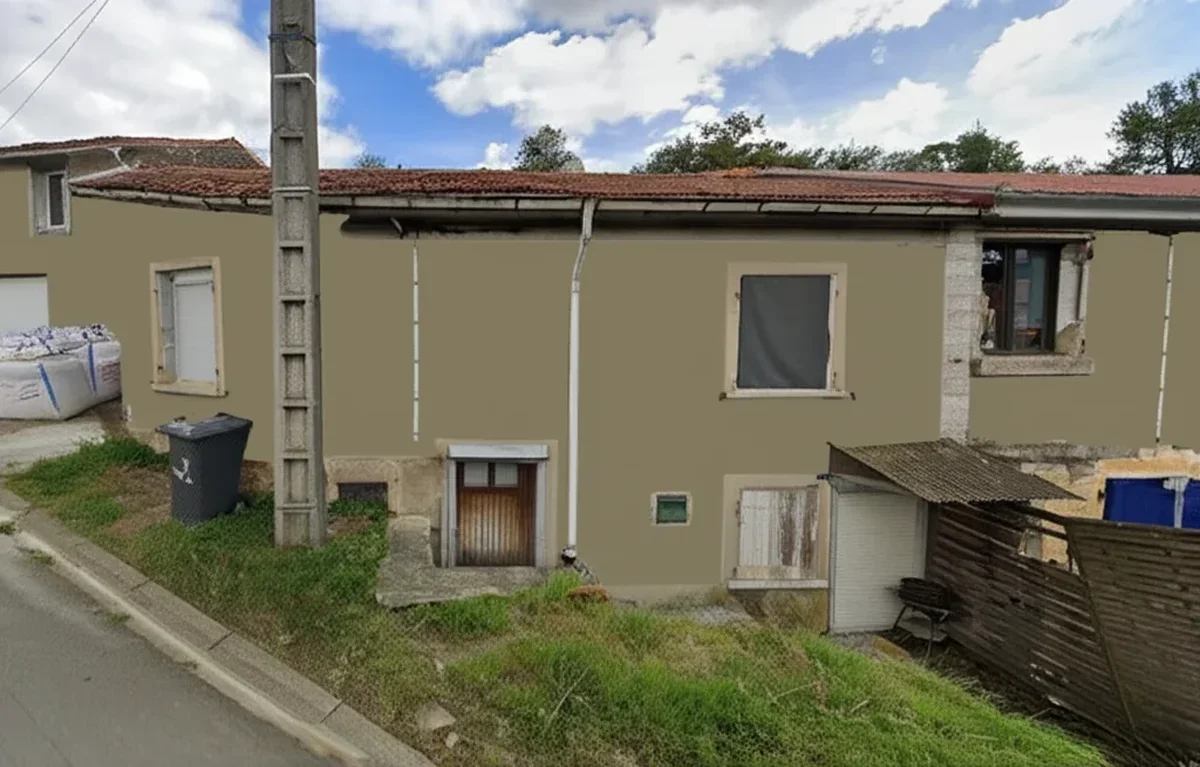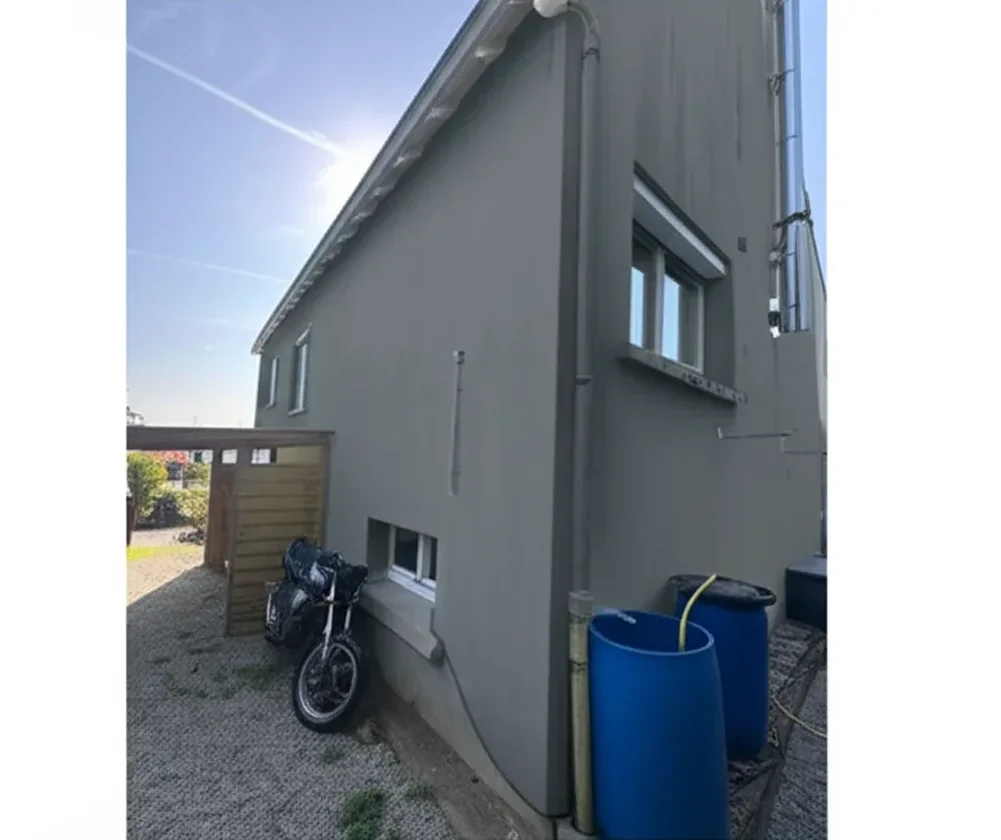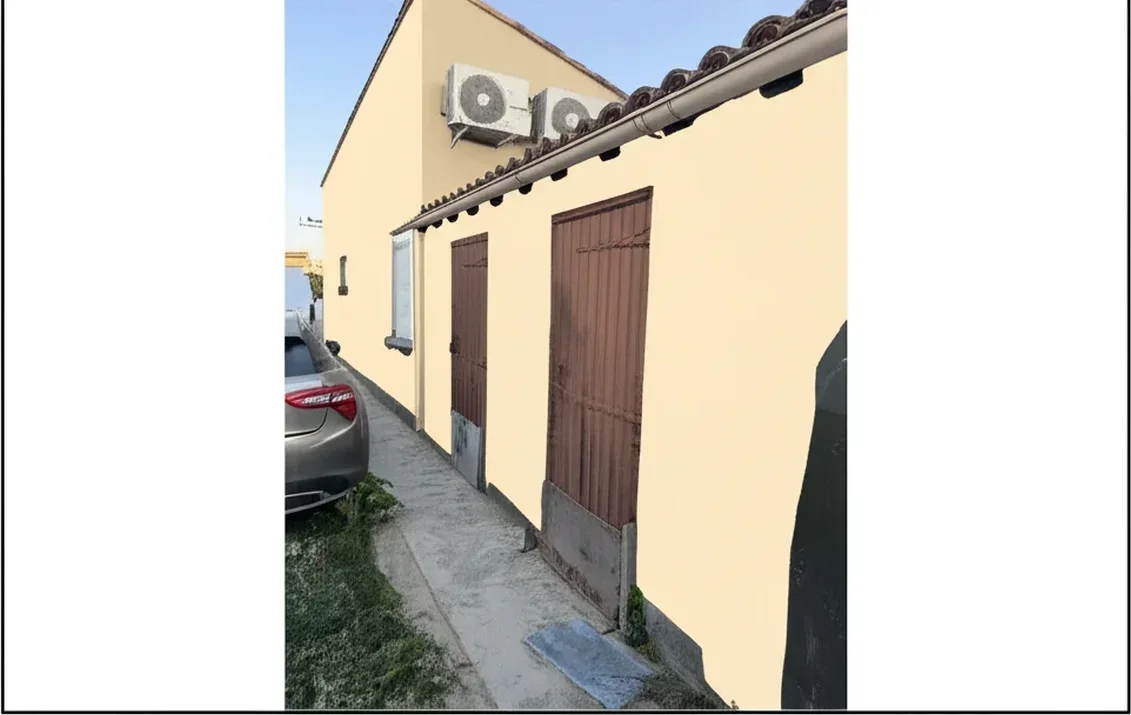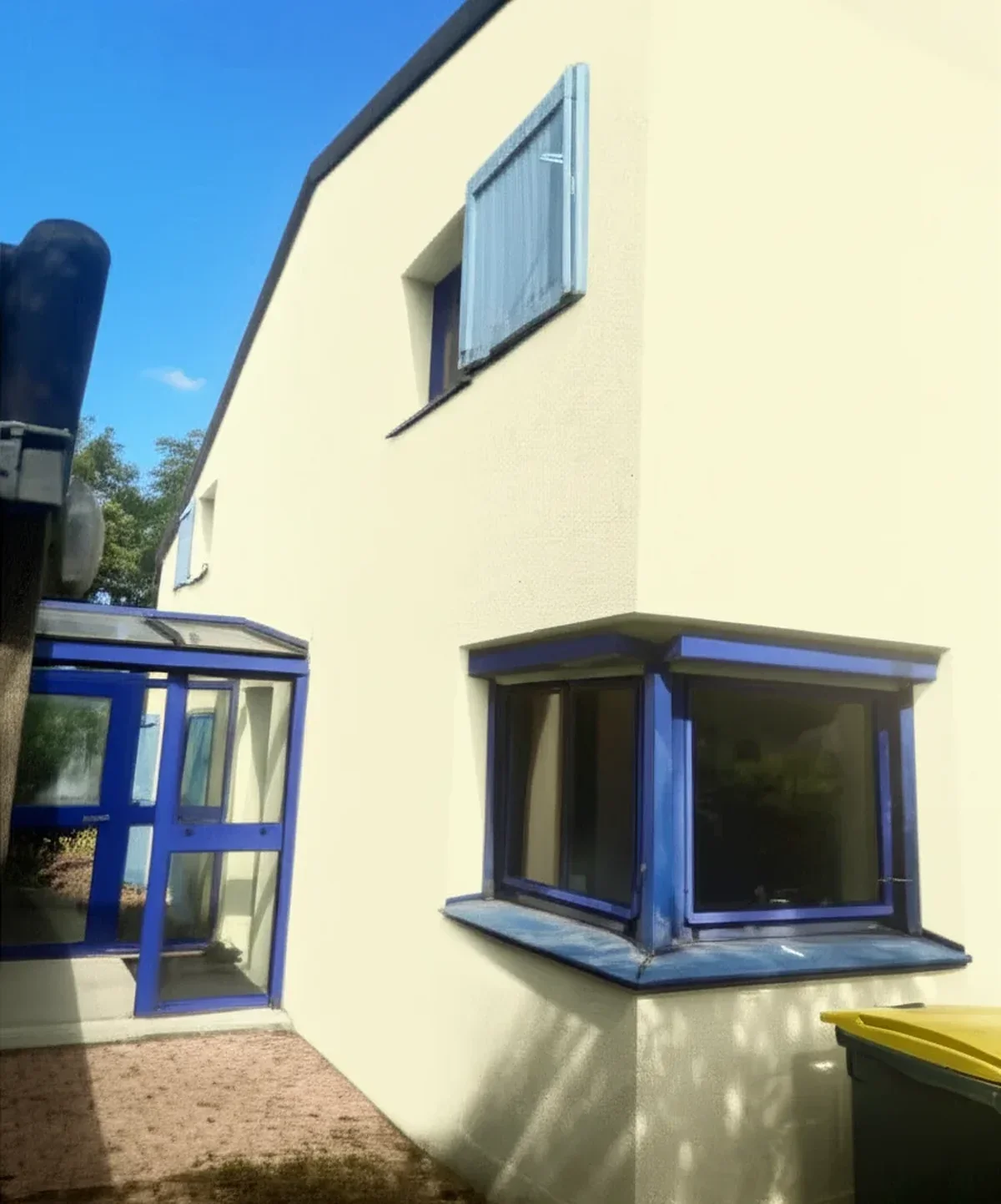
Try it on your house

Quick answer: The 5 best green house paint colors for 2026: (1) Behr Hidden Gem N430-6A (2026 Color of the Year, smoky jade), (2) Sherwin-Williams Evergreen Fog SW 9130 (gray-sage), (3) Sherwin-Williams Sage SW 7745 (classic sage), (4) Benjamin Moore October Mist 1495 (warm sage), (5) Benjamin Moore Saybrook Sage HC-114 (earthy mid-green). Test any of these free on your own house in 30 seconds, no signup.
FacadeColorizer is a free AI paint visualizer. Painting your whole house green is the biggest residential color move of 2026: muted sage, gray-green and deep forest are pulling people away from a decade of gray. This guide covers green as a full body color inside and out, who it suits, what it does to resale, and the 15 shades worth your time.
If you only want green for siding, trim or shutters (not the full house), read our companion piece on green exterior paint colors for a technical shade-by-shade list. This article is about committing to green as the main color of your home, indoors and out. You can preview every shade on YOUR house in 30 seconds before you buy a single can.
Should You Paint Your Whole House Green?
Green is having a real moment, but a full-house commitment is a bigger decision than a single accent wall. The short version: muted greens (sage, gray-green, soft olive) are safe, timeless and broadly liked. Saturated greens (lime, kelly, bright tree green) are personal and can read as dated or cheap to a future buyer. Here is the honest case on both sides.
- Why green works as a whole-house color: It is nature-grounded, so it sits comfortably against landscaping, brick, stone and wood. Unlike gray, it does not feel cold, and unlike beige it does not feel flat.
- Why it is low-risk in muted tones: Sage and gray-green behave almost like neutrals. They flex warm or cool depending on light, and they pair with white, cream, black and natural wood.
- Where it gets risky: A bright or very dark green on every wall can shrink a small room or make a home recede outdoors. Forest green absorbs more heat outside, which matters in hot climates.
- The resale nuance: Zillow data has flagged bold green rooms (a forest-green bathroom, for instance) with measurable resale drops, while soft sage exteriors are gaining buyer favor. Muted wins, bold gambles.
In my experience reviewing simulations, the people happiest with a green house chose one muted body green and let trim, roof and door do the contrast work. The ones who regretted it picked a saturated green from a 2-inch chip and never saw it at scale.
The 15 Best Green House Paint Colors for 2026
Here are the 15 greens we recommend for full-house use in 2026, with exact codes and LRV (Light Reflectance Value, where higher means lighter). These span light sage to deep forest so you can match the depth to your room size and sun exposure.
| Color Name | Brand & Code | Undertone | LRV | Best Use |
|---|---|---|---|---|
| Hidden Gem | Behr N430-6A | Smoky jade, cool blue | 14 | Body, cabinetry, front door |
| Evergreen Fog | Sherwin-Williams SW 9130 | Gray-green, soft warm | 30 | Interior walls, exterior body |
| Sage | Sherwin-Williams SW 7745 | Classic muted sage | 35 | Bedrooms, exterior body |
| October Mist | Benjamin Moore 1495 | Gray-yellow, warm sage | 46 | Living rooms, offices |
| Saybrook Sage | Benjamin Moore HC-114 | Aloe green, slight gray | 45 | Walls and cabinetry |
| Pewter Green | Sherwin-Williams SW 6208 | Deep gray-green | 12 | Exterior body, doors |
| Rosemary | Sherwin-Williams SW 6187 | Deep forest, balanced | 10 | Dramatic body, accents |
| Aegean Olive | Benjamin Moore 1491 | Warm brown-green olive | 19 | Exterior field color |
| Clary Sage | Sherwin-Williams SW 6178 | Soft gray-green | 41 | Kitchens, bathrooms |
| Softened Green | Benjamin Moore 2143-40 | Muted mid-sage | 39 | Whole-house neutral |
| Dried Thyme | Sherwin-Williams SW 6186 | Earthy mid-green | 19 | Exterior body, dens |
| Cushing Green | Benjamin Moore HC-125 | Traditional sage | 26 | Colonial exteriors |
| Privilege Green | Sherwin-Williams SW 6193 | Crisp light sage | 52 | Small or dark rooms |
| Essex Green | Benjamin Moore HC-188 | Near-black forest | 5 | Shutters, dramatic body |
| Retreat | Sherwin-Williams SW 6207 | Mid gray-green | 16 | Exterior body, doors |
Try it on your house
No photo? Try a sample
Notice the LRV spread. Anything under 15 (Hidden Gem, Pewter Green, Rosemary, Essex Green) reads as a deep, moody green and needs good natural light to avoid feeling heavy. Anything over 40 (October Mist, Privilege Green) keeps a room bright and is the safer pick for small spaces or north-facing walls. A few of these deserve a closer look because they show up again and again in our simulations.
- Sherwin-Williams Evergreen Fog SW 9130: A former SW Color of the Year and still the single most popular green we see. It is a true gray-green with a slight warm, yellow-leaning bias, so it never feels cold. At LRV 30 it works on interior walls and as an exterior body color, which is rare. If you want one green for the whole house, start here.
- Sherwin-Williams Pewter Green SW 6208: The deep cousin of Evergreen Fog. At LRV 12 it goes almost charcoal-green outdoors and looks expensive on a front door or shutters. Pair it with warm white trim so it does not turn into a void.
- Benjamin Moore Saybrook Sage HC-114: If you ask a designer to name a sage, this is the one they say. It leans a touch more green than October Mist (aloe rather than gray) and at LRV 45 it is bright enough for cabinetry and walls alike.
- Benjamin Moore Aegean Olive 1491: A warm brown-green that behaves as a true earthy field color outside. It grounds a house against stone and wood better than any cooler green on this list.
Behr Hidden Gem: The 2026 Color of the Year
Behr Hidden Gem N430-6A is the headline green of the year, a smoky jade that sits right on the line between blue and green. With an LRV of 14 it goes deep and rich on the wall, with cool blue undertones, yet it stays unmistakably green rather than tipping into teal. It is dramatic as a full body color outside, gorgeous on kitchen cabinetry, and bold but grounded on an interior feature wall. Because it is so dark, see it large before you commit: a chip lies to you at 2 inches. For a full room-by-room breakdown and visualized examples, see our Behr Hidden Gem 2026 visualizer guide.
Green House Exterior: Body, Trim and Door
A green-bodied house lives or dies on the three-color split: roughly 60% body, 30% trim, 10% accent for the front door. Green plays well with more trim colors than most people expect.
- Sage body + white trim: The classic crowd-pleaser. SW Sage or BM Saybrook Sage with a crisp white like SW Pure White looks fresh and sells well.
- Forest body + cream trim: Rosemary or Essex Green with a warm cream feels timeless on Colonial and Tudor homes.
- Tone-on-tone green: The 2026 designer move. Skip white trim and use a darker olive on siding with a lighter sage on casings for an organic, layered look.
- Black accents: Black metal hardware, gutters and light fixtures sharpen any green and read modern.
Heat is the one technical caveat outdoors. Deep greens like Essex Green and Rosemary absorb more sunlight, so in hot, high-UV regions choose a premium exterior line rated for fade resistance. For the full shade-by-shade exterior list (siding, trim and shutters), read our companion green exterior paint colors guide, and for the deeper sage discussion see our sage green exterior paint guide. If you want a clear winner instead of a long catalog, see our top 10 green exterior picks, ranked from favorite down.
Green House Interior: Room by Room
Inside, green behaves like a soft neutral as long as you keep it muted. Match the depth and undertone to the room's job and light.
- Bedroom: October Mist 1495 or Sage SW 7745. Their higher LRV keeps the room calm and restful without going dark.
- Living room: Evergreen Fog SW 9130 reads gray-green in daylight and cozies up under lamps at night.
- Kitchen cabinets: Clary Sage or Saybrook Sage on lowers, white uppers. A 2026 staple that is far safer than a trendy full-room green.
- Home office or den: A deeper green like Pewter Green or Dried Thyme adds focus and richness where you want a cocooning feel.
- Bathroom: Keep it soft (Privilege Green, Clary Sage). Bold green baths are the one space Zillow data ties to resale drops, so go muted here.
A whole-house interior in one green works best when you let LRV breathe between rooms: a lighter sage in tight or dark spaces, a deeper green in well-lit feature rooms. The trim and ceiling matter as much as the wall. A warm white trim (think Benjamin Moore White Dove or Sherwin-Williams Pure White) keeps green feeling fresh rather than dingy, while a stark cool white can make sage look gray and tired. Keep ceilings a clean white or a barely-tinted version of the wall green to hold light in the room.
One more thing from our data: people who go green inside almost always pair it with natural materials. Oak, walnut, rattan, brass and unlacquered hardware all warm up a green room and stop it from reading institutional. For how green sits in the wider 2026 interior palette, see our best interior paint colors 2026 roundup.
Sage vs Olive vs Forest: Which Green Suits You?
The three green families behave very differently. Picking the right family first makes the shade choice easy.
| Family | Character | Best For | Sample Shade |
|---|---|---|---|
| Sage / Gray-Green | Light, calm, near-neutral | Resale-safe whole house | Evergreen Fog SW 9130 |
| Olive / Earthy | Warm, brown-tinged, grounded | Exterior field, cozy dens | Aegean Olive 1491 |
| Forest / Deep | Dramatic, moody, saturated | Feature walls, statement exteriors | Rosemary SW 6187 |
If you want green that "just works" everywhere, start in the sage family. If you want warmth and a connection to wood and stone, go olive. If you want a bold statement and have the light to carry it, go forest, but test it large first.
Does a Green House Hurt or Help Resale Value?
This is the question that stops most people. The data lands on a clear line: muted green helps or is neutral, saturated green is a gamble. Real estate research consistently shows that soft, earthy exteriors like sage are gaining buyer favor, while bold green interiors (a bright or forest-green bathroom is the cited example) can pull offers down. Buyers read intense, personal color as "work to undo."
- Safe for resale: Sage or gray-green body with white or cream trim. Reads updated and well-kept.
- Neutral for resale: A green front door or green kitchen cabinets against neutral walls. Easy to love, easy to change.
- Risky for resale: A whole-house interior in a bright or very dark green. Narrows your buyer pool if you sell soon.
If you plan to sell within two or three years, keep green to muted tones and let it lead on the exterior or in one or two rooms, not every wall. If this is your forever home, paint it the green you love. For the broader framework on choosing a color that holds value, see our guide on how to choose an exterior house color and our wider outside house color ideas for 2026.
How to Test Green on Your Own House (Before You Commit)
Still weighing the wider palette? Our pillar guide to the 2026 Best Exterior Paint Colors ranks the shades that are actually selling this year, with the exact Sherwin-Williams and Benjamin Moore codes for each.
Green shifts more than almost any color under different light. The same sage can look gray indoors at noon and minty under warm bulbs at night. A reliable process before you buy:
- Preview digitally first: Upload a photo to FacadeColorizer and apply several greens at full scale on your actual home. This rules out the obvious misses in seconds.
- Check the undertone against fixed elements: Roof, brick, stone and landscaping do not change. Make sure your green sits with them, not against them.
- Order large peel-and-stick samples: Sherwin-Williams ColorSnap and Benjamin Moore pints let you test a 2x2 ft patch on real siding or wall.
- Watch it for 48 hours: View at dawn, midday and dusk. Note how far it shifts.
- Confirm depth by room: Use higher-LRV greens in small or north-facing rooms, deeper greens only where light is strong.
The visualizer is the fastest filter. You can run the same brand palettes you would buy in store: try the full Sherwin-Williams range through our Sherwin-Williams color visualizer and see each green on your home before you spend a dollar on samples.
Preview Any Green on Your Home, Free
A full paint job runs into the thousands, so guessing from a chip is the expensive way to choose. FacadeColorizer lets you upload a photo of your home and drop any green from Sherwin-Williams, Benjamin Moore, Behr and other brands onto your siding, trim and front door in seconds. The free tier gives you 1 HD render plus 3 free previews, no signup needed. Want more? Pack Couleur is $9.90, with Artisan ($79), Pro ($199) and Expert ($499) for contractors and heavy users. Share the result with your partner, your painter or your HOA board before anyone opens a can. Test your favorite green on YOUR house, free.
Disclaimer: Sherwin-Williams, Benjamin Moore, Behr, PPG and Valspar, along with their color names and codes, are trademarks of their respective owners. FacadeColorizer is an independent visualization tool and is not affiliated with, endorsed by, or sponsored by any paint manufacturer. Color names and codes are referenced for identification and comparison purposes only under nominative fair use (Lanham Act, 15 U.S.C. § 1125). On-screen color renderings are approximate and may differ from physical paint; always confirm with a manufacturer sample before purchase.
Frequently asked questions
What are the best green house paint colors for 2026?
Should I paint my whole house green?
What is Behr's 2026 Color of the Year?
Does a green house hurt resale value?
What is the difference between sage, olive, and forest green?
What trim color goes with a green house?
What is the best green paint color for a bedroom?
Can I preview green paint colors on my house before painting?
Trademarks mentioned (Sherwin-Williams, Benjamin Moore, Behr, Caparol, Brillux, Sto, Alpina, Valspar, PPG, Glidden, Dulux, Crown Trade, Sandtex, Farrow & Ball, Johnstone's, Leyland) are property of their respective owners. FacadeColorizer is independent and not affiliated with any of them. Nominative fair use under Lanham Act §1125.