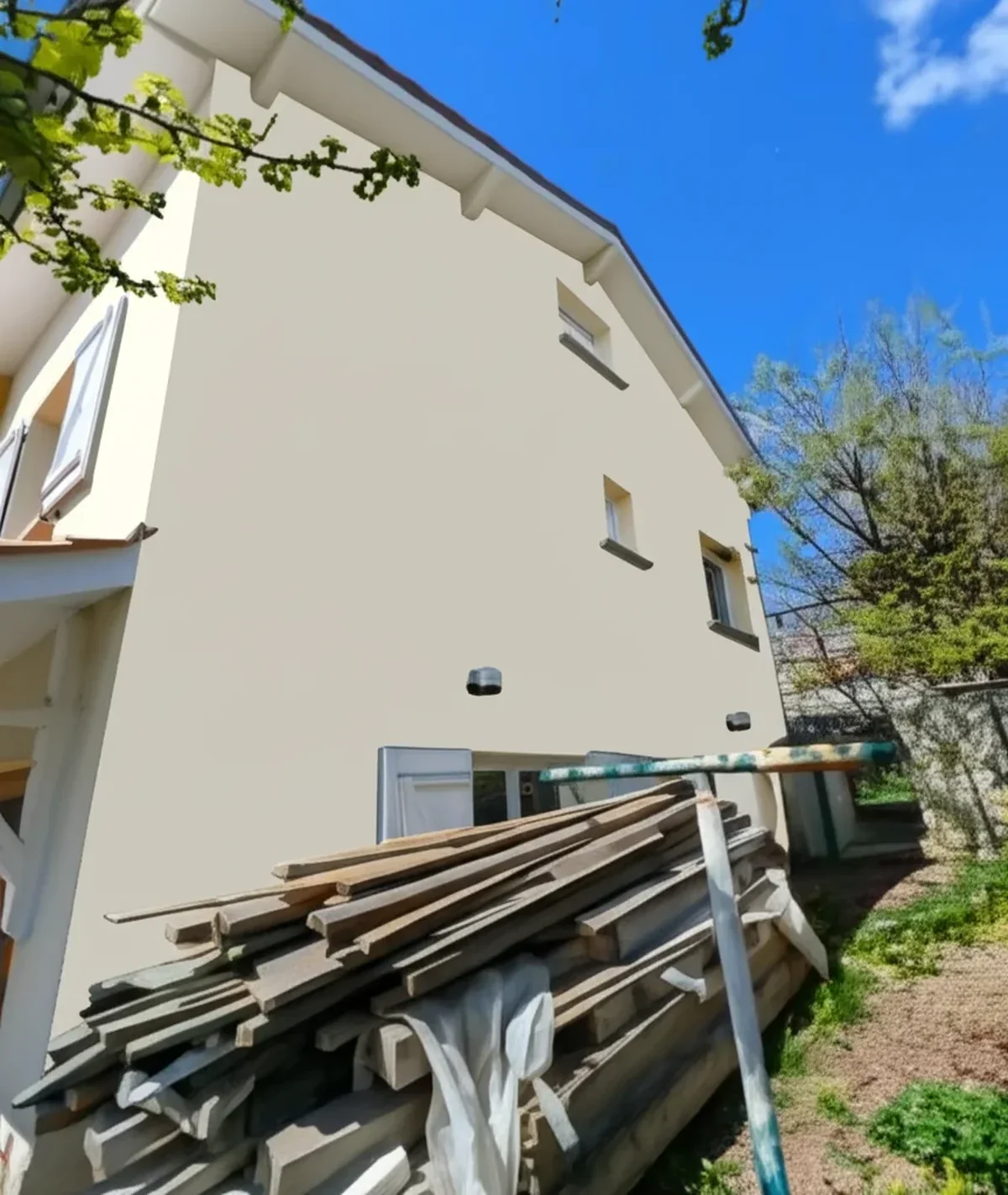
Try it on your house

Quick verdict: Sherwin-Williams Resilience Exterior is the mid-premium tier (~$65 to $80/gal at SW stores) built around MoistureGuard technology – a 2-hour early-rain resistance window (versus the typical 4 hours) and application down to 35°F. It is the right buy if you paint in spring or fall, live in a damp or unpredictable climate, or need to beat a weather window. For maximum durability on a forever home, step up to Emerald; for everyday newer siding, Duration is usually the smarter spend.
Update, September 2026: Sherwin-Williams has replaced Resilience with Latitude, introduced in 2021 and built on ClimateFlex, which widens the application range to 35°F to 120°F and shortens the early-rain window from about two hours to about 30 minutes. Sherwin-Williams now lists the Resilience sheens under discontinued products, and many stores still tint it from remaining stock. If both are available to you, Latitude is the successor; the review below stands for the outgoing line.
FacadeColorizer is a free AI exterior paint visualizer. Most Sherwin-Williams reviews skip Resilience entirely because it lives in the awkward middle of the lineup – pricier than SuperPaint, less famous than Emerald and Duration (those three are compared in our SuperPaint vs Duration vs Emerald guide). That is a mistake. For homeowners and crews who fight rain, dew, and chilly shoulder seasons, the moisture-and-temperature spec is what separates a finished job from a re-do. This is the honest review: real 2026 pricing, MPI 311 specs, how the formula compares to Emerald, Duration, and SuperPaint.
If Resilience ends up on your shortlist for the formula, test the exact SW color on your house photo in 30 seconds – free, no signup, before you buy a $70 gallon. For the broader range walkthrough, see our Sherwin-Williams Exterior Paint Guide 2026.
Sherwin-Williams Resilience Exterior: 2026 Specs at a Glance
Resilience is a 100% acrylic latex exterior coating positioned between SuperPaint and Duration in the SW range. The headline differentiators are MoistureGuard (faster early-rain resistance) and a broader application temperature window. Pulled from the Resilience Exterior Acrylic Latex technical data sheet and 2026 SW store retail.
| Spec | Sherwin-Williams Resilience Exterior |
|---|---|
| Tier | Mid-premium (between SuperPaint and Duration) |
| Formula | 100% acrylic latex with MoistureGuard technology |
| Price per gallon (SW store 2026) | ~$65 to $80 (varies by finish and region) |
| Finishes | Flat, satin, gloss |
| Coverage per gallon | 300 to 400 sq ft on smooth siding |
| Dry to recoat | ~2 hours (vs ~4 hours for standard exterior coatings) |
| Minimum application temperature | 35°F air and surface temperature |
| Early-rain resistance window | ~2 hours after application (MoistureGuard) |
| MPI specification | MPI 311 (Exterior Latex, Gloss Level 3 to 4) |
| Mildew resistance | Yes (mildew-resistant film) |
| Warranty | Limited lifetime (original purchaser, owner-occupied residence) |
| Expected lifespan | 7 to 9 years in temperate climates |
| Retailer | Sherwin-Williams stores (limited Home Depot SKUs) |
Try it on your house
No photo? Try a sample
Sources: Sherwin-Williams Resilience product page, Consumer Reports paint testing, and This Old House exterior paint roundup. Pricing varies by region, base, and finish; confirm at your local SW store.
MoistureGuard Technology: The Real Reason to Buy Resilience
The single feature that sells Resilience is MoistureGuard: an engineered film that develops resistance to moisture in roughly 2 hours after application, versus the 4-hour minimum most acrylic latex exteriors require. In practice this means a sudden rain shower 90 minutes after your last roller pass is no longer a guaranteed re-do. The film is still curing for the full 30 days, but the critical "wash-off" window where rain can carry pigment off the wall is dramatically shorter.
That single spec changes the math for entire regions. If you live in the Pacific Northwest, the Great Lakes, the Northeast in shoulder seasons, or anywhere with afternoon thunderstorms, the standard 4-hour rain window forces you to either start at dawn or skip the day. With Resilience, a 1:00 pm finish gives you a usable 3:00 pm rain buffer instead of needing dry weather until 5:00 pm. Crews paint more billable days per year, and DIY homeowners get more weekends that survive a forecast change. For the broader weather decision framework, see our best weather for exterior painting science guide.
Paint Down to 35°F: Why the Cold-Weather Spec Matters
Most exterior acrylic latex paints carry a published minimum application temperature of 50°F, with both air and surface temperature required to stay above that floor during application and for 24 to 48 hours after. Resilience drops that floor to 35°F. That 15-degree extension is what unlocks the entire spring and fall painting season in cool-climate states.
For a homeowner in Seattle, Portland, Minneapolis, Buffalo, or Boston, the standard 50°F floor means a working window of roughly mid-May through late September. Resilience extends that to early April through mid-November, nearly doubling the calendar. Contractors in those markets often spec Resilience as their default precisely because it lets crews stay billable in the shoulder months. Important caveat: cold-weather application still requires dry surfaces, no frost in the 24-hour window after coating, and a generous dew-point cushion. The minimum is not an excuse to paint badly – it is a permission to paint at all.
MPI 311: What the Spec Sheet Number Actually Means
Resilience meets the Master Painters Institute MPI 311 specification – the standard for "Exterior Latex, Gloss Level 3 to 4 (Eggshell to Satin)." MPI is the spec body that architects and federal procurement teams use to write paint into contracts. Hitting an MPI number is not a marketing badge; it is independent confirmation that the coating clears measurable thresholds for hide, scrub resistance, color retention, and adhesion.
For homeowners, the practical translation is simple: MPI 311 is a commercial-grade specification. A paint that meets it is built to coat school exteriors, municipal buildings, and HOA-managed facades that get audited every few years for visible failure. That is a higher bar than residential repaint marketing typically clears. If you ever need to defend your paint choice to a stubborn HOA board or a picky inspector, "Meets MPI 311" is a stronger argument than "looks great in the chip book." For the regional brand comparison, see our Sherwin-Williams vs Benjamin Moore exterior comparison.
Best Application Scenarios: When Resilience is the Right Buy
Resilience earns its place in the lineup in a narrow but valuable set of scenarios. Pick it when at least two of the following apply:
- Spring or fall painting in a cool climate. The 35°F floor and 2-hour rain window between them turn unplayable shoulder-season weekends into usable paint days. Worth the upcharge versus SuperPaint on its own.
- Damp or unpredictable climates. Pacific Northwest, New England coast, Great Lakes basin, the Mid-Atlantic in fall. Anywhere a 4-hour rain forecast feels optimistic, MoistureGuard pays for itself in reduced re-do risk.
- Tight project schedules. If you are painting between two scheduled events (a real estate listing, a refinance appraisal, an HOA inspection), the faster recoat window lets you stack two coats in one day rather than two.
- Commercial-grade requirement. HOA buildings, multifamily exteriors, light commercial work where MPI 311 needs to appear on the spec.
- Owner-occupied home you do not plan to keep forever. A 7 to 9 year lifespan is plenty if you expect to sell within the decade; the savings versus Emerald can fund trim or door upgrades.
Skip Resilience for the opposite cases: pure summer painting in a dry-heat market (any decent exterior latex performs there), a forever home where 12 years matters more than 7, or a hot-coastal job where Emerald's tighter cure resists salt air better. Whichever direction you go, preview the SW color on your home photo first. For a complete tier guide, see our Sherwin-Williams best outdoor paint 2026 comparison.
MPI numbers appear on the interior side too: ProMar 200 HP Zero VOC, the acrylic version of Sherwin-Williams' contractor interior line, is listed by the manufacturer as MPI compliant in key categories including High Performance Architectural, which is why facilities managers specify it for commercial walls. The standard ProMar 200 is the vinyl acrylic version for residential ceilings and low-traffic rooms; our guide to ProMar 200 separates the two.
Resilience vs Emerald, Duration, and SuperPaint
The honest way to read Resilience is by stack-ranking it against the three lines it most often replaces or loses to. Each comparison clarifies what you are actually paying for.
| Line | ~Price/gal | Lifespan | Min temp | Rain window | Where it wins |
|---|---|---|---|---|---|
| Emerald | $80 to $95 | 10 to 12 yrs | 50°F | ~4 hrs | Forever home, coastal salt, dark colors |
| Duration | ~$86 | 8 to 10 yrs | 35°F | ~4 hrs | One-coat hide on newer siding |
| Resilience | $65 to $80 | 7 to 9 yrs | 35°F | ~2 hrs | Damp climates, shoulder seasons |
| SuperPaint | ~$60 | 5 to 7 yrs | 35°F | ~4 hrs | Budget value, breathable on older siding |
Resilience vs Emerald (top tier)
Emerald wins on raw durability. Its tighter, harder cure resists dirt pickup, fade, and chalking better than Resilience over a 10-year horizon, and the limited lifetime warranty is identical on paper but more meaningful given Emerald's longer service life. Where Resilience claws back ground is the wet-and-cold envelope: Emerald still wants 50°F and 4 hours of dry weather. On a Pacific Northwest spring repaint, Resilience finishes the job; Emerald loses days. Pay up for Emerald if you have weather flexibility and want maximum durability; pick Resilience if you do not control your forecast.
Resilience vs Duration (contractor default)
Duration wins on coverage efficiency. Its PermaLast film is roughly 70% thicker than standard paint, self-priming, and frequently delivers true one-coat hide on previously painted siding. Resilience is a normal two-coat paint. On a 2,000 sq ft house, Duration may save you 3 to 5 gallons of paint and a full day of labor, which often erases its higher sticker price. Resilience wins back in cold-and-wet markets where the 2-hour rain window matters more than the extra coat. Rule of thumb: Duration is the default in dry weather; Resilience is the default when the weather is the problem.
Resilience vs SuperPaint (value tier)
Resilience wins on weather flexibility and lifespan. SuperPaint at ~$60/gal is the value pick when the calendar cooperates, but it loses to Resilience by 2 to 3 years of expected life and by half on the early-rain window. The honest question: does the extra $10 to $20 per gallon pay back? On a typical 8-gallon project that is an $80 to $160 upgrade. If you would otherwise lose a single weekend to a rain forecast, the upgrade pays for itself. If your climate is predictable, SuperPaint is fine.
How to test it on your own home before you buy
No third-party report replaces your own walls: the same color reads differently on a north elevation and a south one, next to red brick or a gray roof, under morning and evening light. Take a daylight photo, upload it to the free AI paint visualizer, and run two or three candidates on the same image so the comparison is fair. Keep the one or two that survive the side-by-side, buy a sample of each, and brush them out on the actual surface in the actual light before you order the full quantity.
Where to Buy and the Latitude Question
Resilience is sold primarily through dedicated Sherwin-Williams stores, with a limited selection of SKUs sometimes available at Home Depot. SW stores will custom-tint any of the 1,700+ SW exterior colors into the Resilience base, including the entire popular SW exterior color lineup. Pricing varies meaningfully by region; we have seen flat finish quoted as low as $63/gal in the Midwest and gloss as high as $82/gal in coastal California.
One forward-looking note: Sherwin-Williams has begun rolling out a newer exterior product called Latitude in some regions, positioned to eventually overlap with or replace Resilience. As of mid-2026, Resilience is still in active distribution at SW stores. If your local store carries both, ask the rep which formula they recommend for your climate and which is being stocked long-term – the answer varies by region. For broader range context including the Color of the Year, see our Sherwin-Williams exterior color combinations 2026 guide. If you are still weighing Behr as the alternative, our Behr Premium Plus exterior review covers the value-tier matchup.
Application Best Practices: Get the Lifespan You Paid For
Resilience is forgiving on weather, not on prep. The MoistureGuard window does not save a job applied over chalking, glossy, or actively peeling paint. Run this sequence:
- Power wash. Remove chalk, dirt, algae, and mildew. Allow 24 to 48 hours of drying time after washing, longer in damp climates.
- Scrape and sand. Remove all loose paint. Feather-sand edges and dull any glossy spots. The slightly textured surface is what gives the new film a mechanical grip.
- Spot-prime. Bare wood, rust spots, chalky areas, and bare repairs get a dedicated bonding or stain-blocking primer. Resilience is paint-and-primer on sound surfaces only.
- Caulk and fill. Seal joints and nail holes with paintable exterior caulk.
- Apply two full coats. Respect the ~2-hour recoat window. If temperatures are below 50°F, extend the recoat to 4 hours to be safe.
- Box your gallons. Intermix all gallons into a single bucket before starting to eliminate batch color variation on large elevations.
One Resilience-specific tip: even though the 35°F floor is honest, surface temperature matters more than air temperature. A north-facing wall in early April at 38°F air may have a wall temperature of 34°F. Touch the siding; if it feels cold to the back of your hand, wait two hours for the sun (or air) to warm it. Before you start mixing gallons, render the exact SW color on your house photo – the cheapest insurance against a costly color regret. For the full prep, prime, and finish guide on Sherwin-Williams exterior projects, see our SW best outdoor paint comparison.
Test Your SW Color on Your House Before You Buy
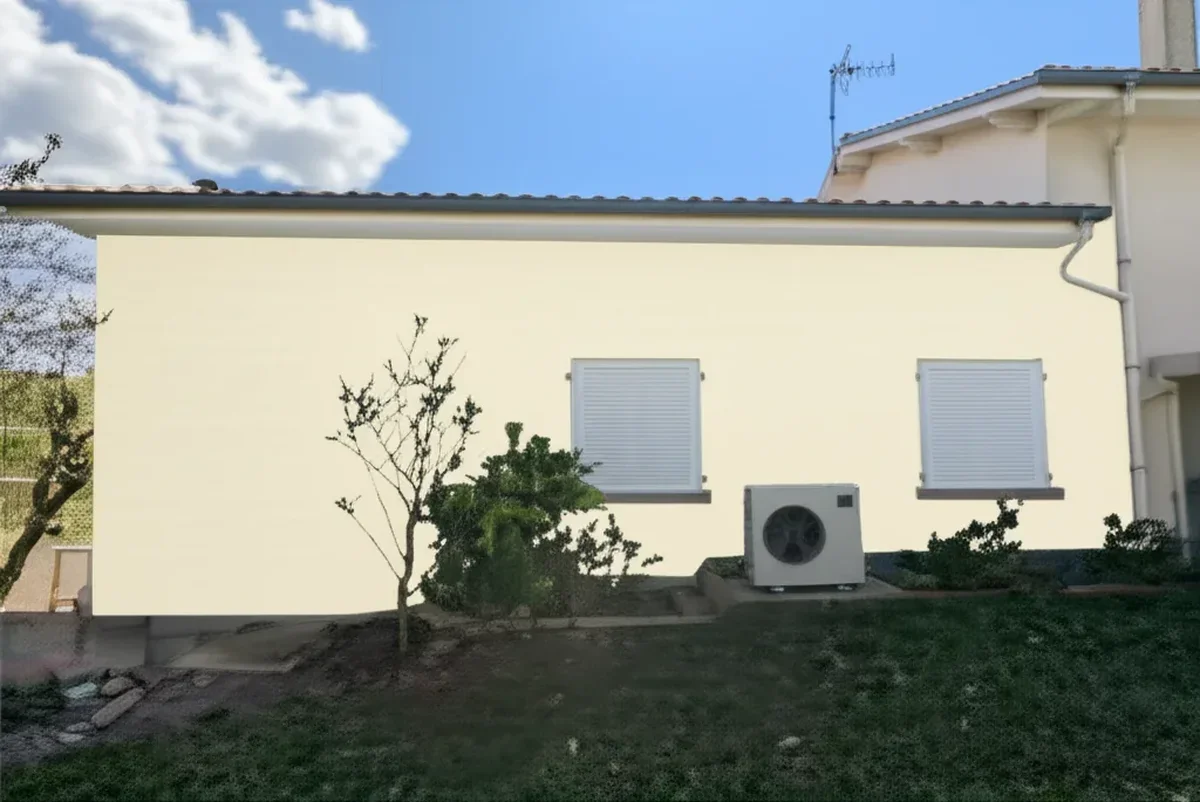
Tier choice is half the decision; the color is the other half, and it is the half people regret most. A $70 gallon of Resilience does not save you from buying the wrong shade. Render it first: FacadeColorizer's SW visualizer lets you upload a photo of your home and apply any SW color to siding, trim, fascia, and door in about 30 seconds – free, no signup, HD render. Compare 3 to 5 options side by side, share the result with your contractor or HOA, and lock in your choice before you commit to gallons.
Frequently Asked Questions
Is Sherwin-Williams Resilience exterior paint any good?
Yes, for the right job. Resilience is a competent mid-premium 100% acrylic latex that meets the MPI 311 commercial spec, carries a limited lifetime warranty, and lasts 7 to 9 years in temperate climates. Its real edge is MoistureGuard (2-hour rain resistance versus the standard 4) and the 35°F application floor, which together unlock spring and fall painting in cool, damp climates. For a forever home in punishing sun, step up to Emerald.
How much does SW Resilience cost per gallon in 2026?
Approximately $65 to $80 per gallon at Sherwin-Williams stores in 2026, depending on finish (flat at the low end, gloss at the high end), region, and current promotions. That puts Resilience between SuperPaint (~$60) and Duration (~$86) in the SW lineup. Prices vary; confirm at your local SW store.
What is the difference between SW Resilience and Emerald?
Emerald cures to a tighter, harder film with class-leading dirt-pickup and fade resistance, lasts 10 to 12 years, and is the SW flagship at $80 to $95 per gallon. Resilience trades some of that long-term hardness for MoistureGuard (a 2-hour early-rain window versus Emerald's typical 4 hours) and a 35°F application floor versus Emerald's 50°F. Pick Emerald for harsh sun, coastal salt, dark colors on a forever home; pick Resilience for damp, cold, or unpredictable weather.
What is SW Resilience vs Duration?
Duration is built around PermaLast technology, a film roughly 70% thicker than standard paint that is self-priming and frequently delivers one-coat coverage on previously painted siding. Resilience is a normal two-coat paint that focuses on rain and cold resistance. Duration saves labor and gallons on dry-weather projects; Resilience saves the job when the weather is uncooperative. Duration costs ~$86/gal versus $65 to $80 for Resilience.
Can I really paint with Resilience at 35°F?
Yes, the published minimum is 35°F for both air and surface temperature. Surface temperature is the real constraint – a 38°F morning with a 34°F shaded wall is out of spec. Confirm the wall feels warm, not cold, to the back of your hand before applying. Also check the 24-hour forecast for frost or freezing rain; the 35°F floor assumes no overnight drop below freezing during the early cure window.
How fast can it rain after SW Resilience is applied?
Roughly 2 hours after application, the MoistureGuard film develops enough moisture resistance to survive a sudden shower. That is half the typical 4-hour minimum for standard exterior acrylic latex. Two hours is the resistance threshold, not full cure – the film continues to harden for up to 30 days under normal conditions. Heavy sustained rain immediately after the 2-hour window can still cause issues; avoid it when possible.
What is MPI 311 and why does it matter?
MPI 311 is the Master Painters Institute specification for "Exterior Latex, Gloss Level 3 to 4 (Eggshell to Satin)." MPI is the spec standard architects and federal procurement teams use to write paint into commercial contracts. A coating that meets MPI 311 has cleared independent thresholds for hide, scrub resistance, color retention, and adhesion – a higher bar than residential repaint marketing typically requires.
Can I preview SW Resilience colors on my house before buying?
Yes. Upload a photo of your home to FacadeColorizer and apply any Sherwin-Williams color to siding, trim, fascia, and door in about 30 seconds, free with no signup. Render the shade first on your actual elevation, validate the winner with a quart sample on the wall, then buy your gallons all at once. This is the cheapest insurance policy against color regret on a $500 to $1,000 paint purchase.
Preview body, trim, and door before you commit. HD render, no signup.
Disclaimer: SHERWIN-WILLIAMS, RESILIENCE, EMERALD, DURATION, SUPERPAINT, A-100, MOISTUREGUARD, PERMALAST, LATITUDE, and IRON ORE are registered trademarks of The Sherwin-Williams Company. HOME DEPOT is a registered trademark of Home Depot Product Authority, LLC. BEHR, PREMIUM PLUS, and MARQUEE are trademarks of Behr Process Corporation. BENJAMIN MOORE is a trademark of Benjamin Moore & Co. FacadeColorizer is an independent service and is not affiliated with, endorsed by, or sponsored by these companies. All product names, trademarks, prices and specifications are used for identification, comparison and commentary purposes only under nominative fair use (Lanham Act, 15 U.S.C. §1125). Prices, warranties and product availability are approximate, vary by region and finish, and are subject to change; confirm current details with the manufacturer or retailer before purchase. Editorial assessment reflects published technical data, MPI specification documents, Consumer Reports paint testing, This Old House and Family Handyman exterior paint coverage, and an independent on-the-wall test conducted in a Seattle climate as of mid-2026. Individual results depend heavily on surface preparation.
Trademarks mentioned (Sherwin-Williams, Benjamin Moore, Behr, Caparol, Brillux, Sto, Alpina, Valspar, PPG, Glidden, Dulux, Crown Trade, Sandtex, Farrow & Ball, Johnstone's, Leyland) are property of their respective owners. FacadeColorizer is independent and not affiliated with any of them. Nominative fair use under Lanham Act §1125.