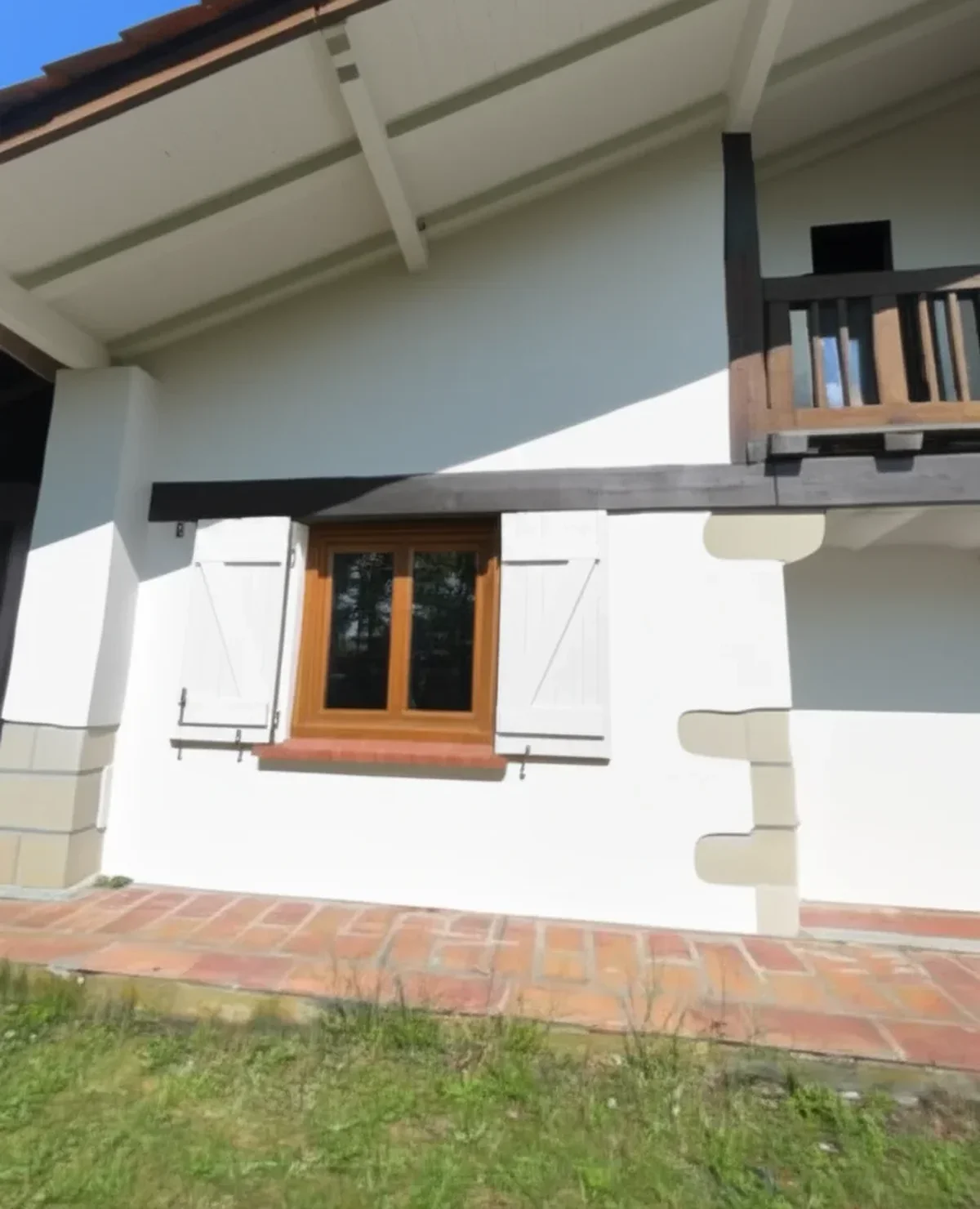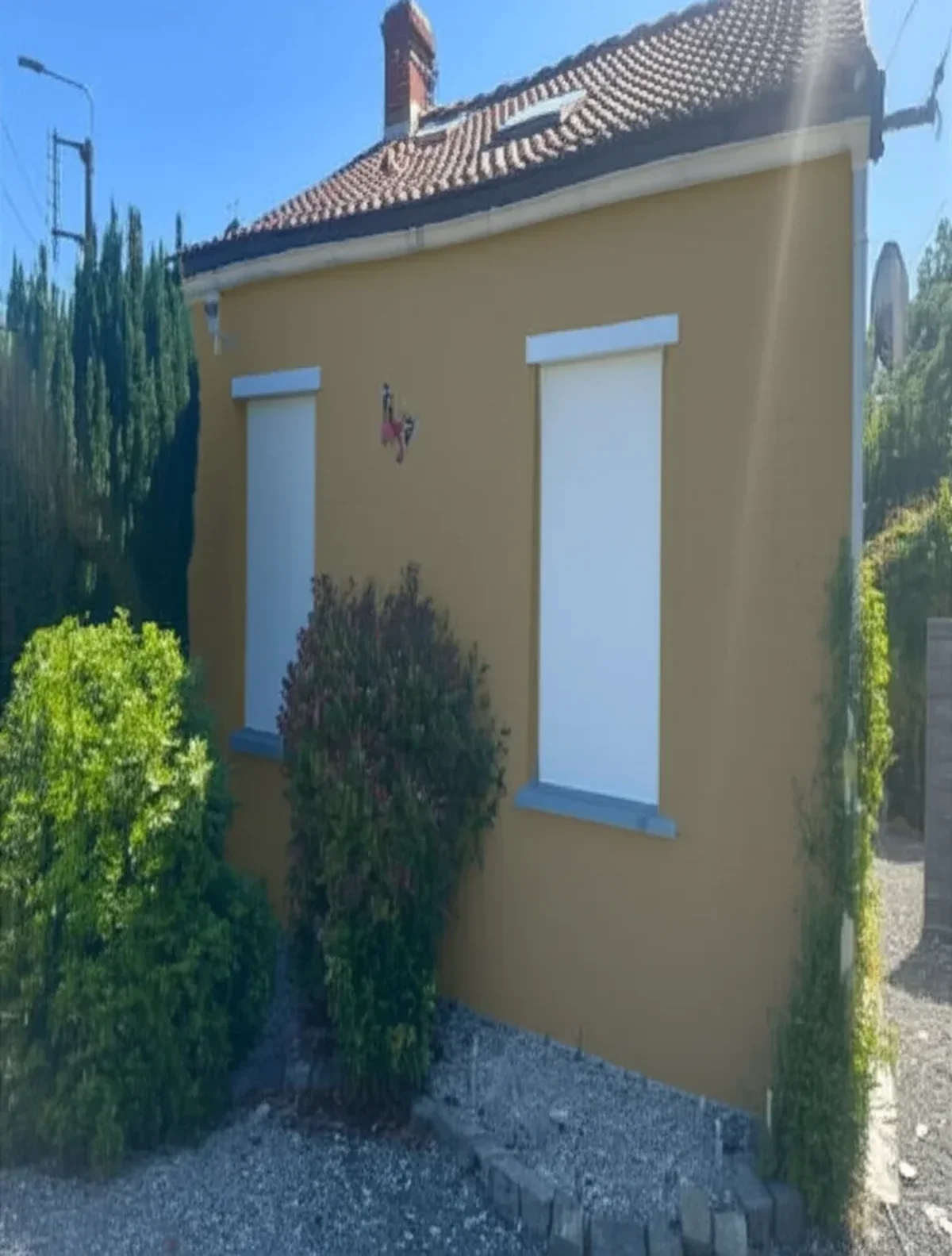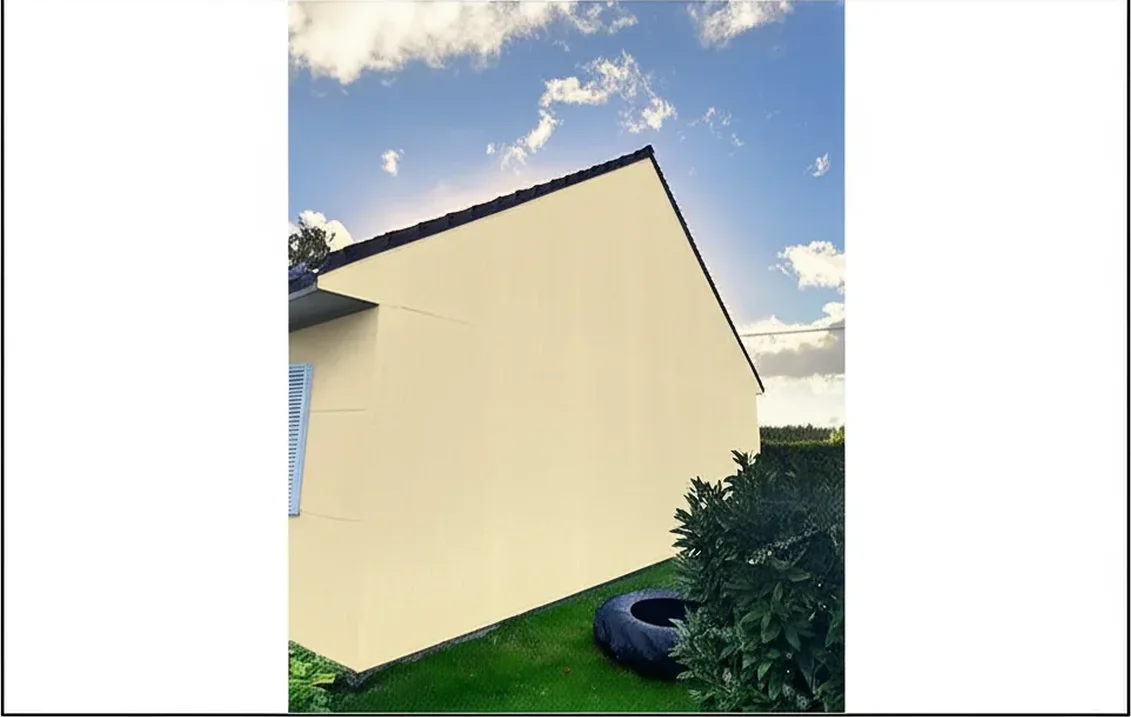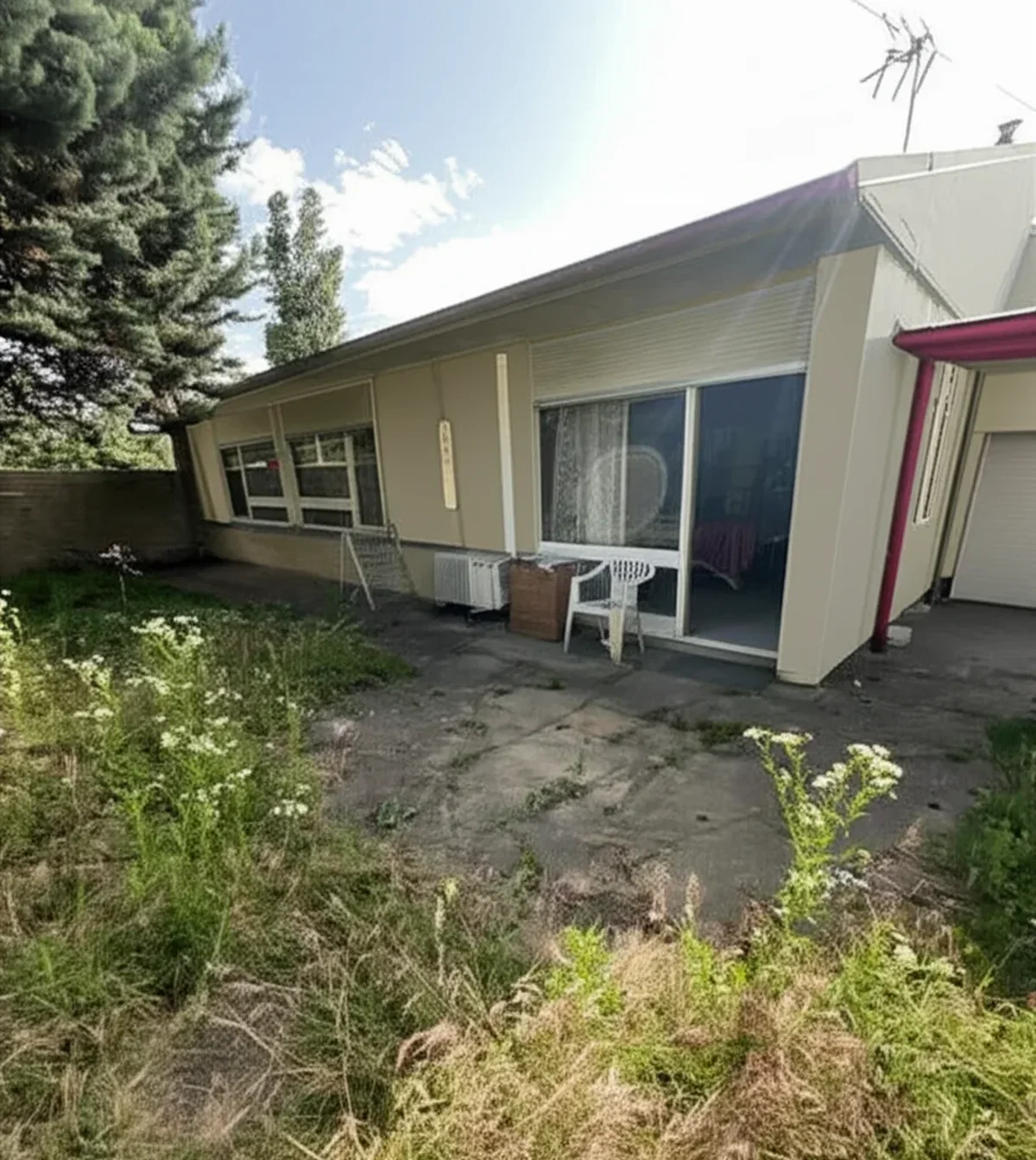
Try it on your house

What does draught proofing cost UK homeowners in 2026? Draughts account for up to 20% of heat loss in older British homes, driving up energy bills and contributing to condensation and damp problems. This guide covers draught proofing costs by type, potential energy efficiency savings, available government grants like the ECO scheme, and when to hire a professional versus DIY. Visualise your home’s exterior improvements with our free colour visualiser.
Draught proofing costs by type in 2026
The cost of draught proofing varies significantly depending on the area being treated and whether you choose professional installation or DIY. Windows, doors, air bricks, letterboxes, and chimneys are the main sources of draughts in UK homes. A comprehensive draught proofing programme across a typical 3-bedroom semi-detached house costs £200 to £600 professionally installed, with energy savings of £60 to £120 per year.
| Area | Professional Cost | DIY Cost | Annual Saving |
|---|---|---|---|
| Windows (per window) | £20 – £50 | £5 – £15 | £5 – £10 each |
| External doors (per door) | £30 – £80 | £10 – £25 | £8 – £15 each |
| Chimney draught excluder | £40 – £100 | £15 – £40 | £15 – £30 |
| Letterbox & keyhole | £15 – £40 | £5 – £15 | £3 – £8 |
| Floorboard gaps | £100 – £300 | £30 – £80 | £10 – £25 |
| Whole house (3-bed semi) | £200 – £600 | £50 – £180 | £60 – £120 |
Try it on your house
No photo? Try a sample
Types of draught proofing for UK homes
Draught proofing products range from simple self-adhesive foam strips for windows to professional brush seals for doors and specialist ventilation-compatible solutions for air bricks. For sash windows, common in Victorian and Edwardian homes, brush-pile draught strips fitted into the frame are the gold standard. Modern draught excluders maintain essential ventilation while blocking cold air, which is critical for preventing condensation and mould, especially black mould.
Secondary glazing is a more substantial investment (£100–£400 per window) but delivers both draught proofing and improved U-value, reducing thermal bridging significantly. It’s particularly effective in conservation areas or listed buildings where replacing original windows isn’t permitted under planning permission rules.
Draught proofing and damp prevention
Draughts and damp are closely linked in UK homes. Cold air infiltration causes condensation on cold surfaces, which over time leads to mould growth and even rising damp issues. A damp survey using a moisture meter can identify whether your damp problems originate from penetrating damp (external water ingress) or condensation caused by draughts and poor ventilation.
When draught proofing, maintain adequate ventilation through extractor fans in kitchens and bathrooms. Never block air bricks on cavity wall or solid wall properties, use purpose-made covers that allow airflow in summer and reduce draughts in winter. A damp specialist can advise on the balance between draught-proofing and ventilation for your specific property type.
Government grants for draught proofing in 2026
The ECO scheme (Energy Company Obligation) funds draught proofing measures for low-income households and those on certain benefits. Eligible homeowners can receive free or heavily subsidised draught proofing alongside cavity wall insulation or external wall insulation (EWI). Check your EPC (energy rating), properties rated D or below often qualify for support.
Under building regulations (Part L), any major renovation must meet minimum energy efficiency standards, which increasingly include airtightness requirements. A retrofit approach that combines draught proofing with insulation upgrades delivers the best cost per m² return. The Green Homes Grant successor schemes may also cover draught proofing as part of a whole-house energy efficiency package.
Draught proofing and your EPC rating
Draught proofing can improve your EPC (energy rating) by 1–5 points, which matters increasingly as minimum EPC standards tighten for rental properties (currently band E, with band C proposed by 2028). When combined with cavity wall insulation or external wall insulation (EWI), draught proofing forms part of a whole-house retrofit strategy that maximises energy efficiency. A property survey or damp survey can identify which areas contribute most to heat loss and should be prioritised. Keep records of all insulation and draught-proofing improvements as they directly affect your EPC and property value when selling. The BBA (British Board of Agrément) certifies many insulation products, so look for their stamp when choosing materials.
DIY vs professional draught proofing
Many draught proofing tasks are suitable for DIY: applying foam strips to casement windows, fitting brush strips to doors, and installing a chimney balloon or draught excluder. However, professional installation is recommended for sash windows, floorboard sealing, and any work requiring access to cavity walls or external wall insulation systems. A professional will also ensure adequate ventilation is maintained, backed by a guarantee. When engaging a damp specialist or insulation installer, always check for relevant accreditations and BBA certification on the products they use. Request a detailed damp survey with moisture meter readings and salt analysis before committing to any remedial work, this prevents unnecessary spending on treatments that don’t address the root cause of your damp or draught issue.
For more on protecting your home from damp and improving insulation, explore our guides: damp proofing exterior walls UK guide and interior decorator cost UK 2026. Pair draught proofing with a fresh exterior finish, use breathable render, silicone render, or masonry paint from Dulux or K Rend to maximise protection.
Visualise your home’s exterior upgrade
Planning EWI or a fresh coat of masonry paint alongside draught proofing? Upload a photo of your home and preview render and paint colours instantly with our AI colour visualiser. It’s free, requires no sign-up, and helps you choose the right finish. Try it at FacadeColorizer.com/en, trusted by homeowners and tradespeople across the UK.
See breathable masonry paint on your wall. 30 seconds, no signup.
Try it free on my photoFrequently asked questions
How much does draught proofing cost in the UK in 2026?
How much can you save with draught proofing?
Can I get a grant for draught proofing in the UK?
Does draught proofing help with damp and condensation?
Should I do draught proofing myself or hire a professional?
Trademarks mentioned (Sherwin-Williams, Benjamin Moore, Behr, Caparol, Brillux, Sto, Alpina, Valspar, PPG, Glidden, Dulux, Crown Trade, Sandtex, Farrow & Ball, Johnstone's, Leyland) are property of their respective owners. FacadeColorizer is independent and not affiliated with any of them. Nominative fair use under Lanham Act §1125.