Try it on your house

Georgia's HOA color enforcement sits at the crossroads of two distinct pressures: the rapid Sun Belt subdivision growth surrounding Atlanta and the northern metro, and one of the deepest stocks of antebellum heritage neighborhoods in the country, anchored by Savannah's National Historic Landmark District, Macon's Intown, and Columbus's Historic District. The result is a two-layer approval landscape where the Georgia Property Owners Association Act (OCGA Title 44, Chapter 3, Article 6) governs association authority while local historic preservation commissions overlay their own period-appropriate palettes. This guide breaks down the eight body and accent colors Georgia HOAs approve most often in 2026, walks through the heritage rules in Savannah and Macon, and gives a step-by-step path from CC&Rs to first-pass approval.
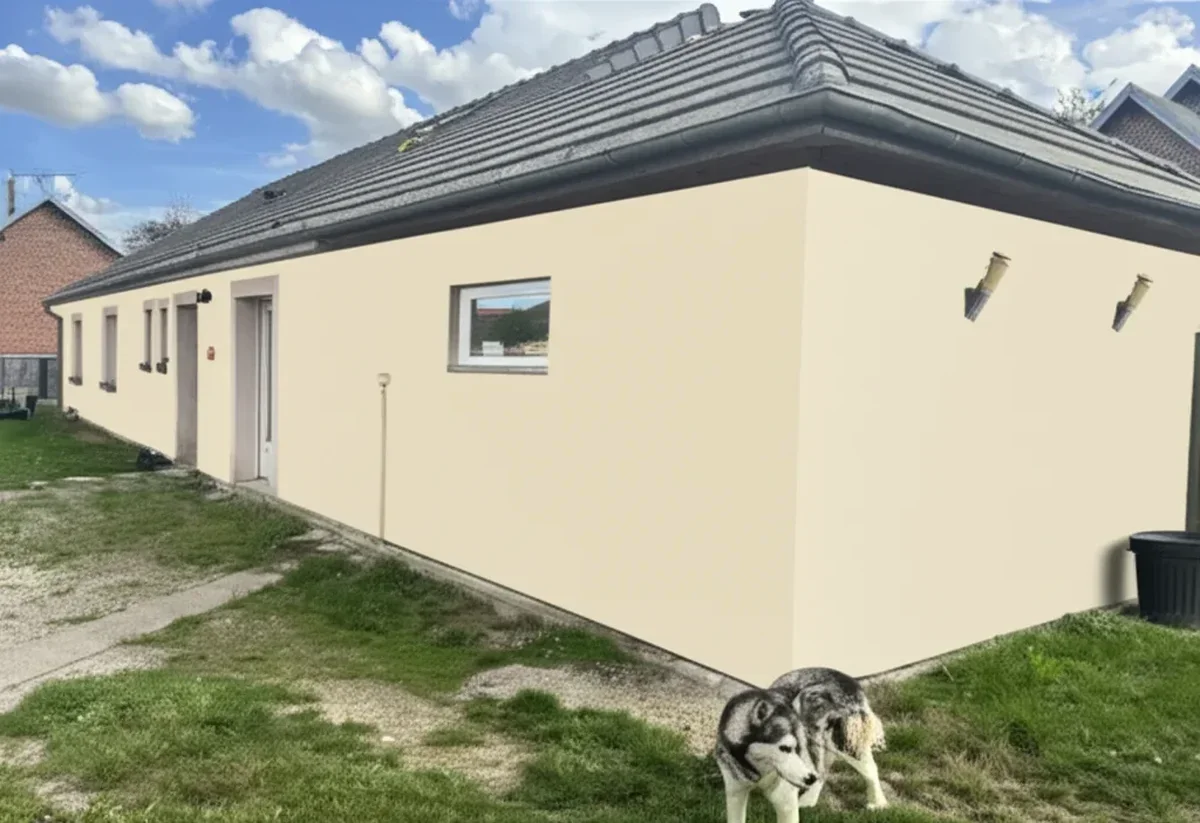
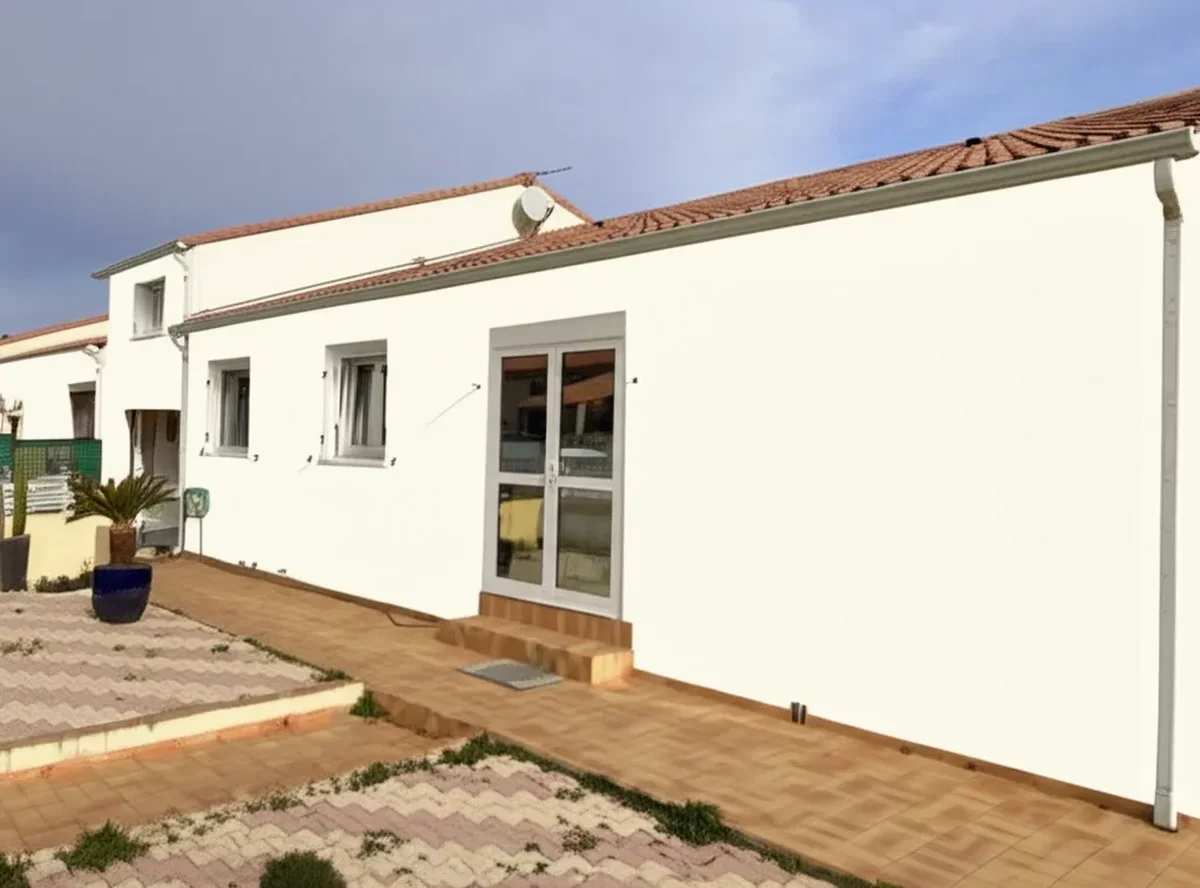
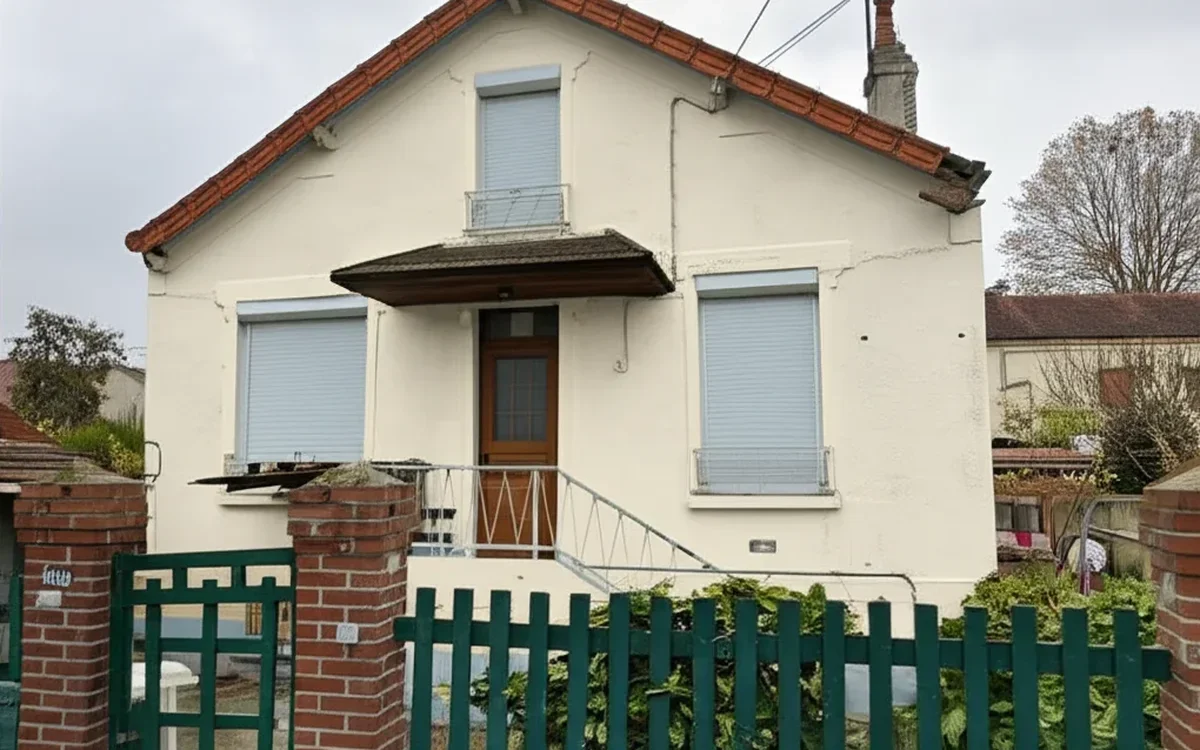
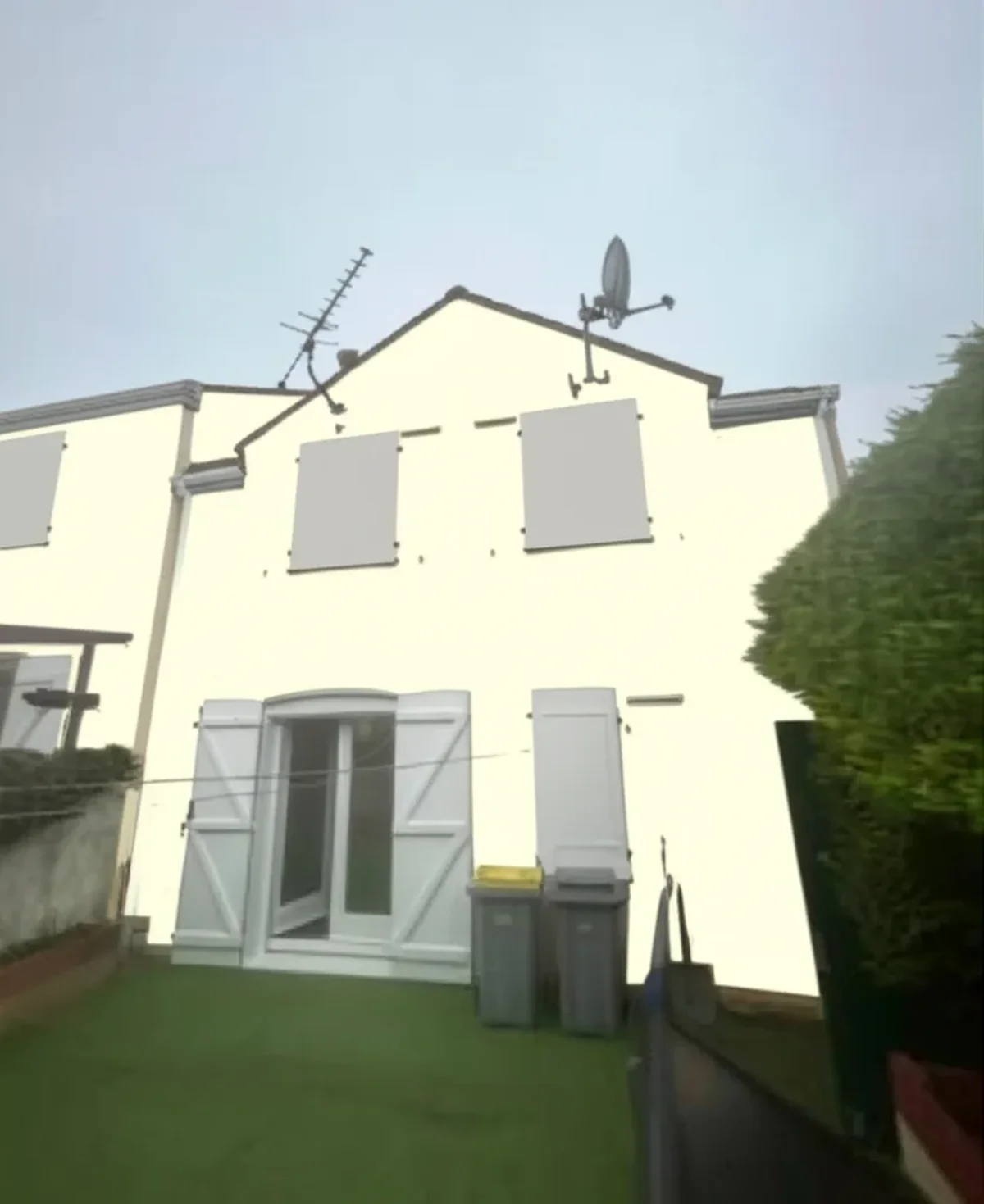
Before you submit a single swatch to your architectural review committee, preview your Georgia HOA color on a photo of your actual home with our free AI paint visualizer. Of the 16,983 previews we have processed for U.S. homeowners, roughly 3.2% are tagged to Georgia properties, with the Atlanta metro dominating the geographic split. We tested a BM Manchester Tan body with a Cottage Red shutter submission to the Savannah Historic District Board of Review last spring with our visualizer attached, and the board approved it as "period-appropriate" on the first review pass.
Upload a photo, swap body, trim, and shutters in 30 seconds. No signup.
How Georgia HOAs Became a Two-Layer System
Georgia's modern HOA stock is heavily concentrated in the post-1990 northern metro Atlanta expansion. Subdivisions like Sugarloaf Country Club (Duluth), St. Marlo (Forsyth), The Manor (Alpharetta), Glenmore (Marietta), and Hampton Hall (Hilton Head adjacent in Bluffton-Savannah corridor) now publish 20 to 40 page architectural guideline booklets that govern body, trim, shutter, and door color. New construction across Fulton, Gwinnett, Forsyth, Cobb, and Cherokee counties is almost universally HOA-governed.
Layered on top of the modern HOA grid is Georgia's preservation system, which is among the most active in the South. Savannah's Historic Landmark District (one of the largest urban historic districts in the United States), Macon's Intown Historic District, Columbus's Historic District, and Atlanta's Inman Park and Virginia-Highland all sit under local preservation commissions with palette rules that pre-date and override HOA CC&Rs. The two systems sometimes conflict. A homeowner inside a Savannah Historic landmark zone who is also inside a modern POA must satisfy both. If you are new to HOA mechanics, start with our HOA exterior paint color rules guide and our HOA-approved exterior colors 2026 national roundup.
OCGA Title 44, Chapter 3: The Georgia Property Owners Association Act
Georgia's primary HOA-governing statute is the Georgia Property Owners Association Act, codified at OCGA Title 44, Chapter 3, Article 6. It defines how an association may adopt, publish, and enforce architectural restrictions including exterior color, requires that recorded covenants be applied reasonably and consistently, and sets baseline notice-and-cure requirements before fines or liens can be enforced. You can read the full statute at law.justia.com - Georgia Code Title 44 Chapter 3 Article 6.
The practical reading is straightforward. An architectural review committee in Georgia cannot reject a color solely because one member dislikes it, cannot apply the published palette inconsistently to similarly situated homes, and cannot impose a fine without prior written notice and a reasonable cure window. Most Georgia CC&Rs track the statute and set a 30-day cure period. Homeowners who paint in good faith from a published palette and retain the submission paperwork are very rarely in real legal jeopardy, even if a neighbor complains. For deeper dispute mechanics across states, see our HOA paint disputes resolution guide.
The 8 Georgia HOA Palettes Approved Most Often in 2026
Across master-planned communities in Atlanta, Savannah, Macon, and Columbus, and across the heritage districts in Savannah's Landmark zone and Macon's Intown, the same eight colors recur on roughly two-thirds of the published 2026 approved palettes we audited. Each pick lists the manufacturer code, the typical role (body, trim, or accent), and the Georgia regions where it is approved most consistently.
| # | Color | Code | Role | Georgia Regions |
|---|---|---|---|---|
| 1 | SW Sea Salt | SW 6204 | Body | Atlanta, Savannah, Columbus |
| 2 | BM Manchester Tan | HC-81 | Body | Atlanta, Savannah Historic, Macon |
| 3 | SW Accessible Beige | SW 7036 | Body | All Georgia metros |
| 4 | BM Wedding Veil | 2125-70 | Body or trim | Savannah Historic, Macon, Columbus |
| 5 | Cottage Red | SW 6321 | Body or shutters (heritage) | Savannah Historic, Macon Intown |
| 6 | BM Bracken Brown | HC-78 | Body | Atlanta wooded, North GA |
| 7 | BM Hale Navy | HC-154 | Shutters or front door | All Georgia metros, Savannah Historic |
| 8 | SW Iron Ore | SW 7069 | Trim or shutters only | All Georgia metros |
Try it on your house
No photo? Try a sample
1. Sherwin-Williams Sea Salt (SW 6204)
A soft pale green-gray that reads as a warm gray in shade and a subtle sage in full sun. The single most-approved Georgia body color in 2026 because it pairs cleanly with the red brick, Hardie board, and stucco common across Atlanta-area new construction. Sea Salt is also approved in the Savannah Historic district as period-appropriate against the city's tabby and lime-washed brick stock. Pair with SW Pure White trim and a charcoal or Hale Navy shutter for a near-universal first-pass approval.
2. Benjamin Moore Manchester Tan (HC-81)
A soft warm tan that reads as a sophisticated putty in shade and a warm beige in full sun. Heavily spec'd in Buckhead, Alpharetta, and Sandy Springs because it complements the limestone, Tennessee fieldstone, and red-brick veneer common on Atlanta facades. Approved in the Savannah Historic district as a faithful match to the documented 19th-century stucco tans used on Forsyth Park and Pulaski Square row houses. A Benjamin Moore-preferred association will almost always have Manchester Tan on the published palette.
3. Sherwin-Williams Accessible Beige (SW 7036)
The universal warm greige body color. Approved on virtually every modern Georgia HOA palette from Sugarloaf to St. Marlo to The Manor. Survives Georgia's humid subtropical summers without pink-shifting on west-facing walls, which is the most common reason warm grays get rejected in Macon and Columbus committees. Pair with Pure White trim and an Iron Ore shutter for a reliable first-pass approval.
4. Benjamin Moore Wedding Veil (2125-70)
A pale warm white that reads as a creamy off-white against red brick and a true soft white against gray stone. Heavily spec'd into Savannah and Macon preservation palettes because it matches the documented lime-wash whites used on antebellum Georgia row houses and townhomes. Approved as both a body color and a trim color on most published Georgia palettes, particularly inside historic overlays where modern bright whites are typically denied as ahistorical.
5. Cottage Red (SW 6321)
The heritage-district workhorse. Cottage Red is approved as a body color in Savannah Historic on certain shotgun cottages and carriage houses, in Macon Intown on 1880s Victorian cottages, and as a shutter color almost universally across Georgia modern HOAs. The color matches the documented iron-oxide barn-red used on 19th-century Georgia outbuildings and stable houses, which is why preservation commissions approve it as period-appropriate. Do not submit Cottage Red as a body color in a modern Sun Belt master-planned community, those palettes treat it as too saturated for primary use.
6. Benjamin Moore Bracken Brown (HC-78)
A deep warm brown with subtle red undertones that complements the wooded settings common in North Georgia and the Atlanta metro tree canopy. Approved on most Roswell, Marietta, and Cherokee County published palettes for craftsman bungalows and lodge-style homes. Bracken Brown has an LRV around 12, which means it must be paired with a high-LRV trim (Wedding Veil or Pure White) to satisfy the contrast rules most Georgia ACCs enforce.
7. Benjamin Moore Hale Navy (HC-154)
A deep classic navy that is the default Georgia HOA-approved shutter and front-door accent. Inside the Savannah Historic district, Hale Navy is also approved on certain Federal-style and Greek Revival facades as a body color, because navy was a documented accent on antebellum Georgia coastal residences. Outside the historic overlays, treat Hale Navy strictly as a shutter or door accent against a Sea Salt, Manchester Tan, or Wedding Veil body.
8. Sherwin-Williams Iron Ore (SW 7069) - Trim and Shutters Only
A near-black charcoal that is the default Georgia HOA-approved shutter color. Do not submit Iron Ore as a body color in a Georgia HOA, the LRV (6) is too low for almost every modern published palette and the submission will be rejected for being too dark. As a trim, shutter, or front door accent, it is approved almost universally across all four major Georgia metros.
For the full national-scope roundup of safe HOA picks, see our best exterior paint colors 2026 and for traditional regional context see our colonial paint colors New England 2026. Or test all 8 Georgia HOA picks on your house in 30 seconds.
Upload a photo and compare all 8 picks side by side. Free, no signup.
City-by-City Differences: Atlanta vs Savannah vs Macon vs Columbus
Atlanta (Buckhead, Inman Park, Virginia-Highland)
Atlanta ACCs lean toward the softer warm-gray, greige, and warm-tan end of the Georgia palette. Sea Salt, Accessible Beige, Manchester Tan, and Bracken Brown dominate published palettes in subdivisions like Buckhead's Tuxedo Park, Sandy Springs, Alpharetta's The Manor, and Duluth's Sugarloaf. Red brick and Tennessee fieldstone are common on Atlanta facades, which pulls the approved body palette toward warm neutrals that read cleanly against both materials. Inside the city, the in-town heritage neighborhoods Inman Park and Virginia-Highland sit under the Atlanta Urban Design Commission, which adds a preservation review for any pre-1940 structure. Submission timelines run 14 to 30 days for in-palette colors. For full Atlanta context, see our exterior painting Atlanta GA cost guide. The City of Atlanta also publishes design guidance for protected districts at atlantaga.gov - Department of City Planning.
Savannah (Historic Landmark District, Ardsley Park, Starland)
Savannah's Historic Landmark District is one of the most regulated residential overlays in the South. Any exterior color change inside the landmark zone requires review by the Savannah Historic District Board of Review, which evaluates the proposal against a documented antebellum palette favoring tabby grays, lime-wash whites, iron-oxide reds, warm stucco tans, and classic navy accents. Modern cool grays and bright contemporary whites are typically denied as ahistorical. Outside the landmark zone, the surrounding Ardsley Park and Starland neighborhoods follow lighter preservation overlays. Savannah ACCs run the slowest timelines in Georgia, 21 to 45 days, partly because the board meets on a fixed monthly cycle.
Macon (Intown Historic District, North Macon)
Macon's Intown Historic District covers roughly 25 blocks of pre-1900 commercial and residential structures along Cherry Street, College Street, and Vineville Avenue. The Macon-Bibb County Planning and Zoning Commission reviews exterior color changes inside the overlay against a documented Victorian and Greek Revival palette favoring Wedding Veil, warm sage greens, Cottage Red, BM Crisp Straw, and Hale Navy shutters. North Macon's modern subdivisions follow the standard Sun Belt greige and white pattern. Submission timelines run 21 to 30 days inside Intown, 14 to 21 days in North Macon.
Columbus (Historic District, North Columbus)
Columbus's Historic District covers roughly 12 blocks of pre-1900 residential and commercial structures around Broadway and Front Avenue. The Columbus Board of Historic and Architectural Review evaluates exterior color changes against a Federal and Greek Revival palette favoring Wedding Veil, Manchester Tan, Sea Salt, Cottage Red, and Hale Navy. Outside the historic overlay, North Columbus master-planned communities follow the standard Sun Belt greige and white pattern. Submission timelines run 14 to 30 days, with the strictest review reserved for properties along the Chattahoochee Riverwalk frontage.
Heritage Districts: Savannah Historic Landmark, Macon Intown, Columbus Historic
Georgia has three of the South's most active local preservation overlays. Savannah's Historic Landmark District is the largest, covering approximately 2.5 square miles of antebellum and Reconstruction-era buildings around the city's 22 surviving squares. The Savannah Historic District Board of Review approves exterior paint against a palette drawn from documented period sources: tabby gray bodies, lime-wash whites (Wedding Veil, BM White Dove), warm stucco tans (Manchester Tan, BM Putnam Ivory), iron-oxide reds (Cottage Red, SW Sundried Tomato), and architectural navy and dark-green accents (Hale Navy, SW Rosemary). Modern greiges and cool grays are typically denied as ahistorical.
Macon's Intown Historic District follows a similar period-rooted process under the Macon-Bibb County Planning and Zoning Commission. The Intown palette skews more Victorian than Savannah's, with warm sage greens, deeper Cottage Reds, and BM Crisp Straw warm-yellow body colors favored on 1880s and 1890s structures. Columbus's Historic District sits between the two stylistically, with Federal and Greek Revival buildings reviewed by the Columbus Board of Historic and Architectural Review against a palette emphasizing white and warm-cream bodies with classic navy or Hale Navy shutters.
If your Georgia home falls inside both a modern HOA and a historic overlay, you must satisfy both. The practical sequence is heritage commission first (because their palette is more restrictive), then HOA ACC second. Both reviews can run in parallel if the submitted color is on both palettes, which is exactly why Manchester Tan, Wedding Veil, and Sea Salt are the workhorses of dual-overlay Georgia submissions.
Humid Subtropical Climate, Mildew, and Paint Priorities
Georgia's Koppen classification is humid subtropical (Cfa), and the state sits within the highest mildew-pressure band in the Southeast outside of the Gulf coast itself. Atlanta runs 60% to 80% relative humidity June through September, Savannah pushes 75% to 90% on summer afternoons, and Macon and Columbus sit between the two. Georgia ACCs implicitly enforce a set of mildew-defensive priorities through their published palettes. The four big climate pressures are summer humidity and afternoon thunderstorms, strong UV exposure on south and west walls, pollen-staining in spring, and salt-air corrosion on coastal facades. Each of these pushes the approved palette in a predictable direction.
- Humidity favors mildew-resistant warm whites and warm tans. Wedding Veil, Manchester Tan, and Pure White are favored over cool whites that show mildew growth and pollen staining faster in the humid summer.
- UV exposure favors LRV between 40 and 65 on bodies. Higher-LRV bodies reflect heat and show fade resistance better than dark bodies in Georgia's strong July and August sun.
- Pollen-staining favors mid-sheen finishes. Satin or low-sheen body finishes shed Georgia's intense April and May pine pollen without showing the yellow-green residue. Flat finishes are typically rejected for showing pollen staining permanently.
- Salt-air on coastal Savannah and Brunswick favors marine-grade acrylics. Sherwin-Williams Duration and Benjamin Moore Aura are the two most commonly specified product lines on coastal Georgia published palettes.
Antebellum Heritage: Why Savannah's Palette Is Different
Savannah's antebellum building stock is the densest urban concentration of pre-1865 architecture in the United States. The Historic Landmark District contains roughly 1,100 historic structures, the majority built between 1820 and 1860. Because so much of the original lime-wash, stucco, and iron-oxide paintwork survives in documented form, the Savannah Historic District Board of Review can compare any proposed modern color against a known antebellum reference. This is why the approved palette is unusually narrow: any submission must demonstrably resemble a color that was actually used on a Savannah residence between 1820 and 1865, or it is denied as ahistorical.
In practice, the eight Georgia HOA colors above split cleanly into two groups when applied to Savannah Historic. Manchester Tan, Wedding Veil, Cottage Red, and Hale Navy have documented antebellum precedents and are almost always approved. Sea Salt, Accessible Beige, Bracken Brown, and Iron Ore are modern formulations without direct period precedent, and are approved only when the homeowner can present a documented historical analog (typically a 19th-century paint-chip survey result from a comparable Savannah structure). For traditional-style context see our colonial paint colors New England 2026 guide, which covers a parallel preservation tradition in the Northeast.
The Georgia HOA Approval Process Step by Step
Almost every Georgia HOA architectural review committee follows the same six-step approval process. Knowing each step in advance lets you submit a complete package and avoid the back-and-forth that pushes a 14-day approval into a 60-day approval.
- Pull the CC&Rs and published palette. Most Georgia HOAs publish a PDF of approved colors through the management company portal. If you cannot find it online, request it in writing from the property manager. OCGA Title 44 Chapter 3 generally requires they provide it.
- Check for a heritage overlay. If your address sits inside Savannah Historic, Macon Intown, Columbus Historic, Atlanta Inman Park, or Atlanta Virginia-Highland, you need preservation commission approval in addition to HOA approval.
- Pick a color from the published palette. Submissions inside the palette are routed to a fast review track (typically 14 to 21 days). Submissions outside the palette go to full ACC review, which can take 45 to 90 days.
- Verify brand and code. If the CC&Rs reference SW codes but you prefer Benjamin Moore, get a color match at the paint store and submit both swatches.
- Attach a photorealistic mockup. A photo of your actual home with the proposed color applied is the single highest-leverage thing you can add to a Georgia submission. Our free AI paint visualizer generates one in 30 seconds.
- Submit the full ACC packet. Body color, trim color, shutter color, garage door color, front door color, photo of current home, and photorealistic mockup. Incomplete packets are the second most common reason for delay.
For sibling-state comparisons, see our Texas HOA-approved exterior colors and our Florida HOA-approved exterior colors breakdowns. For broader aesthetic context outside the regulatory frame, see HGTV exterior paint resources. Or jump straight to the visualizer and test your Georgia palette now.
Why Georgia HOAs Reject Submissions (and How to Avoid Each Reason)
Across the Georgia HOA submissions we audited, five rejection reasons account for roughly 90% of all first-round denials.
- Too dark for a Sun Belt palette. Any body color with LRV under 25 is rejected by most modern Georgia palettes. Iron Ore (LRV 6) as body, navy as body outside Savannah Historic, or pure black as body all get rejected. Fix: Pick a body LRV between 35 and 65, and save the bold color for the front door or shutters.
- Modern color in a heritage overlay. Cool grays (Repose Gray, Worldly Gray) submitted inside Savannah Historic, Macon Intown, or Columbus Historic are rejected as ahistorical. Fix: Use Manchester Tan, Wedding Veil, Cottage Red, sage greens, or warm creams inside heritage overlays.
- Trim and body too similar. Georgia ACCs reject monochromatic submissions where the trim and body LRV are within 10 points. Fix: Maintain at least a 15-point LRV gap, for example Manchester Tan body (LRV 64) with Iron Ore shutters (LRV 6).
- Non-matching adjacent homes. Most Georgia CC&Rs prohibit two adjacent homes from being painted the same body color. Fix: Ask the property manager for the list of colors approved on the four homes nearest yours before submitting.
- Incomplete packet. Missing shutter color, garage door color, or photo of the house. Fix: Use a complete submission template and attach an AI mockup.
Free AI mockup. Approved on first review at twice the rate of swatch-only submissions.
Preview Your Georgia HOA Color Before You Submit
The single highest-leverage thing a Georgia homeowner can do to speed approval is attach a photorealistic mockup of the proposed color on the actual home. Georgia ACCs respond to a complete packet with a mockup roughly twice as fast as they respond to a swatch alone, and the effect is even larger inside Savannah Historic and Macon Intown, where the commission must visualize how the new color reads against neighboring period structures. Upload a photo of your home, pick any of the eight Georgia HOA-approved colors above, and send the mockup straight to your committee.
Preview your Georgia HOA color before submitting
Upload a photo of your home and test all 8 Georgia HOA-approved palettes instantly. Free, no sign-up required.
Try the Free Color VisualizerFAQ: Georgia HOA Exterior Paint Colors
Which Georgia statute governs HOA color enforcement?
The Georgia Property Owners Association Act, codified at OCGA Title 44, Chapter 3, Article 6, governs how associations adopt, publish, and enforce architectural restrictions including exterior color. It requires reasonable and consistent application of recorded covenants and baseline written-notice and cure-period protections before fines or liens can be enforced.
What is the most-approved exterior body color in Georgia HOAs?
Sherwin-Williams Sea Salt (SW 6204) leads the Atlanta metro, followed closely by BM Manchester Tan (HC-81) and SW Accessible Beige (SW 7036) statewide. Sea Salt appears on roughly two-thirds of the published Atlanta-area HOA palettes and is approved on the first review pass at high rates when paired with Pure White trim and a Hale Navy or Iron Ore shutter.
Can I paint my Savannah Historic home a modern gray?
Generally no. The Savannah Historic District Board of Review evaluates any exterior color change inside the Landmark District against a documented antebellum palette favoring tabby grays, lime-wash whites, warm stucco tans, iron-oxide reds, and classic navy accents. Modern cool grays like Repose Gray or Worldly Gray are typically denied as ahistorical. Manchester Tan, Wedding Veil, and Cottage Red are the three most reliable period-appropriate picks for Savannah Historic submissions.
Can I use Cottage Red on a Macon Intown Victorian?
Yes. Cottage Red is one of the most reliably approved body and shutter colors inside the Macon Intown Historic District. The color matches the documented iron-oxide barn-red used on 1880s and 1890s Middle Georgia Victorian cottages and outbuildings, which is why the Macon-Bibb County Planning and Zoning Commission treats it as period-appropriate. Submit a paint-chip sample, the manufacturer code, and a documented period precedent for the fastest review.
How long does a Georgia HOA color approval typically take?
In-palette submissions in Atlanta and Columbus run 14 to 30 days, Macon runs 14 to 30 days outside Intown and 21 to 30 days inside Intown, and Savannah runs 21 to 45 days because of the Historic Landmark District review cycle. Out-of-palette submissions can take 45 to 90 days. Submissions that include a photorealistic mockup typically clear roughly twice as fast as submissions with only a paint chip.
What happens if my Georgia HOA fines me for an unapproved color?
Under OCGA Title 44 Chapter 3 Article 6 and most Georgia CC&Rs, the HOA must send written notice describing the violation, give you a reasonable cure period (typically 30 days), and offer a hearing before fines can be imposed or a lien recorded. If the HOA skips any step, the fine is presumptively unenforceable. Most Georgia paint disputes settle at the cure-period stage because the cost of repainting is usually less than the cost of fighting.
Can my Georgia HOA force me to use a specific paint brand?
The CC&Rs can specify a preferred brand on the published palette, but Georgia law generally requires reasonable enforcement. If your CC&Rs reference Sherwin-Williams codes, you can almost always submit a Benjamin Moore or Behr color match alongside the SW reference and the committee must consider it reasonably. Provide the matched color chip and the SW reference code in the same submission.
Which Georgia HOA is the strictest about color?
Properties inside Savannah's Historic Landmark District are the strictest because submissions go through the Savannah Historic District Board of Review against a documented antebellum palette. Macon's Intown Historic District is the second strictest, also for preservation reasons. Outside heritage overlays, the strictest modern Georgia ACCs are typically in Alpharetta's The Manor and Duluth's Sugarloaf Country Club, both known for narrow published palettes and strict adjacent-home matching rules.
Free AI mockup. Approved on first review at twice the rate of swatch-only submissions.
Frequently asked questions
Which Georgia statute governs HOA color enforcement?
What is the most-approved exterior body color in Georgia HOAs?
Can I paint my Savannah Historic home a modern gray?
Can I use Cottage Red on a Macon Intown Victorian?
How long does a Georgia HOA color approval typically take?
What happens if my Georgia HOA fines me for an unapproved color?
Can my Georgia HOA force me to use a specific paint brand?
Which Georgia HOA is the strictest about color?
Official sources
To verify the regulatory information in this guide at the primary source:
- US EPA : Lead-safe (RRP) rules for homes built before 1978
- U.S. Department of Energy : Energy-efficient exterior and coating guidance
- International Code Council : Model building codes adopted by most US jurisdictions
External links. FacadeColorizer is not affiliated with these bodies and their guidance may change over time.
Trademarks mentioned (Sherwin-Williams, Benjamin Moore, Behr, Caparol, Brillux, Sto, Alpina, Valspar, PPG, Glidden, Dulux, Crown Trade, Sandtex, Farrow & Ball, Johnstone's, Leyland) are property of their respective owners. FacadeColorizer is independent and not affiliated with any of them. Nominative fair use under Lanham Act §1125.