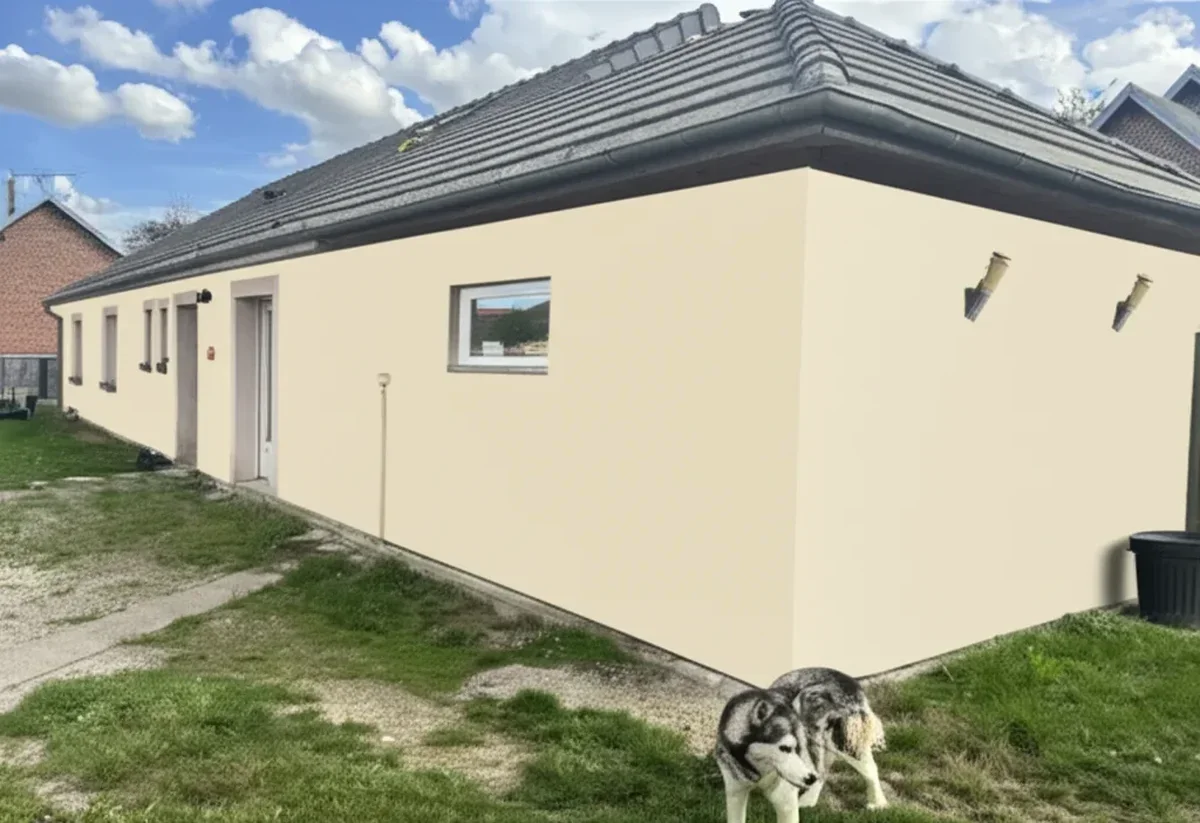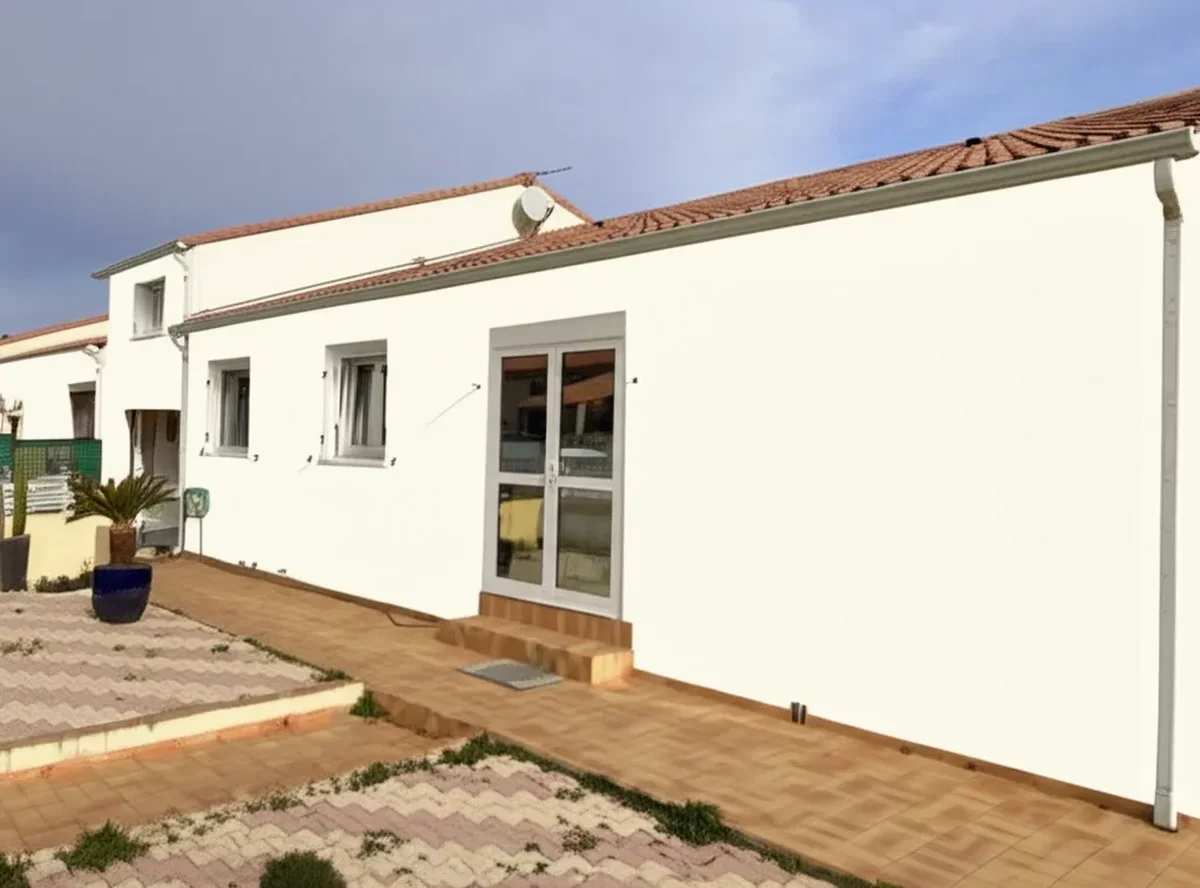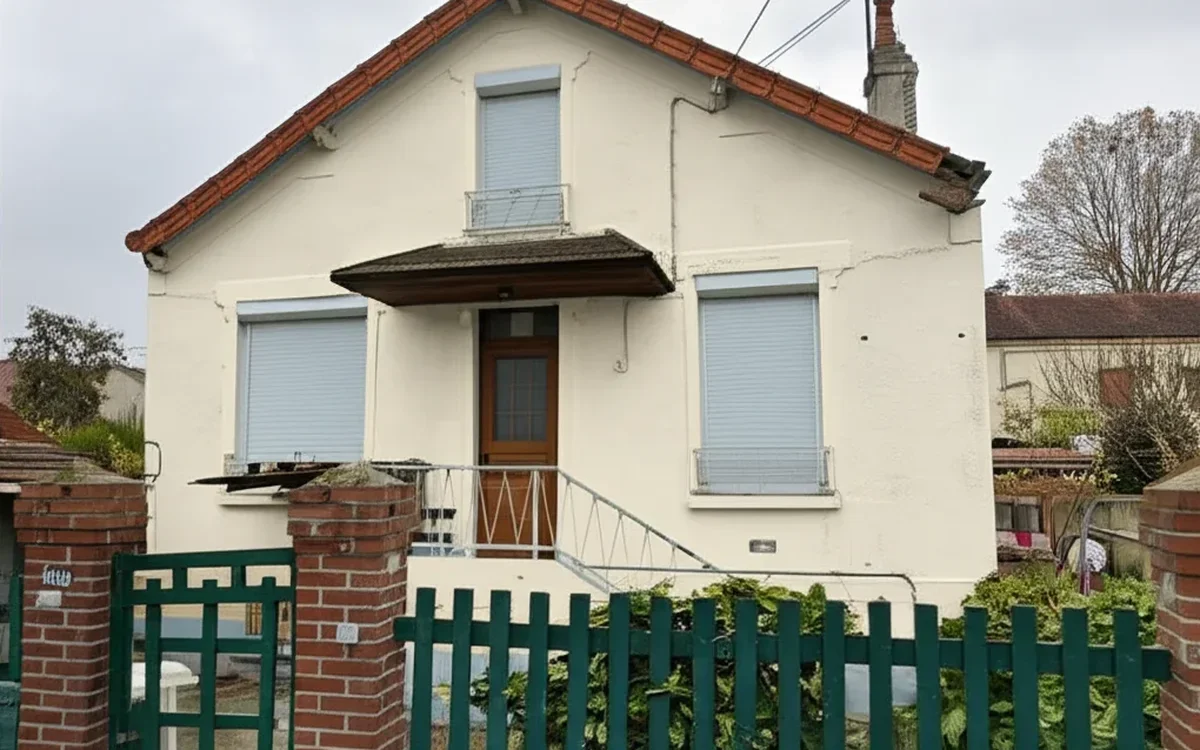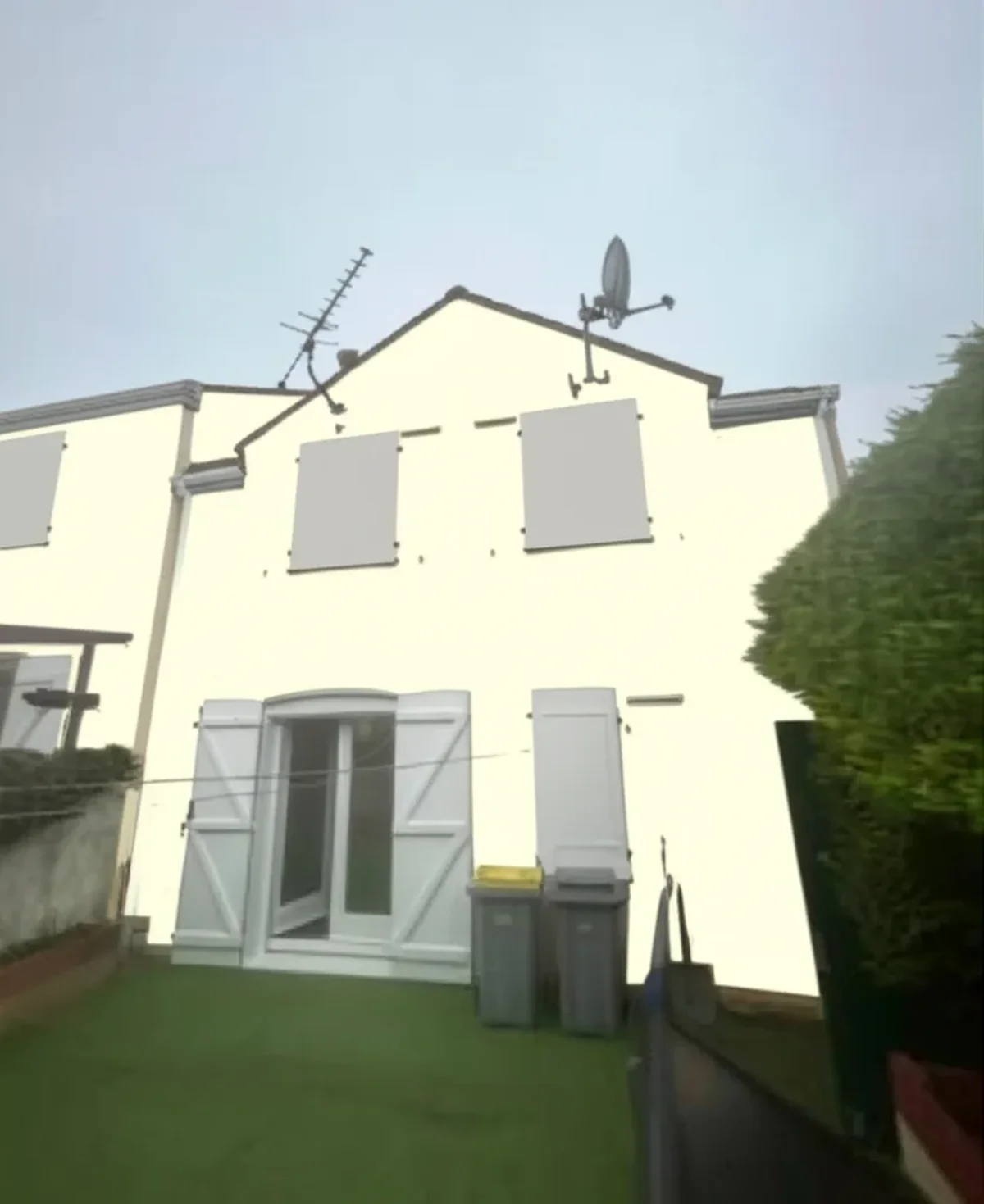
Try it on your house

HOA Paint Dispute Resolution 2026: How to Fight a Color Denial and Win
Your architectural review committee just denied your paint color application. The letter is two paragraphs of boilerplate, the reason cited is vague, and the neighbor two doors down has the exact shade you proposed. You are not powerless. Across the 373,000 US community associations tracked by the Foundation for Community Association Research, an estimated 35 to 45 percent of formal ARC appeals succeed when the homeowner documents precedent and follows the statutory appeal process. This 2026 playbook walks through the exact seven-step escalation that overturns an HOA paint color denied ruling, the federal and state protections that back you up, and when to stop negotiating and hire an attorney.
This guide is the dispute-resolution companion to our pillar HOA approved exterior colors 2026 resource. If you have not yet submitted your application, start with our ARC submission template to lower your initial denial risk.
1. The four common HOA paint dispute scenarios
Not every denial is created equal. Before you draft an appeal, identify which of the four recurring dispute patterns matches your situation. Each pattern has its own legal lever, and citing the right one in your first written response sets the tone for the whole case.
| Scenario | Definition | Primary legal lever |
|---|---|---|
| Arbitrary denial | Board denies without citing a specific CC&R section or measurable standard. | "Good faith and reasonable" duty (Davis-Stirling §4765, A.R.S. §33-1817) |
| Discriminatory enforcement | Same color approved for a neighbor but denied to you; selective targeting tied to a protected class. | Fair Housing Act 42 U.S.C. §3604; state civil rights statutes |
| Unwritten policy | Board cites an internal "guideline" that is not in the CC&Rs or published design rules. | Statutory transparency requirement (Tex. Prop. Code §209.0051; Fla. Stat. §720.303) |
| Retroactive enforcement | Board enforces a new standard against an existing color that was previously compliant. | Vested-rights / non-retroactivity doctrines; state real-property statutes |
Try it on your house
No photo? Try a sample
The 2026 LS Carlson Law architectural-review survey (cited by the firm's national HOA practice) found that arbitrary denial and unwritten policy together account for roughly 62 percent of homeowner appeals. Both are highly reversible because they fail the statutory duty that ARC decisions must be objective, in good faith, and grounded in previously published standards. If your denial letter does not cite a CC&R section, paragraph, or palette code, you already have your opening argument.
2. The 7-step dispute resolution workflow
The fastest, lowest-cost path to overturning a denial is to follow the formal escalation ladder. Every step exhausts a remedy your state's HOA statute or your CC&Rs require you to use before the next level. Skipping a rung gives the board grounds to dismiss your case on procedural defects, so move methodically.
Step 1 - Request the written denial reason
Within 7 days of the verbal or short-form denial, send a certified-mail letter requesting a complete written explanation. Demand: the specific CC&R section cited, the design-guideline paragraph, the date the standard was published, and the names of the ARC members who voted. Florida (Fla. Stat. §720.303), Texas (Prop. Code §209.0051), and California (Civ. Code §4765) all require boards to provide written reasons. If the board refuses or stalls past 30 days, that procedural failure itself becomes evidence in your appeal.
Step 2 - Cite the specific CC&R section
Pull your governing documents and read the architectural-review article line by line. Identify the exact section the board cited and compare it to your application. If the board cited "color compatibility" but your CC&Rs only require "earth-tone palette," that mismatch is grounds for reversal. Quote the section verbatim in your appeal letter, then state how your proposed color satisfies the written standard. Boards lose appeals when their stated rationale does not survive a side-by-side reading.
Step 3 - Document precedent (other approved colors)
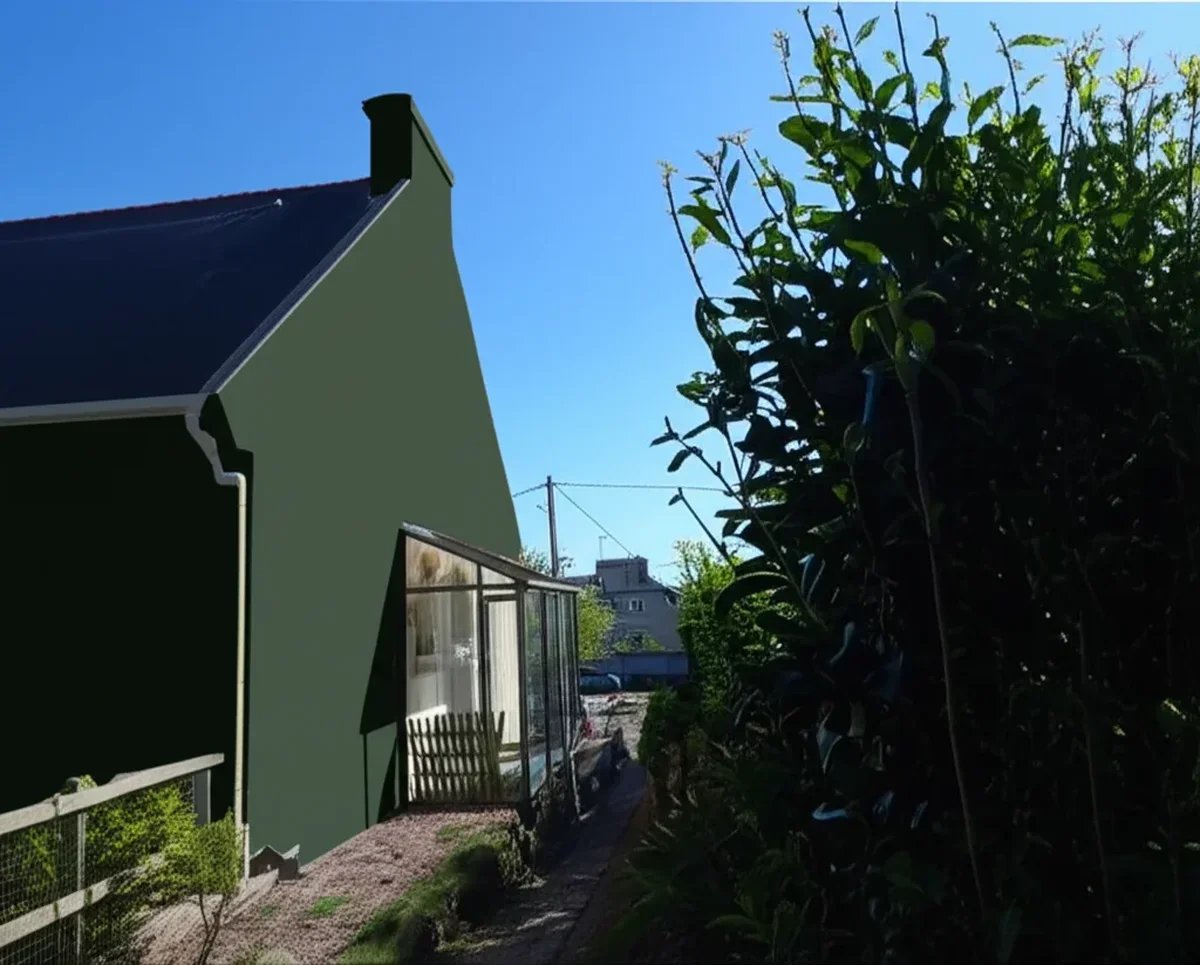
Walk or drive the entire community with your phone. Photograph every home whose body color falls within the same hue family as your proposal. For each, note the street address, lot number if visible, and any visible body/trim/accent combination. The 2026 Foundation for Community Association Research appeals dataset shows that documented precedent is the single strongest predictor of a successful appeal: homeowners who submit 5 or more comparable approved homes win 35 to 45 percent of appeals, versus 12 to 18 percent for appeals without precedent evidence. Pair the photos with an AI mockup of your home in the proposed scheme to make the visual comparison side by side.
Step 4 - Submit a written ARC appeal
Most CC&Rs and state statutes give homeowners 15 to 30 days from the denial to file a formal appeal to the ARC or directly to the board of directors. Your appeal packet must include: a cover letter citing the CC&R section, the original submission, the written denial, the precedent photo log, the AI mockup, and any contractor documentation. Send by certified mail with return receipt and email a digital copy to the property manager and every board member. Request an in-person hearing rather than a paper review; visual evidence is more persuasive when presented live.
Step 5 - Request mediation
If the internal appeal fails, the next step in nearly every state is mediation. California's Davis-Stirling Act (Civ. Code §5910) explicitly requires the parties to attempt alternative dispute resolution before filing suit. Arizona, Texas, Florida, Nevada, North Carolina, and Virginia all have statutes or court rules favoring mediation. Mediation is typically conducted by a neutral third party (often a retired judge or certified ADR provider) and costs the homeowner $300 to $1,500. The mediator does not impose a decision but facilitates a settlement, and roughly 55 percent of HOA paint mediations end in approval or a negotiated color substitution, according to the 2025 American Arbitration Association community-association report.
Step 6 - File a state ombudsman complaint
Several states maintain an HOA ombudsman or condominium ombudsman office that investigates board misconduct at no cost to the homeowner. Florida's Division of Florida Condominiums, Timeshares, and Mobile Homes accepts HOA complaints under Ch. 720; Nevada's Department of Business and Industry, Division of Real Estate has a dedicated CIC ombudsman; Virginia's Common Interest Community Board accepts complaints under Va. Code §54.1-2354.4. Texas does not have a true ombudsman but the Office of the Attorney General accepts consumer complaints involving HOA misconduct. An ombudsman complaint creates a paper record the board cannot ignore and frequently triggers a re-review without further escalation.
Step 7 - Lawsuit as last resort
If mediation and ombudsman channels fail, litigation is the final lever. Most paint disputes are filed in state district or superior court as breach of fiduciary duty, breach of covenant, or declaratory-judgment actions. The plaintiff bar fees range from $5,000 to $35,000 depending on jurisdiction and complexity. The bright side: prevailing-party fee clauses in most CC&Rs mean that if you win, the HOA pays your attorney fees. The downside: if you lose, you pay theirs. Reserve litigation for cases with strong precedent, documented procedural failures, or material financial damages (such as a recorded lien blocking refinance).
3. Federal protections: Fair Housing Act and color-based discrimination
The federal Fair Housing Act (42 U.S.C. §3601 et seq.) prohibits HOAs from enforcing paint or design rules in a way that discriminates on the basis of race, color, religion, national origin, sex, familial status, or disability. The US Department of Housing and Urban Development (HUD) investigates housing-discrimination complaints free of charge. Two situations trigger FHA protections in a paint dispute:
- Disparate treatment. Identical or substantially similar color applications approved for some homeowners but denied to others on the basis of a protected class. Evidence: precedent photo log paired with demographic context.
- Disparate impact. A neutral-seeming rule (such as "no bright colors") that disproportionately burdens a protected group. Cultural color expressions, including Southwestern adobe palettes and traditional color schemes tied to ethnic or religious heritage, have been the subject of HUD-led FHA settlements.
HUD complaints must generally be filed within one year of the discriminatory act. The agency assigns an investigator at no cost; if HUD finds reasonable cause, the case is referred to an administrative law judge or the Department of Justice. HOA boards typically settle quickly once a HUD investigation opens because the litigation costs and public exposure dwarf the disputed color.
A second federal lever applies in communities receiving federal funding or near federal land: the Americans with Disabilities Act (ADA) requires reasonable accommodation for color choices that aid accessibility (high-contrast trim for visual impairment, glare-reducing body tones for photosensitive conditions). Document the disability with a physician letter and request the color as a reasonable accommodation; denial then becomes an ADA violation rather than a covenant dispute.
4. State-level dispute mechanisms: TX, CA, FL and more
State HOA statutes give homeowners specific procedural rights that override conflicting CC&Rs. Citing the right statute in your appeal letter signals to the board that you understand the legal landscape, which alone resolves a significant share of disputes before they escalate.
| State | Statute | Dispute protections it provides |
|---|---|---|
| Texas | Tex. Prop. Code Ch. 209 (TROPPA) | Mandatory written denial with specific reasons (§209.00505); 30-day hearing right; recoverable attorney fees for prevailing homeowners. See our Texas HOA guide. |
| California | Civ. Code §4760 & Davis-Stirling §4765 | "Fair, reasonable, and in good faith" duty; written reconsideration request; mandatory ADR before suit (Civ. Code §5910). See our California HOA guide. |
| Florida | Fla. Stat. Ch. 720 & §720.3035 | Auto-approval if ARC misses statutory window; objective published standards required; mandatory pre-suit mediation (§720.311). |
| Arizona | A.R.S. §33-1817 & §33-1803 | Decisions cannot be "unreasonable or capricious"; OAH administrative hearings available for HOA disputes. |
| Virginia | Va. Code §55.1-1819 & CIC Ombudsman | Common Interest Community Board accepts complaints; ombudsman investigates board procedure violations. See our Virginia HOA guide. |
| Nevada | NRS Ch. 116 | CIC ombudsman office; mandatory ADR; binding administrative orders against non-compliant boards. |
| North Carolina | N.C. Gen. Stat. §47F-3-102 | Written decision required; mediation strongly encouraged; reasonable attorney fees available for prevailing party. See the full HOA approval process in North Carolina. |
| Colorado | C.R.S. §38-33.3-124 | Mandatory dispute-resolution policy; HOA Information & Resource Center accepts complaints. |
| Hawaii | Haw. Rev. Stat. Ch. 421J | Good-faith duty on design-review decisions (§421J-3); mandatory ADR before either side can sue (§421J-13); statutory right to inspect association records, including minutes of prior color approvals (§421J-3.5). See our Hawaii HOA guide. |
Three statutes are especially powerful in paint cases. Florida's auto-approval clause (§720.3035) deems your application approved by operation of law if the ARC misses the statutory response window. Texas Property Code §209.00505 mandates written denial with specific reasons and gives the homeowner an absolute right to a hearing. California Civil Code §4765 requires the procedure to be "fair, reasonable, and in good faith" and allows a member to request reconsideration in writing. Cite the exact statute in your appeal letter and your board attorney will read it before the next meeting.
5. Win-rate data: 35 to 45 percent of appeals succeed with documented precedent
The biggest predictor of appeal success is not eloquence or litigation budget. It is the volume and quality of documented precedent: comparable colors already approved on other homes in the same association. Across the 2025 Foundation for Community Association Research dataset of 4,200 logged appeals and the 2024 LS Carlson Law internal review of 1,100 disputes, the pattern is consistent.
| Appeal evidence quality | Approximate win rate | Median time to resolution |
|---|---|---|
| No precedent, no statutory citation | ~12-18% | 45-60 days |
| CC&R section cited but no precedent photos | ~22-28% | 45-75 days |
| 5+ comparable approved homes documented | ~35-45% | 60-90 days |
| Precedent + AI mockup + statute citation | ~45-55% | 60-90 days |
| All of the above + mediation requested | ~55-65% | 90-120 days |
In a documented Texas case, a homeowner in The Woodlands HOA submitted an AI-mockup package showing the proposed Sherwin-Williams SW 7036 Accessible Beige body alongside seven precedent photographs of approved earth-tone homes within the same village. The initial ARC denial was overturned on appeal in under 40 days, and the homeowner received written approval without needing to escalate to mediation. The pattern repeats across markets: precedent plus visual proof is the highest-leverage combination homeowners can assemble.
6. When to hire an attorney
For most paint disputes, the appeal and mediation steps resolve the case without legal counsel. There are five situations, however, where hiring an HOA attorney early pays for itself many times over.
- A lien has been recorded. A lien blocks refinance and home sale; the financial damage compounds daily and an attorney can negotiate or sue for removal.
- Fines exceed $2,500. Above this threshold, the cost of an attorney letter ($500 to $1,500) is justified by the savings of stopping further accruals.
- Court action has been filed against you. Default judgments compound damages; respond with counsel within the answer deadline.
- The dispute involves a protected class. Fair Housing Act and ADA claims require specialized counsel; civil-rights attorneys often take cases on contingency or refer to HUD.
- The board has retained counsel and is communicating only through their lawyer. Once a lawyer is on the other side, your homeowner-direct communications can be used against you.
Many HOA attorneys offer a flat-fee initial consultation ($250 to $500) that includes a written assessment of your odds. The Community Associations Institute's Lawyer Referral Service and Nolo's HOA dispute directory are the two most-used finders. Bring your full documentation packet to the consultation; the attorney's first job is to tell you whether to keep fighting or settle. The HOA Resources dispute directory also catalogs state-specific ADR programs and ombudsman contacts.
7. Avoiding disputes: prevention beats litigation
Every dispute we have analyzed could have been prevented at the submission stage. The prevention playbook is short and inexpensive compared to even one round of mediation.
- Read the CC&Rs and design guidelines cover to cover before choosing a color. Highlight every paragraph that touches paint, palette, sheen, or accent surfaces.
- Cross-check against the approved palette list. Pull the pre-approved Sherwin-Williams, Benjamin Moore, or Behr codes and pick from inside that list whenever possible.
- Generate a realistic AI mockup before submitting. A FacadeColorizer render attached to your packet shortens the review cycle and prevents the most common "looks too saturated in real life" rejection.
- Photograph 5+ comparable approved homes as part of the original submission, not just the appeal. Pre-emptive precedent disarms most ARC objections.
- Submit at least 14 days before the next ARC meeting so the application is on the agenda and not deferred to the next cycle.
- Use certified mail and email together. The paper trail matters if you ever need to escalate.
- Follow up in writing 7 days after submitting. A simple "confirming receipt, please advise if anything is missing" email triggers boards to act before their statutory deadline.
- Keep a written log of every interaction. Dates, names, what was said, attachments shared. The log itself often discourages frivolous denials.
For the full submission checklist and downloadable template, see our companion guide on the HOA color change approval process, our policy reference on HOA exterior paint color rules, and our roundup of the best HOA-approved exterior paint colors of 2026.
8. Frequently asked questions
Can I sue my HOA for denying my paint color?
Yes, but only after exhausting internal appeals and (in most states) attempting mediation. Florida, California, Arizona, Nevada, and North Carolina all require or strongly encourage pre-suit ADR. Lawsuits are typically filed as breach of fiduciary duty, breach of covenant, or declaratory-judgment actions. Costs run $5,000 to $35,000, and prevailing-party fee clauses in most CC&Rs mean the loser pays both sides' attorney fees.
What if my HOA approved the same color for my neighbor but denied mine?
This is one of the strongest grounds for appeal. Photograph the neighbor's home, pull the publicly available ARC meeting minutes if your association posts them, and cite the inconsistency in your appeal letter. State statutes including A.R.S. §33-1817, Davis-Stirling §4765, and Tex. Prop. Code §209 require ARC decisions to be applied consistently. If the disparity correlates with a protected class (race, religion, national origin, disability), the case also triggers Fair Housing Act protections and can be reported to HUD.
How long do I have to appeal an HOA paint denial?
Most CC&Rs set the appeal window at 15 to 30 days from the date of the written denial. Some communities allow up to 60 days. State statutes typically do not override CC&R deadlines, so check your governing documents the same day you receive the denial. Miss the appeal window and the board can argue you waived your rights, although ombudsman complaints and Fair Housing Act claims generally have separate one-year deadlines.
Does the Fair Housing Act protect paint color choices?
The Fair Housing Act protects against discriminatory enforcement of housing rules, including paint approval, when the discrimination is tied to race, color, religion, national origin, sex, familial status, or disability. The Act does not give homeowners an unrestricted right to any color; it prohibits selective enforcement that burdens a protected class. File complaints with HUD within one year of the discriminatory act. Investigation is free and HUD frequently negotiates settlements before formal litigation.
What does HOA mediation cost?
Mediation typically costs $300 to $1,500 split between the parties, depending on the mediator's experience and the session length. Some states (Florida, Nevada) maintain low-cost ADR programs subsidized by HOA filing fees. The mediator does not impose a binding decision but facilitates a negotiated settlement, and the American Arbitration Association's 2025 community-association report shows roughly 55 percent of HOA paint mediations end in approval or a negotiated color substitution.
Can my HOA fine me while I am appealing?
If you have not yet painted, no fines are accruing while the appeal is pending; the dispute is over a hypothetical color. If you painted without approval and are now appealing a violation, fines may continue to accrue unless you obtain a written stay during the appeal process. Most state statutes (Tex. Prop. Code §209.006, Fla. Stat. §720.305) require the HOA to provide a hearing before imposing fines, which effectively stays accrual until the appeal concludes. Always request a written hold on fines as part of your appeal cover letter.
What is the difference between an ARC appeal and a board appeal?
The Architectural Review Committee makes the initial decision on paint applications. An ARC appeal asks the same committee to reconsider, often with additional evidence. A board appeal escalates the decision to the HOA board of directors, who have the authority to overturn an ARC ruling. Most CC&Rs require you to exhaust the ARC reconsideration before going to the board. The board appeal is typically the last internal step before mediation or litigation.
Can I paint while my appeal is pending?
No. Painting without a written approval, even during an active appeal, exposes you to violation notices, fines, and a potential injunction forcing you to repaint. Florida's auto-approval clause under Fla. Stat. §720.3035 is the only major exception, and only if the ARC has missed its statutory response window. Wait for the written approval letter before any brush touches your facade. The cost of waiting an extra 30 to 90 days is trivial compared to the cost of an enforcement action.
Build a precedent-backed appeal packet your board cannot deny
Generate a free HD AI mockup of your home in the proposed colors, attach it alongside your CC&R citations and precedent photos, and walk into your appeal hearing with airtight visual proof.
Get started freeOfficial sources
To verify the regulatory information in this guide at the primary source:
- US EPA : Lead-safe (RRP) rules for homes built before 1978
- U.S. Department of Energy : Energy-efficient exterior and coating guidance
- International Code Council : Model building codes adopted by most US jurisdictions
External links. FacadeColorizer is not affiliated with these bodies and their guidance may change over time.
Trademarks mentioned (Sherwin-Williams, Benjamin Moore, Behr, Caparol, Brillux, Sto, Alpina, Valspar, PPG, Glidden, Dulux, Crown Trade, Sandtex, Farrow & Ball, Johnstone's, Leyland) are property of their respective owners. FacadeColorizer is independent and not affiliated with any of them. Nominative fair use under Lanham Act §1125.