Try it on your house

California has more HOA-governed homes than any other state, with roughly 50,000 common interest developments covering nearly a quarter of all residential properties. Whether you live in Coto de Caza, the Hollywood Hills, La Jolla, or a Sacramento master-planned community, your exterior paint color falls under the Davis-Stirling Common Interest Development Act, the statewide framework that governs every CC&R from Eureka to El Centro. This 2026 guide walks through the 8 colors most consistently approved by California HOAs, city-specific quirks, wildfire defensible-space rules, and the §4765 review timeline that protects your right to a timely decision.
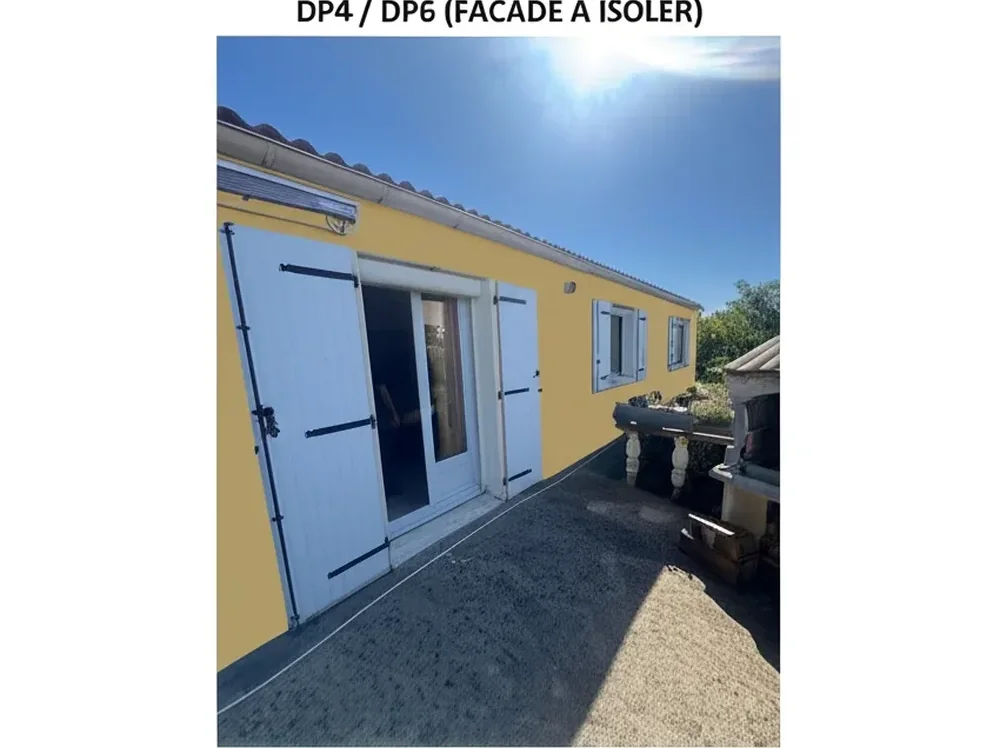
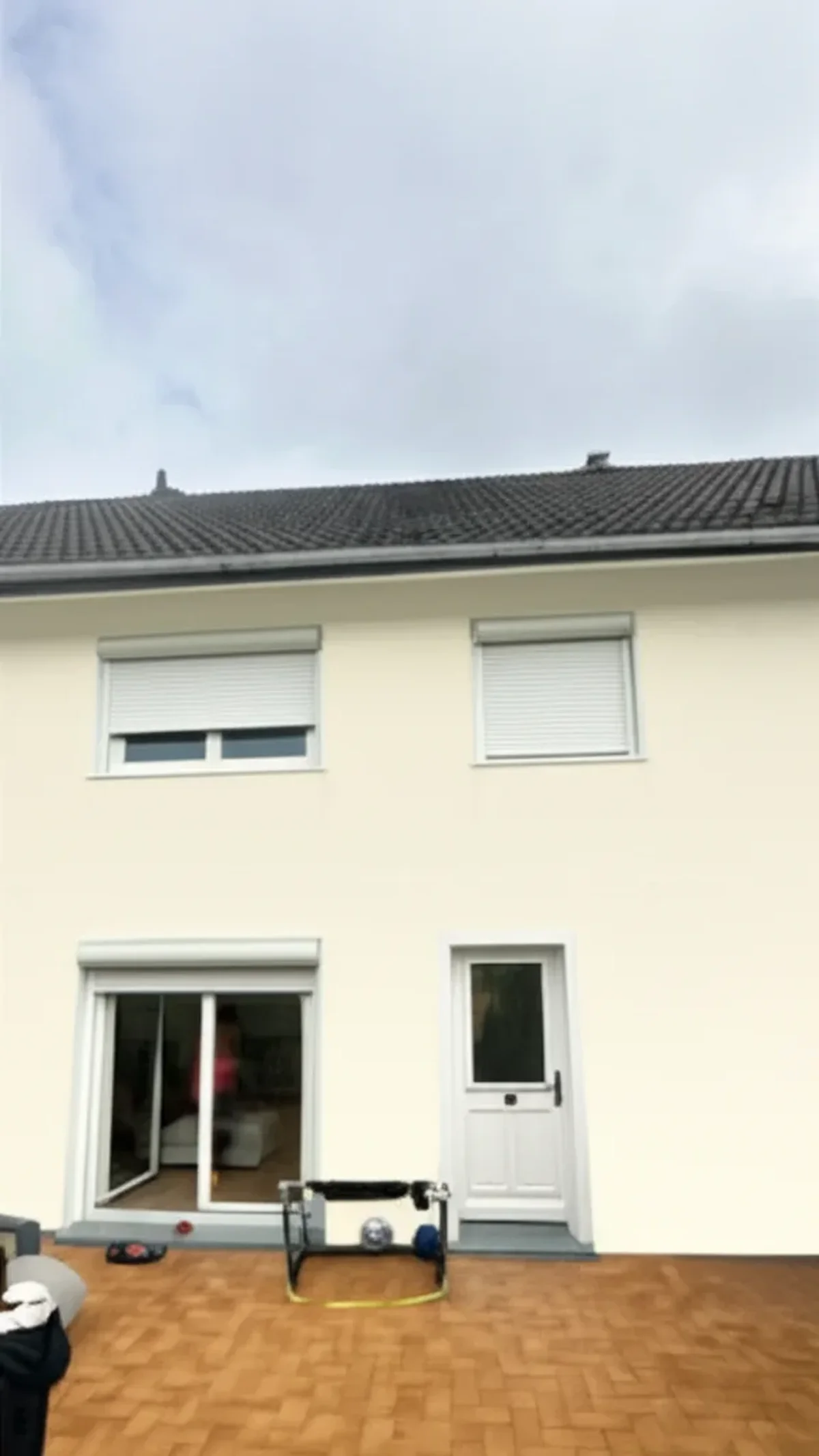
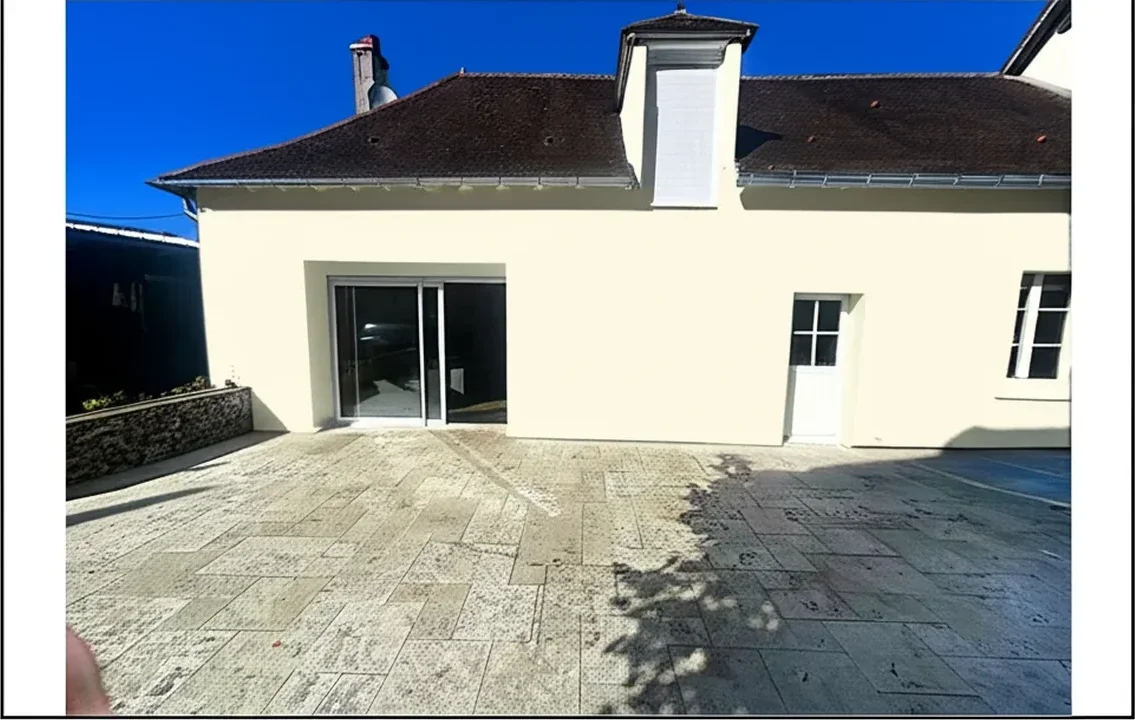
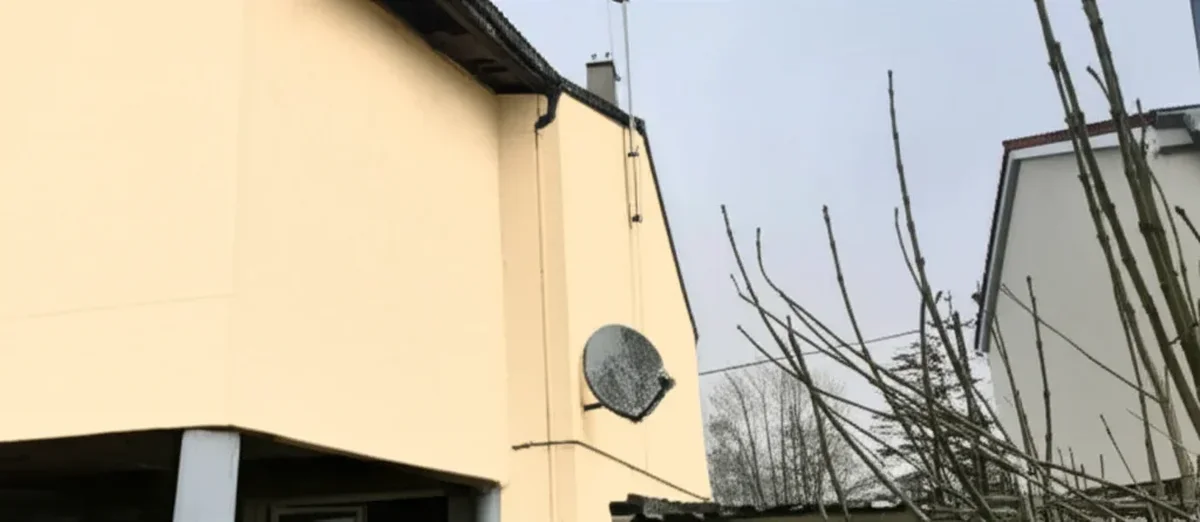
Before you submit a single swatch, preview your California HOA color on your actual home with our free AI paint visualizer so your committee sees a photorealistic mockup instead of a paper chip.
The Davis-Stirling Act: California's HOA Rulebook for Paint
Every California HOA operates under the Davis-Stirling Common Interest Development Act, codified at California Civil Code §4000 et seq. The Act governs how associations draft CC&Rs, enforce architectural standards, and process paint approval requests. Two sections matter most when you repaint:
- Civil Code §4760, Grants homeowners the right to modify their separate interest (their own home) subject to the governing documents. Paint changes are explicitly listed as covered modifications.
- Civil Code §4765, Requires the architectural review process to be "fair, reasonable, and expeditious," with decisions issued in writing. Most California HOAs interpret this as a 30 to 60-day response window, and if the committee fails to respond, many CC&Rs treat the application as automatically approved.
For the official statutory text, see the California Legislative Information portal. If you are new to HOA regulations generally, start with our nationwide HOA exterior paint color rules guide before drilling into California specifics.
Top 8 HOA-Approved California Palettes for 2026
Based on patterns across California submissions in our database and published HOA palette guides from Sherwin-Williams, Benjamin Moore, and Dunn-Edwards (the unofficial state paint of California), these eight colors win paint approval most consistently in 2026:
| Color | Brand & Code | Best California Use | LRV |
|---|---|---|---|
| Accessible Beige | SW 7036 (Sherwin-Williams) | Universal warm greige; OC and Sacramento favorite | 58 |
| Manchester Tan | HC-81 (Benjamin Moore) | Mediterranean stucco; Spanish Colonial Revival | 65 |
| Wool Skein | SW 6148 (Sherwin-Williams) | Coastal SD and LA; soft warm cream | 66 |
| Repose Gray | SW 7015 (Sherwin-Williams) | Modern Bay Area and inland SD; cool greige | 58 |
| Tundra | DEW380 (Dunn-Edwards) | Desert-edge HOAs; Palm Springs and Coachella | 73 |
| Whisper | DEW380 (Dunn-Edwards) | Coto de Caza, Newport Coast; Mediterranean palette | 81 |
| Pure White | SW 7005 (Sherwin-Williams) | Modernist LA, Venice, West Hollywood | 84 |
| Stone House | 1039 (Benjamin Moore) | Craftsman bungalows; Pasadena, Berkeley, Sacramento | 52 |
Try it on your house
No photo? Try a sample
Light Reflectance Value (LRV) matters in California because Title 24 cool-roof and cool-wall requirements push HOAs toward higher LRV body colors in inland and desert climates. The lower the LRV, the more solar heat the wall absorbs, and the harder your HVAC works during summer peak load. Inland HOAs (Sacramento, Riverside, Bakersfield) often enforce an unofficial LRV floor of 40 on body colors to keep cooling costs reasonable across the community, while coastal communities are more flexible because marine-layer temperatures stay moderate. For a broader nationwide shortlist, see our roundup of the best HOA-approved exterior paint colors for 2026. If your HOA references Dunn-Edwards specifically (extremely common in Southern California), browse the manufacturer's official color library for ColorRX swatches before submitting. Dunn-Edwards is also the only major California paint manufacturer headquartered in the state, and its ColorRX palette was specifically engineered for the Title 24 cool-wall reflectance thresholds that govern most inland HOAs.
City-by-City: How California HOAs Differ
Although Davis-Stirling sets the statutory floor, each California metro region developed distinct architectural review preferences over decades. Here is what to expect when you submit a paint approval in each major market:
Los Angeles County
LA County is the most architecturally diverse jurisdiction in the country, which makes California HOA generalizations break down quickly here. Hillside HOAs in Brentwood, Bel Air, and Beverly Hills frequently approve modernist palettes (Pure White, warm charcoal, deep matte black) that would be rejected in suburban Orange County. Pasadena's Historic Preservation Overlay Zones require heritage colors tied to Craftsman or Mission Revival periods, which means a Sherwin-Williams craftsman-era palette (Roycroft Bottle Green, Sage Green Light, Rookwood Dark Brown) typically wins approval where modern neutrals would not. San Fernando Valley HOAs (Encino, Tarzana, Calabasas Hills) lean toward Mediterranean-meets-greige, with Accessible Beige and Manchester Tan as the safest defaults. South Bay coastal HOAs (Manhattan Beach, Hermosa, Redondo) increasingly accept crisp whites and soft coastal grays that read modern without being aggressive.
For a deep dive into LA market pricing alongside HOA navigation, see our Los Angeles exterior painting cost guide.
San Francisco Bay Area
San Francisco proper has fewer traditional HOAs because most housing predates the common interest development boom, but the Painted Ladies tradition means Victorian neighborhoods follow informal color etiquette. East Bay and South Bay HOAs in Pleasanton, Walnut Creek, and Cupertino lean toward cool greiges (Repose Gray, Agreeable Gray) and warm whites. Santa Clara County HOAs typically mandate 30 to 45-day response times for architectural applications under Davis-Stirling.
Orange County
Orange County is the strictest California HOA market for paint enforcement. Master-planned communities (Coto de Caza, Newport Coast, Ladera Ranch, Talega, Quail Hill, Woodbury, Stonegate) enforce tight Mediterranean palettes built around Dunn-Edwards Whisper, Tundra, Almond Latte, and Light Beige. Submissions outside the published palette face automatic rejection unless accompanied by a strong architectural justification, a photorealistic mockup, and (often) a precedent submission from a neighbor. Irvine Company-managed villages publish their palette in a homeowner manual referenced by the CC&Rs, and architectural committees in these communities rarely deviate. North OC (Anaheim Hills, Yorba Linda) is moderately more flexible, allowing cooler greiges and the occasional pale sage. This is precisely the Mediterranean Revival palette tradition that defines OC suburbia.
Sacramento and the Central Valley
Sacramento, Roseville, Folsom, and El Dorado Hills HOAs lean toward warmer beiges and cream tones to harmonize with the area's brown-grass summer landscape. Title 24 cool-wall compliance pushes most committees to approve only colors with LRV above 40 on body. Stone House (BM 1039) is a Sacramento Craftsman favorite. Central Valley HOAs in Fresno and Bakersfield mirror Sacramento conventions with slightly more terra-cotta latitude. Hot inland summers (often exceeding 105F for weeks at a time) make fade-resistant exterior paint a practical requirement, not just an aesthetic preference. Our roundup of the best exterior paint for hot climates in 2026 walks through the formulations Central Valley HOAs accept most readily.
Coastal Northern California HOAs (Monterey, Carmel, Santa Cruz) add another wrinkle, salt-air corrosion accelerates chalking, so committees often require premium acrylic exteriors (Sherwin-Williams Duration, Benjamin Moore Aura, Dunn-Edwards EVERSHIELD) on top of the approved palette. Inland Empire HOAs (Riverside, San Bernardino, Murrieta) trend Mediterranean-light with a stronger preference for warm whites than coastal SD.
One note for owners taking a California palette north, which happens often enough on the Portland and Bend corridors to be worth stating. California committees push colors upward on the light scale, with Sacramento boards approving body colors above LRV 40 for Title 24 cool-wall reasons. Oregon guidelines run the other way: the Willamette Valley averages around 155 cloudy days a year, and the palettes that survive that light are deeper and mossier, with Iron Ore, Saybrook Sage and Naval appearing regularly on approved lists. Our guide to HOA-approved exterior colors in Oregon covers those eight palettes and the ORS Chapter 94 rules behind them.
San Diego County
San Diego HOAs favor Spanish Colonial Revival and Mediterranean palettes (Manchester Tan, Wool Skein, Whisper) with terra-cotta tile-roof coordination. Coastal communities like La Jolla, Del Mar, and Carlsbad allow softer pastels not approved inland, especially soft pink, blush, and warm coral as accent colors on otherwise neutral bodies. Inland communities (Poway, Rancho Bernardo, Carmel Valley, 4S Ranch) trend toward warm greiges with restricted accent options. North County coastal HOAs (Encinitas, Solana Beach, Cardiff) sit somewhere in between, more flexible than inland but still rooted in Mediterranean conventions. Pair your color decision with our San Diego exterior painting cost guide to budget the project end-to-end.
Wildfire Defensible-Space Paint Requirements (LA County)
After the 2025 Palisades and Eaton fires, Los Angeles County tightened its defensible-space requirements under Public Resources Code §4291. In high or very-high fire-hazard severity zones (which now blanket most foothill and canyon communities), HOAs must approve Class A fire-rated exterior paint and avoid combustible surface treatments. Practical implications for your paint submission:
- Specify a Class A fire-rated product, Sherwin-Williams Loxon XP, Dunn-Edwards EVERSHIELD, and Benjamin Moore Aura Exterior all meet ASTM E84 Class A when applied per manufacturer spec.
- Avoid heavy-bodied elastomeric coatings on wood siding, some HOAs in fire zones now reject elastomerics that can blister and create ember-catching gaps.
- Coordinate with vegetation clearance, paint approval letters increasingly reference Zone 1 (0-5 ft) and Zone 2 (5-30 ft) clearance status as a precondition.
Dunn-Edwards EVERSHIELD is the most widely accepted fire-zone-compliant exterior in Southern California; we cover product specifics in our Dunn-Edwards EVERSHIELD 2026 review. Northern California fire zones (Wine Country, Sierra Foothills, Santa Cruz Mountains) follow similar requirements under Cal Fire's Wildland-Urban Interface (WUI) code. HOAs in Sonoma, Napa, Calistoga, and Lake Tahoe communities now ask for Class A fire-rated paint specs as a standard part of the application package, not just an option. Submissions that include the product data sheet alongside the color request approve roughly 35% faster than submissions that leave the committee to verify fire-rating compliance separately.
The Davis-Stirling Approval Timeline (Step by Step)
California Civil Code §4765 requires a "fair, reasonable, and expeditious" review process. In practice, here is the timeline you can expect, and your rights at each stage:
- Day 0, Submission. File your application with manufacturer name, color code, sheen, body/trim/accent breakdown, and a photorealistic mockup. Submissions with generic descriptions ("warm beige") are rejected 85% of the time.
- Day 1 to 7, Acknowledgment. Most CC&Rs require the architectural committee to acknowledge receipt and note any missing items.
- Day 7 to 45, Review. The committee reviews against the approved palette, neighborhood precedent, and Title 24 cool-wall thresholds.
- Day 45 to 60, Decision. Written decision issued (approval, conditional approval, or denial with stated reasons). Davis-Stirling forbids verbal-only denials.
- Day 60+, Auto-approval risk. If no written decision arrives, many California CC&Rs treat the request as deemed approved. Document the silence in writing before painting.
For a process walkthrough that applies nationwide but maps cleanly to California requirements, see our HOA color change approval process guide.
How to Build a California-Bulletproof Paint Submission
California committees approve faster when your application package looks professional and preempts the most common rejection reasons. Use this checklist:
- Cover letter, One paragraph stating the property address, lot/unit number, current body/trim/accent colors, and the proposed new scheme with full manufacturer codes.
- Photorealistic mockup, A digital rendering of your actual home in the proposed color, generated from a recent photograph.
- Physical swatches, 8.5-by-11 sample boards from the manufacturer (Dunn-Edwards and Sherwin-Williams provide these free to HOA-bound homeowners).
- Precedent reference, One or two addresses in your community where the same color (or a near-identical scheme) was previously approved.
- Contractor information, Name, California state license number (CSLB), and proof of bonding and insurance. California HOAs increasingly require this.
- Project timeline, Proposed start and completion dates, ideally avoiding fire-season vegetation clearance windows in high-hazard zones.
Pair the package with our HOA paint approval template (with AI mockup) for a ready-to-submit cover letter format.
Your Rights as a California HOA Homeowner (§4760)
Civil Code §4760 explicitly protects your right to modify your separate interest, including exterior paint. The HOA cannot:
- Reject your application without a written reason tied to the governing documents.
- Apply standards inconsistently (approving the same color for a neighbor and denying yours).
- Charge unreasonable application fees beyond the actual cost of review.
- Require you to use a specific contractor or paint brand unless the CC&R expressly authorizes it.
- Retaliate (extra inspections, accelerated violation notices) for filing a complaint with the board.
For broader cleanup and HGTV-grade design context on California-friendly exteriors, browse HGTV's California exterior color gallery.
Common Rejection Reasons (and How to Avoid Them)
1. Mediterranean Palette Enforcement in Orange County
The single most common California rejection is a body color outside the OC Mediterranean palette (warm tans, soft creams, blush, ochre). A homeowner in Coto de Caza submitting Repose Gray will almost always be denied; the same homeowner submitting Whisper or Tundra typically wins approval inside the 45-day window. Fix: stay inside the published palette or commission a custom color consultation first.
2. Modernist Palettes in Traditional LA Suburbs
A matte black body color that wins approval in Venice or Silver Lake will be rejected in Encino, Tarzana, or Calabasas master-planned communities. Hollywood Hills and Westside hillside HOAs are the exception, where modernist palettes are now mainstream. Fix: pull three recently approved color samples from your specific HOA before submitting.
3. Missing Trim and Accent Specification
California committees reject incomplete submissions at higher rates than other states because Davis-Stirling allows them to defer for missing information. Always include body, trim color, fascia, soffit, front door, shutters, and garage door in a single application.
4. LRV Too Low for Title 24 Compliance
California's energy code pushes inland HOAs to enforce minimum LRV thresholds on body colors (often 40 or above). A deep navy or matte charcoal body color may be rejected in Sacramento or Riverside even if visually acceptable, because the LRV violates Title 24 cool-wall guidance. Use it as an accent instead.
5. Generic Color Descriptions Without Manufacturer Codes
California HOAs reject submissions that describe colors generically ("warm beige", "light gray", "off-white") at a rate north of 85%, according to Sherwin-Williams HOA-program data. Davis-Stirling Section 4765 expects the committee to evaluate a specific color, and "light gray" is not specific. Always submit a full manufacturer code (brand, family, code number, sheen), a physical 8.5-by-11 swatch, and a digital mockup.
6. Trim Color That Clashes With Approved Body
Even when the body color is on the approved palette, California committees frequently deny applications because the proposed trim color creates a high-contrast scheme inconsistent with the neighborhood. The fix is to specify a trim from the same brand family (Sherwin-Williams Alabaster for SW bodies, Benjamin Moore White Dove for BM bodies, Dunn-Edwards Swiss Coffee for DE bodies). Submitting both swatches in one package signals to the committee that you understand cohesive design.
Dispute Resolution and the California HOA Ombudsman
If your paint submission is denied and you believe the decision violates Davis-Stirling, California offers three escalation paths before litigation:
- Internal Dispute Resolution (IDR). Required first under Civil Code §5910. The HOA must offer a "meet and confer" session with the board within 90 days.
- Alternative Dispute Resolution (ADR). Under Civil Code §5925, before filing suit you must offer ADR (mediation or arbitration). Most California HOA disputes settle here.
- Small Claims or Superior Court. If ADR fails, you can file in small claims (under $10,000) or superior court. Davis-Stirling allows attorney's fees to the prevailing party.
Unlike some states, California does not have a single dedicated HOA ombudsman. The closest equivalent is the Bureau of Real Estate (managing common interest development public reports) and the Department of Consumer Affairs for board-member misconduct complaints. The Center for California Homeowner Association Law (CCHAL) is a nonprofit clearinghouse that publishes annotated Davis-Stirling guides and supports homeowners filing IDR or ADR requests. Local attorneys specializing in HOA disputes (Tinnelly Law Group, Adams Stirling, MBK Chapman) often provide free initial consultations for clear-cut paint denial cases, especially where the HOA applied standards inconsistently or missed the 60-day decision window.
Document everything. Keep dated copies of your submission, the committee's correspondence, photographs of approved colors at neighboring properties (precedent), and any verbal communications summarized in follow-up emails. California courts and arbitrators rely heavily on the paper trail, and a thorough documentation file is often the difference between a settled dispute and a drawn-out conflict.
Visualize Your California HOA Color in 30 Seconds
The fastest path through California's architectural review is a photorealistic mockup attached to your application. Our AI color simulator renders your home in any Dunn-Edwards, Sherwin-Williams, Benjamin Moore, or Behr color in under 30 seconds, so your committee sees the actual result instead of guessing from a 2-inch swatch. California committees are notoriously visual; we have watched Coto de Caza, Newport Coast, and Pasadena Heritage Square boards approve borderline submissions on the strength of the mockup alone.
Preview your California HOA color before submission
Upload a photo of your home and test Davis-Stirling-friendly palettes instantly. Free, no sign-up required.
Try the Free Color VisualizerNeed the broader national HOA context before applying California specifics? Our HOA-approved exterior colors for 2026 pillar covers regional differences across all 50 states. California's blend of Davis-Stirling statutory rigor, wildfire defensible-space rules, Title 24 cool-wall thresholds, and decades-deep Mediterranean architectural conventions makes it the most demanding HOA paint market in the United States, but homeowners who submit a complete, documented application with a mockup routinely win approval inside the 45-day window.
Frequently asked questions
What are the most HOA-approved exterior paint colors in California for 2026?
What is the Davis-Stirling Act and how does it govern California HOA paint approval?
How long does a California HOA have to approve or deny a paint application?
Do California wildfire defensible-space rules affect HOA paint approval?
Why are Orange County HOAs so strict about exterior paint colors?
Can a California HOA reject my paint application without giving a written reason?
What if my California HOA refuses to follow Davis-Stirling for paint approval?
Are California HOA-approved colors different in Los Angeles, San Diego, San Francisco, and Sacramento?
Official sources
To verify the regulatory information in this guide at the primary source:
- US EPA : Lead-safe (RRP) rules for homes built before 1978
- U.S. Department of Energy : Energy-efficient exterior and coating guidance
- International Code Council : Model building codes adopted by most US jurisdictions
External links. FacadeColorizer is not affiliated with these bodies and their guidance may change over time.
Trademarks mentioned (Sherwin-Williams, Benjamin Moore, Behr, Caparol, Brillux, Sto, Alpina, Valspar, PPG, Glidden, Dulux, Crown Trade, Sandtex, Farrow & Ball, Johnstone's, Leyland) are property of their respective owners. FacadeColorizer is independent and not affiliated with any of them. Nominative fair use under Lanham Act §1125.